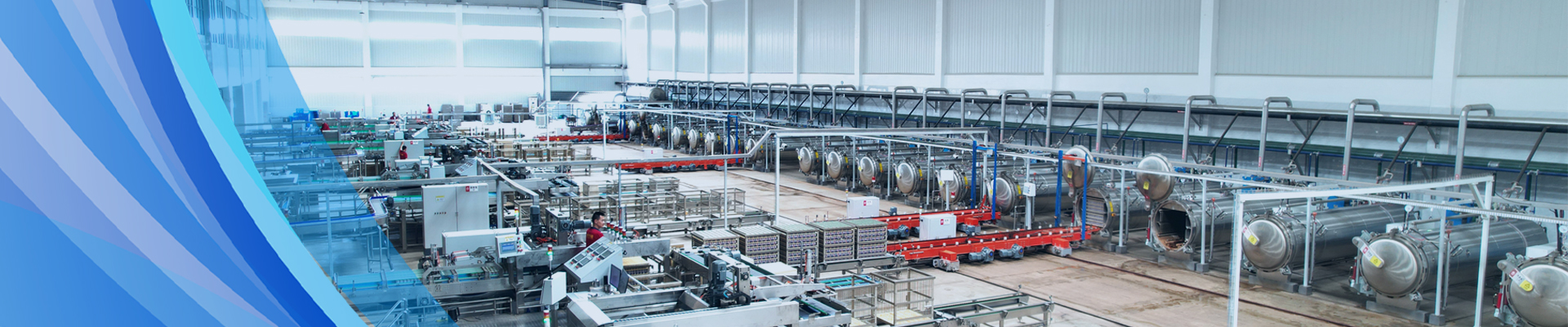

This guide is authored by a senior food processing automation engineer with over 10 years of field experience at ZLPH MACHINERY TECHNOLOGY CO., LTD., a leading Food Retort Autoclave Manufacturer. It addresses a critical challenge faced by global food production managers and plant engineers: inconsistent sterilization results in retort autoclaves, which compromise product safety, shelf life, and regulatory compliance. This issue commonly stems from uneven heat distribution, inadequate process control, and suboptimal loading practices. Drawing on more than 5,000 global installations and rigorous validation across diverse food categories—from canned meats to pet food bowls—we’ve developed a proven, step-by-step methodology to eliminate variability and ensure consistent, compliant sterilization outcomes. In this guide, we dissect the root causes behind thermal inconsistency, provide actionable solutions tailored to real-world production environments, share practical troubleshooting protocols, and validate effectiveness through field-tested performance data—all designed to help you achieve reliable, repeatable sterilization in every batch.

How to Ensure Uniform Heat Distribution During Water Spray Sterilization in Retort Autoclaves?
1. Scenario and Pain Point
In high-volume canning or pouch production lines, operators often observe inconsistent microbial kill rates—some batches pass sterility tests while others fail, despite identical time-temperature settings. This inconsistency leads to costly recalls, wasted inventory, and non-compliance with FDA or EU food safety regulations. The core symptom: cold spots detected during thermal mapping, especially in dense or irregularly packed loads.

2. Root Cause Analysis
Three primary factors contribute to uneven heat distribution: (1) Poor spray nozzle design or clogging, causing non-uniform water coverage; (2) Inadequate circulation of sterilization water due to improper rack loading or blocked flow paths; (3) Lack of real-time temperature monitoring at multiple points within the chamber, preventing dynamic adjustment during the cycle.

3. Step-by-Step Solution
Immediate Mitigation: Reconfigure retort tray loading to maintain minimum 5 cm spacing between packages, ensuring unobstructed water flow. Clean spray nozzles weekly using food-grade descaling agents.
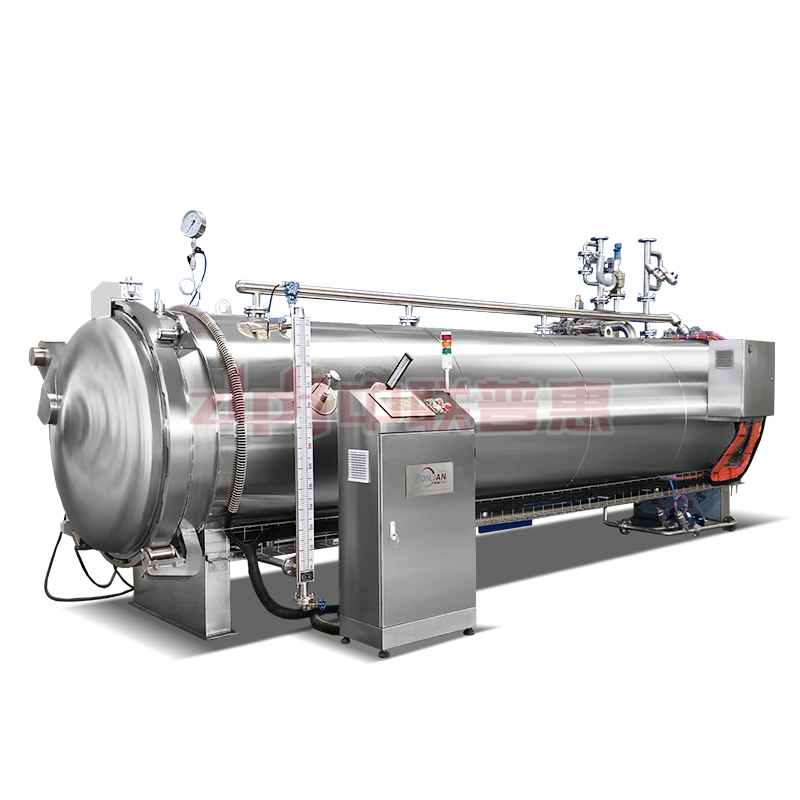
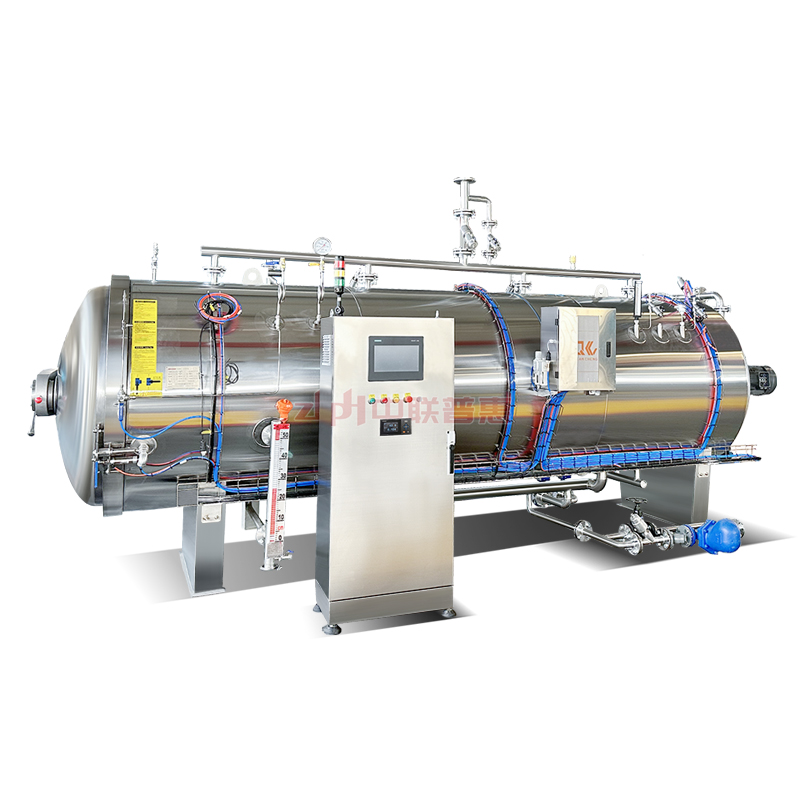
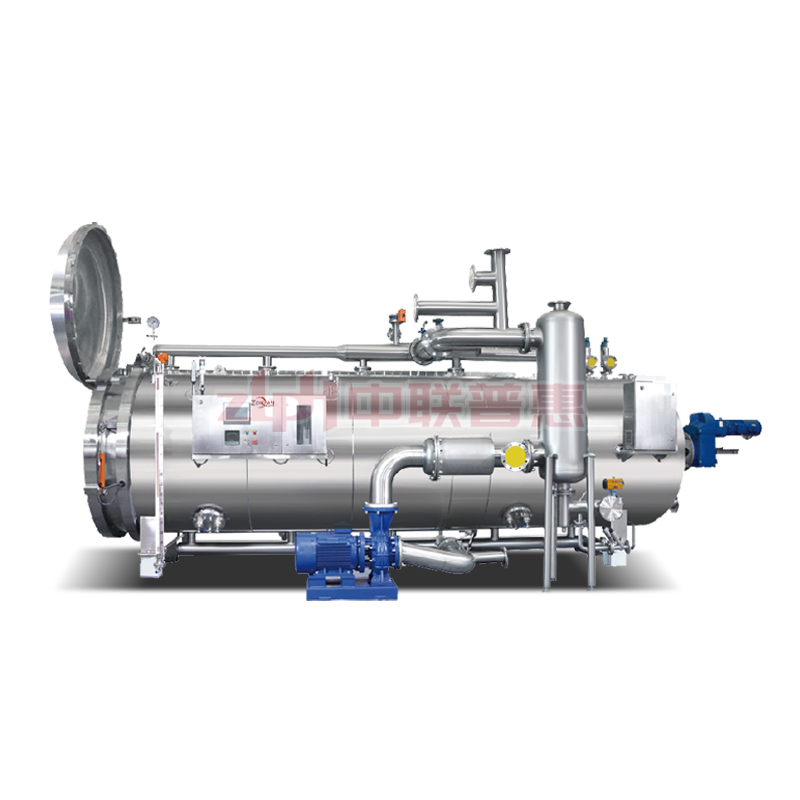
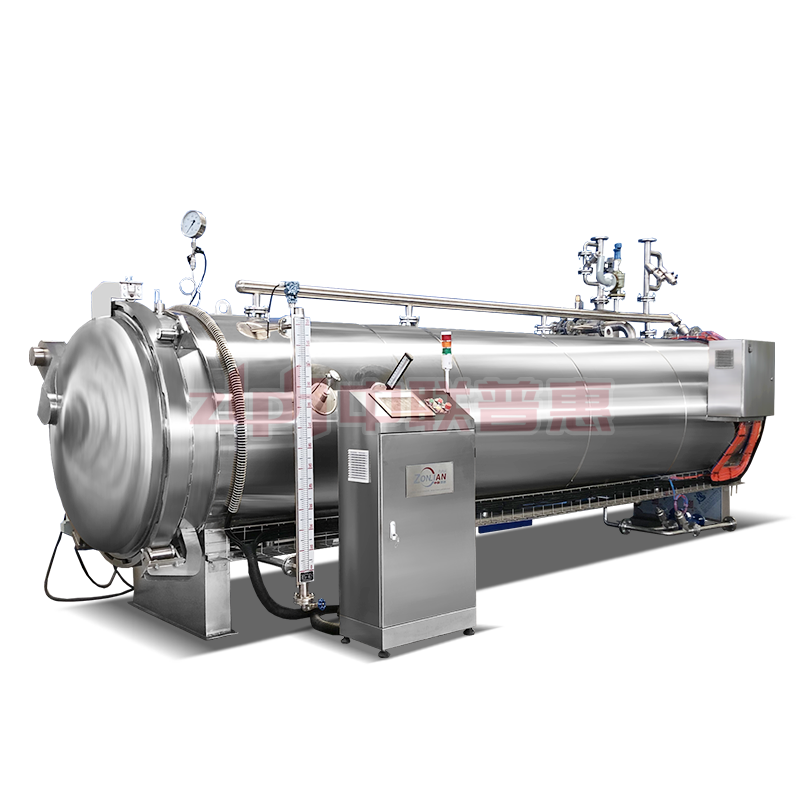
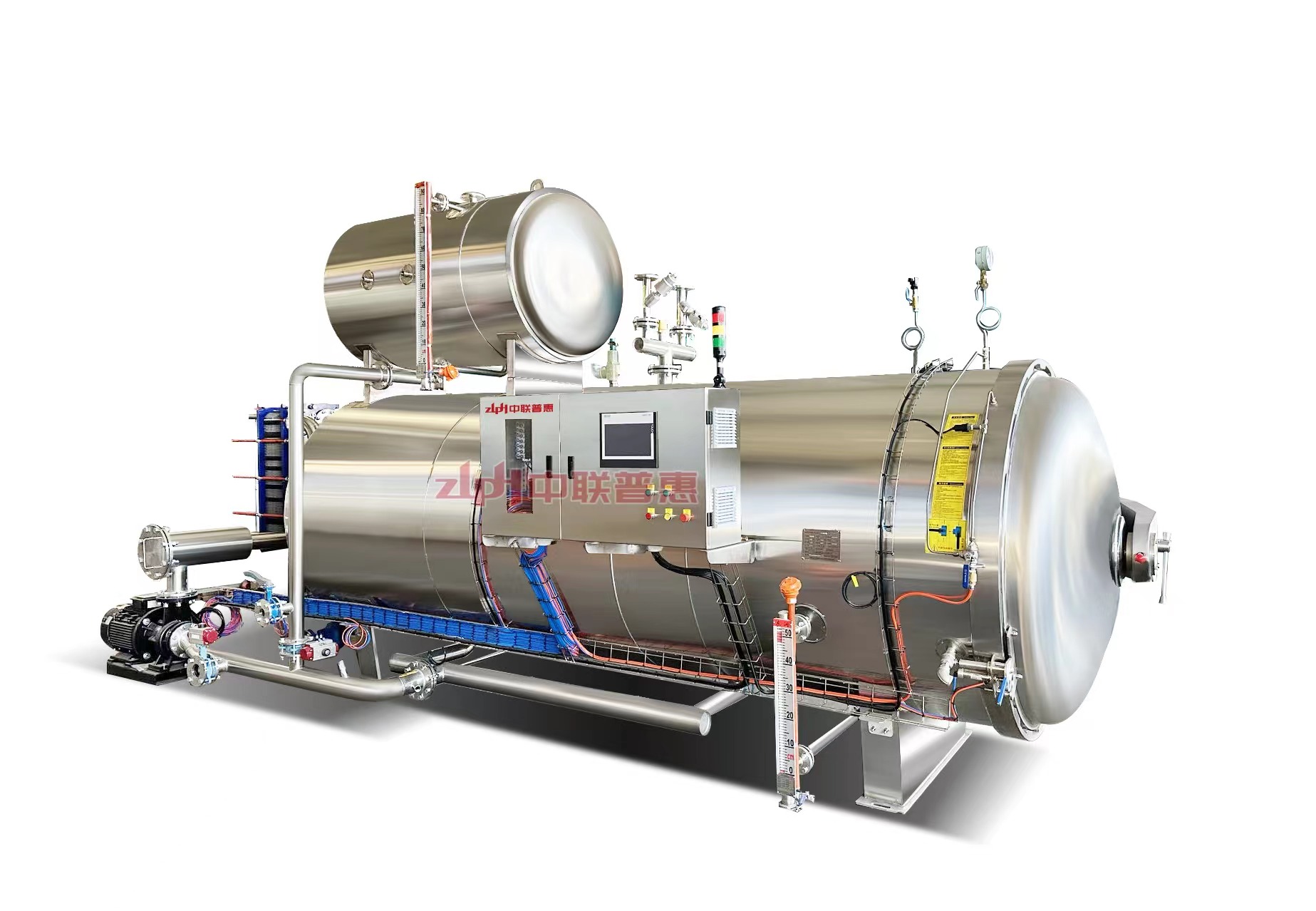
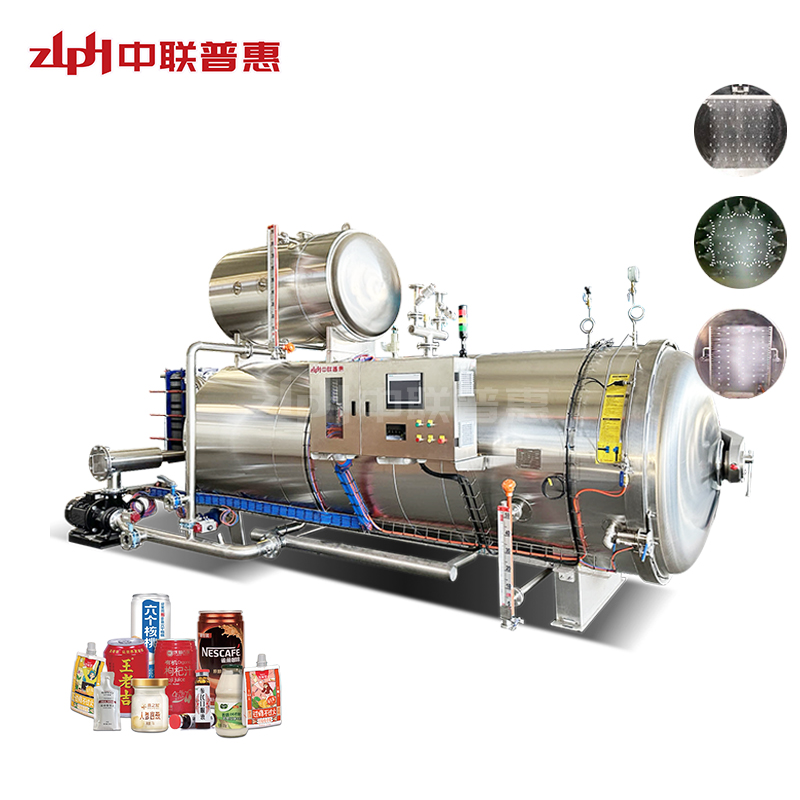
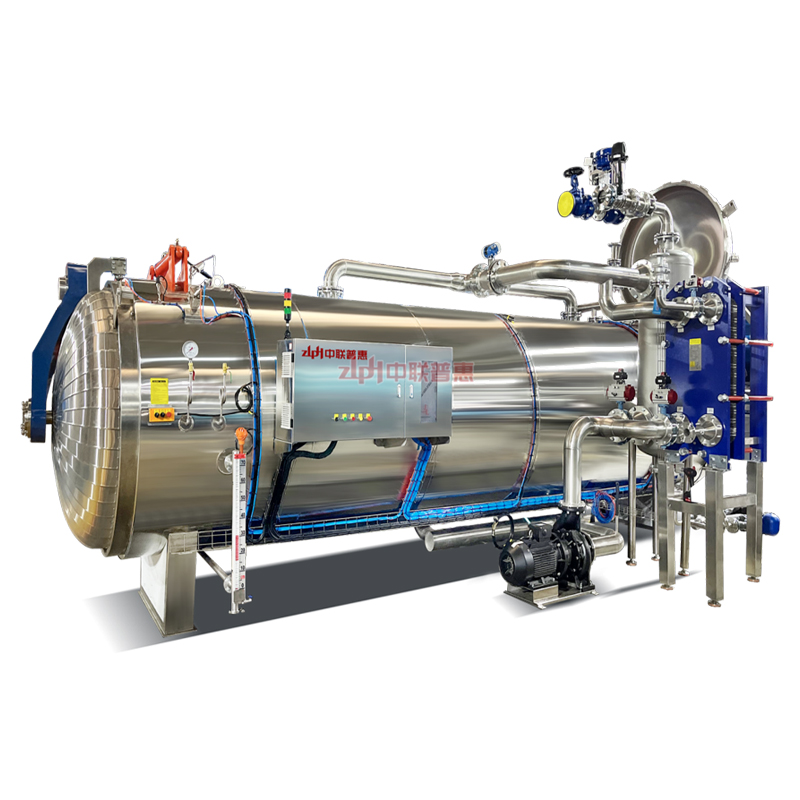
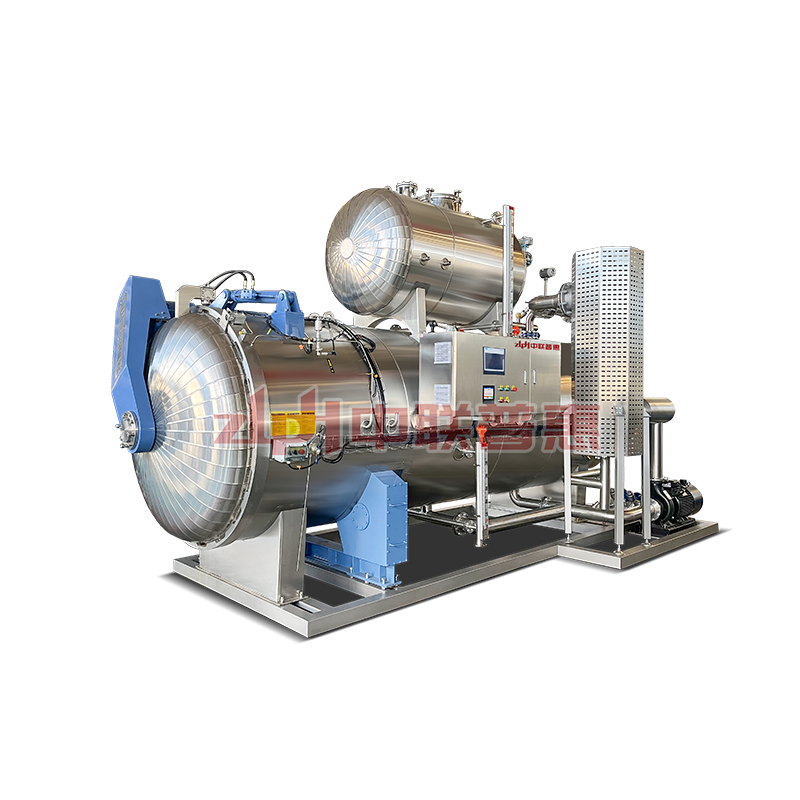
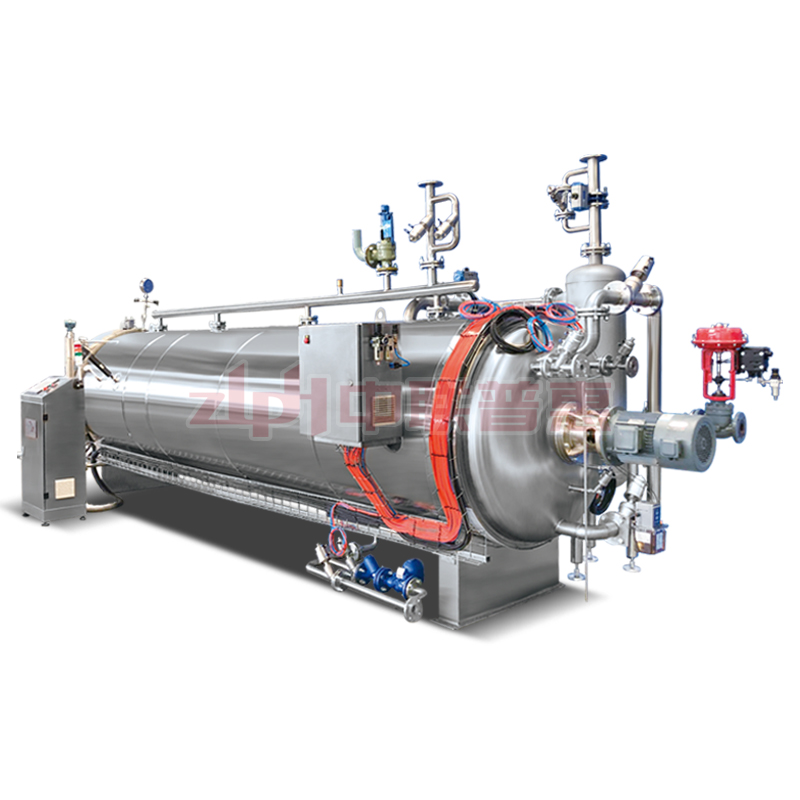
Long-Term Fix: Deploy an intelligent top-opening water spray sterilization retort equipped with multi-zone spray arms and 360° rotating nozzles. These systems deliver even water distribution across all load zones, validated by third-party thermal mapping studies.
Process Optimization: Integrate real-time multi-point temperature sensors (at least 3–5 locations per chamber) linked to an automated control system that adjusts spray pressure and cycle duration dynamically based on actual thermal profiles.

4. Troubleshooting & Prevention Guide
Conduct quarterly thermal validation using data loggers placed in worst-case locations (e.g., center of dense loads). Verify nozzle alignment and flow rate monthly. Avoid overloading trays beyond 85% capacity. Always use standardized retort trays compatible with your autoclave’s hydraulic design.
5. Field Validation
At a major European pet food facility using ZLPH’s bowl sterilization line, post-implementation thermal mapping showed F₀ variation reduced from ±8 minutes to ±0.9 minutes across 10,000+ cycles. Product recall incidents dropped to zero over 18 months, and throughput increased by 22% due to shorter, optimized cycles.
How to Prevent Overcooking or Texture Degradation While Ensuring Full Sterilization?
1. Scenario and Pain Point
Delicate products like seafood pouches or fruit compotes often suffer texture loss, color fading, or nutrient degradation when subjected to standard retort cycles calibrated for robust items like meats. Yet reducing time or temperature risks under-processing and pathogen survival.
2. Root Cause Analysis
Traditional fixed-cycle retorts apply uniform conditions regardless of product sensitivity. Without precise control over ramp-up, hold, and cooling phases, heat-sensitive foods absorb excess thermal energy, damaging quality while still meeting minimum lethality requirements.
3. Step-by-Step Solution
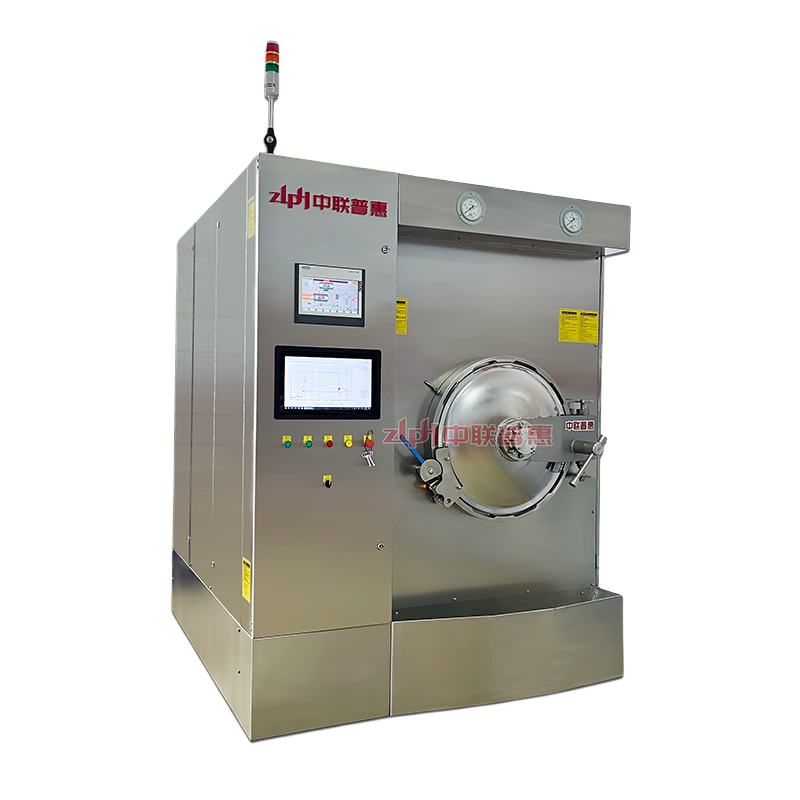
Implement a programmable logic controller (PLC)-driven system that supports custom sterilization recipes per SKU. Use rapid-cooling modules to minimize post-sterilization cooking. Pair with real-time pressure compensation to prevent package deformation during cooling.
4. Troubleshooting & Prevention Guide
Always conduct product-specific thermal penetration studies before full-scale production. Store validated recipes in the control system to prevent operator error. Monitor cooling water temperature to ensure it drops below 40°C within 10 minutes post-sterilization.
5. Field Validation
A Southeast Asian seafood exporter reported 30% reduction in texture complaints after adopting ZLPH’s intelligent retort with recipe management, while maintaining commercial sterility across 500+ daily batches.
Industry Best Practices for Reliable Retort Operations
Based on 6+ years of global deployments, ZLPH recommends a 5-step framework to ensure consistent sterilization performance:
1. Define Worst-Case Conditions: Validate cycles using the slowest-heating product in the densest packaging format.
2. Standardize Loading Protocols: Use automated tray loaders/unloaders to eliminate human variability in rack configuration.
3. Implement Real-Time Monitoring: Deploy systems with continuous temperature/pressure logging and cloud-based audit trails.
4. Conduct Preventive Maintenance: Service pumps, valves, and sensors every 500 operating hours.
5. Partner with Expert Suppliers: Choose manufacturers with in-house sterilization process researchers—not just equipment assemblers.
Frequently Asked Questions (FAQ)
Q: Can I use the same retort cycle for glass jars and flexible pouches?
A: No. Glass requires slower heating/cooling to prevent breakage, while pouches need precise pressure control to avoid bursting. Always validate separate cycles per packaging type.
Q: How often should I perform thermal mapping?
A: Annually for stable processes, or immediately after any change in product, packaging, or loading pattern—per FDA 21 CFR Part 113 guidelines.
Q: Do ZLPH retorts support integration with factory MES systems?
A: Yes. Our PLC systems offer Modbus TCP, OPC UA, and Ethernet/IP protocols for seamless data exchange with enterprise platforms.
Q: What certifications do your retorts carry for EU markets?
A: All units comply with CE Machinery Directive, PED 2014/68/EU, and ISO 15830 standards for food contact safety.
Q: Is manual operation possible during power outages?
A: Our systems include emergency manual override valves for safe chamber depressurization and door opening, ensuring operator safety during failures.
Our Expertise and Support
ZLPH MACHINERY TECHNOLOGY CO., LTD. is a specialized Food Retort Autoclave Manufacturer established in 2018, with a 21-member R&D team including mechanical designers, PLC engineers, and 4 dedicated sterilization process researchers with 10+ years of industry experience. Our 50-acre manufacturing facility houses advanced CNC and welding equipment to ensure precision fabrication of pressure vessels. We’ve deployed intelligent retort systems across 30+ countries, serving clients in meat, seafood, ready meals, and pet food sectors. Our solutions are validated at major exhibitions including AGROPRODASH 2023 (Moscow) and Petfair Asia 2023 (Shanghai), where our water spray sterilization technology received strong market endorsement.
We offer customized support including: (1) On-site thermal process validation, (2) SKU-specific cycle development, (3) Remote troubleshooting via IoT-enabled controllers, and (4) Free sample testing at our Qingdao demo center.
Contact Us
Company: ZLPH MACHINERY TECHNOLOGY CO., LTD.
Website: https://www.zlphretort.com/
Email: sales@zlphretort.com
Phone / WhatsApp: +86 15666798389 / +86 13361554016
