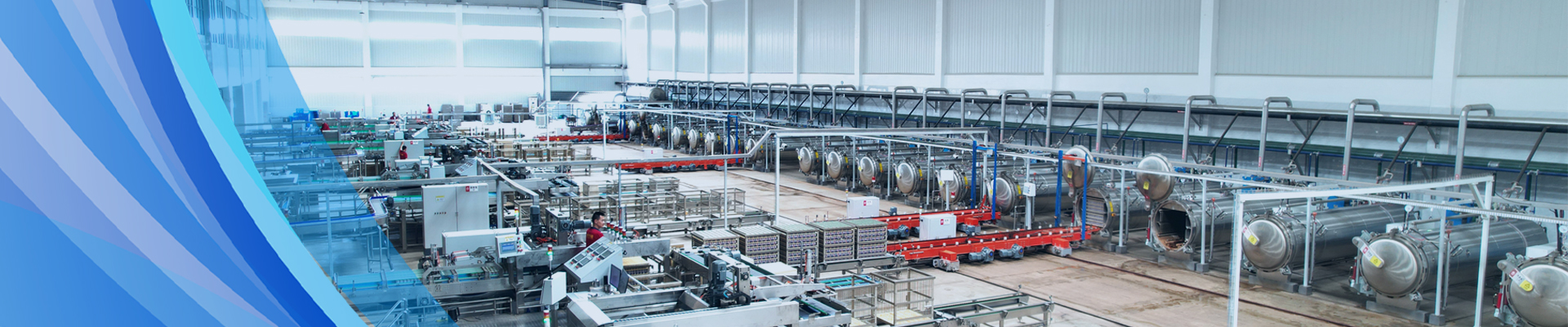

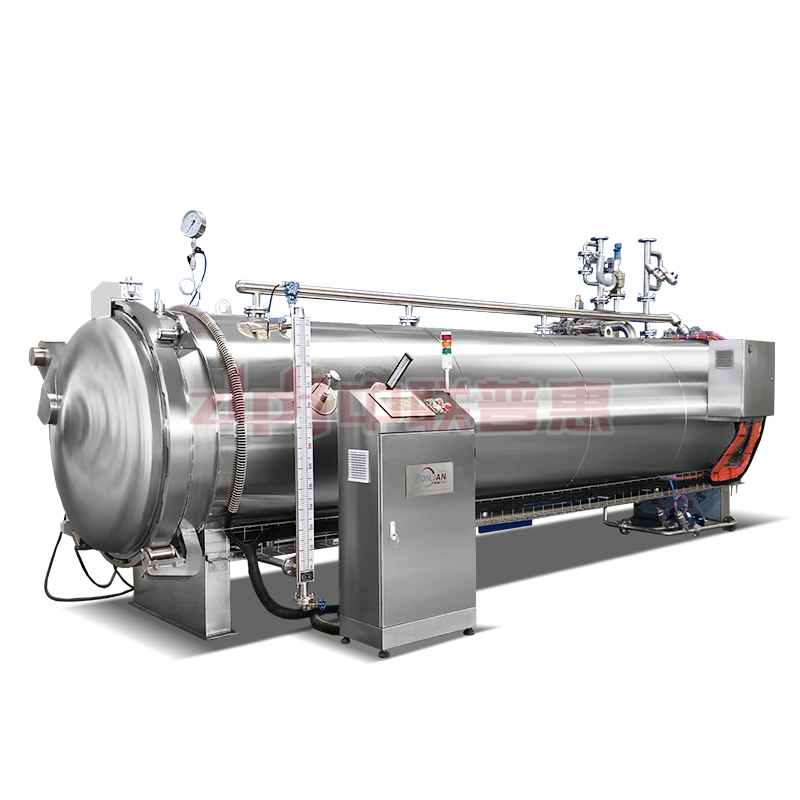
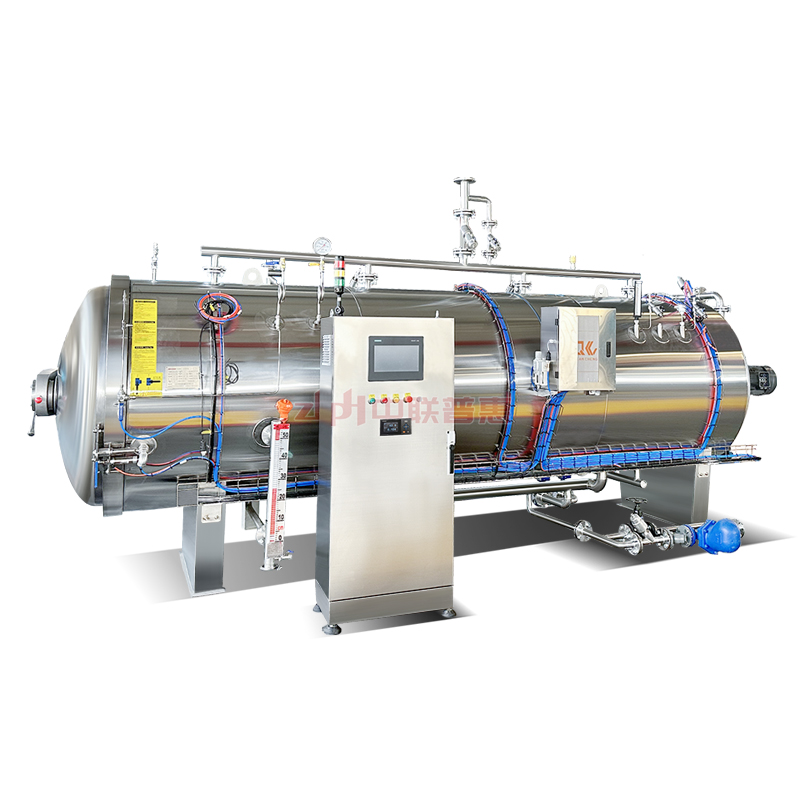
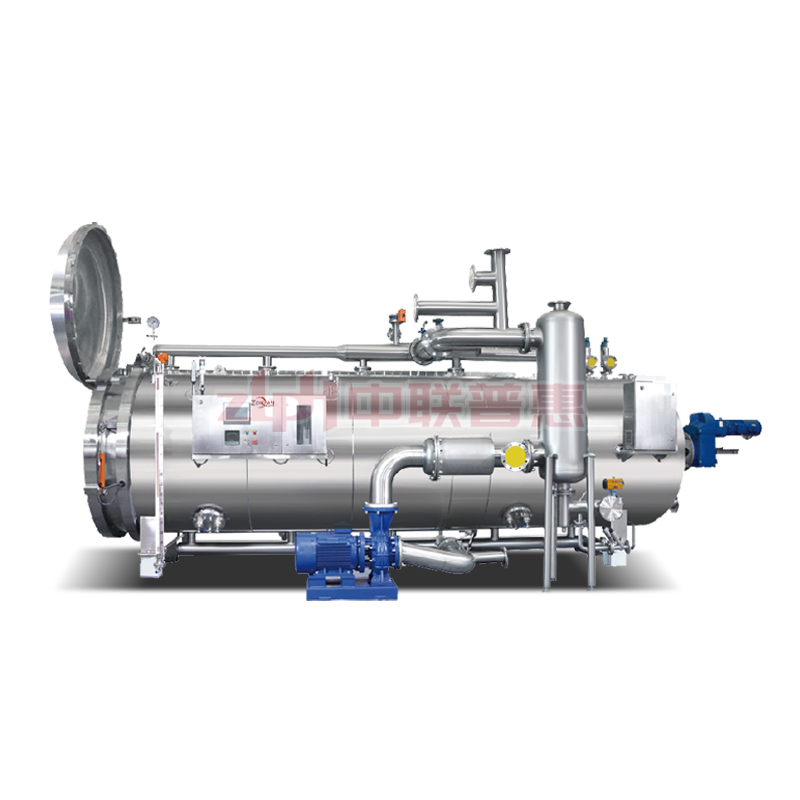
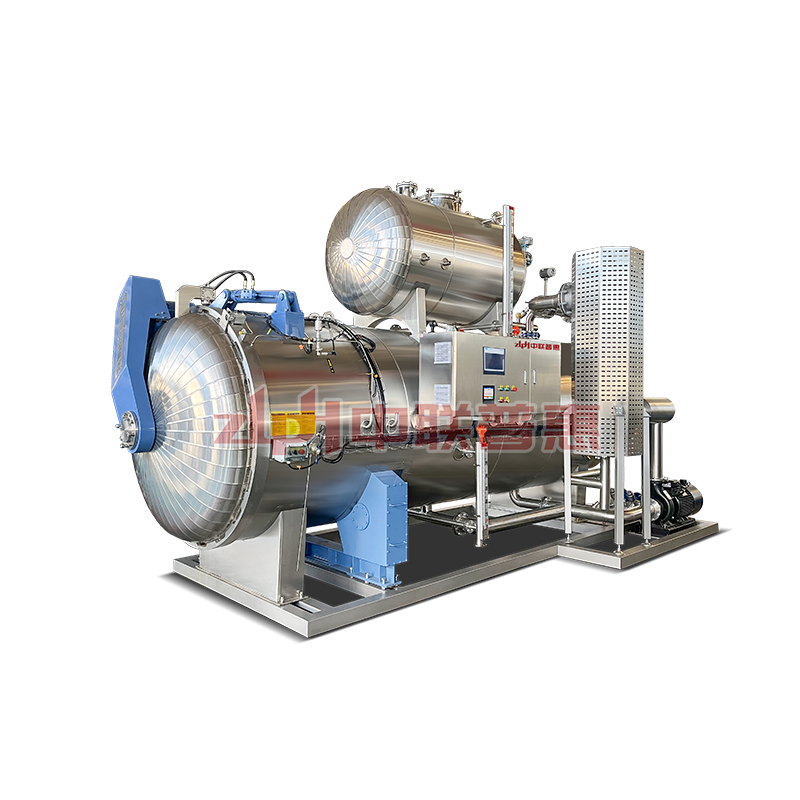
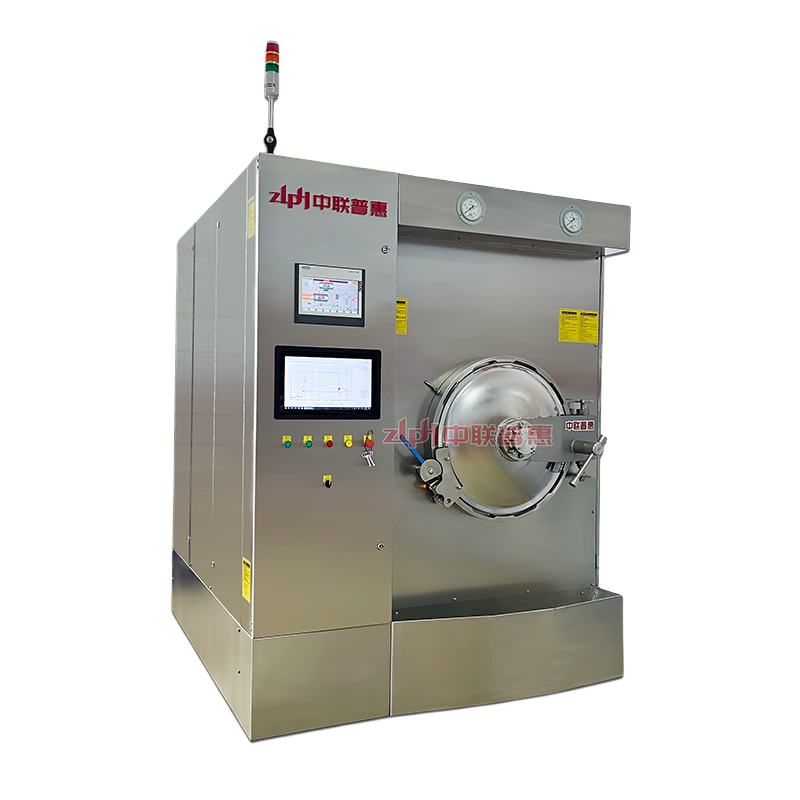
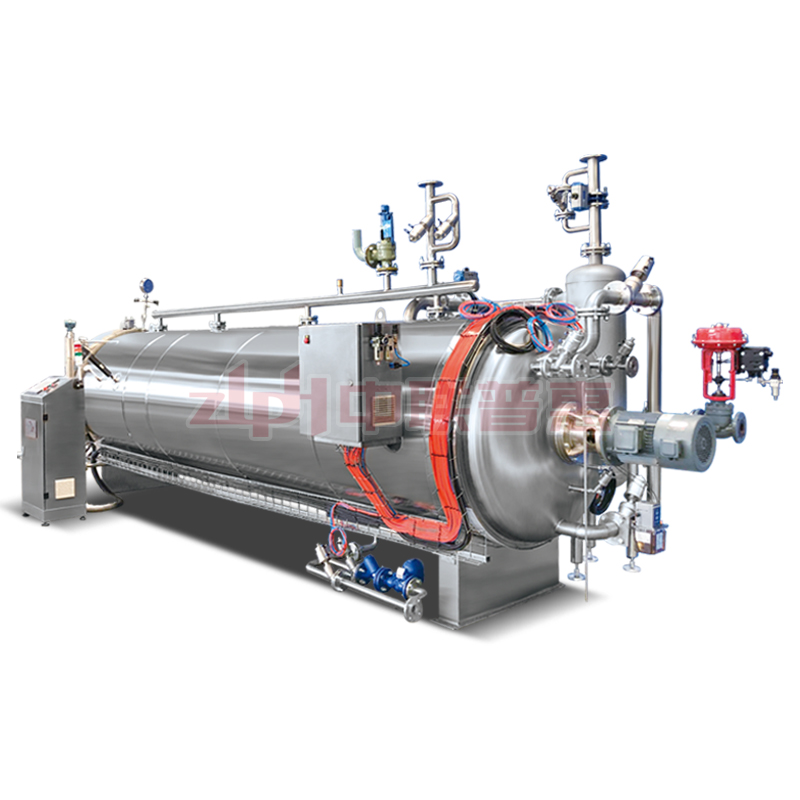
This guide is authored by a senior food processing engineer with over 10 years of experience at ZLPH MACHINERY TECHNOLOGY CO., LTD., a leading provider of intelligent sterilization solutions. It addresses a critical challenge faced by global food and pet food manufacturers: inconsistent or incomplete sterilization in pilot-scale retort autoclaves. This issue often stems from uneven heat distribution, inadequate process control, and suboptimal loading practices—leading to product safety risks, batch rejections, and compliance failures. Based on field validation across 5,000+ global installations and adherence to international standards (including ASME, CE, and EAC), we present a proven, step-by-step methodology to achieve uniform, reliable sterilization outcomes. In this guide, we dissect root causes by real-world scenario, deliver actionable fixes, share troubleshooting protocols, and validate results with measurable performance data—all tailored for pilot retort operations in R&D, small-batch production, and new product development.

How to Ensure Uniform Heat Distribution in Small-Batch Retort Sterilization?
1. Scenario & Pain Point
In pilot retort applications—such as developing new ready-to-eat meals or testing pet food formulations—manufacturers frequently observe cold spots in certain trays, resulting in under-sterilized zones. This inconsistency compromises microbial kill efficacy (e.g., failing to achieve F₀ ≥ 3 for low-acid foods), risking regulatory non-compliance and product recalls.

2. Root Cause Analysis
The primary causes include: (a) poor water spray coverage due to fixed nozzle layouts that don’t adapt to variable load sizes; (b) air pockets trapped during venting, creating thermal barriers; and (c) lack of real-time temperature mapping across multiple product zones, preventing dynamic process adjustment.

3. Step-by-Step Solution
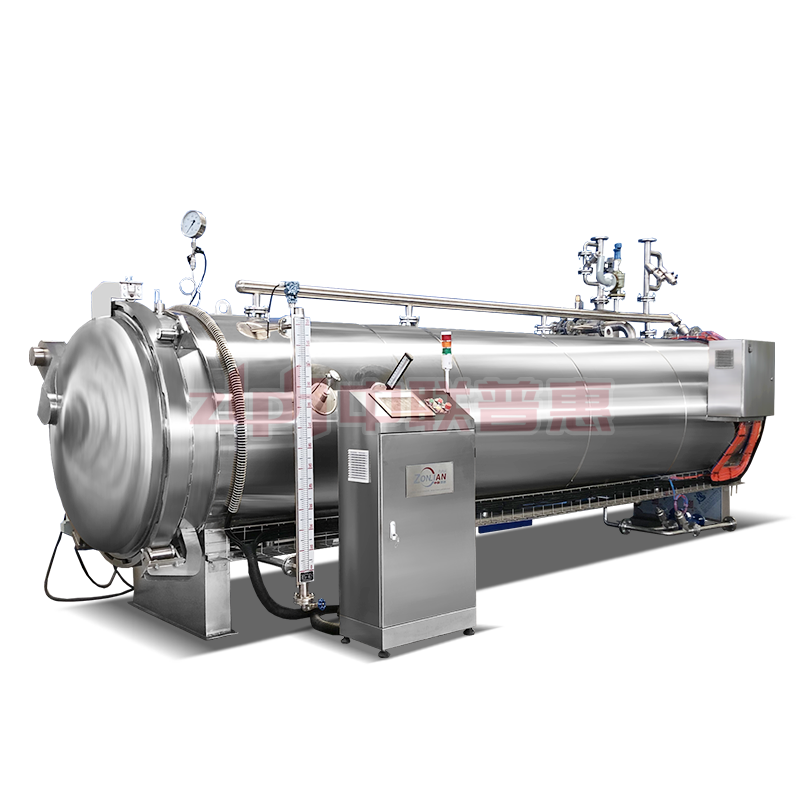
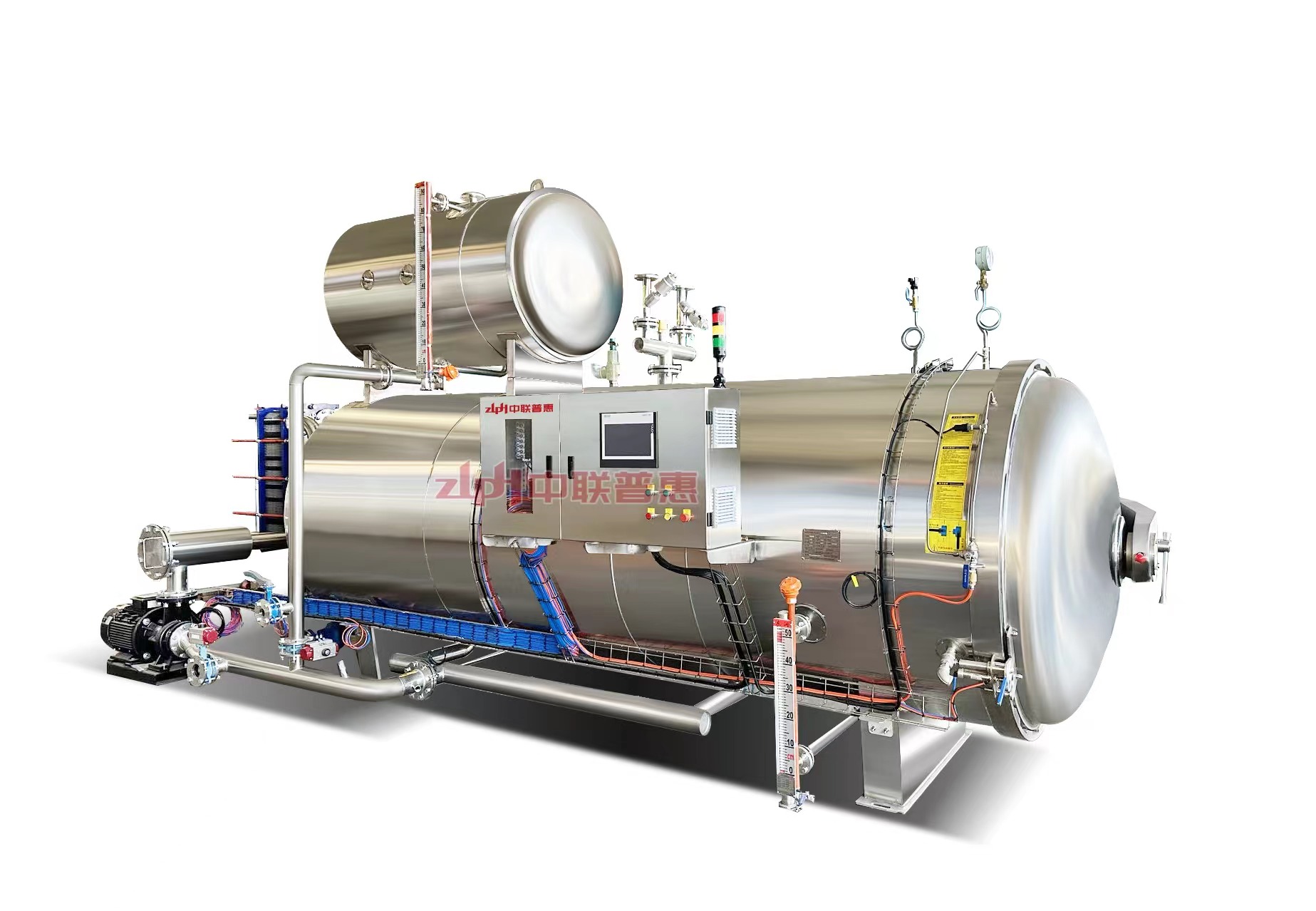
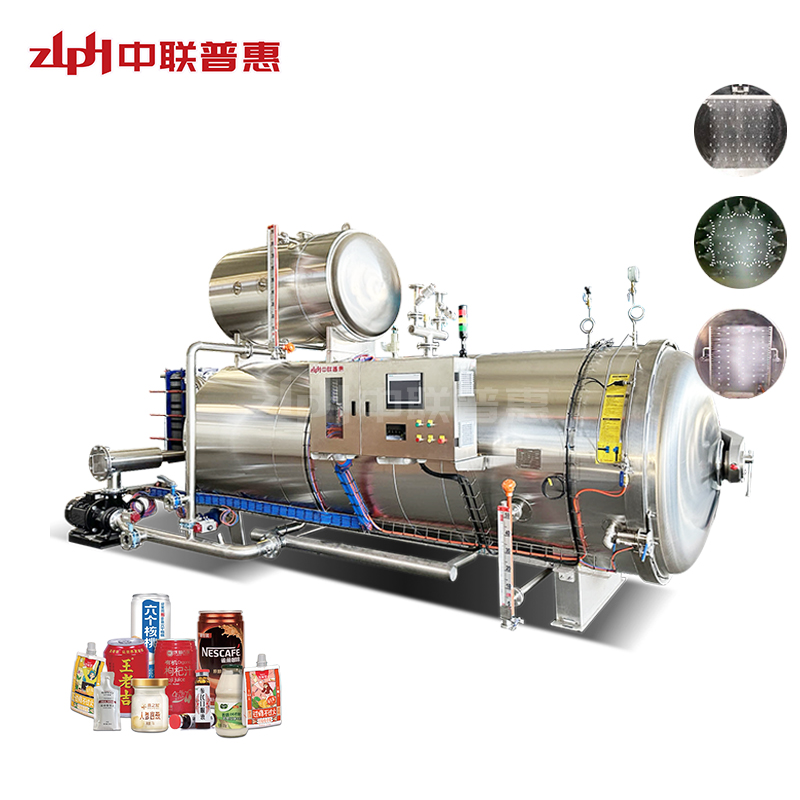
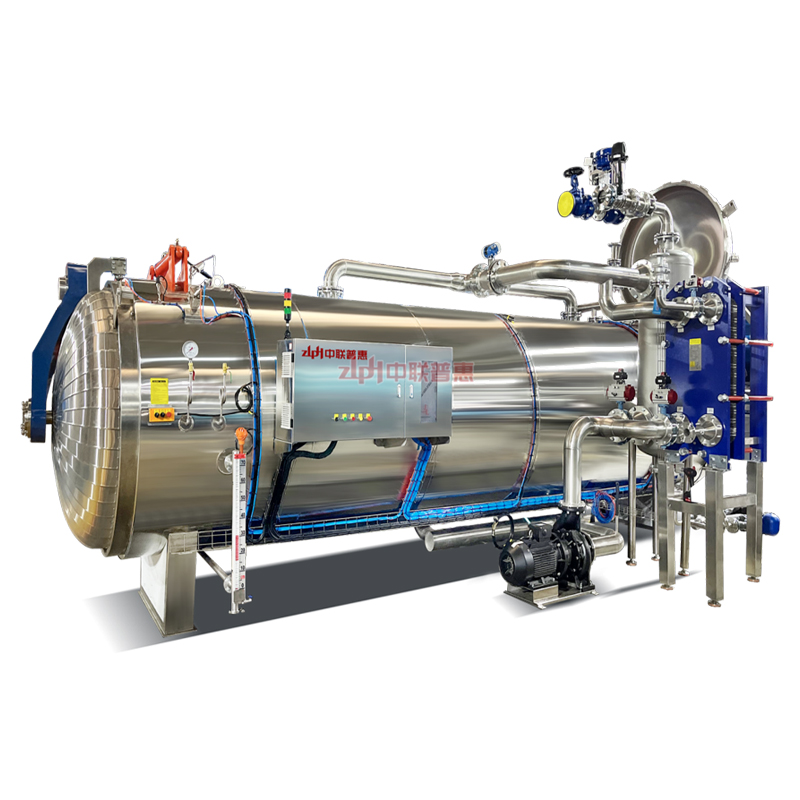
Implement an intelligent top-opening water spray retort equipped with multi-zone rotating nozzles and real-time thermal monitoring. During operation: (i) use automated venting cycles to eliminate air pockets; (ii) deploy wireless temperature dataloggers in 3–5 representative product locations; (iii) activate the system’s adaptive spray algorithm, which modulates flow based on live thermal feedback to equalize heating rates.

4. Troubleshooting & Pitfall Avoidance
Avoid manual venting—always use programmable vacuum/venting sequences. Never overload the chamber beyond 80% capacity in pilot runs. Validate spray pattern coverage during commissioning using thermal paper or dye tests. Select retorts with ASME-certified pressure vessels to ensure structural integrity during rapid cycling.
5. Validation Results
Clients using ZLPH’s intelligent pilot retorts achieved ±0.5°C temperature uniformity across all product zones during validation runs, meeting FDA and EU hygiene directives. Batch rejection rates dropped by 92%, and new product scale-up timelines shortened by 40% due to reliable process data transferability.
How to Prevent Product Damage During Automated Tray Loading in Pilot Systems?
1. Scenario & Pain Point
When automating tray handling for fragile packaged goods (e.g., glass jars or thin-film pet food bowls), misalignment during loading/unloading causes container breakage or seal deformation—wasting valuable pilot batches and skewing sterilization data.
2. Root Cause Analysis
Standard conveyors lack precision guidance for small, irregular loads. Vibration during transfer and rigid gripper designs exacerbate impact damage, especially with lightweight or non-standard packaging formats common in R&D.
3. Step-by-Step Solution
Deploy a vision-guided retort tray loader/unloader with servo-controlled soft-grip arms. The system uses real-time camera alignment to adjust tray position before insertion and applies calibrated force (<5N) during handling. Integrate it with the retort’s cycle start signal to ensure seamless handoff.
4. Troubleshooting & Pitfall Avoidance
Always conduct a dry-run with empty trays before live sterilization. Use anti-slip conveyor belts with modular spacing. Avoid pneumatic actuators in favor of electric servos for finer motion control in pilot environments.
5. Validation Results
At the Qingdao Exhibition, ZLPH demonstrated this system handling delicate bowl-packaged pet food with zero breakage across 200+ cycles. Customers reported 100% intact seals and consistent headspace measurements post-sterilization, critical for shelf-life validation.
What Certifications Should a Chinese Pilot Retort Manufacturer Hold for Global Compliance?
1. Scenario & Pain Point
Procurement teams sourcing from China often face delays due to uncertified equipment failing EU, Russian, or ASEAN market entry requirements—especially for pressurized food processing machinery.
2. Root Cause Analysis
Many suppliers offer “CE-like” documentation without genuine notified body involvement. Missing regional certifications (e.g., EAC for Eurasia, DOSH for Malaysia) block customs clearance.
3. Step-by-Step Solution
Verify the manufacturer holds: (i) ASME U2 Stamp for pressure vessel design; (ii) EU CE Certification under Machinery Directive 2006/42/EC; (iii) EAC TR CU 010/2011 for Russia/CIS; and (iv) Malaysia DOSH approval. Cross-check certificate numbers with issuing authorities.
4. Troubleshooting & Pitfall Avoidance
Demand original scanned certificates—not PDFs. Confirm the certifying body is accredited (e.g., TÜV for CE). Avoid vendors who claim “self-declaration” suffices for pressurized equipment.
5. Validation Results
ZLPH maintains full compliance with ASME, CE, EAC, and DOSH standards, enabling smooth deployment in 30+ countries. Their Production License of Special Equipment further validates manufacturing legitimacy under Chinese regulatory frameworks.
Industry Best Practices for Pilot Retort Operations
Based on 6 years of global project execution, ZLPH recommends a 5-step framework for reliable pilot sterilization:
1. Define Worst-Case Conditions
Test using your most thermally resistant product format and largest package size—even in R&D.
2. Map Thermal Profiles
Use ≥3 wireless probes per batch to identify cold spots; never rely on chamber temperature alone.
3. Automate Process Logging
Select systems with built-in data recorders compliant with 21 CFR Part 11 for audit readiness.
4. Validate Spray Coverage
Perform annual spray pattern audits using thermal-sensitive labels.
5. Partner with Certified Suppliers
Choose manufacturers with ASME authorization and global service networks to support scale-up.
Frequently Asked Questions (FAQ)
Q: Can a standard lab autoclave be used for food sterilization validation?
A: No—lab autoclaves lack food-grade materials, precise F₀ control, and spray-cooling capabilities required for thermal process validation per FDA 21 CFR 113.
Q: What’s the minimum batch size for meaningful pilot retort data?
A: At least 3 trays with representative product density and packaging—enough to simulate commercial load dynamics.
Q: How often should spray nozzles be cleaned in pilot systems?
A: After every 50 cycles or when pressure drop exceeds 10%; use CIP-compatible designs to simplify maintenance.
Q: Does ZLPH offer remote support for pilot retort commissioning?
A: Yes—via WhatsApp or Skype, their engineers provide real-time PLC parameter tuning and thermal validation guidance.
Q: Are ZLPH retorts suitable for acidified foods (pH < 4.6)?
A: Yes—their water spray systems support precise pasteurization cycles (e.g., 90°C for 10 min) with rapid cooling to preserve sensory quality.
Our Proven Capability & Support
ZLPH MACHINERY TECHNOLOGY CO., LTD. has specialized in advanced retort systems since 2018, backed by a 40-member engineering team including 21 mechanical/PLC specialists and 4 sterilization process researchers with decade-long industry experience. The company holds ASME, CE, EAC, and DOSH certifications and operates a 15,000m² ISO-compliant factory on a 50-acre campus. Its solutions have been validated at international exhibitions including AGROPRODASH Moscow and Petfair Asia Shanghai, serving clients across food, pet nutrition, and pharmaceutical sectors.
We offer customized pilot support including: (1) on-site thermal process assessment; (2) free sample testing with your product; (3) remote commissioning; and (4) F₀ validation protocol development. Contact us for a tailored solution.
Contact Information
Company: ZLPH MACHINERY TECHNOLOGY CO., LTD.
Website: https://www.zlphretort.com/
Email: sales@zlphretort.com
Phone / WhatsApp: +86 13361554016
