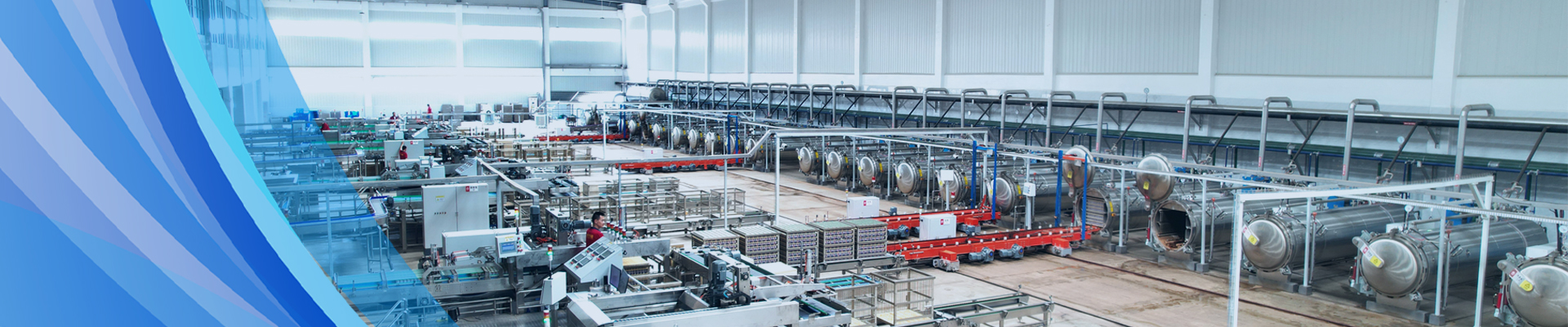

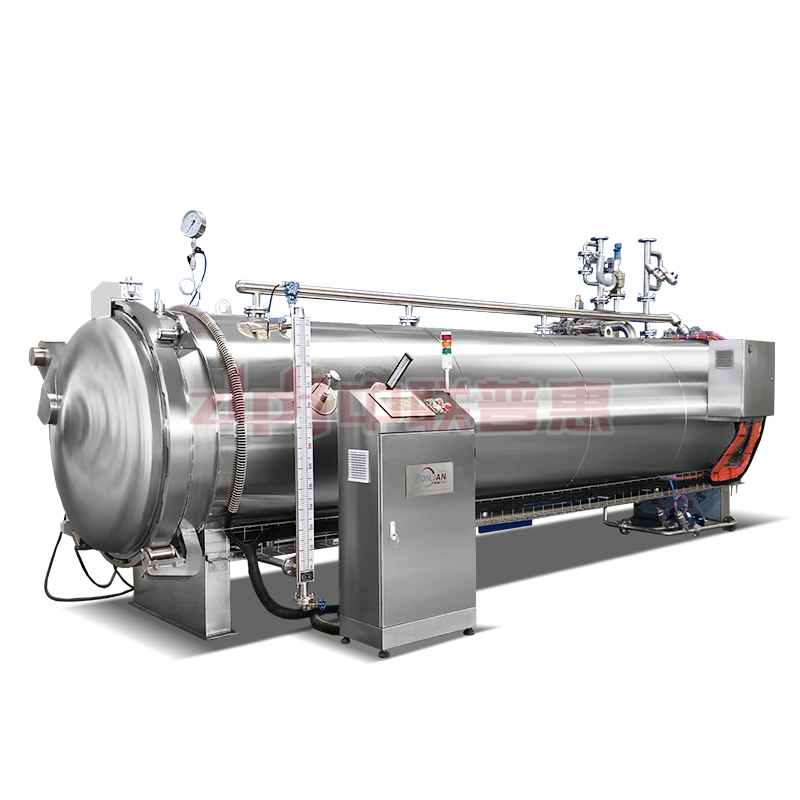
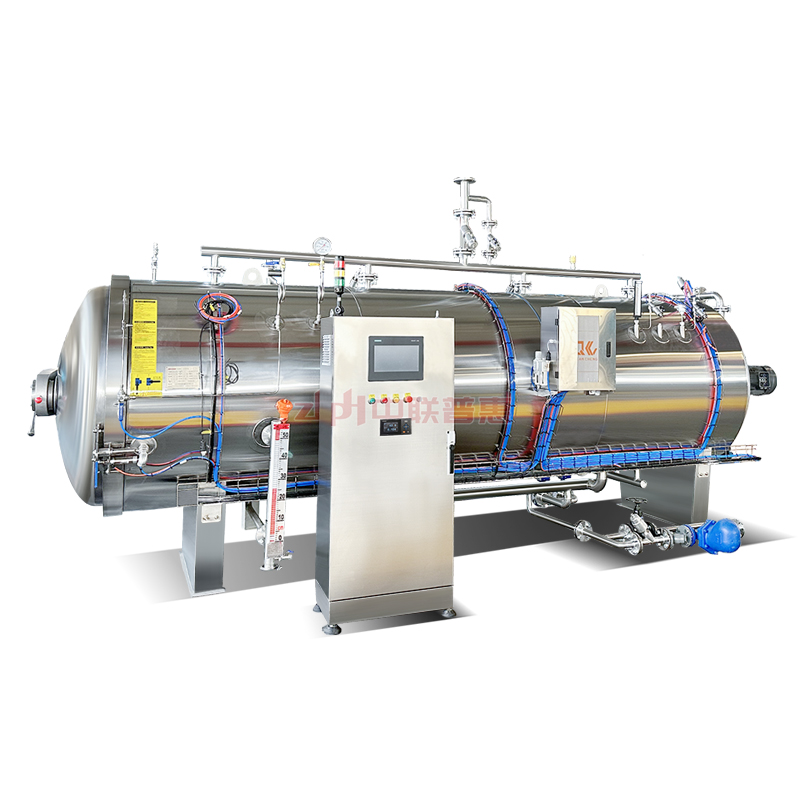
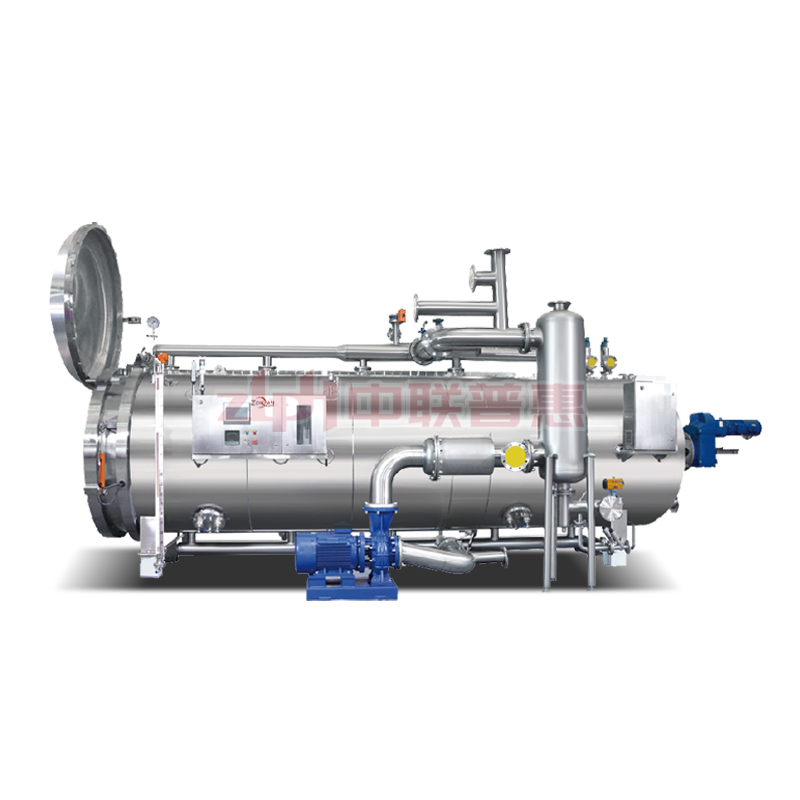
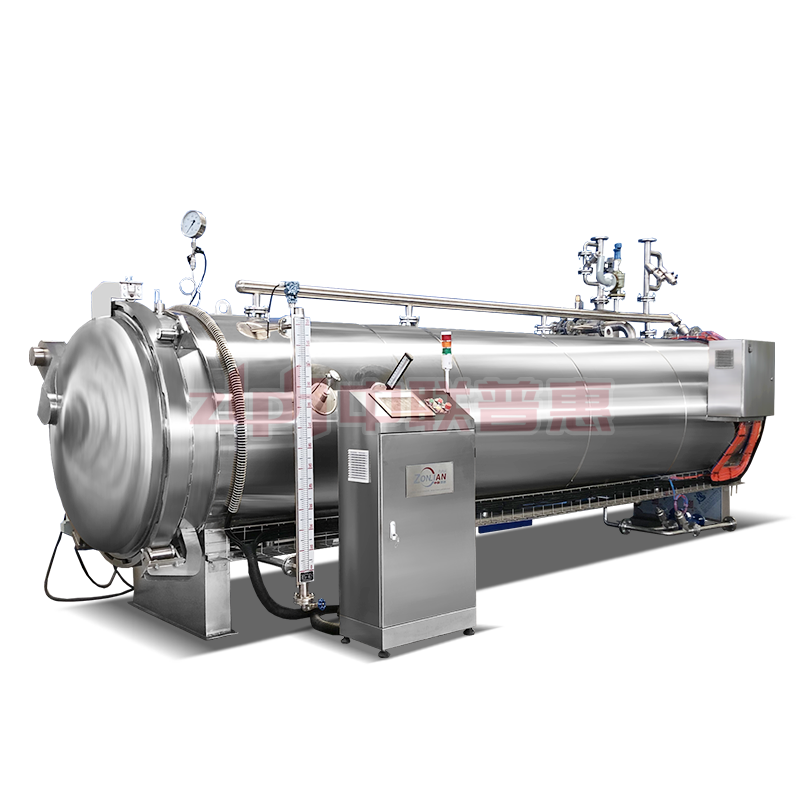
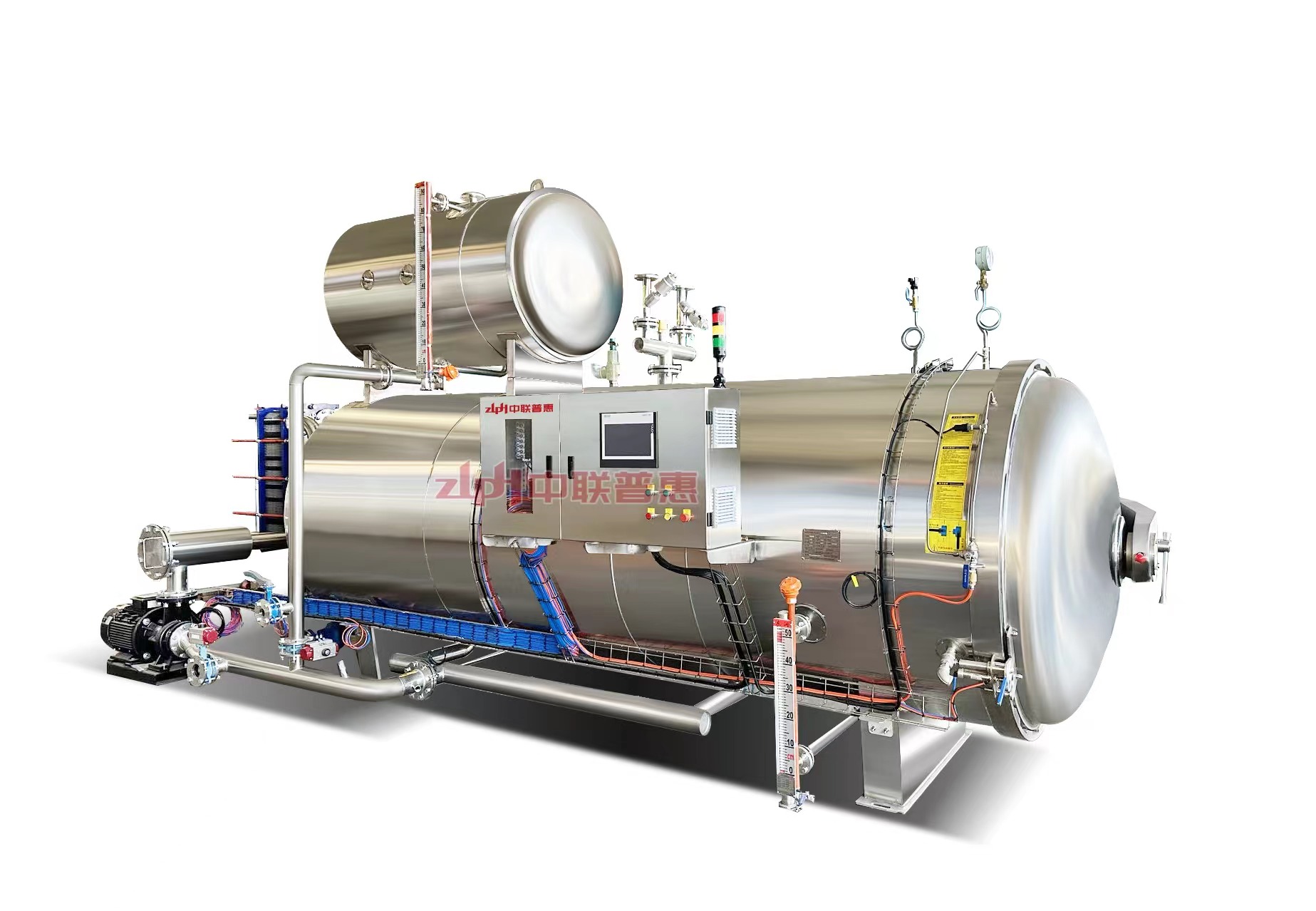
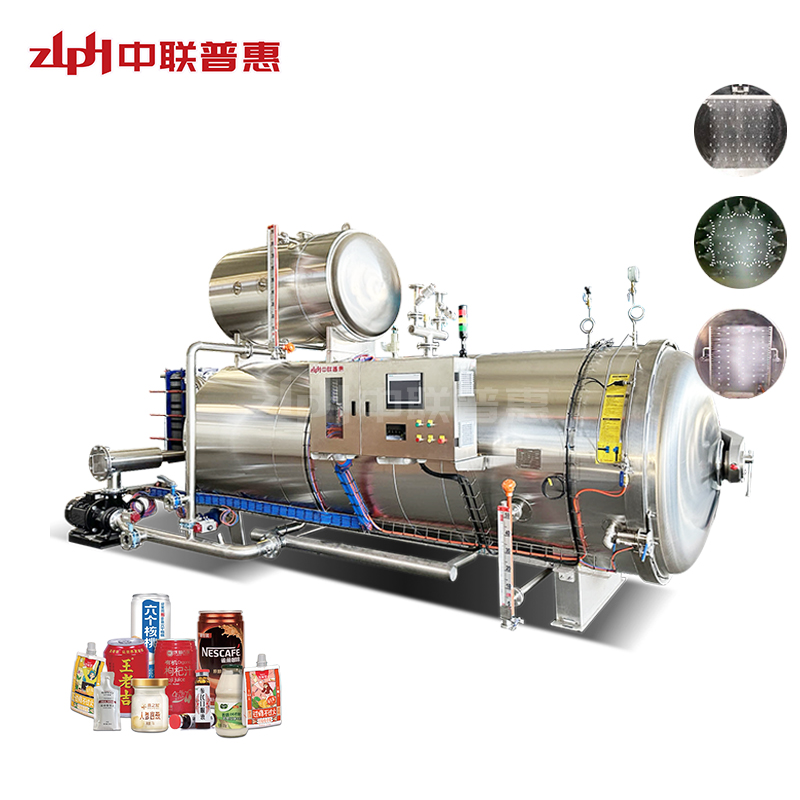
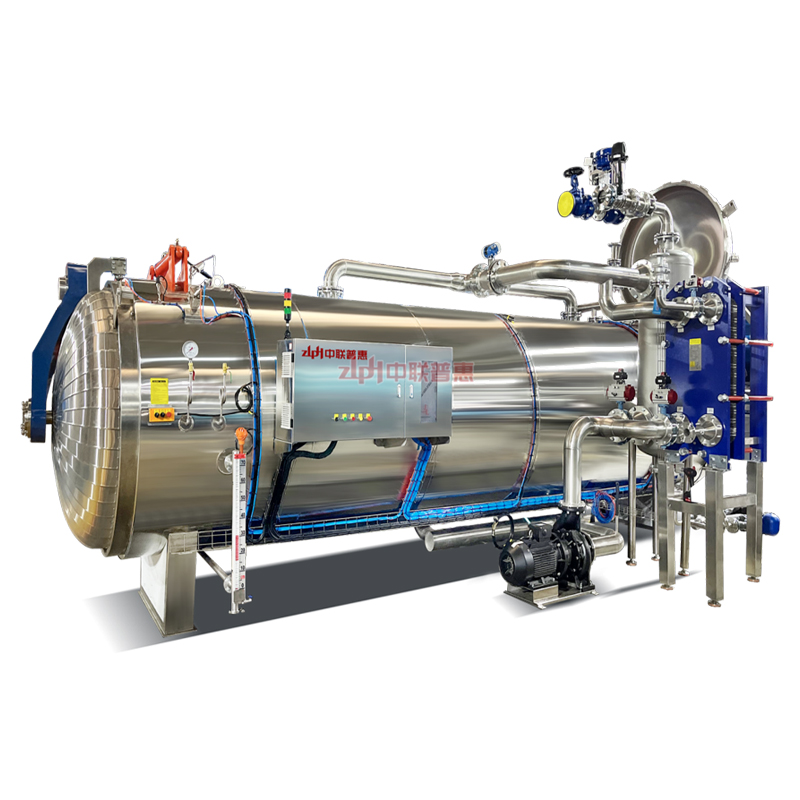
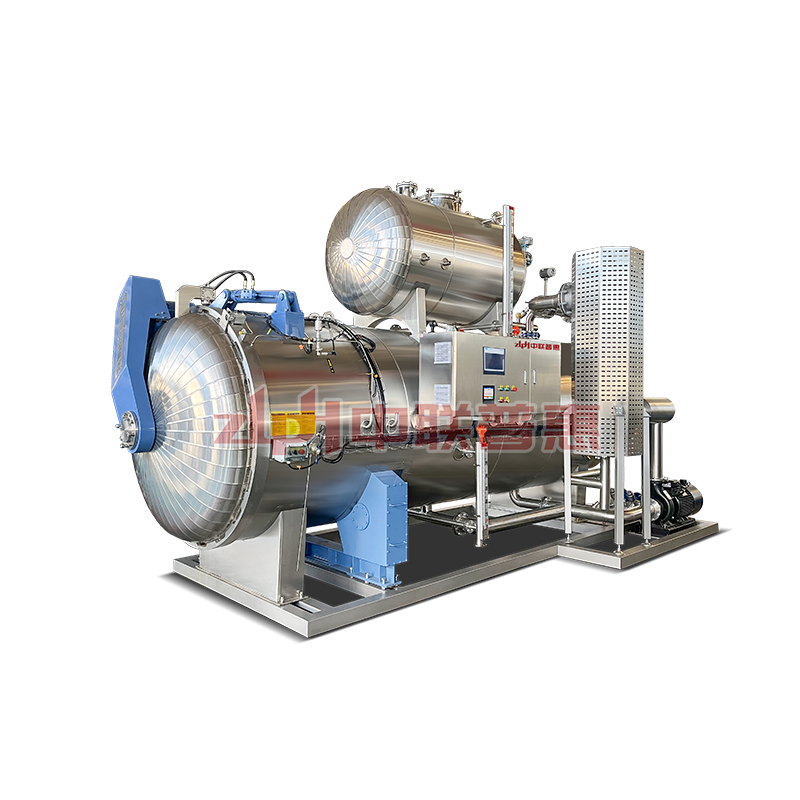
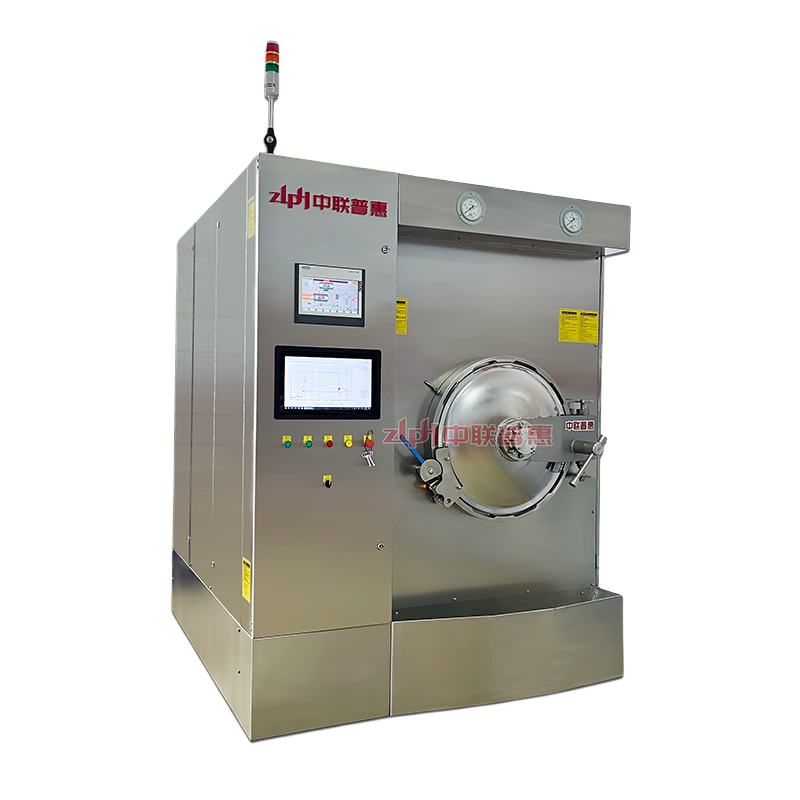
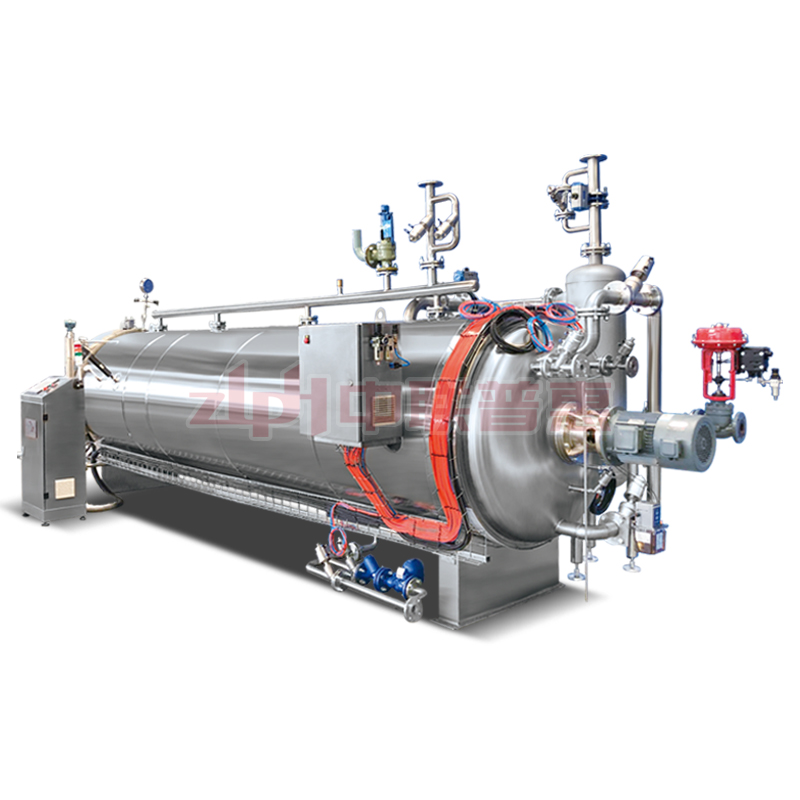
This guide is authored by a senior food processing engineer with over 10 years of experience at ZLPH MACHINERY TECHNOLOGY CO., LTD., a leading retort autoclave manufacturer serving global food producers. It addresses one of the most persistent challenges in thermal processing: inconsistent sterilization outcomes that compromise product safety, shelf life, and regulatory compliance. This issue commonly stems from uneven heat distribution, inaccurate temperature control, or improper loading practices. Based on more than 5,000 global installations and extensive R&D validation, we present a proven, actionable framework to eliminate variability and ensure repeatable, compliant sterilization cycles. The guide details root causes across common production scenarios, provides step-by-step corrective actions, shares real-world validation data, and outlines industry best practices—all designed to help food engineers and plant managers achieve consistent lethality (F₀ value) and meet FDA, EU, and Codex standards reliably.

How to Fix Uneven Heat Distribution Causing Under-Sterilized Pouches in Batch Retorts?
1. Scenario & Pain Point
In ready-to-eat meal production using horizontal batch retorts, operators often discover under-sterilized pouches—especially those placed near the chamber walls or at the bottom rack—despite the control system indicating a successful cycle. This leads to product recalls, wasted batches, and non-compliance with HACCP protocols.

2. Root Cause Analysis
The primary causes are: (a) poor steam circulation due to obstructed nozzles or incorrect rack loading; (b) cold spots created by direct contact between product containers and metal racks, causing rapid heat conduction away from the product; and (c) insufficient come-up time (CUT) due to oversized loads or inadequate venting during the heating phase.

3. Step-by-Step Solution
Immediate Mitigation: Reorganize loading patterns to maintain ≥5 cm spacing between pouches and chamber walls; use perforated trays instead of solid racks to enhance steam flow.
Long-Term Fix: Deploy ZLPH’s multi-zone steam injection system with real-time thermal mapping, which dynamically adjusts steam flow to eliminate cold zones. Our retorts integrate 12+ PT100 sensors for full-chamber temperature profiling.
Process Optimization: Extend CUT by 8–12% for dense or large-volume loads and validate with dummy runs using data loggers.

4. Troubleshooting & Prevention
Conduct weekly thermal validation using wireless dataloggers at 9 critical points (per ASTM F2837). Avoid overloading beyond 85% chamber capacity. Ensure all steam filters and strainers are cleaned after every 50 cycles to prevent nozzle clogging.
5. Validation Results
At a Southeast Asian pet food facility, implementing this approach reduced F₀ deviation from ±1.8 to ±0.3 across 1,200 pouches per batch. Product rejection rates dropped by 92%, and the facility passed its BRCGS audit with zero non-conformities related to thermal processing.
How to Prevent Overcooking and Texture Degradation in Delicate Products Like Fish Fillets?
1. Scenario & Pain Point
Seafood processors using traditional retorts report excessive softening or disintegration of fish fillets post-sterilization, even when target F₀ is met. This damages product quality and reduces consumer acceptance.
2. Root Cause Analysis
Overcooking occurs due to prolonged exposure to high temperatures during slow cooling phases and lack of precise pressure control during the transition from heating to cooling, causing container deformation and internal boiling.
3. Step-by-Step Solution
Switch to ZLPH’s water-immersion retort with cascade cooling: it achieves cooling rates of 8–10°C/min via controlled water spray and simultaneous pressure compensation. Use PID-controlled pressure ramps (max 0.5 bar/min) to match internal product vapor pressure.
4. Troubleshooting & Prevention
Monitor internal product temperature (not just chamber temp) using fiber-optic probes during validation. Never cool below 85°C before initiating pressure release to avoid can buckling.
5. Validation Results
A European salmon producer reported 40% improvement in texture retention (measured by Warner-Bratzler shear force) and extended premium product shelf life from 12 to 18 months after adopting this system.
Industry Best Practices for Reliable Retort Operations
Based on 8+ years of global project deployment, ZLPH recommends this 5-step framework to ensure consistent sterilization performance:
1. Define Worst-Case Conditions
Validate cycles using the coldest spot in the slowest-heating container type under maximum load.
2. Standardize Loading & Unloading
Use color-coded racks and digital checklists to enforce uniform loading patterns across shifts.
3. Implement Real-Time Monitoring
Deploy IoT-enabled retorts that log temperature, pressure, and F₀ per batch and auto-flag deviations.
4. Conduct Quarterly Thermal Mapping
Re-validate chamber uniformity every 90 days or after major maintenance.
5. Partner with a Technically Capable Supplier
Choose manufacturers with in-house sterilization process engineers—not just equipment vendors—for ongoing support.
Frequently Asked Questions (FAQ)
Q: Can I use the same retort cycle for glass jars and flexible pouches?
A: No. Glass requires slower heating/cooling to prevent breakage, while pouches need precise pressure control. Always validate separately per container type.
Q: What’s the minimum F₀ required for low-acid canned foods?
A: FDA mandates a minimum F₀ of 2.52 for Clostridium botulinum destruction, but many products target F₀ ≥ 3.0 for safety margin.
Q: How often should I calibrate retort temperature sensors?
A: Every 3 months per ISO 11133, or after any chamber repair involving sensor removal.
Q: Do ZLPH retorts comply with CE and ASME standards?
A: Yes. All units are CE-marked, comply with PED 2014/68/EU, and built to ASME Section VIII Div. 1 pressure vessel code.
Q: Can your system handle viscous products like sauces or purees?
A: Yes. Our rotary retorts provide continuous agitation, ensuring even heat penetration in high-viscosity items without scorching.
Our Technical Authority & Support
ZLPH MACHINERY TECHNOLOGY CO., LTD. is a specialized retort autoclave manufacturer founded in 2018, with a 21-member R&D team including mechanical designers, PLC programmers, and 4 dedicated sterilization process researchers with 10+ years of industry experience. Our 50-acre facility houses a 15,000 m² workshop equipped with CNC machining centers and automated welding lines, ensuring precision fabrication of pressure vessels. We hold multiple international certifications and have deployed solutions in over 30 countries across meat, seafood, dairy, and plant-based food sectors. Our clients include multinational food brands that rely on our technology for commercial sterility assurance.
We offer customized support including: on-site thermal process validation, container-specific cycle development, free sample testing at our demo center, and 24/7 remote diagnostics via our cloud platform.
Contact Us
Company: ZLPH MACHINERY TECHNOLOGY CO., LTD.
Website: https://www.zlphretort.com/
Email: sales@zlphretort.com
Phone / WhatsApp: +86 15666798389 / +86 13361554016
