

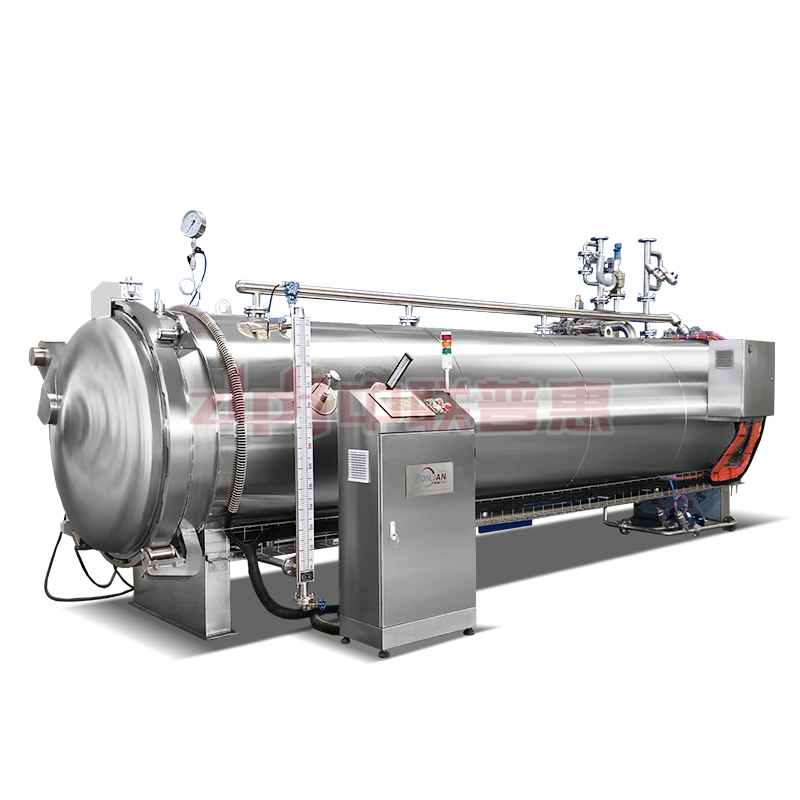
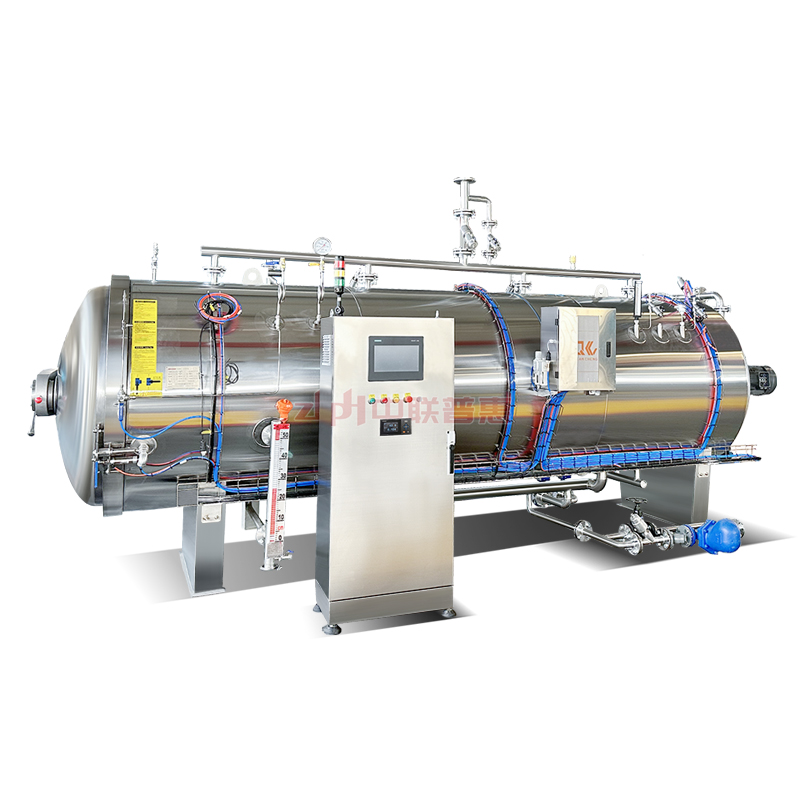
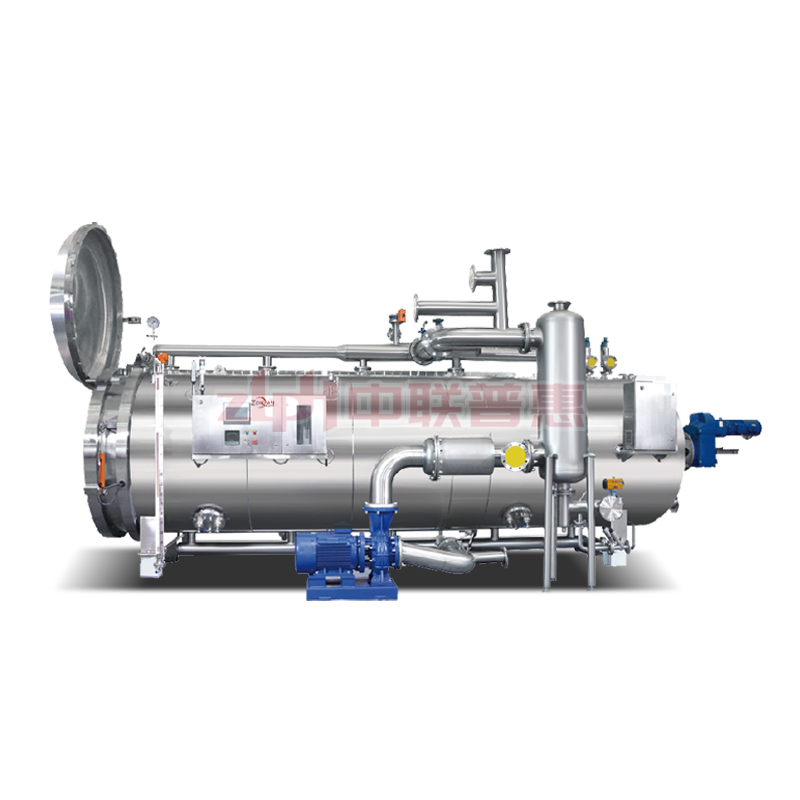
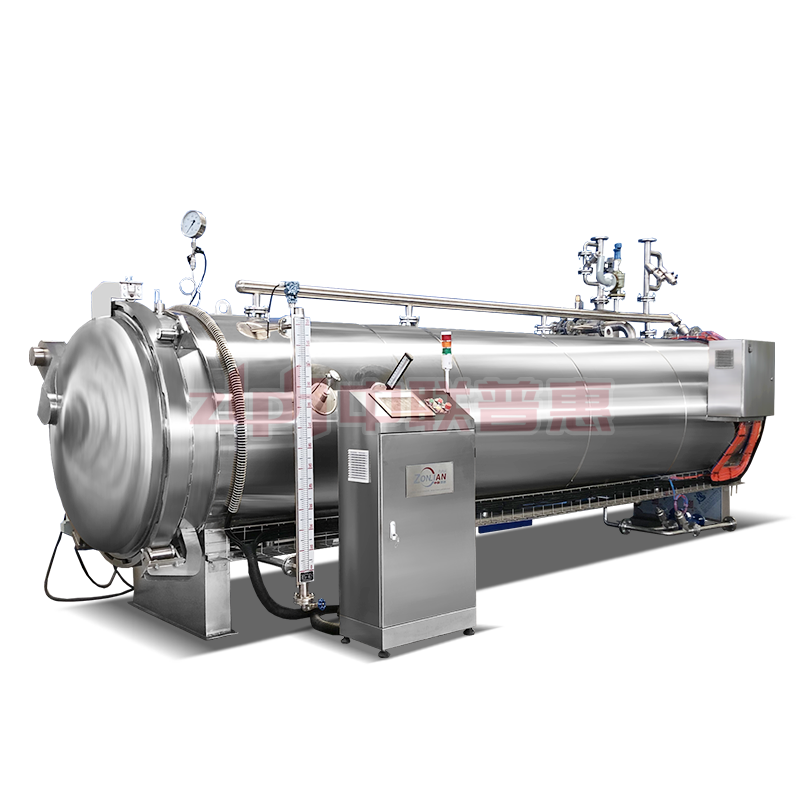
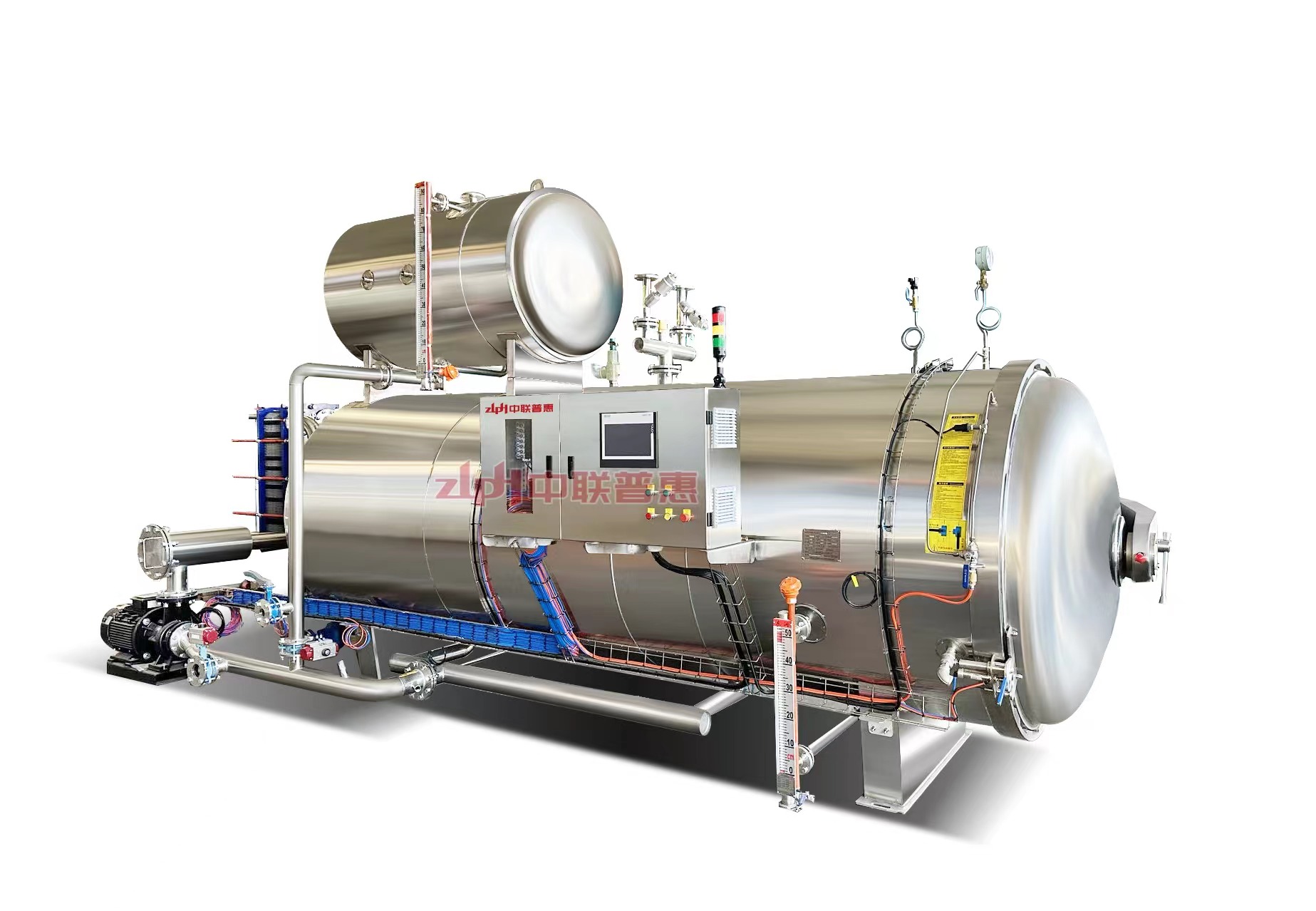
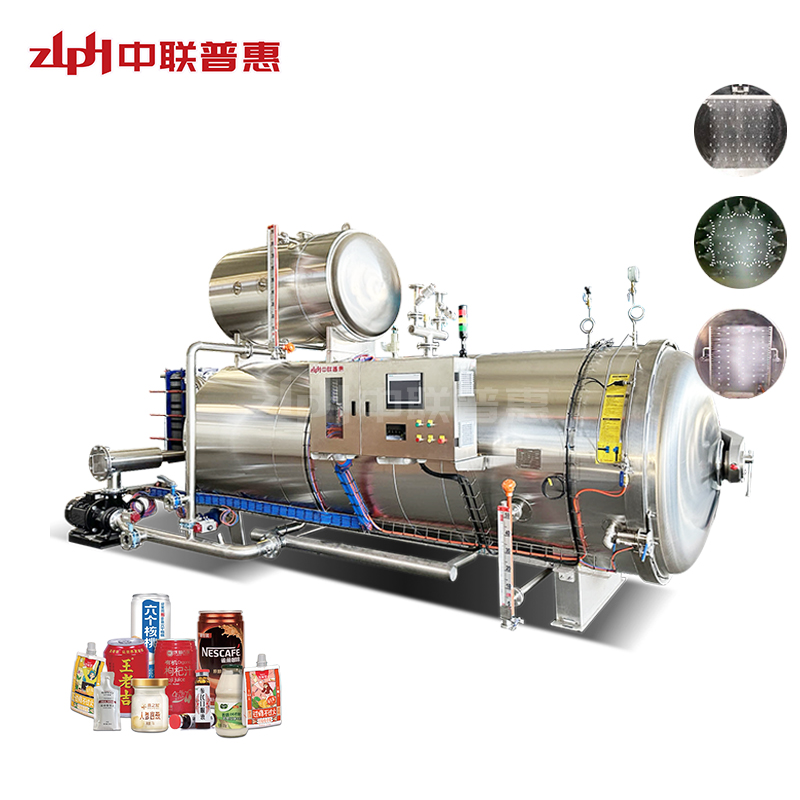
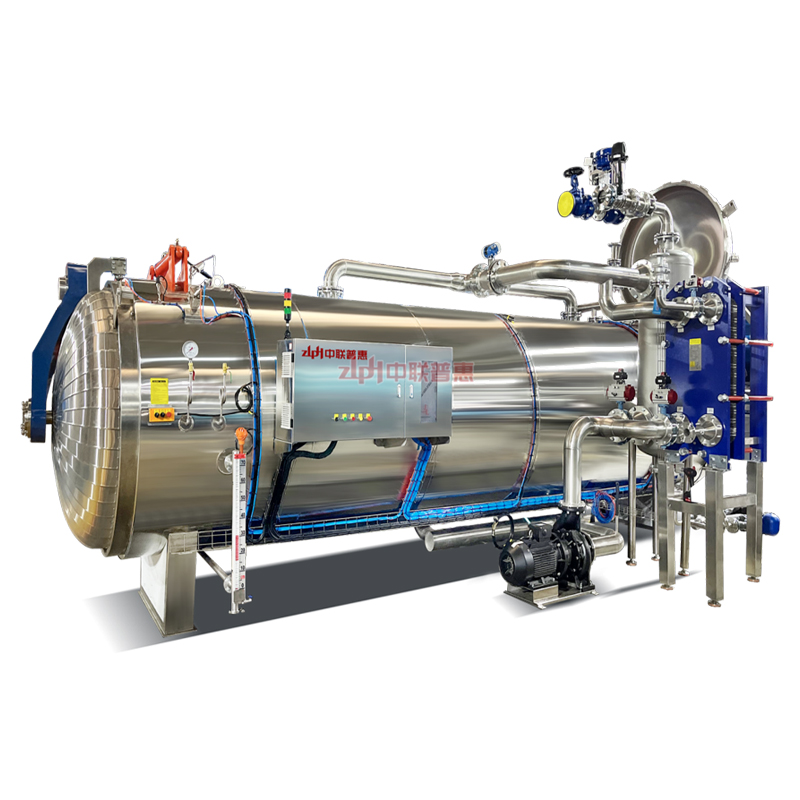
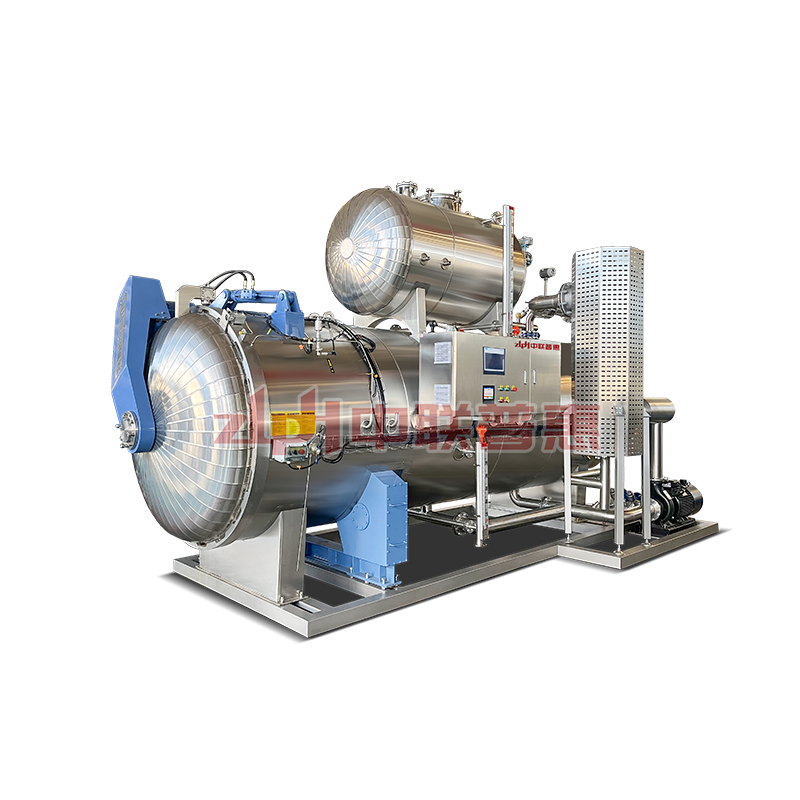
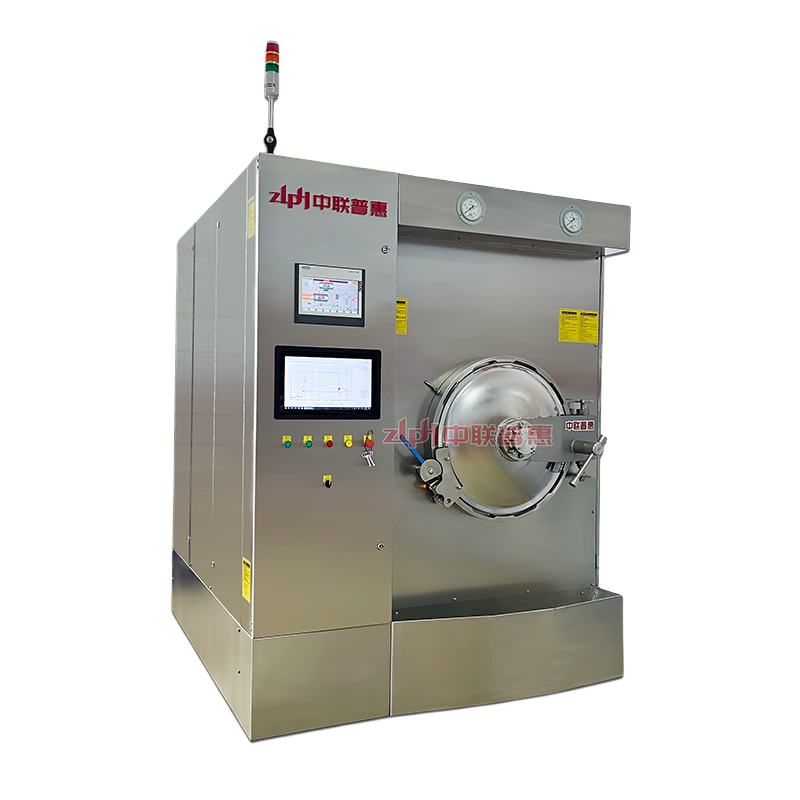
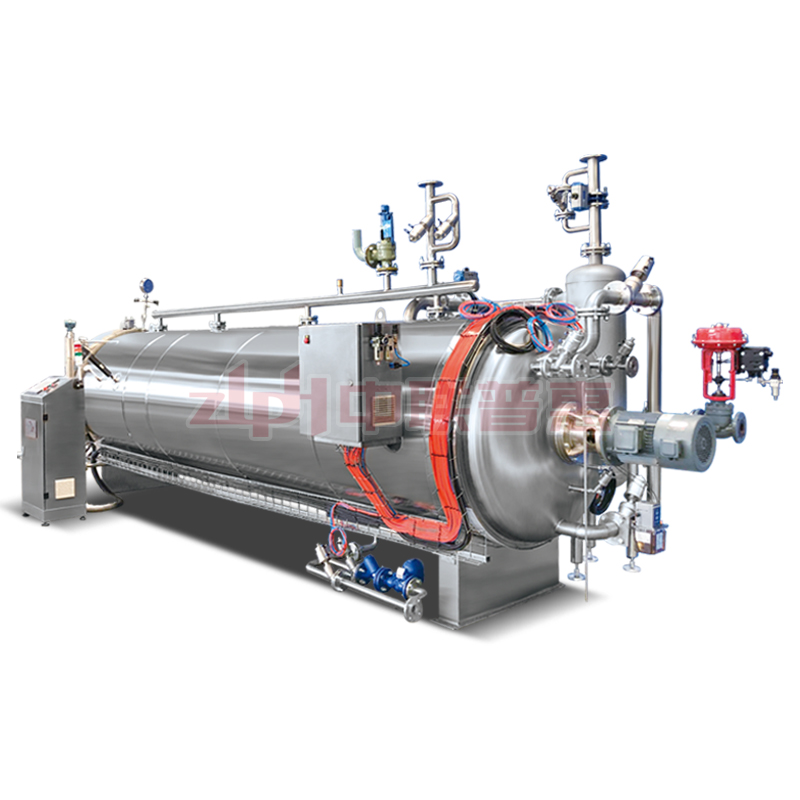
This guide is authored by a senior food processing engineer with over 10 years of experience from ZLPH MACHINERY TECHNOLOGY CO., LTD., a leading provider of advanced sterilization solutions. It addresses a critical challenge faced by global food manufacturers and production line managers: inconsistent or inefficient sterilization in high-volume food processing environments. Inadequate sterilization not only risks product safety but also leads to compliance violations, batch rejections, and costly downtime. Through more than 5,000 global deployments and extensive R&D validation, we’ve developed a proven, step-by-step approach to ensure reliable, efficient, and compliant sterilization using steam retort autoclaves. This guide breaks down the root causes behind common sterilization failures, delivers actionable solutions tailored to real-world scenarios, and shares industry best practices to help you achieve consistent microbial kill rates while preserving product quality and maximizing throughput.

How to Ensure Uniform Heat Distribution in Large-Batch Steam Retort Sterilization?
1. Scenario & Pain Point
In canned meat or ready-to-eat meal production, operators often observe uneven sterilization—some cans pass microbial tests while others fail, despite identical processing parameters. This inconsistency stems from poor heat penetration in dense or large-volume batches, risking under-processing in core zones and potential pathogen survival.

2. Root Cause Analysis
Three primary factors contribute: (1) insufficient circulation of heating medium due to static water immersion; (2) lack of agitation or spray coverage in traditional retorts; and (3) improper loading patterns that block thermal flow between trays.

3. Step-by-Step Solution
Implement a top-opening water spray sterilization retort equipped with multi-nozzle rotating spray arms. This design ensures 360° uniform water distribution across all trays. Optimize tray spacing to maintain ≥5 cm clearance for fluid dynamics. Use programmable logic control (PLC) to synchronize temperature ramp-up, hold time, and cooling phases based on product F₀ value requirements.

4. Pitfall Avoidance Guide
Avoid overloading trays beyond recommended capacity. Validate thermal uniformity via mapping studies using data loggers placed at cold spots. Never skip pre-cycle air removal—trapped air creates insulating pockets that impede heat transfer.
5. Validation Results
Clients using ZLPH’s intelligent water spray retort achieved ±0.5°C temperature uniformity across 120-tray batches, reducing microbial failure rates by 95% and cutting cycle time by 18% compared to conventional static retorts.
How to Reduce Cycle Time Without Compromising Sterility in Pet Food Bowl Packaging?
1. Scenario & Pain Point
Pet food producers using bowl-in-tray packaging face long sterilization cycles (often >60 minutes), limiting output and increasing energy costs. Accelerating cycles risks under-processing due to slow heat conduction through viscous contents.
2. Root Cause Analysis
Traditional steam-air retorts rely on convection, which is inefficient for thick, low-conductivity products. Additionally, manual loading/unloading introduces bottlenecks.
3. Step-by-Step Solution
Deploy an automated bowl sterilization line featuring a steam-water spray retort integrated with robotic tray loaders/unloaders. The system uses pressurized hot water spray for rapid, direct heat transfer. Pair with real-time temperature monitoring at product core via wireless sensors.
4. Pitfall Avoidance Guide
Ensure bowl material (typically PP or PET) can withstand rapid pressure changes. Calibrate spray pressure to avoid tray deformation. Conduct F₀ validation for each new recipe.
5. Validation Results
At Petfair Asia 2023, ZLPH demonstrated a solution that reduced cycle time to 38 minutes while maintaining F₀ ≥ 6.0, boosting hourly output by 42% and lowering energy consumption by 22%.
What to Do When Retort Door Operation Slows Down Production Flow?
1. Scenario & Pain Point
Manual bottom-hinged retort doors require significant operator effort and time to open/close, creating workflow interruptions during batch transitions.
2. Root Cause Analysis
Heavy door weight, lack of assist mechanisms, and ergonomic design flaws cause delays and safety risks.
3. Step-by-Step Solution
Adopt an intelligent top-opening retort with hydraulic-assisted door actuation. The vertical lift design minimizes floor space and enables one-touch operation via HMI interface.
4. Pitfall Avoidance Guide
Verify door seal integrity after each cycle. Schedule quarterly maintenance on hydraulic systems to prevent drift.
5. Validation Results
Customers reported a 70% reduction in door operation time (from 90s to 27s per cycle) and zero door-related safety incidents over 18 months of continuous use.
Industry Best Practices for Steam Retort Autoclave Reliability
Based on 8+ years of global project execution, ZLPH recommends this 5-step framework:
1. Define Worst-Case Conditions
Design for peak load, highest viscosity, and coldest ambient start—not average conditions.
2. Automate Loading/Unloading
Integrate robotic tray handlers to eliminate human error and boost throughput consistency.
3. Implement Real-Time Process Monitoring
Use PLC systems with cloud-connected dashboards for remote oversight and predictive maintenance.
4. Conduct Quarterly Thermal Mapping
Re-validate cold spots after any process change.
5. Partner with a Full-Service Supplier
Choose vendors offering installation, training, spare parts, and 24/7 technical support.
Frequently Asked Questions (FAQ)
Q: Can a standard steam retort handle both metal cans and plastic bowls?
A: Only if equipped with adaptive pressure control and spray intensity adjustment. ZLPH’s multi-format retorts switch between container types via pre-saved recipes without hardware changes.
Q: What certifications are required for retorts sold in the EU?
A: CE marking under Machinery Directive 2006/42/EC and Pressure Equipment Directive 2014/68/EU is mandatory. ZLPH units comply with both.
Q: How often should retort gaskets be replaced?
A: Every 6–12 months depending on cycle frequency. ZLPH provides wear indicators and automatic seal-life tracking in its smart control system.
Q: Is water spray better than steam-air for low-acid foods?
A: Yes—water spray offers faster heat transfer and eliminates air pockets, critical for achieving commercial sterility in low-acid products (pH > 4.6).
Q: Can I retrofit an old retort with automation?
A: Partially. While full robotic integration requires a new chamber, ZLPH offers PLC and sensor upgrade kits for legacy systems to enable basic data logging and control.
Our Expertise & Support
ZLPH MACHINERY TECHNOLOGY CO., LTD. is a globally recognized provider of advanced sterilization systems, founded in 2018 with a 21-member R&D team including mechanical designers, PLC engineers, and sterilization process experts. Our 50-acre facility houses 15,000 m² of precision manufacturing space equipped with CNC machining centers and automated welding lines. We hold multiple patents in retort thermal dynamics and have deployed solutions in over 30 countries, serving clients in meat, seafood, pet food, and ready-meal sectors. Our equipment meets ISO 9001 standards and undergoes rigorous third-party validation.
We offer customized support including:
• On-site thermal process assessment
• Free sample sterilization trials
• Integration with existing production lines
• 24/7 multilingual technical assistance
Contact Information
Company: ZLPH MACHINERY TECHNOLOGY CO., LTD.
Website: https://www.zlphretort.com/
Email: sales@zlphretort.com
Phone / WhatsApp: +86 15666798389 / +86 13361554016
