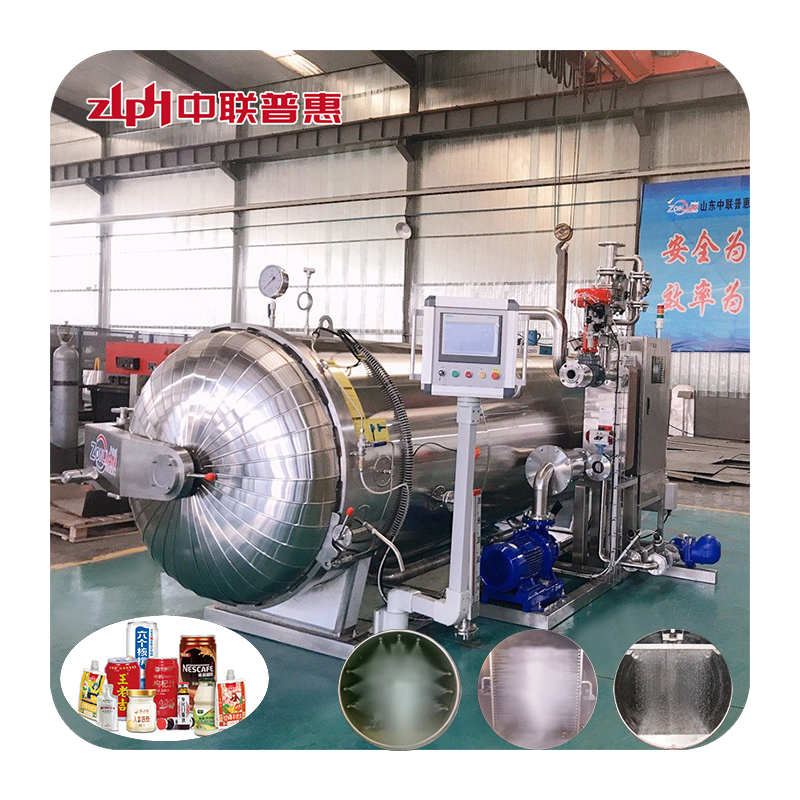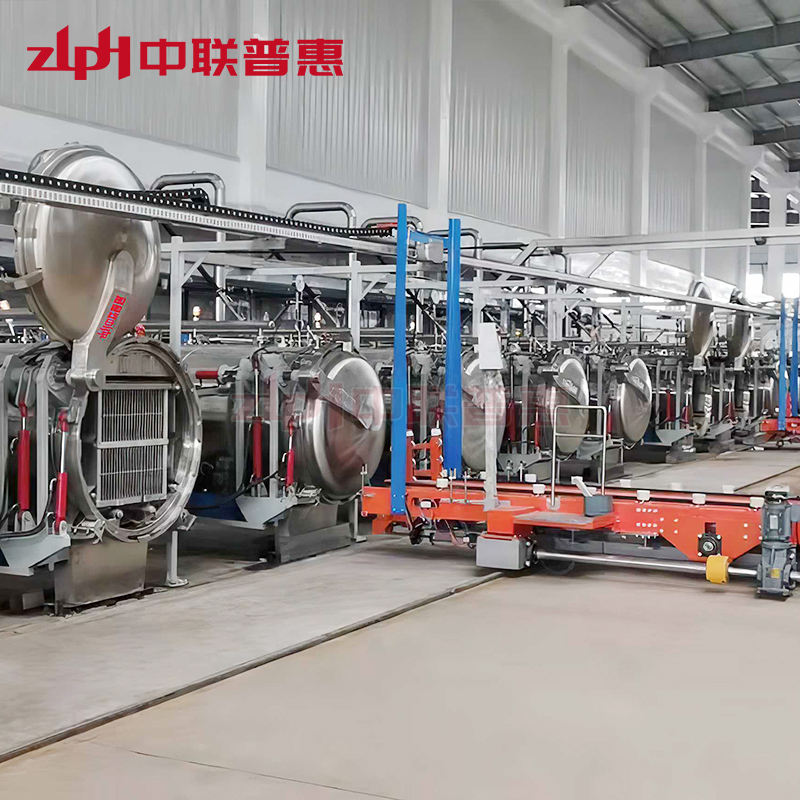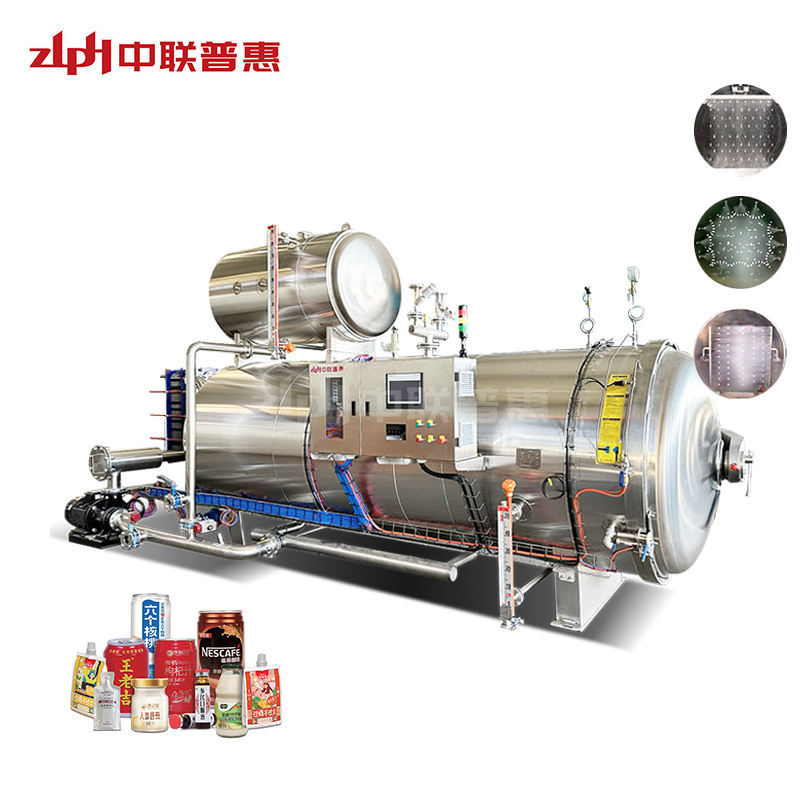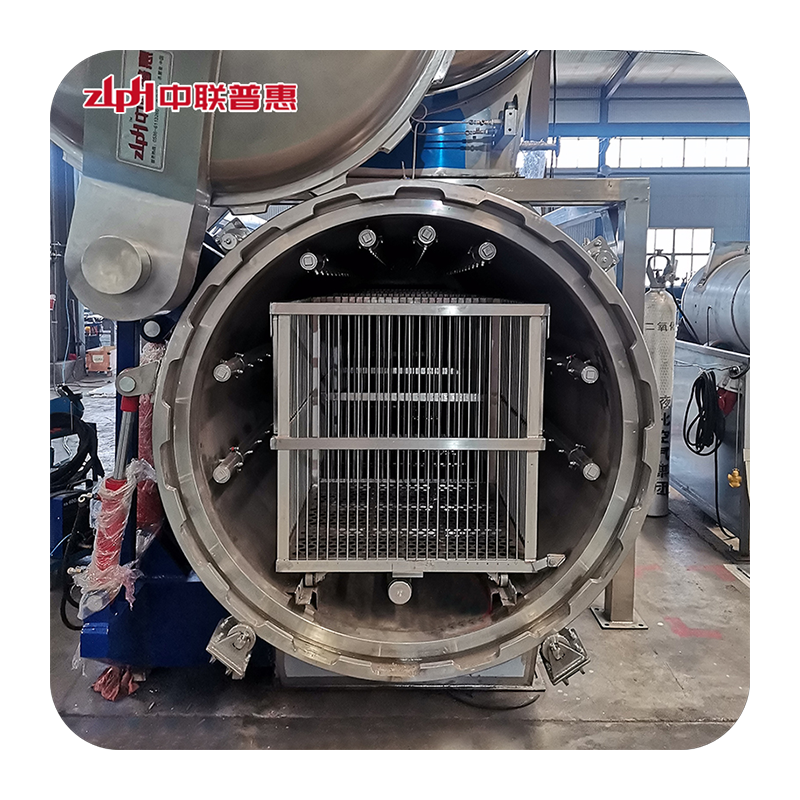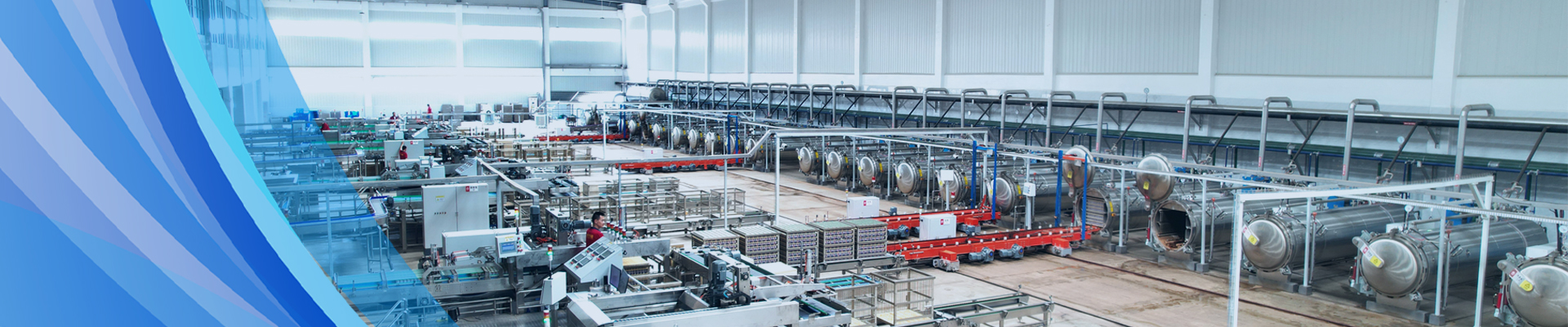

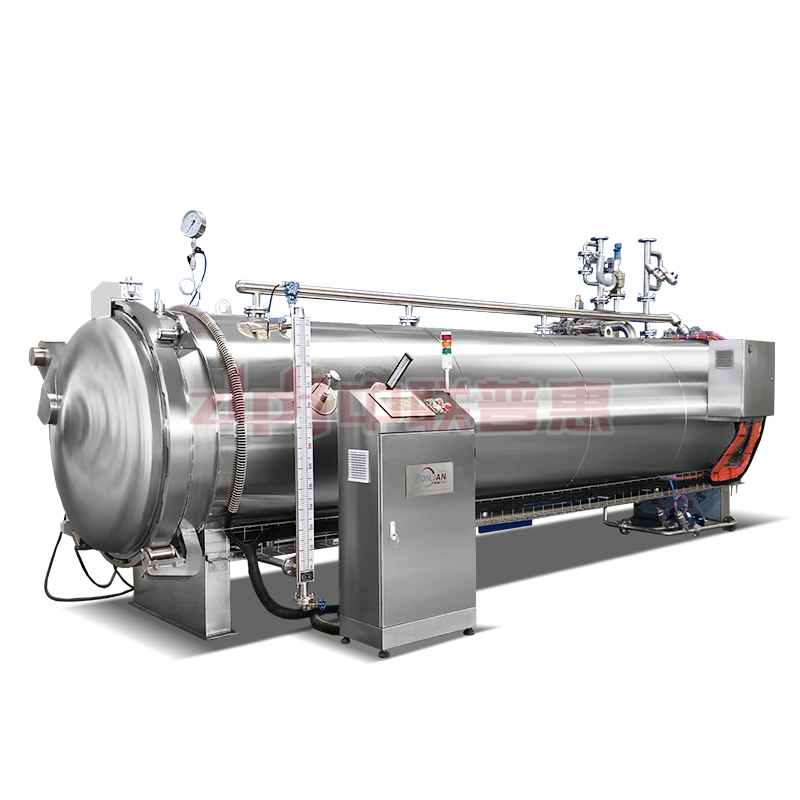
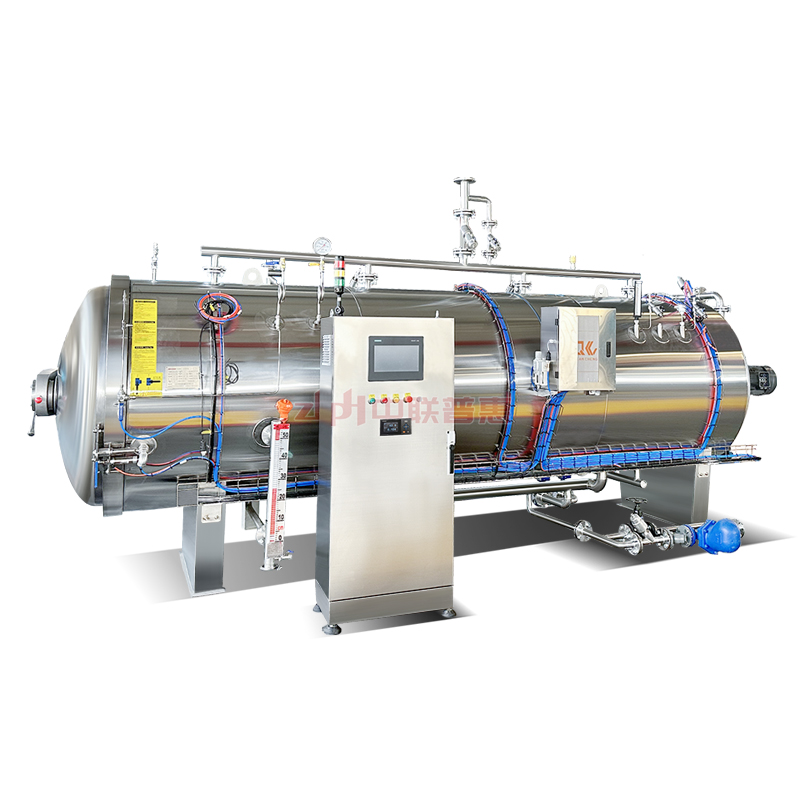
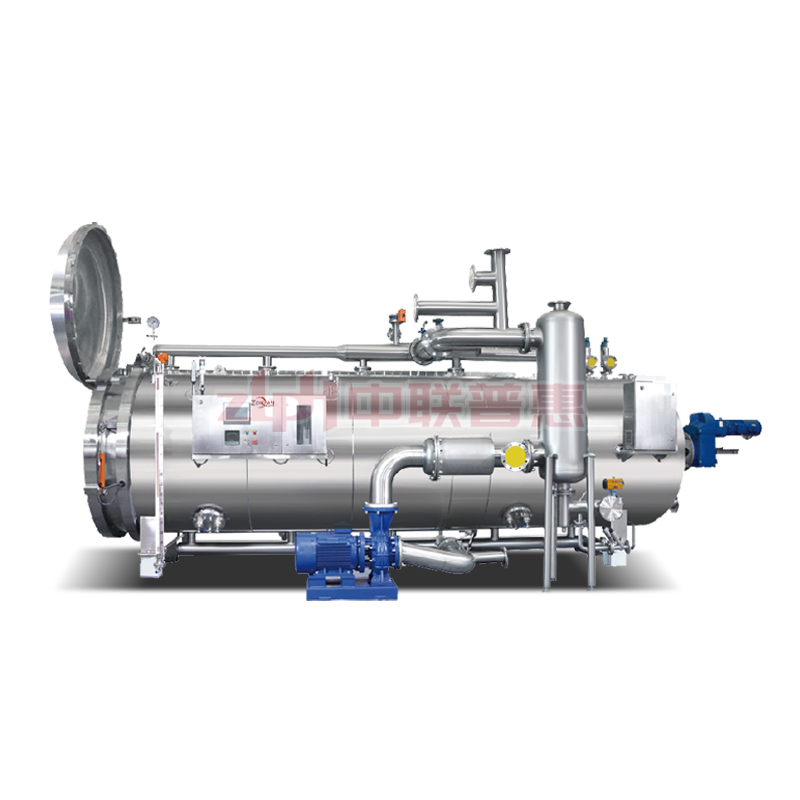
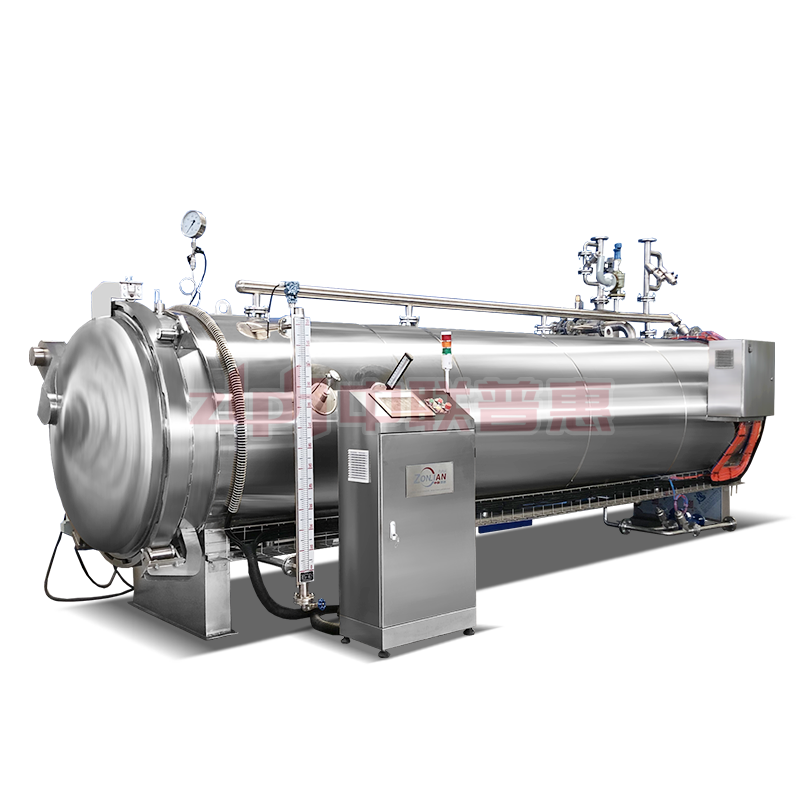
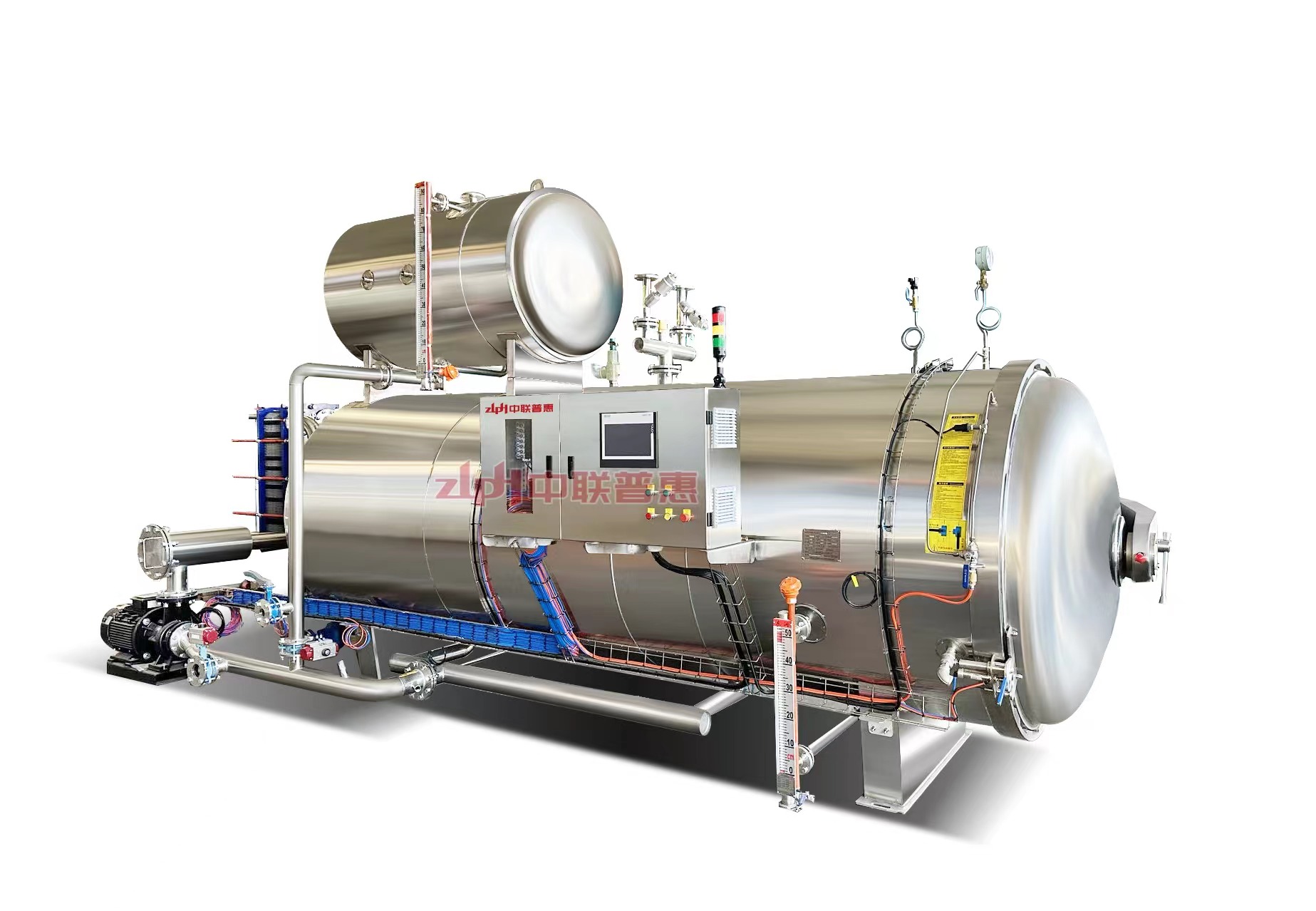
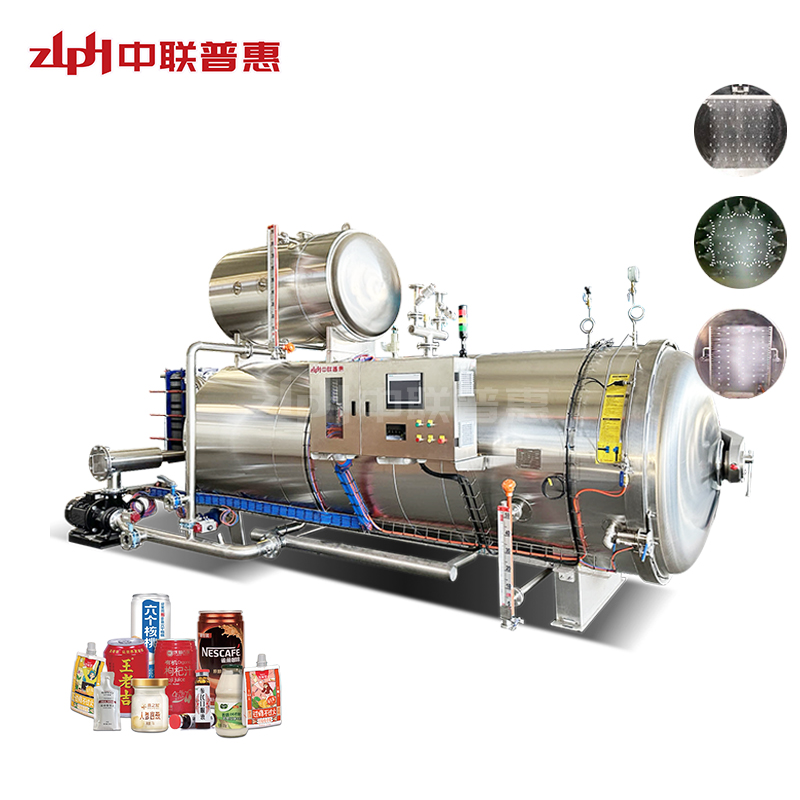
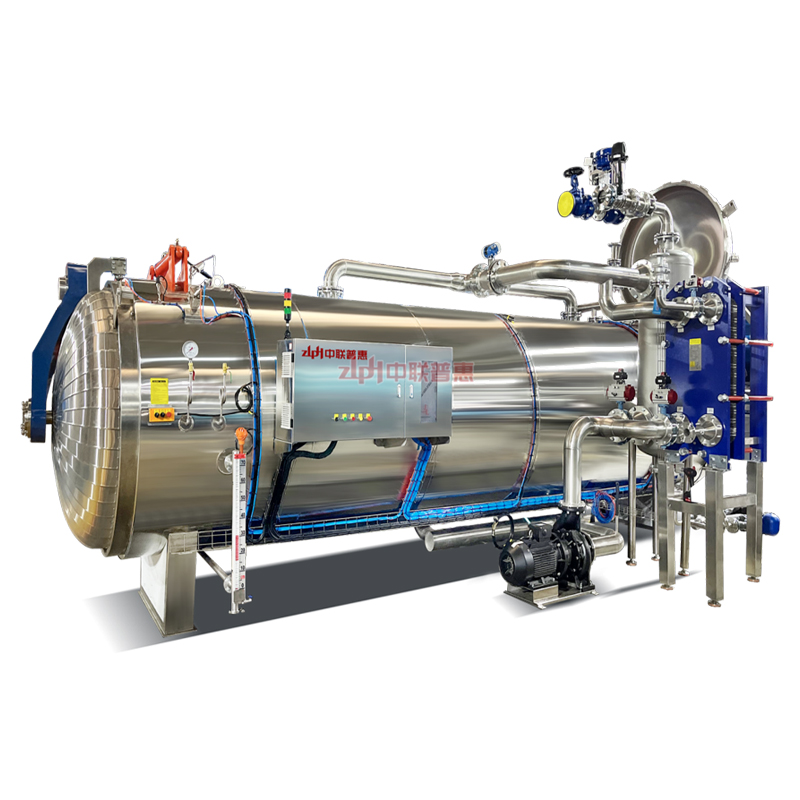
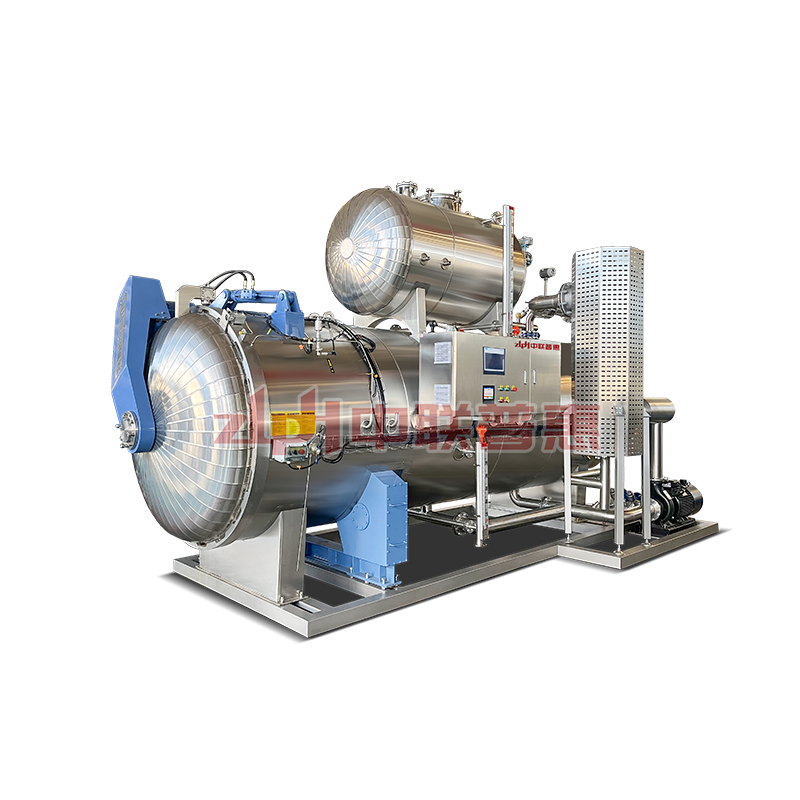
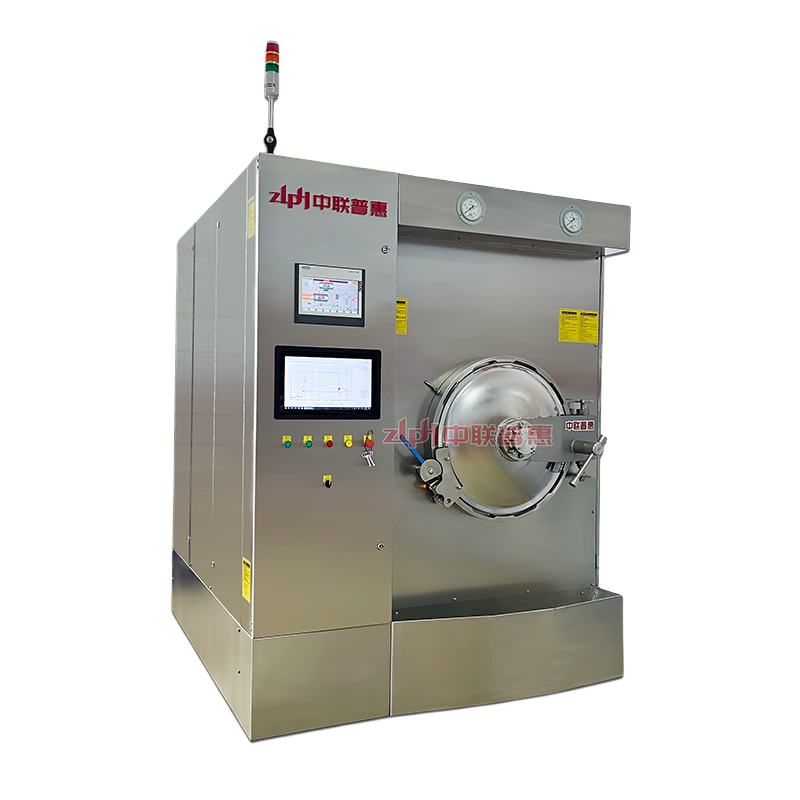
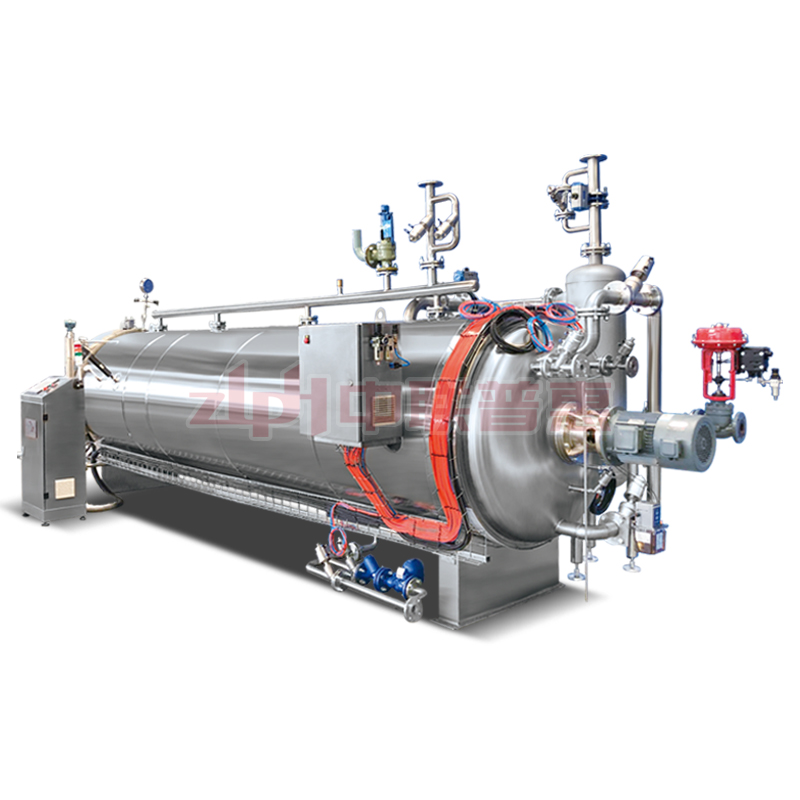
The bird's nest processing industry stands on the brink of a technological revolution as two groundbreaking approaches—nanotechnology and ultrasonic sterilization—emerge to complement and enhance traditional thermal methods. This convergence represents not a replacement for proven Bird's Nest Sterilization systems, but rather their evolution into more sophisticated, multi-modal processing platforms that achieve unprecedented precision in safety and quality preservation.
Nanotechnology: The Molecular Frontier
Nanotechnology introduces molecular-scale engineering to bird's nest processing through several innovative applications:
Nanostructured Surface Modifications: Advanced materials science enables the creation of Retort Autoclave surfaces with nano-engineered textures that minimize protein adhesion and microbial attachment. These innovations in steam retort machine design reduce cleaning requirements while enhancing sterilization efficacy through improved steam distribution and heat transfer characteristics.
Nano-Enhanced Thermal Transfer: The incorporation of nanofluids and nanostructured heating elements significantly improves thermal efficiency in retort sterilisation processes. These technological enhancements enable more rapid and uniform temperature attainment within Bird's Nest Sterilization cycles, reducing processing time while maintaining safety standards.
Smart Nanosensors: Embedded nanotechnology enables real-time monitoring at the molecular level during processing. These advanced sensors provide unprecedented insight into Retort Machine operations, detecting subtle changes in product characteristics that inform dynamic process adjustments for optimal quality preservation.
Ultrasonic Sterilization Innovation
Ultrasonic technology introduces non-thermal microbial control mechanisms:
Cavitation-Assisted Processing: High-frequency ultrasonic waves create microscopic cavitation bubbles within processing media, generating localized high temperatures and pressures that disrupt microbial structures without bulk thermal elevation. When integrated with traditional steam retort machine systems, this approach enhances Bird's Nest Sterilization efficacy while reducing overall thermal exposure.
Selective Frequency Targeting: Advanced ultrasonic systems utilize specific frequencies that target microbial structures while minimizing impact on bird's nest proteins and nutrients. This selective approach represents a significant advancement in precision sterilization, particularly when combined with conventional retort sterilisation methods.
Penetration Enhancement Technology: Ultrasonic energy improves the penetration of sterilization media into dense product structures, addressing one of the traditional challenges in Retort Autoclave processing of premium bird's nest products.
Synergistic Technology Integration
The true innovation emerges from integrating these technologies with existing systems:
Hybrid Processing Platforms: Next-generation systems combine ultrasonic pretreatment with optimized Retort Machine thermal cycles, creating synergistic effects that enhance both safety outcomes and quality preservation. This integrated approach to Bird's Nest Sterilization demonstrates significant advantages over single-technology methods.
Sequential Processing Protocols: Advanced systems implement carefully sequenced technology applications that maximize the benefits of each approach while minimizing potential drawbacks. For instance, initial ultrasonic treatment followed by precision steam retort machine processing achieves superior results compared to either technology alone.
Adaptive Technology Selection: Intelligent systems analyze product characteristics to determine optimal technology combinations for each specific processing scenario, creating customized approaches to retort sterilisation that reflect the unique requirements of different bird's nest varieties and quality grades.
ZLPH Machinery's Research Leadership
Our company maintains active research initiatives in next-generation sterilization technologies:
Prototype Development: ZLPH operates dedicated research facilities where nanotechnology and ultrasonic applications are tested in combination with our core Retort Machine technologies, developing integrated solutions that enhance rather than replace proven thermal processing methods.
Technology Validation Programs: We conduct rigorous scientific validation of emerging technologies, assessing their practical applications within commercial Bird's Nest Sterilization environments and developing implementation protocols that ensure reliable, reproducible results.
Gradual Implementation Strategies: Recognizing that technological transformation occurs incrementally, we develop upgrade pathways that allow existing Retort Autoclave systems to incorporate next-generation capabilities through modular enhancements rather than complete replacement.
Quality Preservation Advancements
The integration of new technologies delivers measurable quality improvements:
Enhanced Nutrient Retention: Preliminary research indicates that nanotechnology-enhanced steam retort machine systems and ultrasonic-assisted processing can improve bioactive compound preservation by 15-25% compared to conventional retort sterilisation methods alone.
Structural Integrity Optimization: The reduced thermal requirements of integrated approaches better preserve the delicate filament structures that characterize premium bird's nest, addressing a long-standing quality challenge in thermal processing.
Consistency Improvement: Advanced monitoring and control capabilities enable more consistent processing outcomes, with reduced batch-to-batch variation in both safety parameters and quality characteristics.
Operational Efficiency Benefits
Beyond quality enhancement, next-generation technologies offer practical advantages:
Energy Consumption Reduction: Integrated approaches typically reduce energy requirements by 20-35% compared to conventional Bird's Nest Sterilization methods, contributing to both economic and environmental sustainability.
Processing Time Optimization: Enhanced thermal transfer and complementary sterilization mechanisms can reduce processing cycles by 15-30% while maintaining or improving safety and quality outcomes.
Water Utilization Efficiency: Nano-enhanced surfaces and ultrasonic cleaning capabilities significantly reduce water requirements for equipment maintenance and processing operations.
Practical application of advanced technologies requires careful planning:
Technology Readiness Assessment: ZLPH provides comprehensive evaluation services that assess facility readiness for next-generation technology implementation, considering factors including existing infrastructure, technical capabilities, and quality objectives.
Phased Integration Planning: We recommend gradual technology integration that allows operational teams to develop familiarity with new approaches while maintaining production consistency during transition periods.
Regulatory Pathway Development: Emerging technologies require careful regulatory navigation; our experts provide guidance on compliance requirements and documentation strategies for hybrid Retort Machine systems incorporating novel sterilization mechanisms.
Industry Collaboration and Knowledge Development
Advancing processing technology requires collective effort:
Research Partnerships: ZLPH maintains collaborative relationships with academic institutions and research organizations focused on food processing innovation, ensuring our technology development reflects the latest scientific understanding.
Industry Consortium Participation: We actively contribute to industry groups developing standards and best practices for emerging sterilization technologies in premium food applications.
Knowledge Sharing Initiatives: Through technical publications and conference presentations, we share research findings and practical implementation experiences to advance industry-wide understanding of next-generation Bird's Nest Sterilization approaches.
Technological evolution continues across multiple dimensions:
Advanced Material Science: Ongoing research in nanomaterials promises further enhancements in thermal efficiency, durability, and cleanability of steam retort machine systems.
Intelligent System Integration: Future developments will create more sophisticated integration between different sterilization technologies, with artificial intelligence optimizing technology selection and parameter adjustment for each unique processing scenario.
Sustainable Technology Focus: Research priorities include enhancing the environmental performance of integrated sterilization systems, addressing both immediate processing efficiency and broader lifecycle sustainability considerations.
Market Implications and Competitive Positioning
Early adoption of next-generation technologies offers strategic advantages:
Quality Leadership Establishment: Producers implementing advanced sterilization approaches can establish quality differentiation in competitive premium markets.
Innovation Reputation Enhancement: Demonstration of technological sophistication strengthens brand positioning among quality-conscious consumers and trade partners.
Future-Readiness Development: Early experience with emerging technologies positions producers favorably for ongoing industry evolution and changing market expectations.
The convergence of nanotechnology, ultrasonic sterilization, and advanced thermal processing represents a significant leap forward in bird's nest processing capability. Rather than displacing proven retort sterilisation methods, these emerging technologies enhance and extend traditional approaches, creating more sophisticated, precise, and efficient processing systems. ZLPH Machinery's commitment to research and development in these frontier areas ensures that our clients have access to both current best practices and future technological advancements, maintaining their competitive edge in evolving global markets while delivering products that meet increasingly sophisticated consumer expectations for both safety and quality excellence.