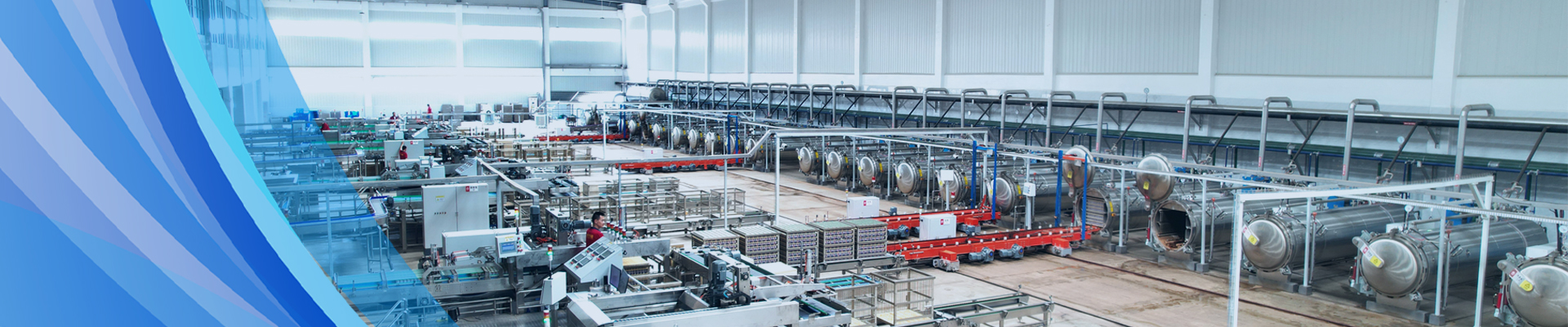

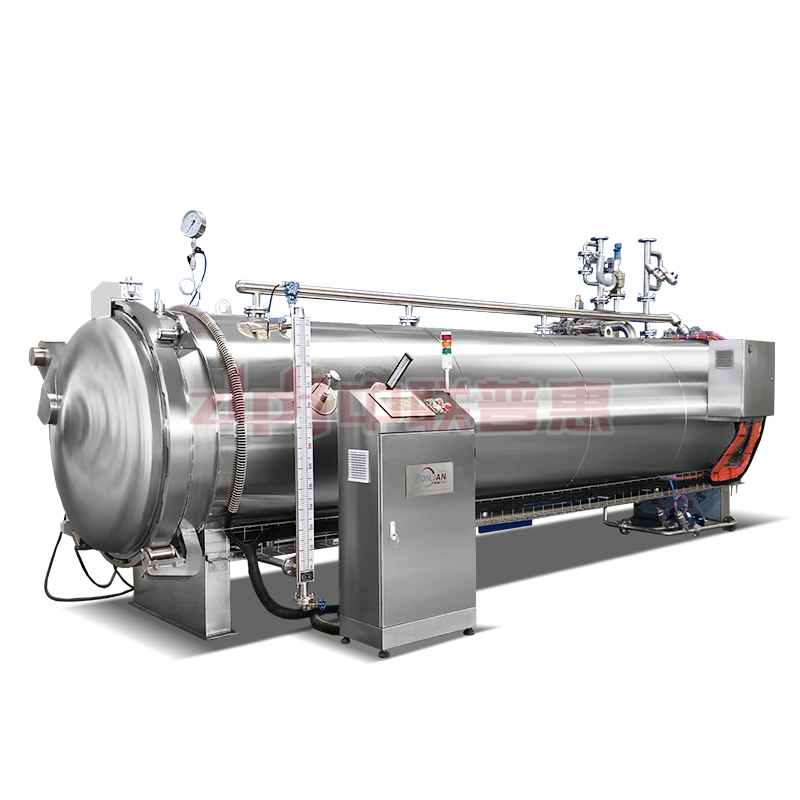
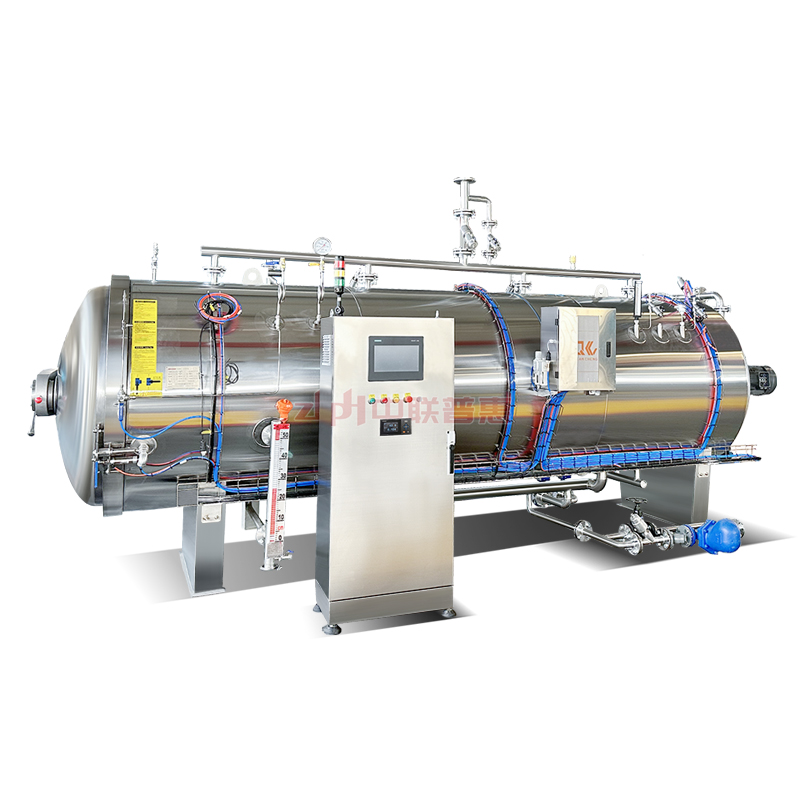
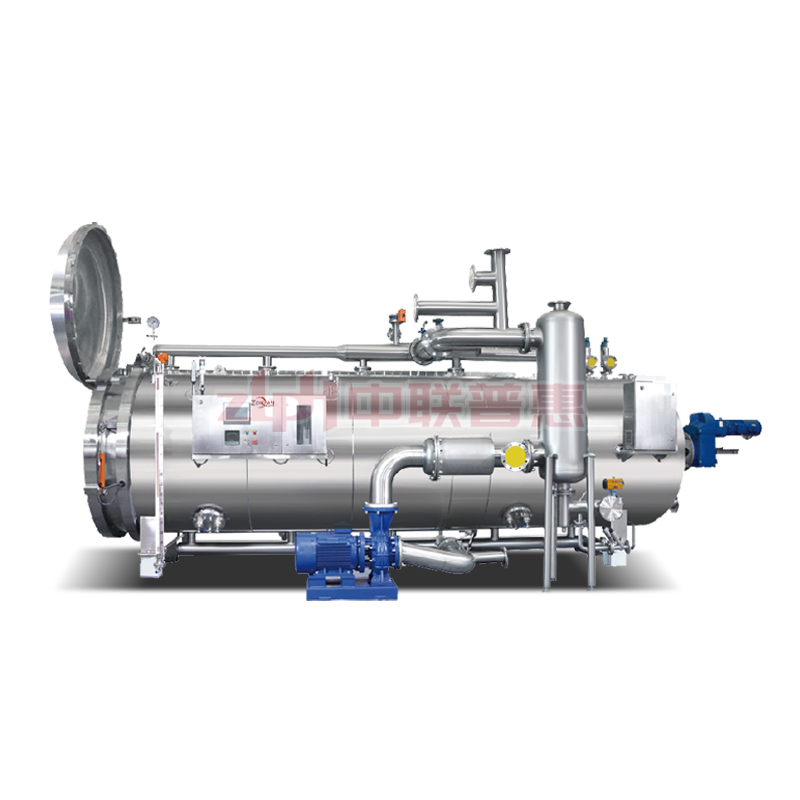
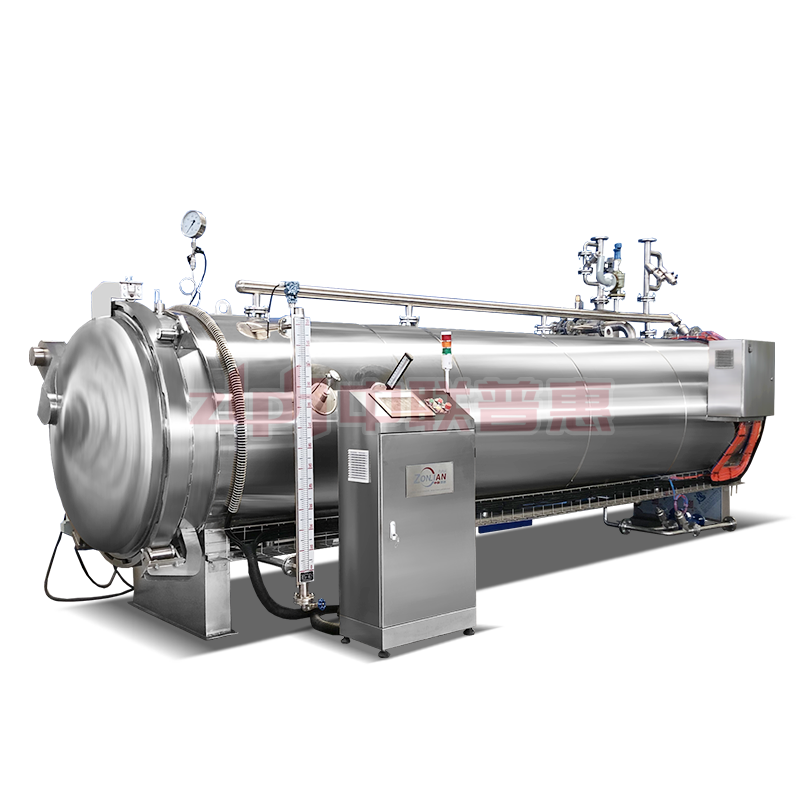
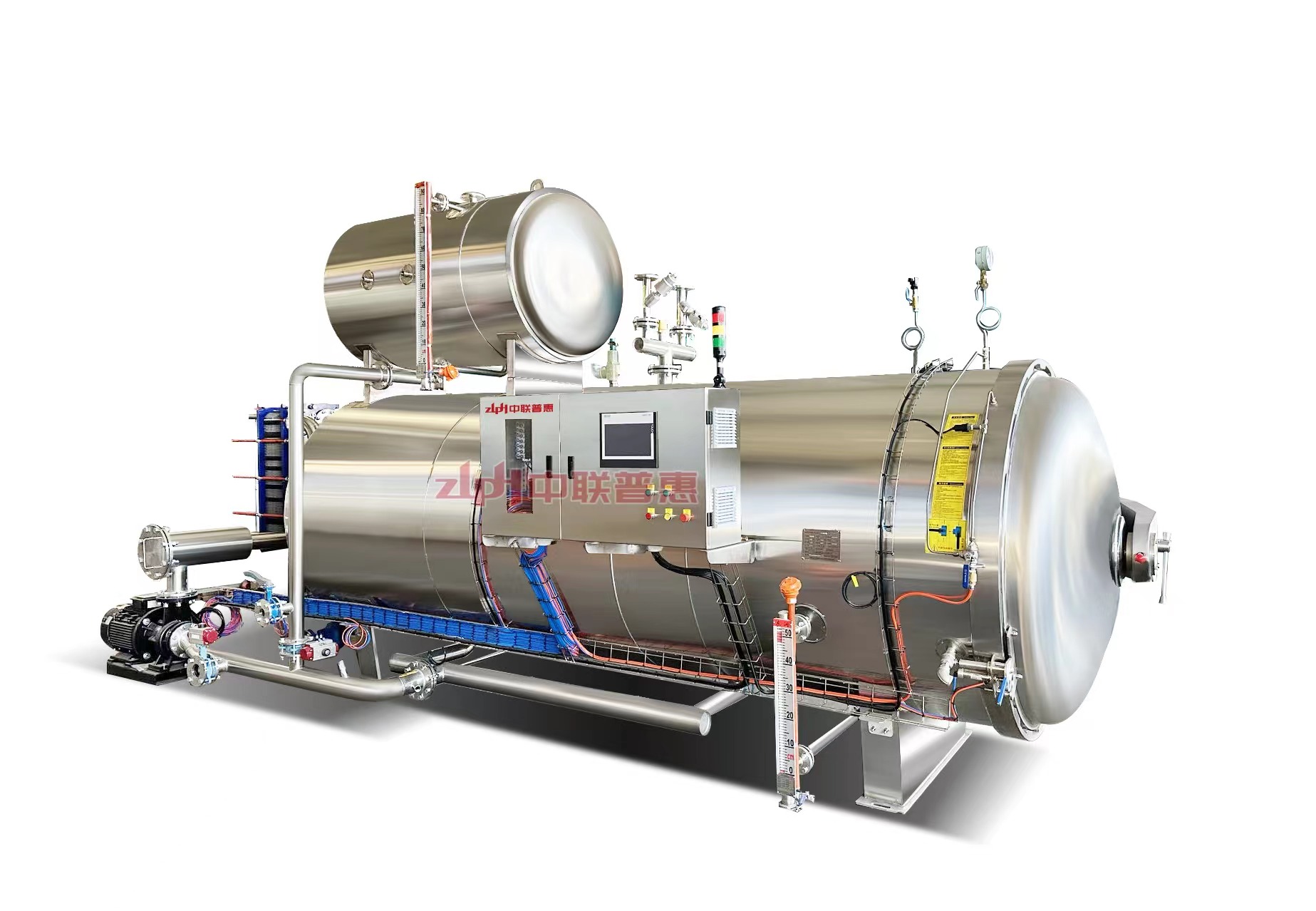
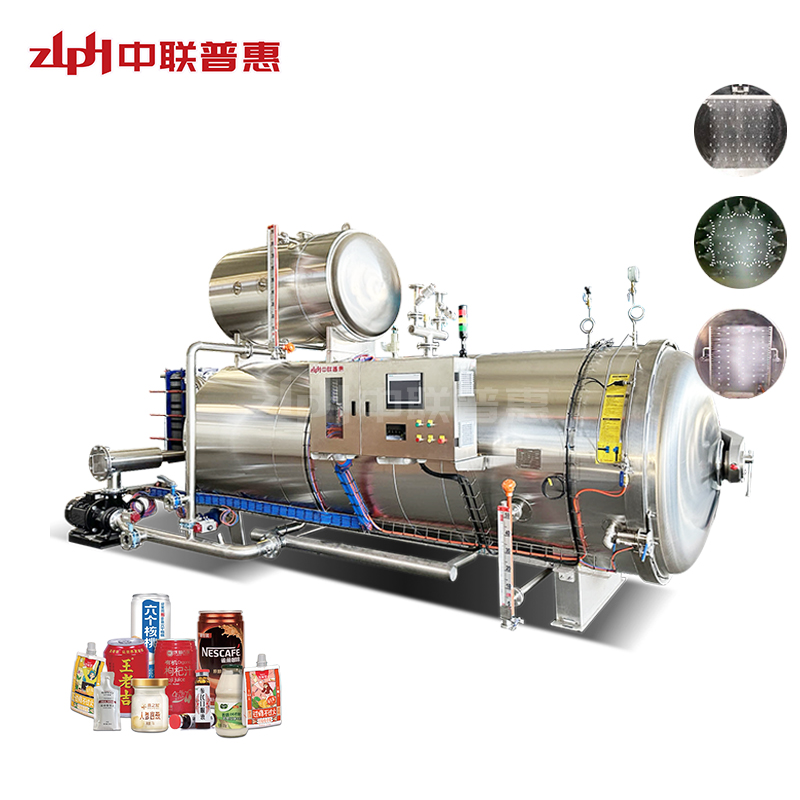
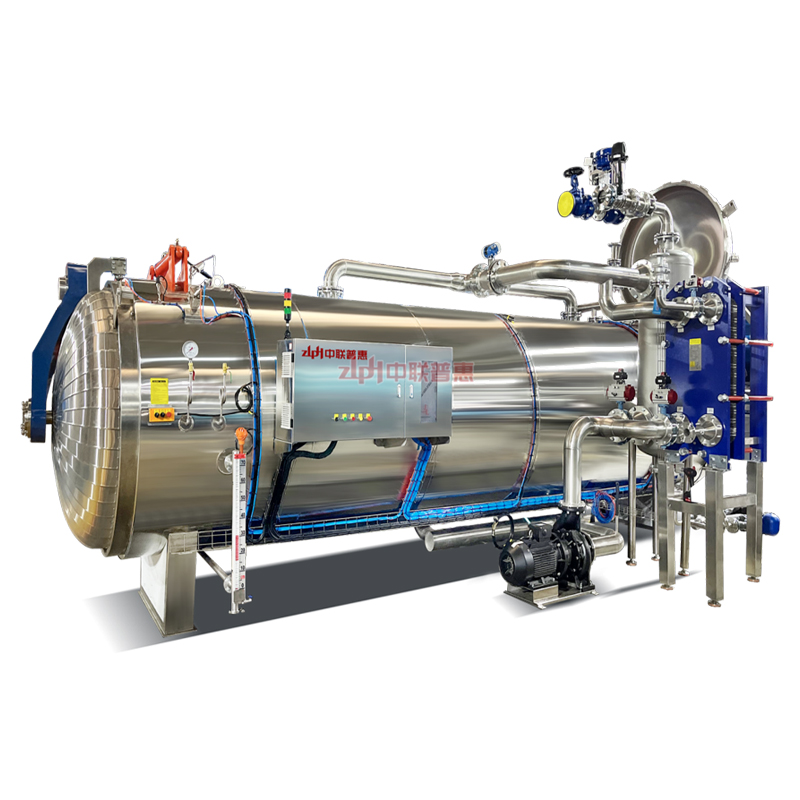
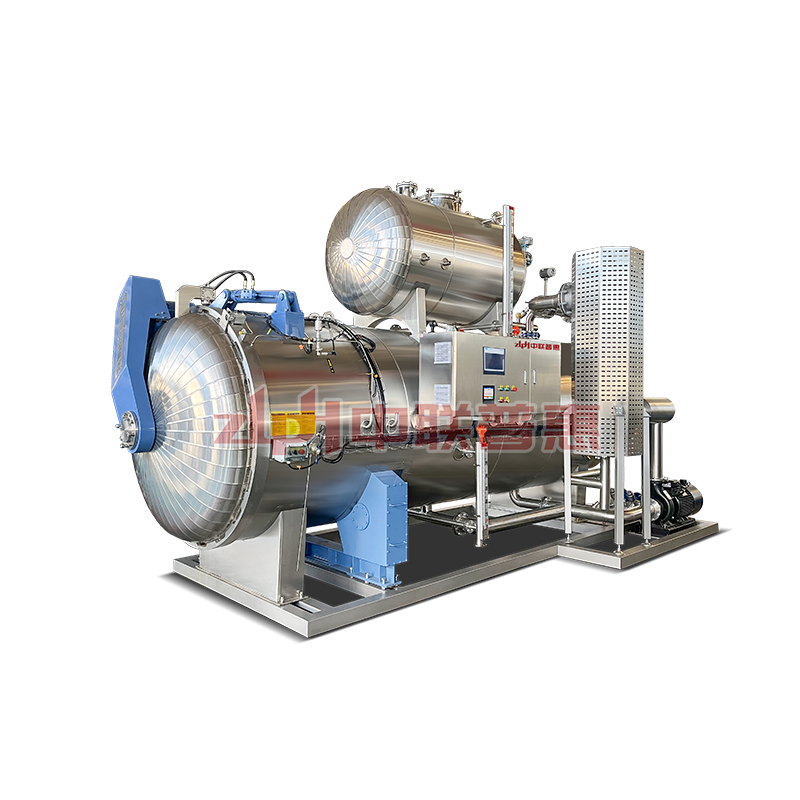
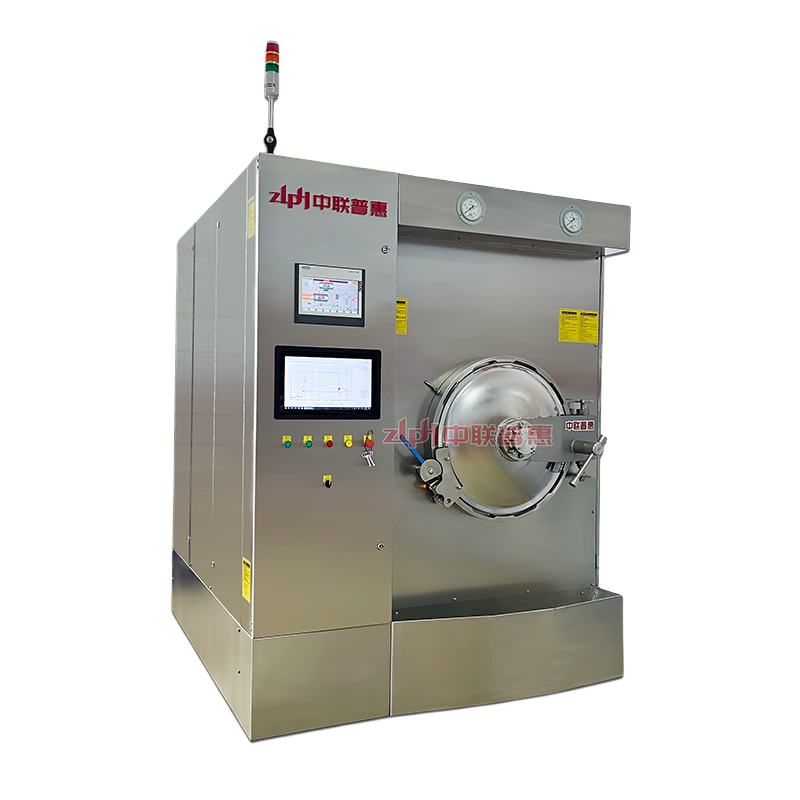
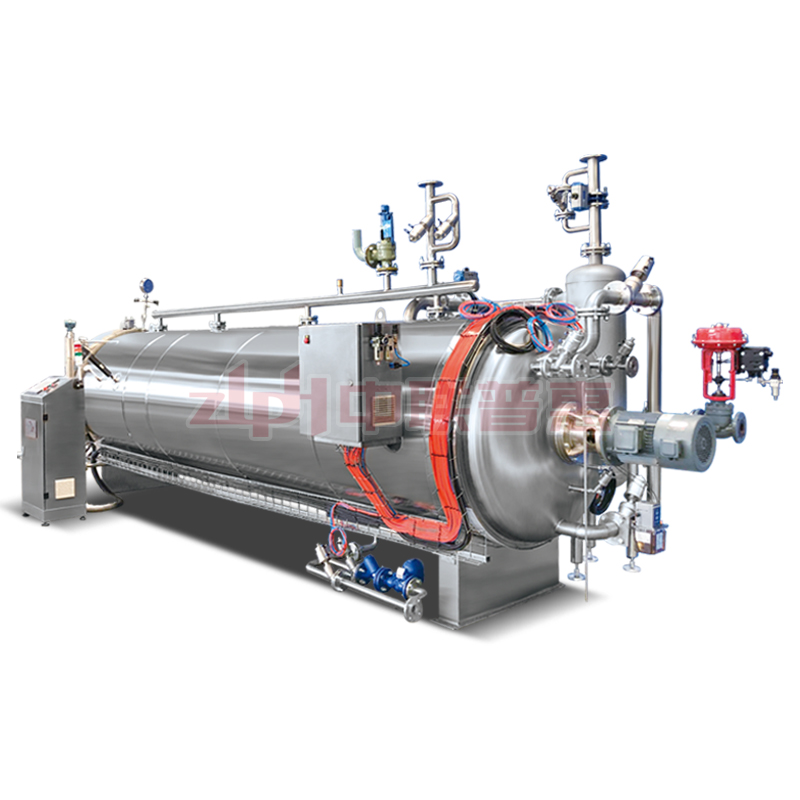
In the fast-paced landscape of food manufacturing, the demand for efficient, reliable, and high-performance sterilization solutions has never been more critical. Today’s food producers face the dual challenge of meeting stringent global safety standards while preserving nutritional value, flavor, and texture—all while optimizing costs and sustainability. This is where the revolutionary food retort emerges as a game-changer, redefining thermal processing. As a cornerstone of modern food safety infrastructure, the food retort, alongside specialized variants like the autoclave retort sterilizer and retort autoclave, is no longer just equipment but a strategic investment in product excellence and market competitiveness.
At the heart of this transformation is the Retort Machine’s evolution from conventional thermal processing to smart, precision-driven systems. Unlike outdated methods relying on static heat—often causing uneven processing or compromised safety—the cutting-edge Retort Machine integrates advanced technologies for consistent, targeted retort sterilisation. A key innovation is infrared-powered heating, proven to reduce energy consumption by over 32% versus traditional steam-based retort autoclave models. This efficiency leap lowers operational costs, aligns with sustainable manufacturing goals, and cuts greenhouse gas emissions by up to 17.6% per batch, offering food manufacturers tangible competitive advantages in eco-conscious markets.
The autoclave retort sterilizer stands out for achieving commercial sterility without sacrificing quality. Operating at precise temperatures (110°C–121°C) and pressures (0.1–0.2 MPa), this advanced food retort eliminates pathogens like Clostridium botulinum while preserving organoleptic properties. What differentiates modern autoclave retort sterilizer models is the integration of IoT and AI-driven controls, enabling real-time monitoring and adaptive adjustments. These smart features ensure uniform retort sterilisation, with F₀ values consistently meeting FDA, CE, and ISO 22000 standards. Adaptive neuro-fuzzy inference systems (ANFIS) optimize parameters, reducing come-up times by 48% compared to conventional retort autoclave designs—critical for industries from canned goods to plant-based foods where consistency and safety are non-negotiable.
Versatility across packaging and product types defines the revolutionary food retort. The latest Retort Machine designs accommodate rigid cans, glass jars, flexible pouches, and trays, suiting diverse food categories. Rotary retort autoclave models with rotating baskets ensure even heat distribution for high-viscosity products (sauces, stews, pet food), eliminating cold spots. Spray-type autoclave retort sterilizer systems use high-pressure water circulation to gently process delicate items like fresh produce and plant-based alternatives, preserving texture and nutrients. This flexibility streamlines production lines, reduces the need for specialized equipment, and boosts overall equipment effectiveness (OEE) by up to 18%.
Retort sterilisation has evolved to meet emerging trends, including demand for shelf-stable, preservative-free products. The cutting-edge Retort Machine achieves 12–24 months of room-temperature storage without chemical additives through precise control of temperature, pressure, and processing time. Modern food retort systems preserve up to 90% of vitamins and minerals—far exceeding traditional methods that degrade 50% of nutrients—delivering healthier, fresher products while expanding manufacturers’ market reach and reducing waste via extended shelf life.
Sustainability drives Retort Machine innovation. Today’s autoclave retort sterilizer models feature energy recovery systems, closed-loop condensate recycling, and low-water consumption designs. Heat-recovery food retort systems cut steam use by 25% per batch, while water-saving features reduce consumption by up to 30%. These advancements lower operating costs, help meet UN SDGs for responsible production, and extend retort autoclave lifespans through modular, easy-to-maintain designs—reducing electronic waste.
Compliance with international safety standards is integral to modern food manufacturing, and the revolutionary food retort is engineered to exceed requirements. The latest Retort Machine models hold FDA, USDA, HACCP, and ISO 22000 certifications, with validated, documented retort sterilisation processes. Automated data logging, pressure/temperature monitoring, and leak-testing systems provide complete audit trails, simplifying regulatory inspections and reducing liability. For global operations, built-in sensors automatically conduct CFIA-mandated temperature distribution tests—essential for navigating varying international safety standards.
The revolutionary food retort’s impact extends beyond manufacturing to the broader supply chain. By cutting cycle times by 38%, Retort Machine models increase throughput, reduce lead times, and enhance agility amid supply chain volatility. Extended shelf life from retort sterilisation addresses global food waste (one-third of produced food is lost), reducing transportation and storage losses. Distributors and retailers benefit from lower inventory turnover and fewer expired products, strengthening the entire value chain.
In conclusion, the revolutionary food retort represents a paradigm shift in thermal processing, combining cutting-edge technology, sustainability, and versatility to deliver superior quality. Whether as an advanced autoclave retort sterilizer, flexible retort autoclave, or smart Retort Machine, these systems transform how manufacturers approach safety, efficiency, and innovation. Investing in the latest retort sterilisation solutions enables producers to meet evolving consumer and regulatory demands, reduce environmental impact, and gain a competitive edge in the global marketplace.
