
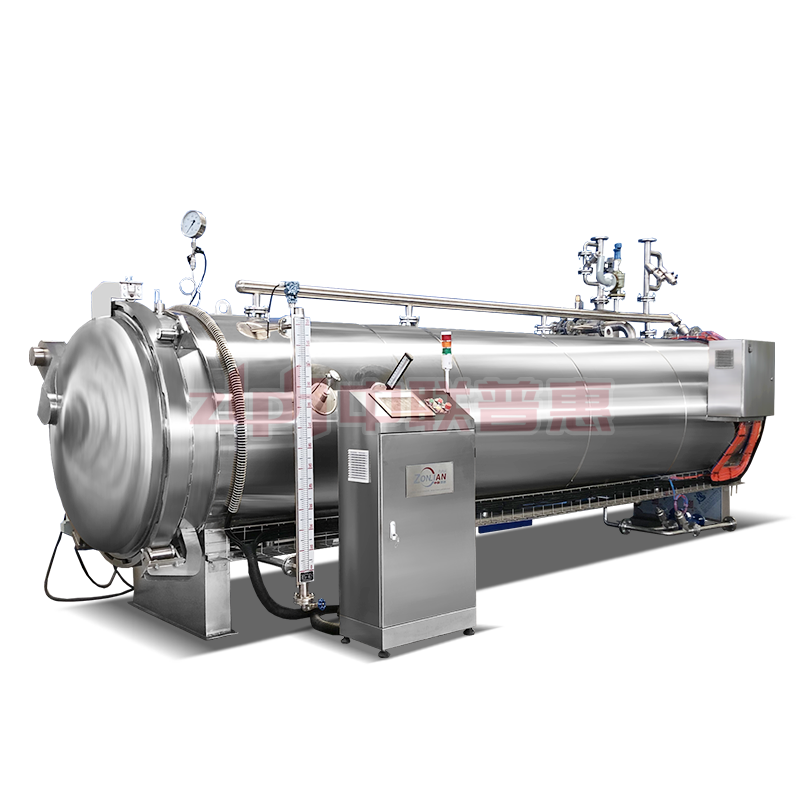
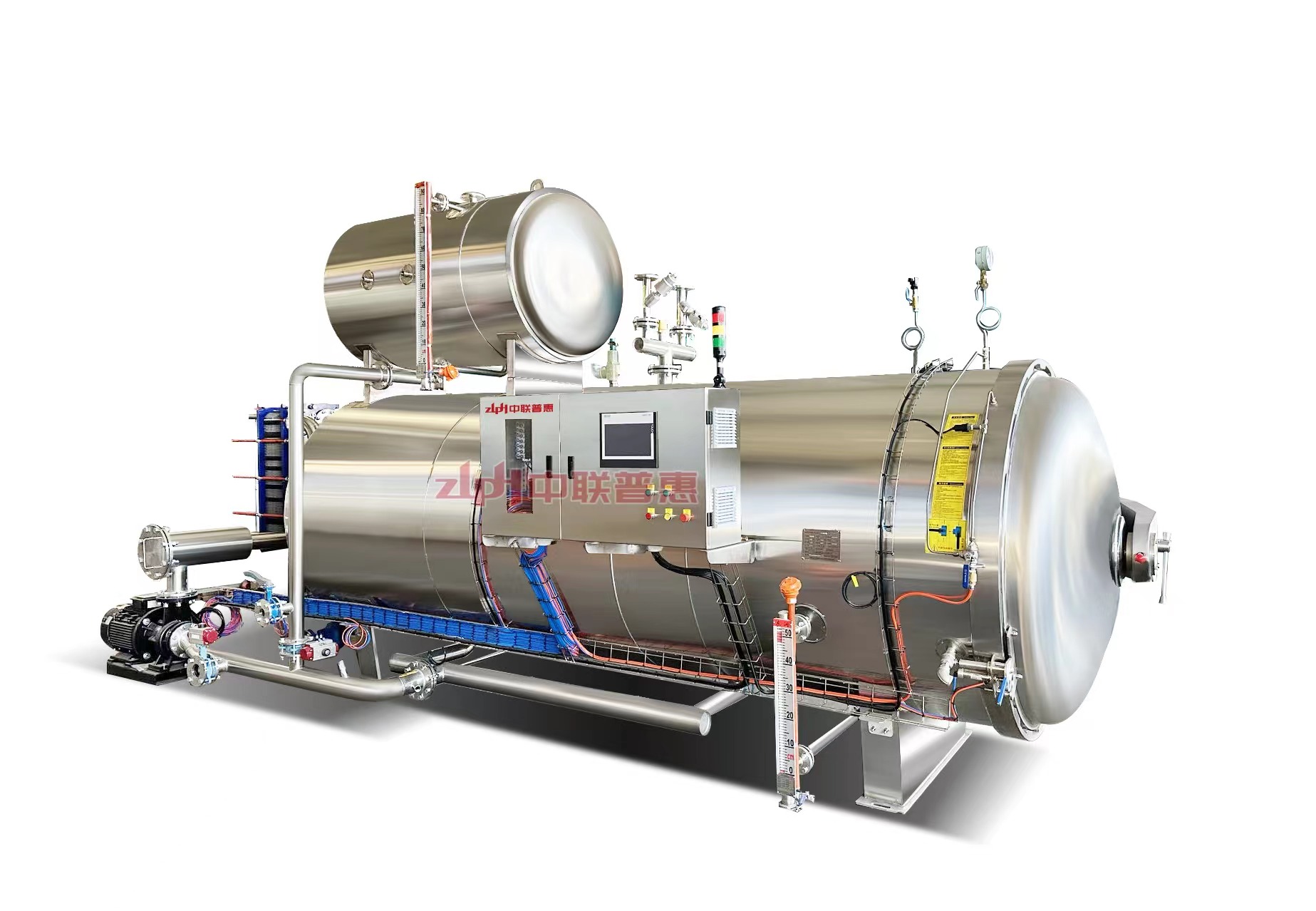
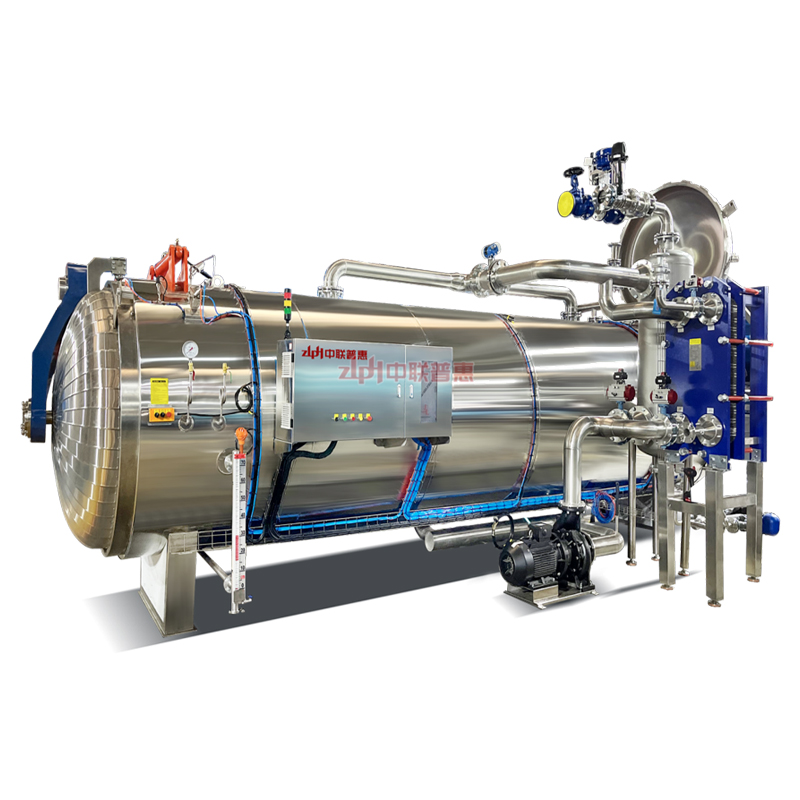
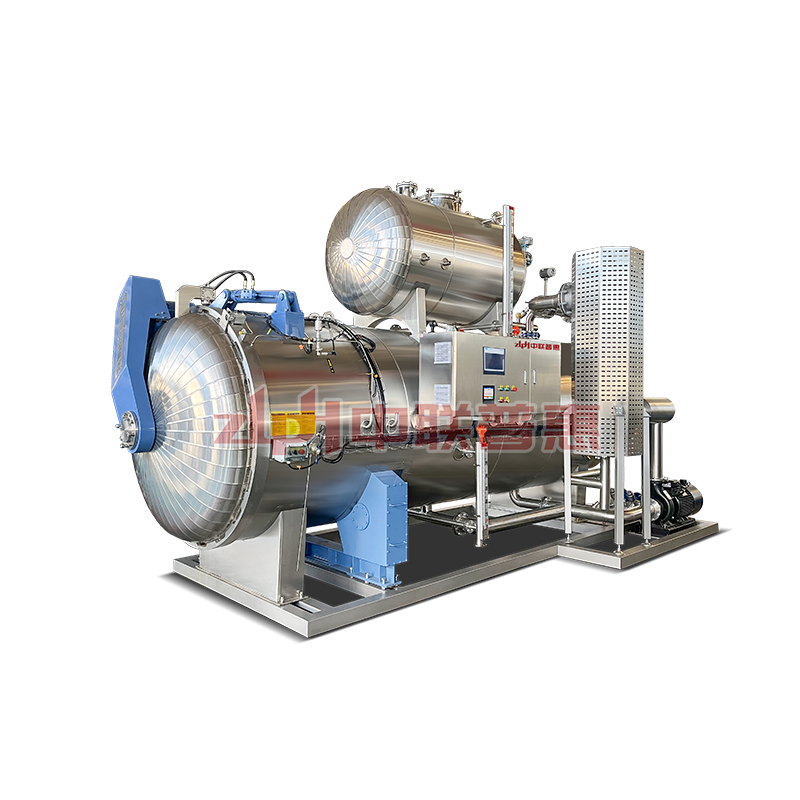
In 2026, food innovation and product development are more critical than ever for brands aiming to stand out in a competitive global market. For food R&D laboratories, pilot-scale testing is the cornerstone of bringing new products to market safely and efficiently—and the small pilot Retort Machine has emerged as an indispensable tool for this process. Unlike industrial-scale equipment, this compact, precise system is designed specifically for lab testing of new food formulations, allowing researchers to validate retort sterilisation parameters, optimize processing conditions, and ensure product safety before scaling up to full production. When paired with complementary lab-scale equipment, the small pilot food retort bridges the gap between formulation development and industrial manufacturing, reducing risks, cutting costs, and accelerating time-to-market for new food products.
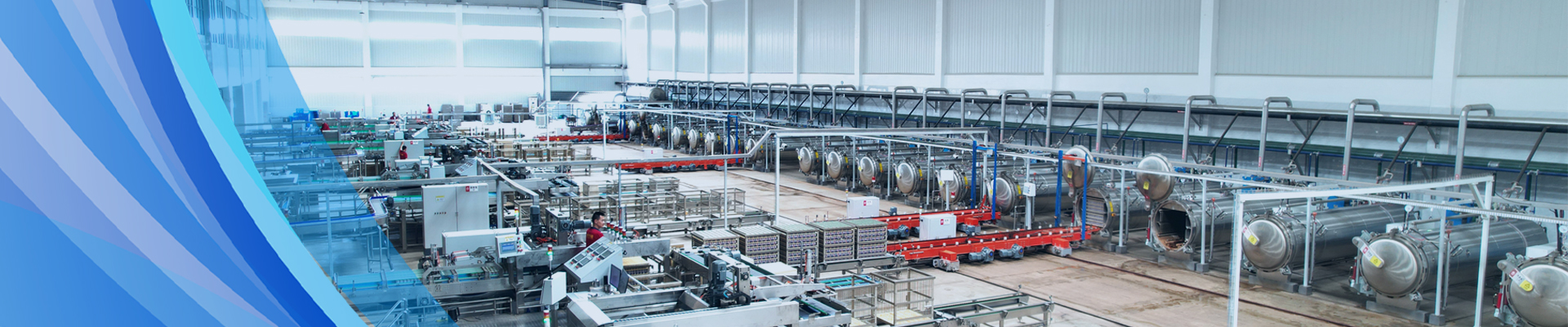
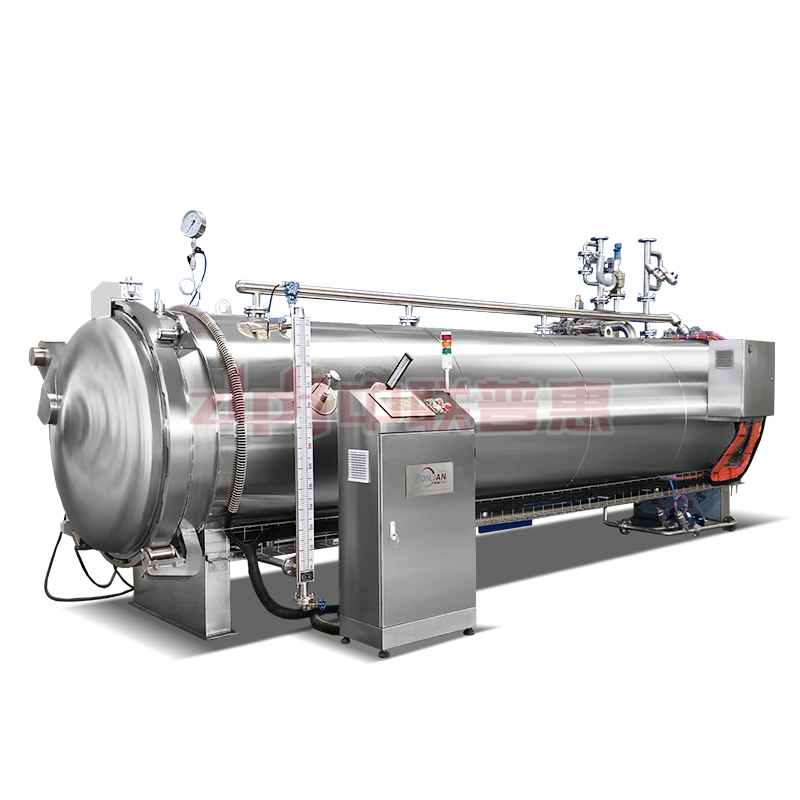
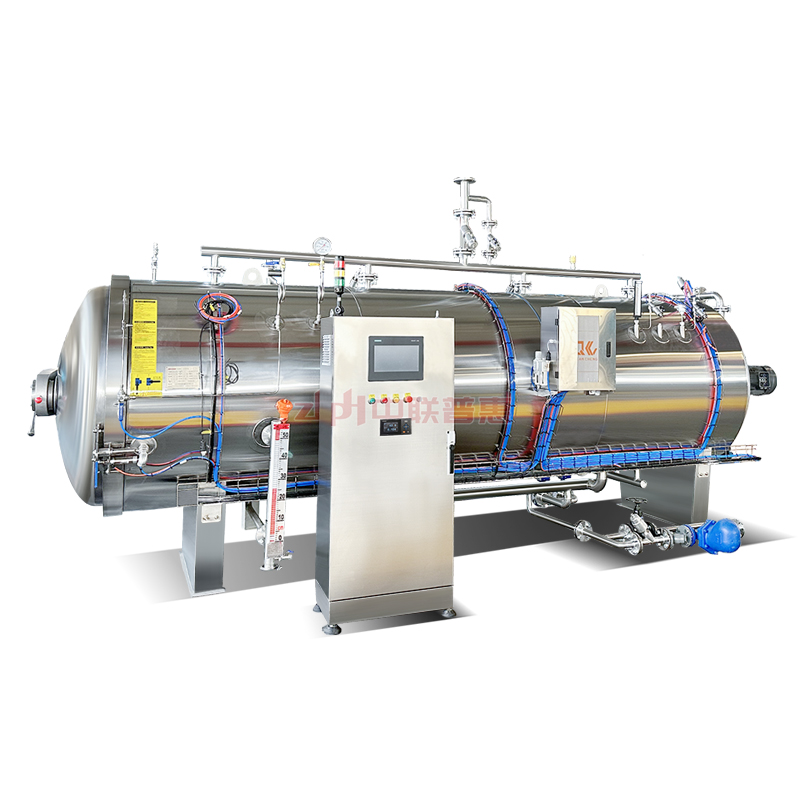
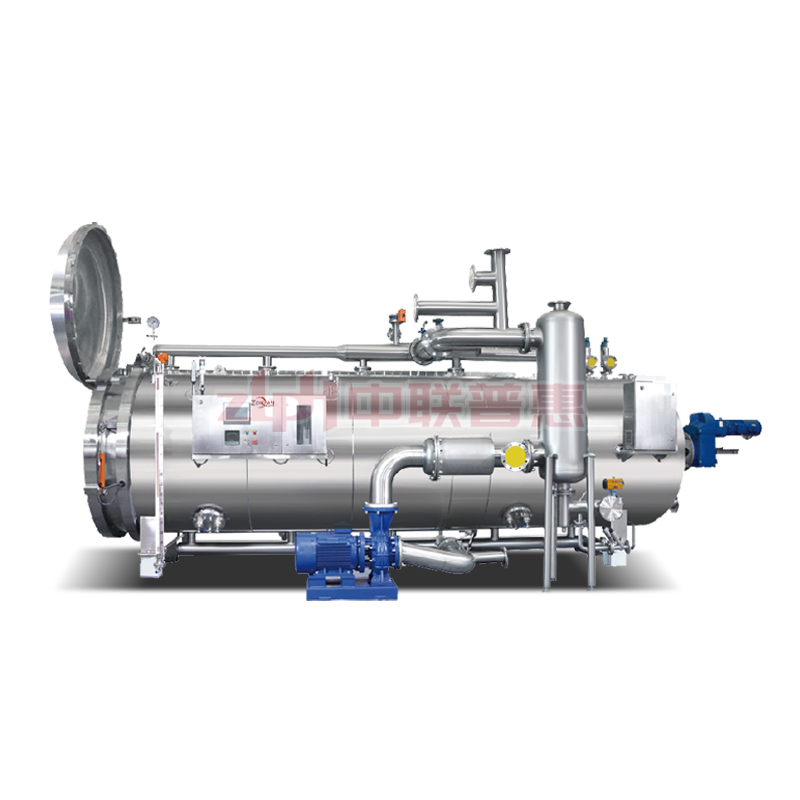
The 2026 small pilot Retort Machine is engineered to replicate the performance of full-scale autoclave retort sterilizer and retort autoclave systems, but in a compact footprint ideal for laboratory environments. This scalability is critical for food R&D teams, as it allows them to test sterilization cycles, temperature-pressure profiles, and packaging compatibility on a small scale—typically 5 to 50 liters—without wasting large quantities of raw materials. Whether developing new ready-to-eat meals, specialty canned goods, heat-sensitive baby food, or innovative retort-pouched snacks, the pilot food retort delivers consistent, repeatableretort sterilisation results that mirror industrial production, ensuring that the final scaled-up product meets safety, quality, and shelf-life requirements.
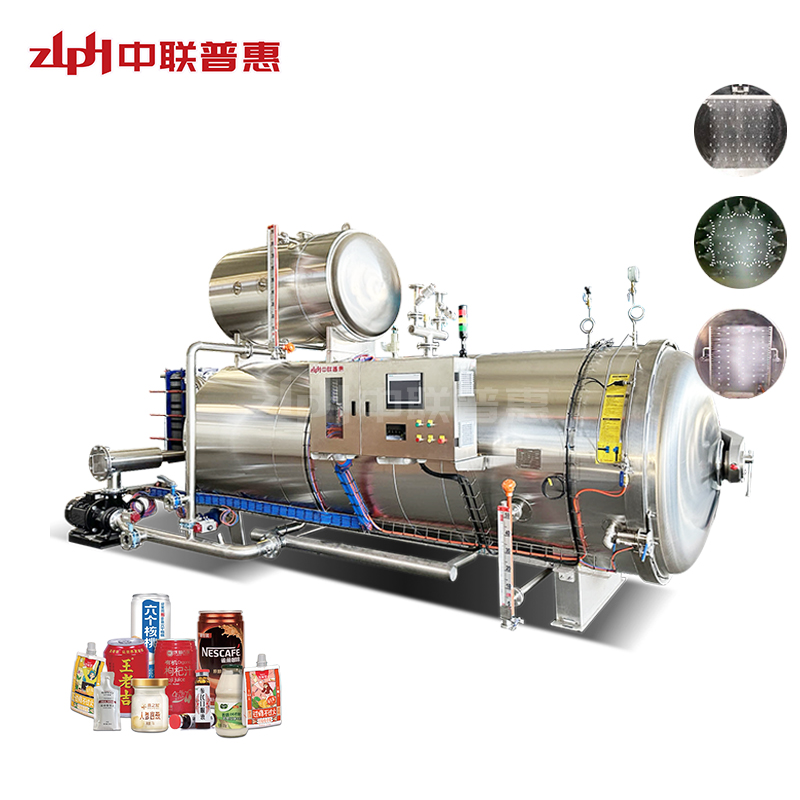
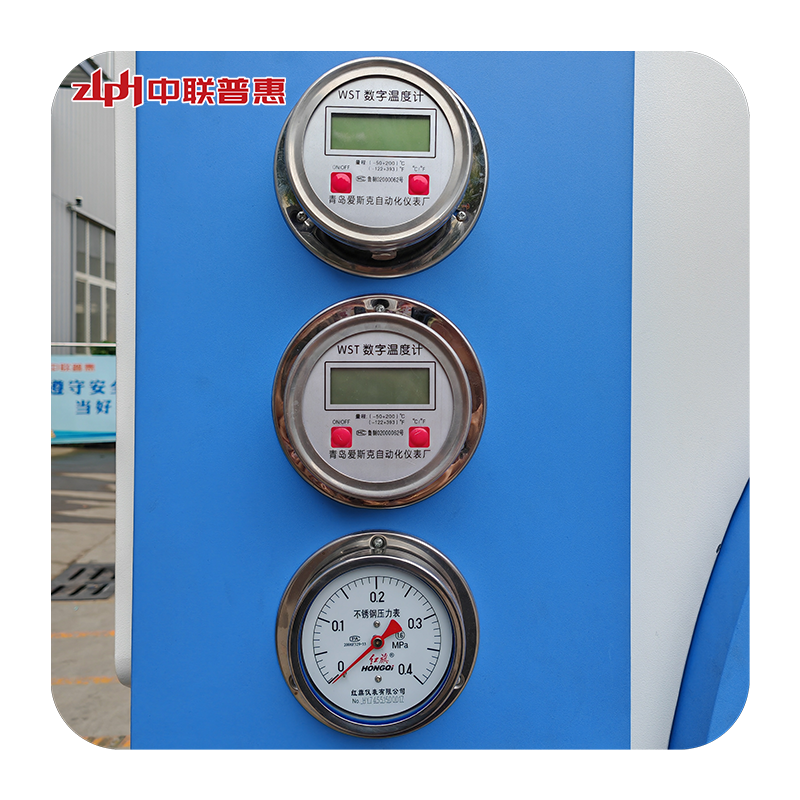
A key advantage of the 2026 small pilot Retort Machine is its precision and flexibility, two critical factors for lab testing. Equipped with advanced PLC control systems and multi-point temperature sensors, the machine maintains temperature fluctuations within ±0.2°C and pressure stability within ±0.01MPa—matching the accuracy of industrial autoclave retort sterilizer units. Researchers can customize every aspect of the retort sterilisation cycle, including heating rates, holding times, cooling methods, and pressure levels, to optimize for specific food formulations. This level of control is essential for testing heat-sensitive ingredients, as it allows teams to preserve flavor, texture, and nutritional value while ensuring complete microbial inactivation. Additionally, the pilot food retort supports multiple sterilization modes, including steam, water spray, and steam-air mixing, adapting to different packaging types such as small cans, mini retort pouches, and glass jars—common formats for new product prototypes.
For food R&D laboratories, cost efficiency and resource conservation are top priorities—and the small pilot Retort Machine addresses both. By enabling small-batch testing, the machine reduces waste of expensive raw materials and packaging, lowering the cost of product development. Unlike full-scale retort autoclave systems, which require large volumes of steam, water, and energy, the pilot model is designed for energy efficiency, consuming up to 60% less energy while maintaining the same sterilization efficacy. This makes it an ideal choice for startups, small food companies, and research institutions with limited lab space and budget constraints. Furthermore, the compact design of the pilotfood retort allows it to fit seamlessly into existing lab setups, eliminating the need for costly facility modifications.
Regulatory compliance is another critical consideration for new food product development, and the 2026 small pilot Retort Machine is fully equipped to meet global standards. The machine is designed in accordance with FDA, CE, and ISO 22000 requirements, ensuring that retort sterilisation tests are valid and audit-ready. Built-in data logging systems automatically record all processing parameters—including temperature curves, pressure profiles, and cycle duration—creating a complete traceability record for regulatory inspections. This feature is essential for food brands aiming to launch products in international markets, as it provides documented proof that new formulations meet strict food safety standards. Additionally, the pilot Retort Machine undergoes rigorous quality testing to ensure reliability, making it a trusted tool for R&D teams working on compliance-critical products.
The small pilot Retort Machine also plays a vital role in optimizing packaging compatibility for new food products. In 2026, packaging innovation is closely tied to product differentiation, with brands exploring lightweight, sustainable, and user-friendly formats. The pilot food retort allows researchers to test how different packaging materials—such as biodegradable retort pouches, recyclable cans, and heat-resistant plastic containers—perform during retort sterilisation. This testing helps identify potential issues such as packaging deformation, leakage, or flavor transfer, allowing teams to adjust packaging choices before scaling up. By validating packaging compatibility in the lab, brands can avoid costly mistakes in industrial production and ensure that their new products reach consumers in perfect condition.
Integration with other lab equipment is another standout feature of the 2026 small pilot Retort Machine. The system can be seamlessly connected to data analysis software, microbial testing tools, and texture analyzers, allowing R&D teams to gather comprehensive data onretort sterilisation outcomes. This integrated approach enables researchers to correlate sterilization parameters with product quality metrics—such as shelf life, microbial count, texture, and flavor—accelerating the optimization process. Additionally, the pilot food retort is compatible with the same control systems used in industrial autoclave retort sterilizer units, making it easy to transfer validated parameters from the lab to full-scale production lines. This continuity reduces the risk of scaling errors and ensures that the final product matches the prototype developed in the lab.
For B2B buyers—including food R&D labs, contract manufacturing organizations, and ingredient suppliers—the 2026 small pilot Retort Machine offers a high return on investment. It enables faster product development cycles, reduces time-to-market, and minimizes the risk of product failure. Unlike standalone lab equipment, the pilotfood retort is a versatile tool that can be used for a wide range of applications, from testing new formulations to validating changes in existing retort sterilisation processes. Leading manufacturers offer customizable pilot models, allowing buyers to select chamber sizes, automation levels, and sterilization modes that match their specific R&D needs. Comprehensive after-sales support—including installation, training, and technical assistance—ensures that labs can maximize the value of their investment.
In summary, the small pilot Retort Machine is a critical asset for food R&D in 2026, enabling labs to test, optimize, and validate new food products with precision, efficiency, and compliance. By replicating the performance of industrial autoclave retort sterilizer and retort autoclave systems in a compact lab-friendly design, the pilot food retort bridges the gap between formulation and production. It supports cost-effective, small-batch retort sterilisation testing, ensures regulatory compliance, optimizes packaging compatibility, and accelerates time-to-market for new food products. For food brands and research institutions looking to drive innovation and stay competitive in 2026, investing in a high-performance small pilot Retort Machine is a strategic decision that delivers long-term value and supports sustainable growth.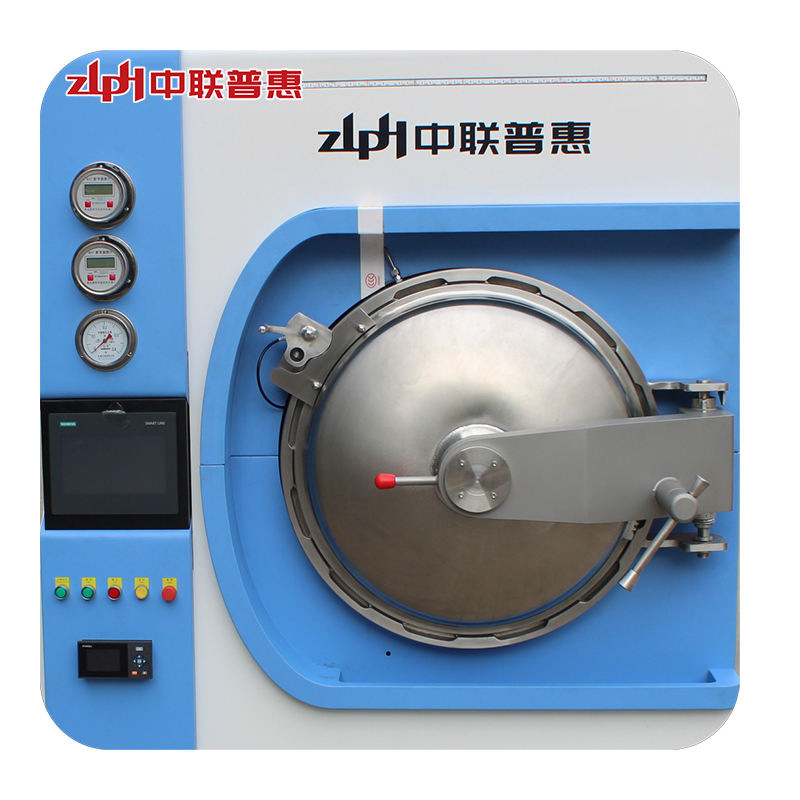
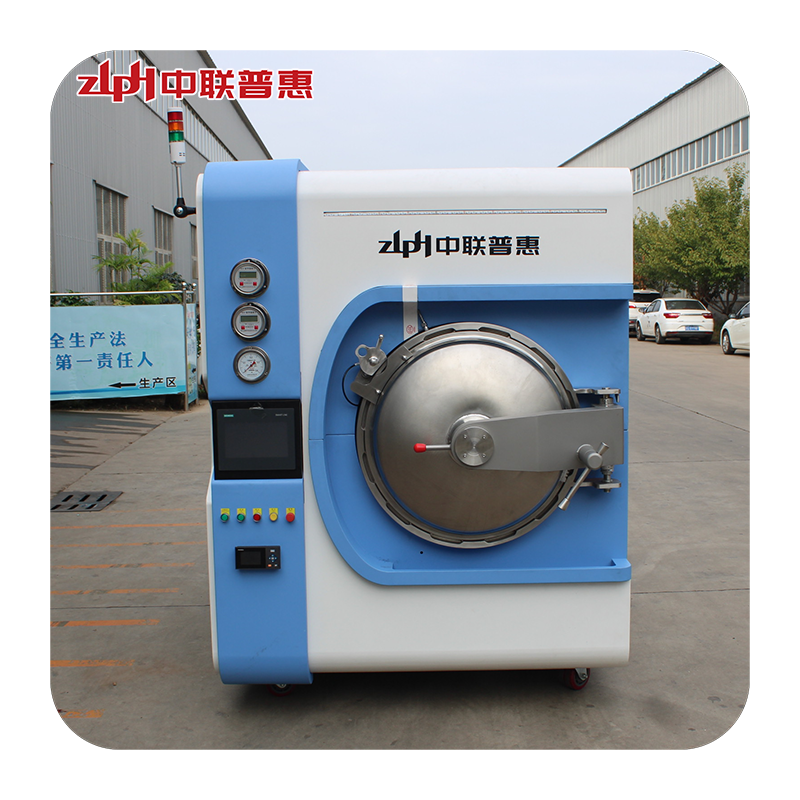
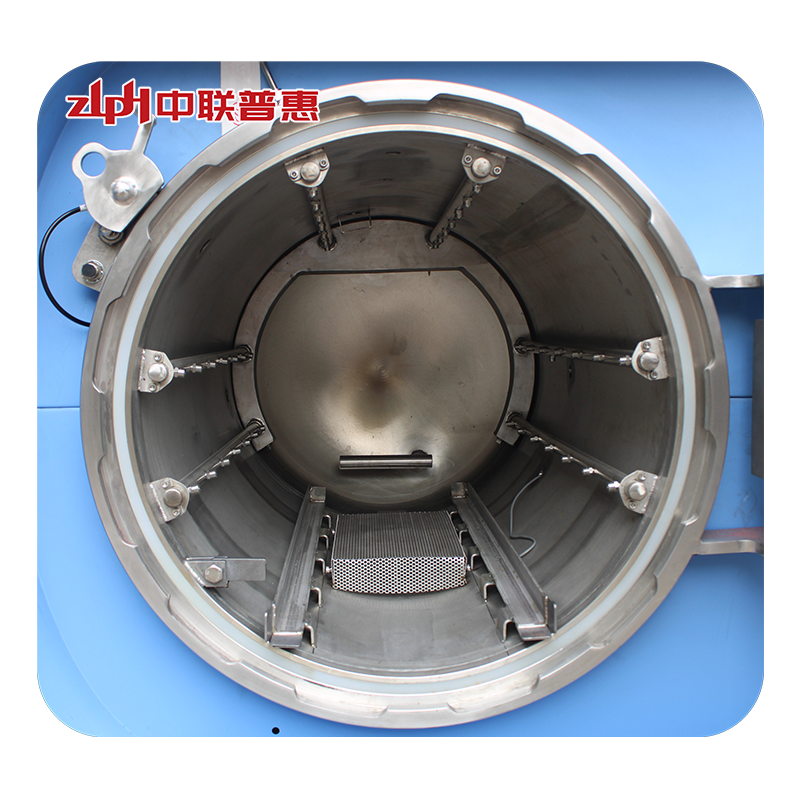
food retort
retort autoclave
retort autoclave
retort machine
