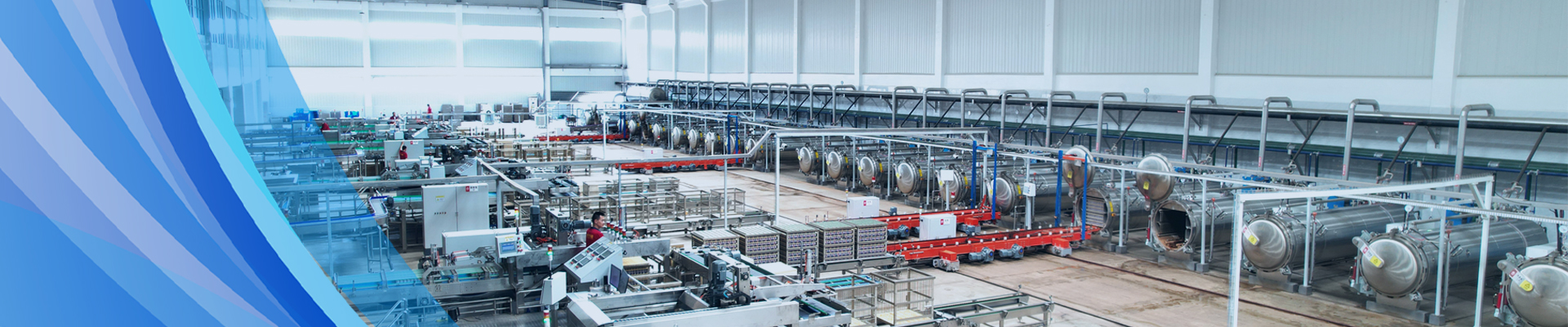

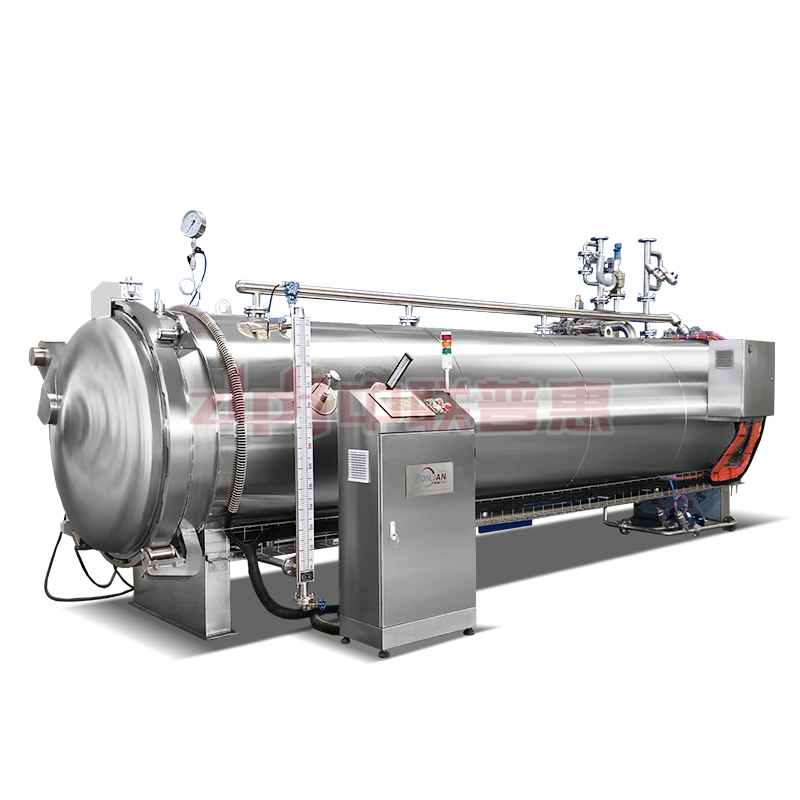
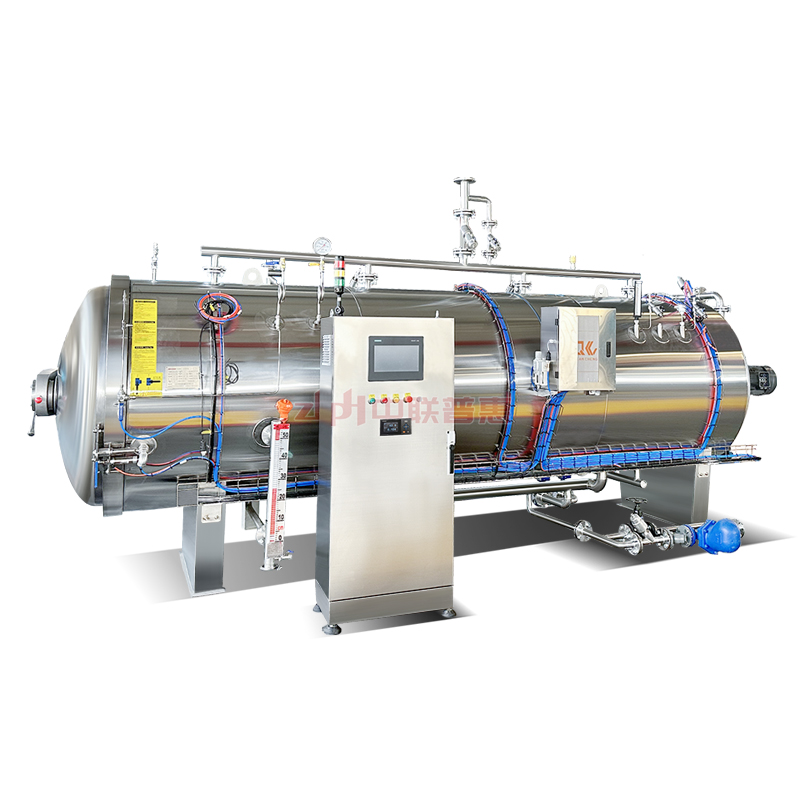
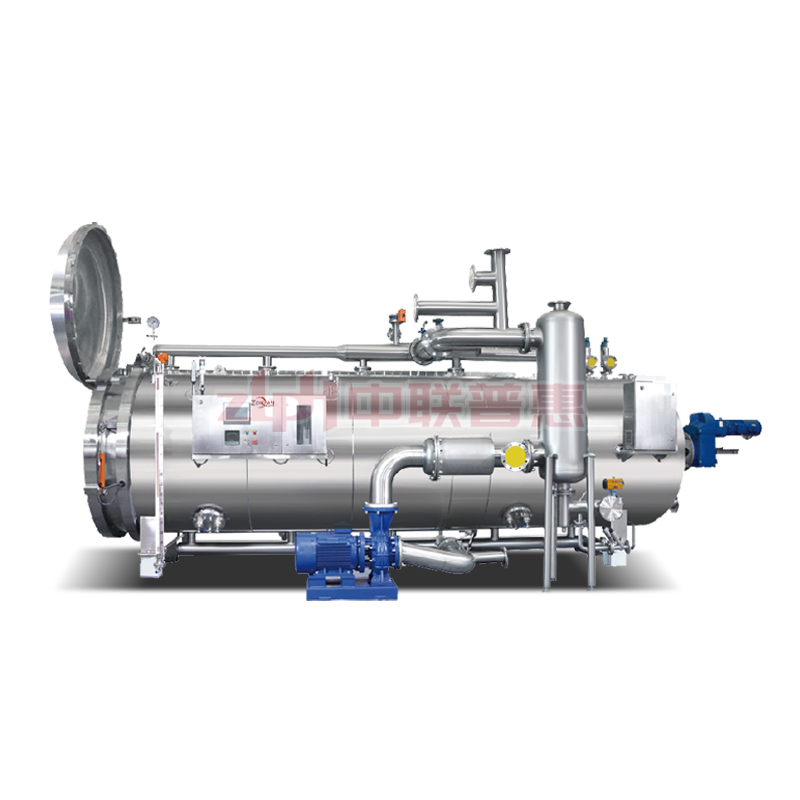
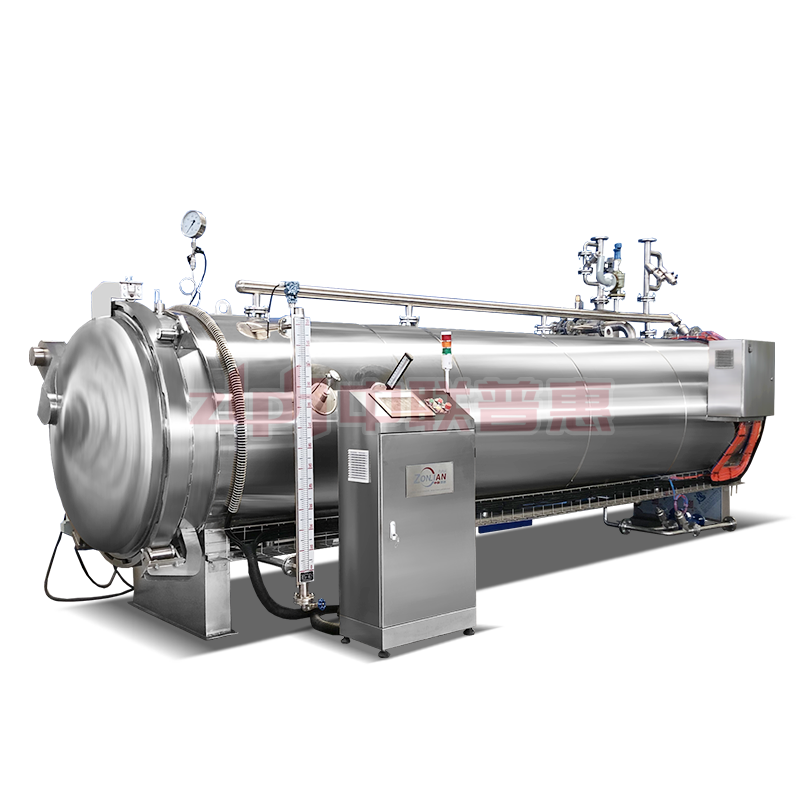
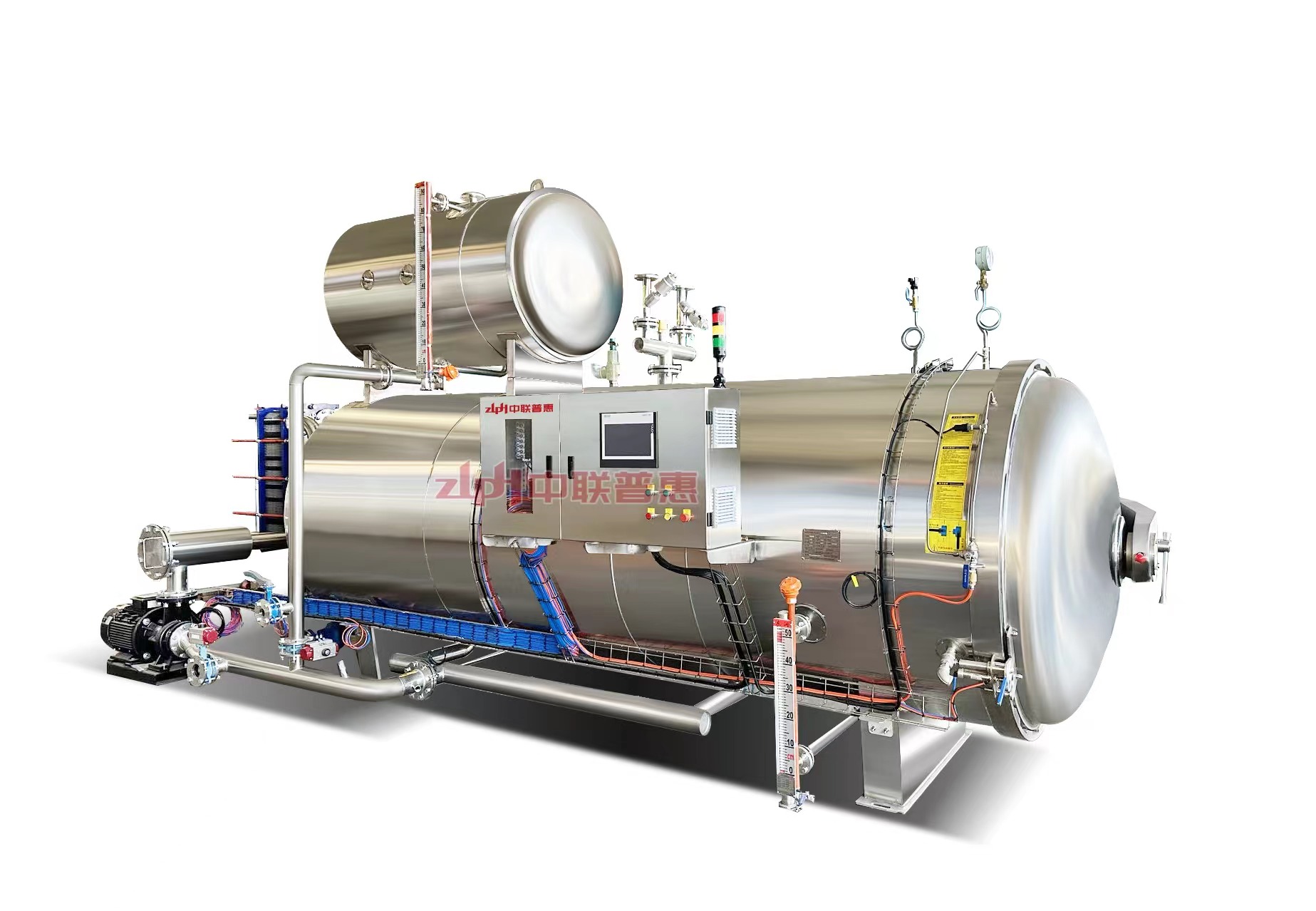
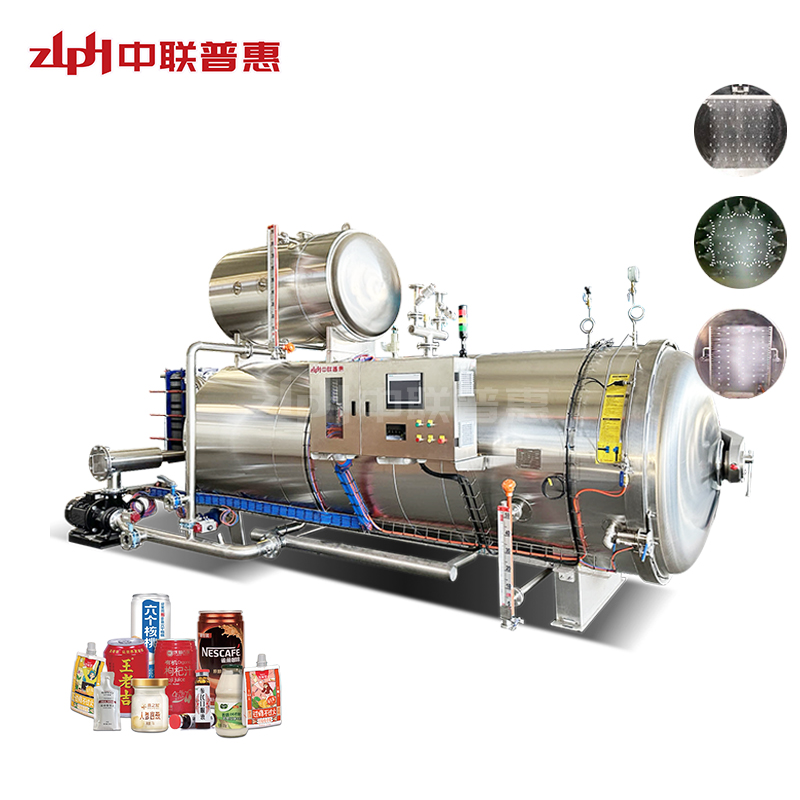
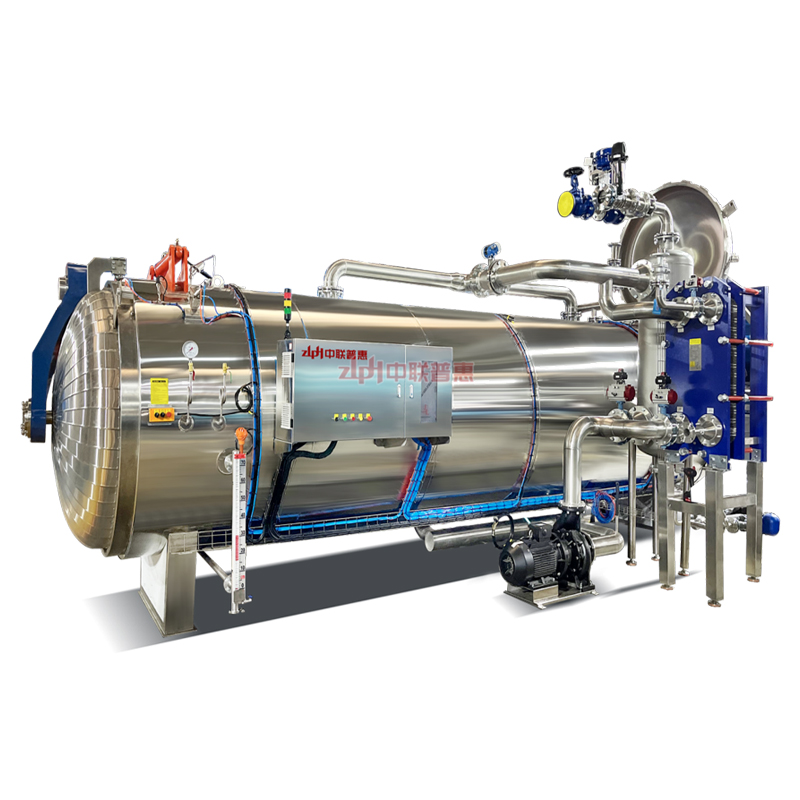
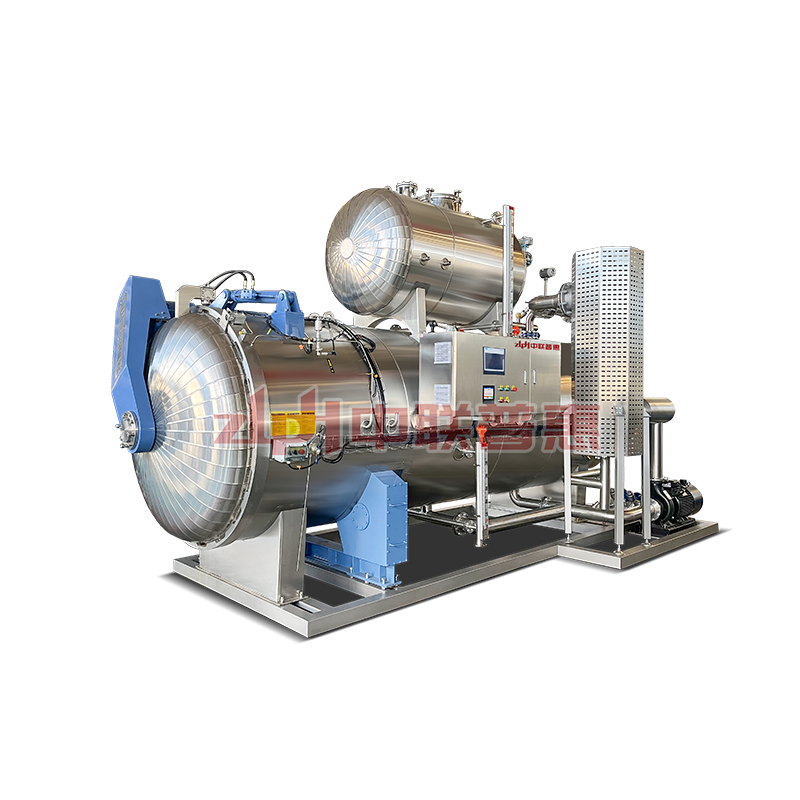
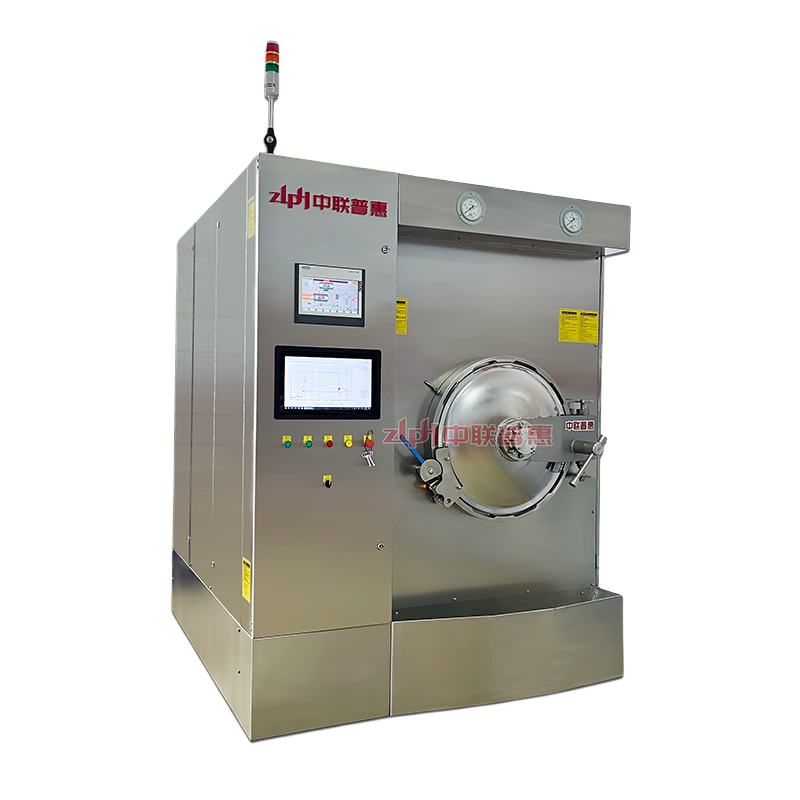
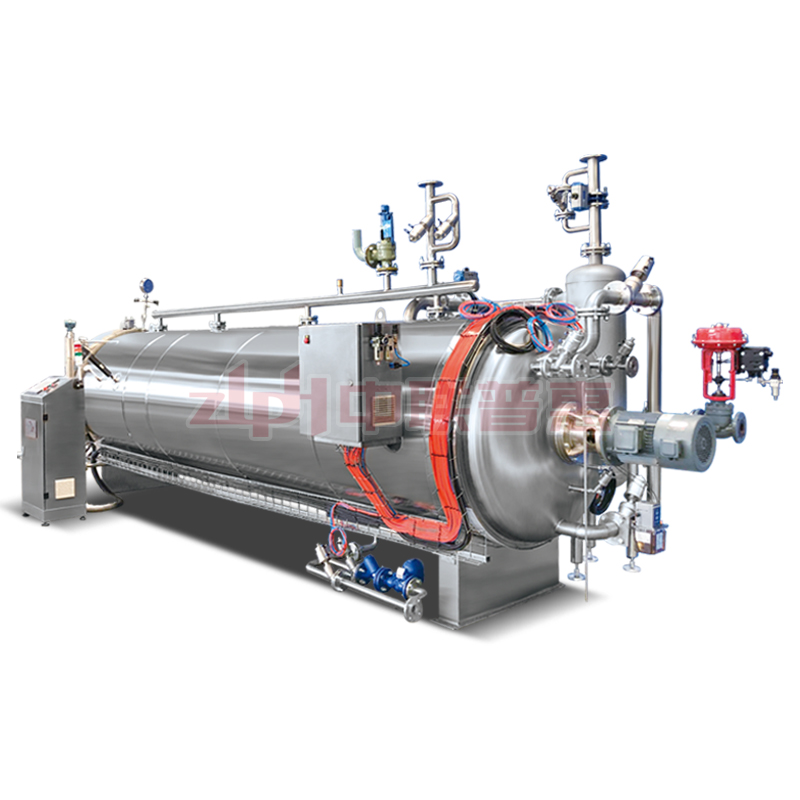
http://www.zlphretort.com/product-small-pilot-retort-autoclave.html2026 marks a pivotal year for smart food factories, where automation is no longer an optional upgrade but a fundamental requirement to stay competitive in a fast-evolving industry. At the heart of this transformation lies food retort automation, powered by advanced PLC (Programmable Logic Controller) control and real-time data logging—technologies that redefine how retort sterilisation is executed, monitored, and optimized. Unlike traditional manual or semi-automated systems, modern autoclave retort sterilizer and retort autoclave solutions integrate PLC control to eliminate human error, ensure consistent performance, and align with the interconnected workflows of 2026 smart factories. This article explores how PLC control and data logging are revolutionizing Retort Machine operations, delivering tangible benefits to food manufacturers while meeting the growing demand for efficiency, safety, and sustainability in global food production.
PLC control serves as the “intelligent brain” of automated food retort systems, orchestrating every stage of retort sterilisation with unmatched precision and reliability. In 2026, leading autoclave retort sterilizer models feature advanced PLC systems that sync seamlessly with smart factory ecosystems, including MES (Manufacturing Execution Systems) and IoT (Internet of Things) platforms. These PLCs are preloaded with customizable retort sterilisation recipes—tailored to specific food types (e.g., canned proteins, retort-pouched ready meals, delicate seafood) and packaging formats—allowing operators to switch between products in minutes without manual retooling. For example, a retort autoclave equipped with PLC control can automatically adjust temperature, pressure, and hold time when transitioning from processing low-acid canned meats to heat-sensitive baby food, ensuring optimal sterility while preserving product texture and nutrients—a capability that reduces downtime by up to 35% compared to traditional Retort Machine systems.
The precision of PLC control in food retort automation directly addresses the biggest pain point of manual retort sterilisation: variability. Manual operations often suffer from inconsistent temperature and pressure control, leading to cold spots, under-sterilisation, or over-processing—issues that result in product waste, recalls, and compliance risks. 2026’s PLC-enabled autoclave retort sterilizer systems maintain temperature accuracy within ±0.1°C and pressure tolerance within ±0.5 psi, as required by FDA 21 CFR Part 113 standards, ensuring every batch undergoes uniform retort sterilisation. PLCs also incorporate adaptive algorithms that adjust parameters in real time, responding to variables like load size, initial product temperature, and steam pressure fluctuations—eliminating the need for constant operator oversight and reducing human error by 80% or more, as demonstrated by case studies like Crider Foods, which achieved seamless, touch-free retort autoclave operations after implementing PLC-based automation.
Data logging, paired with PLC control, is a game-changer for 2026 smart factories, transforming food retort operations from “reactionary” to “predictive.” ModernRetort Machine systems integrate high-resolution data loggers that capture every critical retort sterilisation parameter—temperature, pressure, F0 value, venting time, and cycle duration—at 1-second intervals, storing this data in cloud-based or on-premise databases. This digital trail not only simplifies compliance with FDA 21 CFR Part 11 and EU GMP standards but also provides actionable insights to optimize autoclave retort sterilizer performance. For instance, data analysis might reveal that a specificretort autoclave is consuming excess energy during cooling cycles, prompting operators to adjust PLC settings to reuse waste heat—reducing energy consumption by up to 25% and aligning with 2026’s sustainability goals.
In 2026, PLC control and data logging are driving the integration of food retort systems into fully connected smart factory ecosystems, enabling remote monitoring and predictive maintenance. PLC-enabled autoclave retort sterilizer models can connect to mobile devices and cloud platforms, allowing plant managers to monitor retort sterilisation cycles, adjust recipes, and troubleshoot issues from anywhere in the world—a critical feature for multi-facility brands and 24/7 production operations. Predictive maintenance is another key benefit: PLCs analyze data from Retort Machine sensors (e.g., door seal integrity, heating element efficiency) to identify potential failures before they occur, minimizing unplanned downtime by up to 40% and extending the lifespan ofretort autoclave equipment by 15–20%. This proactive approach reduces maintenance costs and ensures uninterrupted production, a priority for manufacturers in a market projected to reach $730 million in 2026.
The flexibility of PLC-controlled food retort systems makes them ideal for 2026’s diverse food production landscape, where manufacturers must adapt to changing consumer trends and product lines. Unlike traditional retort autoclave models that require costly hardware modifications to support new products, PLC-enabled autoclave retort sterilizer systems can be reconfigured via software to handle new retort sterilisation parameters, packaging formats, or food types. For example, a manufacturer shifting from canned vegetables to eco-friendly retort pouches can update the PLC recipe to include overpressure control, preventing package damage duringretort sterilisation—no need to replace the entire Retort Machine. This flexibility is particularly valuable for small and medium-sized manufacturers, which often cite cost as a barrier to automation, as it allows them to scale operations without significant capital investment.
Safety and compliance are further enhanced by PLC control and data logging in food retort automation. 2026’s autoclave retort sterilizer systems feature PLC-enabled safety interlocks that prevent unsafe operations: the retort autoclave door cannot open until pressure drops to a safe level, and the retort sterilisation cycle shuts down automatically if temperature or pressure deviates beyond preset limits, reducing the risk of operator injury and equipment damage. Data logging ensures that every Retort Machine cycle is fully traceable, with immutable records that can be easily exported for audits. This digital documentation eliminates the errors associated with manual logbooks, ensuring compliance with global food safety standards and protecting manufacturers from fines, import bans, and reputational damage.
Sustainability is a core focus of 2026 smart factories, and PLC-controlled food retort automation plays a key role in reducing environmental impact. PLCs optimize retort sterilisation cycles by adjusting heating and cooling rates based on real-time data, minimizing water and energy consumption—critical for a process that is often the largest consumer of water in food processing facilities. Many modern autoclave retort sterilizer systems integrate heat recovery technology, which captures waste heat from cooling cycles to preheat incoming water or steam, further reducing energy waste by up to 30%. Additionally, data logging helps manufacturers track and reduce their carbon footprint by identifying inefficiencies in retort autoclave operations, aligning with ESG initiatives and consumer demand for eco-friendly food production.
The adoption of PLC control and data logging infood retort automation is accelerating in 2026, driven by the global shift toward smart manufacturing and stricter food safety regulations. According to industry reports, the adoption of PLC-based Retort Machine systems has increased by 40% since 2021, with over 60% of new autoclave retort sterilizer installations in North America and Europe featuring advanced automation capabilities. This trend is particularly strong in the Asia-Pacific region, which accounts for 40% of global retort autoclave installations, as rapid urbanization and growing demand for processed foods drive investment in smart factory technologies. For B2B buyers, investing in PLC-controlledfood retort solutions is a strategic decision to future-proof operations, reduce costs, and maintain a competitive edge in a market projected to grow at a CAGR of 6.5% through 2035.
In summary, food retort automation powered by PLC control and data logging is the cornerstone of 2026 smart factories, transforming retort sterilisation from a manual, error-prone process to a precise, efficient, and connected operation. By integrating advanced PLC technology into autoclave retort sterilizer and retort autoclave systems, manufacturers achieve consistent sterility, reduce waste, simplify compliance, and optimize sustainability. The flexibility, remote monitoring capabilities, and predictive maintenance features of PLC-enabledRetort Machine systems make them indispensable for food manufacturers looking to adapt to changing market demands and thrive in the era of smart manufacturing. For 2026 smart factories, PLC control and data logging are not just technological upgrades—they are essential tools to deliver safe, high-quality food products while maximizing efficiency and profitability.
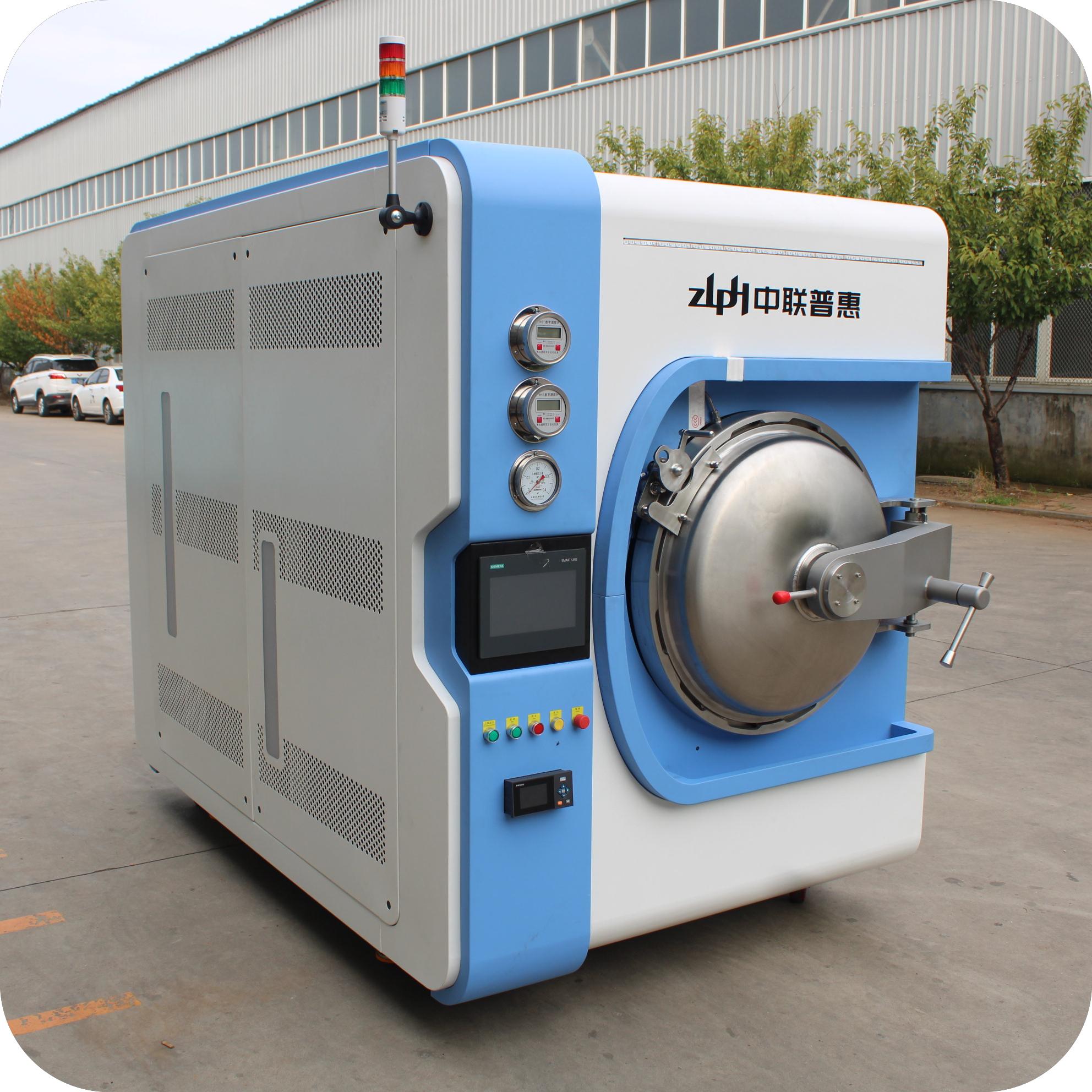
retort sterilisation
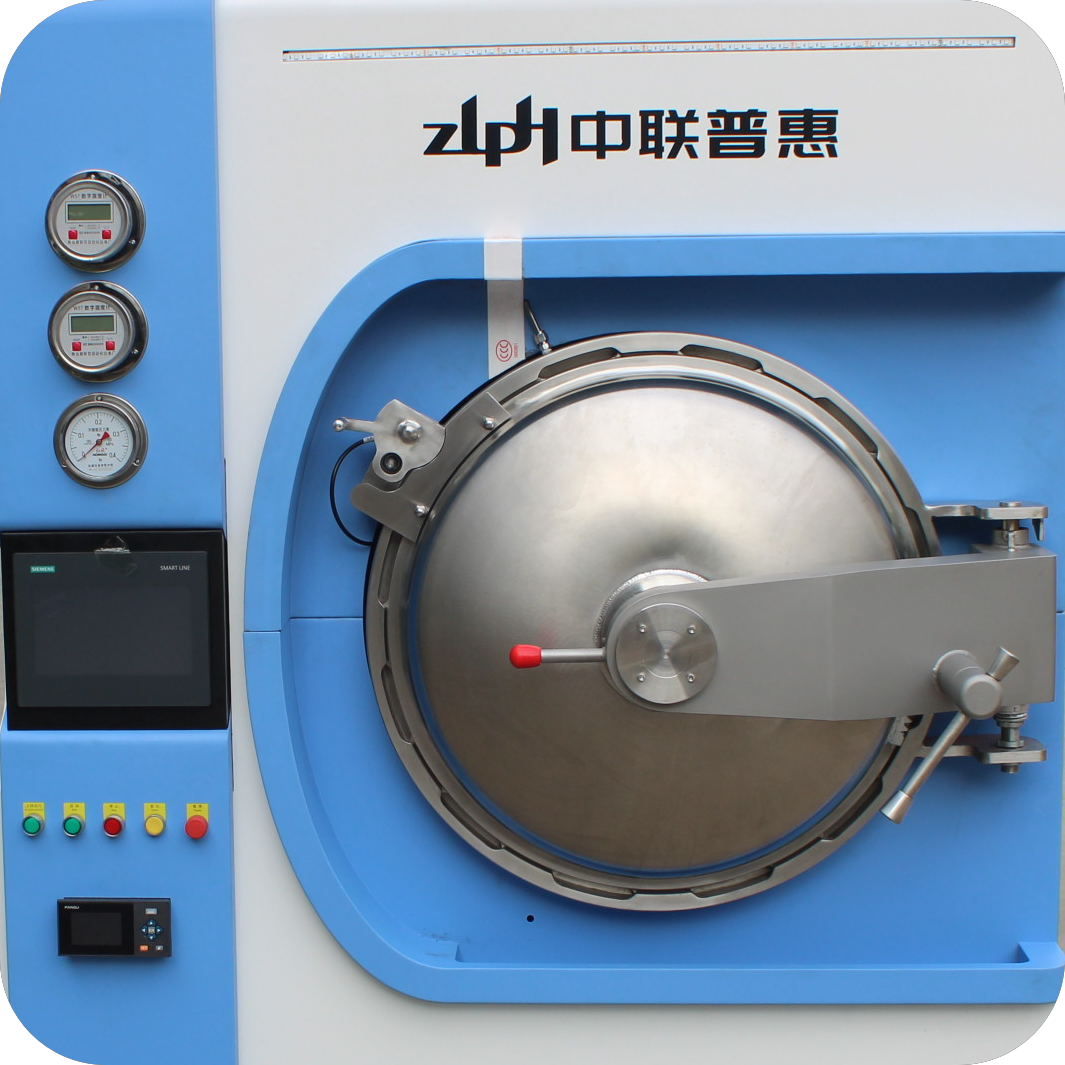
retort machine
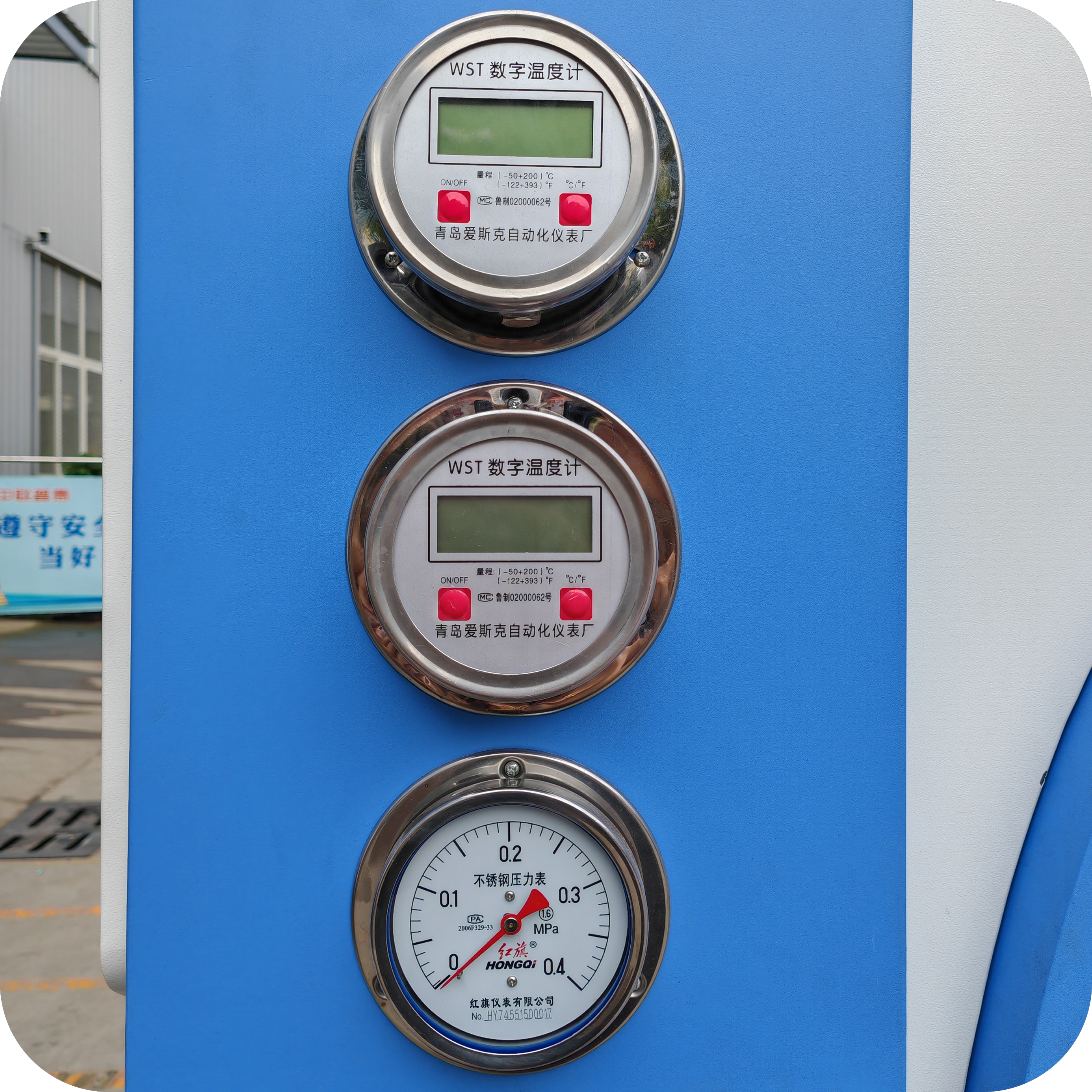
retort autoclave
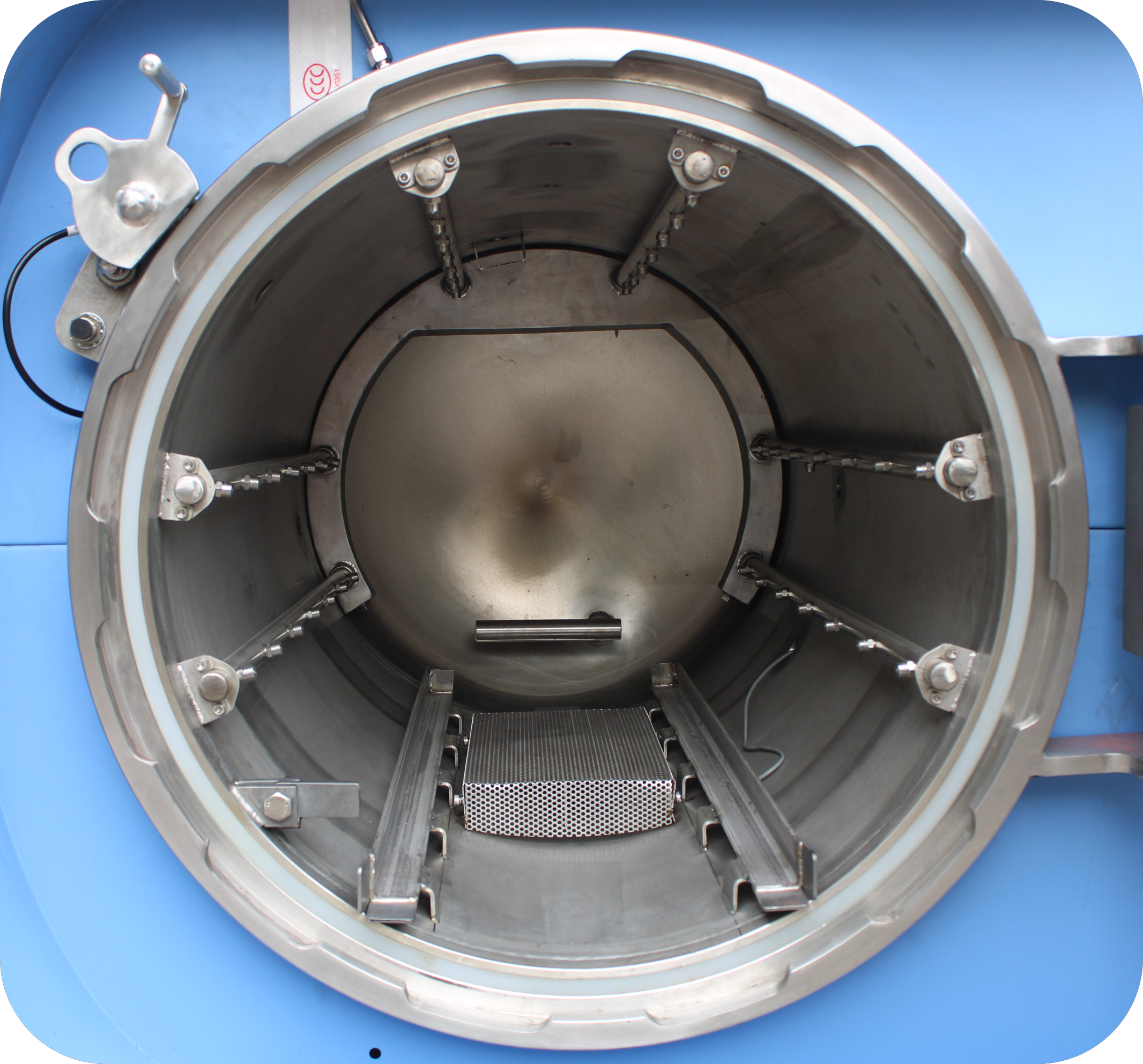
food retort
