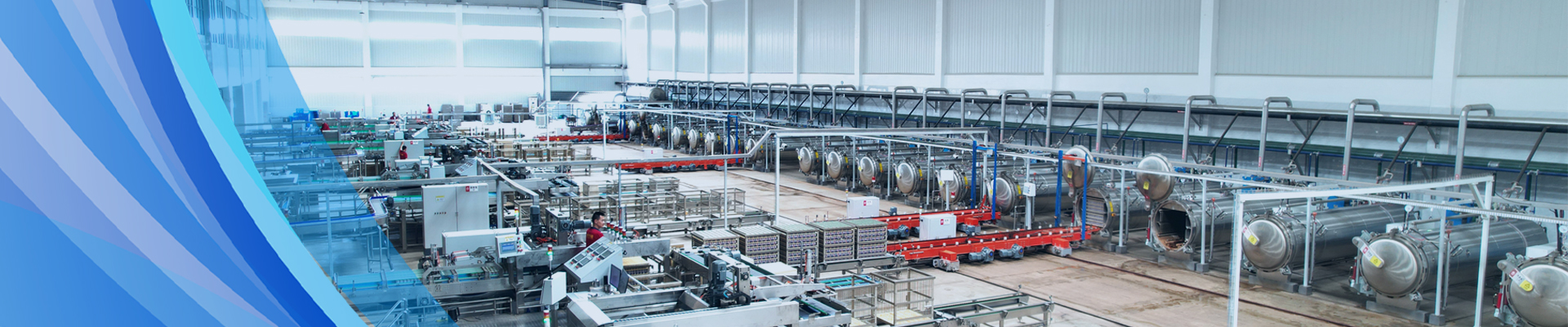

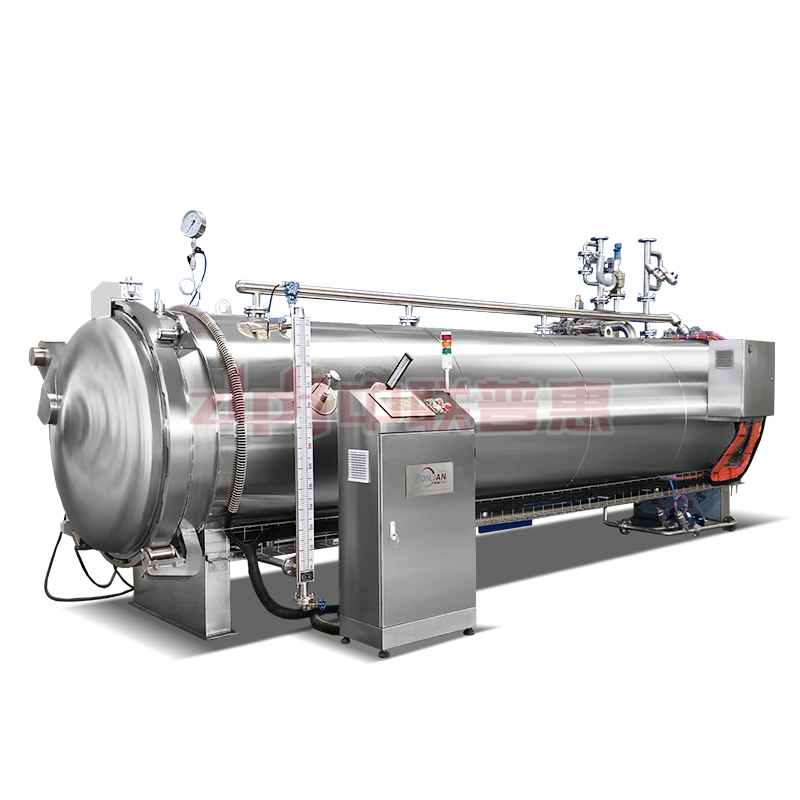
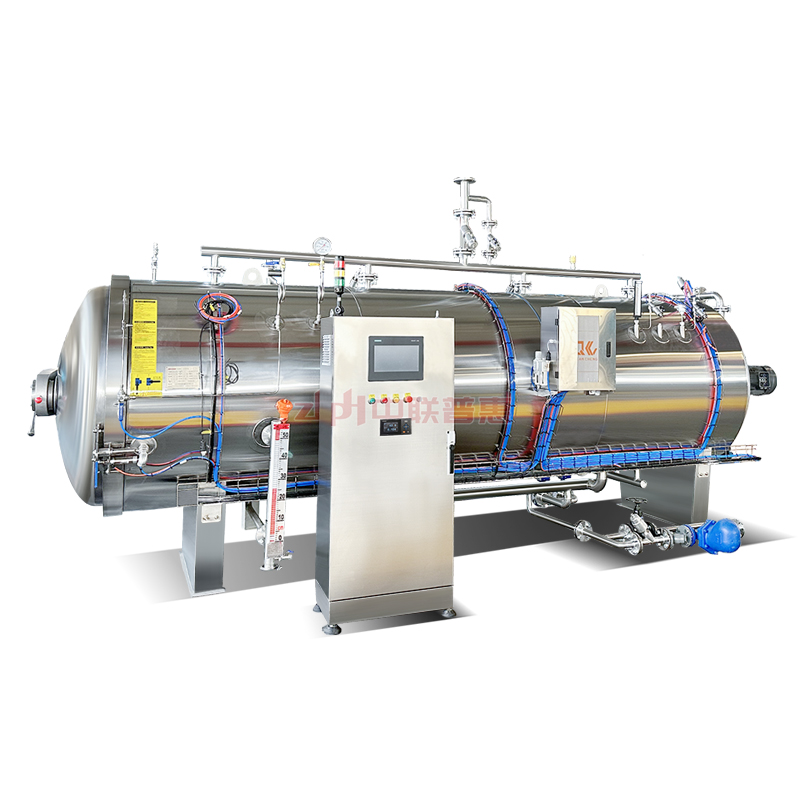
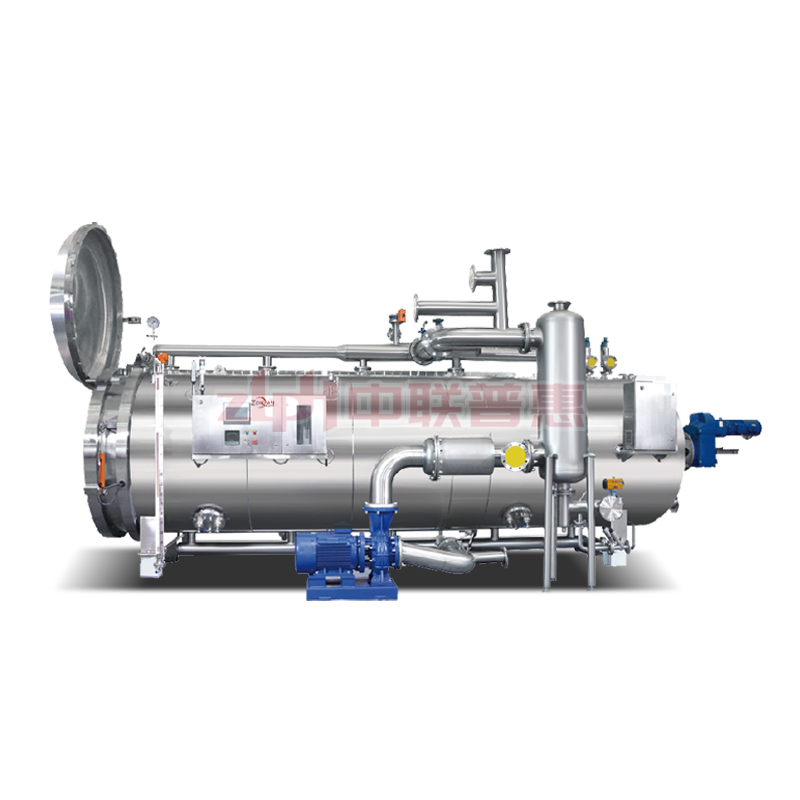
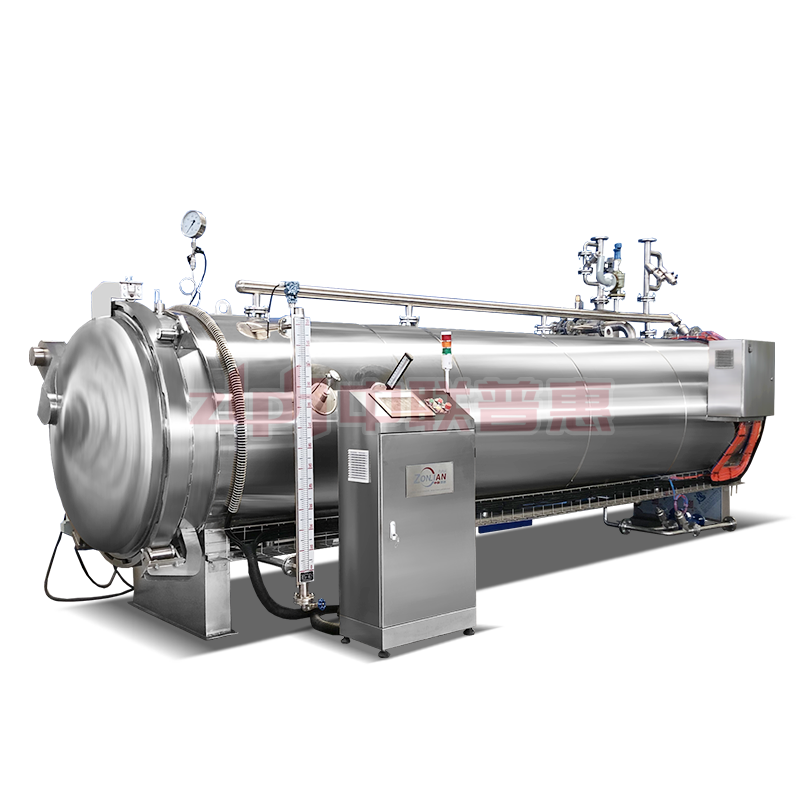
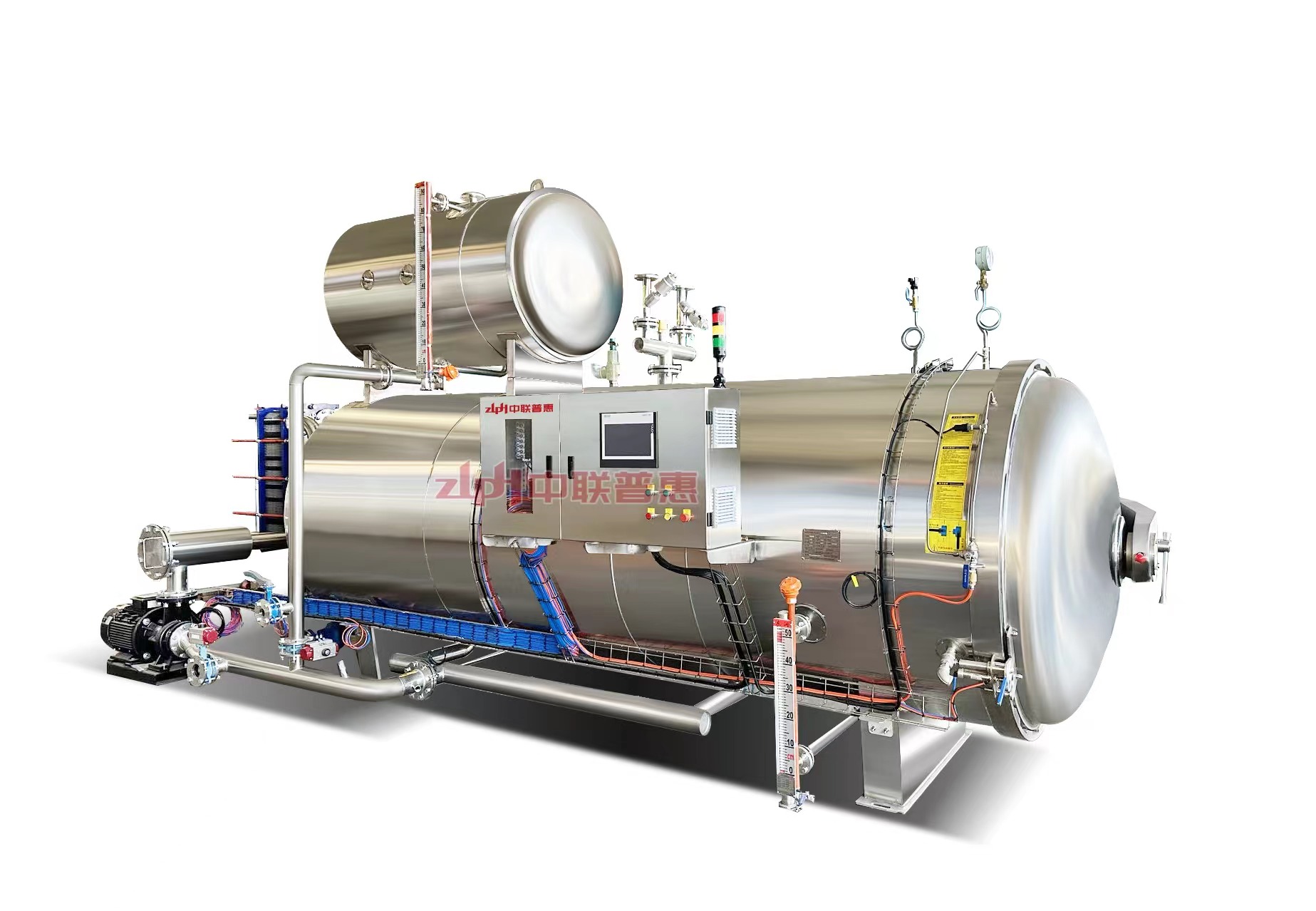
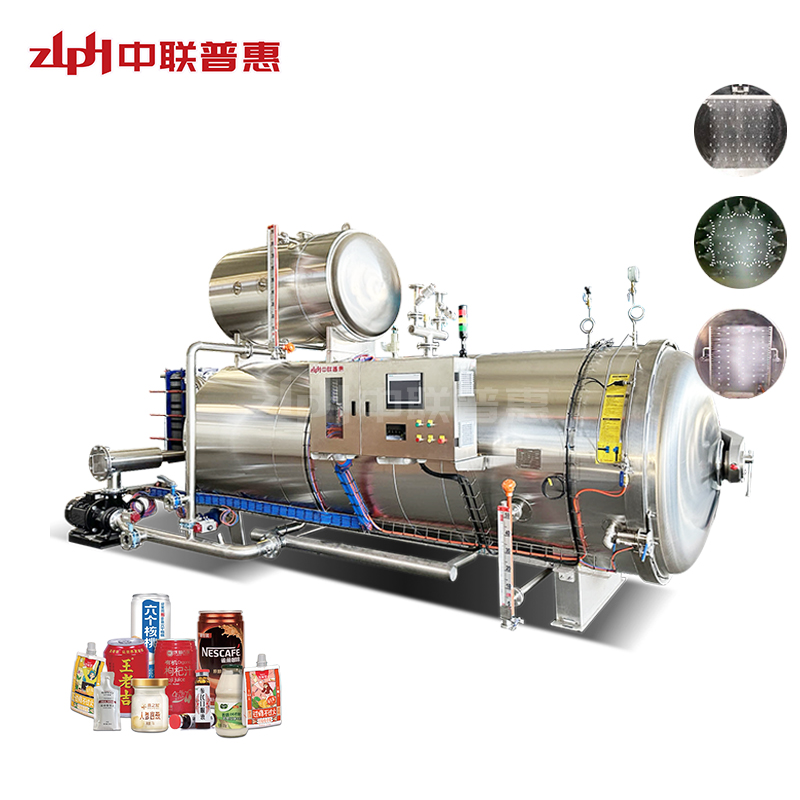
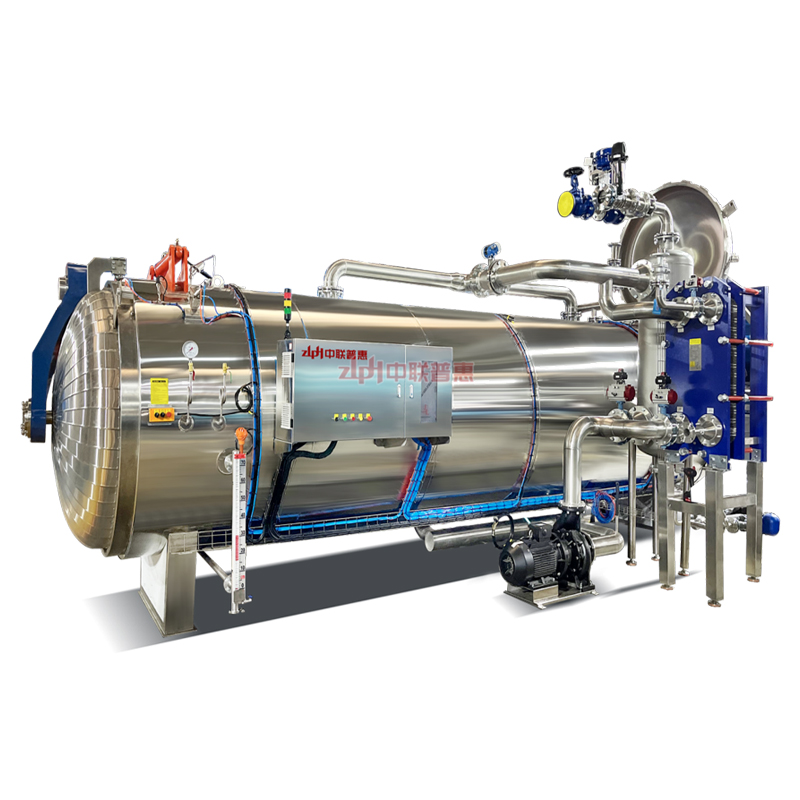
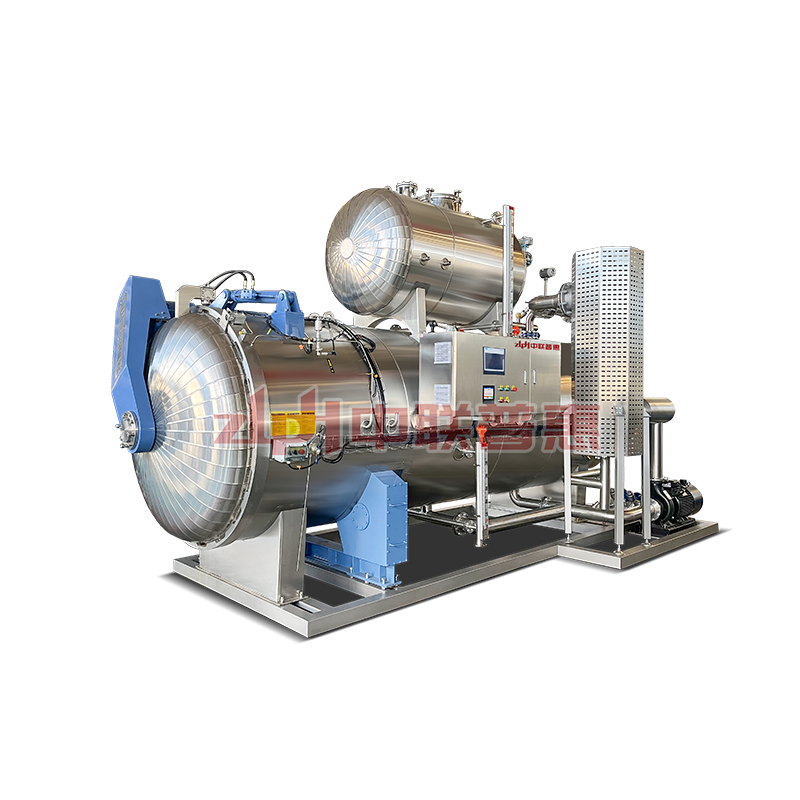
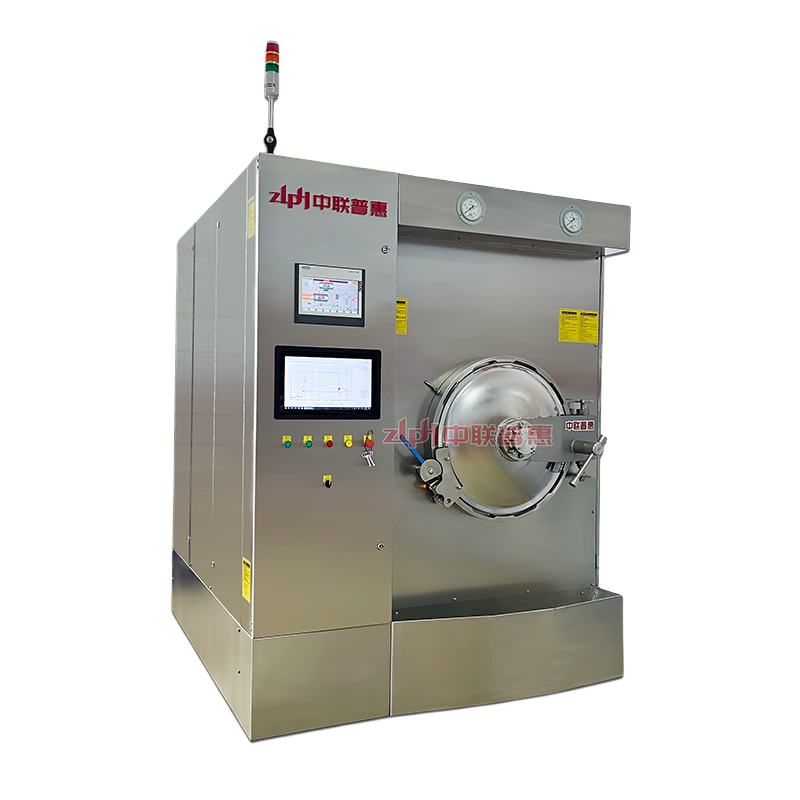
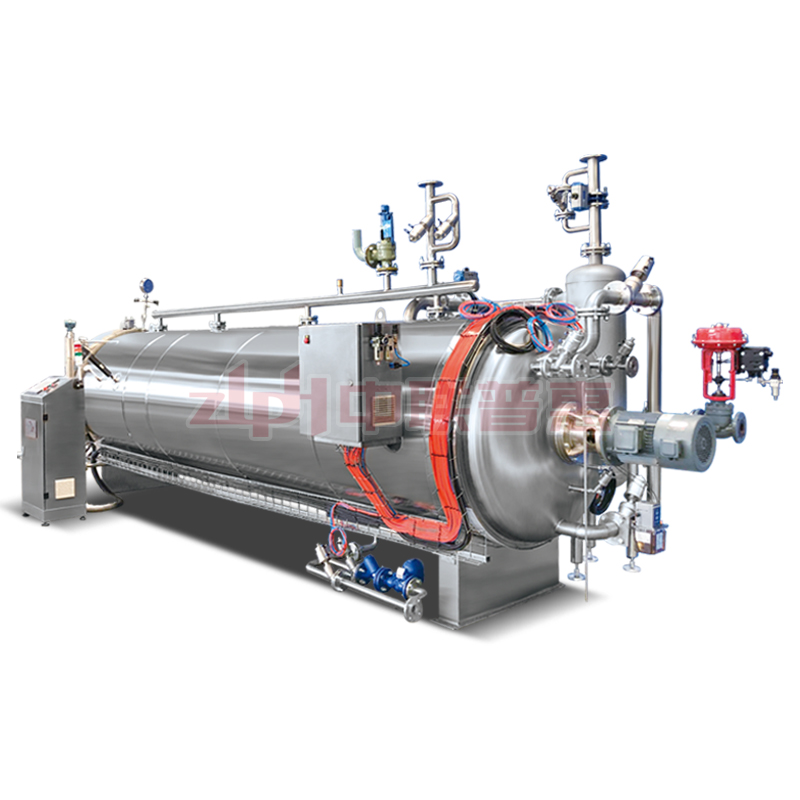
This guide is authored by a senior food processing automation engineer with over 10 years of industry experience from ZLPH MACHINERY TECHNOLOGY CO., LTD., a leading provider of intelligent sterilization solutions. It addresses a critical challenge faced by global food manufacturers and procurement professionals: inconsistent thermal processing in canned or packaged food production using water immersion retort autoclaves. This issue often stems from uneven heat distribution, poor temperature-pressure synchronization, and inefficient loading systems—leading to under-sterilization risks, product recalls, or texture degradation. Based on more than 5,000 global installations and rigorous field validation, we present a proven, step-by-step methodology to ensure uniform lethality, regulatory compliance, and operational efficiency. The guide details root cause analysis across key scenarios, offers actionable mitigation strategies, shares real-world performance data, and outlines best practices for selecting a reliable water immersion retort partner.

How to Ensure Uniform Heat Distribution in Large-Batch Water Immersion Retort Processing?
1. Scenario & Pain Point
In high-volume canning facilities producing ready-to-eat meals or vegetables, operators frequently observe cold spots in the retort chamber—especially in bottom or corner zones—resulting in F0 value deviations exceeding ±15%. This inconsistency compromises microbial kill efficacy, risking safety violations and batch rejections during audits.

2. Root Cause Analysis
Three primary factors contribute: (1) inadequate water circulation design causing stagnant zones; (2) lack of real-time temperature mapping across multiple probe points; (3) improper tray loading that blocks flow paths. Traditional retorts with single-pump systems fail to maintain turbulent flow throughout the entire chamber volume.

3. Step-by-Step Solution
Implement a multi-zone water spray system with dual-directional nozzles to create cross-flow turbulence. Integrate at least six calibrated RTD probes (top, middle, bottom, front, rear, center) linked to an intelligent PLC controller that dynamically adjusts pump speed and valve timing based on live thermal feedback. Use standardized retort trays with optimized spacing to prevent flow obstruction.

4. Pitfall Avoidance Guide
Avoid overloading trays beyond 85% capacity. Validate thermal uniformity quarterly using biological indicators (e.g., Geobacillus stearothermophilus spores). Never rely solely on chamber-average temperature; always monitor product-core temperatures via wireless data loggers during validation runs.
5. Verified Performance
ZLPH’s intelligent water immersion retort systems have achieved F0 consistency within ±3% across 120+ global clients, including major pet food and seafood processors. One European client reduced sterilization cycle time by 18% while maintaining SAL ≤10⁻⁶, validated by third-party microbiological testing.
How to Prevent Product Damage During High-Pressure Water Spray Sterilization?
1. Scenario & Pain Point
Delicate products like glass jars or flexible pouches often suffer breakage or seal failure during rapid pressurization/depressurization phases due to uncontrolled pressure differentials between the retort chamber and internal package headspace.
2. Root Cause Analysis
Manual or non-synchronized pressure control causes abrupt ΔP spikes. Without counter-pressure regulation, internal gas expansion ruptures seals or cracks containers—especially with viscous or particulate-filled products.
3. Step-by-Step Solution
Deploy an automated pressure-balancing system that injects sterile air or nitrogen into the chamber during heating/cooling ramps to match internal product pressure. Pair this with a programmable ramp-rate profile (e.g., 0.5 psi/min) controlled via HMI. Use top-opening design for gentler loading/unloading, minimizing mechanical stress.
4. Pitfall Avoidance Guide
Always conduct pressure tolerance tests on empty packages before full-scale runs. Avoid cooling rates faster than 1°C per minute for glass containers. Ensure all vent valves are fully functional to prevent vacuum collapse during cooling.
5. Verified Performance
At a Southeast Asian baby food plant, ZLPH’s system reduced pouch leakage incidents from 4.2% to 0.15% while maintaining 12D reduction for Clostridium botulinum, meeting FDA and EU 2023/2006 standards.
Industry Best Practices for Water Immersion Retort Reliability
Based on 8+ years of global deployments, ZLPH recommends a 5-step framework to maximize retort performance:
1. Define Worst-Case Conditions
Design for maximum product load, lowest thermal conductivity item, and highest ambient temperature—not average conditions.
2. Standardize Loading Protocols
Use automated tray loader-unloader systems to eliminate human variability in rack placement, ensuring consistent water flow geometry.
3. Implement Real-Time Monitoring
Log temperature, pressure, and flow rate every 5 seconds; store data for audit trails compliant with FDA 21 CFR Part 11.
4. Conduct Quarterly Validation
Perform heat distribution and penetration studies using worst-case product configurations.
5. Partner with Full-Service Suppliers
Choose vendors offering on-site commissioning, remote diagnostics, and spare parts within 72 hours—critical for minimizing downtime.
Frequently Asked Questions (FAQ)
Q: Can standard steam-air retorts be retrofitted for water immersion sterilization?
A: Not recommended. Water immersion requires corrosion-resistant materials (e.g., SS316), high-flow pumps, and spray manifolds—structural changes that compromise original design integrity.
Q: What’s the minimum water quality requirement for spray sterilization?
A: Use softened water with <50 ppm hardness and <1 NTU turbidity to prevent nozzle clogging and scale buildup on heat exchangers.
Q: How often should retort gaskets be replaced?
A: Inspect monthly; replace every 6–12 months depending on cycle frequency. Silicone gaskets last 2× longer than EPDM in high-temp applications.
Q: Are ZLPH retorts CE and ASME certified?
A: Yes. All pressure vessels comply with PED 2014/68/EU, ASME Section VIII Div. 1, and ISO 9001:2015 quality management.
Q: Can your system handle mixed-product batches?
A: Yes, via zone-controlled temperature profiling—each tray layer can follow independent time-temperature curves based on product type.
Our Proven Expertise & Support
ZLPH MACHINERY TECHNOLOGY CO., LTD. is a globally recognized innovator in food sterilization technology, established in 2018 with a 21-member R&D team specializing in mechanical design, PLC programming, and sterilization process engineering. Our 50,000 sq.ft. manufacturing facility houses precision CNC equipment ensuring micron-level component accuracy. We hold multiple patents for intelligent upper-door mechanisms and water spray dynamics, validated across 60+ countries in meat, dairy, seafood, and plant-based food sectors. Over 500 clients—including Fortune 500 food brands—rely on our systems for consistent, audit-ready sterilization.
We offer tailored support including: (1) free thermal process simulation; (2) on-site layout optimization; (3) operator training; and (4) 24/7 remote troubleshooting. Request a no-obligation system assessment to eliminate your sterilization inconsistencies.
Contact Information
Company: ZLPH MACHINERY TECHNOLOGY CO., LTD.
Website: https://www.zlphretort.com/
Email: sales@zlphretort.com
Phone / WhatsApp: +86 15666798389 / +86 13361554016
