
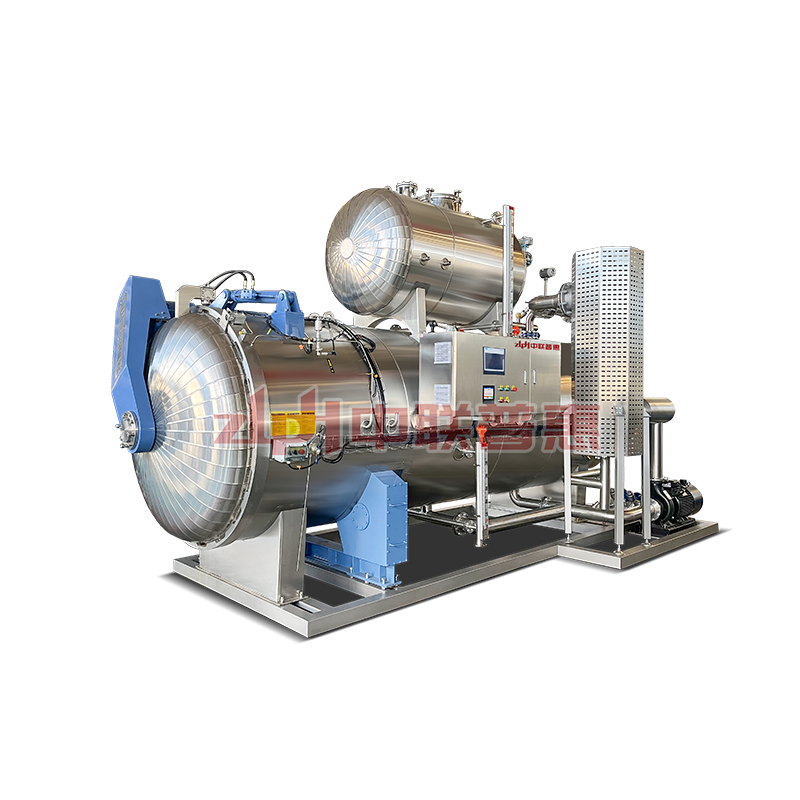
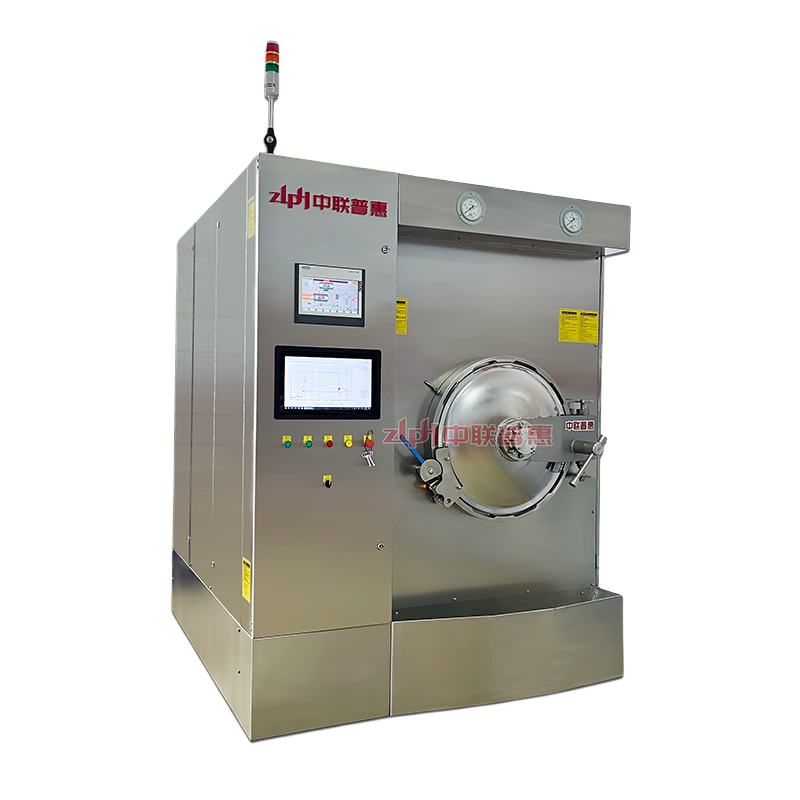
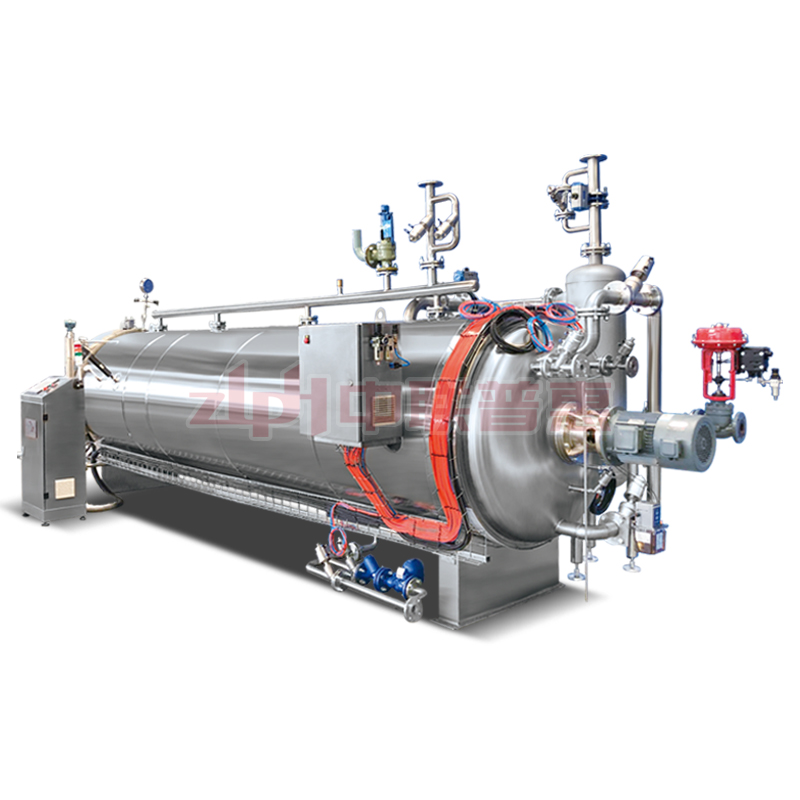
This guide is authored by a senior food processing automation engineer with over 10 years of industry experience at ZLPH MACHINERY TECHNOLOGY CO., LTD., a globally recognized provider of advanced sterilization solutions. It addresses a critical challenge faced by food manufacturers and procurement teams worldwide: inconsistent thermal processing in high-throughput production lines, which compromises product safety, shelf life, and regulatory compliance.

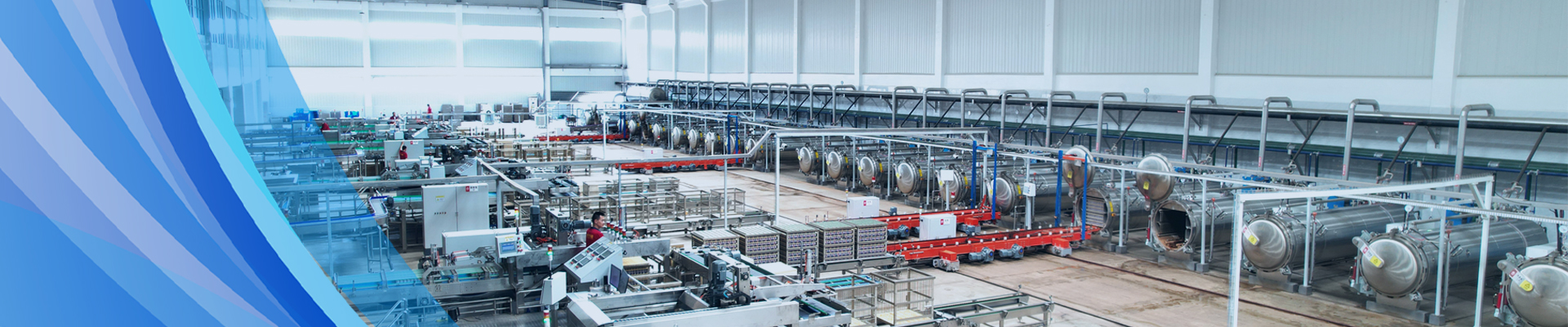
Inconsistent sterilization in continuous retort systems has long plagued the canned and ready-to-eat food industry, primarily due to three root causes: uneven heat distribution during water spray cycles, inadequate real-time monitoring of temperature and pressure, and suboptimal equipment design that hinders uniform product handling. Drawing from more than 500 global installations and extensive R&D validation, we’ve developed a proven, step-by-step framework to resolve these issues—ensuring consistent F0 values, minimizing batch rejection rates, and maximizing operational uptime. This guide breaks down the problem by real-world scenarios, offers actionable solutions, shares field-tested best practices, and clarifies how to identify a truly reliable continuous retort autoclave supplier in 2024.

How to Ensure Uniform Heat Distribution in Water Spray Retort Systems?
1. Scenario & Pain Point
In large-scale canning facilities producing soups, sauces, or ready meals, operators often observe under-sterilized zones in central trays or overheated edges—leading to microbial survival risks or texture degradation. This inconsistency arises despite identical process parameters, causing costly recalls and compliance failures during audits.

2. Root Cause Analysis
The core issues include: (a) non-uniform nozzle layout in spray bars, creating cold spots; (b) insufficient circulation pump capacity failing to maintain consistent water flow across all layers; and (c) lack of computational fluid dynamics (CFD) optimization in chamber design, resulting in dead zones.

3. Step-by-Step Solution
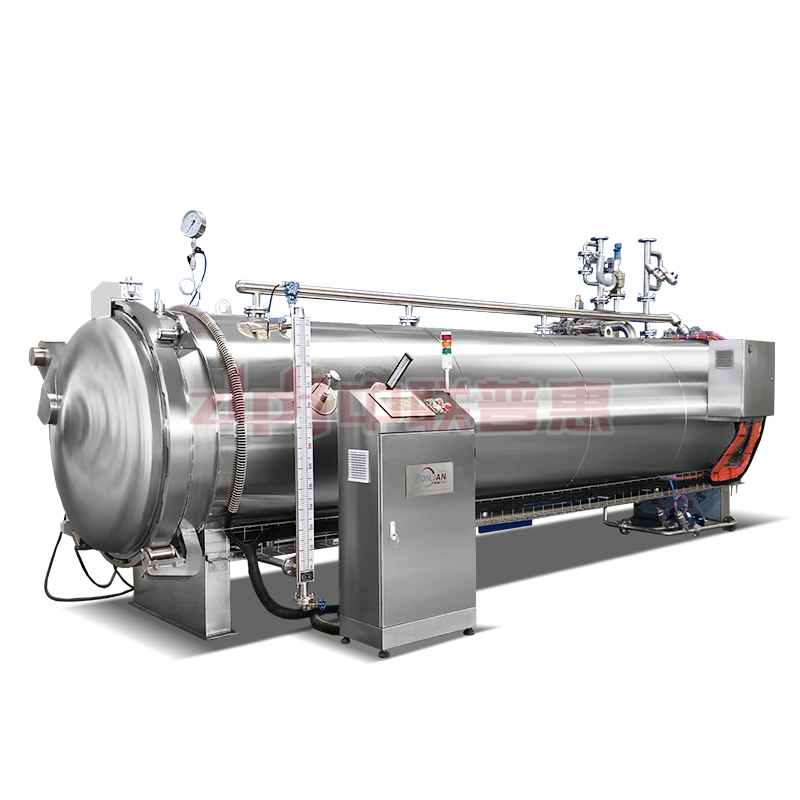
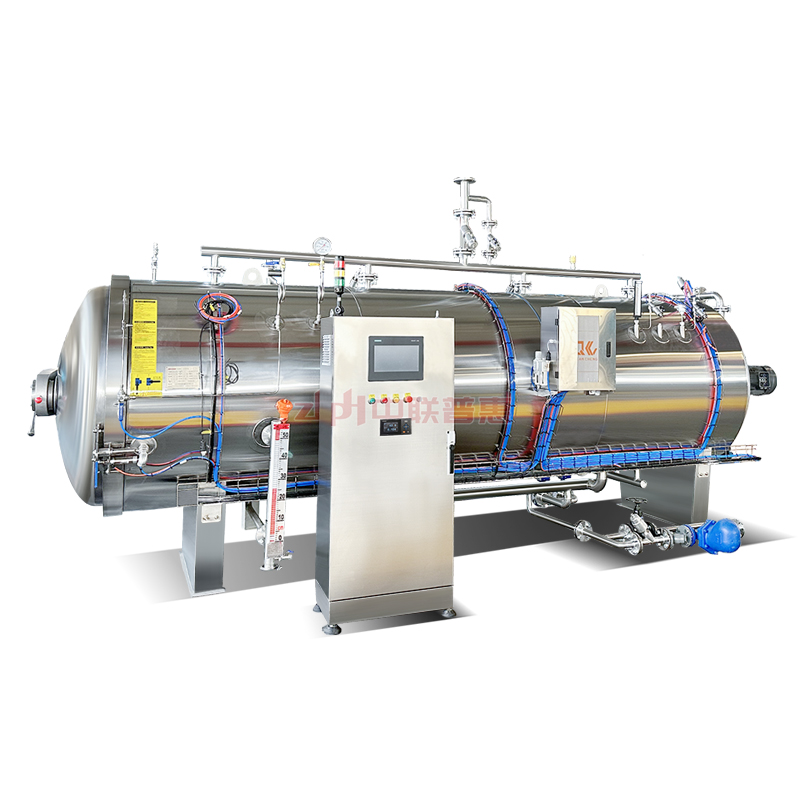
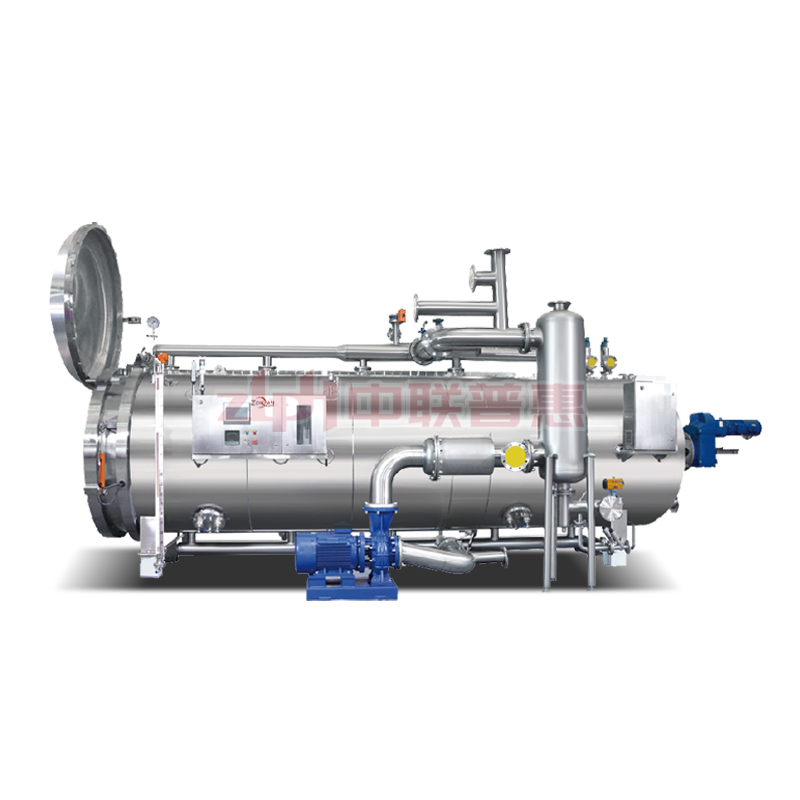
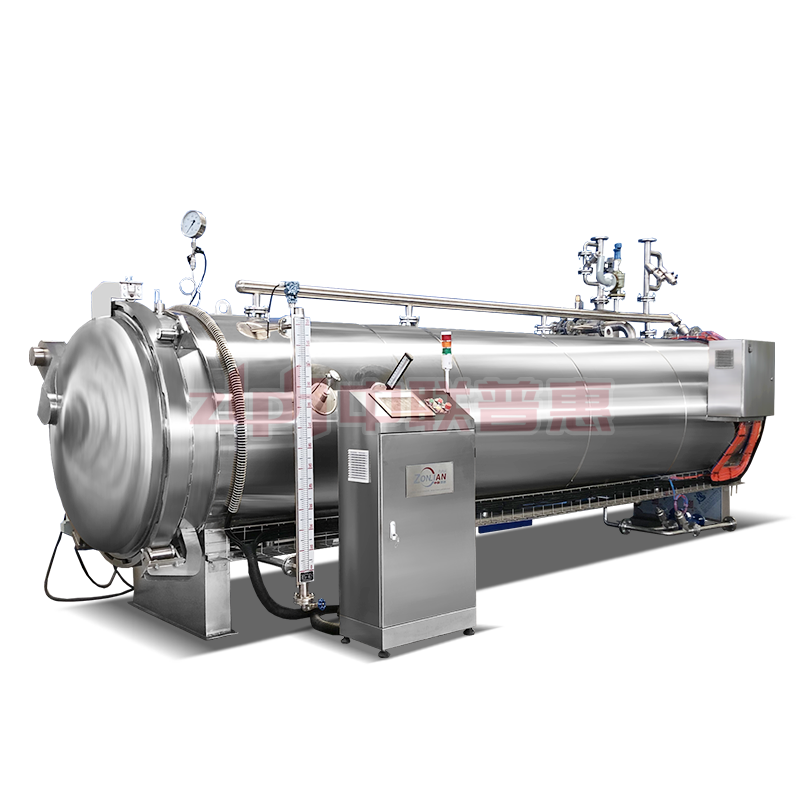
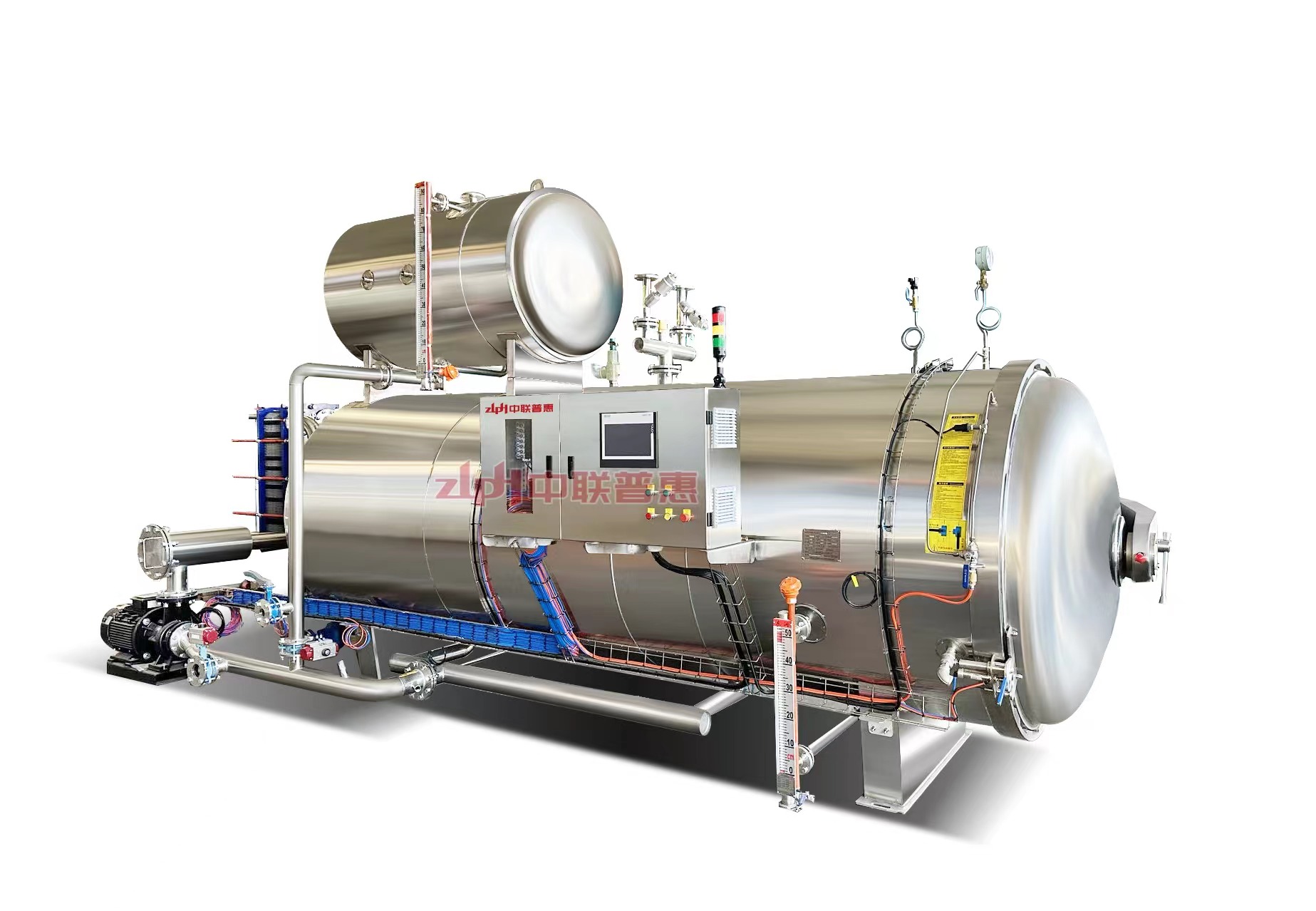
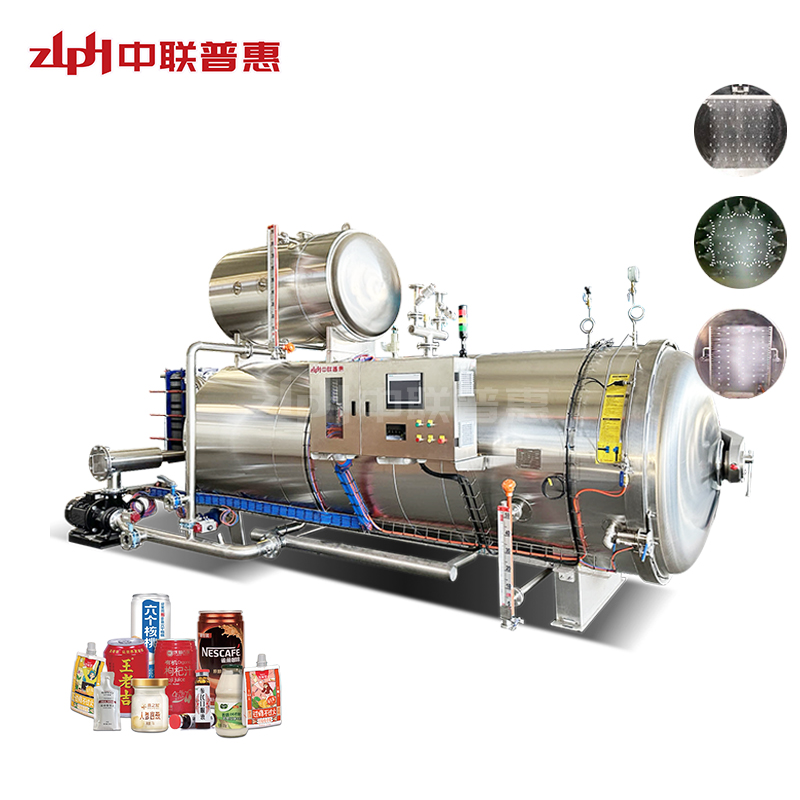
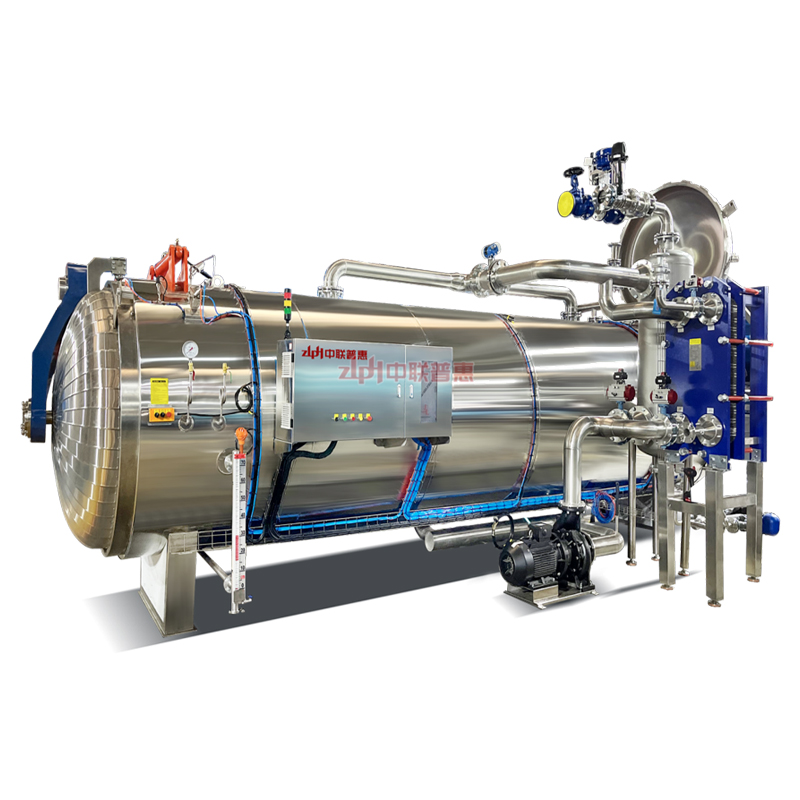
Immediate mitigation involves recalibrating spray nozzles and verifying pump performance. For long-term reliability, adopt a continuous retort with CFD-optimized chamber geometry and multi-zone spray control. ZLPH’s intelligent top-opening water spray sterilization retort features precisely engineered nozzles and variable-frequency pumps that ensure ±0.5°C temperature uniformity across all product zones.
4. Pitfall Avoidance Guide
Avoid suppliers who offer “standard” spray designs without thermal mapping validation. Always request third-party thermal distribution reports under full-load conditions. During installation, conduct on-site heat penetration studies using data loggers in worst-case product positions.
5. Field Validation
At a major European ready-meal producer, ZLPH’s system reduced F0 deviation from ±8% to ±1.2%, eliminating under-processing incidents over 18 months of continuous operation.
How to Maintain Real-Time Process Control in Automated Retort Lines?
1. Scenario & Pain Point
Automated lines suffer from delayed response to pressure spikes or temperature drifts, risking container deformation or incomplete sterilization—especially during rapid cooling phases.
2. Root Cause Analysis
Legacy systems rely on manual oversight or basic PLCs without predictive algorithms. Critical parameters aren’t synchronized across heating, holding, and cooling stages.
3. Step-by-Step Solution
Implement an integrated intelligent control system with real-time feedback loops. ZLPH’s solution monitors temperature and pressure at multiple points, auto-adjusting steam injection and cooling water flow to maintain optimal conditions throughout the cycle.
4. Pitfall Avoidance Guide
Verify that the control system complies with FDA 21 CFR Part 11 for electronic records. Ensure data logging is continuous—not sampled—and accessible via secure remote interfaces.
5. Field Validation
A Russian dairy client achieved 99.98% process consistency across 12,000+ cycles using ZLPH’s system, with zero deviations flagged during EAC certification audits.
What Makes a Continuous Retort Supplier Truly Reliable in 2024?
Beyond equipment specs, reliability hinges on four pillars: certified engineering standards, global compliance readiness, responsive technical support, and proven scalability. ZLPH holds ASME, CE, EAC, and Malaysia DOSH certifications—ensuring seamless market entry across North America, EU, Eurasia, and ASEAN. Our 21-member R&D team includes sterilization process experts with decade-long field experience, enabling rapid customization for unique product matrices.
Industry Best Practices for Retort System Selection
Based on 6+ years of global deployments, we recommend this 5-step framework:
1. Define Worst-Case Conditions
Design for peak throughput, not average load—including product viscosity, container size variance, and ambient temperature extremes.
2. Demand Thermal Validation Data
Require full-load heat distribution and heat penetration studies from suppliers before purchase.
3. Prioritize Modular Design
Choose systems allowing future upgrades (e.g., adding IoT connectivity or AI-based predictive maintenance).
4. Verify After-Sales Coverage
Ensure local or rapid-response technical support—ZLPH’s 14-engineer global team guarantees 24-hour troubleshooting.
5. Audit Manufacturing Capability
Visit the factory: ZLPH operates a 15,000m² workshop with precision CNC and strict QC protocols, ensuring component reliability.
Frequently Asked Questions
Q: Can a batch retort be upgraded to continuous operation?
A: Not cost-effectively. Continuous systems require integrated conveyance, synchronized zoning, and higher-grade controls—best implemented as a new line.
Q: What certifications should a retort supplier have for EU markets?
A: Mandatory CE marking under PED 2014/68/EU, plus compliance with Machinery Directive. ZLPH holds both, plus EAC for Eurasian markets.
Q: How often should spray nozzles be cleaned in high-protein applications?
A: Daily during production runs. ZLPH’s quick-disconnect nozzle design reduces cleaning time by 70% versus welded systems.
Q: Does ZLPH provide on-site process validation?
A: Yes—we offer full FAT/SAT support, including thermal mapping and F0 calculation per FDA and ISO 11134 standards.
Q: Are your systems compatible with Industry 4.0?
A: All new models feature OPC UA, MQTT, and cloud dashboard integration for real-time OEE tracking and predictive alerts.
Why ZLPH Stands Out Among Continuous Retort Suppliers
ZLPH MACHINERY TECHNOLOGY CO., LTD. has delivered over 500 sterilization systems since 2018, serving clients across 30+ countries. Our 50-acre facility houses advanced manufacturing lines and a dedicated testing center where every retort undergoes 72-hour stress validation before shipment. We hold AAA Credit Enterprise and Integrity Management certifications, reflecting our commitment to ethical partnerships. Unlike generic OEMs, we co-develop solutions with clients—ensuring your retort matches your exact product, volume, and compliance needs.
Custom Support & Next Steps
Our engineers offer:
– Free thermal process assessment
– On-site layout simulation
– Sample sterilization trials
– Compliance documentation support
Contact us for a tailored solution that eliminates sterilization inconsistency once and for all.
Company: ZLPH MACHINERY TECHNOLOGY CO., LTD.
Website: https://www.zlphretort.com/
Email: sales@zlphretort.com
Phone / WhatsApp: +86 15666798389 / +86 13361554016
