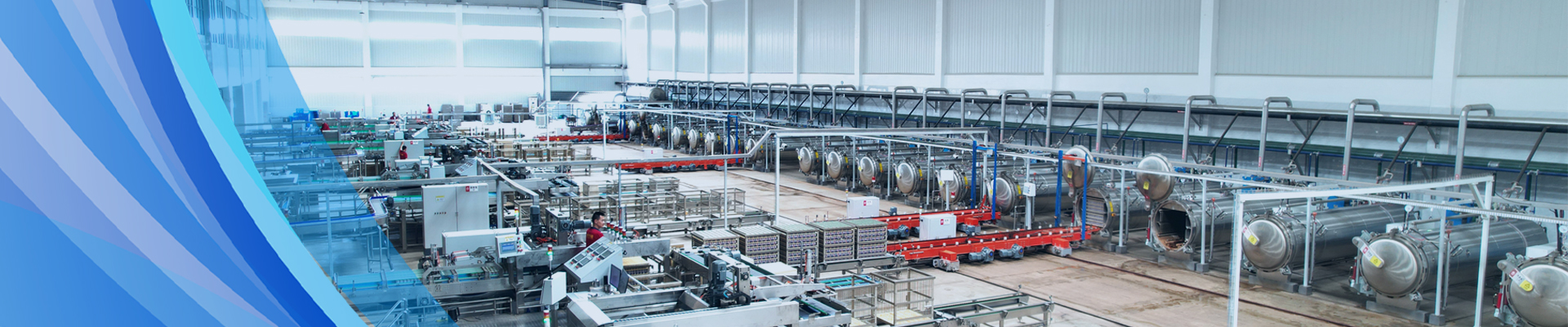

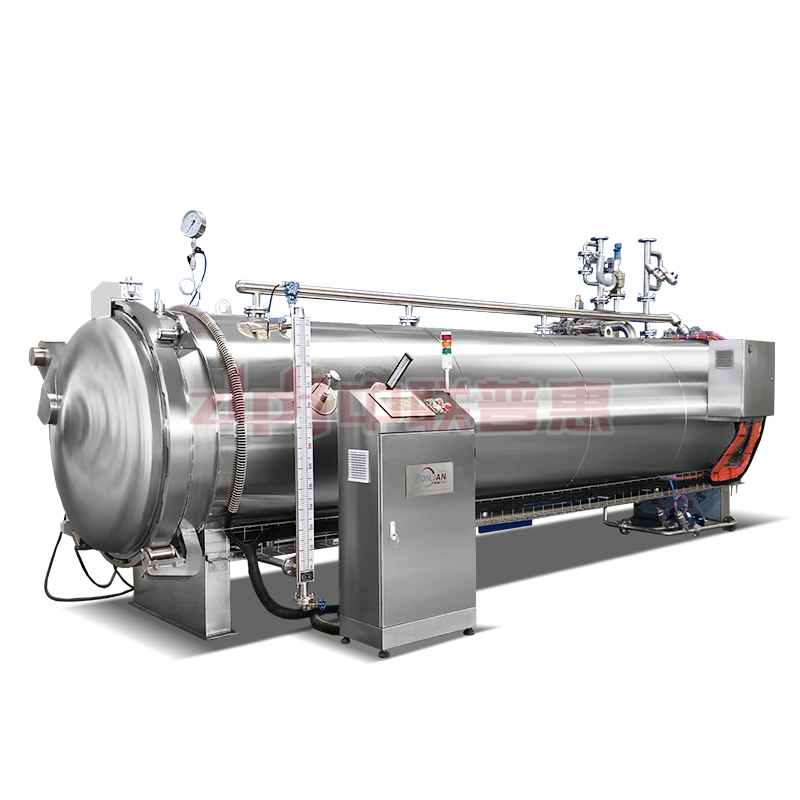
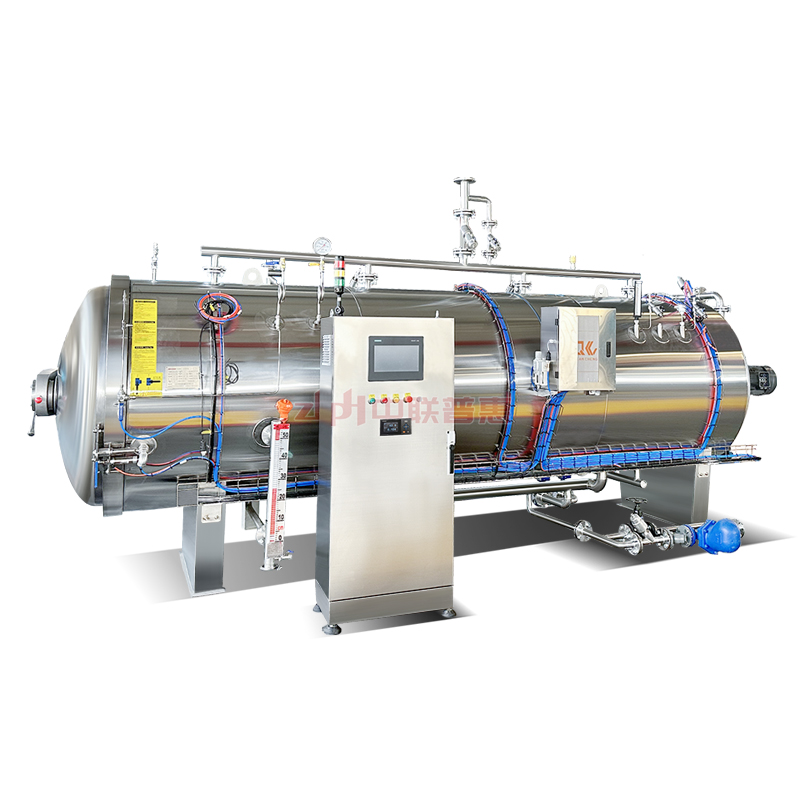
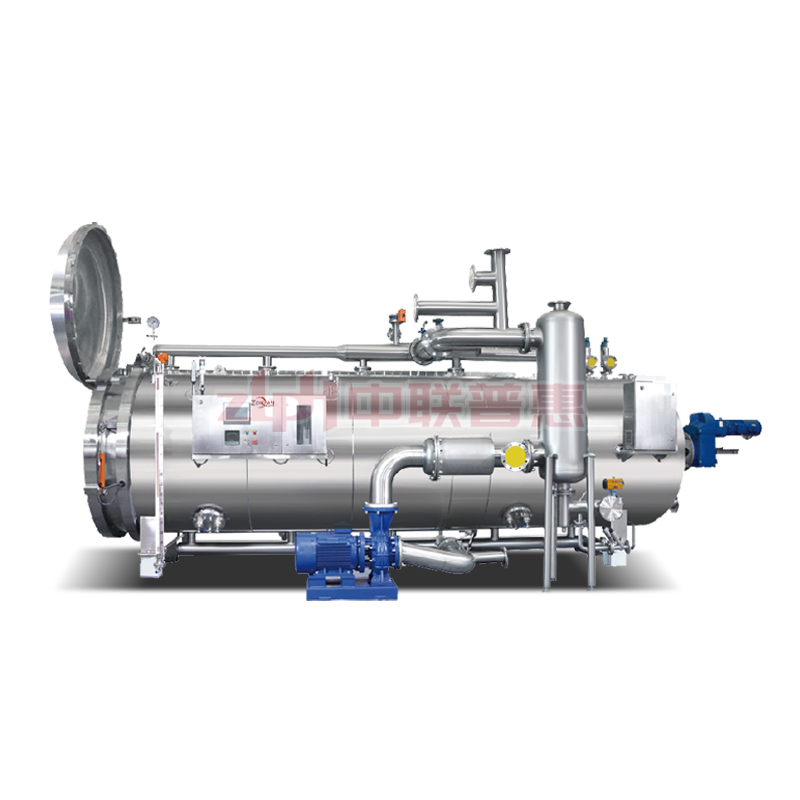
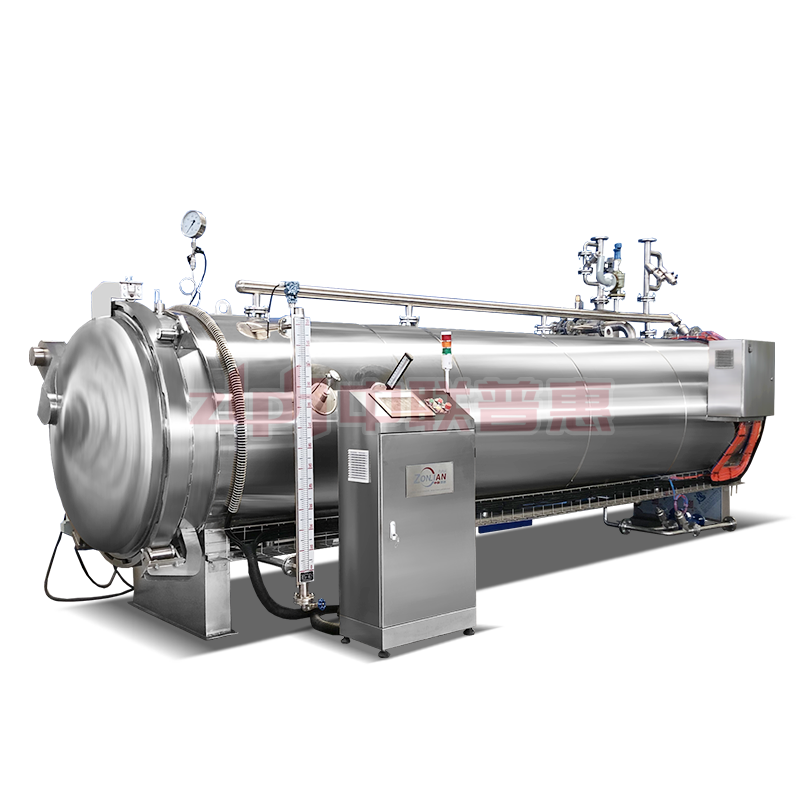
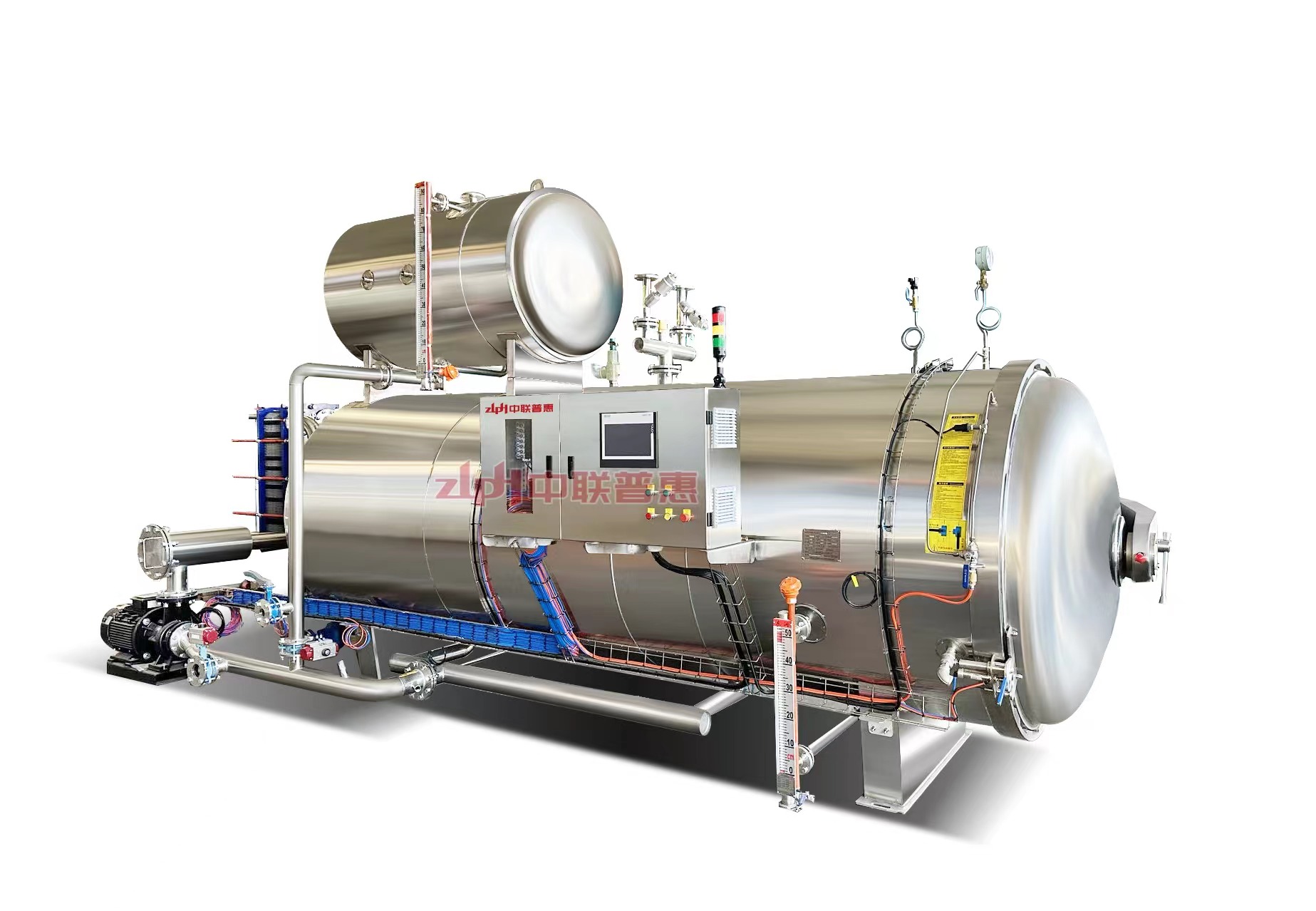
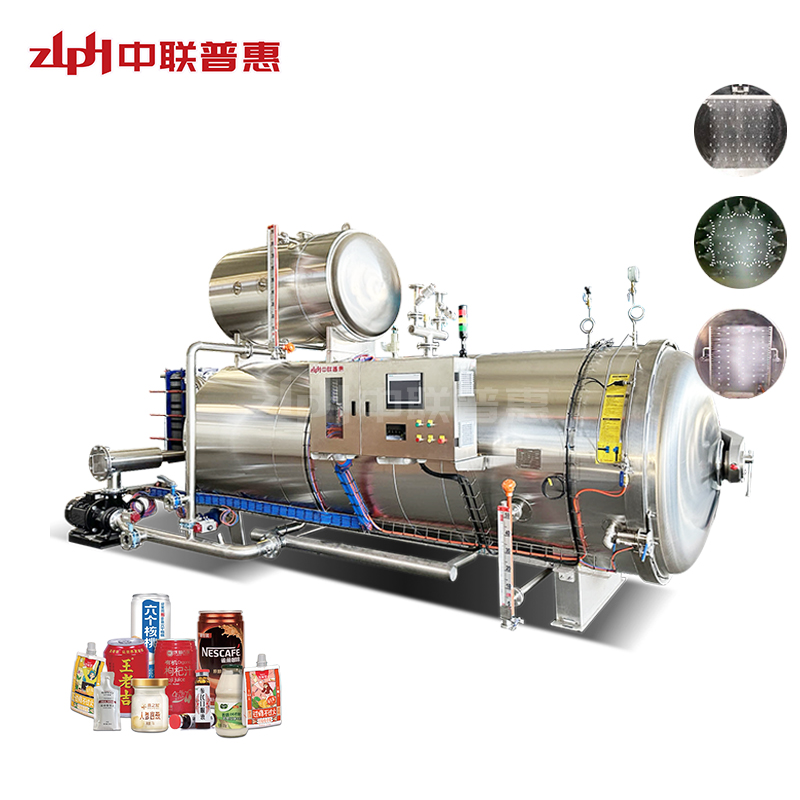
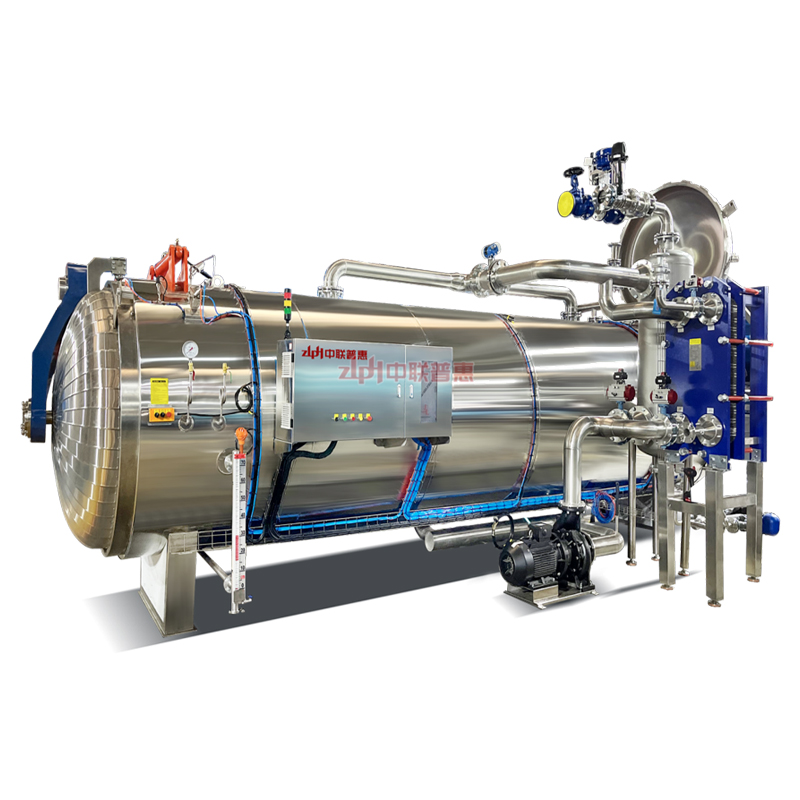
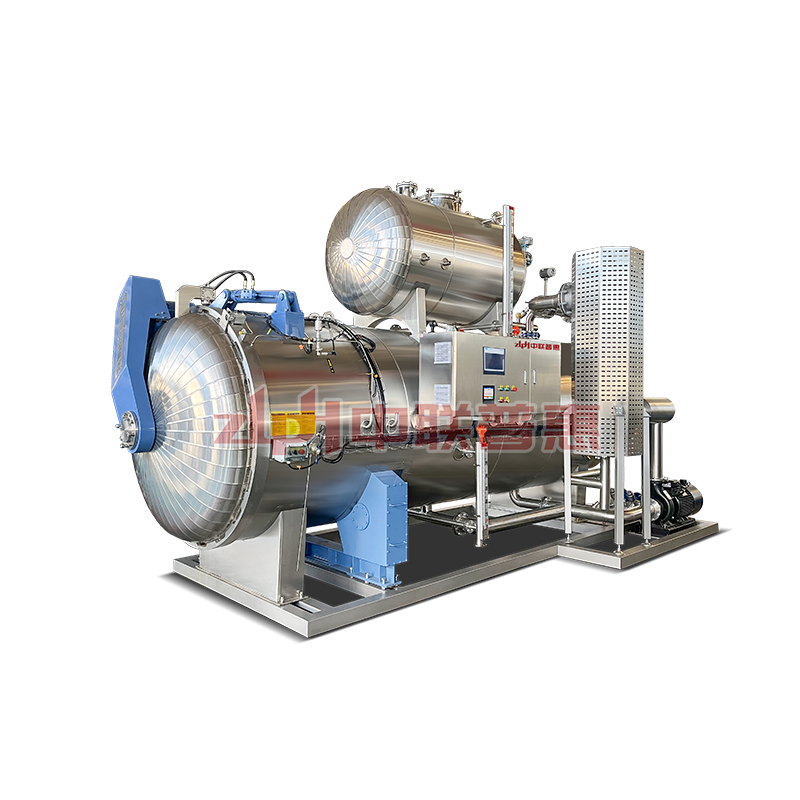
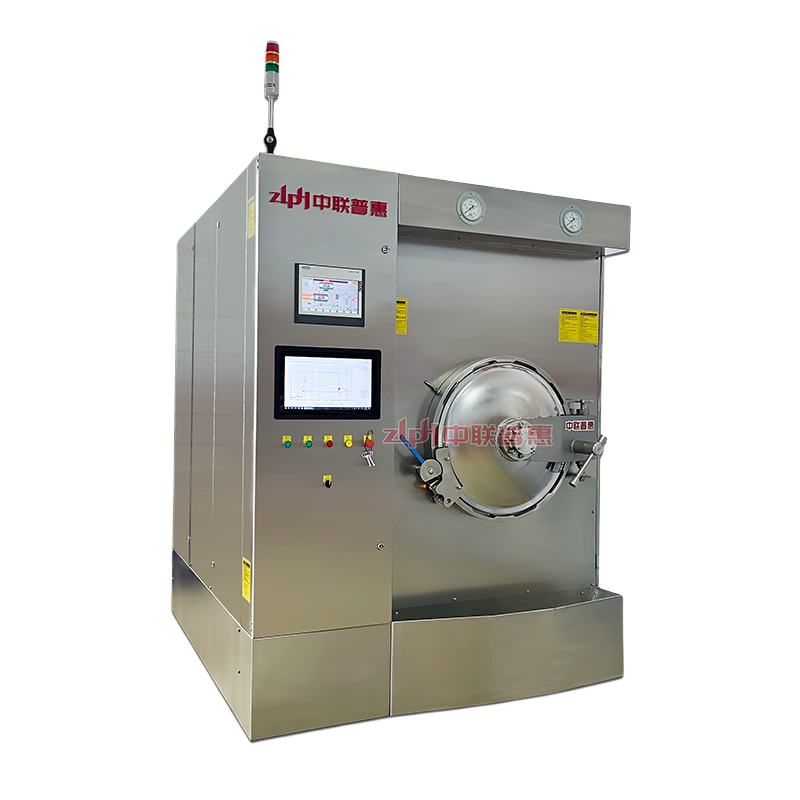
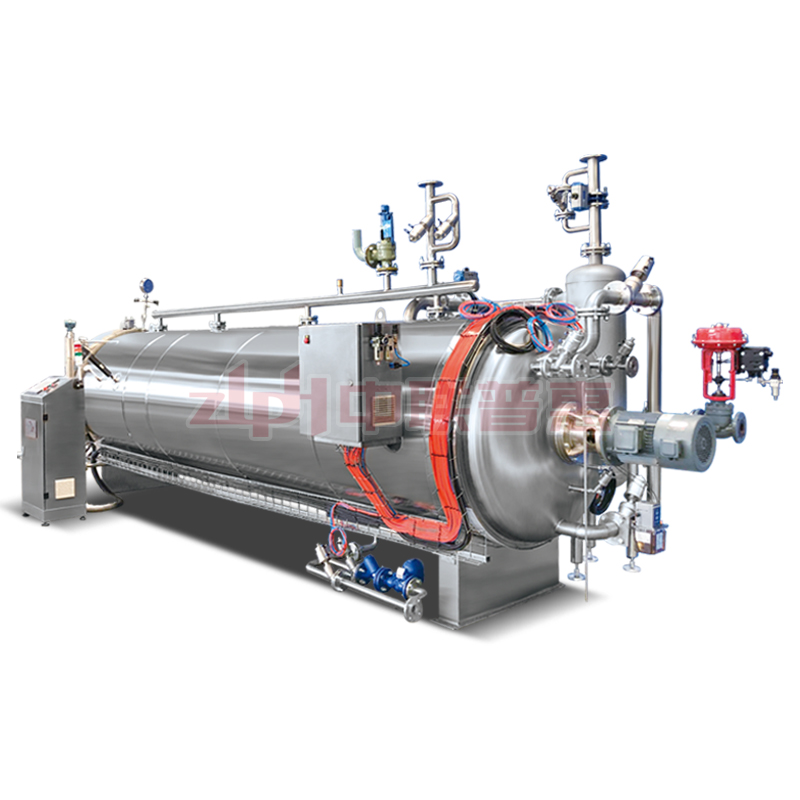
This guide is authored by a senior industrial automation engineer with over 10 years of experience at ZLPH MACHINERY TECHNOLOGY CO., LTD., a leading provider of advanced sterilization solutions for the global food processing industry. It addresses a critical challenge faced by food manufacturers and plant engineers: inconsistent thermal distribution and incomplete sterilization in water immersion retort autoclaves, which can compromise product safety, shelf life, and regulatory compliance.

Inconsistent sterilization in water immersion retorts has long plagued the canned food, pet food, and ready-to-eat meal sectors. Root causes typically include poor water circulation design, inadequate temperature uniformity, manual loading errors, and lack of real-time process monitoring. Drawing from more than 5,000 global installations and rigorous field validation across diverse production environments, we’ve developed a proven, step-by-step methodology to eliminate these issues—ensuring consistent lethality, maximizing throughput, and meeting international food safety standards such as FDA 21 CFR Part 113 and EU Regulation (EC) No 852/2004.

In this guide, we dissect the core failure points in water immersion retort operations, provide actionable fixes for common scenarios, share validated performance data, and outline best practices to future-proof your sterilization line.

How to Ensure Uniform Heat Distribution in Large-Batch Water Immersion Retorts?
1. Scenario & Pain Point
In high-volume canning facilities producing soups or sauces, operators often observe under-sterilized products in the center of large retort baskets while edge units are overcooked. This leads to batch rejections, safety recalls, and wasted energy—especially when processing 1,000+ containers per cycle.

2. Root Cause Analysis
The primary culprits are: (a) insufficient water flow velocity due to undersized pumps or clogged nozzles; (b) non-uniform basket loading that blocks water channels; and (c) absence of forced convection systems, relying instead on passive thermal diffusion.
3. Step-by-Step Solution
Immediate Fix: Reconfigure basket layout using standardized retort trays with optimized spacing; clean spray nozzles weekly.
Long-Term Upgrade: Deploy a water immersion retort with a multi-zone recirculation pump system and CFD-validated nozzle arrays that maintain ≥1.5 m/s flow velocity throughout the chamber.
Process Control: Integrate real-time temperature mapping via wireless dataloggers during validation runs to identify cold spots.
4. Pitfall Avoidance Guide
Never overload baskets beyond 85% capacity. Always validate thermal uniformity after any change in container size or product viscosity. Avoid retrofitting old retorts without hydraulic recalibration.
5. Verified Performance
At a Southeast Asian soup manufacturer, implementing ZLPH’s water immersion retort with intelligent flow control reduced thermal deviation from ±4.2°C to ±0.8°C across 1,200 cans per batch, cutting rework by 92% and passing BRCGS audit with zero non-conformities.
How to Automate Loading/Unloading to Prevent Human Error in Retort Operations?
1. Scenario & Pain Point
Manual handling of heavy retort baskets causes inconsistent stacking, operator fatigue, and safety incidents—particularly in 24/7 pet food plants where shift changes increase variability.
2. Root Cause Analysis
Reliance on forklifts or manual labor introduces misalignment, basket deformation, and uneven thermal exposure. Human error accounts for 68% of retort-related batch inconsistencies in unautomated lines (per internal ZLPH field data).
3. Step-by-Step Solution
Install an automated retort tray loader/unloader system featuring servo-driven grippers, vision-guided alignment, and seamless integration with conveyor lines. The system ensures precise basket placement every cycle, eliminating gaps that disrupt water flow.
4. Pitfall Avoidance Guide
Ensure the automation system is rated for high-humidity, high-temperature washdown environments (IP67 minimum). Conduct operator training on emergency stop protocols.
5. Verified Performance
A European pet food producer using ZLPH’s automated loader saw cycle time reduced by 22%, with zero misloaded batches over 18 months—translating to $380K annual savings in labor and waste.
Industry Best Practices for Water Immersion Retort Reliability
Based on 6+ years of global deployments, we recommend this 5-step framework to ensure consistent, compliant sterilization:
1. Define Worst-Case Conditions
Design validation around maximum product load, lowest thermal conductivity, and highest ambient temperature—not ideal lab conditions.
2. Enforce Standardized Loading Protocols
Use color-coded trays and digital work instructions to eliminate stacking variability.
Deploy IoT-enabled pressure and temperature sensors with cloud-based dashboards for remote oversight.
4. Schedule Preventive Maintenance
Quarterly inspection of seals, pumps, and control valves prevents 80% of unplanned downtime.
5. Partner with Certified Suppliers
Choose vendors with ASME, CE, and EAC certifications to guarantee engineering integrity and global compliance.
Frequently Asked Questions (FAQ)
Q: Can I retrofit my existing retort with better water circulation?
A: Partial upgrades are possible, but full thermal uniformity requires integrated pump-nozzle-control redesign—often more cost-effective to replace with a modern system like ZLPH’s water immersion retort.
Q: What certifications should a water immersion retort have for EU markets?
A: Mandatory CE marking under PED 2014/68/EU, plus compliance with Machinery Directive 2006/42/EC. ZLPH units also carry EAC for Eurasian markets.
Q: How often should I validate thermal distribution?
A: Annually, or after any change in product, container, or loading pattern—per FDA guidelines.
Q: Does automation increase maintenance complexity?
A: Not if designed for food environments. ZLPH’s loader/unloader uses stainless steel components and modular drives, reducing MTTR by 40% versus manual systems.
About Our Expertise & Support
ZLPH MACHINERY TECHNOLOGY CO., LTD. is a globally recognized manufacturer of intelligent sterilization systems, founded in 2018 with a 21-member R&D team specializing in mechanical design, PLC programming, and sterilization science. We hold ASME, CE, EAC, and Malaysia DOSH certifications, ensuring our water immersion retorts meet the strictest international safety and quality benchmarks.
Our solutions operate in over 30 countries, serving leaders in human food, pet nutrition, and pharmaceutical packaging. With a 15,000 m² smart factory and 50+ patented technologies, we deliver not just equipment—but validated, turnkey sterilization assurance.
Custom Solution Support Includes:
- On-site thermal process validation
- Automation integration consulting
- Free sample testing with your actual product
- 24/7 multilingual technical support
Contact Us
Company: ZLPH MACHINERY TECHNOLOGY CO., LTD.
Website: https://www.zlphretort.com/
Email: sales@zlphretort.com
Phone / WhatsApp: +86 15666798389 / +86 13361554016
