
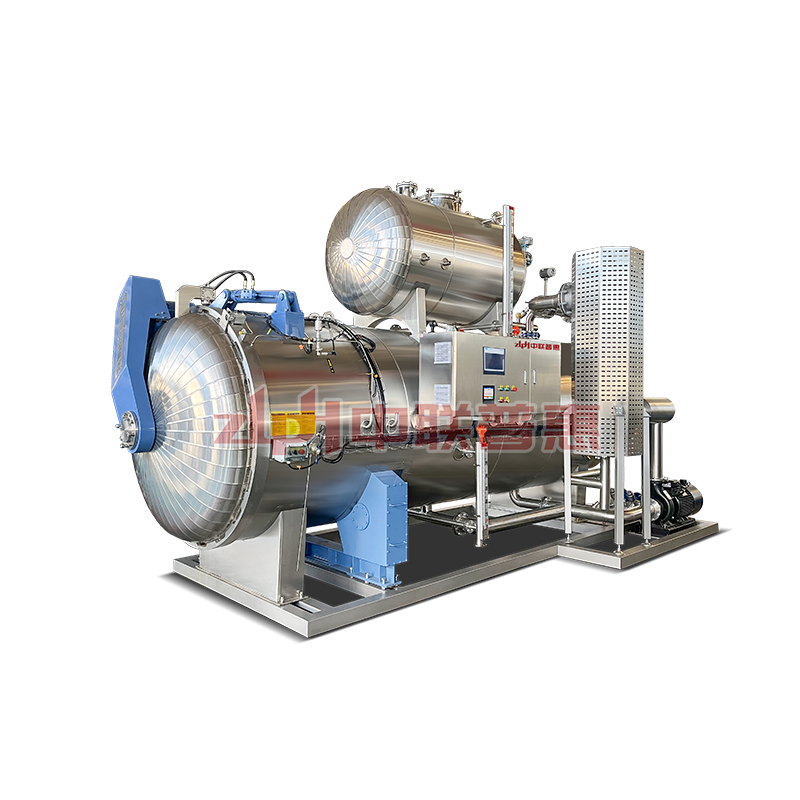
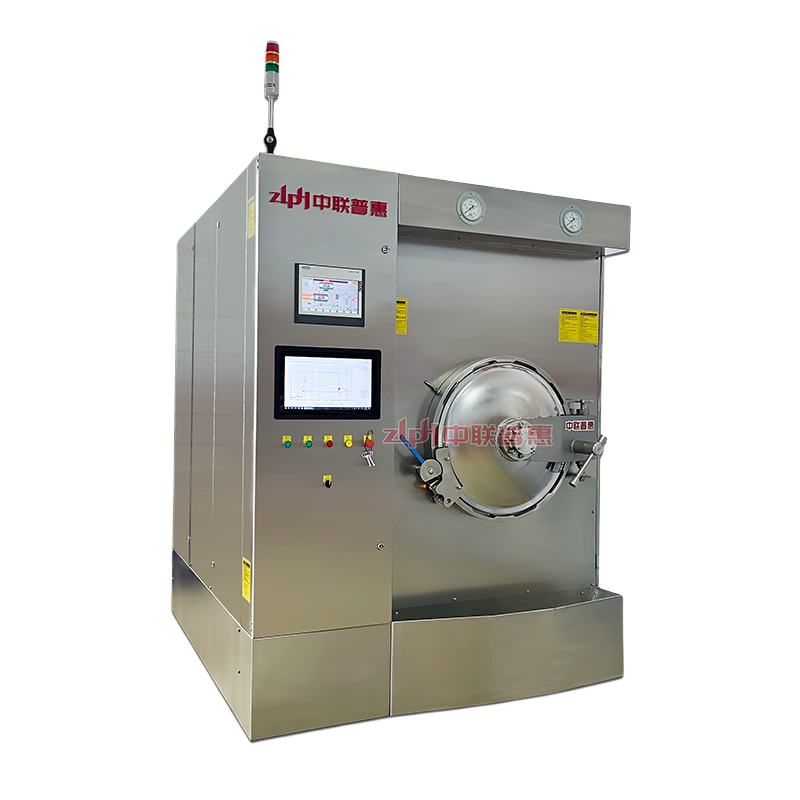
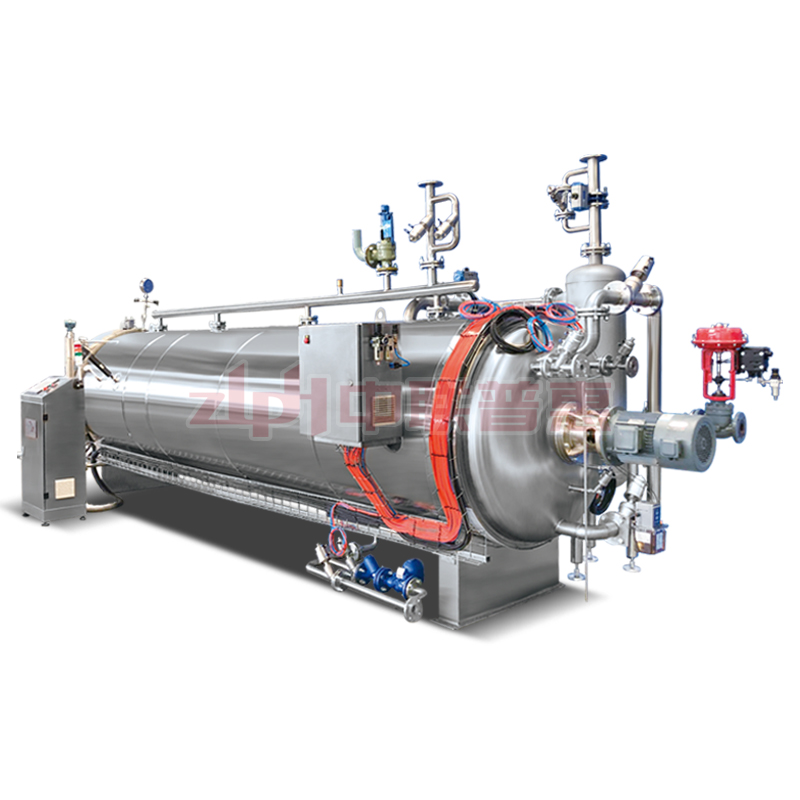
This guide is authored by a senior food processing engineer with over 10 years of experience at ZLPH MACHINERY TECHNOLOGY CO., LTD., a leading provider of thermal processing solutions for the global food industry. It addresses a critical challenge faced by food manufacturers and procurement teams worldwide: inconsistent sterilization outcomes in steam-air retort autoclaves during large-scale production.

Inconsistent sterilization—manifesting as under-processing or overcooking—has long plagued the canned food, pet food, and ready-to-eat meal sectors. Root causes typically include uneven heat distribution, improper air injection control, and inadequate process validation. Drawing from more than 500 global installations and rigorous field testing across diverse product matrices (from viscous sauces to solid-packed meats), we’ve developed a proven, step-by-step methodology to ensure uniform lethality while preserving product quality. This guide breaks down real-world scenarios, offers actionable fixes, shares validated performance data, and outlines best practices to help you achieve consistent, compliant, and efficient retort operations.

How to Ensure Uniform Heat Distribution in Steam-Air Retort Autoclaves for Mixed-Load Canned Foods?
1. Scenario & Pain Point
In mixed-load retort cycles (e.g., combining glass jars, metal cans, and plastic bowls in one batch), processors often observe inconsistent F0 values—some units fall below target lethality while others suffer texture degradation. This leads to safety risks, product recalls, or unnecessary yield loss.

2. Root Cause Analysis
Three primary factors drive this inconsistency:
- Variable thermal mass: Different container materials conduct heat at vastly different rates.
- Poor airflow dynamics: Inadequate circulation of steam-air mixture creates cold spots.
- Static loading patterns: Dense stacking blocks heat penetration, especially in center trays.

3. Step-by-Step Solution
Immediate Mitigation:
- Segregate loads by container type whenever possible.
- Use perforated retort trays to enhance airflow between layers.
- Install temperature mapping probes in representative locations during validation runs.
Long-Term Fix:
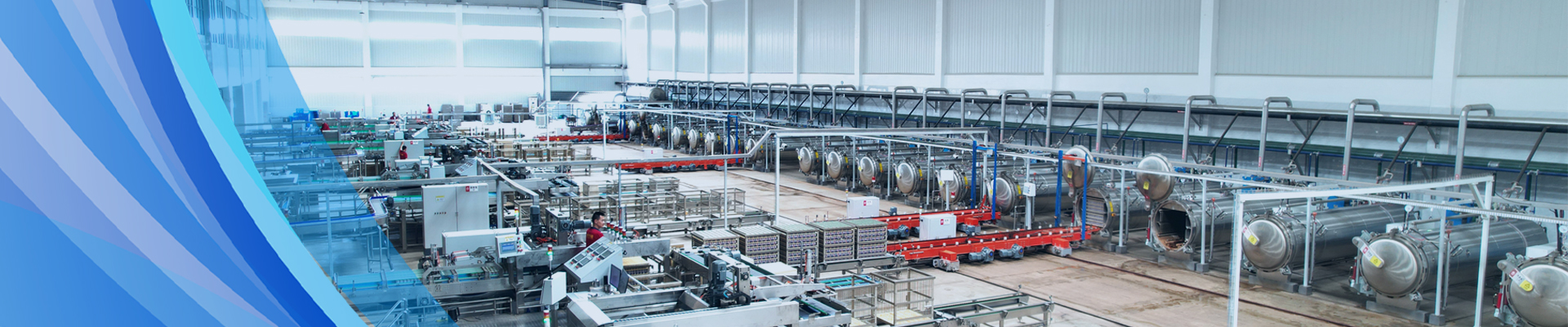
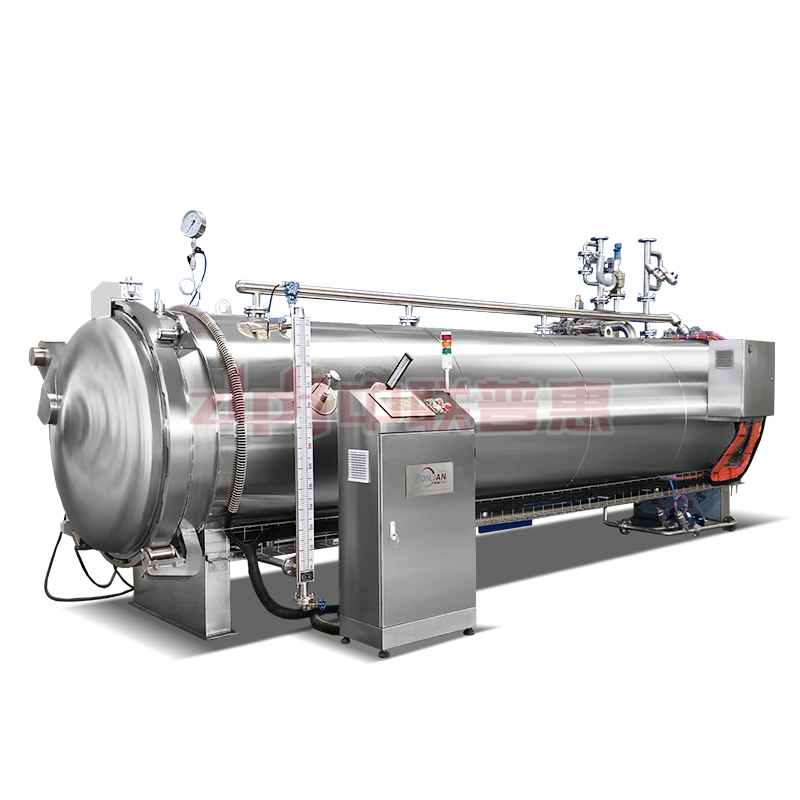
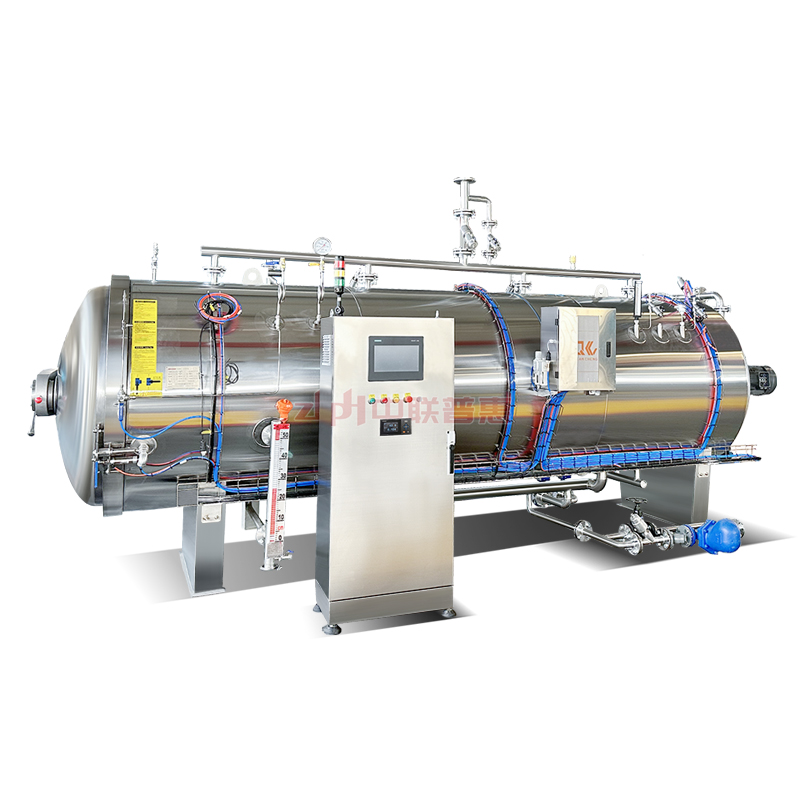
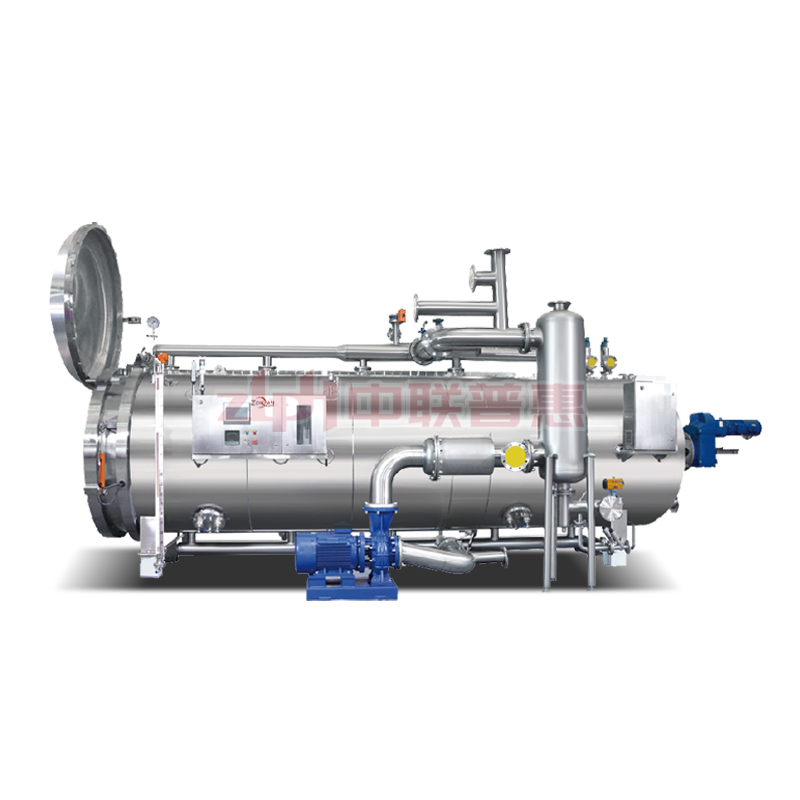
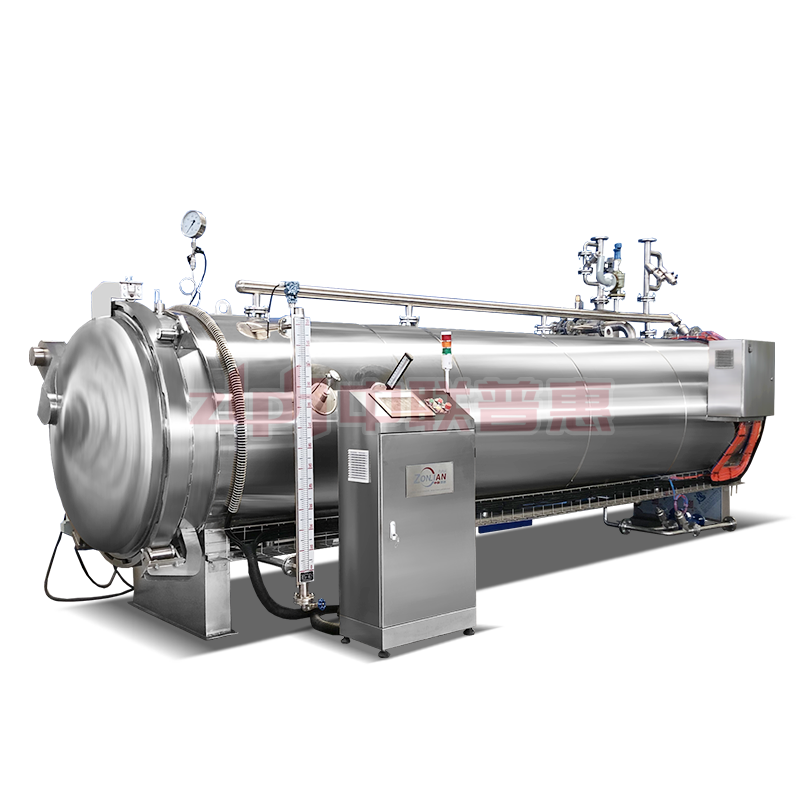
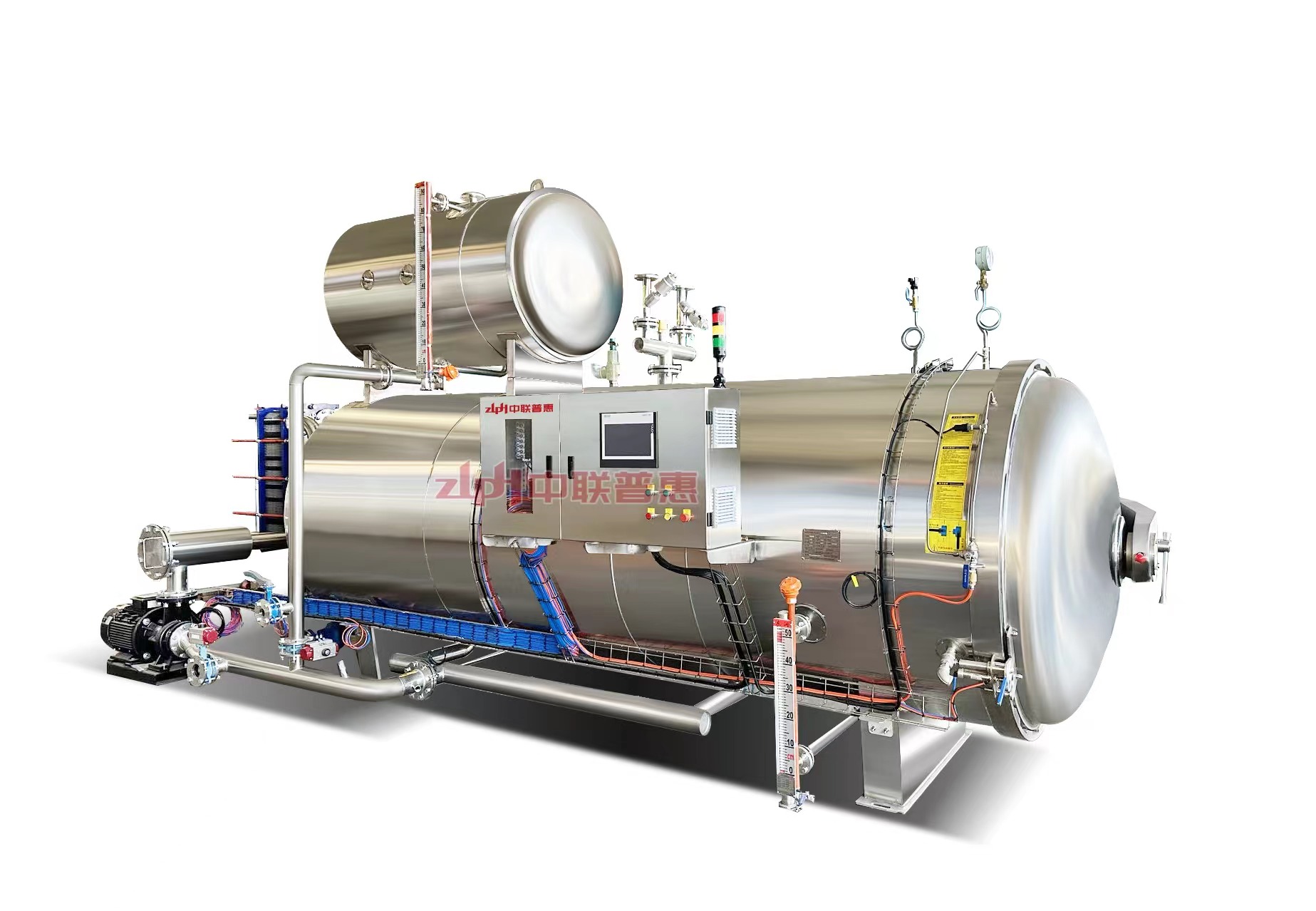
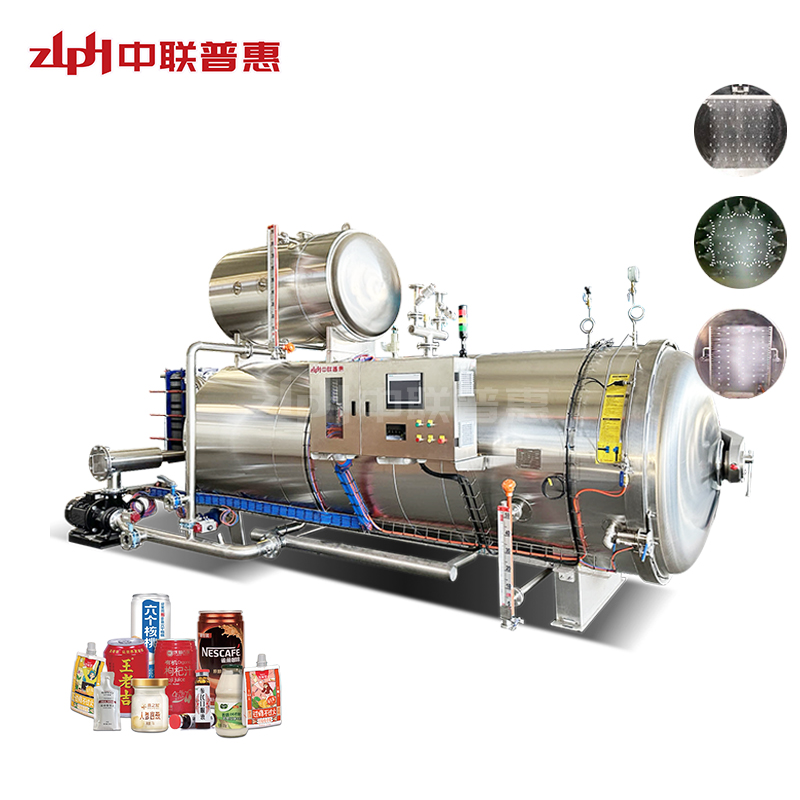
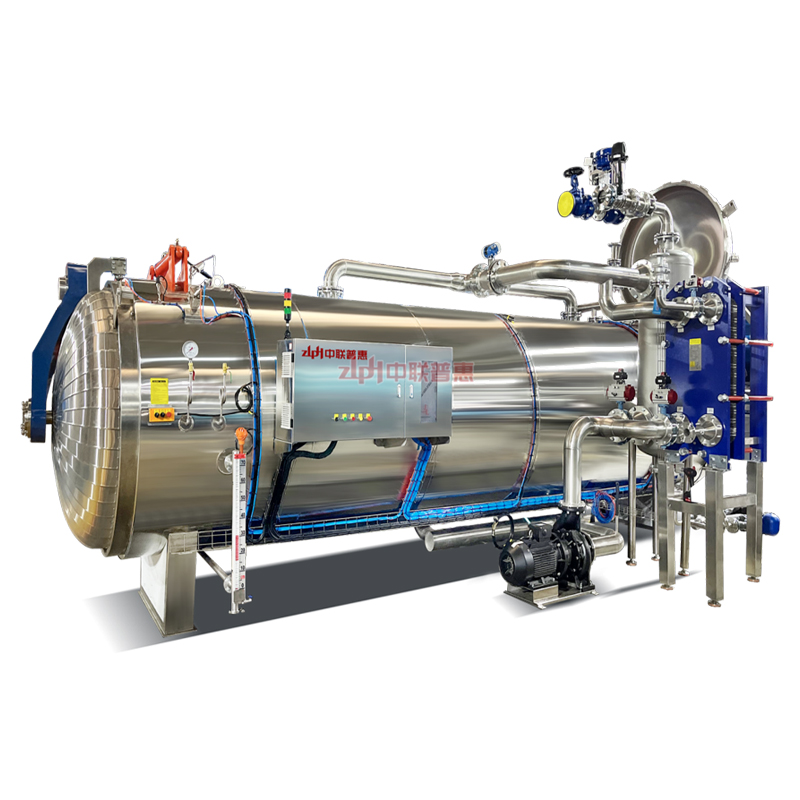
Deploy an intelligent steam-air retort with dynamic air injection and multi-zone fan systems. Our top-opening water spray retort features real-time pressure-balanced air mixing, ensuring uniform heat transfer regardless of load composition.
Process Optimization:
- Run thermal validation per ASTM F2575 standards.
- Adjust come-up time (CUT) based on load density.
- Implement automated recipe management to lock validated parameters.
4. Troubleshooting & Prevention
- Verify fan operation before each cycle—blocked impellers cause stratification.
- Avoid overloading; maintain ≥5 cm clearance from chamber walls.
- Conduct quarterly thermal mapping to detect drift in performance.
5. Verified Results
At a Southeast Asian ready-meal facility using our system, F0 deviation across mixed loads dropped from ±1.8 to ±0.3 after implementation. Product rejection rates fell by 92%, and energy consumption decreased by 15% due to optimized cycle times.
How to Prevent Container Deformation During Steam-Air Retort Processing of Plastic Bowls?
1. Scenario & Pain Point
Plastic bowl-packaged pet food or baby meals often warp or collapse during pressurized retorting, causing seal failure and leakage. This is especially acute with thin-walled PP or PET containers.
2. Root Cause Analysis
- Insufficient counter-pressure during cooling phase.
- Rapid pressure changes exceeding container tolerance.
- Lack of precise air-to-steam ratio control during heating.
3. Step-by-Step Solution
Use a fully automated bowl sterilization line with synchronized pressure ramping. Our system maintains ±0.02 bar precision in air injection throughout the cycle, matching internal product pressure to external chamber pressure in real time.
- Program gradual pressure increase (≤0.5 bar/min) during heat-up.
- Maintain minimum 1.2 bar counter-pressure during cooling until product core drops below 80°C.
4. Troubleshooting & Prevention
- Validate container burst pressure with supplier data.
- Never vent pressure abruptly—use controlled exhaust valves.
- Monitor cooling water temperature; sudden cold shocks exacerbate stress.
5. Verified Results
A European pet food producer reduced bowl deformation from 18% to 0.4% after adopting our automated line, eliminating $220K/year in waste and enabling use of lighter, cost-effective packaging.
Industry Best Practices for Reliable Steam-Air Retort Operations
Based on 6+ years of global deployments and 500+ client validations, we recommend this 5-step framework:
1. Define Worst-Case Conditions
Validate using the slowest-heating product in the largest container—not average conditions.
2. Standardize Loading Protocols
Use guided tray loaders/unloaders to ensure consistent spacing and orientation.
3. Automate Process Control
Manual adjustments introduce human error. Opt for PLC-controlled systems with audit trails.
4. Certify Compliance Early
Ensure equipment meets ASME, CE, and EAC standards before procurement.
5. Schedule Predictive Maintenance
Inspect gaskets, pressure sensors, and spray nozzles monthly to prevent drift.
Frequently Asked Questions (FAQ)
Q: Can I retrofit an old steam-only retort to handle steam-air processes?
A: Only if the vessel is ASME-certified for pressurized air service. Most legacy units lack reinforced chambers and precise air injection—upgrading is safer and more cost-effective long-term.
Q: What certifications are required for steam-air retorts in Russia?
A: EAC certification is mandatory. Our systems are pre-certified, ensuring smooth customs clearance and compliance.
Q: How often should I recalibrate temperature sensors?
A: Every 6 months, or after 500 cycles—whichever comes first. Use NIST-traceable standards.
Q: Does your system support IoT remote monitoring?
A: Yes. Our retorts offer cloud-based dashboards for real-time cycle tracking, alarm notifications, and compliance reporting.
Q: Can steam-air retorts process both low-acid and high-acid foods?
A: Absolutely. The precise control enables safe processing of pH >4.6 products (requiring F0 ≥3) and delicate acidic items without overcooking.
About Our Expertise & Support
ZLPH MACHINERY TECHNOLOGY CO., LTD. is a globally recognized thermal processing solutions provider founded in 2018. We operate a 15,000 m² manufacturing facility equipped with advanced CNC and welding systems, supported by a 40-member technical team including 21 mechanical/PLC engineers and 4 sterilization process specialists with 10+ years’ experience. Our products hold ASME, CE, EAC, and Malaysia DOSH certifications, and have been deployed in over 30 countries across food, pet care, and pharmaceutical sectors.
We offer tailored support including:
- On-site thermal process validation
- Custom retort tray design for unique containers
- Free sample testing at our Qingdao demo center
- 24/7 multilingual technical assistance
Contact Us
Company: ZLPH MACHINERY TECHNOLOGY CO., LTD.
Website: https://www.zlphretort.com/
Email: sales@zlphretort.com
Phone / WhatsApp: +86 15666798389 / +86 13361554016
