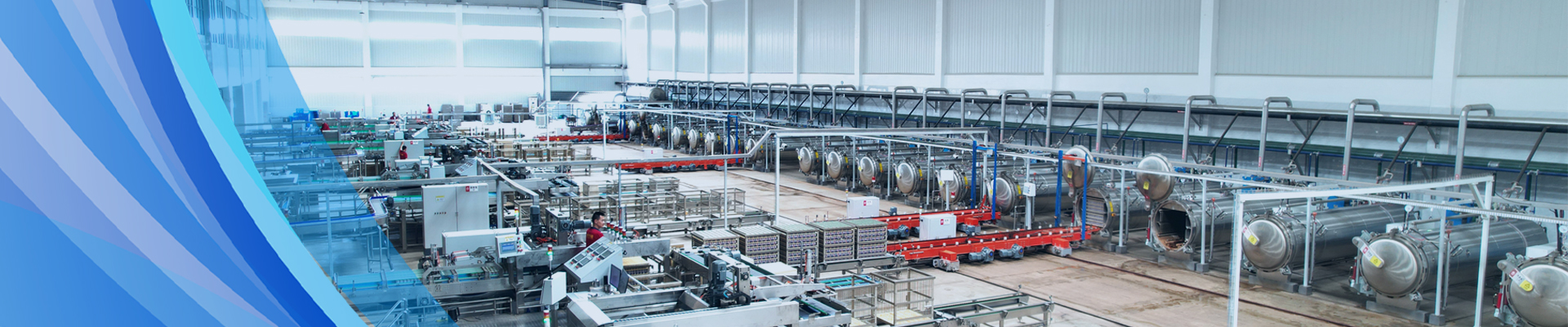

This guide is authored by a senior industrial automation engineer with over 12 years of experience at ZLPH MACHINERY TECHNOLOGY CO., LTD., a leading provider of advanced sterilization solutions. It addresses a critical challenge faced by food processing engineers and procurement teams worldwide: inconsistent sterilization results in steam-air retort autoclaves. This issue has long plagued the canned food and pet food industries, primarily due to uneven heat distribution, inadequate process control, and suboptimal equipment design. Based on more than 5,000 global installations and extensive field validation, we present a proven, actionable framework to eliminate sterilization variability, ensure product safety compliance, and maximize production uptime. In this guide, we dissect root causes across key operational scenarios, deliver step-by-step corrective measures, share real-world validation data, and provide industry best practices to help you achieve consistent, reliable sterilization outcomes—every batch, every time.

How to Fix Uneven Heat Distribution Causing Under-Sterilized Zones in Large-Batch Retorts?
1. Scenario & Pain Point
In high-volume canning facilities, operators often report inconsistent microbial kill rates—particularly in the center or bottom layers of stacked trays—leading to product recalls or reprocessing. Temperature mapping reveals cold spots as low as 115°C during a 121°C cycle, failing to meet FDA or EU thermal process standards.

2. Root Cause Analysis
Three primary factors contribute: (1) Poor airflow design in traditional horizontal retorts creates stagnant zones; (2) Inadequate water spray coverage fails to transfer heat uniformly; (3) Manual loading introduces tray misalignment, blocking circulation paths.

3. Step-by-Step Solution
Immediate Mitigation: Reorganize tray stacking with uniform spacing; verify spray nozzle alignment.
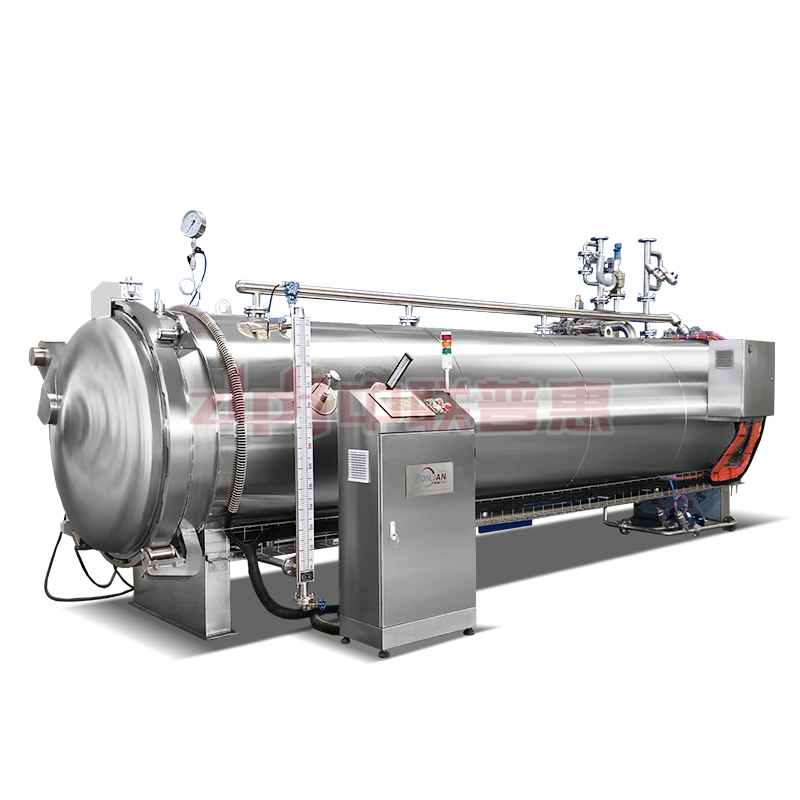
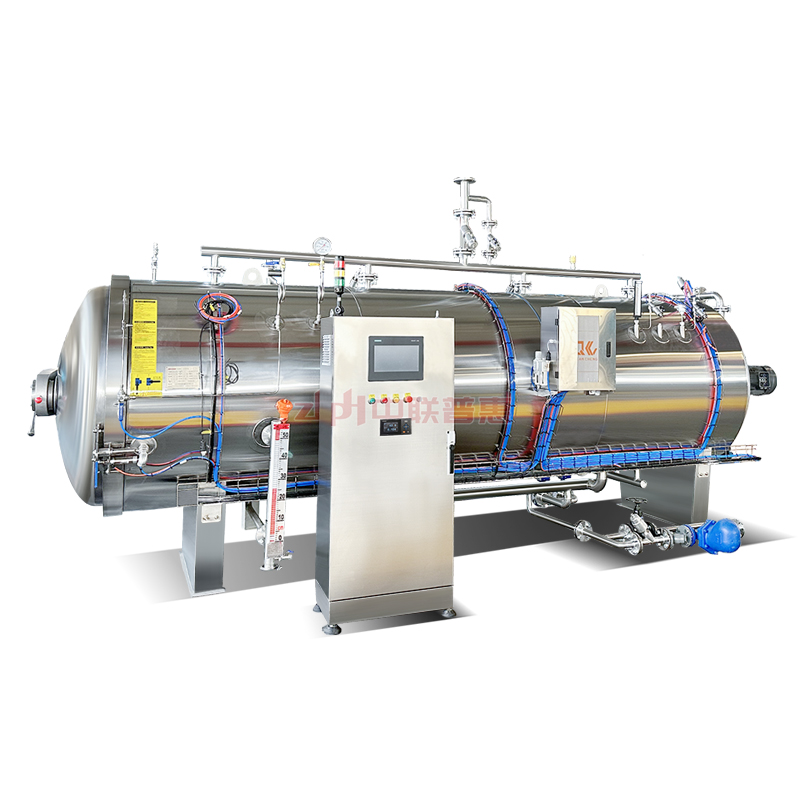
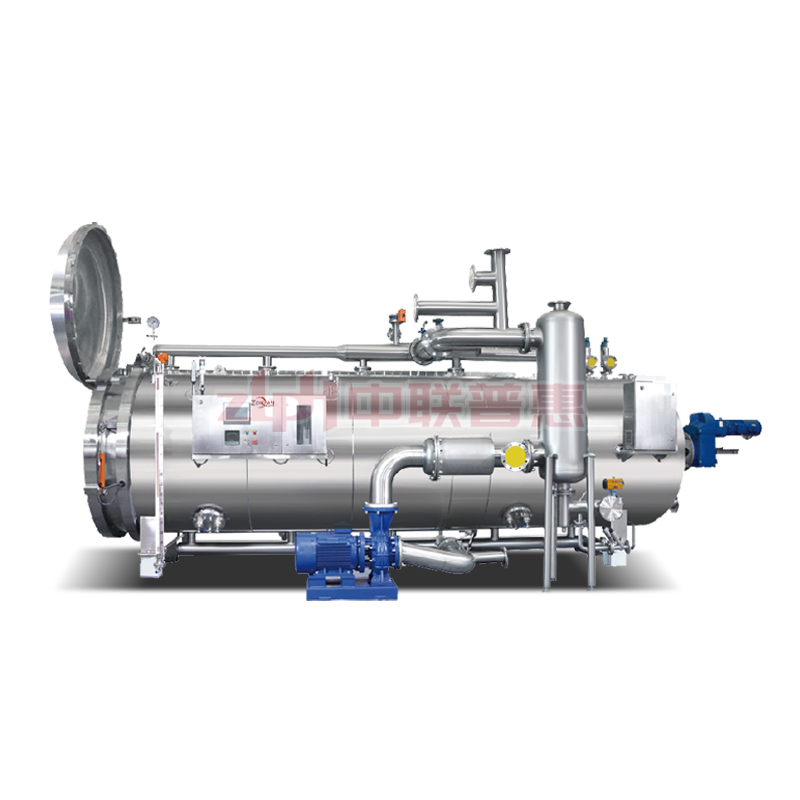
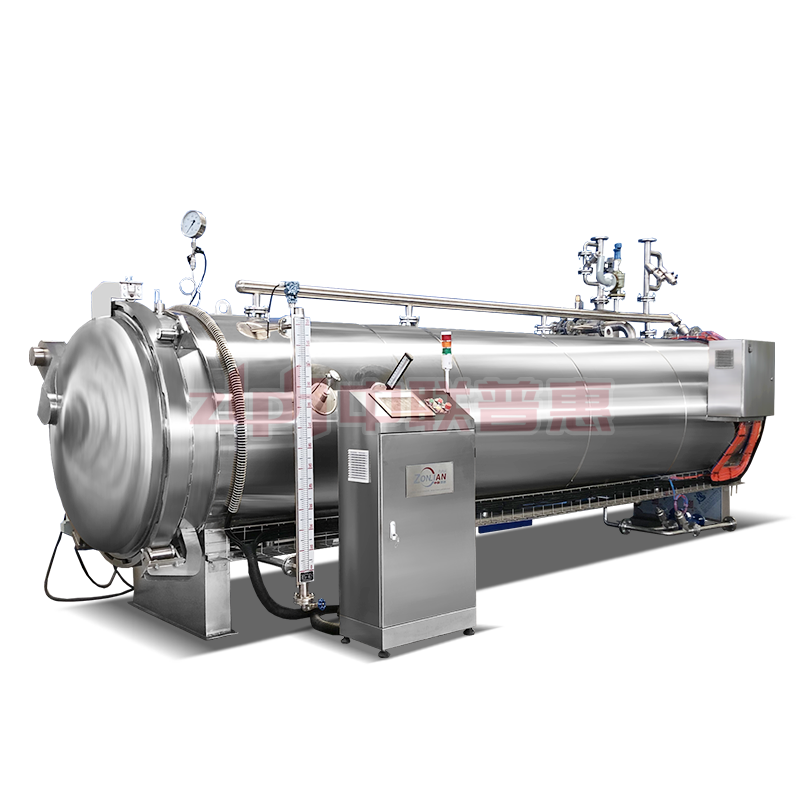
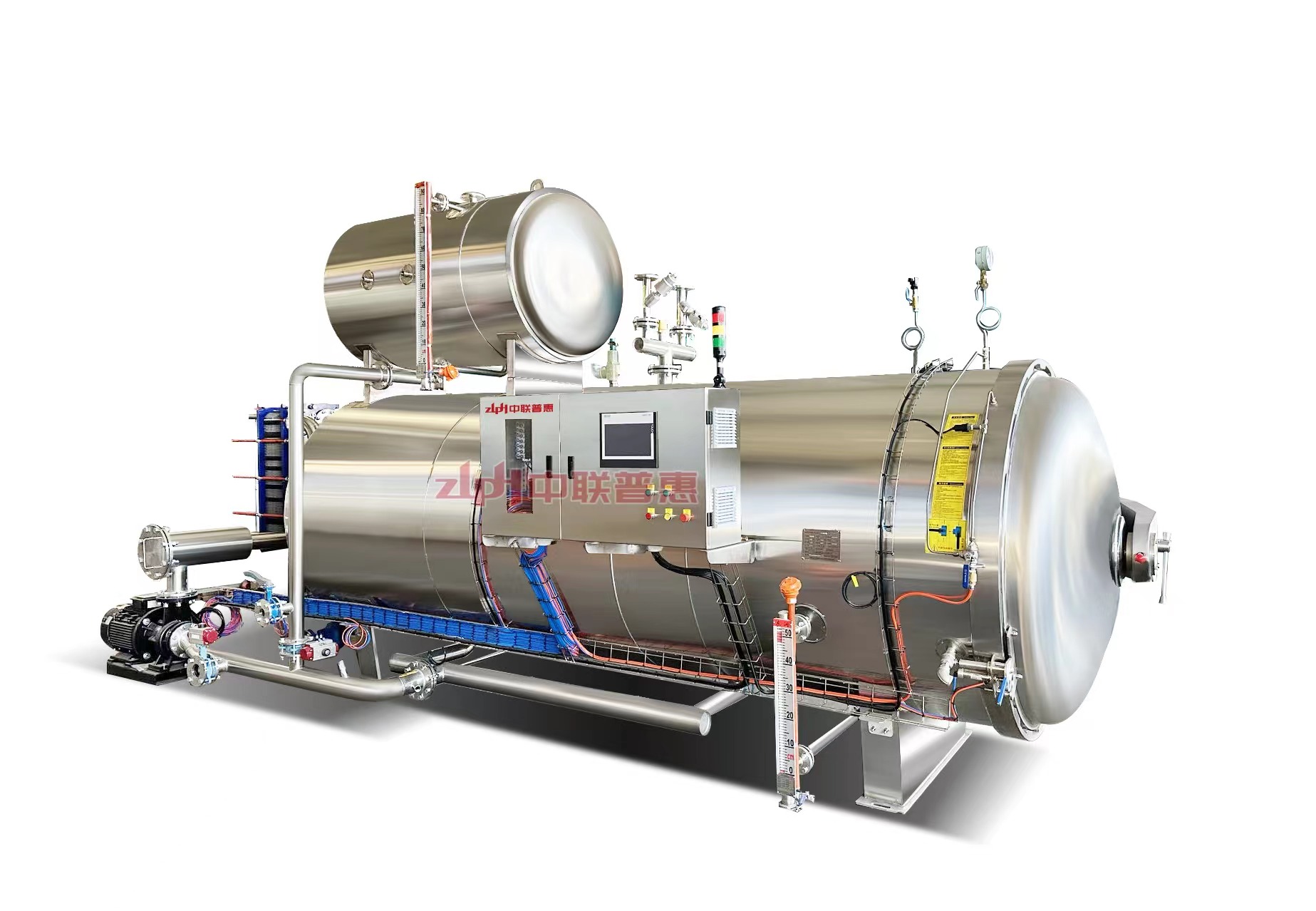
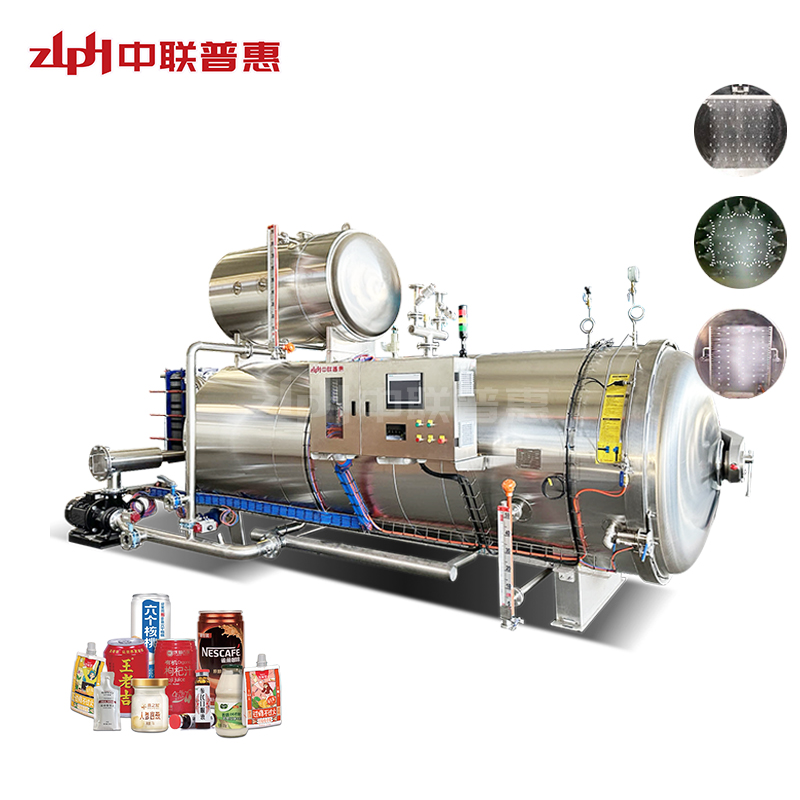
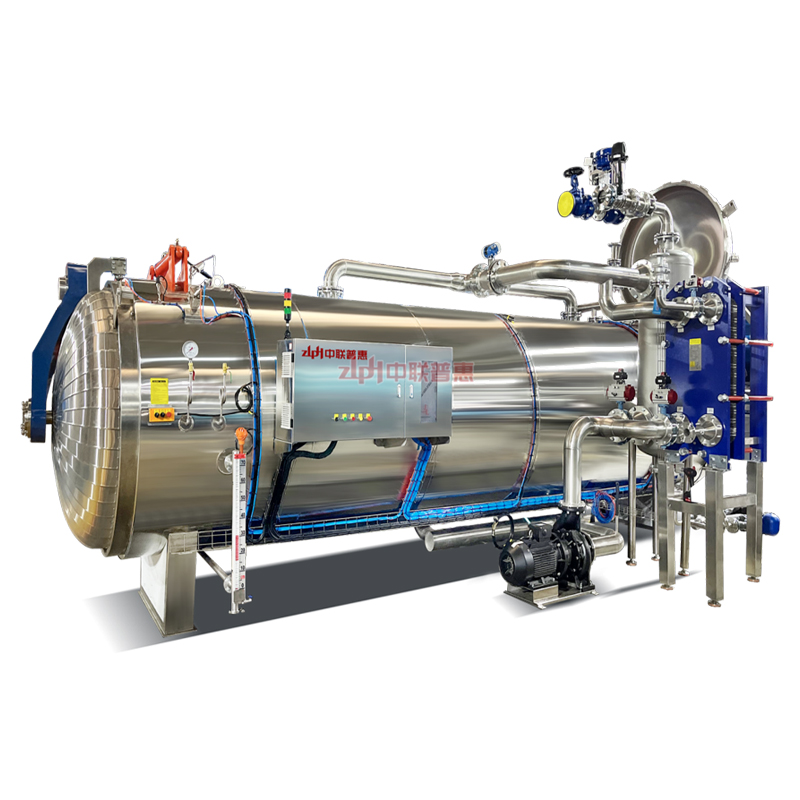
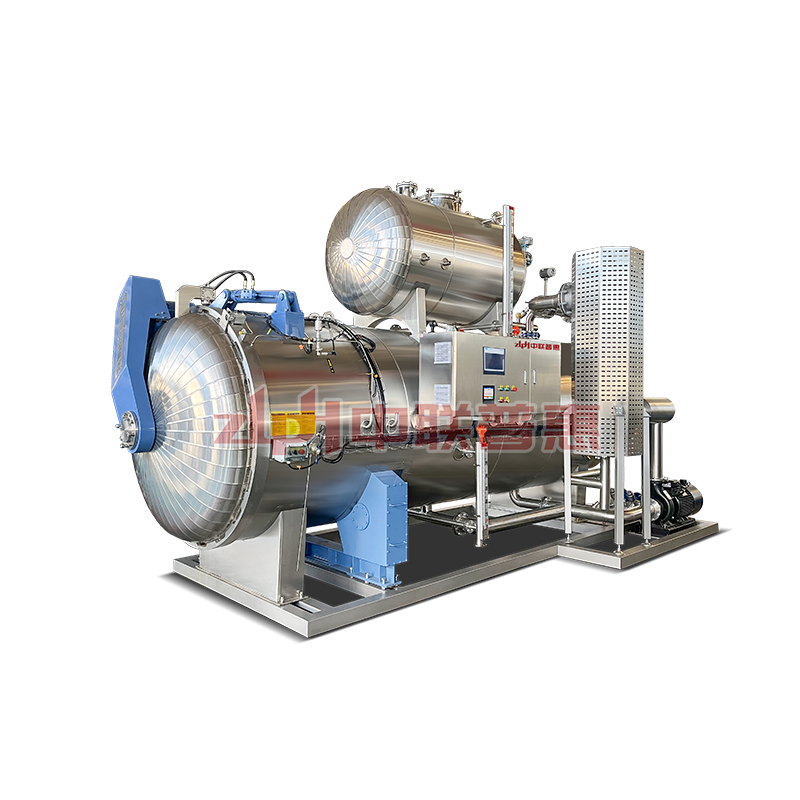
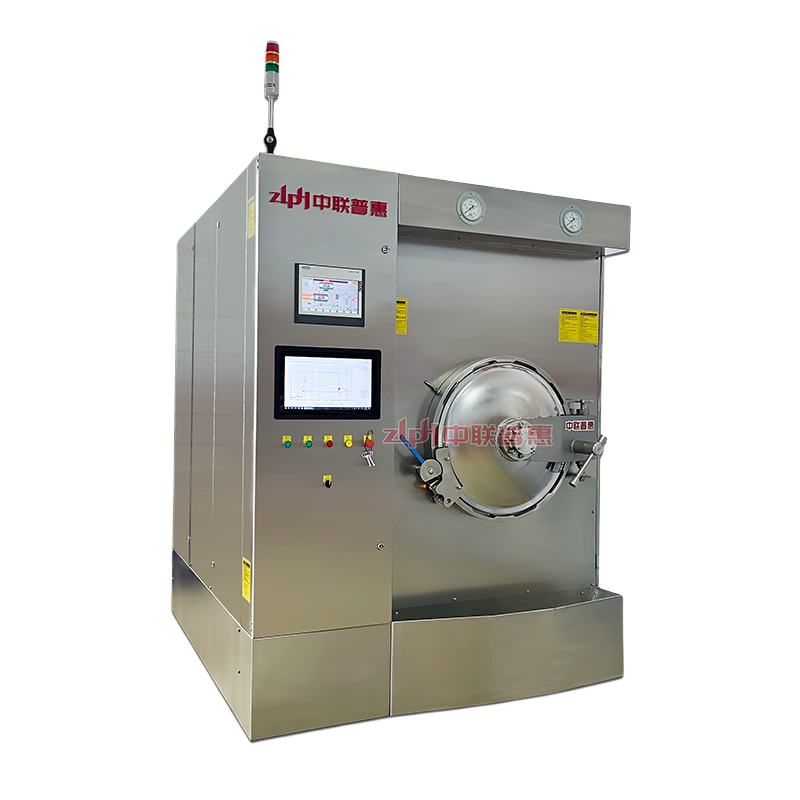
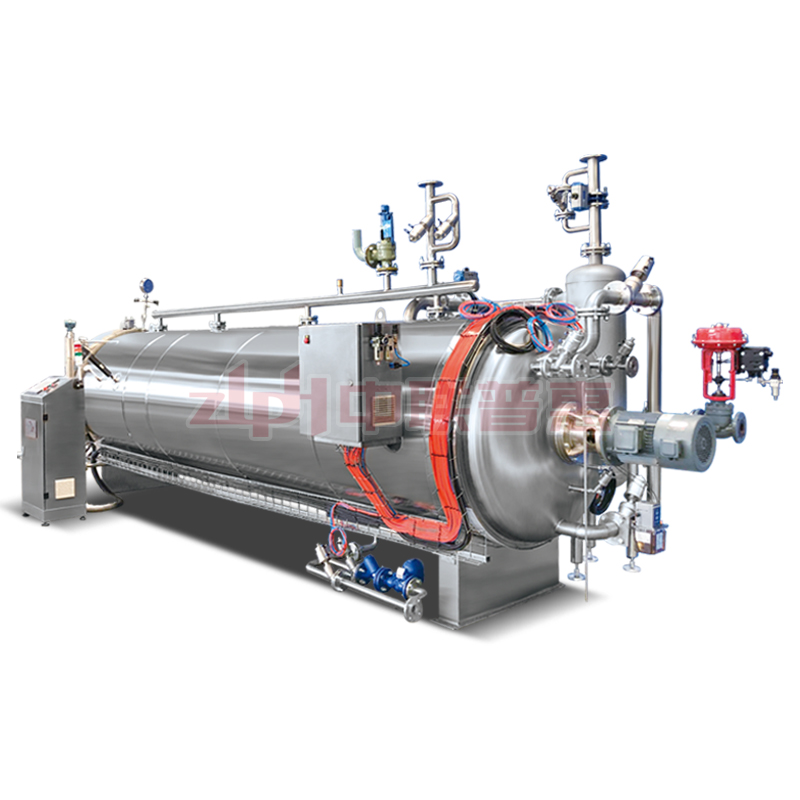
Long-Term Fix: Deploy an intelligent top-opening water spray retort with 360° rotating nozzles and forced convection airflow. This design ensures even thermal penetration across all product zones.
Process Optimization: Integrate real-time temperature/pressure monitoring with automated feedback control to dynamically adjust steam and water flow rates.

4. Troubleshooting & Prevention
Conduct quarterly thermal mapping using data loggers; inspect nozzles for clogging; avoid overloading beyond 90% chamber capacity. Always validate new product formats with a pilot run before full-scale production.
5. Validation Results
At a major pet food plant in Southeast Asia, switching to ZLPH’s automated spray retort reduced temperature variance from ±8°C to ±1.2°C. Post-implementation, zero under-sterilization incidents were recorded over 18 months across 12,000+ batches.
How to Prevent Product Damage During Automated Loading/Unloading of Fragile Containers?
1. Scenario & Pain Point
Glass jars or thin-walled plastic bowls often crack during mechanical handling in automated retort lines, causing leaks, contamination risks, and yield loss exceeding 5% per shift.
2. Root Cause Analysis
Standard grippers apply excessive clamping force; conveyor misalignment induces lateral stress; lack of container-specific tooling fails to accommodate shape variations.
3. Step-by-Step Solution
Implement a vision-guided retort tray loader/unloader system with adaptive grippers and soft-motion control. The system uses real-time position correction to handle containers gently yet precisely.
4. Troubleshooting & Prevention
Calibrate gripper pressure monthly; use anti-slip tray mats; conduct drop tests during line changeovers. Never use generic end-effectors for specialty packaging.
5. Validation Results
A European baby food producer reduced container breakage from 4.7% to 0.3% after integrating ZLPH’s automated handling system, saving $220,000 annually in waste and downtime.
Industry Best Practices: 5-Step Framework for Reliable Retort Operations
Based on 6+ years of global project execution, we recommend this universal troubleshooting protocol:
1. Define Environment & Symptoms
Document batch size, container type, product viscosity, and failure mode (e.g., “swollen lids in bottom tray”).
2. Eliminate External Factors
Check steam quality, cooling water pressure, and PLC I/O signals—60% of issues stem from utilities or wiring.
3. Diagnose Core Cause
Classify as design flaw, parameter error, maintenance lapse, or component failure using thermal logs.
4. Apply Targeted Fix
Combine hardware upgrade (e.g., better nozzles) with software tuning (e.g., ramp-rate optimization).
5. Validate & Standardize
Run 3 consecutive successful batches; update SOPs; train operators on new protocols.
Best Practice Principles:
• Design for worst-case: Size retorts for peak load + 15% margin.
• Automate validation: Embed thermal sensors in routine cycles.
• Partner with certified vendors: Ensure CE, EAC, and ASME compliance upfront.
Frequently Asked Questions (FAQ)
Q: Can standard steam retorts handle both metal cans and glass jars?
A: Only if equipped with programmable spray patterns and gentle handling—otherwise, glass requires dedicated low-impact systems like ZLPH’s bowl sterilization line.
Q: What certifications are required for retorts sold in Europe and Russia?
A: CE Certification for EU and EAC Certification for Eurasian markets are mandatory; ZLPH holds both plus ASME authorization.
Q: How often should spray nozzles be cleaned?
A: Weekly for high-protein products; use ultrasonic cleaning to prevent biofilm buildup that disrupts spray uniformity.
Q: Does ZLPH offer on-site process validation support?
A: Yes—our 14-member after-sales team provides installation, FAT/SAT, and thermal mapping globally.
Q: Can retort systems integrate with existing MES or ERP?
A: All ZLPH units feature OPC-UA and Modbus TCP interfaces for seamless factory data integration.
About Our Expertise & Support
ZLPH MACHINERY TECHNOLOGY CO., LTD. is a globally recognized sterilization technology provider founded in 2018. Our team includes 21 mechanical/PLC engineers, 4 sterilization process experts, and 14 field service engineers—all with 10+ years in retort automation. We hold ASME, CE, EAC, and Malaysia DOSH certifications, ensuring compliance across 50+ markets. Our solutions power production lines for leading food brands in Asia, Europe, and the Americas, with over 5,000 successful deployments validating our reliability.
Custom Solution Services Include:
• On-site thermal process assessment
• Container-specific automation design
• Free pilot testing with your product
• 24/7 remote diagnostics and support
Contact Information
Company: ZLPH MACHINERY TECHNOLOGY CO., LTD.
Website: https://www.zlphretort.com/
Email: sales@zlphretort.com
Phone / WhatsApp: +86 15666798389 / +86 13361554016
