
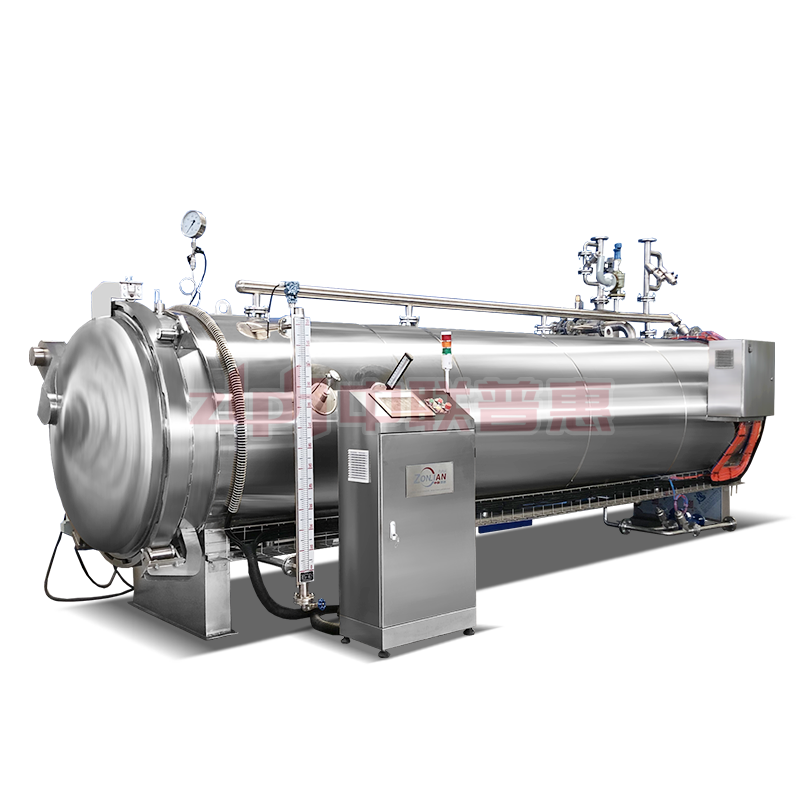
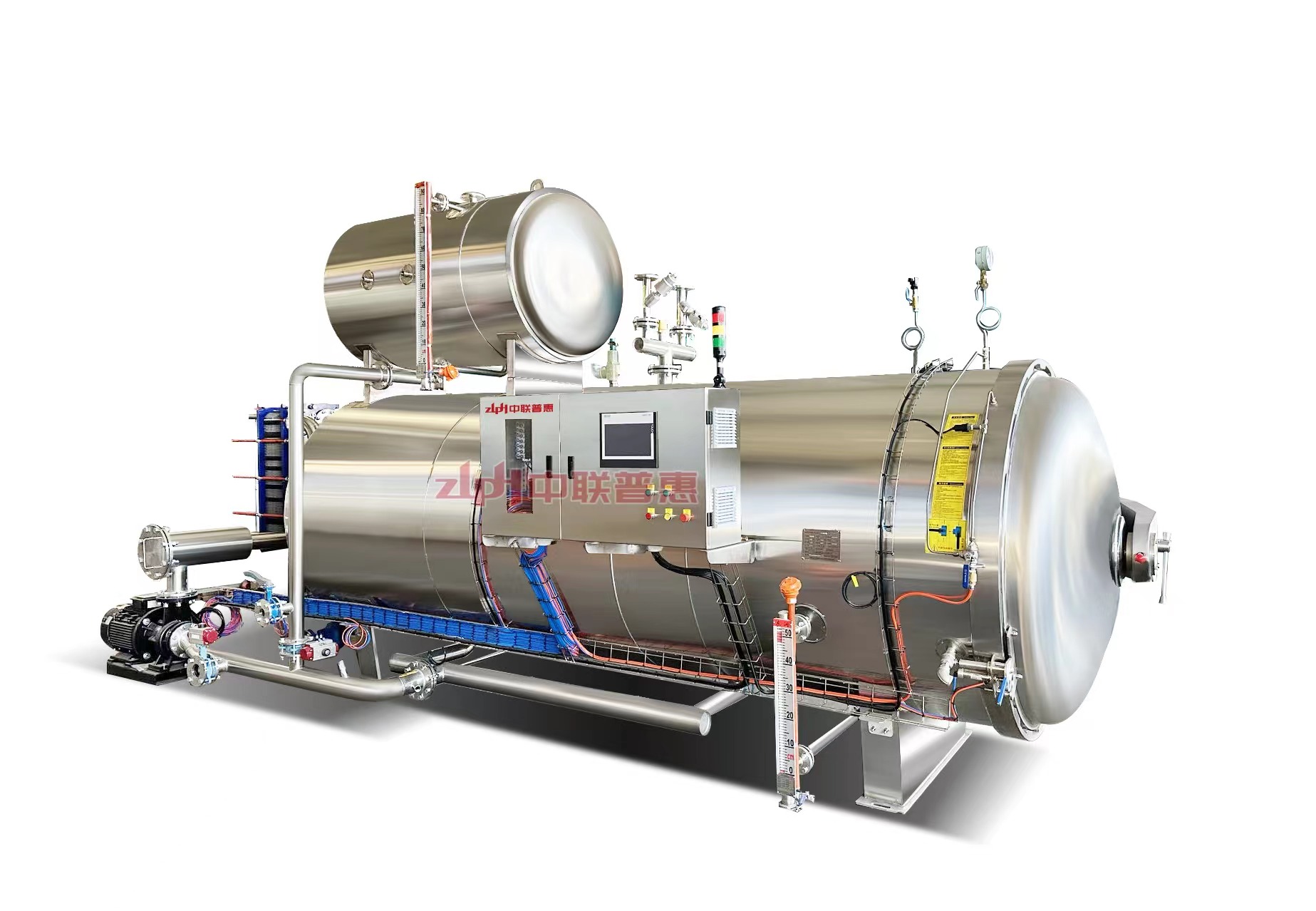
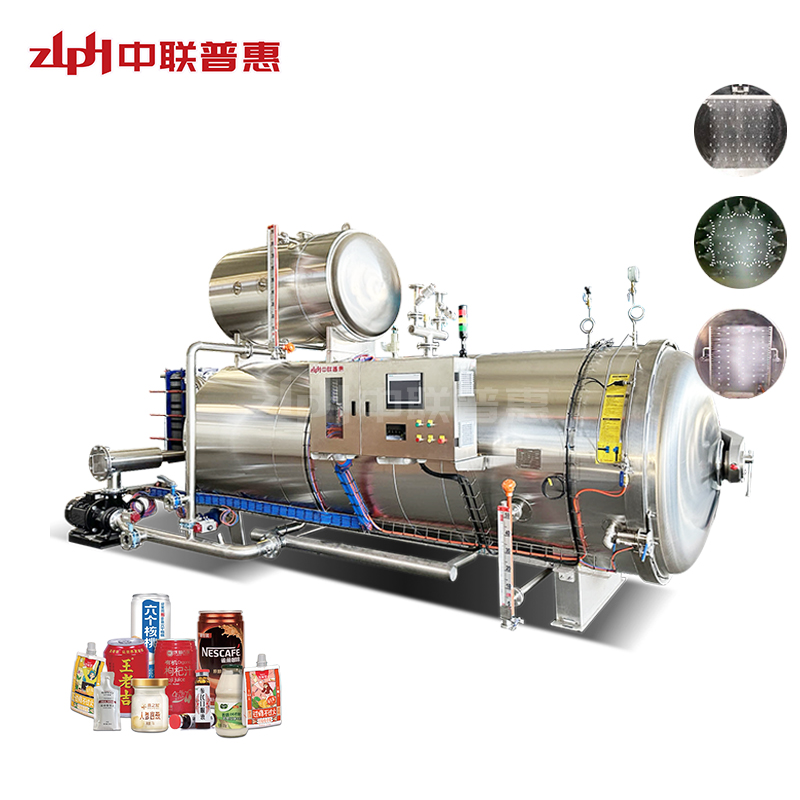
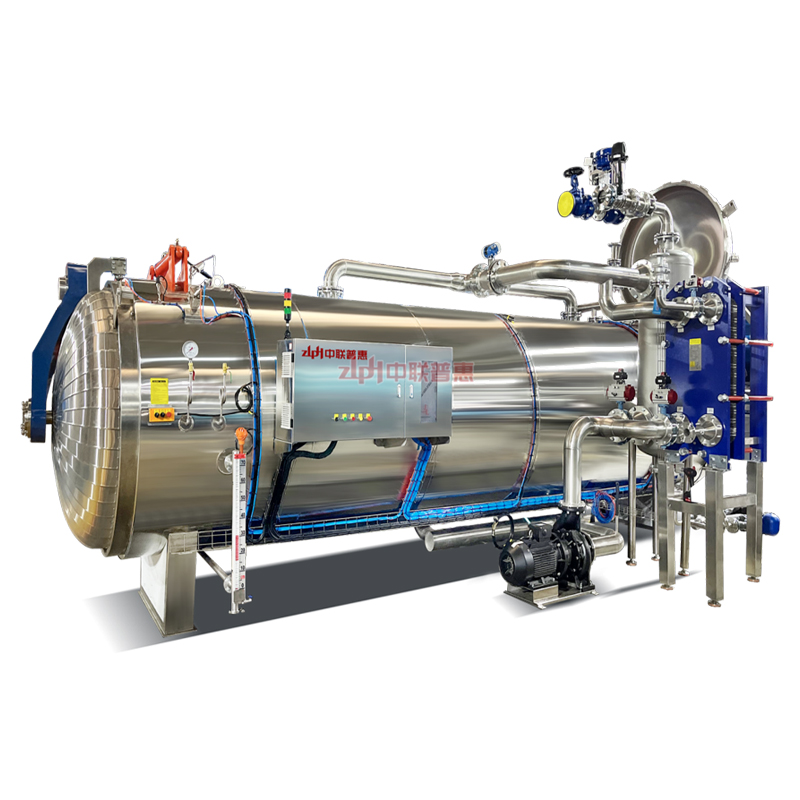
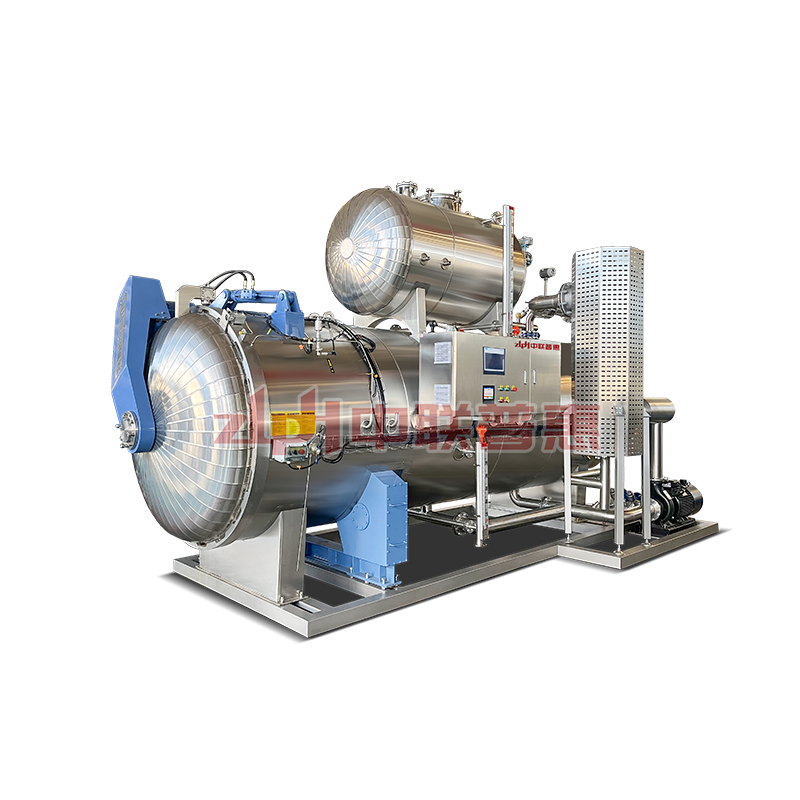
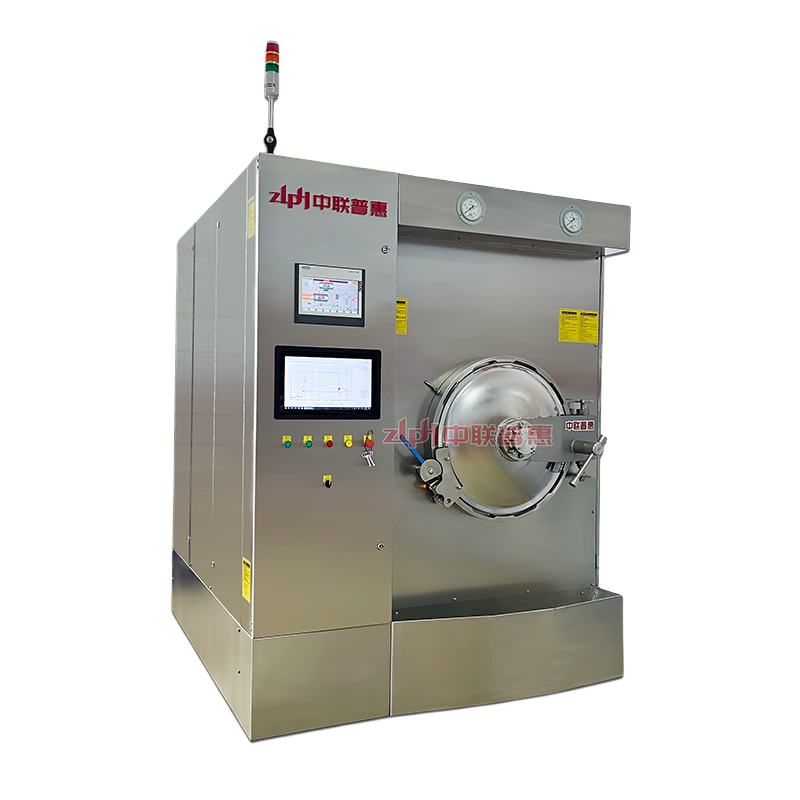
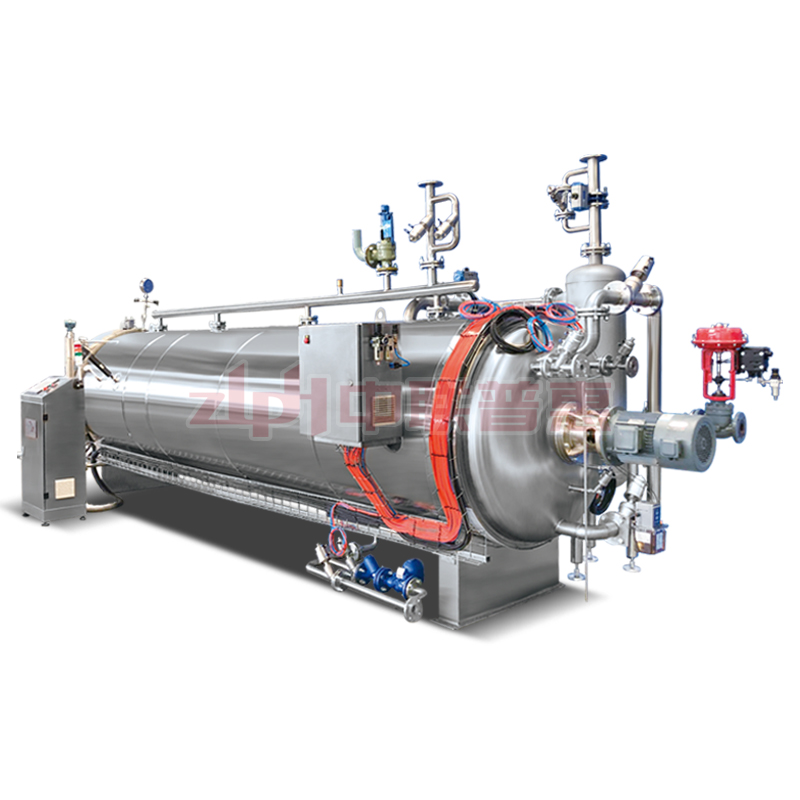
This guide is authored by a senior food processing automation engineer with over 10 years of field experience at ZLPH MACHINERY TECHNOLOGY CO., LTD., a leading provider of advanced sterilization solutions. It addresses a critical pain point faced by global food and pet food manufacturers: inconsistent sterilization outcomes when using water immersion retort autoclaves. This issue—manifesting as under-sterilized batches, texture degradation, or safety non-compliance—is primarily caused by uneven heat distribution, inadequate process control, and suboptimal equipment design. Drawing from 5,000+ global installations and rigorous validation across diverse product types (including canned meats, ready meals, and pet food bowls), we present a proven, actionable framework to achieve uniform, compliant, and efficient sterilization. In this guide, we dissect root causes by real-world scenario, deliver step-by-step remediation protocols, share hard-won best practices, and validate results with field data—all tailored to ensure your production meets both safety standards and throughput targets.

How to Fix Uneven Heat Distribution Causing Under-Sterilized Zones in Large-Batch Retorts?
1. Scenario & Pain Point
In high-volume canning facilities processing 10,000+ units per batch, operators often detect cold spots—particularly in the center or bottom layers—leading to failed microbial tests or product recalls. This inconsistency compromises food safety and triggers costly reprocessing or waste.

2. Root Cause Analysis
Three core factors drive this: (a) poor circulation design causing stagnant water zones; (b) insufficient spray nozzle coverage in water immersion systems; and (c) lack of real-time thermal mapping during cycles, preventing dynamic adjustment.

3. Step-by-Step Solution
Immediate Mitigation: Rotate tray positions between cycles and reduce batch density by 10–15% to improve flow.
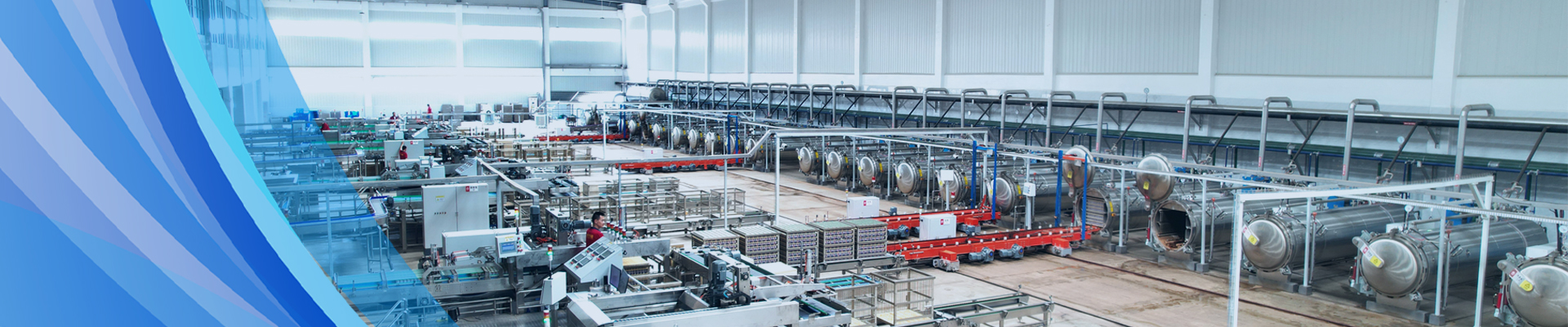
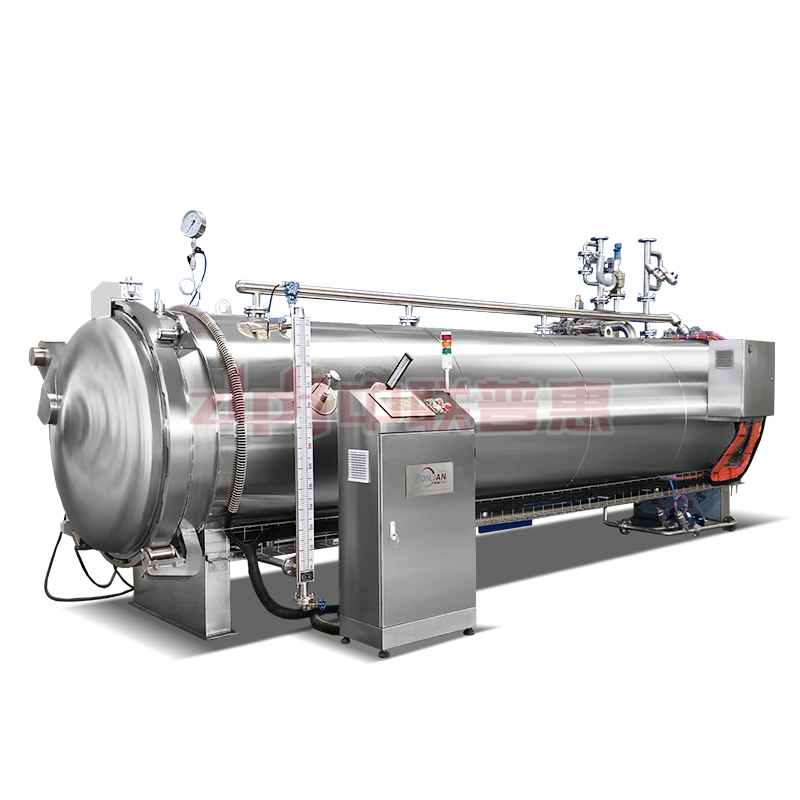
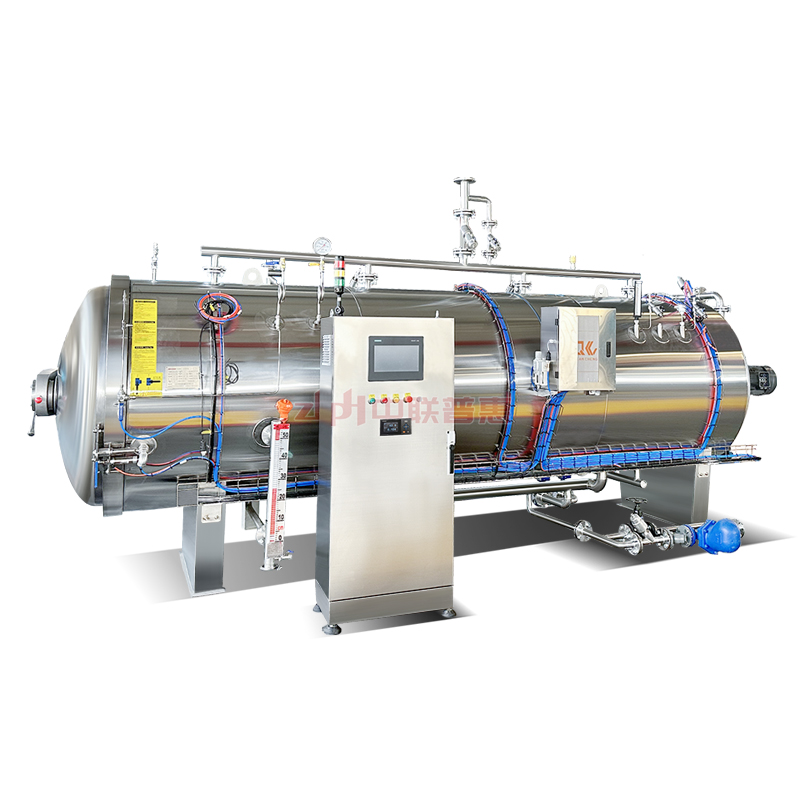
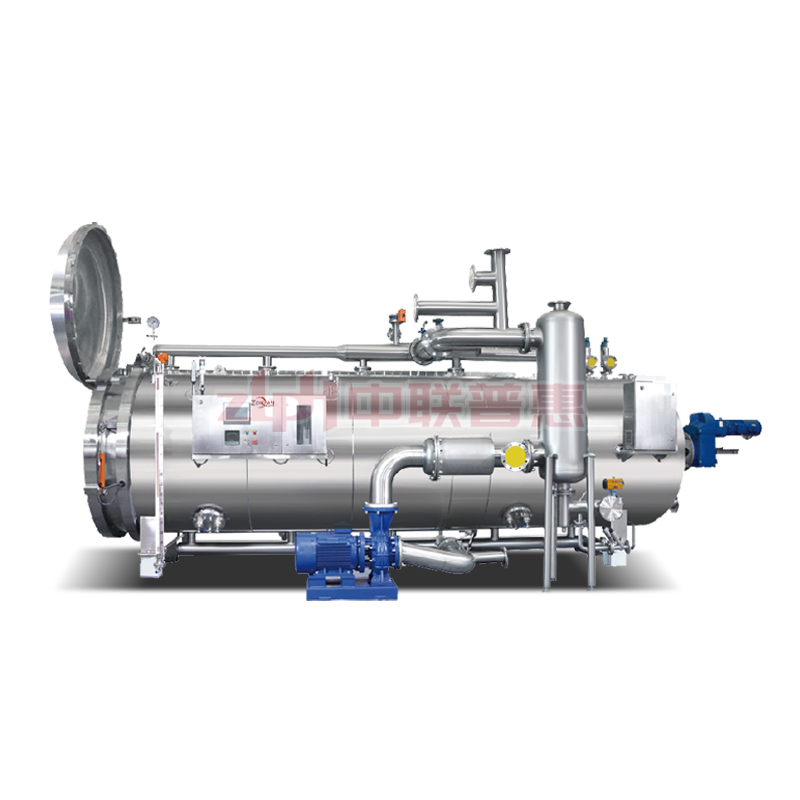
Long-Term Fix: Deploy retorts with multi-zone water spray systems and CFD-optimized circulation paths. ZLPH’s water immersion retorts integrate 360° nozzles and variable-frequency pumps to maintain ±0.5°C uniformity across all zones.
Process Calibration: Install wireless thermal dataloggers in representative locations during validation runs to map actual temperature profiles and fine-tune cycle parameters.

4. Troubleshooting & Prevention
Verify nozzle alignment and pressure weekly; clean filters after every 50 cycles. During FAT (Factory Acceptance Test), demand thermal uniformity reports—not just theoretical specs. Avoid retrofitting legacy tanks without hydraulic redesign.
5. Validation Results
At a Southeast Asian ready-meal plant, implementing ZLPH’s intelligent water spray retort reduced cold-spot incidents from 12% to 0.3% over six months, cutting waste by $220K annually while achieving 100% compliance with FDA and EU microbiological standards.
How to Prevent Product Texture Damage During High-Temperature Sterilization of Delicate Foods?
1. Scenario & Pain Point
Manufacturers of premium pet food or soft-textured vegetables (e.g., baby food) report mushiness, color loss, or container deformation due to aggressive heating/cooling ramps in conventional retorts.
2. Root Cause Analysis
Excessive thermal shock from rapid temperature changes and uncontrolled pressure differentials during cooling cause structural breakdown in sensitive matrices.
3. Step-by-Step Solution
Use retorts with programmable ramp-rate control (e.g., 1–3°C/min heating, 2–4°C/min cooling). ZLPH’s systems feature PID-controlled steam/water injection and back-pressure regulation to maintain ΔP < 0.5 bar during transitions. For bowl-packed pet food, pair with automated loader-unloader systems to minimize handling stress.
4. Troubleshooting & Prevention
Always conduct pilot runs with texture analyzers. Never exceed 121°C for >20 minutes on delicate items without pre-validation. Ensure cooling water is deaerated to prevent oxidation.
5. Validation Results A European pet food brand using ZLPH’s automated bowl sterilization line maintained 95% texture integrity (vs. 70% with legacy systems) while scaling output by 40%, validated via third-party sensory panels.
Industry Best Practices: 5-Step Framework for Reliable Retort Operations
Based on 6+ years of global deployments, we recommend this universal protocol:
- Define Worst-Case Conditions: Validate cycles using coldest product, fullest load, and lowest steam pressure.
- Standardize Loading Patterns: Use fixed tray configurations with documented spacing—never overload.
- Implement Real-Time Monitoring: Track T/P curves per batch with cloud-connected controllers for audit trails.
- Schedule Preventive Maintenance: Inspect gaskets, valves, and sensors monthly; recalibrate annually.
- Partner with Expert Suppliers: Choose vendors offering on-site process validation support—not just hardware.
Frequently Asked Questions (FAQ)
Q: Can standard retorts handle both metal cans and plastic bowls?
A: Only if designed for multi-container compatibility. ZLPH’s systems use adaptive pressure curves and interchangeable trays to safely process glass, PP bowls, and tinplate in the same unit.
Q: What certifications are required for EU food sterilization equipment?
A: CE marking under Machinery Directive 2006/42/EC, plus compliance with EN 13445 for pressure vessels and FDA 21 CFR Part 113 for thermal processes.
Q: How often should thermal validation be repeated?
A: Annually, or after any process change (product, container, recipe). Use biological indicators (e.g., Geobacillus stearothermophilus) for lethality confirmation.
Q: Is top-opening design better than side-opening for hygiene?
A: Yes—top-opening minimizes floor contamination risk and simplifies CIP cleaning. ZLPH’s intelligent top-door models reduce loading time by 30% while meeting EHEDG hygiene standards.
Our Expertise & Support
ZLPH MACHINERY TECHNOLOGY CO., LTD. is a globally recognized sterilization solutions provider since 2018, backed by a 40-member engineering team including 21 mechanical designers, 4 sterilization process experts, and 14 after-sales engineers with 10+ years’ industry experience. Our 50-acre smart factory houses 15,000㎡ of precision workshops equipped with CNC machining centers ensuring ±0.1mm component accuracy. We’ve delivered 5,000+ retort systems across 60+ countries, serving Fortune 500 food giants and emerging pet food brands alike—with zero major safety recalls attributed to equipment failure.
Custom Solution Services Include:
- On-site thermal process assessment & F0 calculation
- Container-specific cycle development
- Integration with existing MES/SCADA systems
- Free pilot testing with your product samples
Contact Us
Company: ZLPH MACHINERY TECHNOLOGY CO., LTD.
Website: https://www.zlphretort.com/
Email: sales@zlphretort.com
Phone / WhatsApp: +86 15666798389 / +86 13361554016
