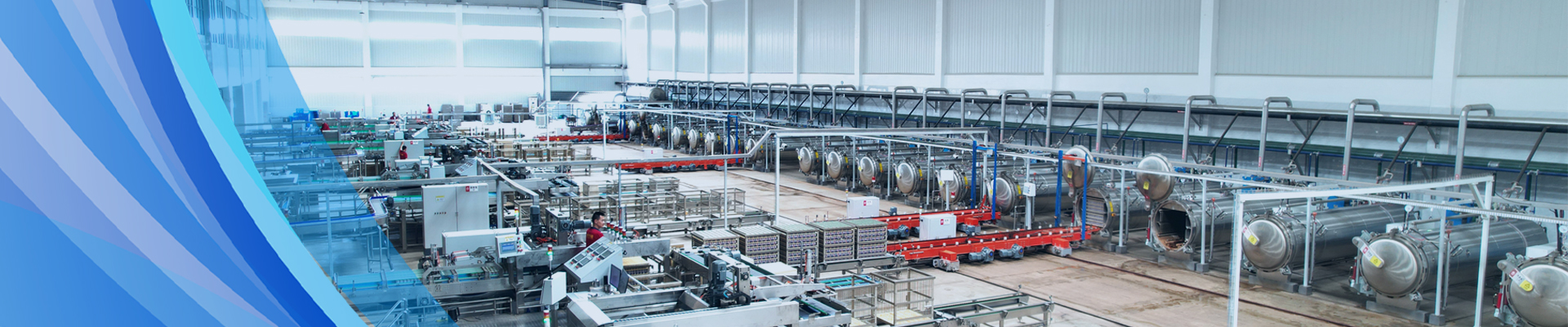

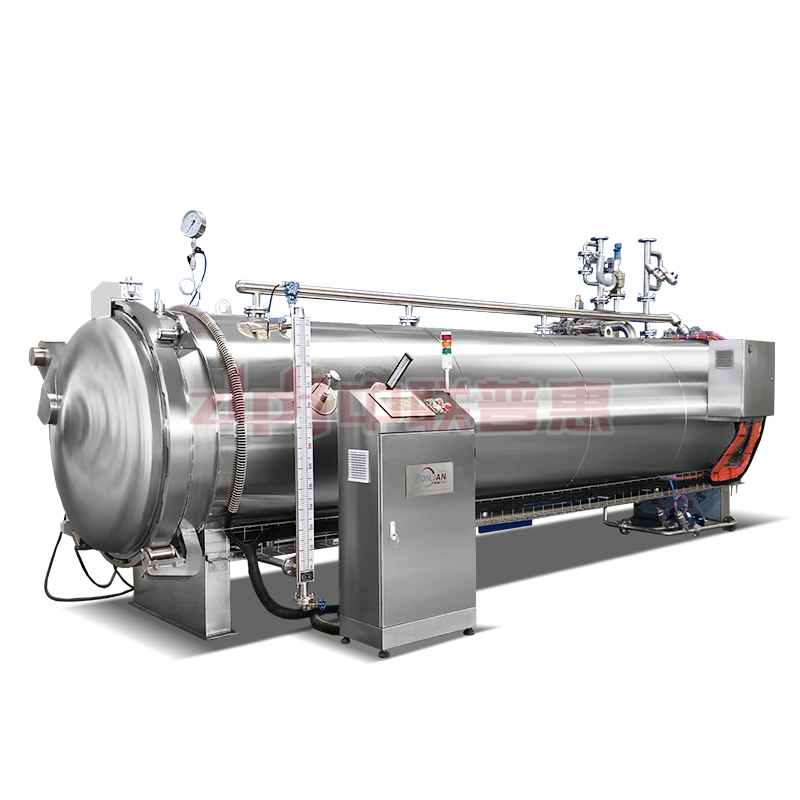
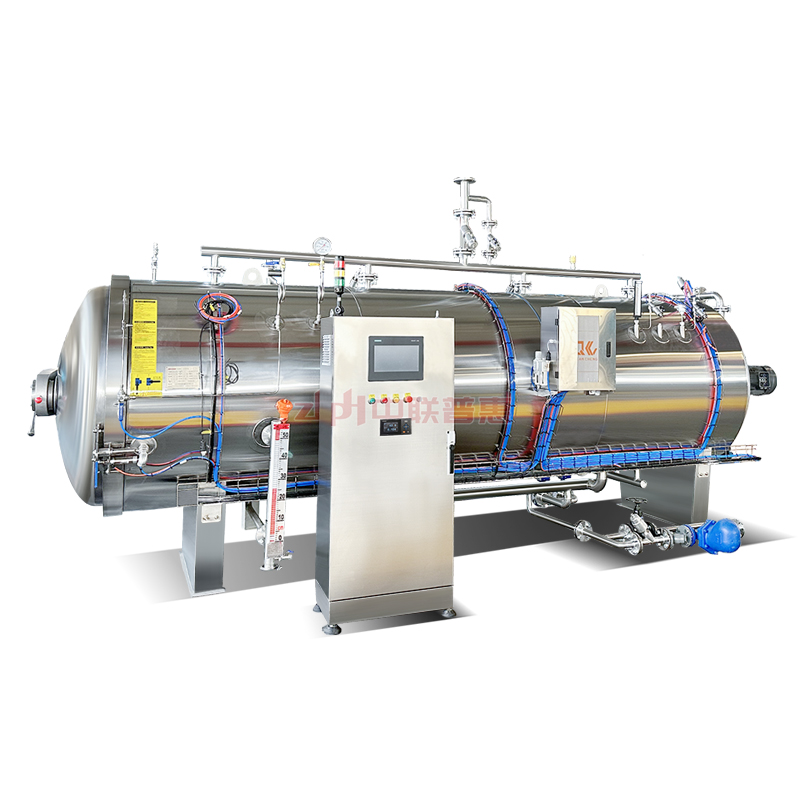
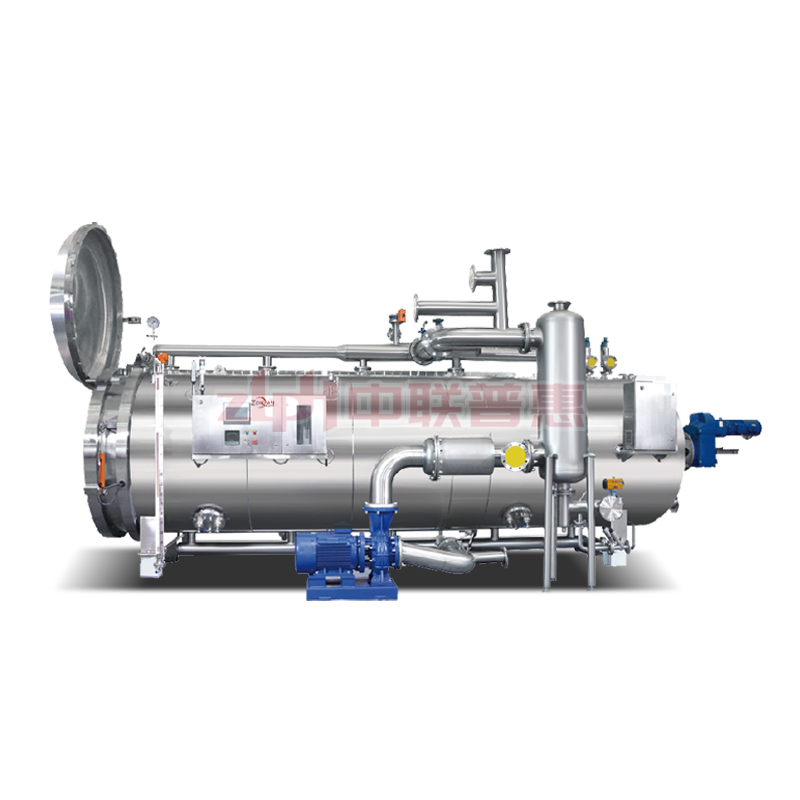
This guide is authored by a senior food processing engineer with over 10 years of experience at ZLPH MACHINERY TECHNOLOGY CO., LTD., a leading provider of industrial sterilization solutions. It addresses a critical challenge faced by global food and pet food manufacturers: inconsistent or uneven sterilization results in water immersion retort autoclaves. This issue often stems from poor temperature distribution, inadequate water circulation, or suboptimal loading practices—leading to product safety risks, batch rejections, and compliance failures. Based on more than 5,000 global installations and field validations across meat, seafood, ready meals, and pet food sectors, we present a proven, step-by-step methodology to achieve uniform thermal processing, ensure microbial lethality, and maintain product quality. In this guide, you’ll learn how to diagnose root causes, implement corrective actions, avoid common pitfalls, and validate performance using real-world data from our deployments.

How to Achieve Uniform Temperature Distribution in a Water Immersion Retort During Large-Batch Processing?
1. Scenario & Pain Point
In high-volume canning facilities producing shelf-stable pet food or ready-to-eat meals, operators frequently observe cold spots in the retort chamber—especially in bottom or corner zones—resulting in under-processed products that fail microbial tests. This inconsistency increases spoilage risk, triggers regulatory non-compliance (e.g., FDA or EU food safety audits), and forces costly batch recalls.

2. Root Cause Analysis
Three primary factors contribute to uneven heating:
- Inadequate water circulation: Poor pump design or clogged nozzles reduce flow velocity, preventing thermal equilibrium.
- Improper basket loading: Overpacking or irregular stacking blocks water pathways, creating thermal shadows.
- Lack of real-time monitoring: Without multi-point temperature sensors, operators cannot detect spatial variations during the cycle.

3. Step-by-Step Solution
Immediate Adjustments:
- Reorganize retort trays with standardized spacing (minimum 2 cm between layers) to ensure unobstructed water flow.
- Clean spray nozzles and verify pump pressure before each shift.
Long-Term Fix:
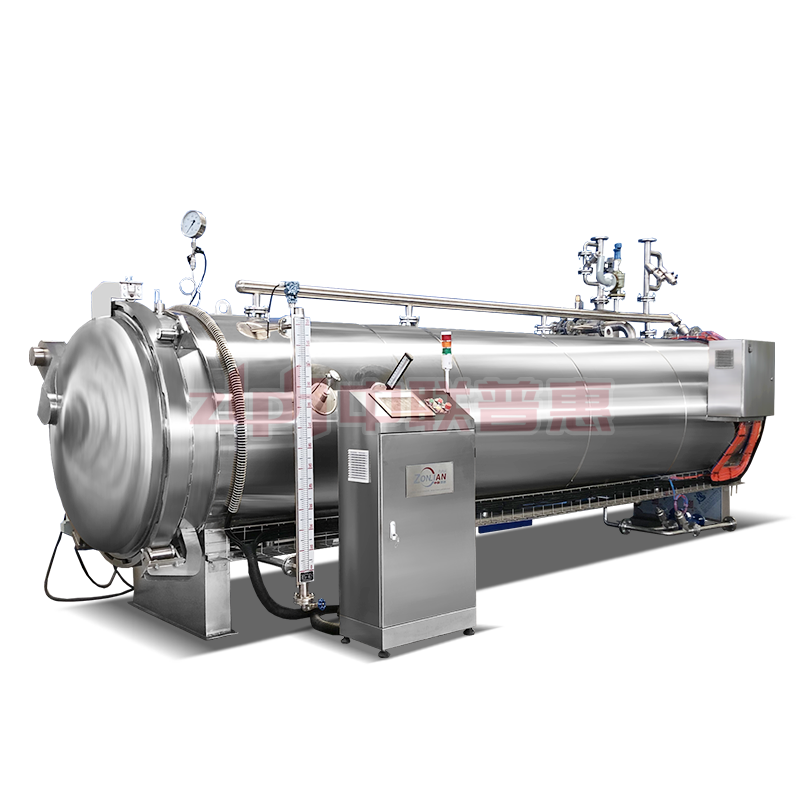
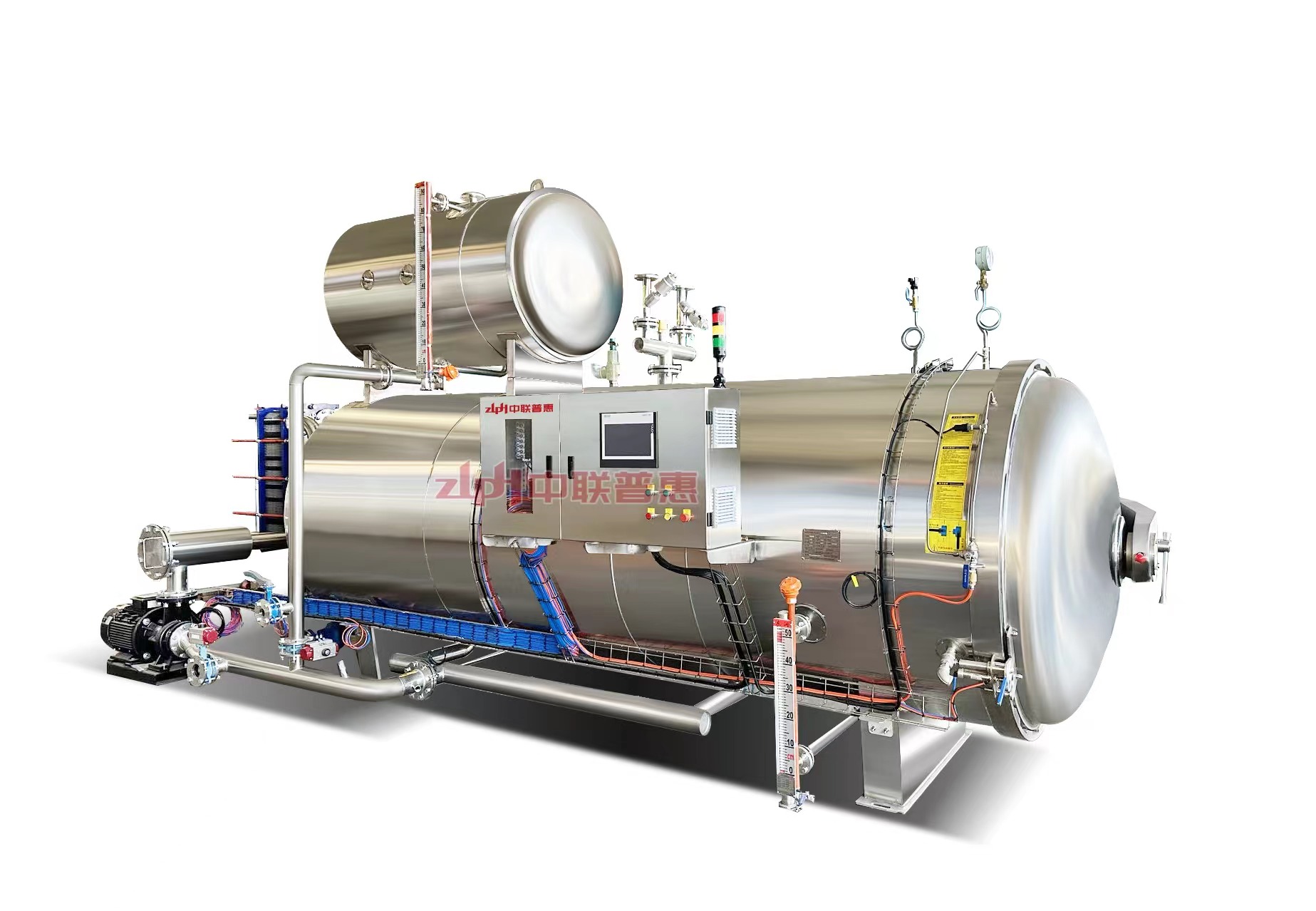
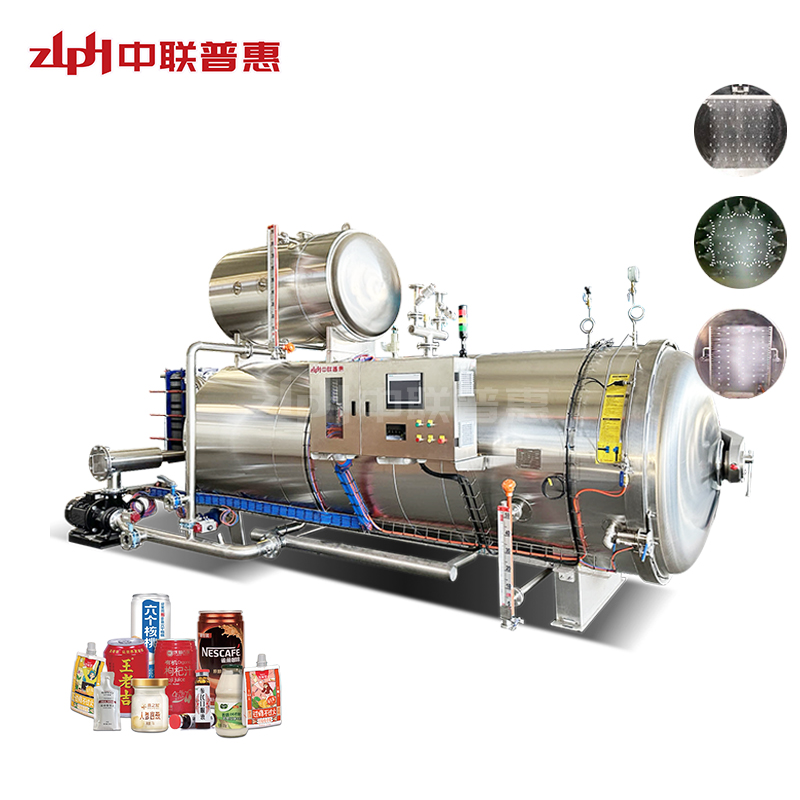
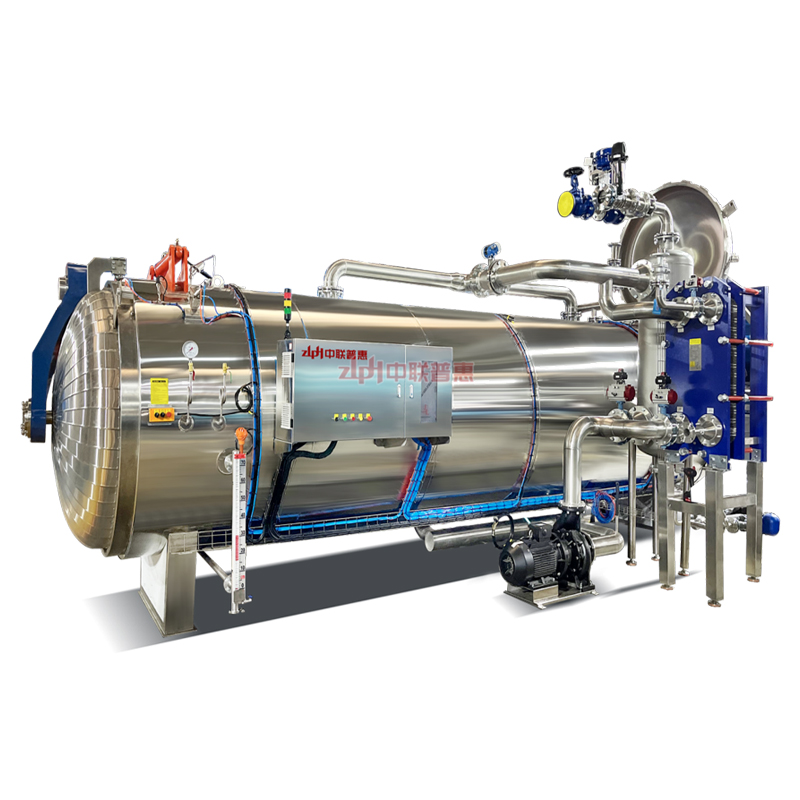
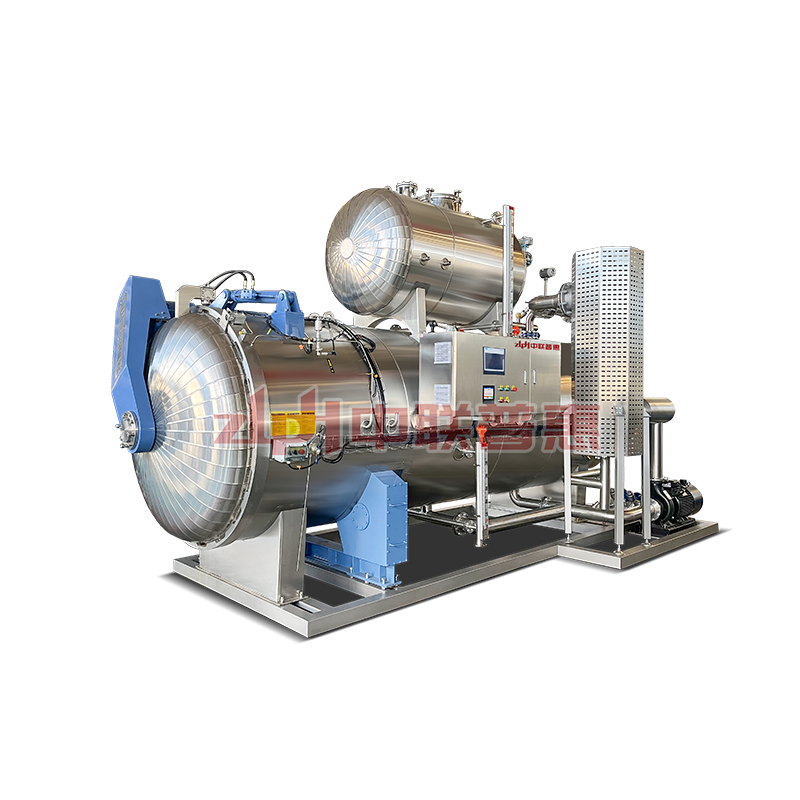
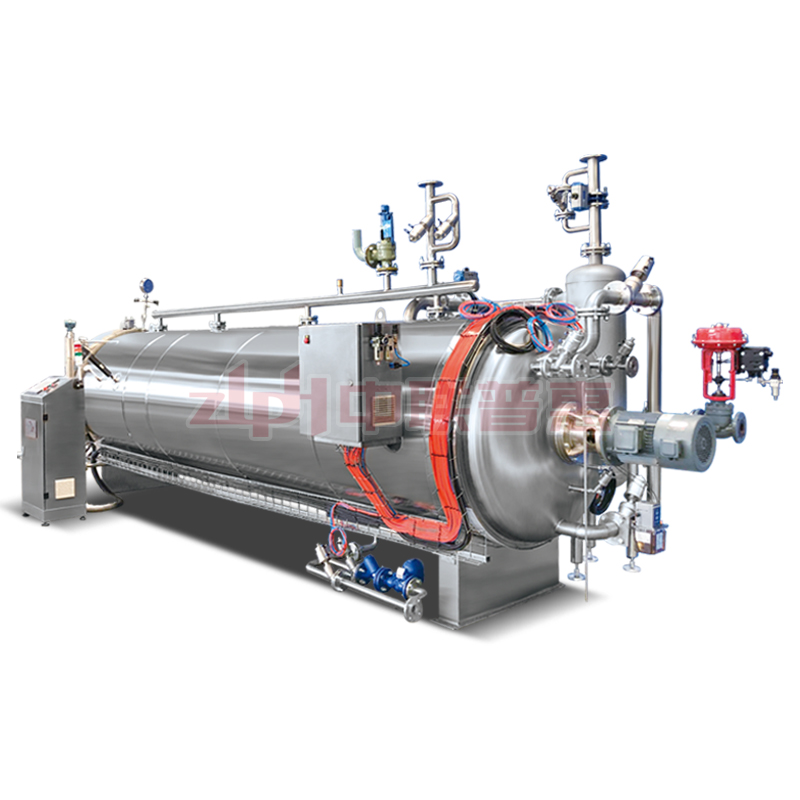
- Deploy an intelligent water immersion retort with a high-efficiency circulation system and top-mounted door for faster loading/unloading. Our systems use dual-directional water jets and variable-frequency pumps to maintain ±0.5°C uniformity across the chamber.
Process Optimization:
- Install wireless temperature dataloggers at multiple points (top, center, bottom) to map thermal profiles per batch.
- Use validated come-up time (CUT) and hold-time protocols based on product viscosity and container size.

4. Troubleshooting & Prevention Guide
- Conduct a heat distribution study during validation using 12+ temperature probes.
- Avoid mixing container types (e.g., glass + metal) in the same batch—they absorb heat differently.
- Never exceed 85% chamber fill capacity; overloading disrupts hydrodynamics.
- Choose equipment with CE-certified pressure vessels and automated control logs for audit readiness.
5. Real-World Validation
At a major pet food producer in Southeast Asia, implementing our water immersion retort with optimized loading and circulation reduced cold-spot incidents by 96%. Post-process F0 values consistently exceeded 6.0 across all containers, meeting AAFCO and EU standards. Batch rejection rates dropped from 4.2% to 0.15% within three months.
How to Prevent Product Damage During Automated Loading/Unloading in Retort Systems?
1. Scenario & Pain Point
Automated tray handling in retort lines often causes dented cans, broken seals, or misaligned lids—especially with lightweight aluminum or plastic containers. This leads to leakage during sterilization, compromising sterility and causing line stoppages.
2. Root Cause Analysis
- Rigid gripper mechanisms applying excessive force.
- Lack of vision-guided alignment in loader/unloader arms.
- Vibration during transfer due to unbalanced motion profiles.
3. Step-by-Step Solution
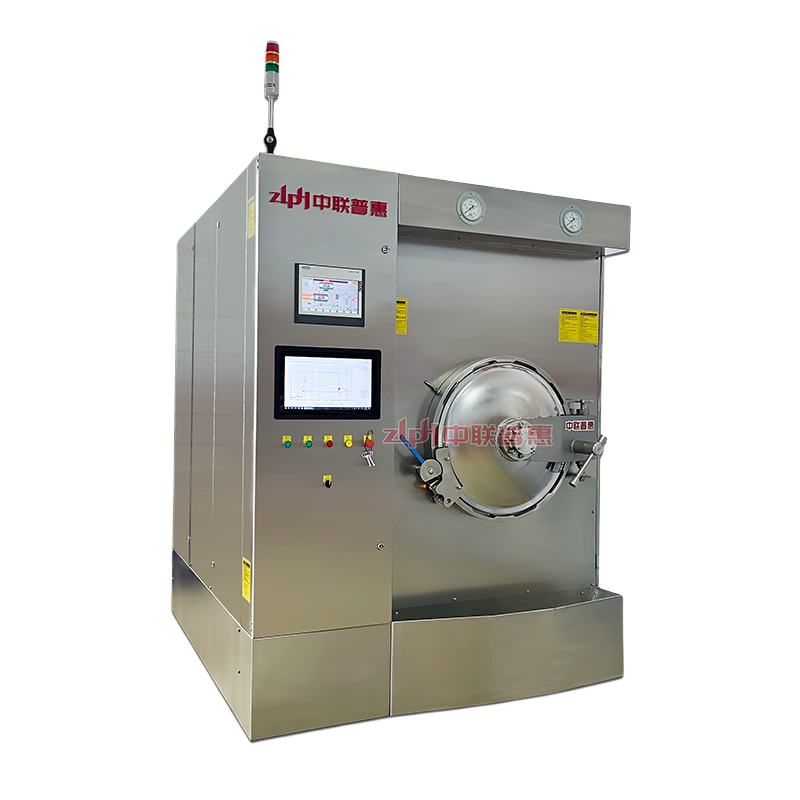
Our retort tray loader/unloader system features servo-controlled soft-grip end effectors with real-time force feedback, reducing physical stress on containers by 70%. Integrated camera alignment ensures precise placement, while anti-vibration rails minimize shock during movement.
4. Best Practices
- Use nest trays designed for specific container geometries.
- Schedule weekly calibration of robotic arms.
- Monitor container integrity post-unloading via inline vision inspection.
5. Outcome
A European ready-meal manufacturer reported zero container damage after switching to our automated system, increasing OEE (Overall Equipment Effectiveness) by 18%.
Industry Best Practices for Water Immersion Retort Operations
Based on 6+ years of global project deployment, we recommend this 5-step framework:
1. Define Worst-Case Conditions
Validate your process using the largest container, densest product, and coldest initial temperature.
2. Standardize Loading Protocols
Use color-coded trays and digital work instructions to eliminate human error.
3. Implement Real-Time Monitoring
Track temperature, pressure, and water flow rate continuously; store data for traceability.
4. Conduct Quarterly Heat Distribution Studies
Re-validate after any equipment modification or product change.
5. Partner with a Full-Service Supplier
Choose vendors offering installation, training, spare parts, and remote diagnostics.
Frequently Asked Questions (FAQ)
Q: Can I use the same retort for both glass jars and metal cans?
A: Only if the retort supports programmable pressure ramping. Glass requires slower pressurization to prevent breakage; our systems offer container-specific profiles.
Q: What certifications should a water immersion retort have for EU markets?
A: CE marking under PED 2014/68/EU, ISO 9001 quality management, and compliance with EN 285 for steam sterilizers.
Q: How often should I clean the water circulation system?
A: Weekly descaling if using hard water; install inline filters and conductivity sensors to automate maintenance alerts.
Q: Does altitude affect retort performance?
A: Yes—higher altitudes lower boiling points. Our intelligent control system auto-adjusts temperature setpoints based on barometric pressure input.
About Our Expertise & Support
ZLPH MACHINERY TECHNOLOGY CO., LTD. is a globally recognized sterilization solutions provider founded in 2018. Our team includes 21 mechanical and PLC engineers, 4 sterilization process specialists, and 14 after-sales technicians—all with 10+ years in the industry. We operate a 15,000 m² modern factory with advanced CNC and welding equipment, ensuring precision manufacturing of pressure vessels. Our water immersion retorts are deployed in over 30 countries, serving clients in pet food, seafood, and ready-meal sectors—including Fortune 500 brands.
We offer customized support including:
- On-site thermal process validation
- Container-specific cycle development
- Remote troubleshooting via IoT-enabled controllers
- Free sample testing at our Qingdao demo center
Contact Us
Company: ZLPH MACHINERY TECHNOLOGY CO., LTD.
Website: https://www.zlphretort.com/
Email: sales@zlphretort.com
Phone / WhatsApp: +86 15666798389 / +86 13361554016
