
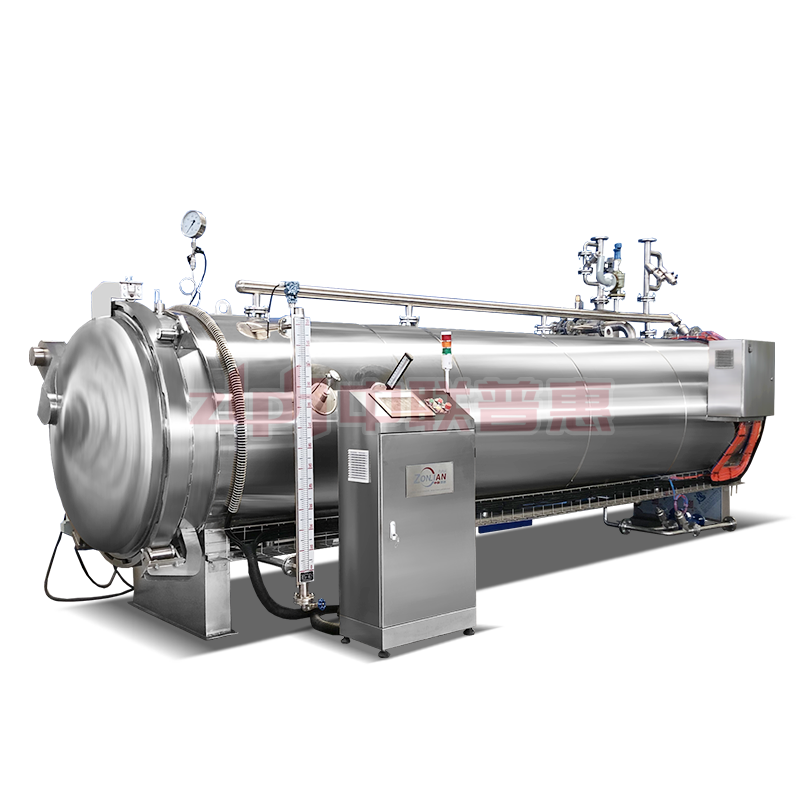
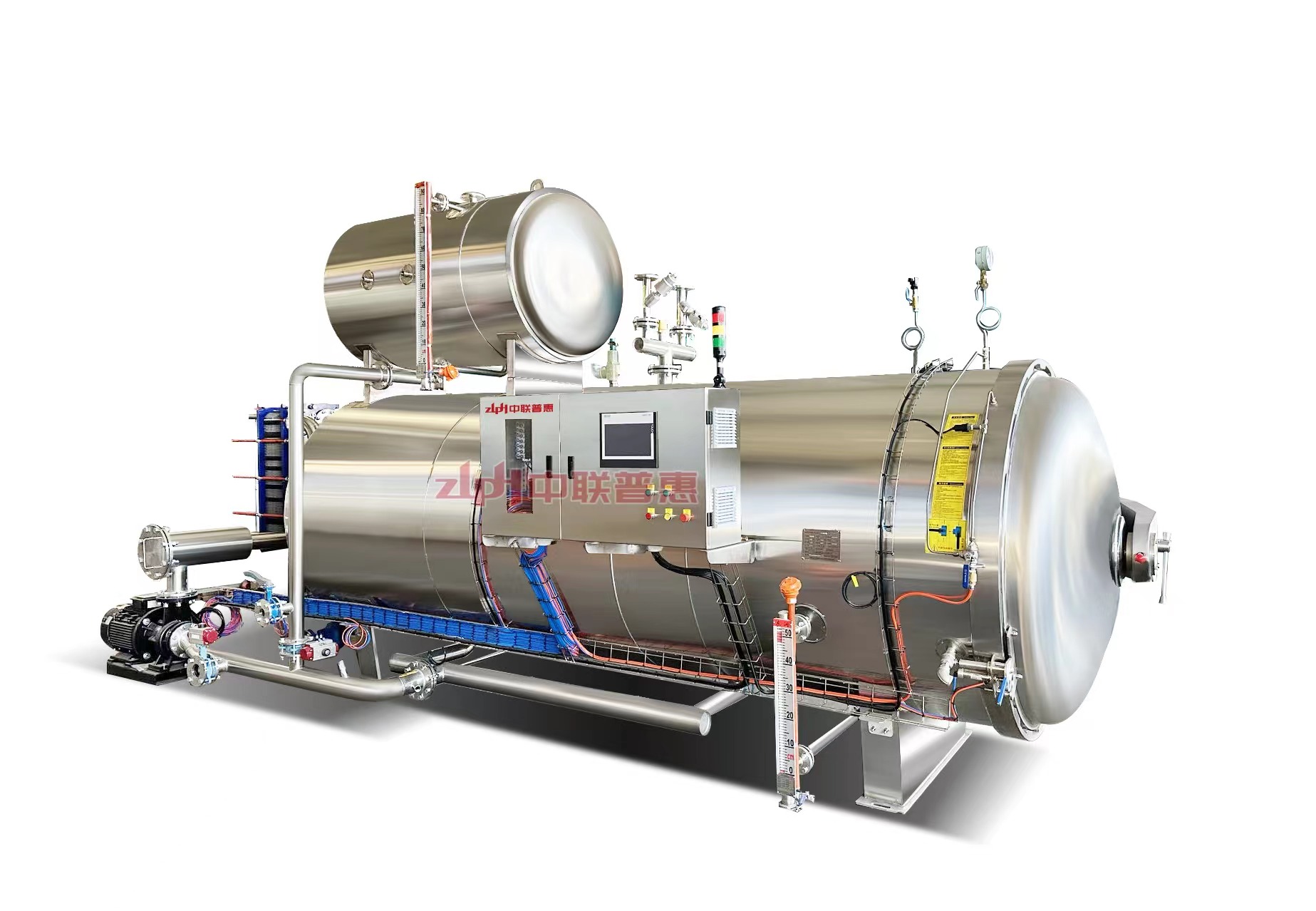
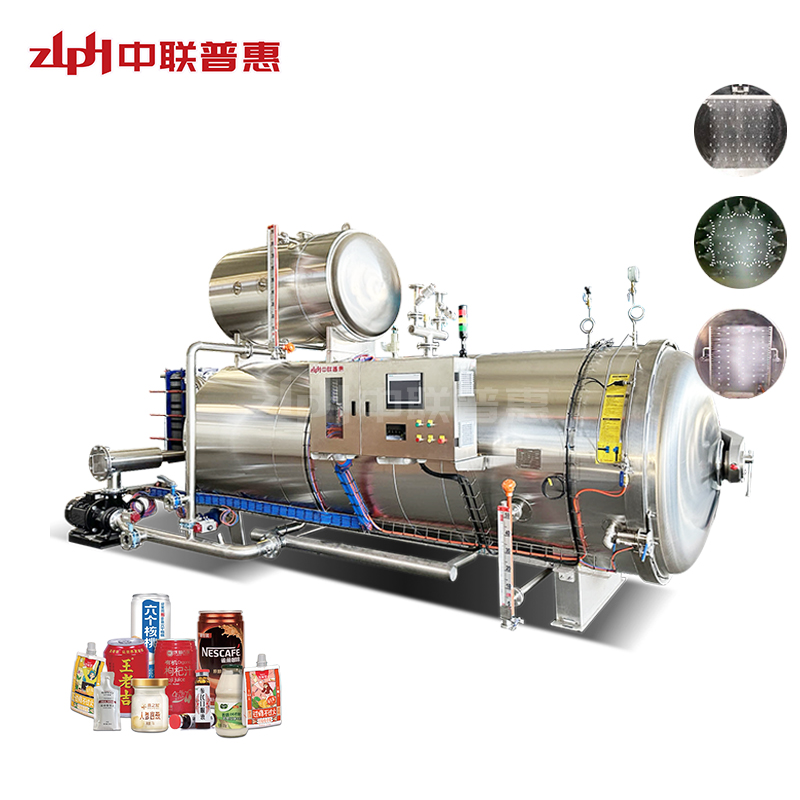
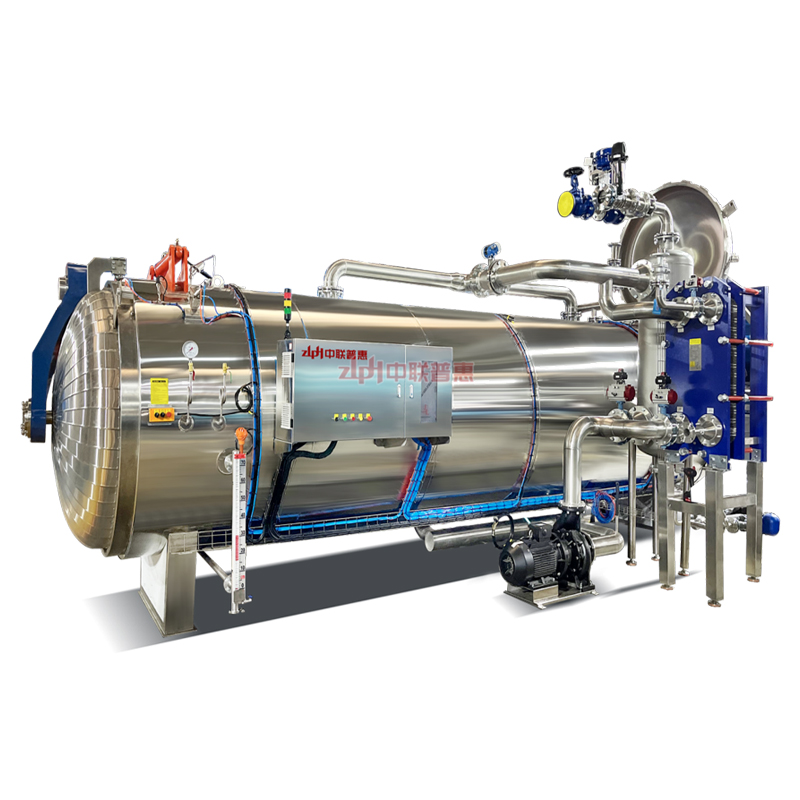
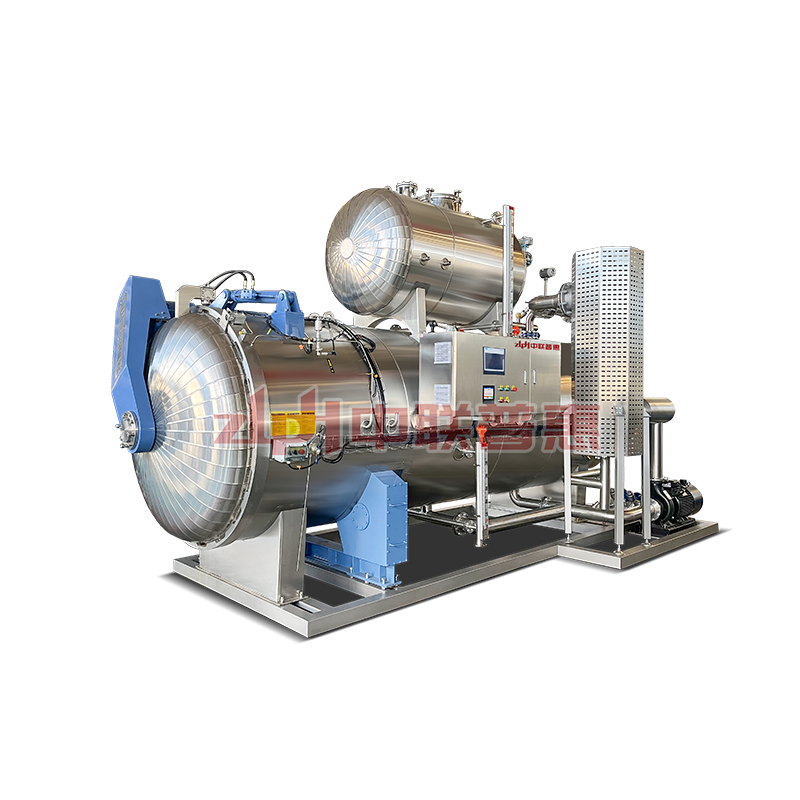
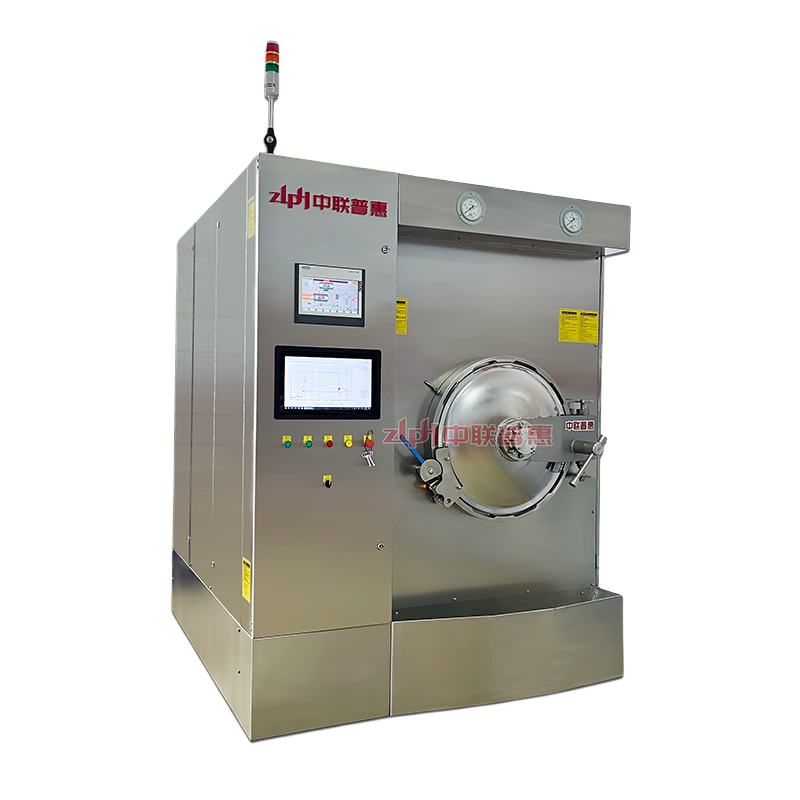
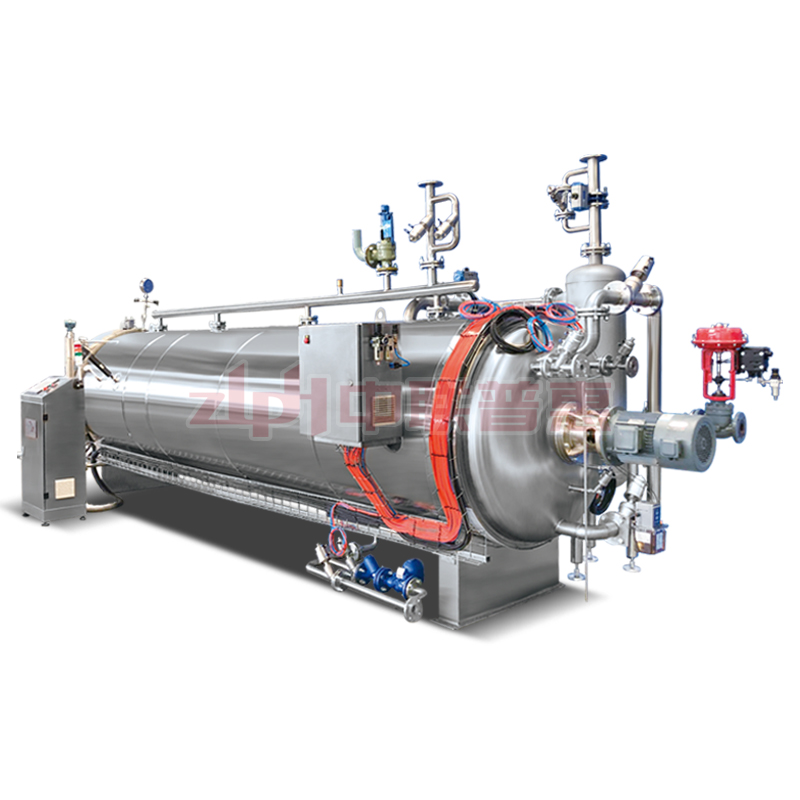
This guide is authored by a senior food processing engineer with over 10 years of experience at ZLPH MACHINERY TECHNOLOGY CO., LTD., a globally recognized provider of advanced sterilization solutions. It addresses a critical pain point faced by food manufacturers, R&D labs, and pilot plant operators worldwide: selecting the right pilot retort autoclave that balances precision, safety, scalability, and compliance. The challenge stems from three core issues: inconsistent thermal distribution during small-batch trials, lack of automation leading to human error, and difficulty replicating full-scale production conditions in lab settings. Drawing on more than 5,000 global installations and extensive validation across meat, seafood, canned vegetables, and ready-to-eat meal sectors, we present a proven, actionable framework to ensure your pilot sterilization process delivers reliable, scalable, and audit-ready results. This guide breaks down real-world scenarios, root causes, step-by-step fixes, and industry best practices—so you can eliminate trial-and-error and accelerate product development with confidence.

How do I ensure consistent sterilization results in small-batch pilot runs?
1. Scenario & Pain Point
In R&D facilities and pilot plants, inconsistent F0 (sterilization value) across batches is a recurring issue. Operators often observe under-processing in some containers and overcooking in others—even within the same load—leading to failed shelf-life tests, wasted ingredients, and delayed product launches.

2. Root Cause Analysis
This inconsistency primarily arises from: (a) poor water spray distribution causing cold spots; (b) manual loading patterns that disrupt thermal uniformity; and (c) absence of real-time temperature/pressure monitoring per container position.

3. Step-by-Step Solution
Implement a water spray sterilization system with multi-zone nozzles calibrated for even coverage. Use an automated tray loader/unloader to standardize basket placement. Integrate wireless temperature dataloggers in multiple container positions during validation runs to map thermal profiles.

4. Pitfall Avoidance Guide
Never rely solely on chamber temperature; always validate with product-centered probes. Avoid stacking containers unevenly. Conduct thermal mapping per ASTM F2837 or EN 13409 standards before scaling up.
5. Verified Results
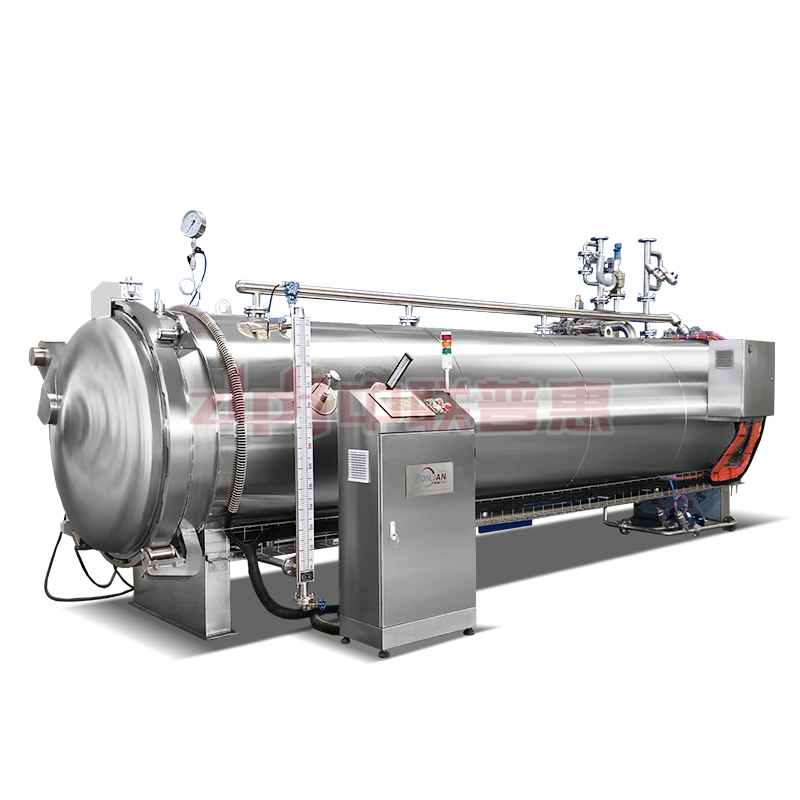
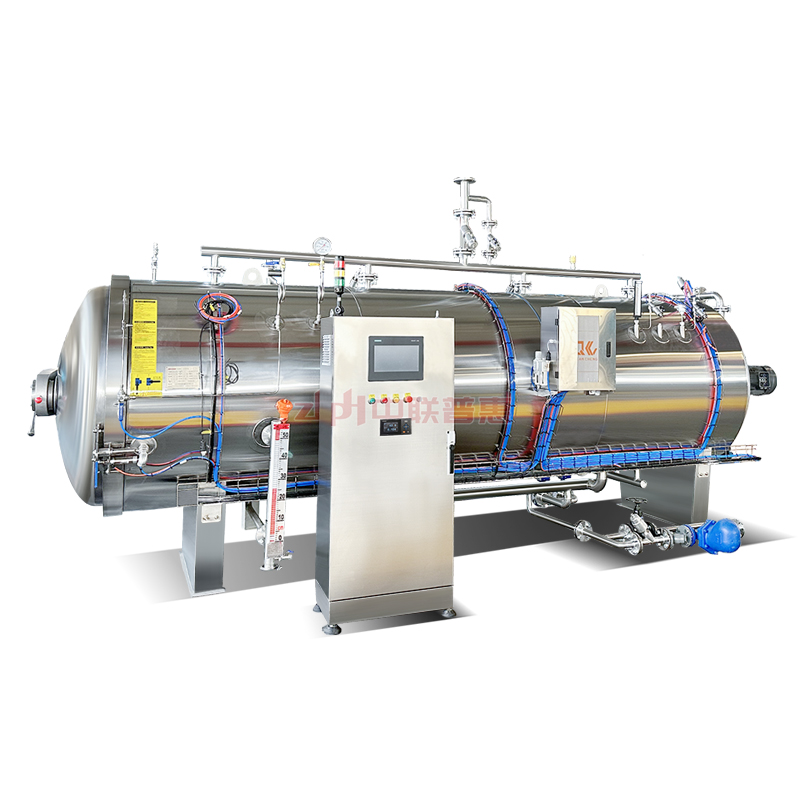
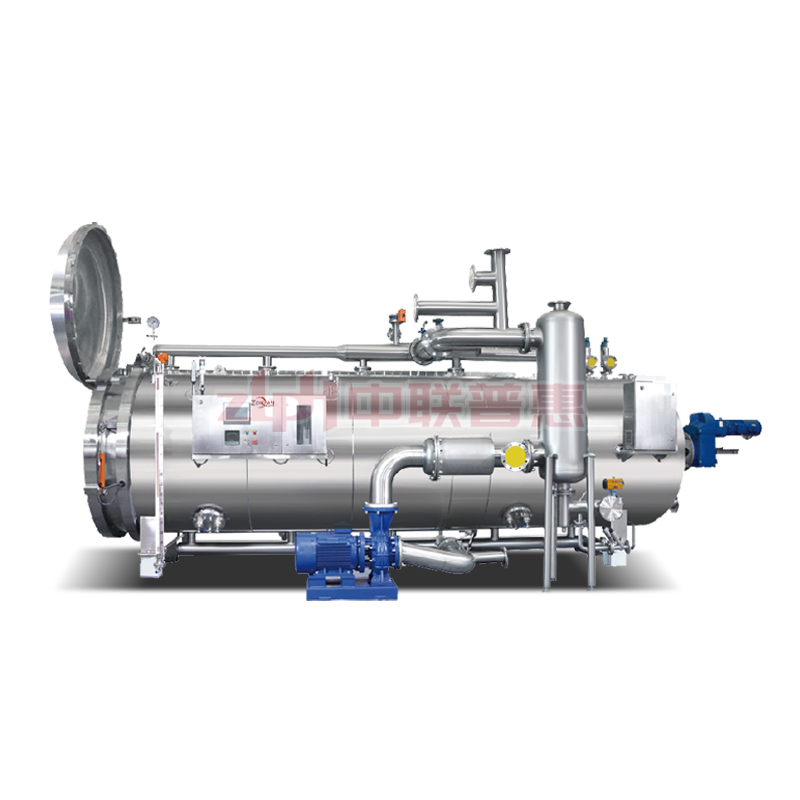
Clients using ZLPH’s intelligent top-opening water spray retort achieved ±0.5°C temperature uniformity across 24-container pilot batches, reducing validation cycle time by 40% and ensuring seamless scale-up to commercial lines.
How can I replicate full-scale retort conditions in a pilot autoclave?
1. Scenario & Pain Point
Many pilot systems fail to mimic commercial retort dynamics—especially pressure ramp rates, cooling speed, and agitation—causing discrepancies when moving from lab to production.
2. Root Cause Analysis
Most benchtop autoclaves use simple steam-air mixes without precise control over come-up time (CUT), hold time, or cooling phase, violating FDA 21 CFR Part 113 thermal processing requirements.
3. Step-by-Step Solution
Select a pilot retort with programmable logic control (PLC) that allows independent adjustment of heating, holding, and cooling phases. Ensure it supports water immersion, steam-air, and water spray modes. Validate using the same lethality calculation methods (e.g., General Method or Stumbo’s procedures) as your production line.
4. Pitfall Avoidance Guide
Avoid “one-size-fits-all” sterilization cycles. Always document cycle parameters digitally for regulatory audits. Confirm the pilot unit’s pressure rating matches your commercial process (typically 3–4 bar).
5. Verified Results ZLPH’s pilot retorts, equipped with real-time F0 monitoring and PID-controlled cooling, have enabled clients to achieve 98% correlation between pilot and production lethality values, cutting scale-up failures by over 90%.
What certifications should a pilot retort autoclave have for global compliance?
1. Scenario & Pain Point
Export-oriented food companies face rejections due to non-compliant equipment lacking CE, ASME, or PED certification.
2. Root Cause Analysis
Many low-cost suppliers omit pressure vessel certification, risking safety and failing EU/US import inspections.
3. Step-by-Step Solution
Verify the autoclave is built to ASME Section VIII Div. 1 or PED 2014/68/EU standards. Ensure electrical components carry CE or UL marks. Request third-party inspection reports.
4. Pitfall Avoidance Guide
Never accept “CE self-declaration” without notified body involvement for pressure equipment. Confirm material traceability (e.g., 304/316 stainless steel with mill certificates).
5. Verified Results
ZLPH units are fully compliant with CE, ISO 9001, and ASME standards, enabling smooth customs clearance in EU, North America, and GCC markets.
Industry Best Practices for Pilot Retort Operations
Based on 7+ years of global deployments, we recommend this 5-step framework:
- Define worst-case conditions: Test at maximum fill volume, lowest thermal conductivity product, and coldest ambient start.
- Automate loading: Use mechanical loaders to eliminate human variability in basket placement.
- Validate thermally: Perform heat distribution and heat penetration studies per regulatory guidelines.
- Digitize records: Use PLCs with audit trails compliant with 21 CFR Part 11.
- Maintain proactively: Schedule quarterly seal, sensor, and nozzle inspections.
Frequently Asked Questions (FAQ)
Q: Can a lab autoclave be used for low-acid canned food (LACF) validation?
A: Only if it meets FDA thermal processing requirements—including precise F0 control, pressure-rated construction, and validated cold-spot monitoring. Standard lab autoclaves typically lack these features.
Q: What’s the minimum batch size for meaningful pilot data?
A: At least 12–24 containers arranged in a representative pattern. Smaller batches risk unrepresentative heat transfer dynamics.
Q: How often should I recalibrate temperature sensors?
A: Every 6 months or after 500 cycles—whichever comes first—per ISO/IEC 17025 guidelines.
Q: Does ZLPH offer pilot retorts with data export for regulatory submissions?
A: Yes, all models include USB/ethernet export of time-temperature-pressure logs in CSV format, compatible with FDA eCTD submissions.
Q: Can I test retort pouches and rigid cans in the same pilot unit?
A: Yes, with adjustable racks and mode switching between water spray (for pouches) and steam-air (for cans)—a standard feature in ZLPH’s modular systems.
About Our Expertise
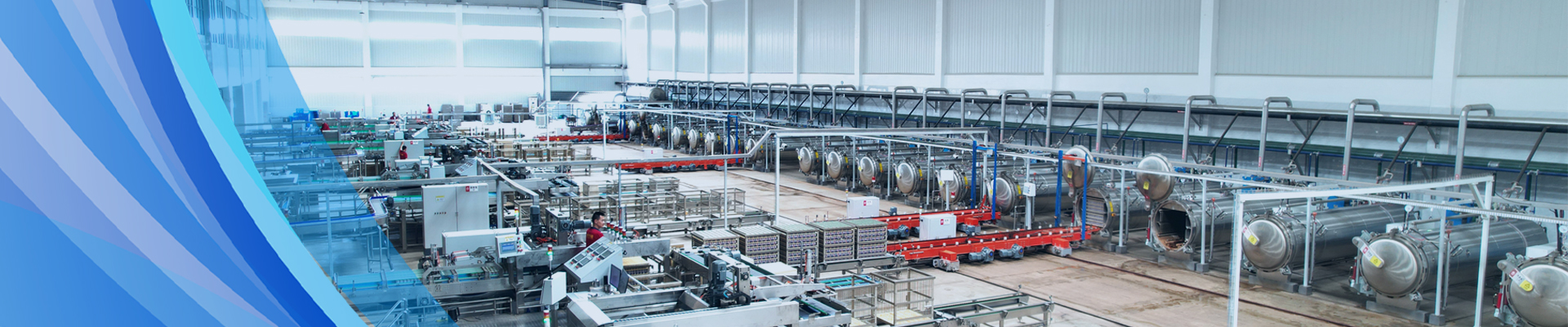
ZLPH MACHINERY TECHNOLOGY CO., LTD. is a leading global supplier of intelligent sterilization systems since 2018. Our team includes 21 mechanical and PLC engineers, 4 sterilization process researchers, and 14 after-sales specialists—all with 10+ years in food thermal processing. We operate a 15,000 m² factory with advanced CNC and welding facilities, ensuring precision manufacturing of pressure vessels. Our solutions serve clients in over 30 countries, including Fortune 500 food producers, and have been showcased at major exhibitions like AGROPRODASH 2023 in Moscow. We hold full compliance with CE, ISO 9001, and ASME standards, making us a trusted partner for scalable, audit-ready sterilization.
Custom Solution Support
For unique applications, we provide:
- On-site thermal process assessment
- Custom basket and rack design
- Free pilot unit testing with your product
- Remote commissioning and staff training
Contact us for a tailored solution—we respond within 24 hours.
Contact Information
Company: ZLPH MACHINERY TECHNOLOGY CO., LTD.
Website: https://www.zlphretort.com/
Email: sales@zlphretort.com
Phone / WhatsApp: +86 15666798389 / +86 13361554016
