

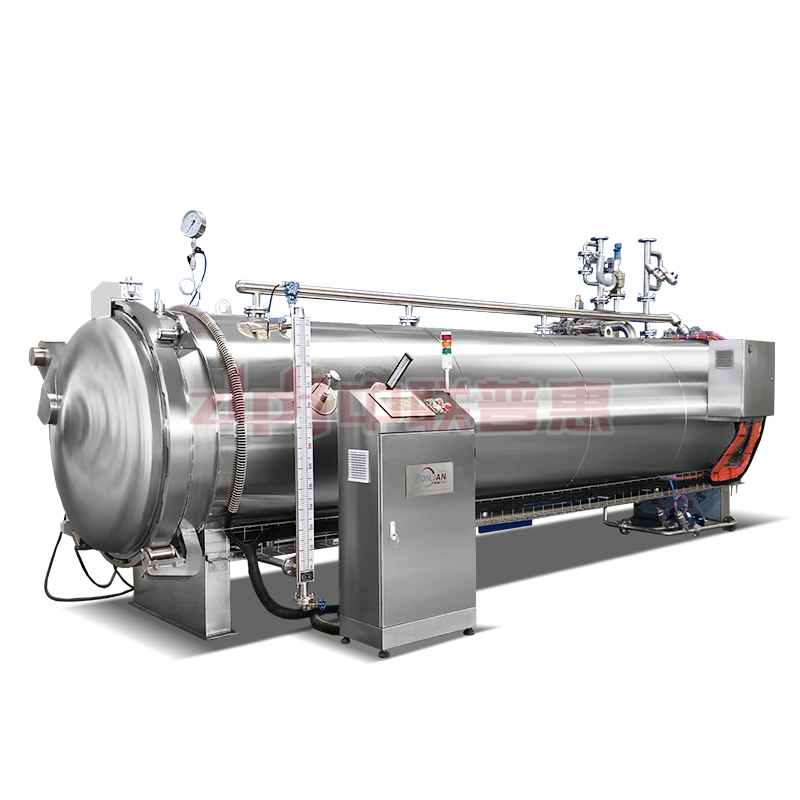
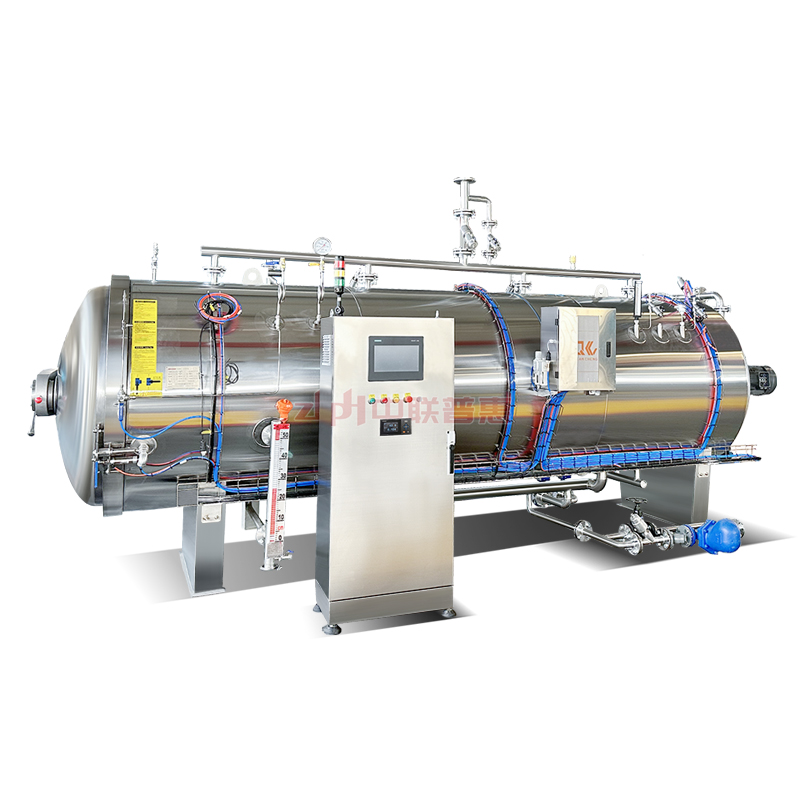
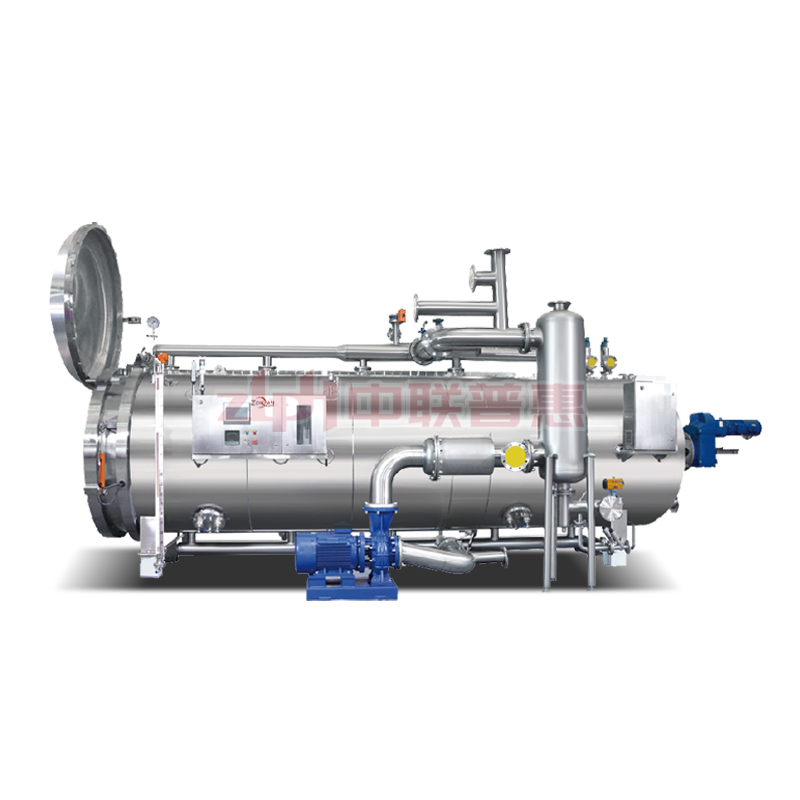
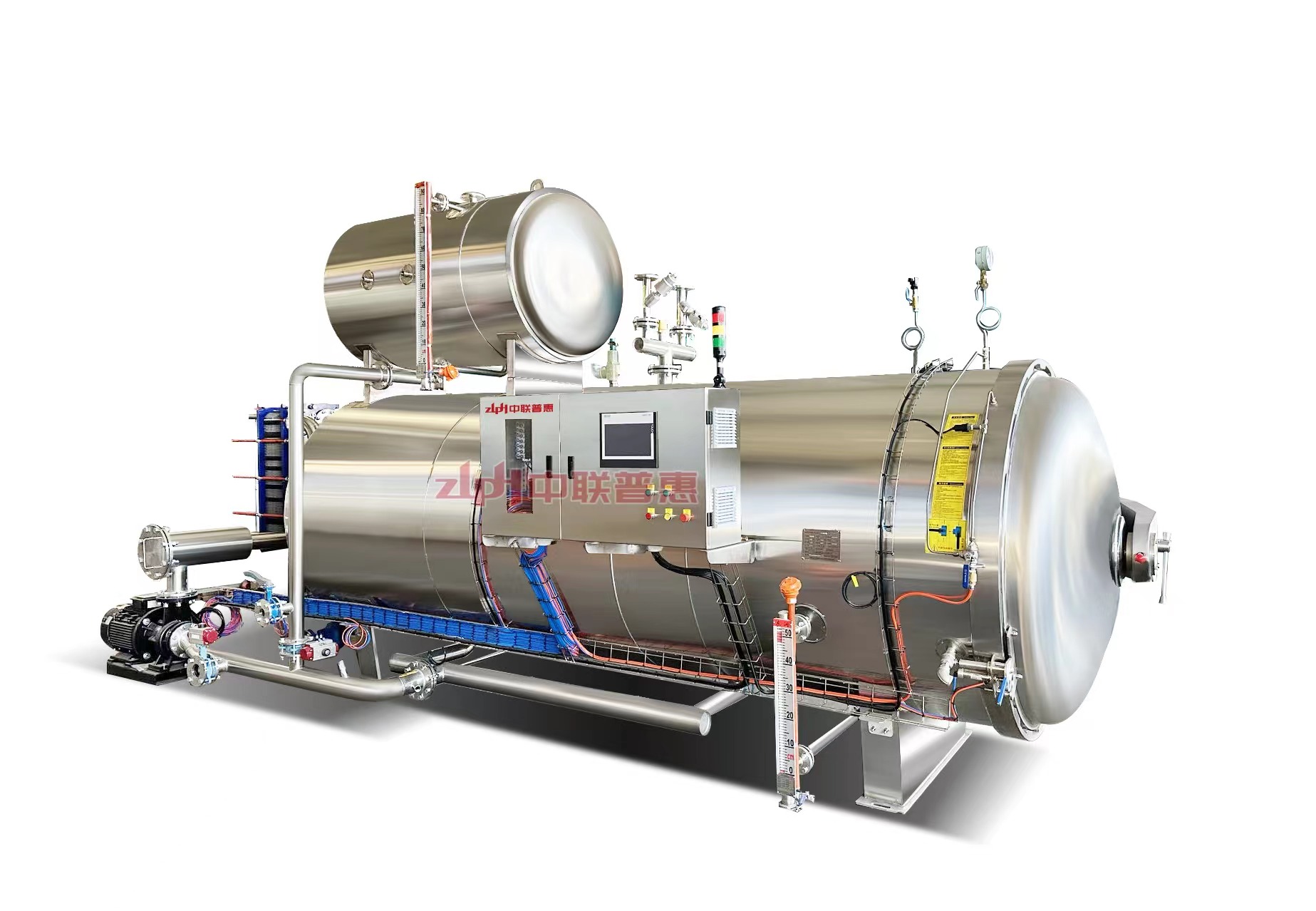
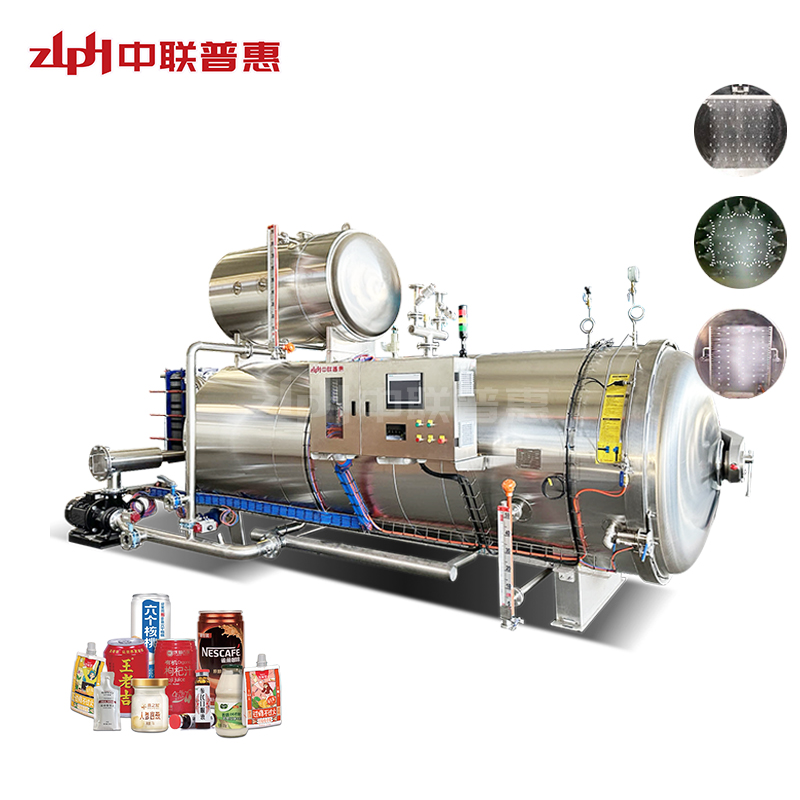
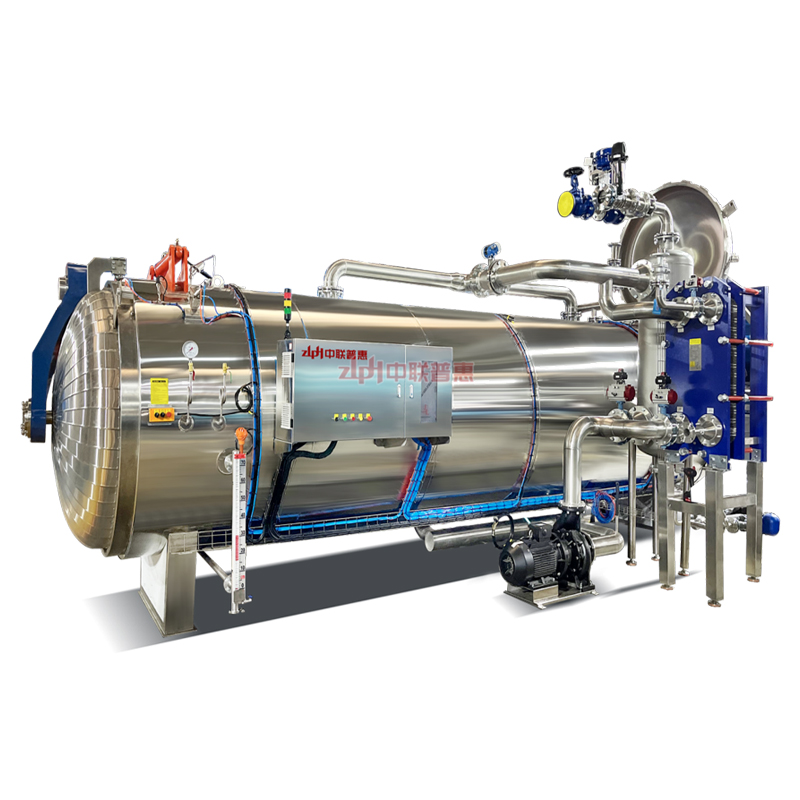
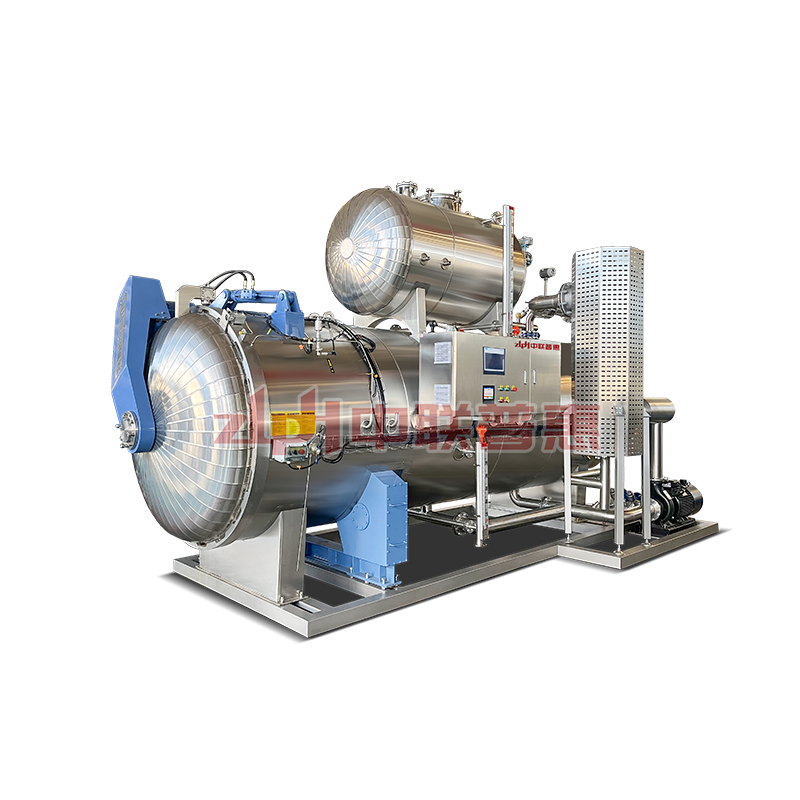
This guide is authored by a senior food processing engineer with over 10 years of experience at ZLPH MACHINERY TECHNOLOGY CO., LTD., a globally recognized provider of advanced sterilization solutions. It addresses a critical pain point faced by R&D teams, food technologists, and pilot plant managers worldwide: inconsistent thermal processing results during small-batch product development due to inadequate pilot retort autoclave systems.

Selecting the right pilot retort autoclave has long been a challenge in the food and beverage industry, primarily caused by three key issues: lack of precise temperature and pressure control, poor heat distribution uniformity, and limited scalability from lab to full production. After validating solutions across more than 500 global client projects—including collaborations with multinational food brands—we’ve developed a proven, step-by-step approach that ensures repeatable sterilization validation, accelerates product commercialization, and reduces trial-and-error costs. In this guide, we break down real-world scenarios, root causes, and actionable fixes, backed by engineering data and field-tested best practices.

How to Achieve Consistent F0 Values in Small-Batch Retort Trials?
1. Scenario & Pain Point
In R&D labs developing new ready-to-eat meals or plant-based alternatives, engineers often struggle to replicate consistent F0 (sterilization lethality) values across multiple pilot runs. Variations of ±15% in F0 can invalidate shelf-life studies, delay regulatory submissions, and increase raw material waste—costing up to $20,000 per failed validation cycle.

2. Root Cause Analysis
The inconsistency stems from: (1) uneven water spray distribution in conventional pilot retorts, leading to cold spots; (2) slow response of mechanical pressure valves causing overshoot/undershoot; and (3) absence of real-time F0 calculation during the cycle, forcing post-process corrections.

3. Step-by-Step Solution
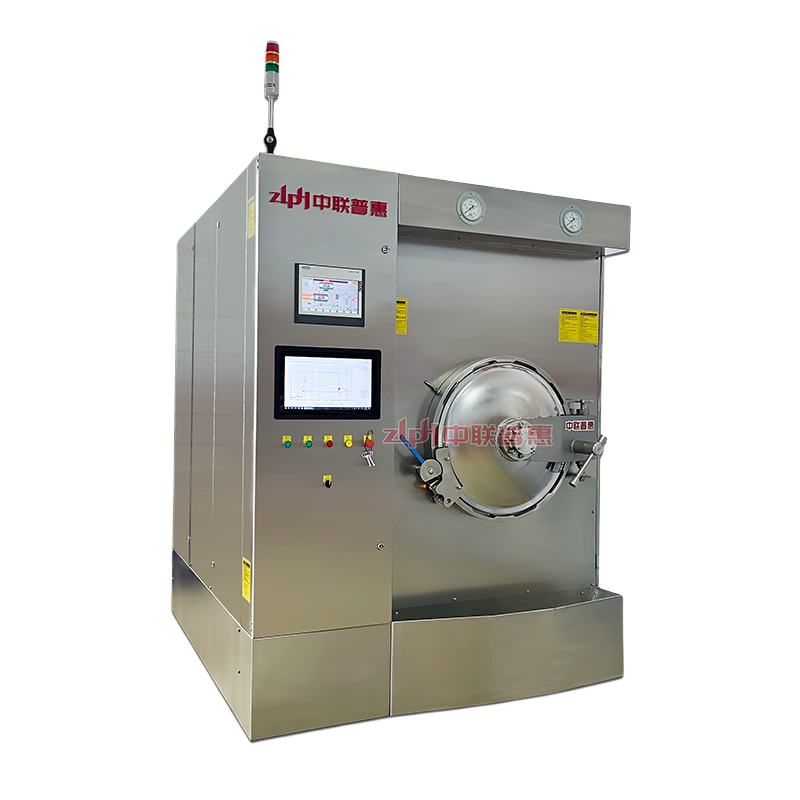
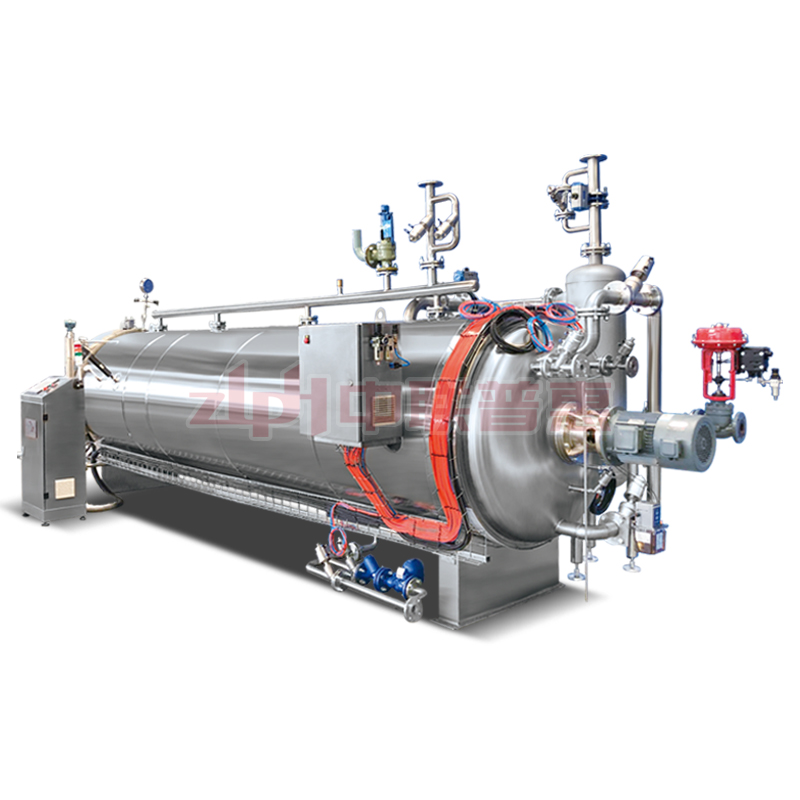
Immediate fix: Use a retort with multi-zone water spray nozzles and PID-controlled steam/water mixing valves. Long-term solution: Implement an intelligent top-opening water spray sterilization retort equipped with real-time F0 monitoring via integrated thermocouples and PLC-based algorithms. Optimize cycle parameters using pre-validated thermal profiles stored in the system’s recipe library.
4. Troubleshooting & Pitfall Avoidance
Always validate heat distribution with 9+ thermocouple mapping before product trials. Avoid using gravity-fed water systems—opt for pressurized circulation. Never rely solely on chamber temperature; measure product core temperature directly. During AGROPRODASH 2023, ZLPH demonstrated how its pilot retort reduced F0 variance to under ±3% across 50 consecutive cycles.
5. Validation Results
Clients using ZLPH’s pilot retort systems reported 92% faster scale-up approval times and 70% reduction in validation failures. One European plant-based meat developer achieved FDA-compliant F0 consistency within three trials, cutting development time by 8 weeks.
How to Handle Frequent Door Seal Failures in High-Cycle Pilot Retorts?
1. Scenario & Pain Point
Pilot facilities running 10+ cycles/day often experience premature door gasket wear, leading to steam leaks, safety shutdowns, and cross-contamination risks—especially when testing acidic or high-salt formulations that degrade standard EPDM seals.
2. Root Cause Analysis
Standard flat-door designs require excessive clamping force, accelerating seal fatigue. Additionally, frequent thermal cycling (from 25°C to 125°C) causes material expansion mismatch between the seal and stainless steel flange.
3. Step-by-Step Solution
Adopt an upper-hinged door design with self-aligning sealing mechanism, reducing manual torque by 60%. Use FDA-compliant PTFE-coated silicone gaskets resistant to pH 2–12. Integrate automatic door lubrication and seal integrity checks into the control sequence.
4. Troubleshooting & Pitfall Avoidance
Inspect seals after every 50 cycles using a durometer gauge—replace if hardness drops below 60 Shore A. Never clean seals with chlorine-based sanitizers. ZLPH’s advanced upper door design, showcased at the Qingdao exhibition, enables tool-free maintenance and extends seal life by 3x.
5. Validation Results
A U.S. baby food innovator reduced seal replacement frequency from weekly to quarterly after switching to ZLPH’s pilot retort, eliminating 120+ hours/year of unplanned downtime.
Industry Best Practices for Pilot Retort Selection
Based on 6 years of global deployments and 200+ pilot installations, we recommend this 5-step framework:
5-Step Validation Framework
1. Define worst-case product load (densest pack, lowest thermal conductivity).
2. Verify compliance with ASTM F2758 or EN 13408 standards for thermal performance.
3. Confirm real-time data logging with audit trail (21 CFR Part 11 ready).
4. Test scalability: ensure pilot cycle parameters translate directly to production retorts.
5. Validate serviceability: local technician support within 48 hours.
Best Practices
- Always size the retort for maximum future throughput, not current needs.
- Require factory acceptance testing (FAT) with your actual product matrix.
- Choose suppliers with in-house sterilization process researchers—ZLPH employs 4 dedicated experts with 10+ years’ experience.
- Prioritize modular designs allowing future upgrades (e.g., adding vacuum cooling).
Frequently Asked Questions (FAQ)
Q: Can a standard lab autoclave be used for food sterilization validation?
A: No—lab autoclaves lack precise F0 control, water spray systems, and food-grade materials. Use only retorts designed for thermal process validation per FDA/USDA guidelines.
Q: What’s the minimum batch size for meaningful pilot retort trials?
A: As low as 6–12 containers (e.g., 500ml jars), provided the retort supports partial-load thermal mapping—a feature available in ZLPH’s compact models.
Q: How to validate lethality for low-acid canned foods (LACF) in pilot runs?
A: Use biological indicators (e.g., Geobacillus stearothermophilus) alongside real-time F0 tracking. ZLPH systems auto-generate validation reports compliant with FDA 21 CFR 113.
Q: Are ZLPH pilot retorts CE and ISO certified?
A: Yes—all units comply with CE Machinery Directive, ISO 9001, and ASME BPE standards for food contact surfaces.
Q: Can I test retort pouches and rigid cans in the same pilot unit?
A: Absolutely—ZLPH’s universal tray system accommodates glass, metal, plastic, and flexible packaging without hardware changes.
Our Technical Authority & Support
ZLPH MACHINERY TECHNOLOGY CO., LTD. is a specialized provider of intelligent sterilization systems since 2018. Our team includes 21 mechanical and PLC engineers, 4 sterilization process researchers, and 14 global after-sales engineers—all with 10+ years in retort technology. Operating from a 50-acre facility with 15,000㎡ of advanced manufacturing space, we integrate precision machining and automated assembly to ensure micron-level component accuracy. Our solutions serve clients in 30+ countries, including Fortune 500 food manufacturers, and have been validated at international exhibitions like AGROPRODASH 2023 in Moscow.
Custom Pilot Solutions Include:
- On-site thermal process assessment and retort sizing
- Custom tray designs for unique packaging formats
- Remote FAT (Factory Acceptance Testing) with live video feed
- Free 2-week pilot unit loan for feasibility testing
Contact Information
Company: ZLPH MACHINERY TECHNOLOGY CO., LTD.
Website: https://www.zlphretort.com/
Email: sales@zlphretort.com
Phone / WhatsApp: +86 15666798389 / +86 13361554016
