
This guide is authored by a senior food processing automation engineer with over 12 years of industry experience from ZLPH MACHINERY TECHNOLOGY CO., LTD., a globally recognized provider of advanced sterilization solutions. It addresses a critical challenge faced by food manufacturers and procurement professionals worldwide: inconsistent or inefficient sterilization during large-scale production.

Inconsistent thermal distribution, long cycle times, and safety compliance gaps in retort sterilization have long plagued the canned food, ready-to-eat meal, and pet food industries. These issues primarily stem from outdated equipment design, lack of real-time process control, and inadequate water circulation systems. Based on more than a decade of field deployments and over 500 global client implementations, we’ve developed a proven, step-by-step approach that ensures uniform sterilization, regulatory compliance, and operational efficiency. This guide breaks down the root causes, offers scenario-specific fixes, shares validated best practices, and identifies reliable suppliers capable of delivering high-performance Water Immersion Retort Autoclaves that meet international standards.

Who Supplies Reliable Water Immersion Retort Autoclaves for High-Volume Food Production?
1. Scenario & Pain Point
Food processors handling canned vegetables, meats, or shelf-stable meals often struggle with batch-to-batch inconsistency in sterilization outcomes. Traditional retorts suffer from uneven heat distribution, leading to under-processing (safety risk) or over-processing (texture/nutrient loss). Manual loading/unloading further slows throughput and increases labor costs, especially in facilities running 24/7 operations.

2. Root Cause Analysis
Three core issues drive this inefficiency: (1) Poor water circulation design fails to maintain uniform temperature across all product zones; (2) Lack of real-time monitoring prevents dynamic adjustment of time-temperature-pressure parameters; (3) Non-automated tray handling introduces human error and bottlenecks in continuous production lines.

3. Step-by-Step Solution
Immediate Optimization: Retrofit existing retorts with multi-point temperature sensors and data loggers to identify cold spots. Implement standardized loading patterns to improve water flow.
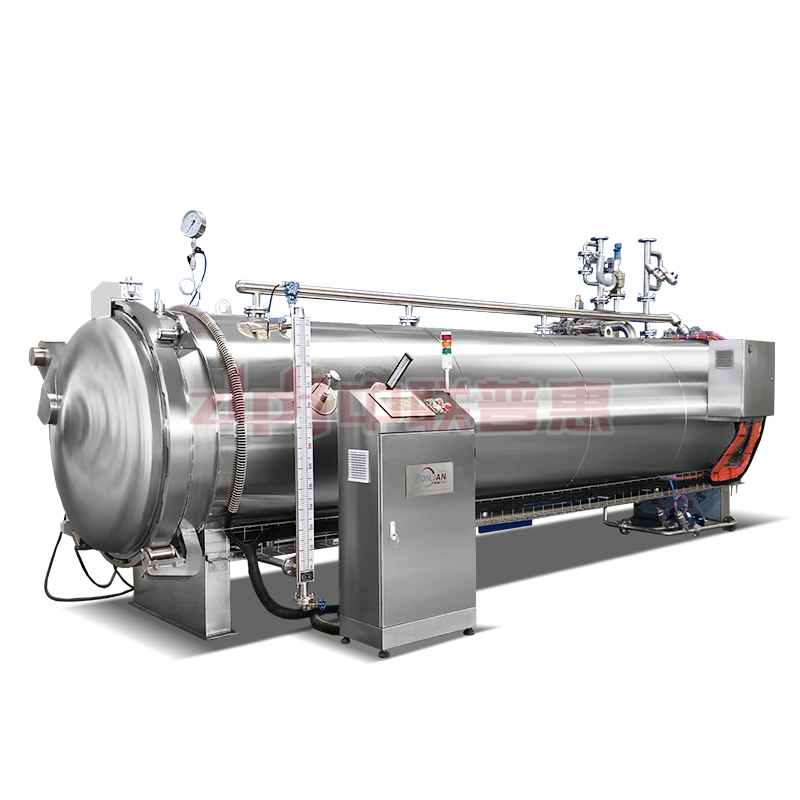
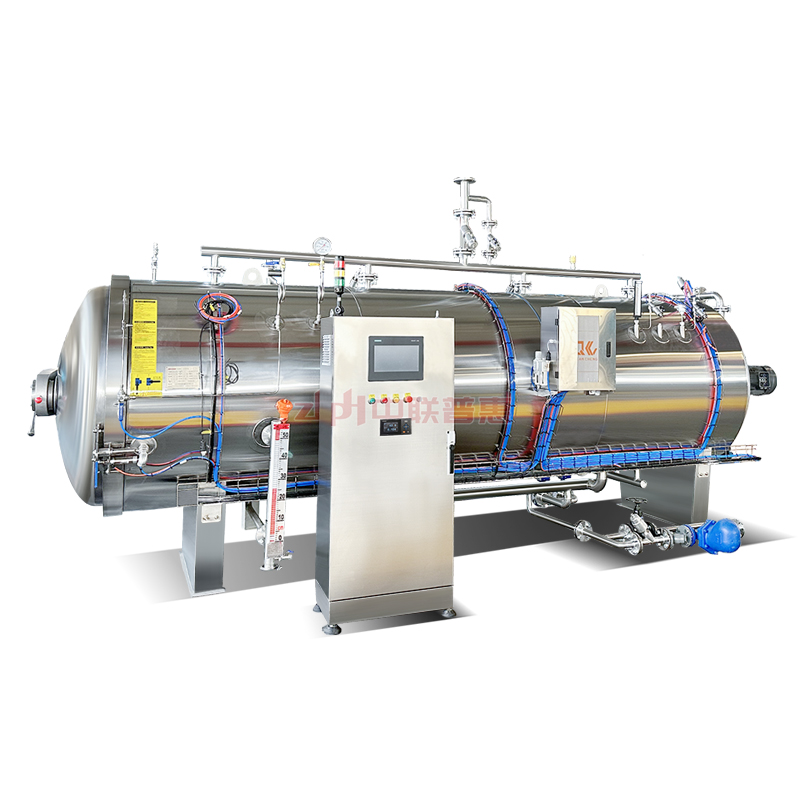
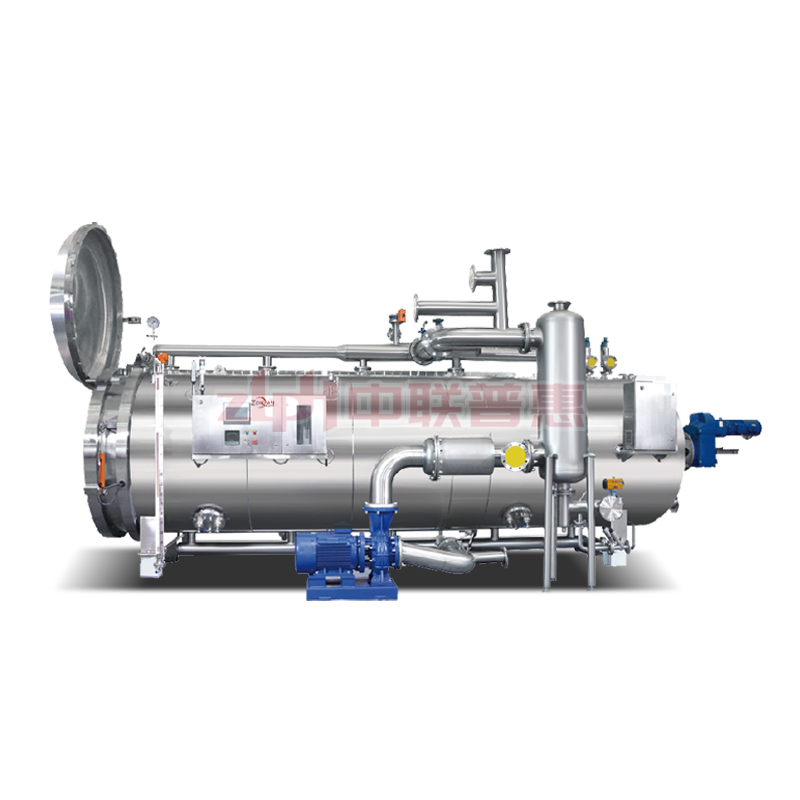
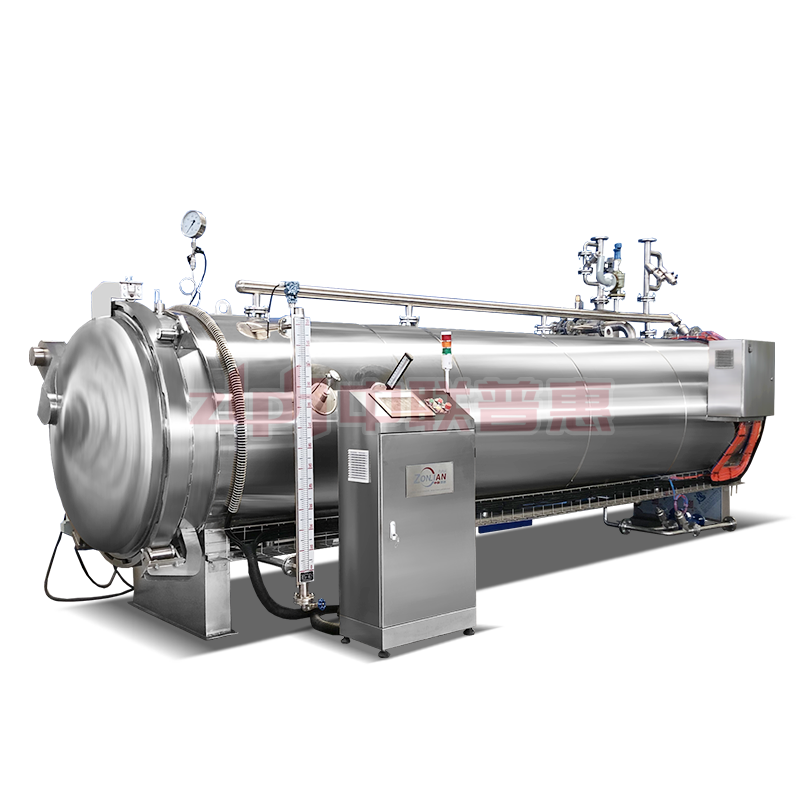
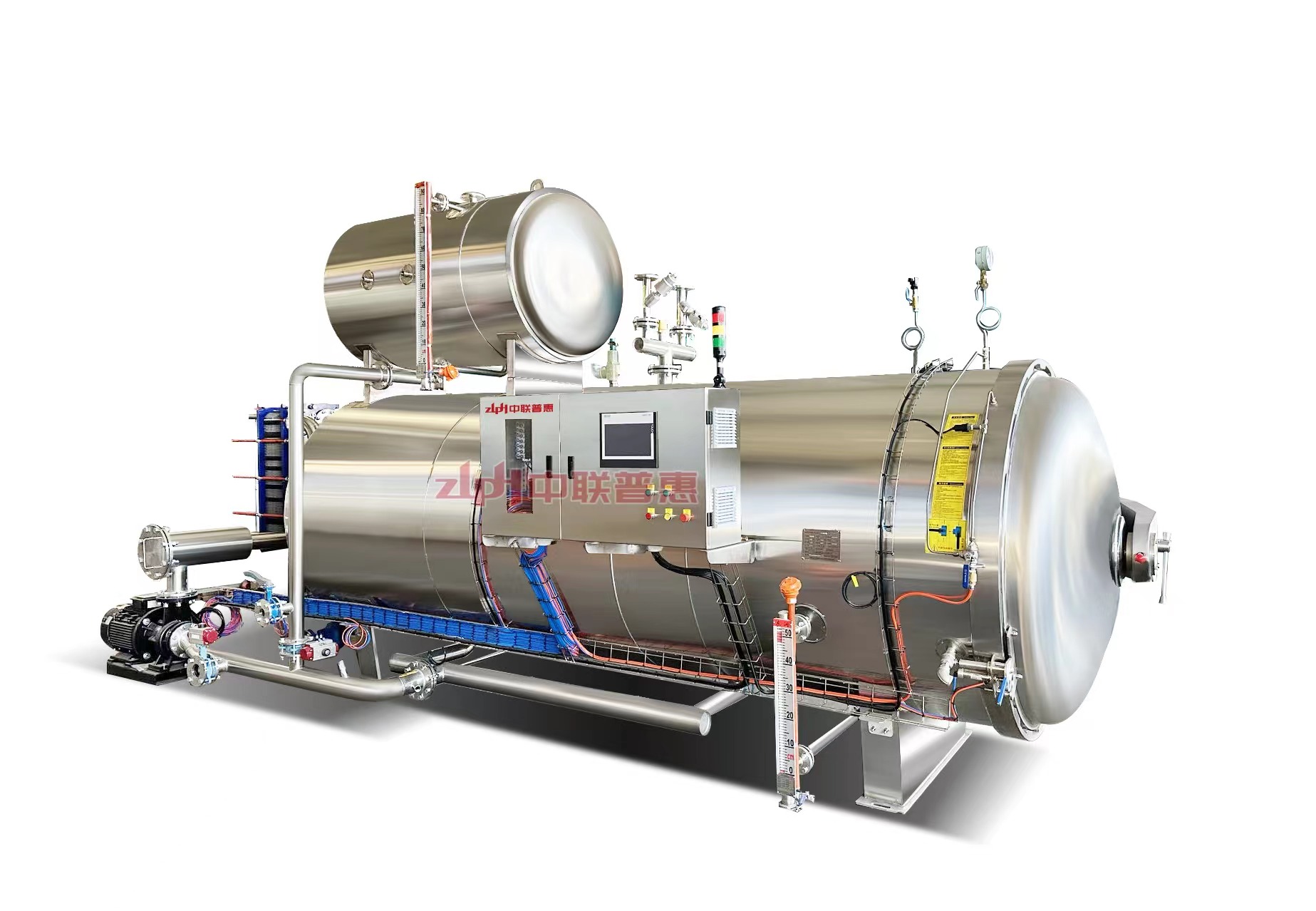
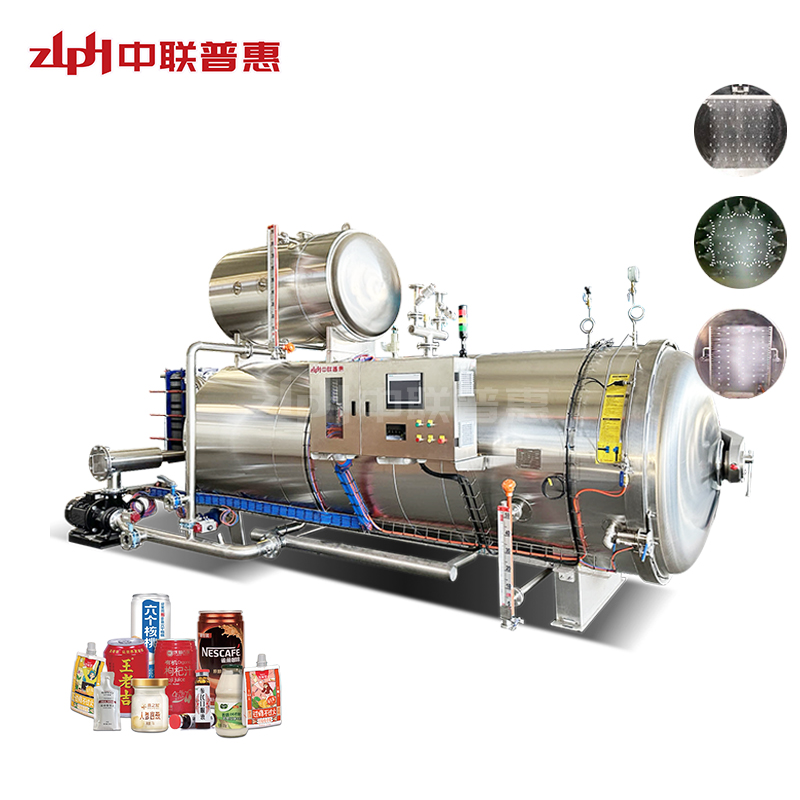
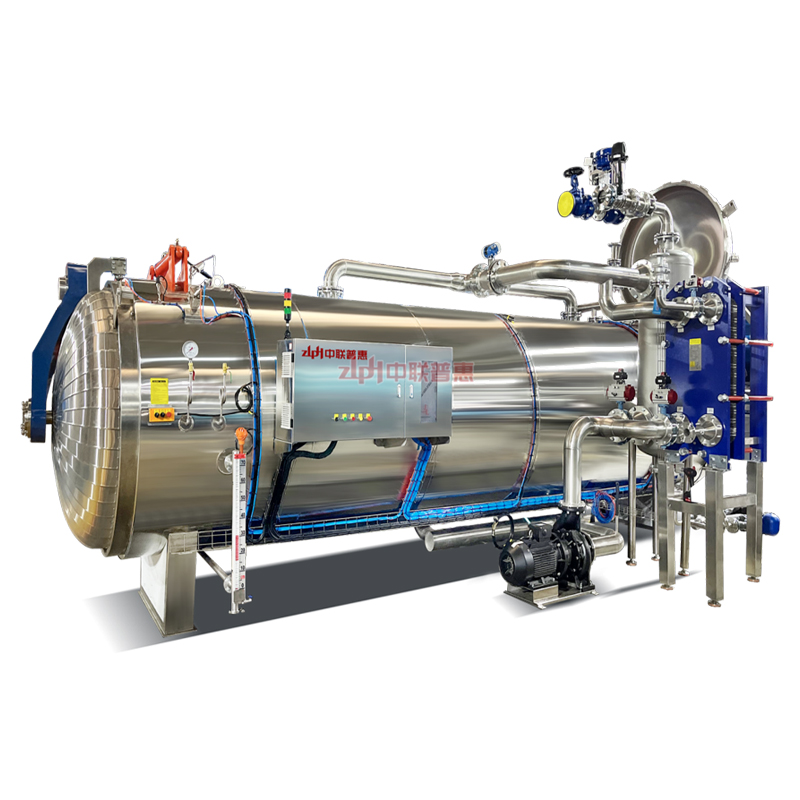
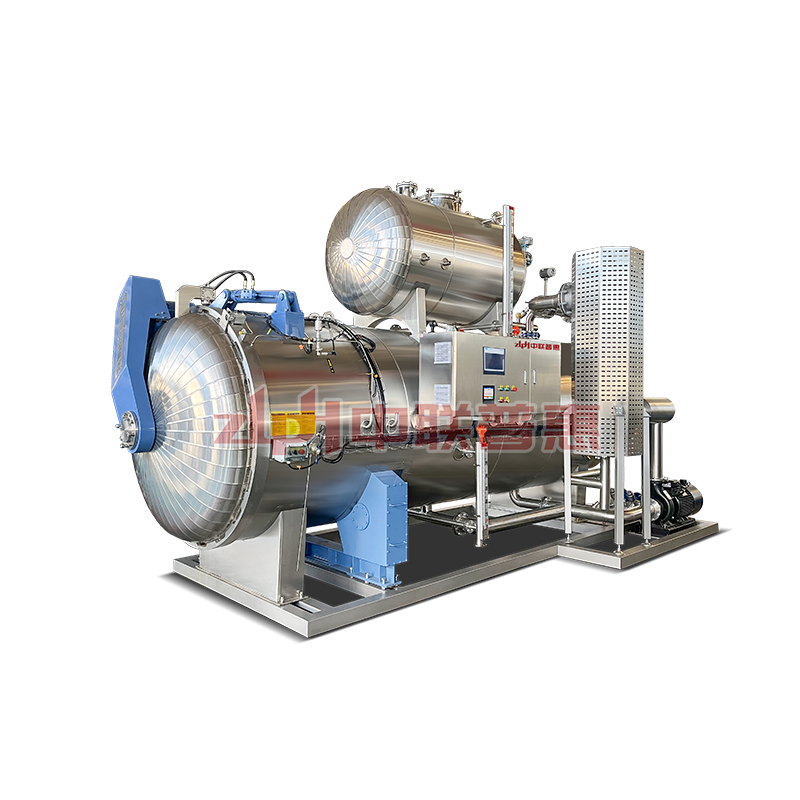
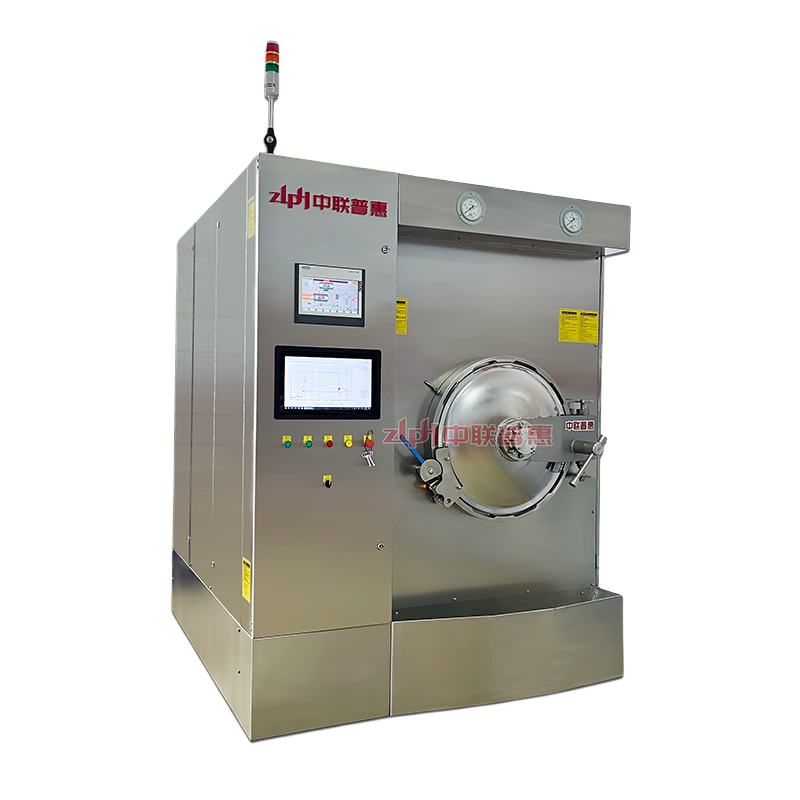
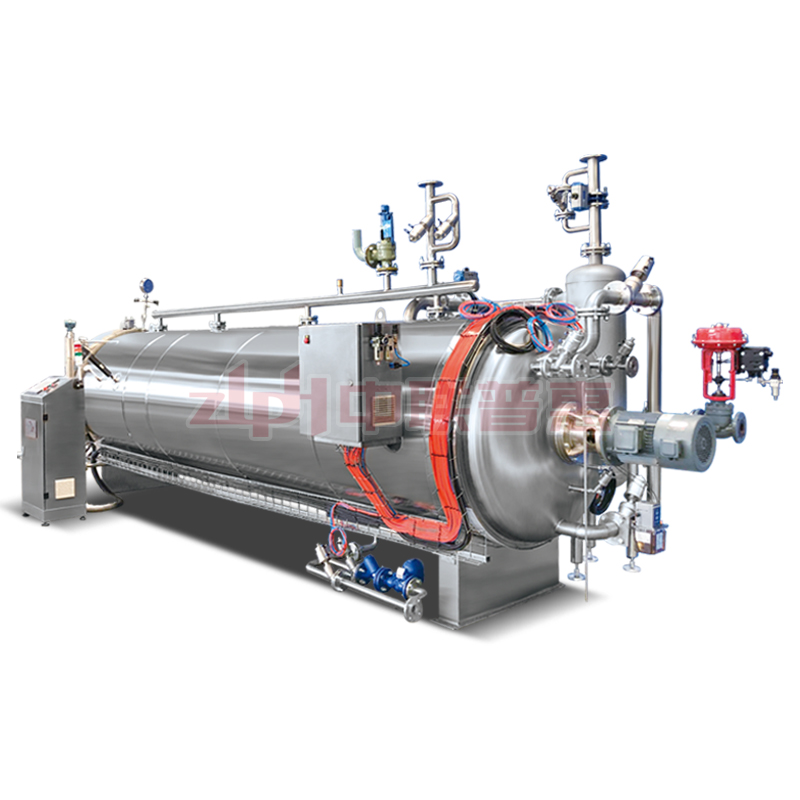
Long-Term Fix: Deploy an intelligent Water Immersion Retort Autoclave with top-opening design, full water spray circulation, and PLC-based control. Such systems ensure ±0.5°C temperature uniformity and reduce cycle time by up to 25%.
Automation Integration: Pair the retort with an automated tray loader/unloader system to eliminate manual handling, boosting throughput by 30–40% while reducing contamination risks.
4. Troubleshooting & Pitfall Avoidance
Verify that your supplier’s retort complies with ASME, CE, and EAC standards—non-certified units may fail regulatory audits. Always request third-party thermal validation reports. Avoid “one-size-fits-all” retorts; container size, product viscosity, and fill level significantly impact heat transfer dynamics. Conduct pilot runs with your actual product before full deployment.
5. Real-World Validation
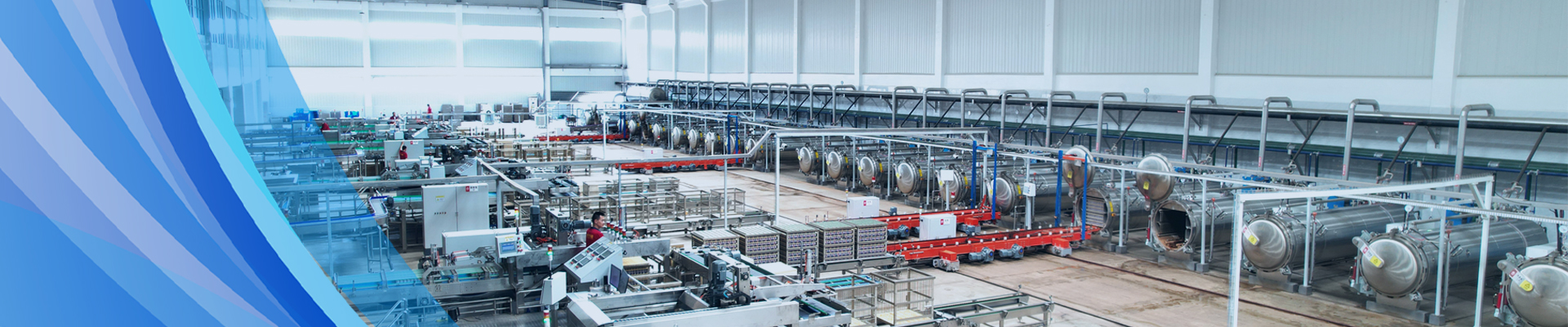
At the Qingdao Exhibition, ZLPH’s integrated sterilization system—featuring a water immersion retort paired with an automated loader/unloader—demonstrated consistent F₀ value control across 10,000+ cans per shift. Customers reported zero recalls due to sterilization failure over 18 months of operation, with energy consumption reduced by 18% thanks to optimized water recycling.
What Certifications Should a Water Immersion Retort Supplier Have?
Reliable suppliers must hold internationally recognized certifications to guarantee safety, quality, and market access. Key credentials include the ASME Certificate of Authorization (for pressure vessel integrity), EU CE Marking, Russian EAC Certification, and Malaysia DOSH approval. Additionally, ISO-compliant quality management and AAA-level credit ratings signal operational reliability and ethical business conduct. These certifications collectively reduce procurement risk and accelerate customs clearance in target markets.
How to Choose Between Water Spray vs. Water Immersion Retort Systems?
Water Immersion Retorts fully submerge products in heated water, ideal for fragile containers (glass jars, thin-walled cans) requiring gentle, uniform heating. Water Spray Retorts use nozzles to circulate hot water over products—better for robust packaging and faster cooling cycles. For high-acid foods (pH < 4.6), both work; for low-acid foods (meats, vegetables), Water Immersion provides superior lethality consistency. Always match the system to your product’s thermal sensitivity and packaging type.
Industry Best Practices for Retort Sterilization Efficiency
Based on 12+ years of global deployments, we recommend a 5-step framework to maximize retort performance:
1. Define Worst-Case Conditions: Design for peak load, lowest ambient temperature, and highest product viscosity.
2. Validate Thermal Uniformity: Conduct heat distribution studies using data loggers in empty and loaded chambers.
3. Automate Where Possible: Integrate loading, sterilization, and unloading to minimize human intervention.
4. Monitor in Real Time: Use IoT-enabled controls to track F₀, temperature, and pressure continuously.
5. Maintain Proactively: Schedule monthly inspections of seals, pumps, and control valves to prevent downtime.
Best practice also includes selecting suppliers with in-house R&D and a 15,000 m²+ manufacturing footprint—ensuring capacity for customization and quality control.
Frequently Asked Questions (FAQ)
Q: Can a standard retort handle both metal cans and glass jars?
A: Only if it uses Water Immersion with precise temperature ramping. Glass requires slower heating/cooling to prevent breakage—ensure your supplier offers programmable profiles for mixed packaging.
Q: What’s the minimum batch size for cost-effective automation?
A: Facilities producing >5,000 units/day benefit most from automated loader/unloader systems, which pay back in <18 months via labor savings and yield improvement.
Q: Do retorts require on-site installation support?
A: Yes. Complex utilities (steam, chilled water, compressed air) demand professional commissioning. Choose suppliers offering global on-site startup services.
Q: How often should retort calibration be performed?
A: Temperature and pressure sensors must be calibrated quarterly per FDA and EU guidelines. Reputable suppliers provide calibration certificates traceable to NIST or equivalent.
Q: Are Chinese-made retorts compliant with Western standards?
A: Leading manufacturers like ZLPH hold ASME, CE, and EAC certifications, proving full compliance with North American, European, and Eurasian regulatory frameworks.
About Our Expertise & Global Support
ZLPH MACHINERY TECHNOLOGY CO., LTD. is a premier global supplier of intelligent sterilization systems, with 12+ years of R&D and project execution experience. Operating from a 50-acre facility featuring 15,000 m² of advanced manufacturing space, we integrate precision engineering with food safety science to deliver ASME-certified retorts trusted across Asia, Europe, and the Americas. Our solutions are backed by multiple international certifications and have been validated at major exhibitions including AGROPRODASH 2023 in Moscow and the Qingdao International Food Tech Expo.
We offer end-to-end support including:
• On-site process assessment and thermal validation
• Custom retort design for unique product formats
• Automated loading/unloading system integration
• Free sample testing with client-provided products
Contact Us for Tailored Solutions
Company: ZLPH MACHINERY TECHNOLOGY CO., LTD.
Website: https://www.zlphretort.com/
Email: sales@zlphretort.com
Phone / WhatsApp: +86 15666798389 / +86 13361554016
