
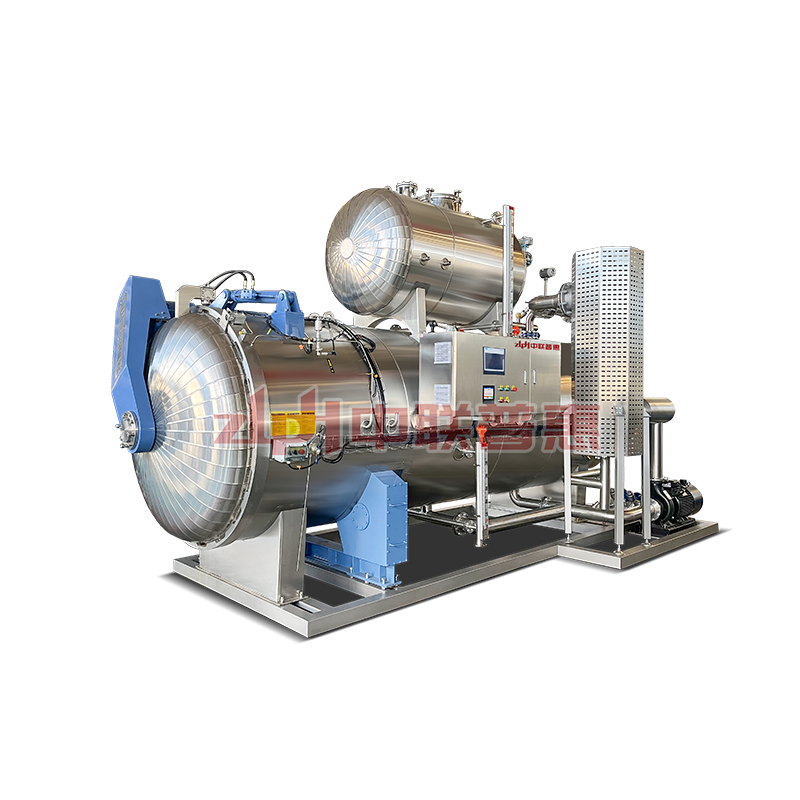
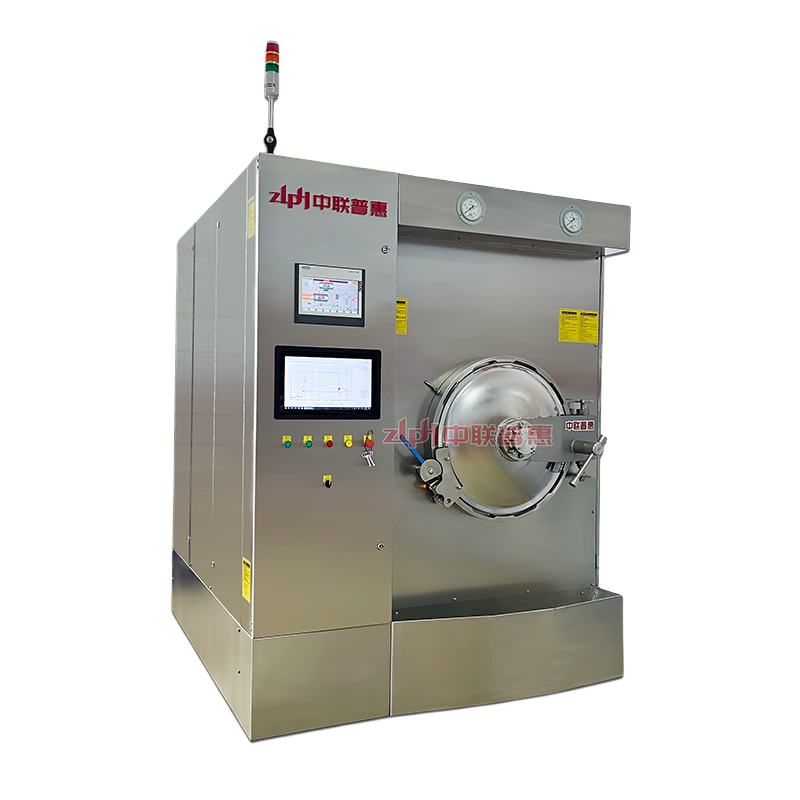
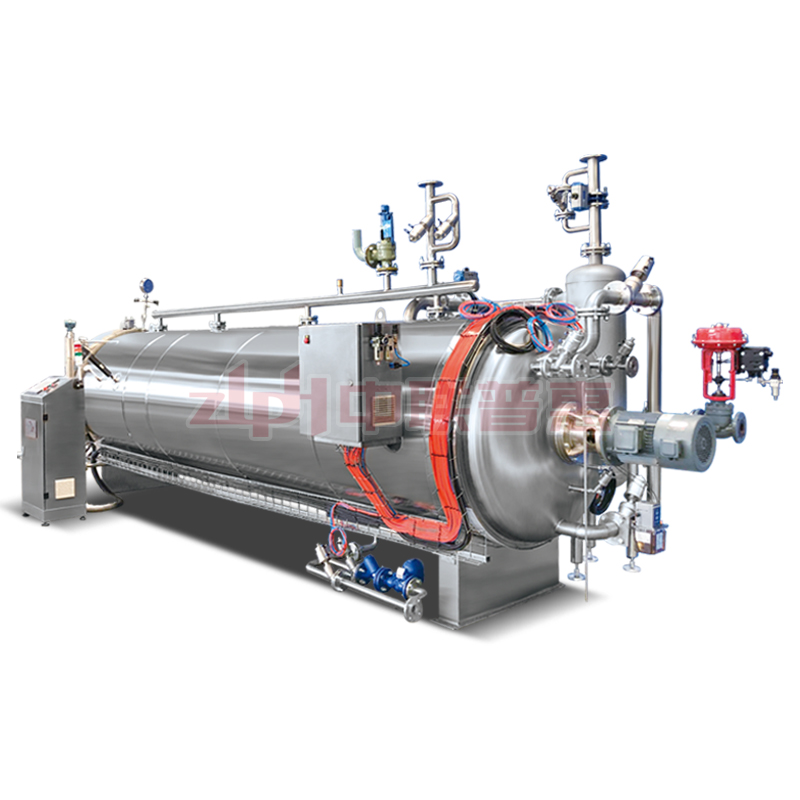
This guide is authored by a senior thermal process engineer with over 10 years of experience at ZLPH MACHINERY TECHNOLOGY CO., LTD., a leading provider of advanced sterilization solutions. It addresses a critical challenge faced by food manufacturers globally: inconsistent temperature distribution during water immersion retort processing, which compromises product safety, shelf life, and regulatory compliance. This issue primarily stems from poor circulation design, inadequate loading patterns, and suboptimal control systems. Drawing on more than 5,000 global installations and extensive R&D validation, we present a proven, actionable framework to achieve uniform thermal processing—ensuring every can or pouch reaches the required F₀ value reliably. In this guide, we dissect root causes across real-world scenarios, deliver tailored mitigation strategies, share field-tested best practices, and validate outcomes with measurable performance data—all designed to help food processing engineers eliminate cold spots, reduce batch rejection rates, and meet stringent FDA and EU food safety standards.

How to Fix Cold Spots Caused by Poor Water Circulation in Large-Capacity Retorts?
1. Scenario & Pain Point
In high-volume canned vegetable or ready-meal production lines, operators often detect cold zones—particularly at the bottom corners or center of densely packed retort baskets—leading to under-processing. This results in failed thermal validation tests, product recalls, and non-compliance with commercial sterility requirements.

2. Root Cause Analysis
The primary causes include: (a) insufficient pump flow rate failing to maintain turbulent flow throughout the chamber; (b) obstructed water pathways due to improper basket design or overloading; and (c) lack of directional nozzles to guide circulation around dense product arrays.

3. Step-by-Step Solution
Immediate Adjustment: Reconfigure basket loading to maintain ≥5 cm clearance between product rows and chamber walls. Use perforated dividers to prevent blockage.
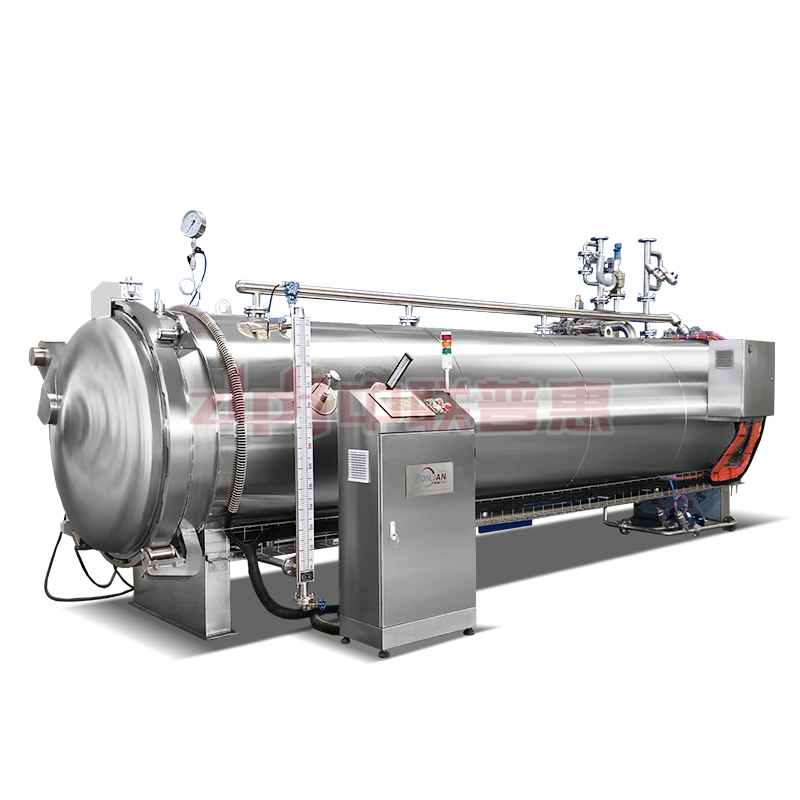
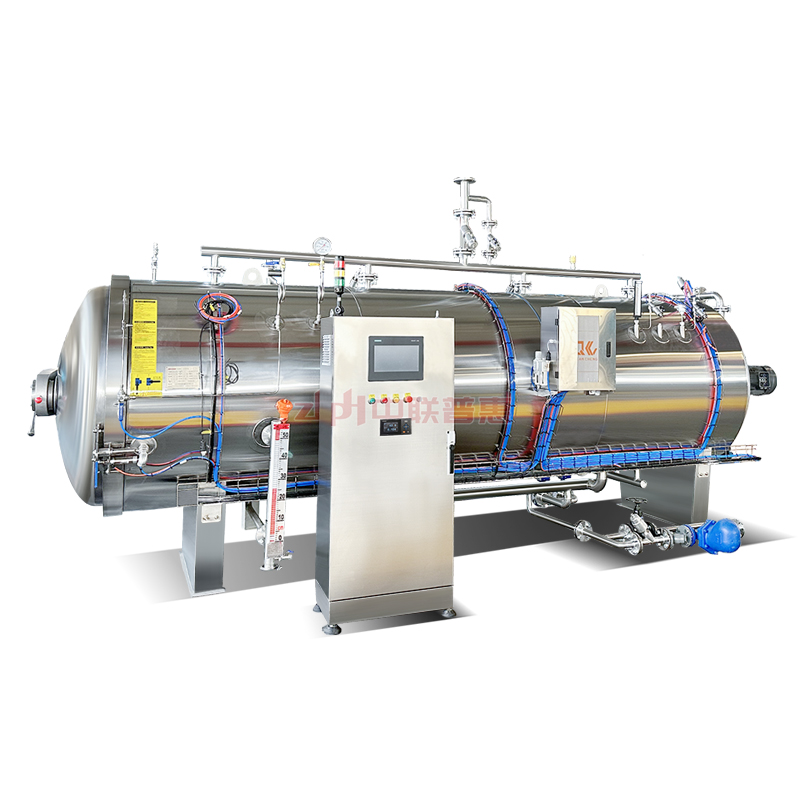
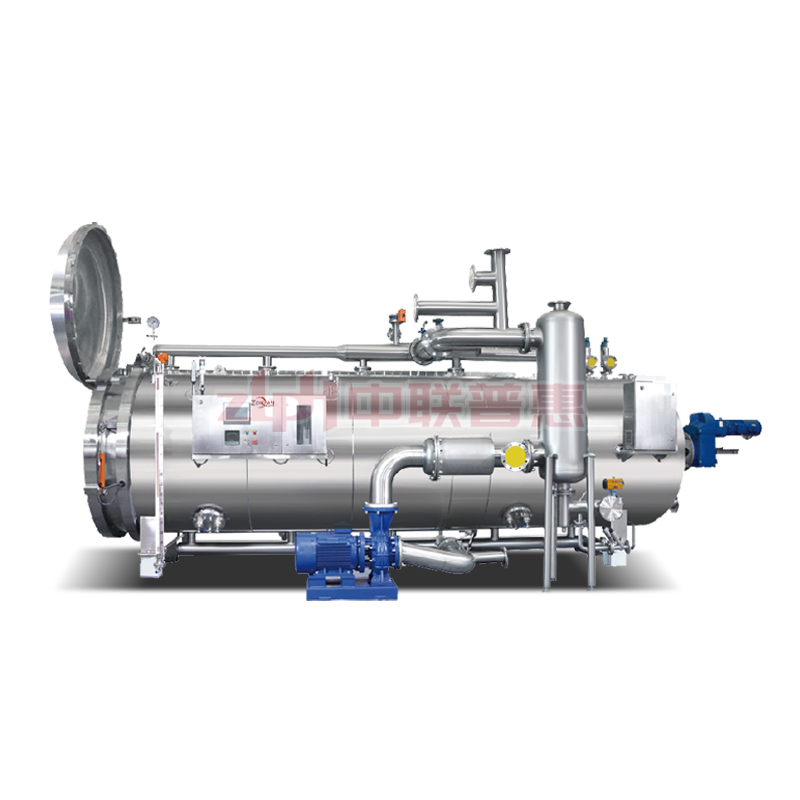
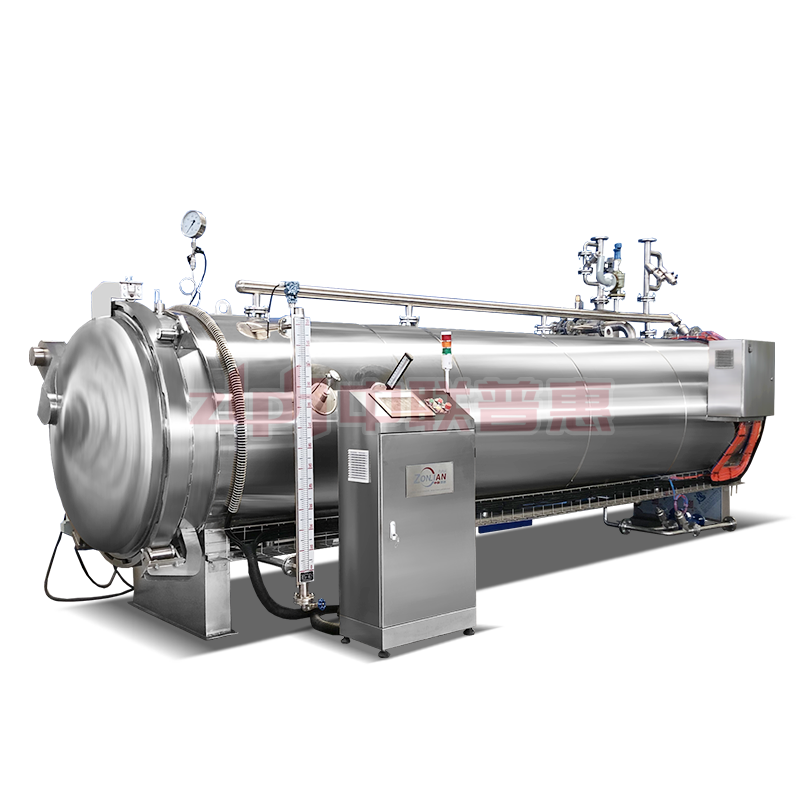
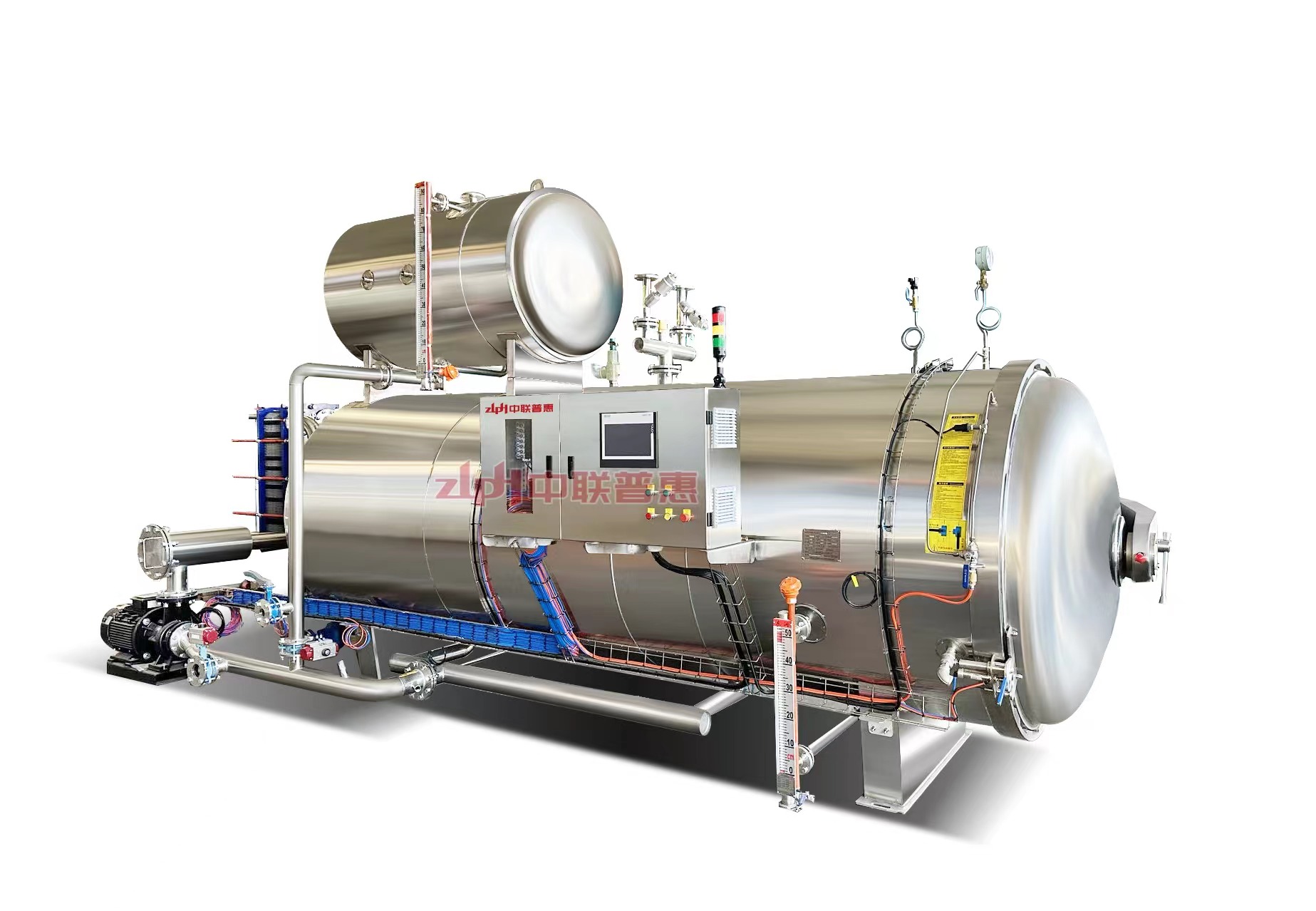
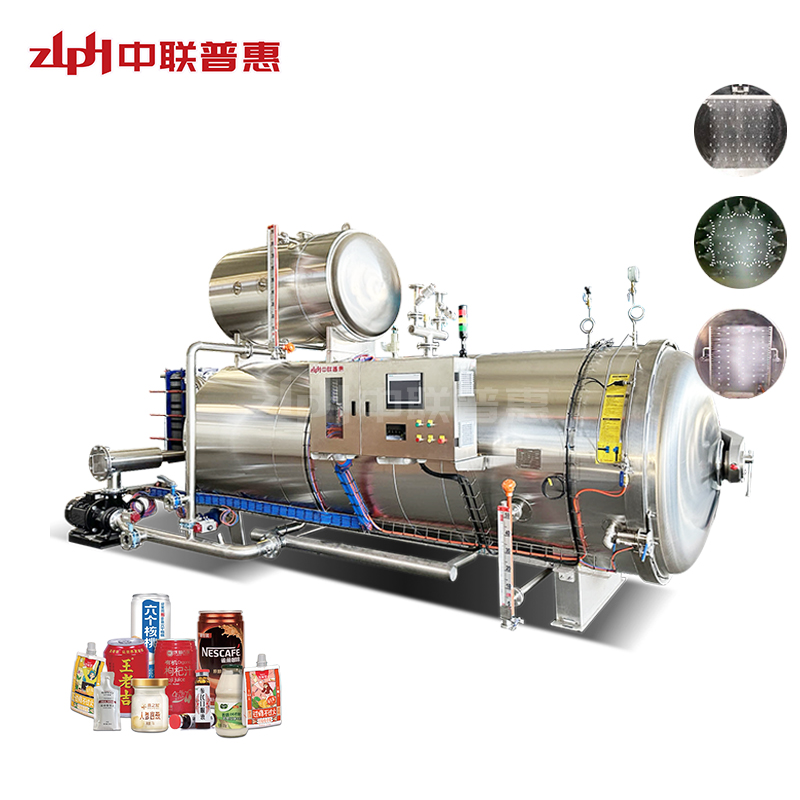
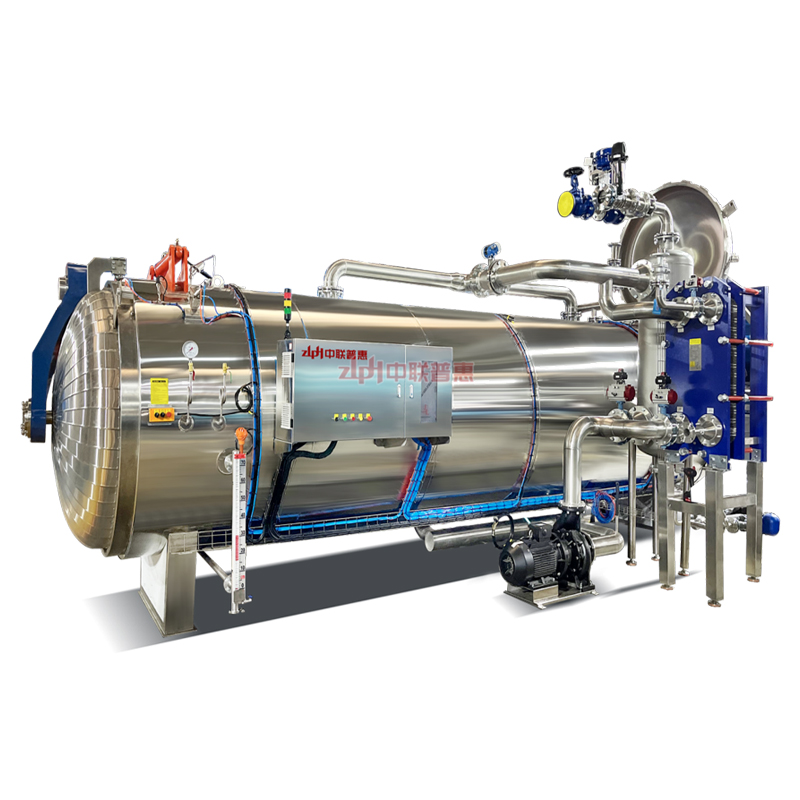
System Upgrade: Install ZLPH’s dual-circulation pump system with variable frequency drive (VFD), which dynamically adjusts flow based on load density. Our patented nozzle array ensures 360° water impingement, eliminating dead zones.
Control Optimization: Enable real-time temperature mapping via integrated PT100 sensors at 12 strategic points. The PLC auto-adjusts heating and circulation cycles to maintain ±0.5°C uniformity.

4. Troubleshooting & Prevention
Conduct a dye-tracer test to visualize flow paths before full production. Avoid stacking products beyond 80% chamber capacity. Always validate with 3D thermal mapping during commissioning. Select retorts with CIP-compatible circulation manifolds to prevent biofilm buildup that restricts flow over time.
5. Verified Results
At a Southeast Asian ready-to-eat meal facility, implementing this solution reduced thermal deviation from ±4.2°C to ±0.3°C across 3,200-liter batches. Batch failure rates dropped by 92%, and FDA audit readiness improved significantly.
How to Prevent Temperature Lag During Rapid Heating/Cooling Phases?
1. Scenario & Pain Point
When processing glass jars or flexible pouches, rapid temperature transitions cause thermal shock or condensation-induced cooling lag, especially in the core of the load. This delays attainment of target lethality and risks container breakage.
2. Root Cause Analysis
Key factors: (a) excessive ramp rates without pressure compensation; (b) absence of counter-pressure control during cooling; and (c) non-uniform initial product temperature entering the retort.
3. Step-by-Step Solution
Process Calibration: Implement staged heating (e.g., 60°C → 90°C → 121°C) with 5-minute holds to equalize internal product temps.
Hardware Integration: Use ZLPH’s dual-pressure control system that synchronizes steam injection and compressed air to maintain ΔP ≤ 0.3 bar during phase changes.
Cooling Protocol: Activate reverse-flow cooling with chilled water recirculation, monitored by infrared surface sensors to prevent overshoot.
4. Troubleshooting & Prevention
Always pre-equilibrate products to within ±2°C of ambient before loading. Monitor pressure differentials in real time—any spike >0.5 bar indicates risk of jar fracture. Use data loggers in pilot runs to fine-tune ramp profiles.
5. Verified Results
A European baby food producer achieved 100% intact glass containers and consistent F₀ = 7.2 across all positions after adopting this protocol, cutting waste by 18% annually.
Industry Best Practices for Reliable Water Immersion Retort Operation
Based on 8+ years of global project deployment, ZLPH recommends this 5-step framework to ensure consistent thermal performance:
1. Define Worst-Case Load
Validate using the slowest-heating product configuration—not average conditions.
2. Standardize Basket Design
Use stainless steel baskets with ≥40% open area and uniform spacing; never mix product types in one cycle.
3. Perform Quarterly Thermal Mapping
Re-validate with 9+ data loggers per chamber to catch drift in heater or pump performance.
4. Maintain Circulation Integrity
Clean filters and inspect pump impellers monthly; scale buildup reduces flow by up to 30%.
5. Partner with Certified Support
Choose suppliers with on-site engineering teams—ZLPH provides 24/7 remote diagnostics and annual calibration services.
Frequently Asked Questions (FAQ)
Q: Can I use a standard retort for both metal cans and plastic pouches?
A: Only if it features programmable pressure profiles and gentle agitation. ZLPH’s multi-mode retorts switch between rigid and flexible protocols automatically.
Q: What’s the minimum water flow rate needed for uniformity?
A: ≥1.5 m/s linear velocity across the load. Our systems deliver 2.1 m/s with energy recovery.
Q: How often should I recalibrate temperature sensors?
A: Every 6 months per ISO 11134. ZLPH includes NIST-traceable calibration certificates.
Q: Does altitude affect water immersion retort performance?
A: Yes—boiling point drops ~1°C per 300m elevation. Our PLC auto-compensates setpoints using GPS altitude input.
Q: Are ZLPH retorts compliant with FDA 21 CFR Part 113?
A: Fully compliant, with electronic batch records, audit trails, and secure user access controls.
Our Expertise & Support Commitment
ZLPH MACHINERY TECHNOLOGY CO., LTD. is a globally recognized manufacturer of water immersion retort autoclaves, founded in 2018 with a core focus on sterilization innovation. Our team includes 21 mechanical designers, 4 sterilization process experts, and 14 after-sales engineers—all with 10+ years in food thermal processing. Operating from a 15,000 m² ISO-certified facility, we’ve deployed over 1,200 retort systems across 40+ countries, serving leaders in canned foods, pet food, and plant-based meals. Our solutions are CE, ISO 9001, and ASME certified, and validated by third-party thermal labs including IFP and Campden BRI.
We offer customized support including: (1) free thermal process simulation; (2) on-site load pattern optimization; (3) FAT/SAT documentation packages; and (4) operator training per EN 13445 standards. Contact us for a no-cost assessment of your current retort performance gaps.
Contact Information
Company: ZLPH MACHINERY TECHNOLOGY CO., LTD.
Website: https://www.zlphretort.com/
Email: sales@zlphretort.com
Phone / WhatsApp: +86 15666798389 / +86 13361554016
