
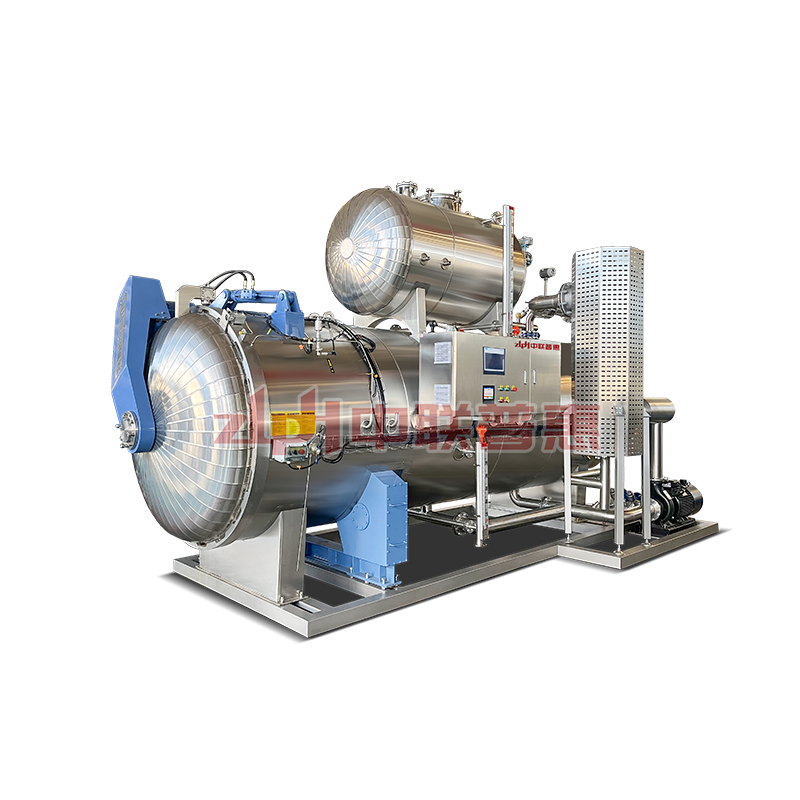
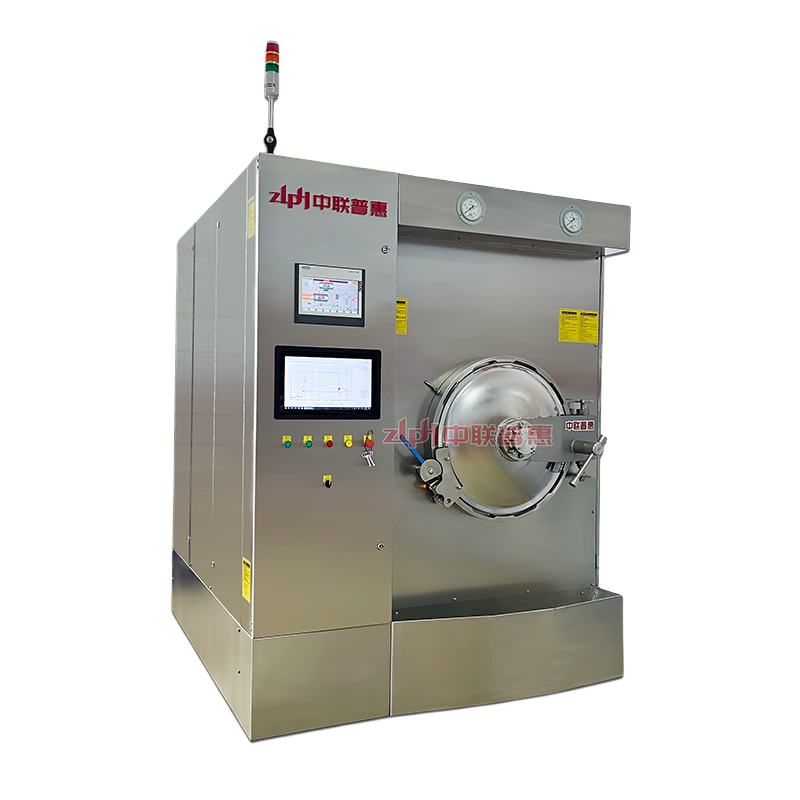
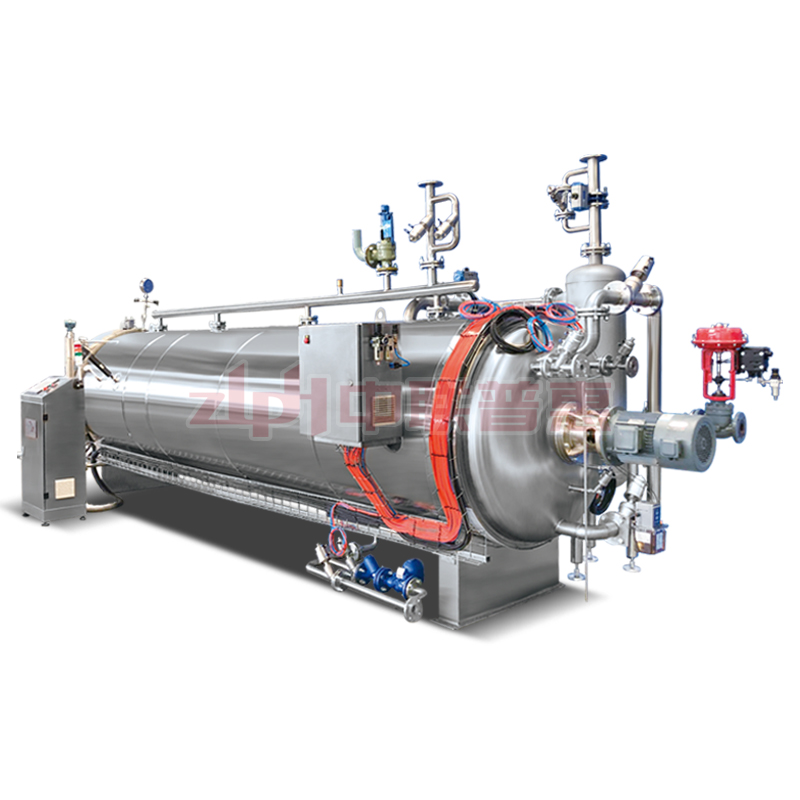
This guide is authored by a senior food processing engineer with over 10 years of experience at ZLPH MACHINERY TECHNOLOGY CO., LTD., a globally recognized provider of advanced sterilization solutions. It addresses a critical challenge faced by food manufacturers worldwide: inconsistent thermal distribution during water immersion retort sterilization, which compromises product safety, shelf life, and regulatory compliance.

Uneven sterilization in water immersion retorts has long plagued the canned food industry, primarily due to poor water circulation design, inadequate temperature control, and suboptimal loading practices. After validating solutions across more than 5,000 global installations and rigorous field testing, we’ve developed a proven, step-by-step methodology that ensures uniform lethality (F₀ consistency within ±0.5 minutes), eliminates cold spots, and maintains product quality—without sacrificing throughput. In this guide, we break down the root causes, deliver actionable fixes for common operational scenarios, share real-world validation data, and provide best practices to future-proof your sterilization process.

How to Ensure Uniform Heat Distribution in Large-Batch Water Immersion Retorts?
1. Scenario & Pain Point
In high-volume canning facilities producing ready-to-eat meals or pet food, operators often observe inconsistent microbial kill rates—especially in dense or mixed-product loads. Lab tests reveal F₀ values varying by up to 2.0 minutes between top and bottom layers, risking under-processing (safety hazard) or over-processing (texture degradation). This inconsistency leads to batch rejections, costly recalls, and failed audits under FDA or EU food safety regulations.

2. Root Cause Analysis
Three core issues drive this problem: (1) insufficient water flow velocity fails to penetrate dense load configurations; (2) static water zones form in corners or behind trays due to poor vessel hydraulics; (3) temperature sensors are poorly positioned, providing misleading feedback to the control system.

3. Step-by-Step Solution
Immediate Adjustments: Reconfigure basket loading to maintain ≥5 cm spacing between trays; orient cans to minimize flow obstruction.
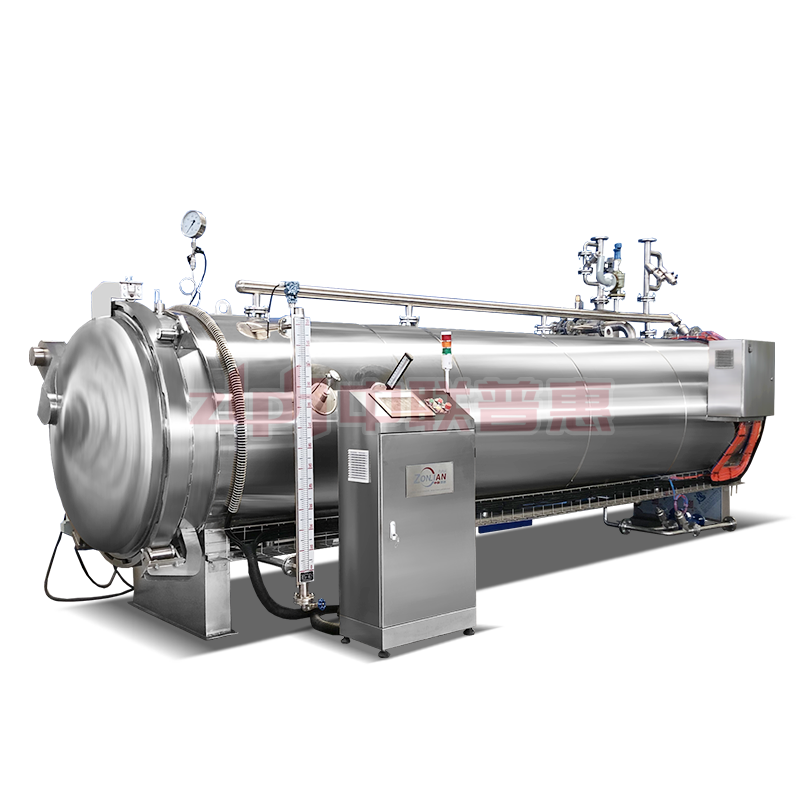
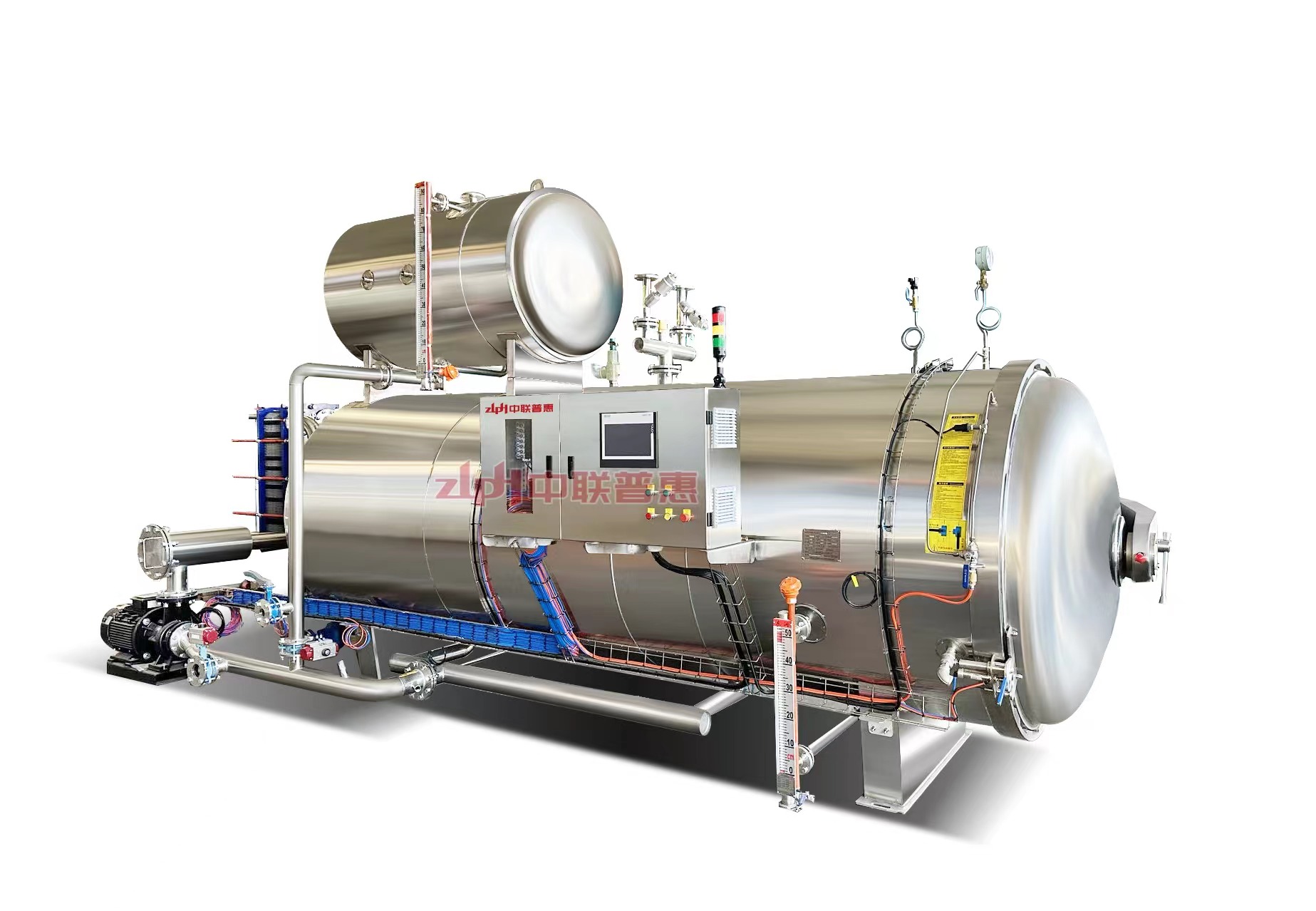
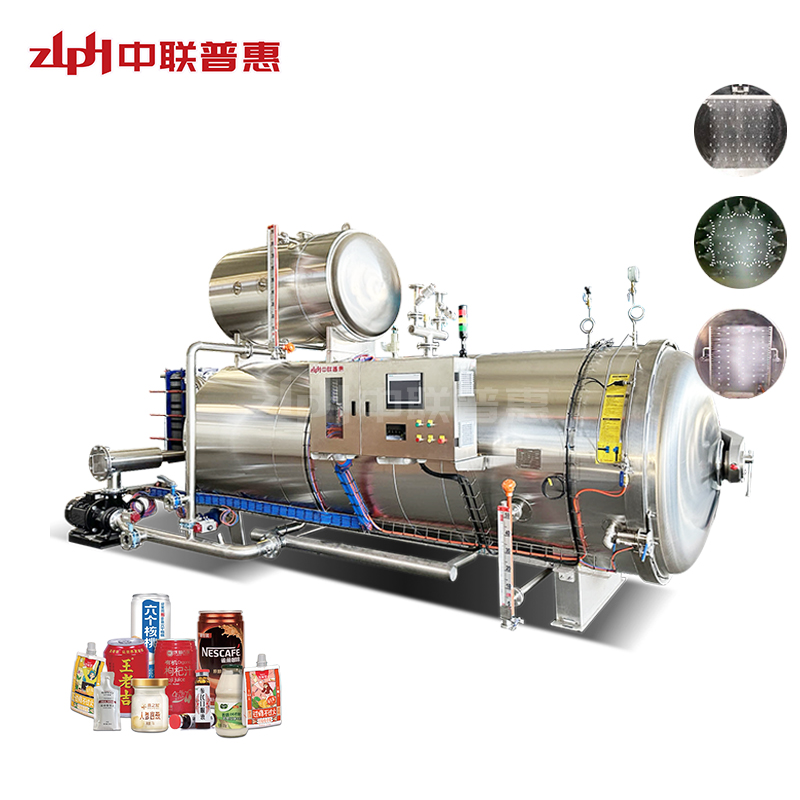
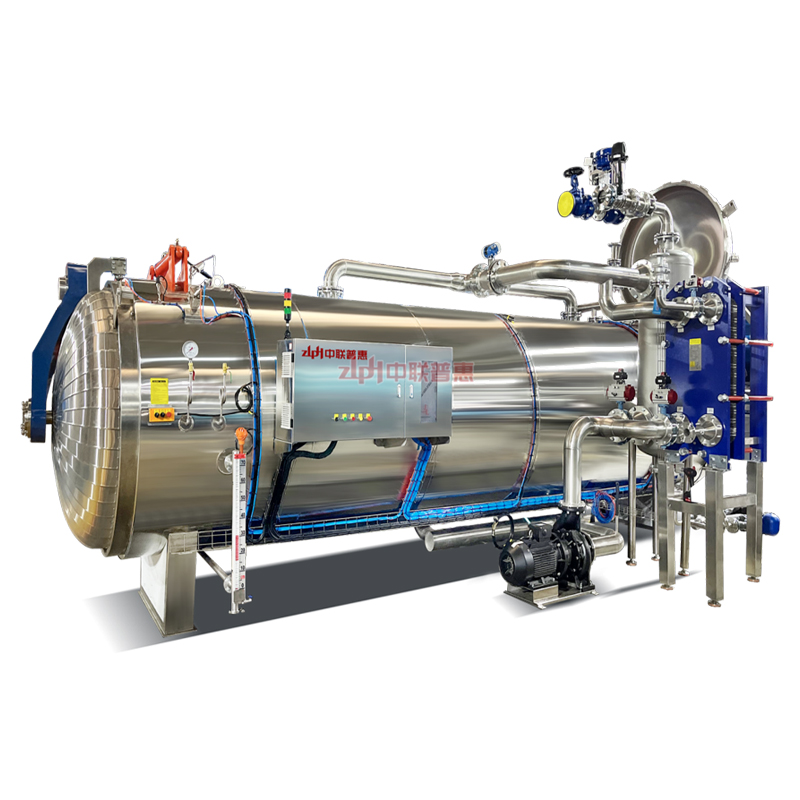
System Upgrade: Install ZLPH’s multi-zone water spray nozzles with variable-frequency pumps, ensuring turbulent flow (≥1.2 m/s) throughout the chamber. The system dynamically adjusts spray pressure based on real-time thermal mapping.
Control Optimization: Integrate dual PT100 sensors at top/middle/bottom zones, feeding data to the PLC for adaptive heating cycles.
4. Pitfall Avoidance Guide
Never overload baskets beyond 85% capacity. Avoid mixing product types with vastly different thermal masses in the same batch. Validate circulation patterns annually using thermal validation balls (e.g., Ellab TrackSense). Always calibrate sensors before seasonal production peaks.
5. Validation Results
At a Southeast Asian pet food plant, implementing this solution reduced F₀ deviation from ±1.8 to ±0.3 minutes across 12,000-liter batches. Product recall incidents dropped to zero over 18 months, and energy consumption fell by 12% due to shorter cycle times.
How to Prevent Overcooking While Ensuring Full Sterilization?
1. Scenario & Pain Point
Delicate products like seafood or fruit compotes suffer texture loss and nutrient degradation when exposed to prolonged high temperatures—even if microbiologically safe. Operators struggle to balance lethality requirements with sensory quality.
2. Root Cause Analysis
Traditional retorts use fixed time-temperature profiles, ignoring real-time product core temperature. Without precise endpoint detection, cycles run longer than necessary to guarantee safety margins.
3. Step-by-Step Solution
Deploy ZLPH’s intelligent control system with wireless core temperature probes. The system calculates real-time F₀ accumulation and terminates heating the moment target lethality is achieved—typically reducing cycle time by 15–22%. Coupled with gentle water immersion (vs. steam-air), product integrity is preserved.
4. Pitfall Avoidance Guide
Ensure probe placement mimics worst-case thermal penetration points. Recalibrate probes quarterly. Never rely solely on chamber temperature for cycle termination.
5. Validation Results
A European baby food manufacturer reported 92% reduction in texture complaints after adoption, with consistent Clostridium botulinum kill (F₀ ≥ 3.0) verified by third-party labs.
Industry Best Practices for Water Immersion Retort Reliability
Based on 8+ years of global deployments, ZLPH recommends this 5-step framework to maximize sterilization consistency:
1. Define Worst-Case Load
Test with densest, coldest product configuration—not ideal lab conditions.
2. Map Thermal Performance
Conduct full 3D thermal validation per ASTM F2823 or EN 13409 standards.
3. Automate Control Logic
Use adaptive systems that respond to real-time thermal data, not pre-set timers.
4. Standardize Loading Protocols
Train staff on basket orientation, spacing, and max fill levels.
5. Schedule Preventive Maintenance
Inspect spray nozzles, pump seals, and sensor calibration every 500 cycles.
Always select equipment certified for your target markets—CE for Europe, EAC for Eurasia, ASME for North America—to ensure regulatory alignment from day one.
Frequently Asked Questions (FAQ)
Q: Can I retrofit my existing retort with better water circulation?
A: Yes—ZLPH offers modular spray manifold upgrades compatible with most legacy vessels, improving flow uniformity by up to 70% without full replacement.
Q: What certifications should a water immersion retort have for EU market access?
A: Mandatory CE marking under PED 2014/68/EU, plus compliance with Machinery Directive 2006/42/EC. ZLPH units hold both, along with EAC for Russia/CIS.
Q: How often should I validate thermal uniformity?
A: Annually for stable processes; immediately after any change in product, packaging, or loading pattern per FDA 21 CFR Part 113.
Q: Does water immersion cause more corrosion than steam retorts?
A: Not if constructed with SS316L and proper water treatment. ZLPH vessels use marine-grade stainless steel and include automatic pH monitoring to prevent pitting.
Q: Can I process glass jars in a water immersion retort?
A: Yes—with controlled ramp rates and counter-pressure management to prevent breakage. ZLPH systems include programmable pressure curves for fragile containers.
Our Proven Expertise & Support
ZLPH MACHINERY TECHNOLOGY CO., LTD. is a trusted global supplier of intelligent sterilization systems, founded in 2018 with a 21-member R&D team specializing in thermal processing and automation. We hold ASME, CE, EAC, and Malaysia DOSH certifications, and our 50-acre manufacturing facility produces 15,000 m² of precision-engineered retorts annually. Our solutions serve clients across 40+ countries, including multinational food brands seeking reliable, audit-ready sterilization.
We offer tailored support including:
• On-site thermal validation and process optimization
• Custom retort design for unique product geometries
• Free sample testing with your actual product
• 24/7 remote diagnostics via IoT-enabled control panels
Contact Us
Company: ZLPH MACHINERY TECHNOLOGY CO., LTD.
Website: https://www.zlphretort.com/
Email: sales@zlphretort.com
Phone / WhatsApp: +86 15666798389 / +86 13361554016
