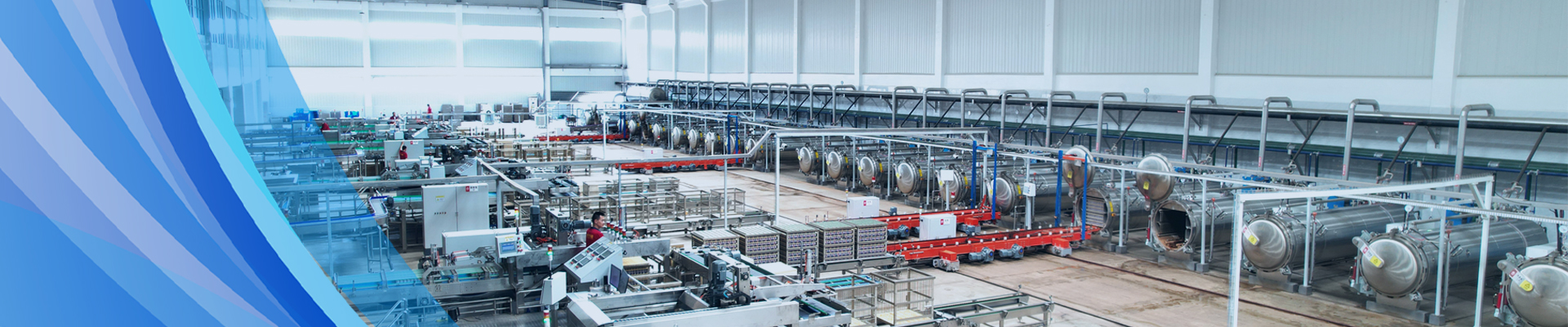

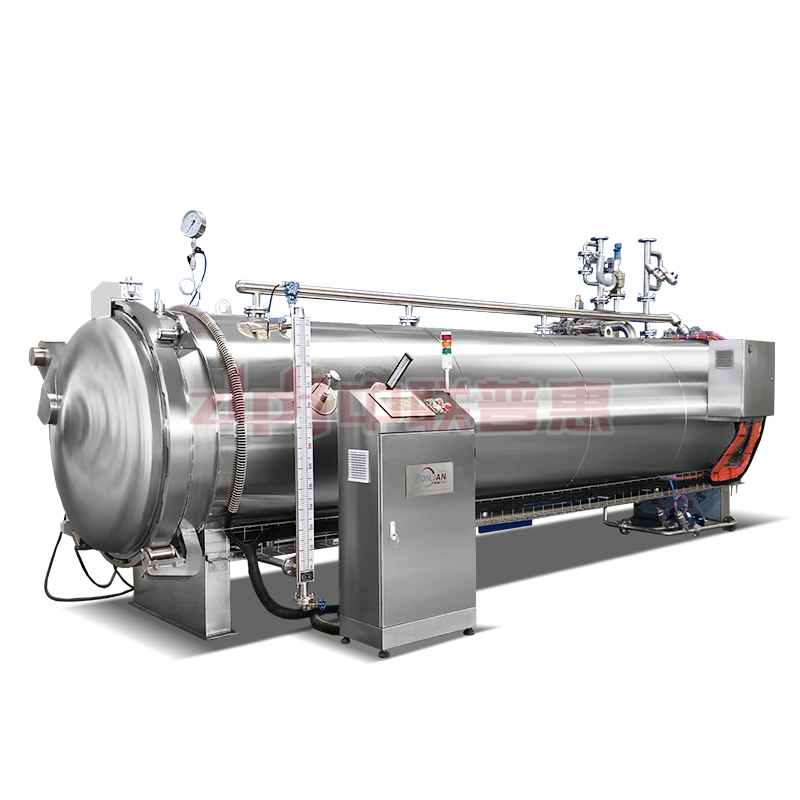
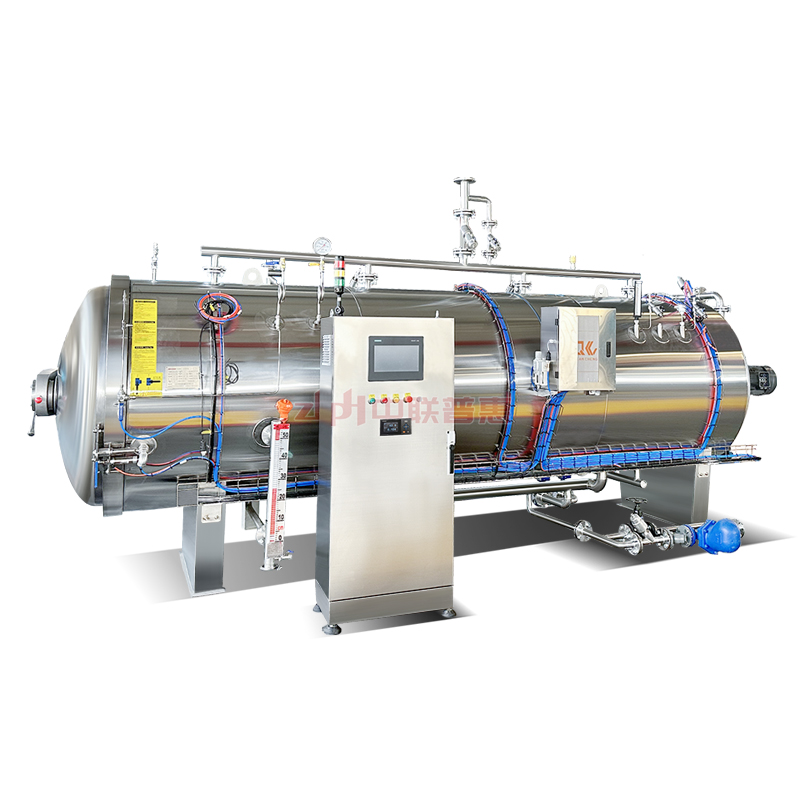
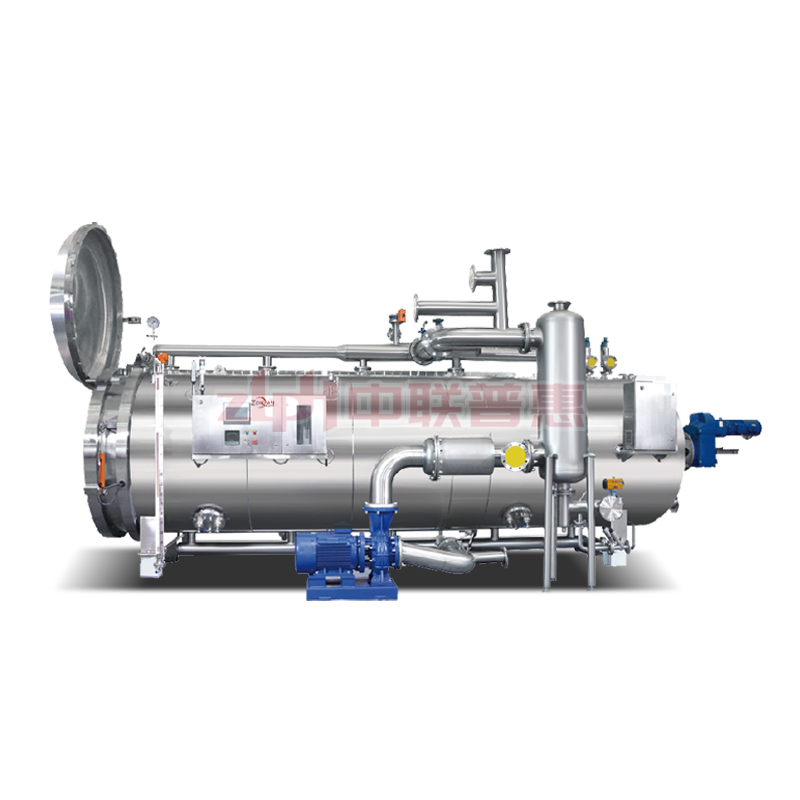
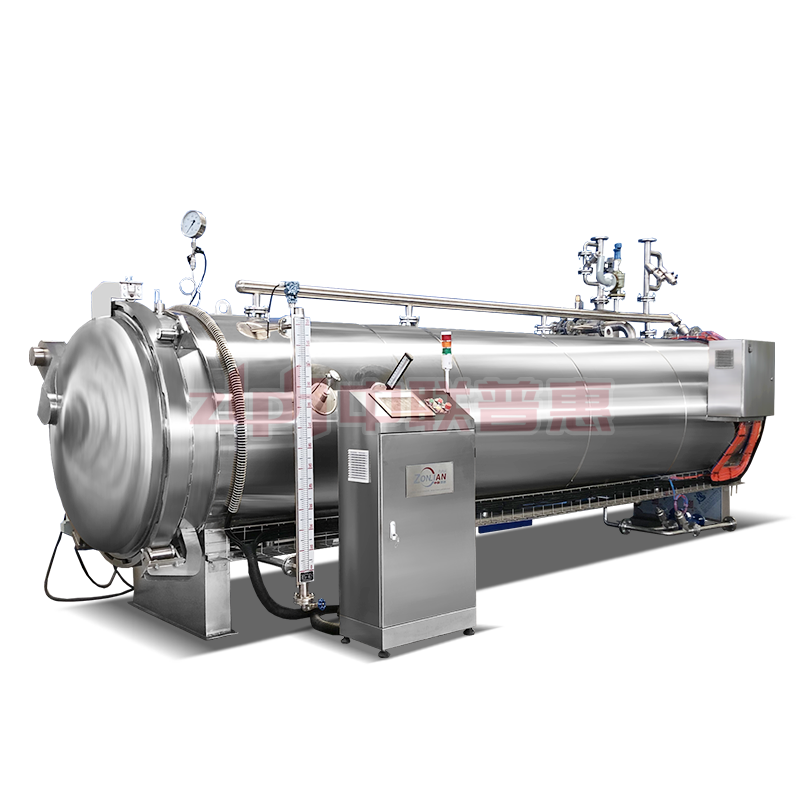
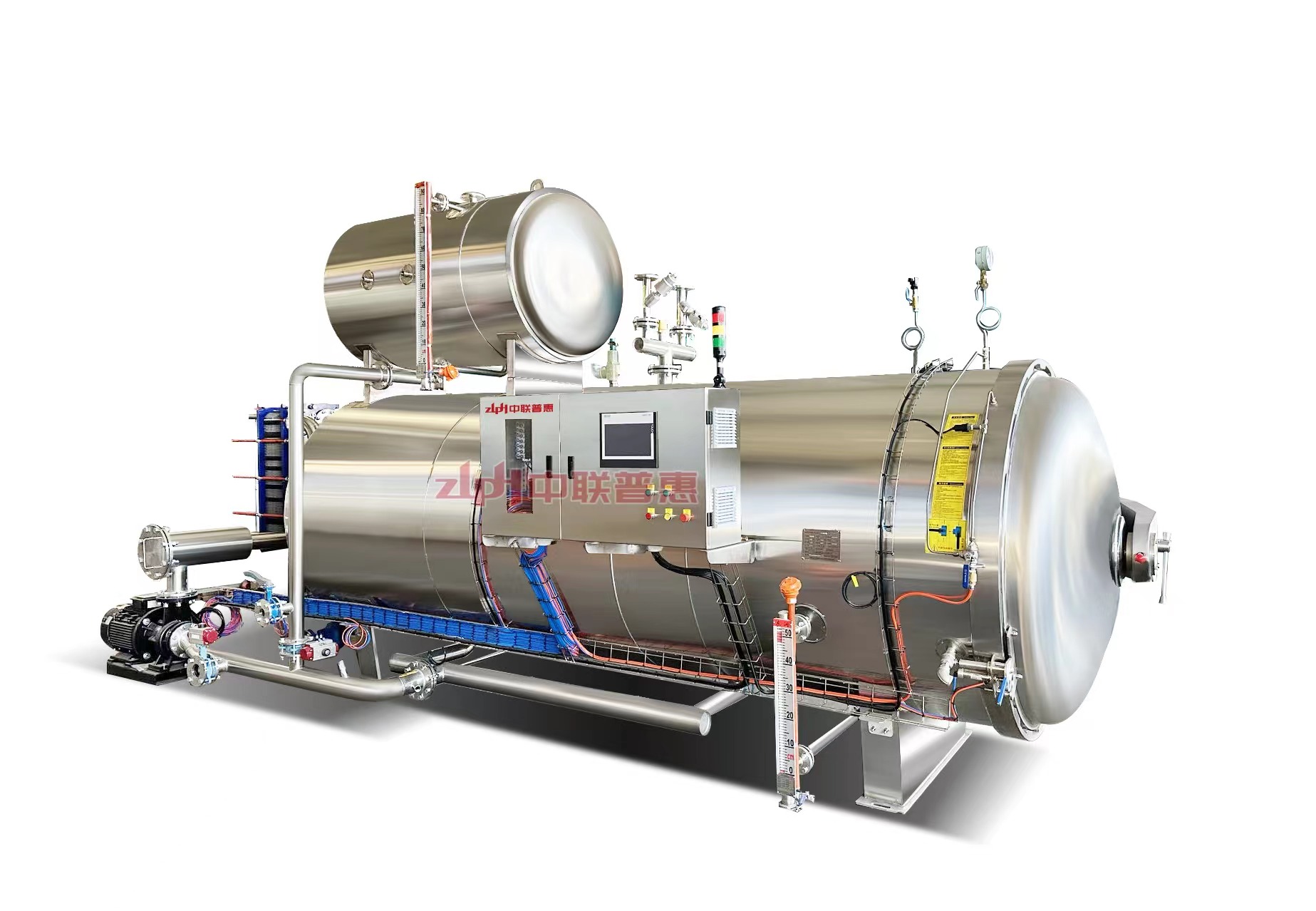
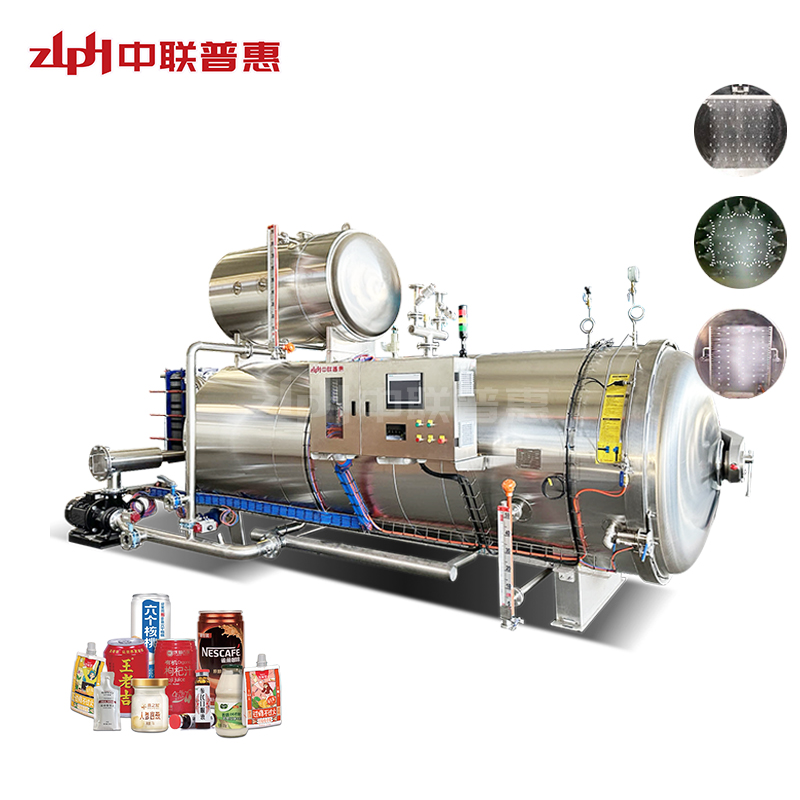
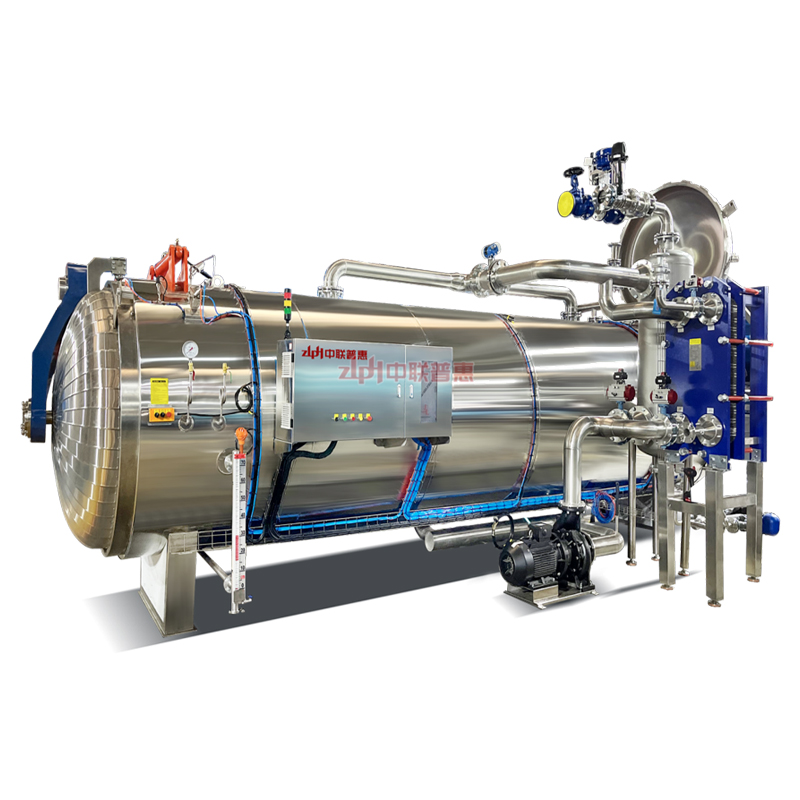
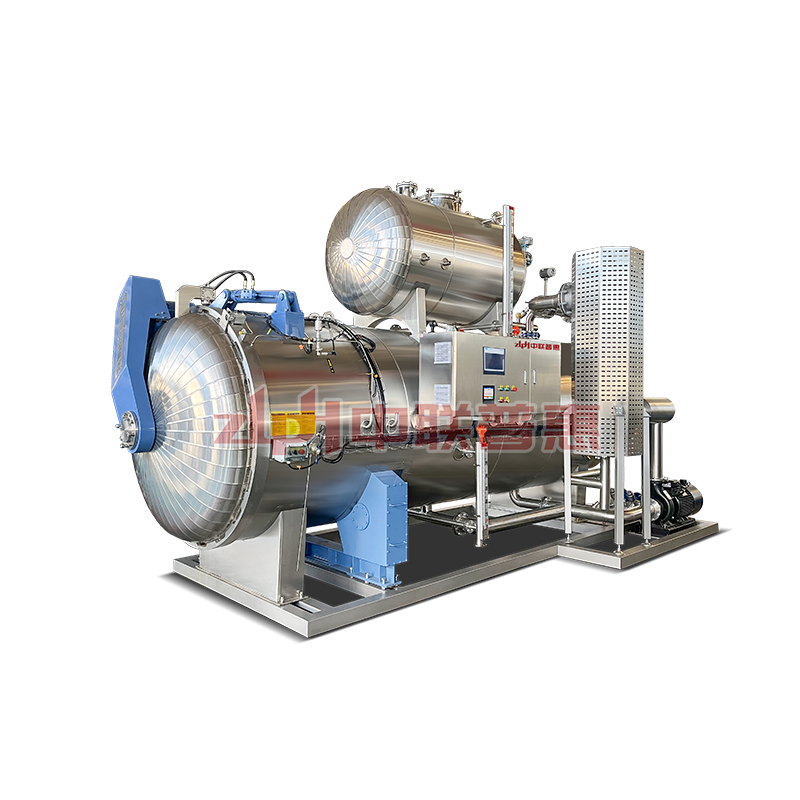
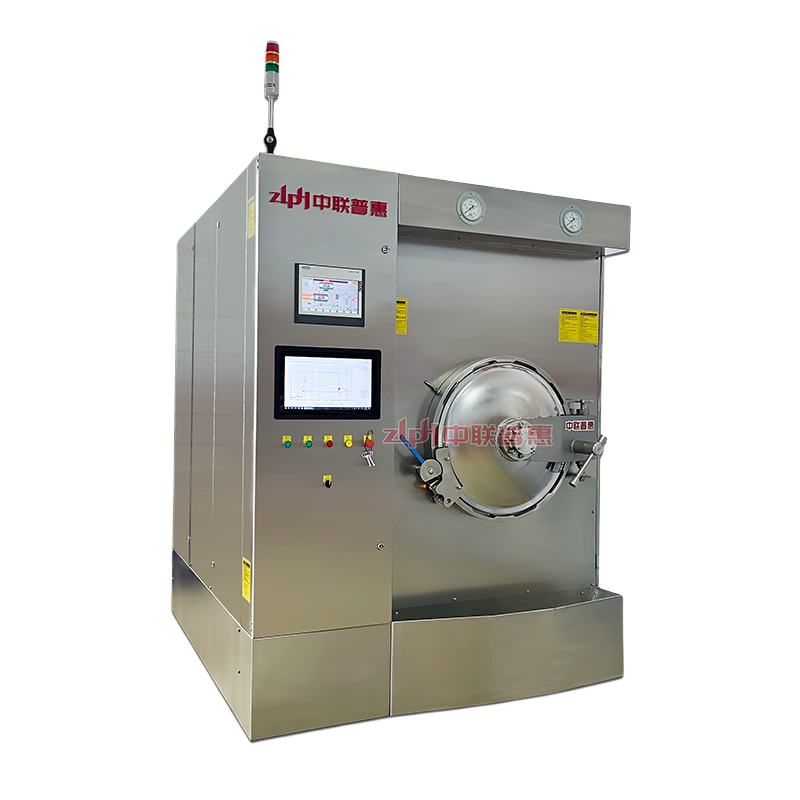
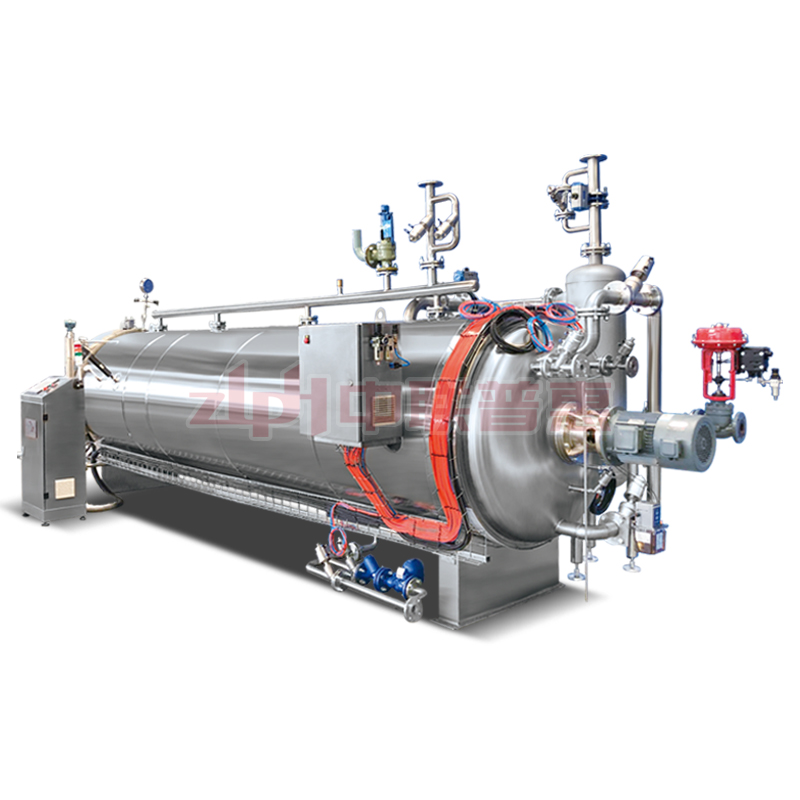
In 2026, food factories worldwide face dual pressures: rising energy costs and growing demand for sustainable production practices. As the single largest consumer of water and energy in most food processing facilities, the Retort Machine has become a focal point for efficiency upgrades—and the new 2026 energy-saving models are redefining what’s possible for retort sterilisation. Unlike outdated systems that waste resources through inefficient heating, cooling, and standby modes, the 2026 autoclave retort sterilizer and retort autoclave models integrate cutting-edge energy-saving technologies to reduce operational costs while maintaining uncompromising retort sterilisation performance. This article explores the innovative features of the new 2026 food retort systems, how they deliver exceptional energy efficiency, and why they are a must-have investment for food factories looking to cut costs, reduce carbon footprints, and stay competitive in 2026’s sustainable food industry.
The core innovation of the new 2026 Retort Machine lies in its advanced heat recovery systems, a game-changer for reducing energy waste in retort sterilisation. Traditional autoclave retort sterilizer models release large volumes of steam during the mandatory venting step—wasting valuable thermal energy that could be repurposed. The 2026 models address this with vented steam heat recovery (VSHR) systems, which capture and condense vented steam to generate hot water for other plant operations, such as cleaning, product preheating, or boiler feedwater heating. For example, a single largeretort autoclave equipped with VSHR can produce over 8.7 million gallons of 180°F hot water annually, significantly reducing the factory’s reliance on external energy sources for auxiliary heating needs. This heat recovery technology alone cuts energy consumption by 20–30% compared to 2025 food retort models, translating to thousands of dollars in annual savings for mid-sized to large food factories.
Another key energy-saving feature of the 2026 Retort Machine is its optimized cooling water recovery system, addressing the significant water waste that plagues traditional autoclave retort sterilizer operations. After retort sterilisation, conventional systems discharge large volumes of cooling water down the drain, but the 2026 retort autoclave models recapture up to 50% of this water for reuse in subsequent cooling cycles or other plant processes. This not only reduces water consumption by half but also cuts the energy required to heat fresh water for the next retort sterilisation cycle. For food factories processing thousands of containers daily, this translates to a 40% reduction in water utility costs and a 15% decrease in associated energy usage—critical at a time when water scarcity and energy prices are at historic highs. The cooling water recovery system is fully integrated with the food retort’s control panel, requiring no additional manual intervention to operate.
The 2026 Retort Machine also features intelligent low-power standby modes, eliminating the “vampire load” that wastes energy in older autoclave retort sterilizer models. Traditional retort autoclave systems often consume significant energy while idle, maintaining chamber heat to be ready for the next cycle—but the 2026 food retort models automatically switch to a low-power mode when not in use, reducing standby energy consumption by 90% or more. This is particularly impactful for food factories with intermittent production schedules or multiple Retort Machine units, as idle energy waste can account for up to 25% of a retort sterilisation system’s total energy usage. The low-power mode is fully customizable, allowing factories to set standby parameters that align with their production schedules andretort sterilisation needs.
High-efficiency heating elements and improved insulation further enhance the energy-saving performance of the 2026 Retort Machine. Unlike older autoclave retort sterilizer models with inefficient heating coils that waste energy through heat loss, the 2026 retort autoclave systems use advanced ceramic heating elements that deliver heat more evenly and require less power to maintain target temperatures. The food retort chambers are also lined with high-density insulation materials that minimize heat loss during retort sterilisation, ensuring that 95% of the energy used goes directly into heating the product rather than escaping into the surrounding environment. This combination of efficient heating and insulation reduces energy consumption per retort sterilisation cycle by 25–35%, even for high-volume Retort Machine units processing thousands of containers per day.
For small to medium-sized food factories, the 2026 Retort Machine offers solar-powered options that integrate IoT monitoring for even greater energy savings. These solar-powered autoclave retort sterilizer models use photovoltaic panels as the primary energy source, supported by battery storage to ensure consistent performance even during low-sunlight periods. The IoT integration allows factory managers to monitor retort sterilisation parameters—temperature, pressure, and energy usage—in real time via a web-based dashboard, optimizing energy consumption based on production needs. For example, a solar-powered retort autoclave used for sterilizing cakalang fufu (a traditional fish product) maintains the required 121°C temperature at 1.2 bar while reducing dependency on fossil fuels by 70% compared to conventional food retort systems. This makes solar-powered 2026 Retort Machine models an ideal choice for factories in regions with abundant sunlight, further lowering operational costs and carbon footprints.
Despite their energy-saving focus, the 2026 Retort Machine models do not compromise on retort sterilisation performance or efficiency. These autoclave retort sterilizer systems feature optimized cycle times, reducing the duration of each retort sterilisation cycle by 15–20% compared to older models—without sacrificing sterility. The retort autoclave chambers are designed for maximum load capacity, allowing factories to process more containers per cycle and increase throughput. For example, a 2026 food retort with a 500-liter chamber can process 20% more cans per cycle than a 2025 model of the same size, reducing the number of cycles needed per day and further cutting energy usage. This high-efficiency design ensures that food factories can increase production volume while using less energy—a win-win for productivity and sustainability.
The 2026 Retort Machine also aligns with the growing demand for sustainable packaging, working seamlessly with recyclable retort pouches and monomaterial packaging solutions that reduce environmental impact. These autoclave retort sterilizer systems are designed to handle flexible packaging formats, such as recyclable retort trays and pouches, with overpressure control to prevent package damage during retort sterilisation. This compatibility allows food factories to adopt eco-friendly packaging without upgrading to a new retort autoclave, further enhancing their sustainability credentials. For example, a factory using the new 2026 food retort can process recyclable monomaterial retort pouches—reducing packaging waste by 60%—while maintaining the same retort sterilisation efficiency and product shelf life.
Real-world case studies demonstrate the tangible benefits of the 2026 energy-saving Retort Machine. Crider Foods, a leading canned protein producer, upgraded its autoclave retort sterilizer systems to 2026 models with heat recovery and cooling water recycling, reducing water consumption by 30% and energy usage by 28% within the first six months of installation. The automated retort autoclave systems also increased throughput by 25%, allowing the factory to meet growing demand without expanding its energy infrastructure. Similarly, a small fish processing factory in Southeast Asia adopted a solar-powered 2026 food retort for cakalang fufu sterilization, cutting energy costs by 70% and achieving compliance with regional sustainability regulations. These case studies prove that the 2026 Retort Machine delivers on its promise of energy savings, high efficiency, and scalability for food factories of all sizes.
In addition to energy savings, the 2026 Retort Machine models offer long-term cost benefits through reduced maintenance and extended lifespan. The autoclave retort sterilizer systems are built with durable, corrosion-resistant 316L stainless steel, and their energy-saving components are designed for minimal wear and tear. The heat recovery and cooling water systems require less maintenance than traditional retort autoclave components, reducing downtime and maintenance costs by 20% compared to 2025 models. This extended lifespan, combined with lower energy and water costs, ensures a faster return on investment—typically 18–24 months for most food factories. For B2B buyers, this makes the 2026 food retort a strategic investment that balances short-term cost savings with long-term operational efficiency.
In summary, the new 2026 Retort Machine sets a new standard for energy efficiency and performance in retort sterilisation, offering food factories a sustainable solution to cut costs and reduce environmental impact. With advanced heat recovery, cooling water recycling, low-power standby modes, and solar-powered options, these autoclave retort sterilizer and retort autoclave models deliver unmatched energy savings without compromising on retort sterilisation quality or throughput. The compatibility with recyclable packaging and seamless integration into existing production lines further enhances their value for food factories of all sizes. For 2026 food factories looking to stay competitive in a sustainable market, investing in the new energy-saving food retort is not just an upgrade—it’s a strategic decision to reduce costs, meet sustainability goals, and ensure long-term success in the global food processing industry.
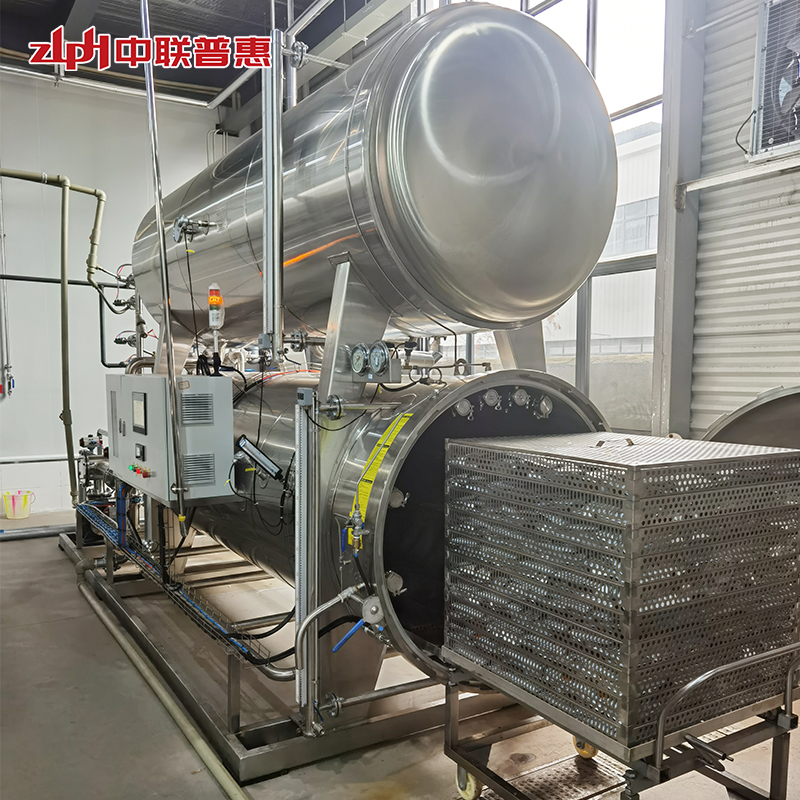
retort machine
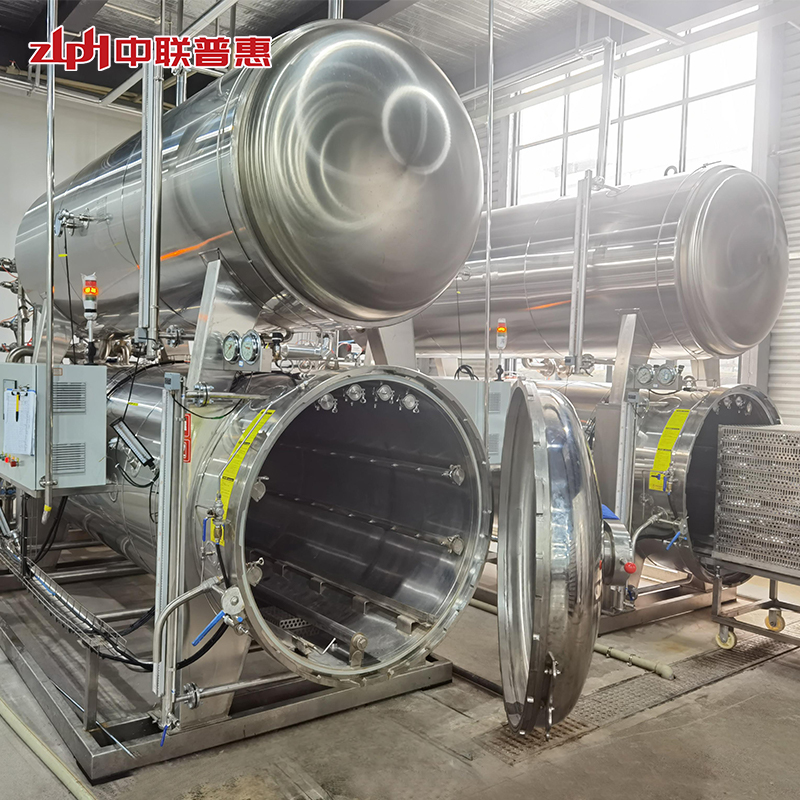
retort sterilizer
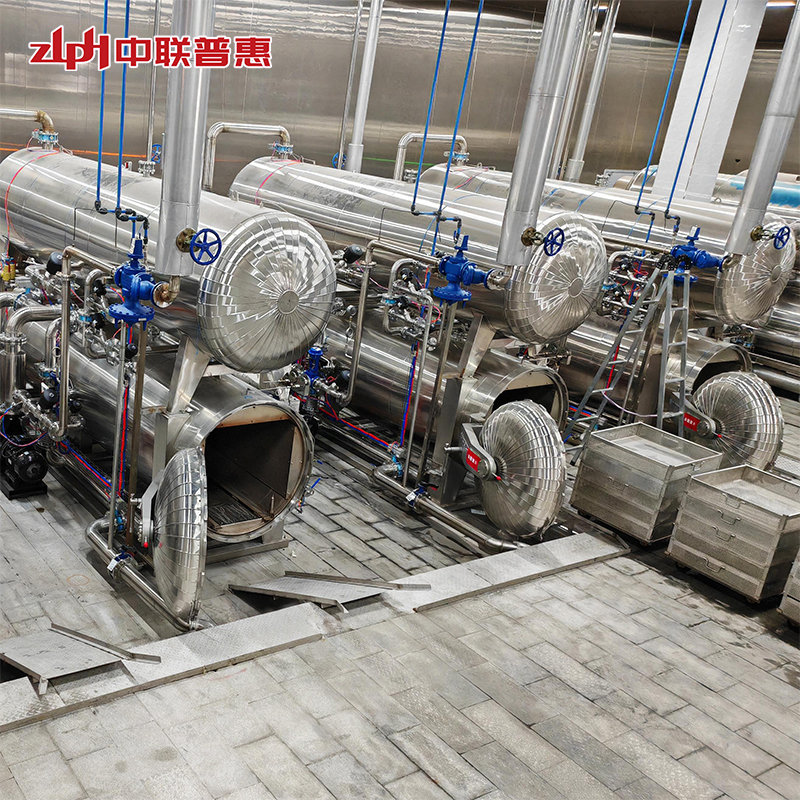
retort autoclave
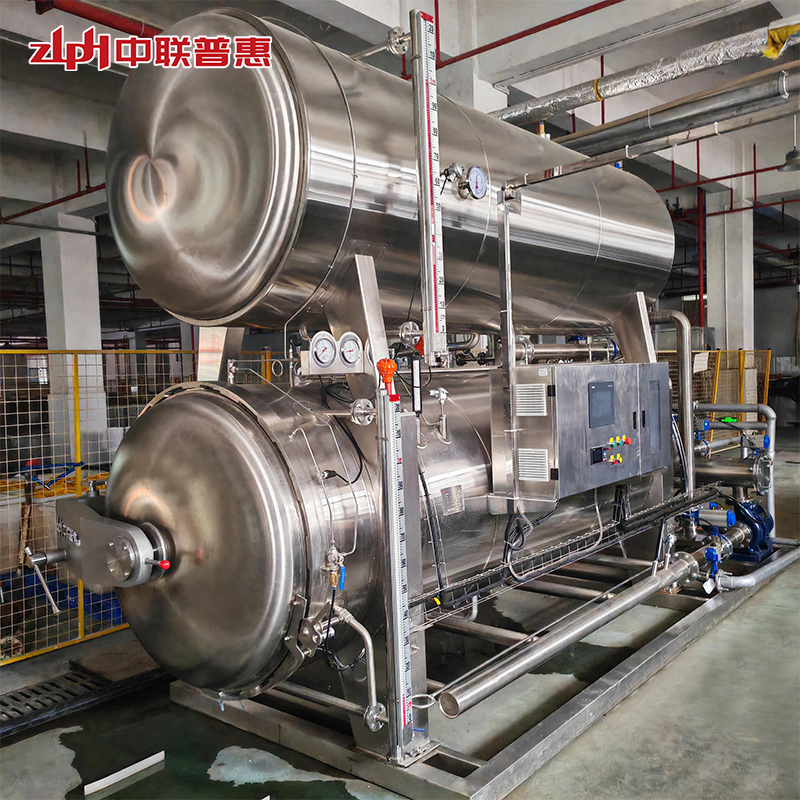
food retort
