

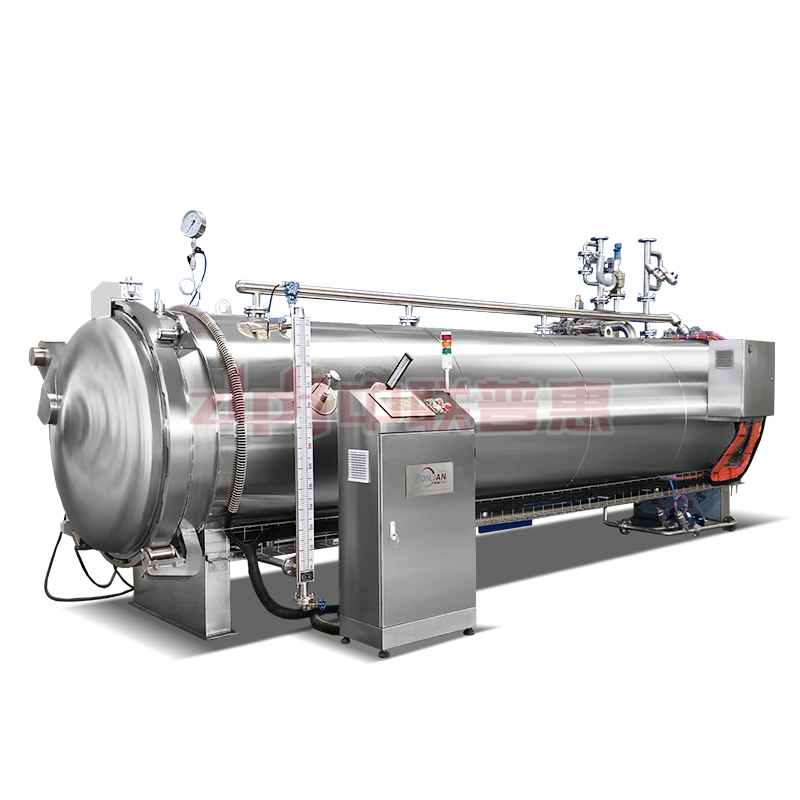
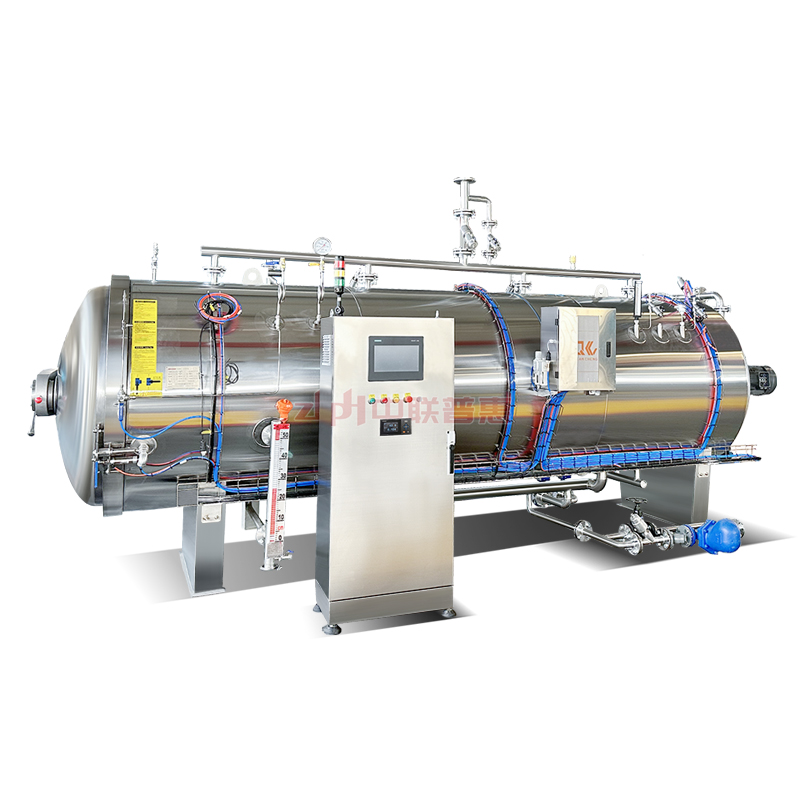
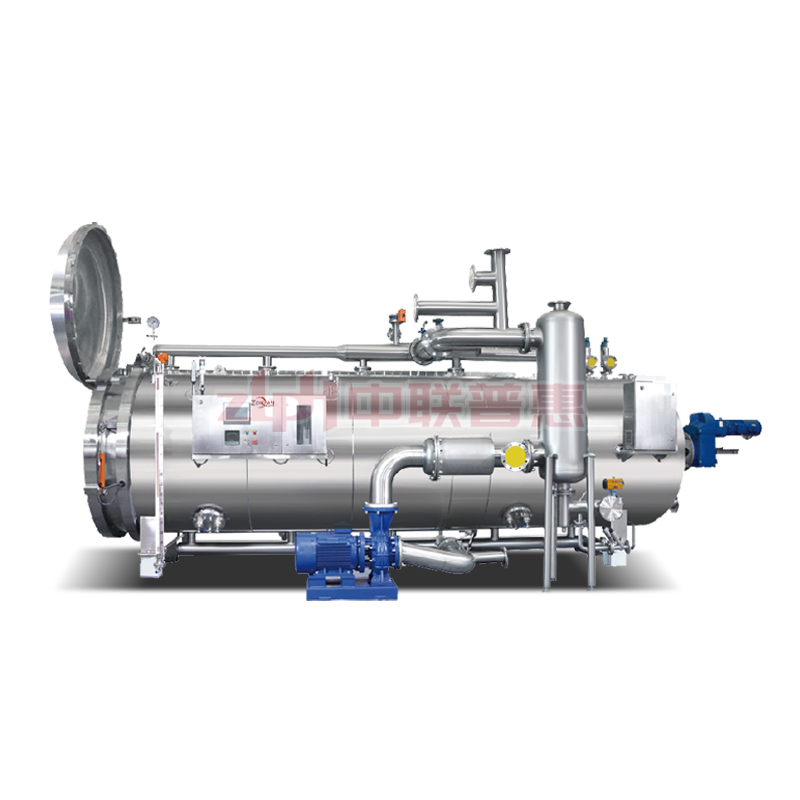
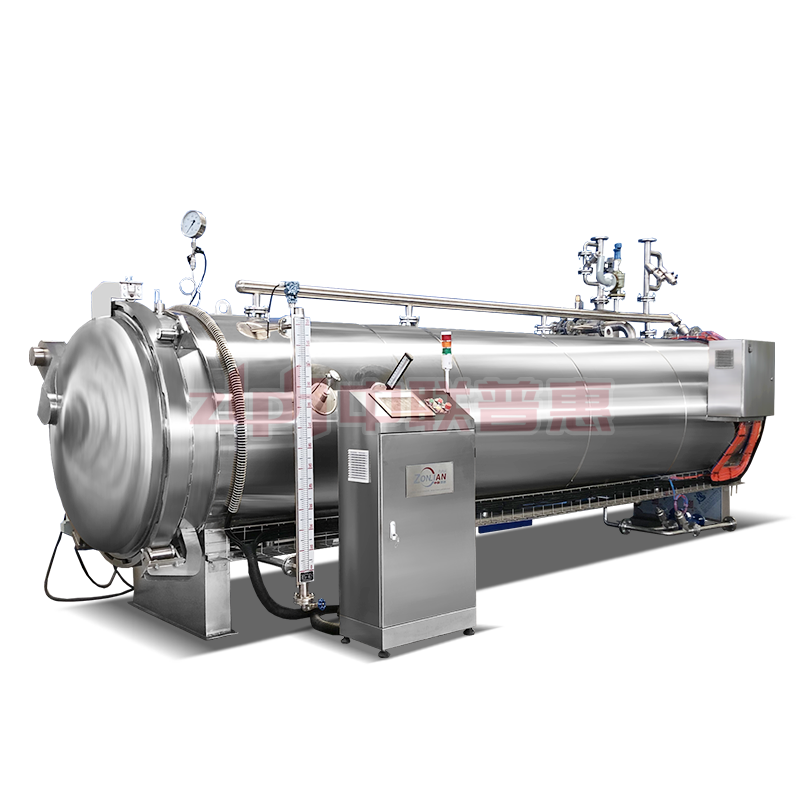
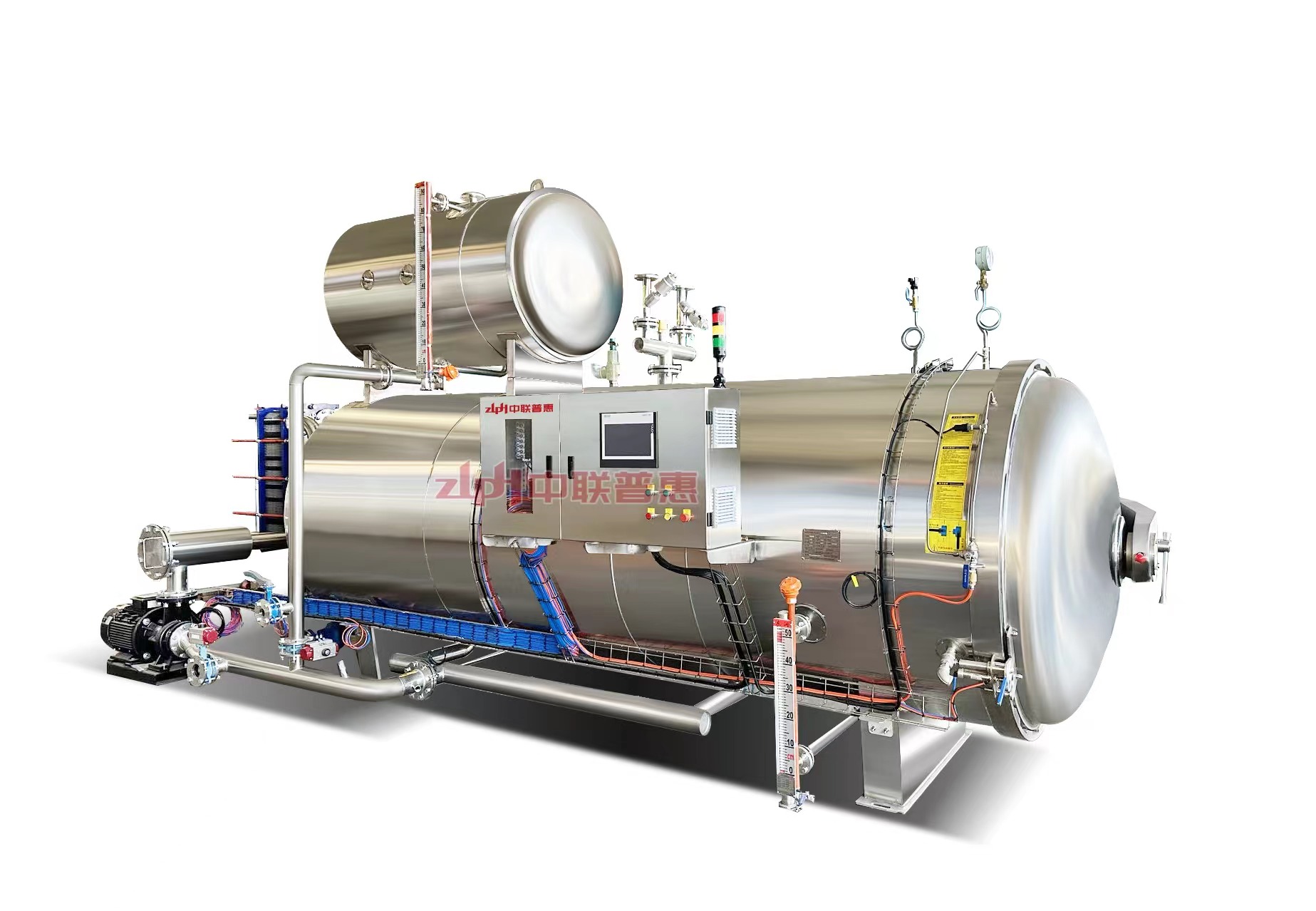
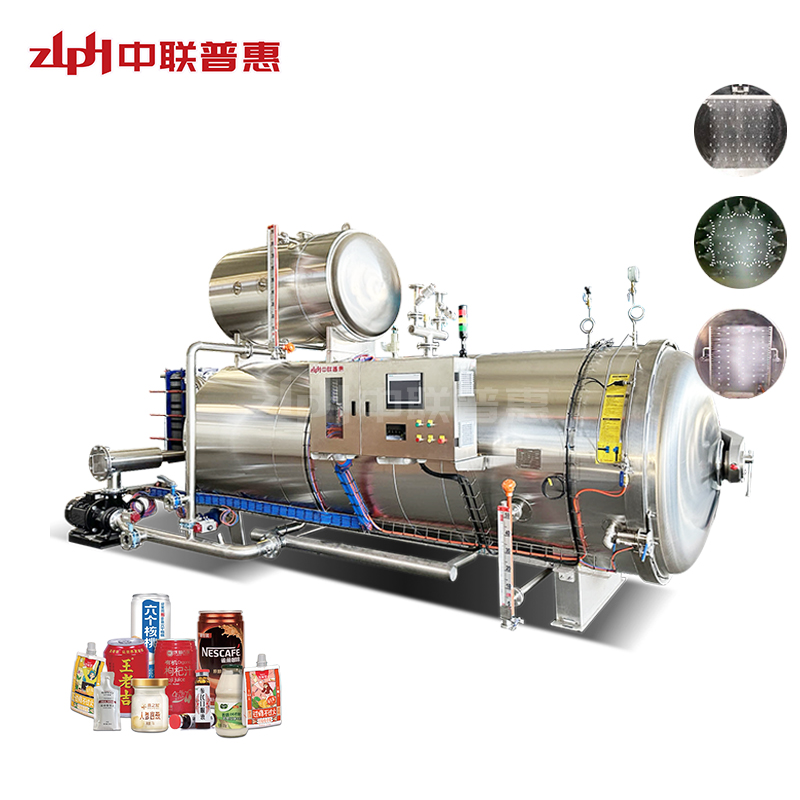
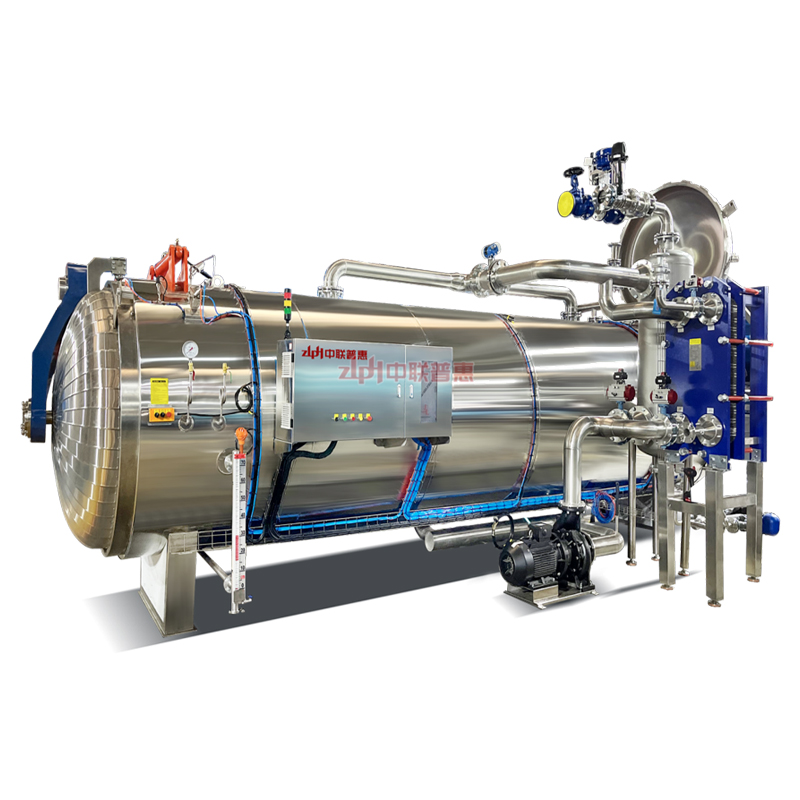
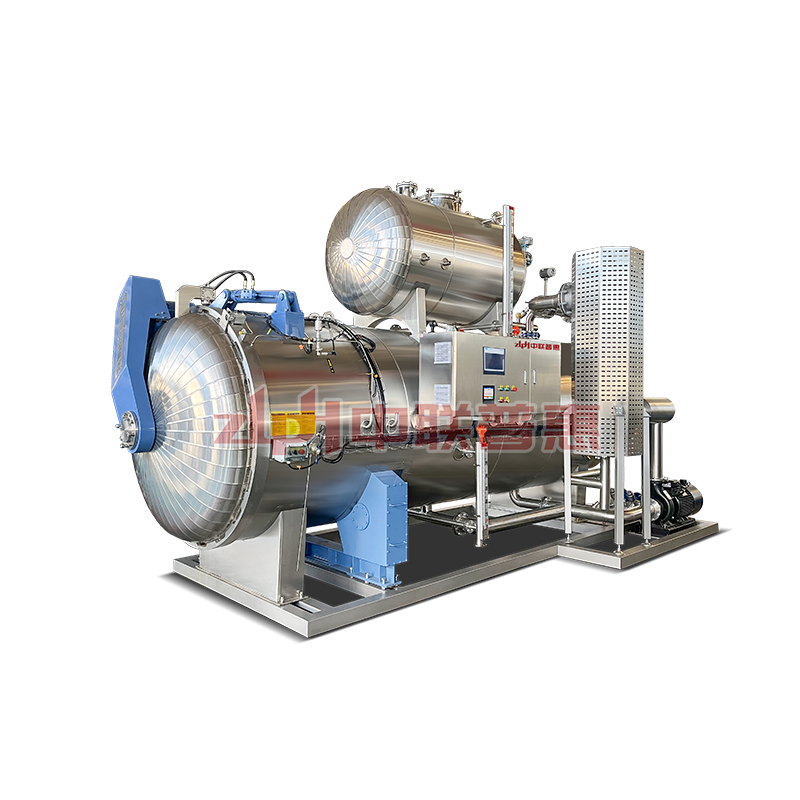
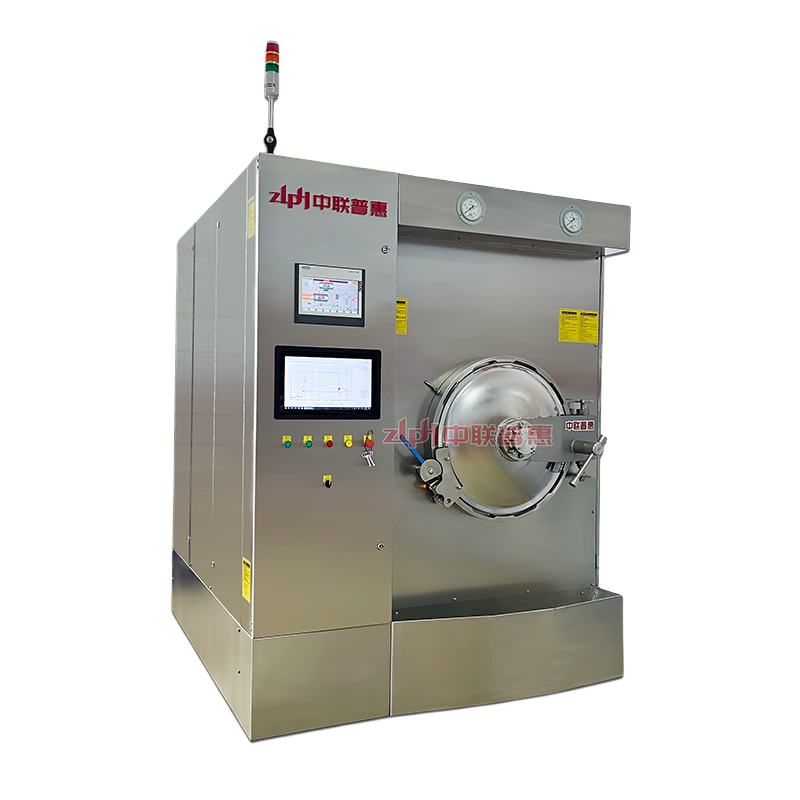
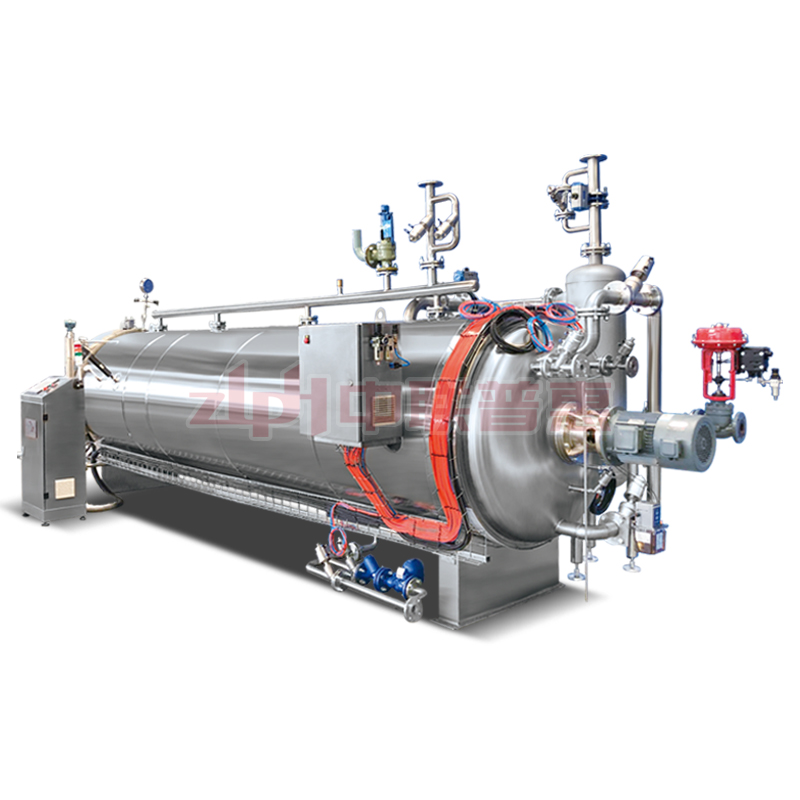
In 2026, global food safety regulations for retort sterilisation have reached unprecedented levels of stringency, with both the U.S. FDA and European Union (EU) enforcing stricter validation, documentation, and traceability mandates for low-acid and shelf-stable food production. For food manufacturers exporting to North America or the EU, non-compliance is no longer an option—it leads to costly product recalls, import bans, and irreversible brand damage. The modern autoclave retort sterilizer has evolved into a highly regulated core component, and mastering compliance for retort autoclave systems, food retort operations, and Retort Machine validation is essential to maintain market access. This guide outlines the critical 2026 compliance frameworks, technical requirements, and best practices to align retort sterilisation processes with FDA and EU standards seamlessly.
FDA Compliance Framework for Retort Sterilisation (2026 Updates)
The FDA’s regulatory oversight of retort sterilisation centers on 21 CFR Part 113 (Thermally Processed Low-Acid Foods Packaged in Hermetically Sealed Containers) and 21 CFR Part 11, with 2026 amendments strengthening digital record-keeping and process validation rules. These rules apply to all food retort systems processing low-acid foods (pH > 4.6), including canned vegetables, ready meals, seafood, and meat products. A key 2026 update mandates that every autoclave retort sterilizer must have calibrated sensors with traceable accuracy—temperature sensors must hold ±0.1°C precision, and pressure sensors must meet ±0.5 psi tolerance, with calibration certificates retained for a minimum of three years.
For retort autoclave operations, the FDA now requires real-time monitoring of all critical retort sterilisation parameters: temperature, pressure, come-up time (CUT), hold time, venting duration, and F0 value (lethality). Manual logbooks are no longer sufficient; 2026 rules enforce digital data logging via FDA-compliant software that creates immutable, tamper-proof records—aligning with 21 CFR Part 11’s electronic signature and audit trail requirements. Every Retort Machine cycle must generate a comprehensive batch report linking product code, container size, load configuration, initial product temperature, and operator credentials. The FDA also mandates pre-operational checks for autoclave retort sterilizer systems: verifying vent functionality, door interlocks, and condensate bleeders, with these checks documented digitally to avoid compliance gaps.
Process validation is another cornerstone of FDA compliance, with 2026 guidelines requiring three-stage validation (IQ, OQ, PQ) for all new or modified food retort systems. Installation Qualification (IQ) confirms the retort autoclave is installed per manufacturer specs and regulatory design standards. Operational Qualification (OQ) tests heat distribution uniformity across the chamber (using 12+ thermocouples) to eliminate cold spots, ensuring retort sterilisation consistency. Performance Qualification (PQ) requires heat penetration tests and biological indicator (BI) studies using Geobacillus stearothermophilus spores to verify a 12-log reduction of Clostridium botulinum, the lethal pathogen targeted by retort sterilisation. The FDA now accepts parametric release for validated Retort Machine systems—allowing batch release based on process data instead of end-product sterility testing—provided full validation documentation is on hand for audits.
EU Compliance Standards for Retort Sterilisation (2026 Revisions)
EU compliance for retort sterilisation is governed by EC 178/2002 (General Food Law), EC 852/2004 (Food Hygiene), and Annex 1 of EU GMP (revised 2022), with additional alignment to ISO 17665-2 (moist heat sterilization) and FSSC 22000 requirements. Unlike the FDA’s prescriptive rules, the EU takes a risk-based approach, mandating a Contamination Control Strategy (CCS) for all autoclave retort sterilizer operations that integrates retort sterilisation into broader food safety management systems (FSMS). For EU markets, retort autoclave systems must carry CE marking, proving conformity with Machinery Directive 2006/42/EC and Pressure Equipment Directive (PED) 2014/68/EU—critical for legal sale in the EU.
A 2026 EU key requirement is enhanced traceability for food retort processes, with batch records linking Retort Machine data to ingredient origins, packaging batches, and distribution details. EU inspectors prioritize full lifecycle documentation for autoclave retort sterilizer equipment: maintenance logs, repair records, sensor calibration histories, and validation reports must be accessible for at least five years. The EU also enforces strict operator competence rules—retort sterilisation staff must complete certified training on retort autoclave operation, process validation, and regulatory compliance, with training records maintained for audit.
For retort sterilisation parameters, EU standards mirror FDA precision but add sustainability mandates: 2026 guidelines encourage energy-efficient Retort Machine designs with heat recovery systems, provided they do not compromise sterility. EU food retort systems must also include safety interlocks (e.g., door lock mechanisms during pressurization) and emergency pressure relief systems to protect operators—requirements integrated into CE certification. Biological validation for EU autoclave retort sterilizer systems follows ISO 17665, requiring BI testing for worst-case load configurations and regular re-validation after process changes (e.g., new products, packaging formats).
Bridging FDA and EU Compliance: Unified Best Practices for 2026
The most efficient path to dual compliance is designing retort sterilisation processes and autoclave retort sterilizer systems to meet the strictest requirements of both regulators. Start with a harmonized validation protocol covering FDA 21 CFR Part 113 and EU GMP Annex 1—conducting heat distribution, heat penetration, and BI studies that satisfy both agencies. Invest in a Retort Machine with integrated PLC control and FDA/EU-compliant data logging software that captures real-time retort sterilisation data, generates audit-ready reports, and prevents unauthorized parameter changes—critical for meeting 21 CFR Part 11 and EU data integrity rules.
Calibration and maintenance are non-negotiable: establish a schedule for calibrating retort autoclave temperature, pressure, and timer sensors (FDA recommends quarterly for critical sensors; EU requires traceable calibration to national standards). Document all maintenance for food retort systems, including part replacements and performance checks, to demonstrate due diligence. Train staff on both FDA and EU requirements—ensure operators understand proper retort sterilisation procedures, digital record-keeping, and deviation reporting (both regulators mandate immediate documentation of process deviations and corrective actions).
Audit preparedness is vital for 2026 compliance. Organize autoclave retort sterilizer validation documents, batch records, calibration certificates, and training logs into a centralized, easily retrievable system. Conduct internal mock audits to identify gaps—FDA and EU inspectors now focus on data integrity, so ensure no backdated or altered records exist for retort sterilisation cycles. For global manufacturers, use a unified retort autoclave control system that adapts to regional requirements while maintaining core compliance—this avoids duplicative processes and ensures consistency across all food retort operations.
Conclusion: Compliance as a Competitive Advantage in 2026
In 2026, retort sterilisation compliance with FDA and EU standards is more than a regulatory obligation—it is a competitive differentiator for food manufacturers. A fully compliant autoclave retort sterilizer system reduces recall risks, streamlines market access, and builds consumer trust in shelf-stable products. By investing in validated retort autoclave equipment, robust digital data logging, and rigorous staff training, businesses can align food retort operations with global standards seamlessly. Remember: compliance is not a one-time effort but an ongoing process—regularly review FDA and EU guidance updates, re-validate Retort Machine processes as needed, and maintain meticulous documentation. For B2B buyers, prioritizing retort sterilisation compliance ensures long-term market access, brand protection, and sustainable growth in the competitive global food industry.
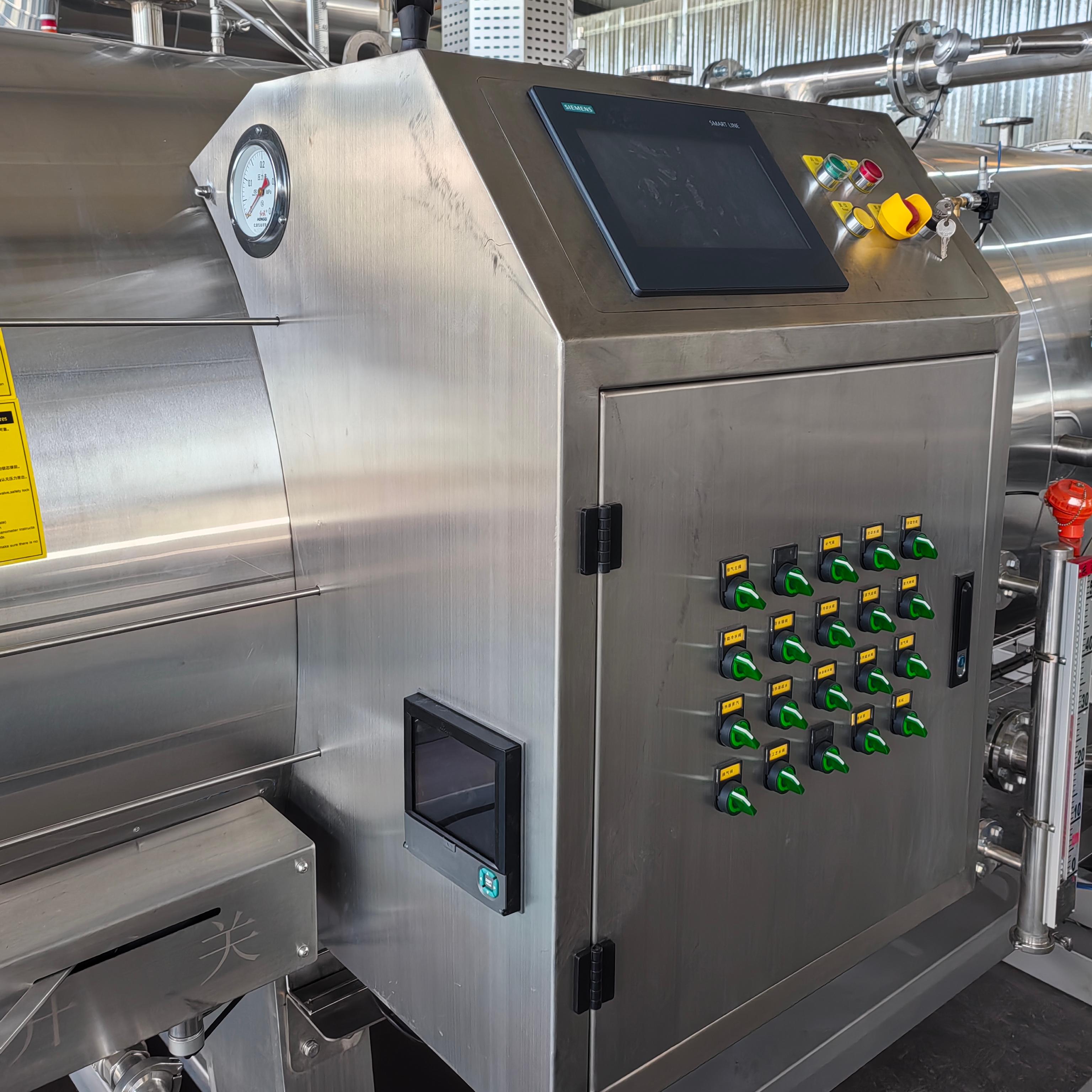
food retort
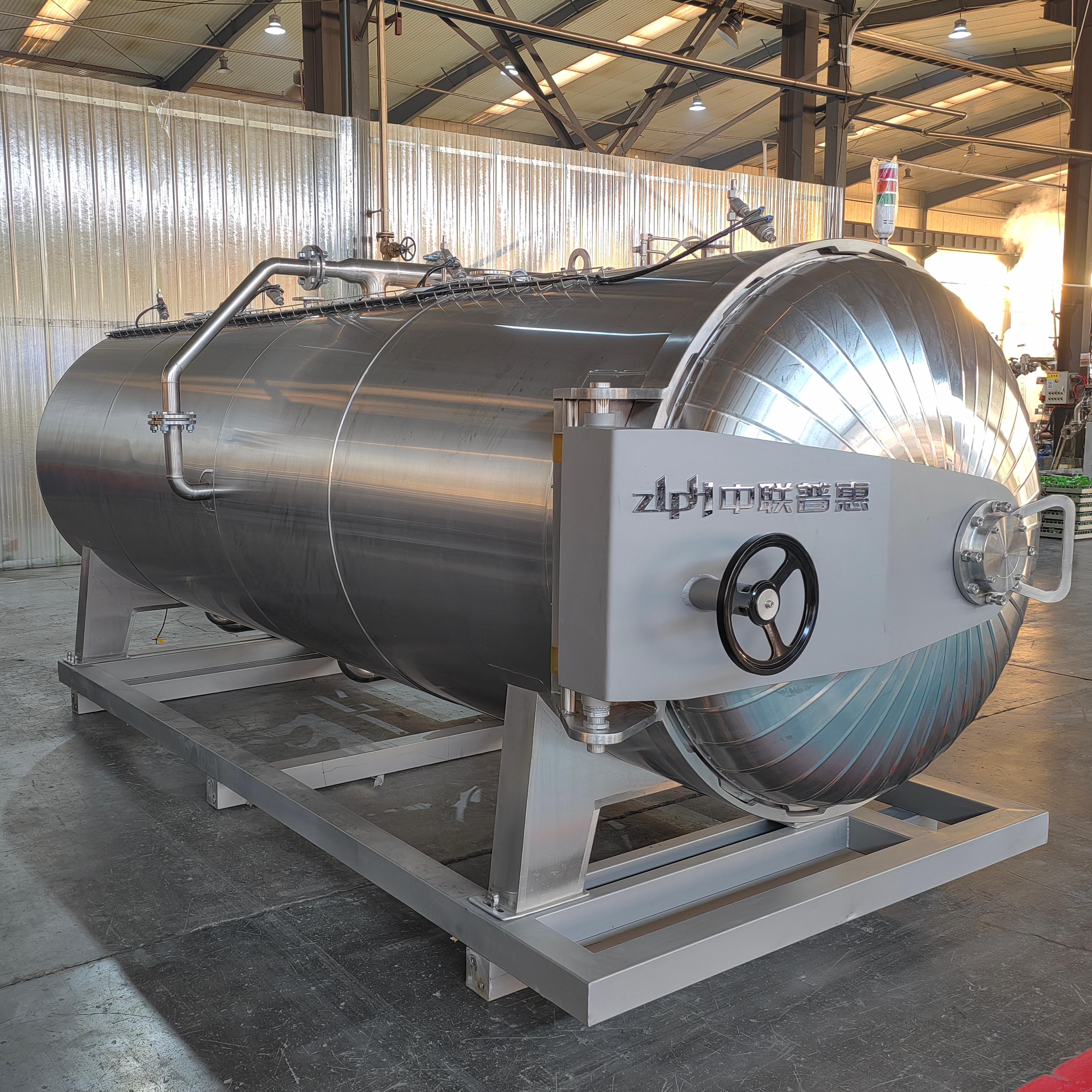
autoclave retort
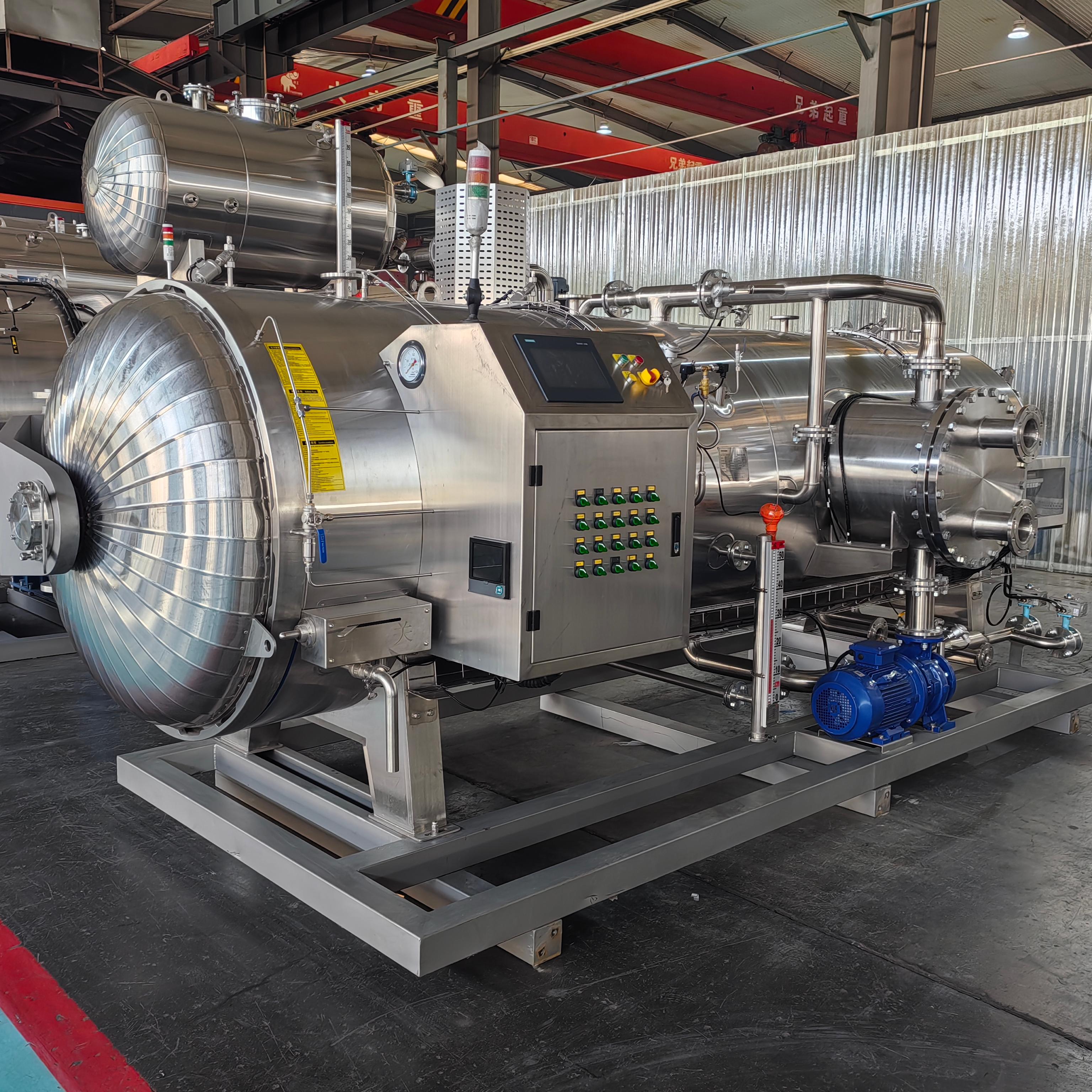
food retort
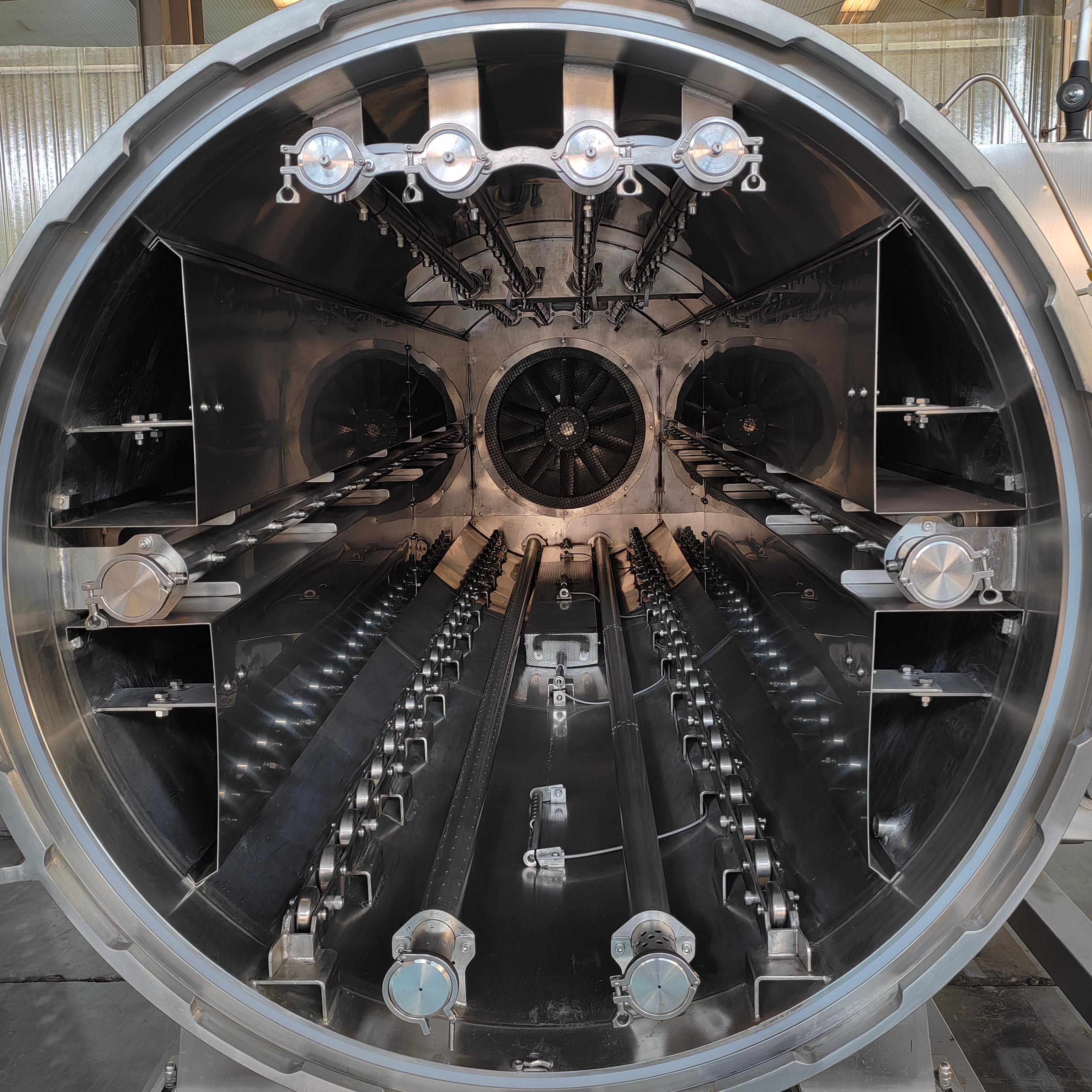
retort machine
