http://www.zlphretort.com/product-water-immersion-retort-autoclave.htmlIn 2026, the food industry is defined by diversity—from small-batch artisanal producers and startup food brands to large-scale industrial facilities and global food conglomerates. Each of these businesses faces unique production challenges, but one common need unites them: a
retort autoclave solution that matches their capacity requirements while delivering consistent, compliant
retort sterilisation. This is where small and large
retort autoclave models shine, offering flexible capacity options that adapt to the size, growth, and product needs of 2026 food businesses. Unlike one-size-fits-all equipment, these tailored solutions—ranging from compact bench-top
food retort units to high-volume industrial
autoclave retort sterilizer systems—ensure that every producer, regardless of scale, can achieve safe, shelf-stable products without wasting resources or compromising on quality. The flexibility of small and large
Retort Machine models has become a strategic asset, allowing businesses to scale operations, adapt to market trends, and maximize return on investment.
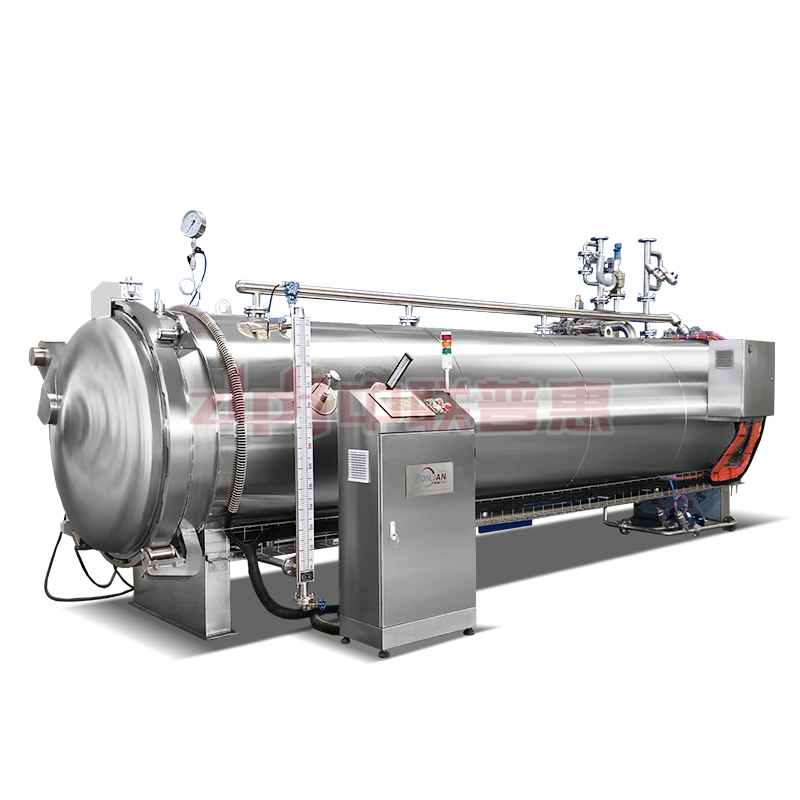
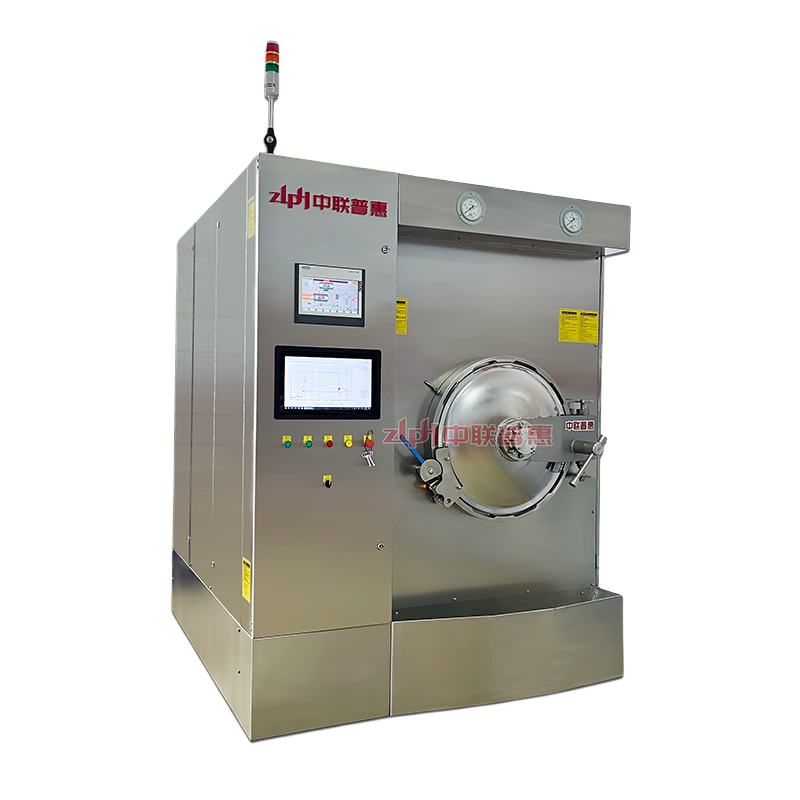
Small retort autoclave models are designed specifically for 2026’s small-scale food businesses, including artisanal producers, startup brands, and specialty food makers. These compact food retort units typically feature chamber volumes ranging from 20 to 80 liters, making them ideal for small-batch production, product testing, and niche market offerings—such as artisanal jams, specialty sauces, or small-batch pet food. Unlike large industrial systems, small autoclave retort sterilizer models require minimal floor space, making them suitable for home-based facilities, small workshops, or test kitchens. They are engineered to deliver the same reliable retort sterilisation performance as larger units but with lower energy and water consumption, aligning with the cost-saving goals of small businesses. For startups and artisanal producers, a small Retort Machine eliminates the need for large upfront investments, allowing them to test new products, validate recipes, and enter the market without overcommitting resources.
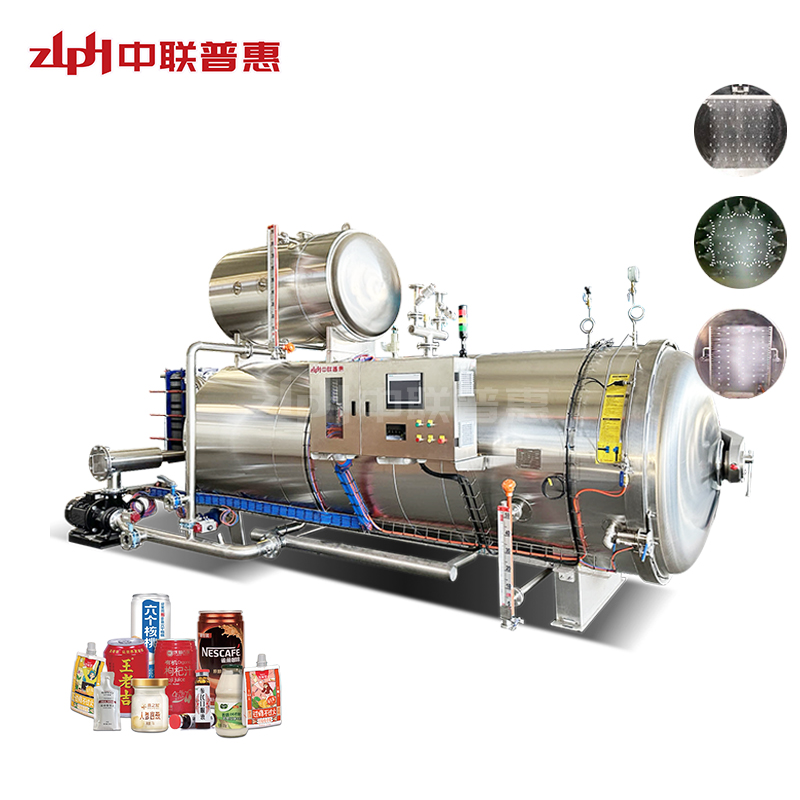
The versatility of small retort autoclave models is a key advantage for 2026’s small food businesses. These compact food retort units support a range of packaging formats, including small glass jars, mini retort pouches, and small metal cans—perfect for niche products and limited-edition offerings. Many small autoclave retort sterilizer models feature simple, user-friendly controls, making them accessible to teams with limited technical expertise, while still meeting FDA, CE, and FSSC 22000 compliance standards. Additionally, small Retort Machine units often support multiple retort sterilisation modes, such as steam and water spray, allowing producers to adapt to different food types—from acidified jams to low-acid specialty meats. This flexibility enables small businesses to diversify their product lines, respond to consumer trends, and build a loyal customer base without investing in multiple specialized systems.
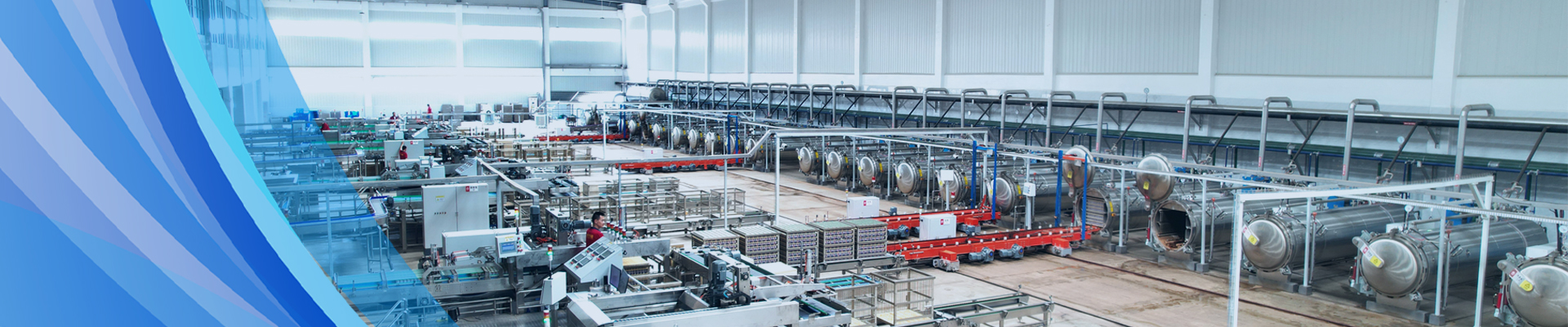
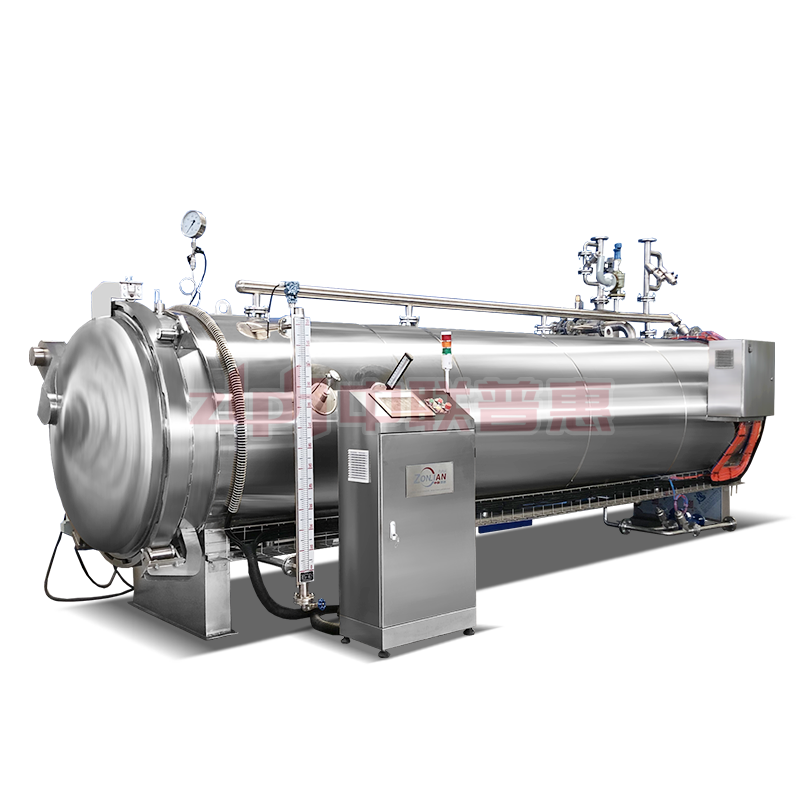
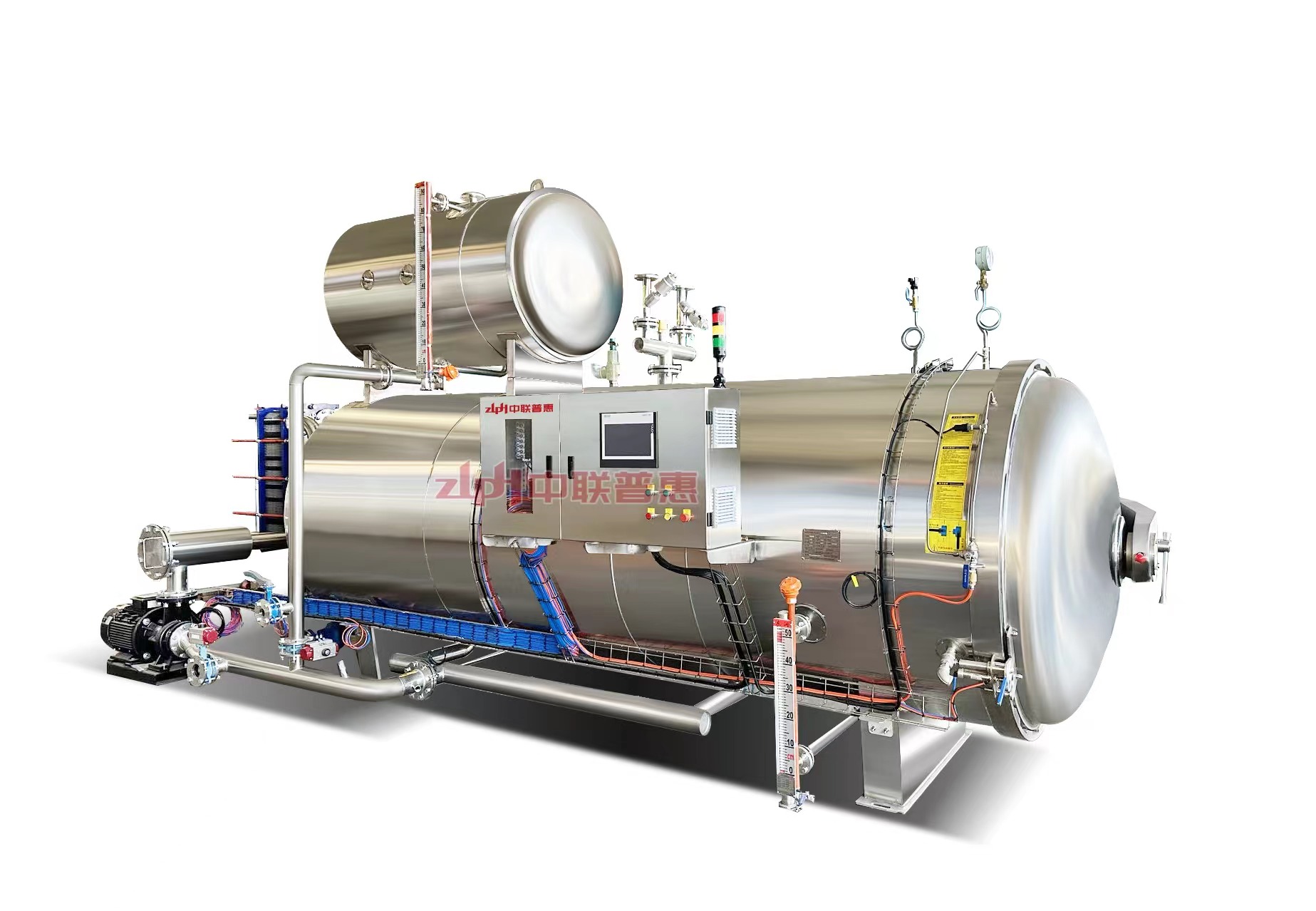
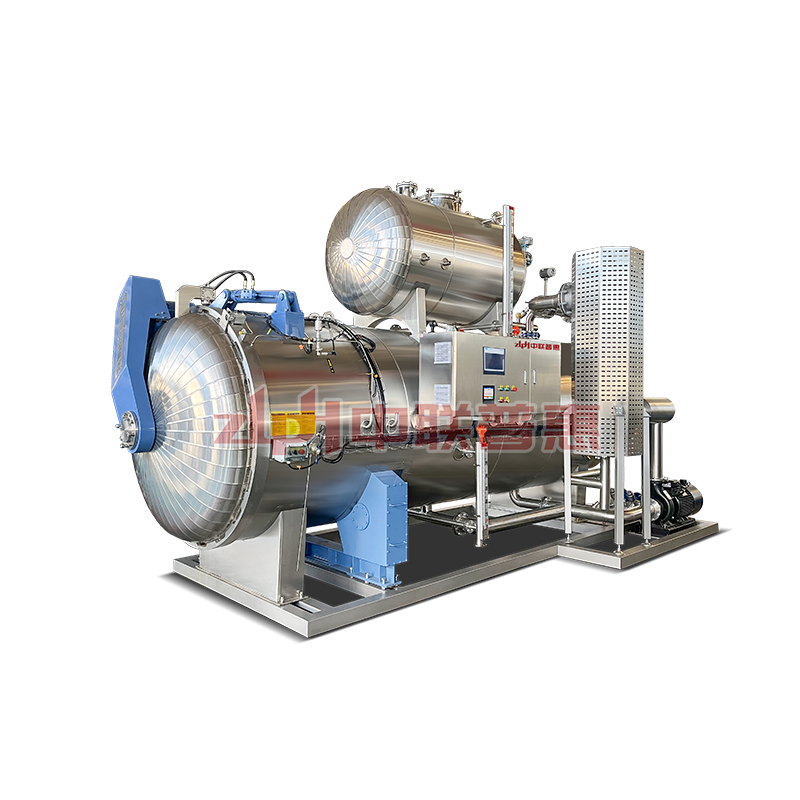
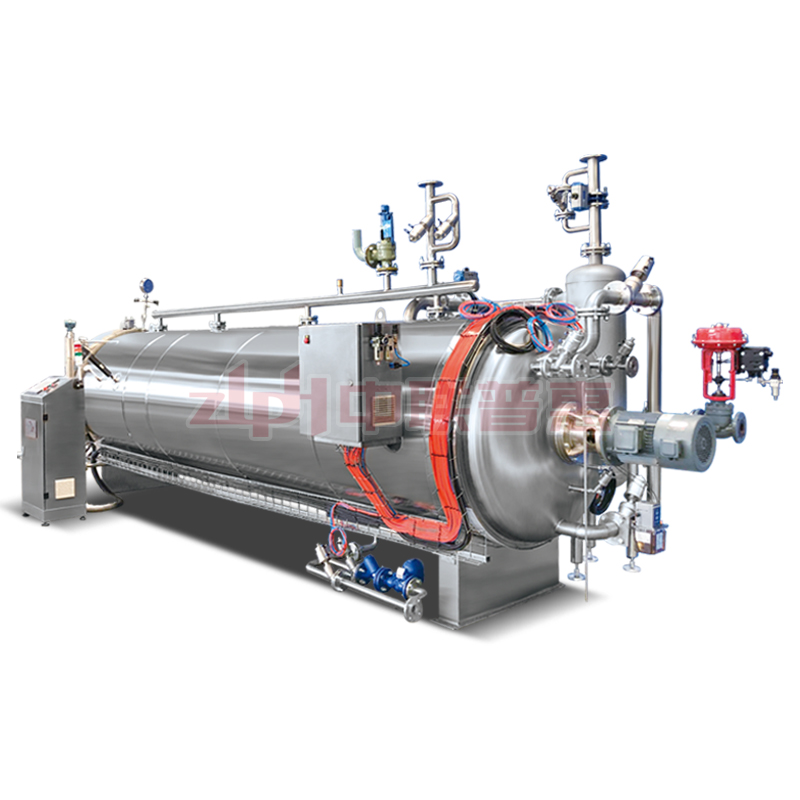
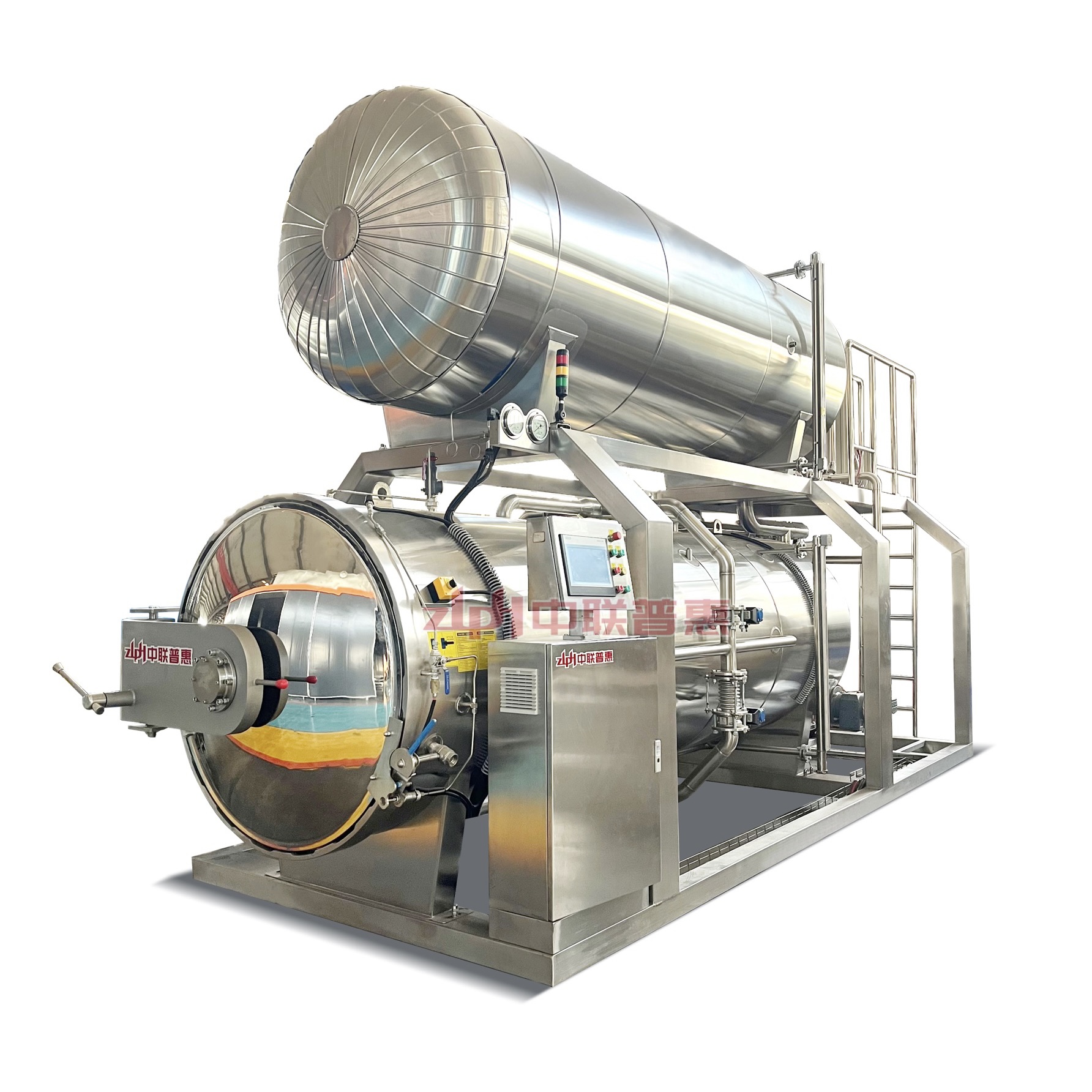
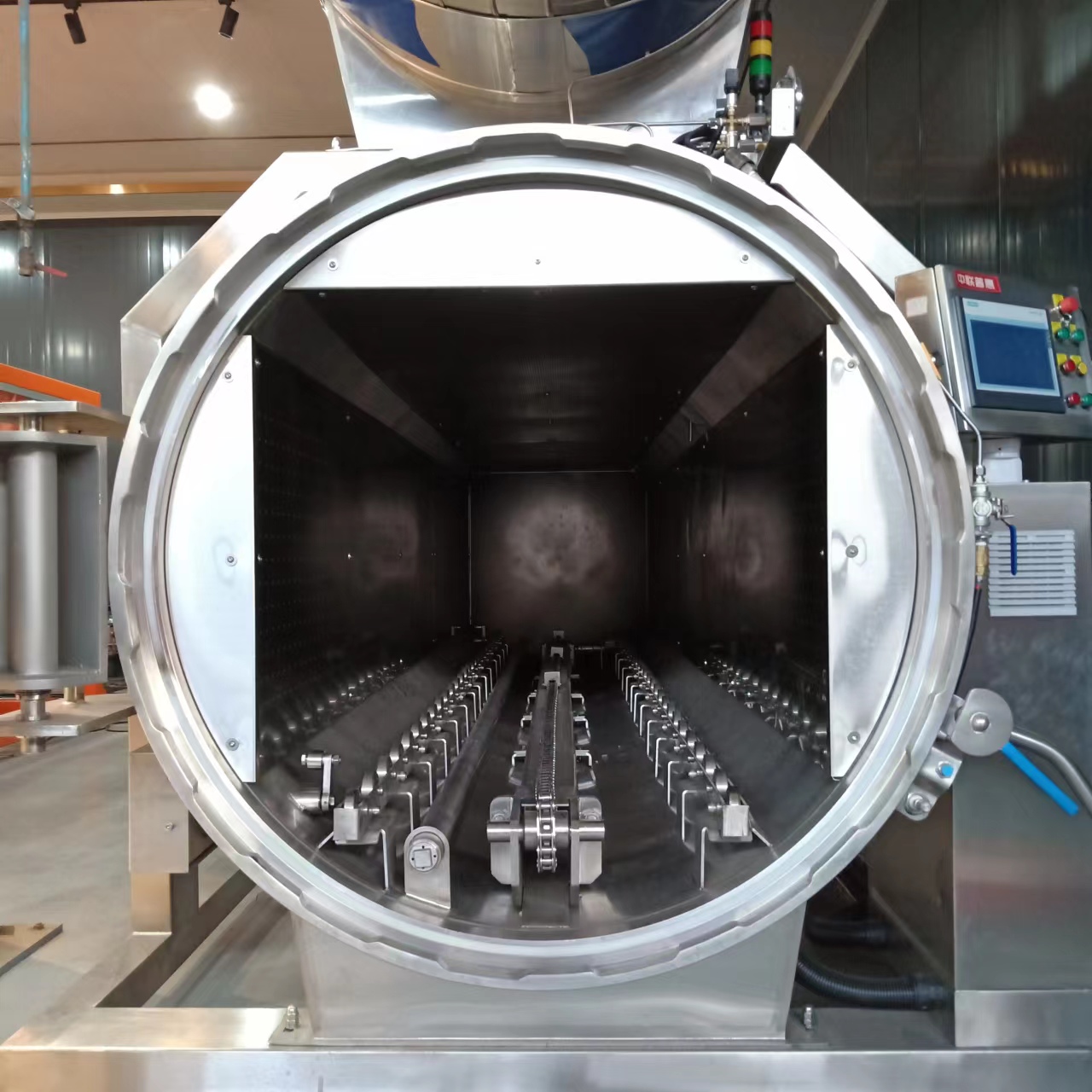
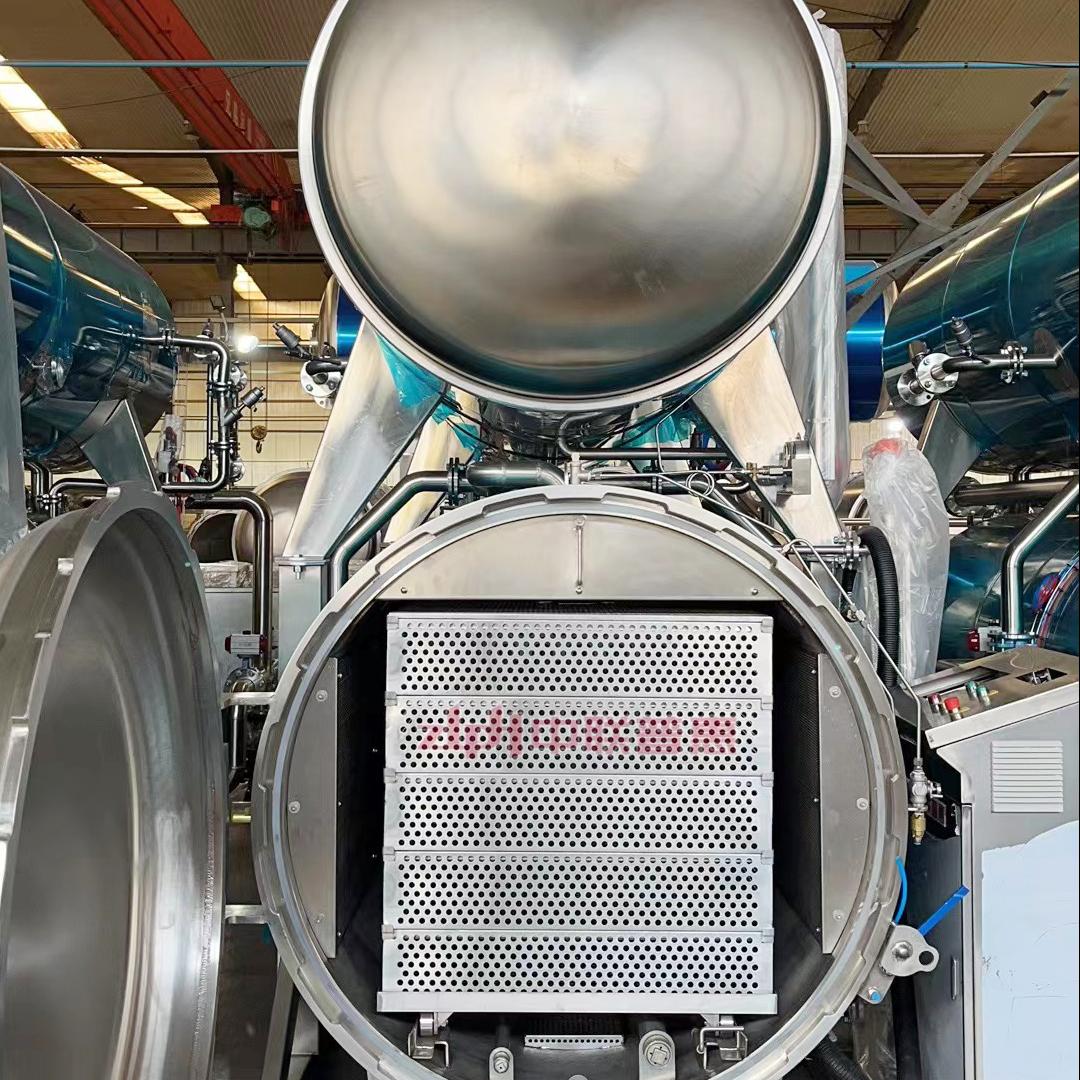
For large-scale food businesses in 2026—including industrial canneries, mass-market ready-meal producers, and global beverage companies—large retort autoclave models are essential for meeting high-volume production demands. These industrial-grade food retort systems feature chamber volumes ranging from 200 to 1000+ liters, capable of processing thousands of containers per cycle, making them ideal for continuous production lines. Unlike small units, large autoclave retort sterilizer models are designed for heavy-duty operation, with robust construction, automated loading/unloading systems, and advanced thermal control to ensure uniform retort sterilisation across large batches. This consistency is critical for large producers, as it reduces product rejection rates, minimizes waste, and ensures that every unit meets the same high safety and quality standards.
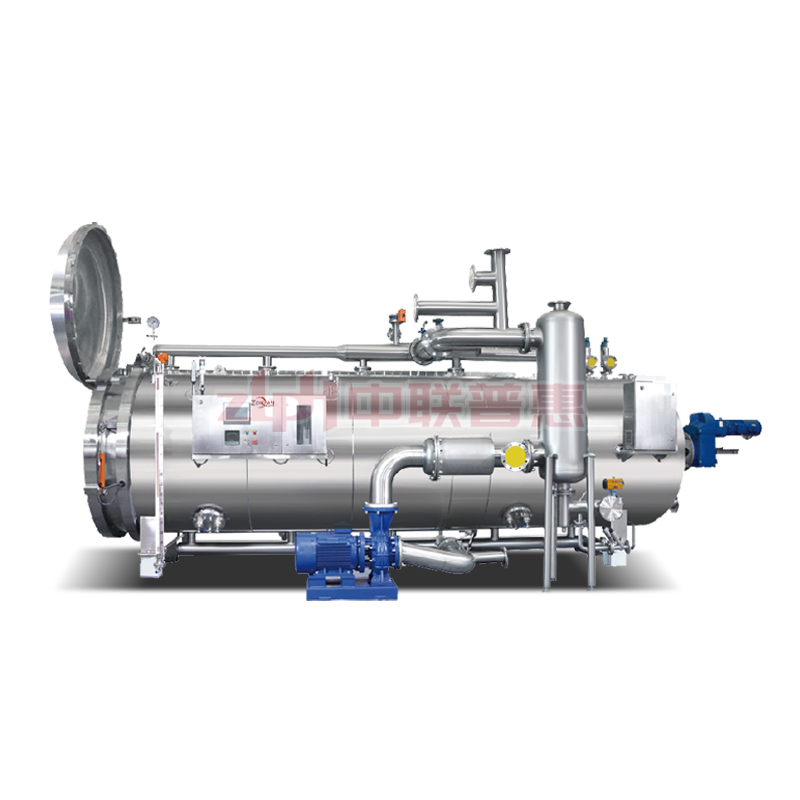
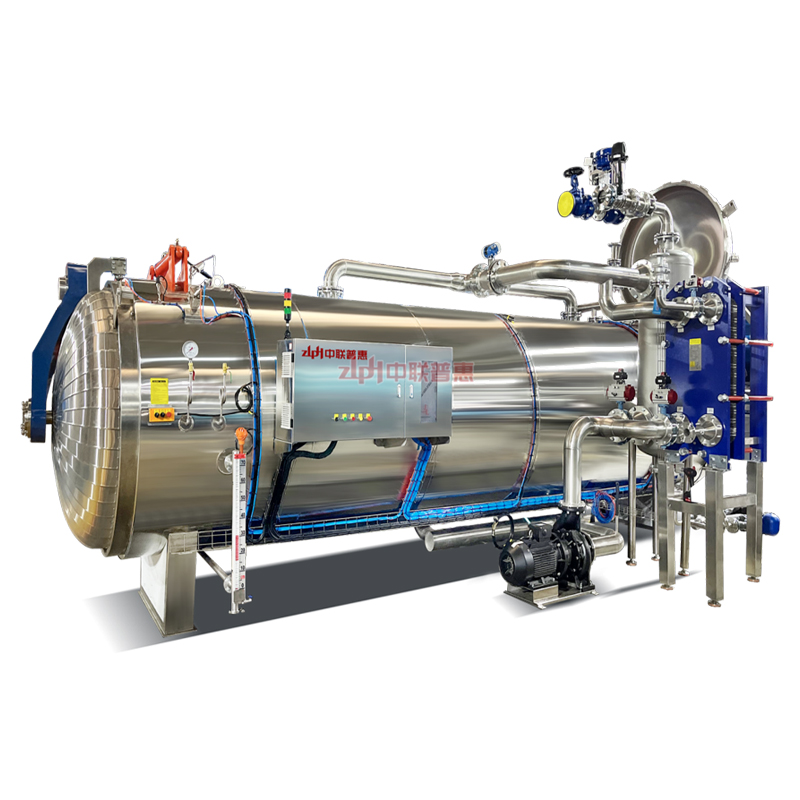
Large retort autoclave models in 2026 are engineered for efficiency and scalability, addressing the unique needs of high-volume food production. Many feature tunnel or horizontal designs with conveyor integration, allowing for seamless integration into existing production lines and reducing labor dependency. These large Retort Machine units also incorporate energy-saving technologies, such as waste heat recovery and closed-loop water circulation, reducing operational costs despite their size. Additionally, large autoclave retort sterilizer systems support advanced retort sterilisation modes, including pre-vacuum and steam-flush pressure assisting, ensuring thorough microbial inactivation for low-acid foods like canned meats and seafood—critical for compliance and shelf-life extension. For large businesses, this combination of capacity, efficiency, and compliance makes large retort autoclave models a cornerstone of their production operations.
A key benefit of both small and large retort autoclave models is their ability to support business growth and adaptation in 2026. Small food retort units allow startups to scale gradually—starting with small batches and upgrading to larger Retort Machine models as demand grows. Large autoclave retort sterilizer systems, meanwhile, can be customized with modular components, allowing large businesses to expand capacity without overhauling their entire production line. This scalability ensures that food businesses of all sizes can adapt to changing market conditions, whether scaling up to meet growing demand or diversifying into new product categories. For example, a small artisanal producer can start with a 50-liter retort autoclave and upgrade to a 200-liter unit as their brand gains traction, while a large cannery can add additional food retort modules to handle seasonal peaks in demand.
Regulatory compliance is simplified for both small and large retort autoclave users in 2026. Both sizes of autoclave retort sterilizer are designed to meet global food safety standards, with built-in data logging and process validation features that capture every critical retort sterilisation parameter—temperature, pressure, holding time, and F0 values. Small Retort Machine units often include basic digital logging for small-batch documentation, while large industrial models integrate with MES systems for full-scale traceability and audit readiness. This compliance support is invaluable for food businesses, whether a small startup seeking market access or a large enterprise exporting to international markets, as it eliminates the risk of non-compliance fines and reputational damage.
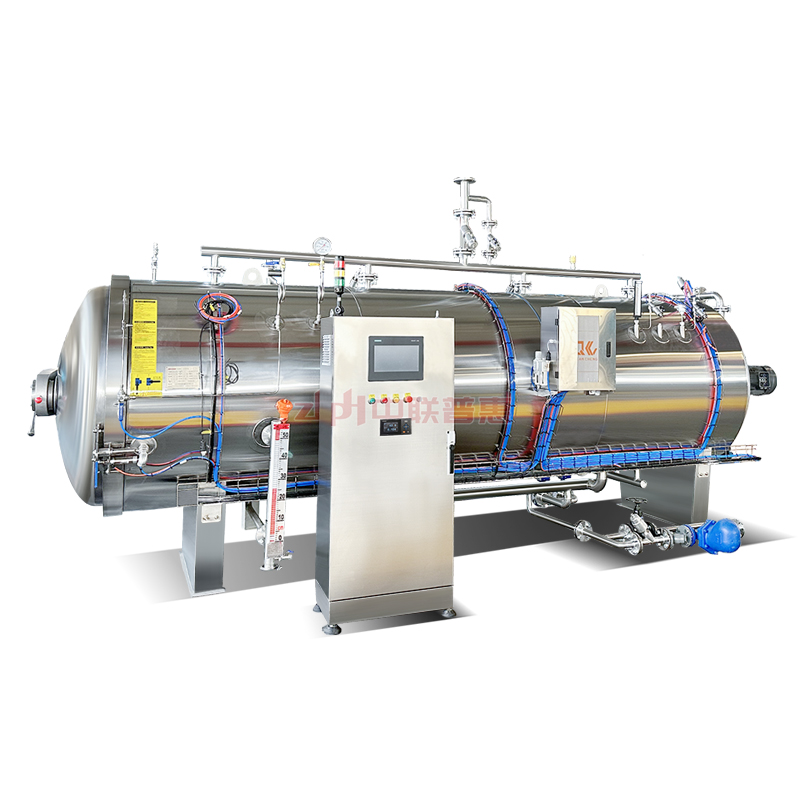
Material quality and durability are consistent across small and largeretort autoclave models, ensuring long-term reliability for 2026 food businesses. Both sizes are constructed with food-grade 316L stainless steel, resistant to corrosion, easy to clean, and compliant with food contact standards. Small food retort units feature insulated double walls to minimize heat loss and ensure operator safety, while largeautoclave retort sterilizer systems include robust door locking mechanisms and pressure relief systems to handle high-volume, high-pressure operations safely. This durability reduces maintenance costs and unplanned downtime, ensuring that both small and large businesses can rely on theirRetort Machine for consistent, long-term performance.
In summary, small and large retort autoclave models offer flexible capacity solutions that cater to the diverse needs of 2026 food businesses—from small startups to large industrial facilities. The compact, cost-effective small food retort units enable niche producers to enter the market and scale gradually, while the high-volume, efficient large autoclave retort sterilizer systems support mass production and global distribution. Both sizes deliver reliable retort sterilisation, meet regulatory compliance, and adapt to changing business needs, making the Retort Machine a versatile asset for any food business. For B2B buyers in 2026, choosing the right size retort autoclave is not just about matching current capacity—it’s about investing in a flexible solution that grows with their business, maximizes efficiency, and ensures long-term success in the competitive global food industry.