
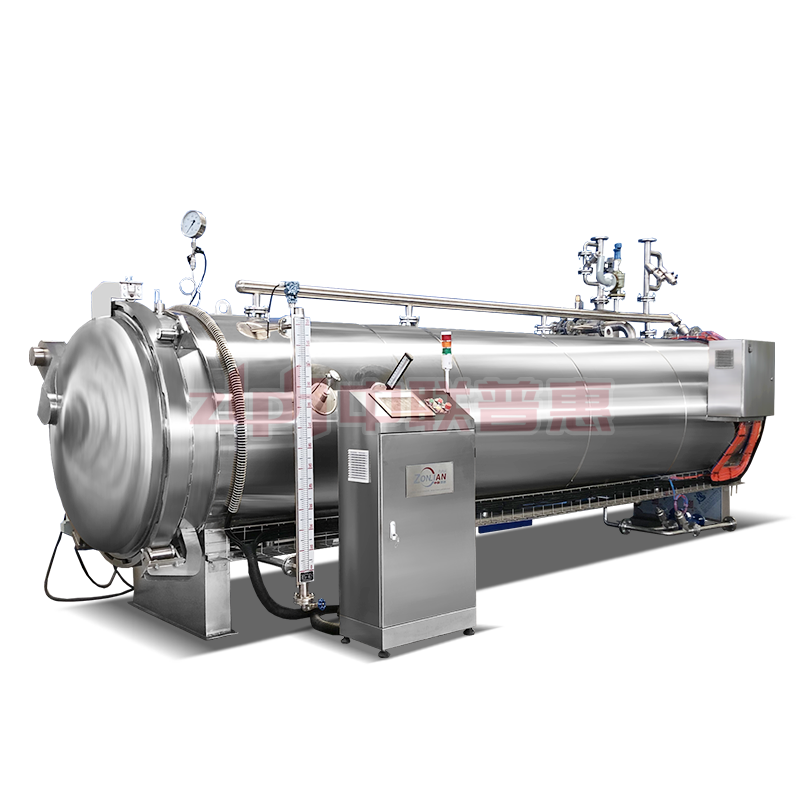
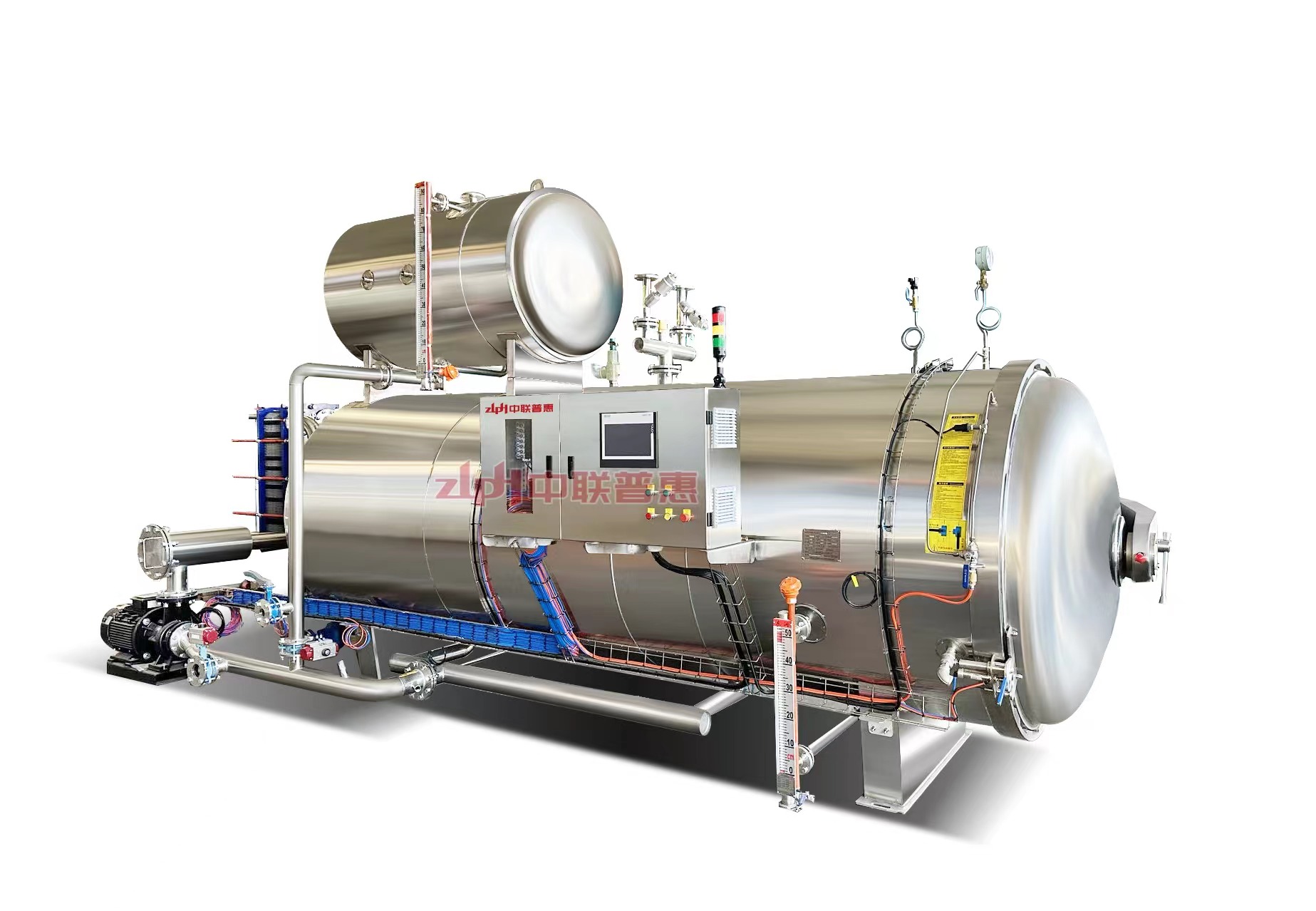
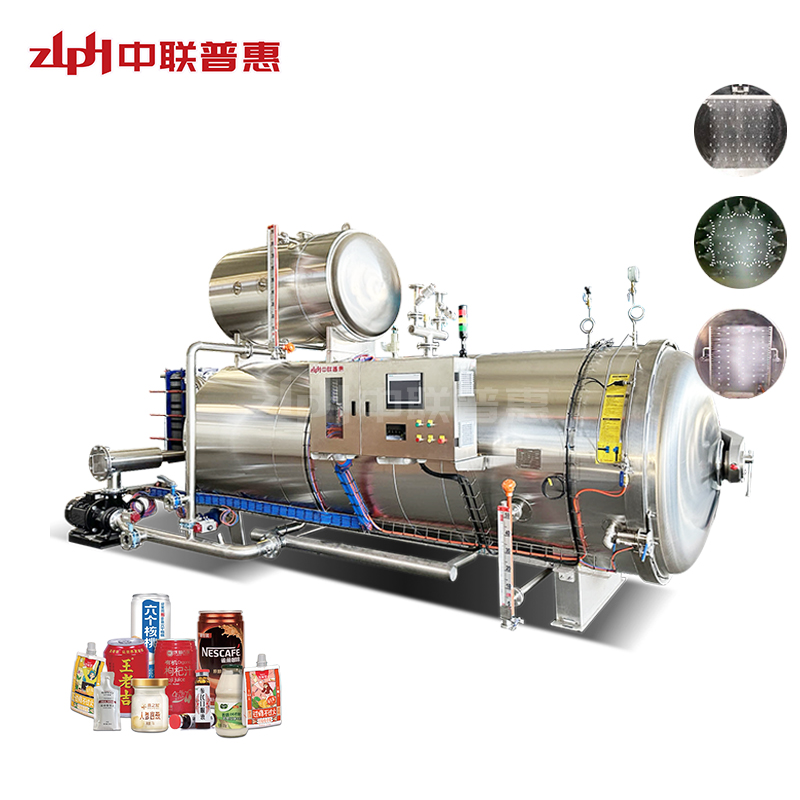
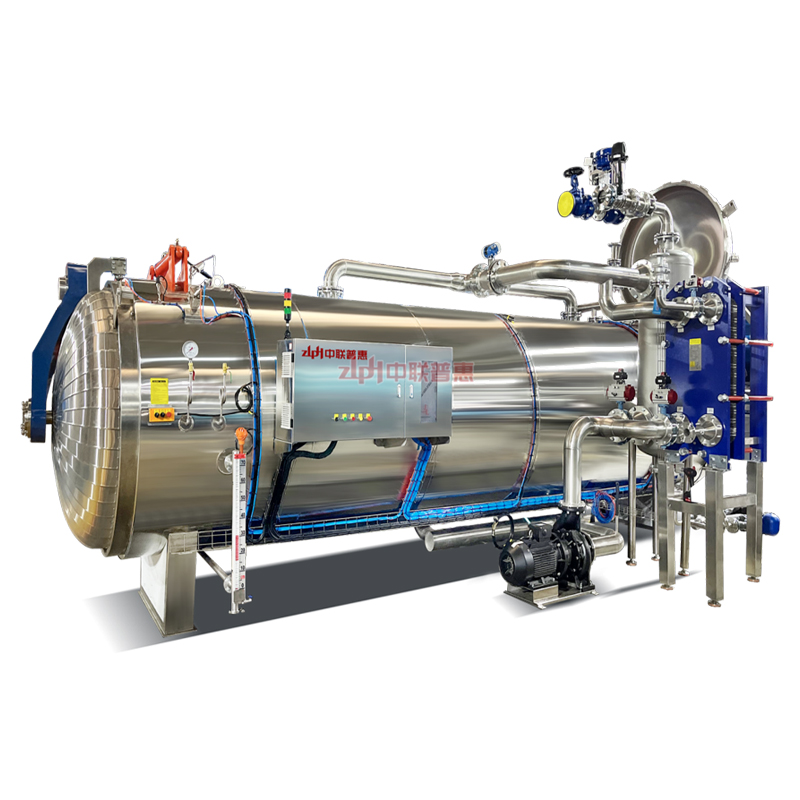
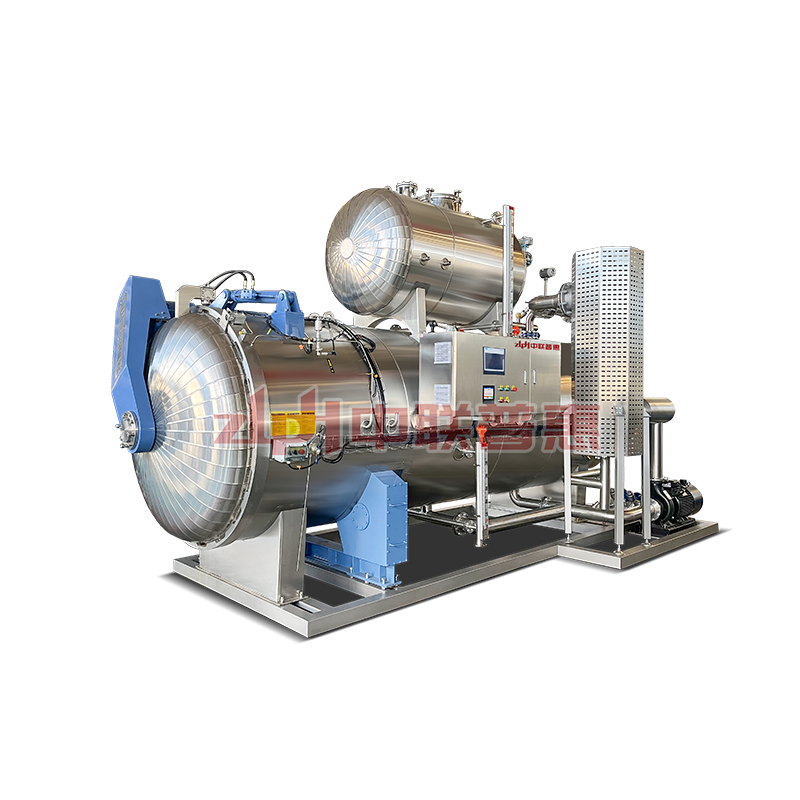
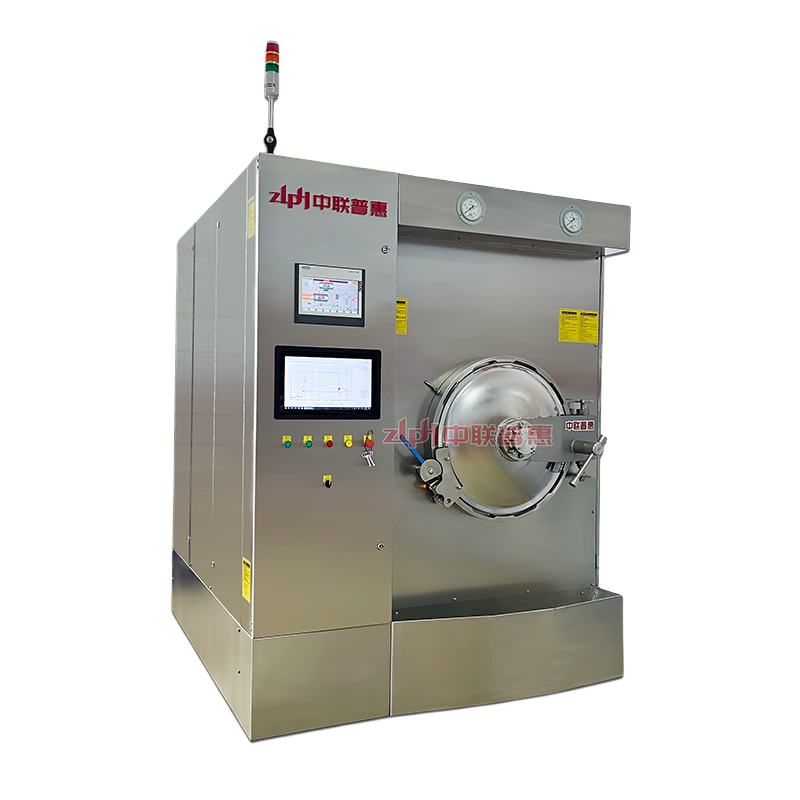
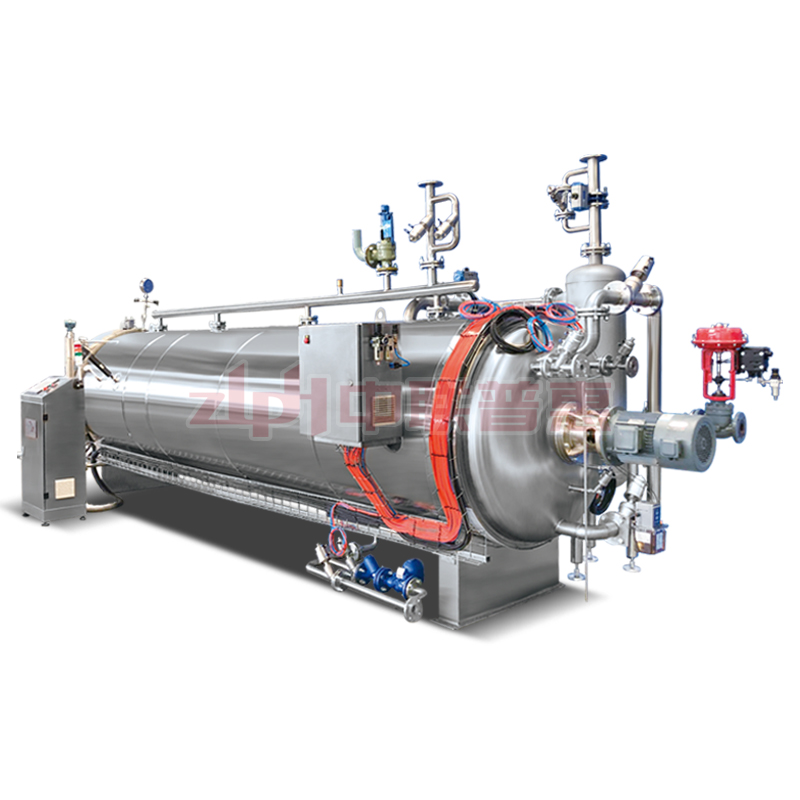
This guide is authored by a senior food processing engineer with over 10 years of experience at ZLPH MACHINERY TECHNOLOGY CO., LTD., a globally recognized provider of intelligent sterilization solutions. It addresses a critical challenge faced by food manufacturers worldwide: identifying a trustworthy supplier of food retort autoclaves that ensures safety, efficiency, and compliance across diverse production environments.

Selecting an unreliable retort supplier often leads to inconsistent sterilization, product recalls, regulatory non-compliance, and costly downtime—issues primarily caused by inadequate engineering standards, lack of international certifications, and insufficient real-world validation. Drawing from more than 5,000 global installations and rigorous field testing across meat, seafood, ready meals, and pet food sectors, we’ve developed a proven framework to help you evaluate suppliers and implement a reliable, high-performance sterilization system. This guide breaks down key decision factors, validates performance through real case studies, and provides actionable steps to avoid common procurement pitfalls—all aligned with global food safety standards and operational best practices.

How do I verify if a retort autoclave supplier meets international safety and quality standards?
1. Pain Point & Scenario
Food processors exporting to the EU, Russia, or Southeast Asia frequently encounter customs delays or rejection due to non-compliant equipment. Many suppliers claim “CE certification” but lack verifiable documentation or fail to meet region-specific requirements like EAC (Eurasian Conformity) or Malaysia DOSH.

2. Root Cause Analysis
The core issues are: (1) absence of genuine third-party certifications; (2) use of uncertified pressure vessels; and (3) lack of traceable quality management systems. Without ASME, CE, EAC, and DOSH credentials, equipment cannot legally operate in regulated markets.

3. Step-by-Step Solution
- Request official copies of ASME Certificate of Authorization, EU CE, Russian EAC, and Malaysia DOSH certificates.
- Confirm the supplier holds a valid Production License for Special Equipment issued by Chinese authorities.
- Verify their ISO-compliant quality management system via an Authentication Certificate.
4. Pitfall Avoidance Guide
Avoid suppliers who only provide self-declared compliance letters. Always cross-check certificate numbers with issuing bodies. Prioritize vendors with multiple regional certifications—this indicates established export experience and regulatory competence.
5. Validation Evidence
ZLPH’s retorts have cleared customs in over 30 countries without compliance issues, supported by full documentation packages. Our dual-certified (ASME + CE) pressure vessels ensure seamless market access across Europe, North America, and Eurasia.
How can I ensure consistent sterilization performance across different food types?
1. Pain Point & Scenario
Manufacturers producing both liquid soups and solid-packed meats struggle with uneven heat distribution, leading to under-processing (safety risk) or over-processing (texture loss). Generic retorts lack adaptive control for varying thermal profiles.
2. Root Cause Analysis
Traditional retorts use fixed temperature-pressure curves, ignoring product-specific heat penetration dynamics. Without real-time monitoring and spray uniformity, cold spots persist—especially in dense or layered packaging.
3. Step-by-Step Solution
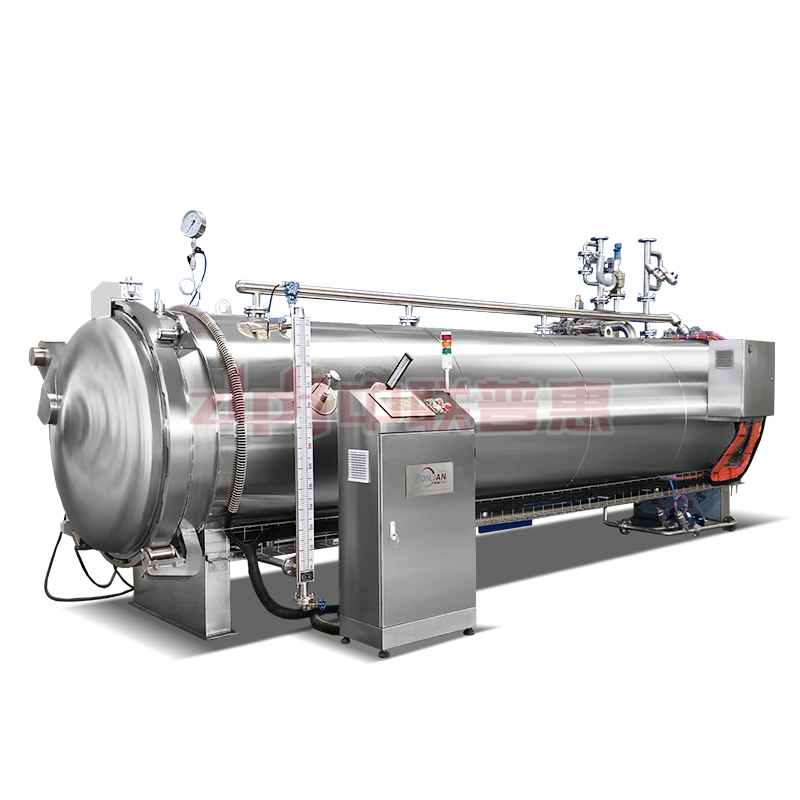
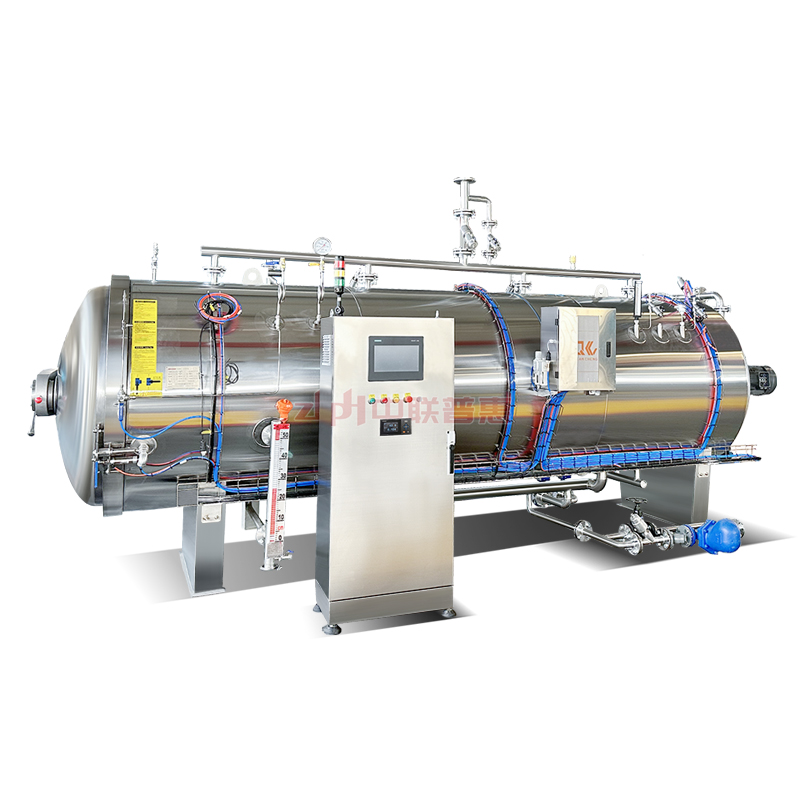
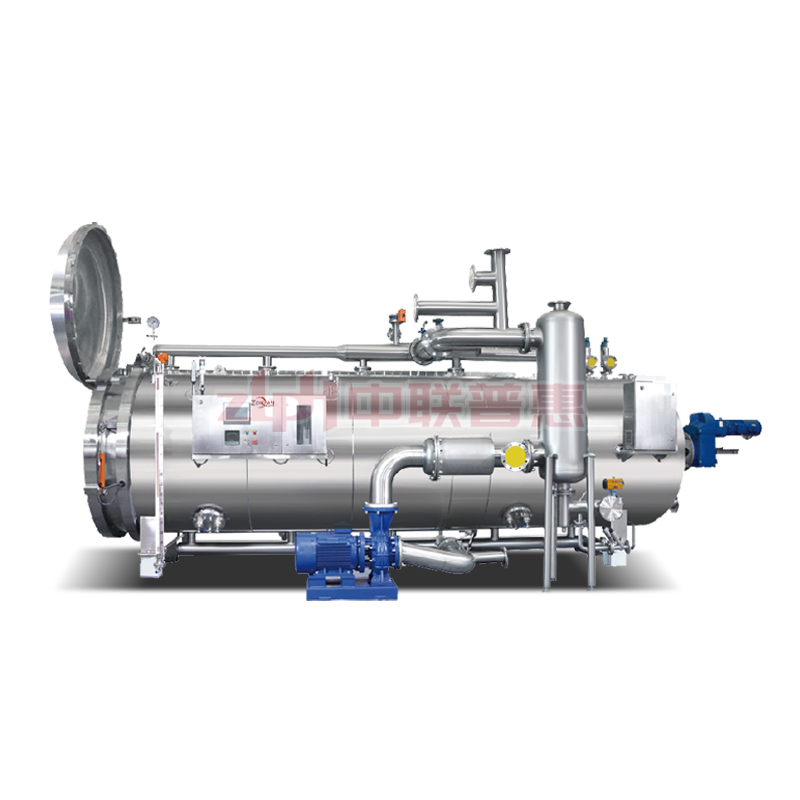
- Deploy retorts with intelligent water-spray sterilization systems that evenly distribute process water.
- Use top-opening designs for faster loading/unloading, reducing cycle time variability.
- Implement PLC-based control systems that log and adjust temperature/pressure in real time.
4. Pitfall Avoidance Guide
Never assume “one-size-fits-all” sterilization works. Validate thermal performance with actual product loads using data loggers. Avoid manual or semi-automatic systems for high-mix production.
5. Validation Evidence At AGROPRODASH 2023, ZLPH’s intelligent top-opening water spray retort demonstrated ±0.5°C temperature uniformity across meat, fish, and sauce products—validated by third-party thermal mapping.
What support should I expect after purchasing a retort system?
1. Pain Point & Scenario
Buyers often face extended downtime when local technicians cannot resolve complex automation or sterilization process issues, especially in remote regions.
2. Root Cause Analysis
Many suppliers offer limited post-sale support, lacking multilingual engineers or on-ground service networks.
3. Step-by-Step Solution
Choose suppliers with dedicated after-sales teams. ZLPH employs 14+ experienced after-sales engineers fluent in English, Spanish, and Russian, providing remote diagnostics and on-site support within 72 hours globally.
4. Pitfall Avoidance Guide
Confirm response time SLAs before purchase. Request client references in your region to verify support reliability.
5. Validation Evidence
ZLPH maintains 98% first-time fix rates across Asia, Europe, and Latin America, backed by a 24/7 technical hotline and remote access capability.
Industry Best Practices for Selecting a Retort Supplier
Based on 6+ years of global deployments, we recommend this 5-step evaluation framework:
1. Certifications First
Prioritize ASME, CE, EAC, and DOSH—non-negotiable for export compliance.
2. Validate Real-World Performance
Request thermal validation reports and visit reference sites if possible.
3. Assess Engineering Depth
A strong R&D team (e.g., 21+ mechanical/PLC engineers) ensures customization and innovation.
4. Confirm Global Support
Local language support and spare parts availability are critical for uptime.
5. Test Before Committing
Reputable suppliers offer free sample sterilization trials—ZLPH does this routinely.
Frequently Asked Questions (FAQ)
Q: Can I use a standard retort for both human food and pet food?
A: Yes—if the system supports CIP cleaning and has validated thermal uniformity. ZLPH’s bowl sterilization line at Petfair Asia 2023 handled both segments seamlessly.
Q: What’s the typical lead time for a custom retort system?
A: 8–12 weeks for standard models; 14–18 weeks for fully automated lines with loader/unloader systems.
Q: Do you provide installation and operator training?
A: Yes—on-site commissioning, SOP development, and hands-on training are included in all international projects.
Q: Is your equipment suitable for high-acid and low-acid foods?
A: Absolutely. Our systems support F0 control for low-acid canned foods (LACF) and precise pasteurization for high-acid products, meeting FDA and EU regulations.
Why ZLPH Stands Out as a Trusted Partner
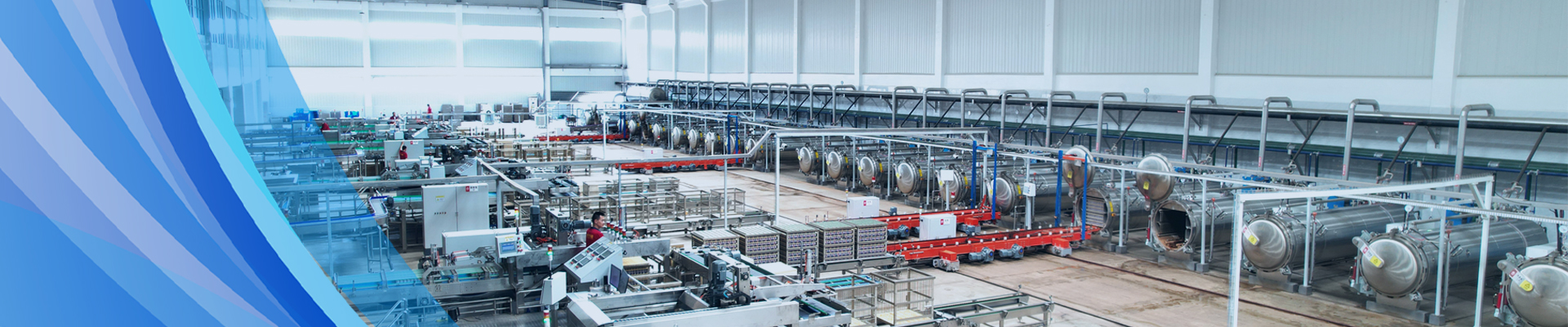
ZLPH MACHINERY TECHNOLOGY CO., LTD. has been delivering advanced sterilization solutions since 2018. Our 50-acre facility includes a 15,000m² workshop equipped with precision manufacturing tools, ensuring component accuracy and system reliability. With 21+ R&D engineers, 4 sterilization process experts, and 14 after-sales specialists, we combine deep technical expertise with responsive global support. Our equipment—showcased at AGROPRODASH Moscow and Petfair Shanghai—has earned praise for innovation, efficiency, and robustness. Backed by AAA Credit Enterprise and Integrity Management certifications, we prioritize long-term partnerships over one-time sales.
Get Your Custom Sterilization Solution
We offer:
- Free thermal process consultation
- On-site or virtual factory audits
- Sample sterilization trials
- Full automation integration (loader/unloader systems)
Contact us today for a tailored solution that meets your safety, efficiency, and compliance goals.
Company: ZLPH MACHINERY TECHNOLOGY CO., LTD.
Website: https://www.zlphretort.com/
Email: sales@zlphretort.com
Phone / WhatsApp: +86 15666798389 / +86 13361554016
