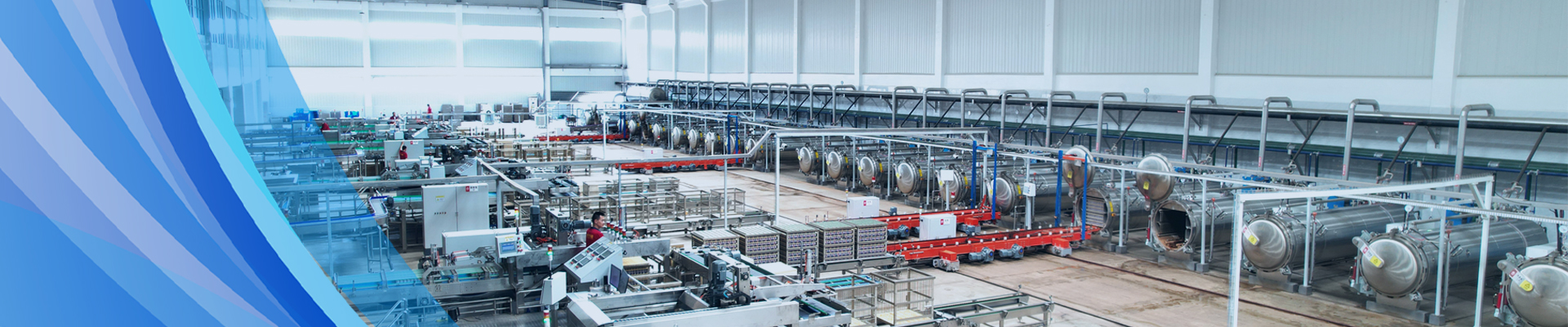

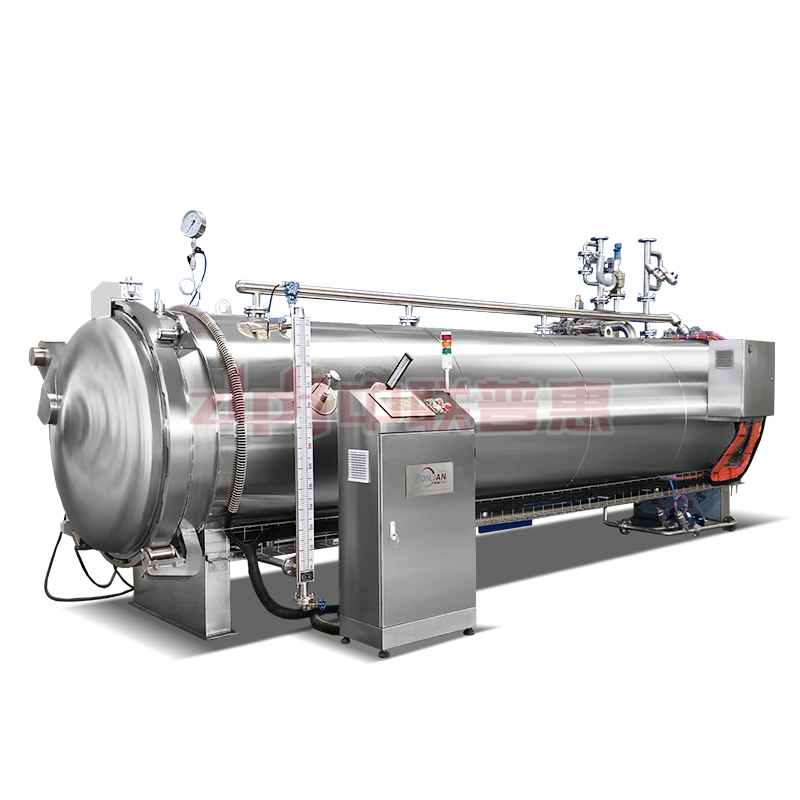
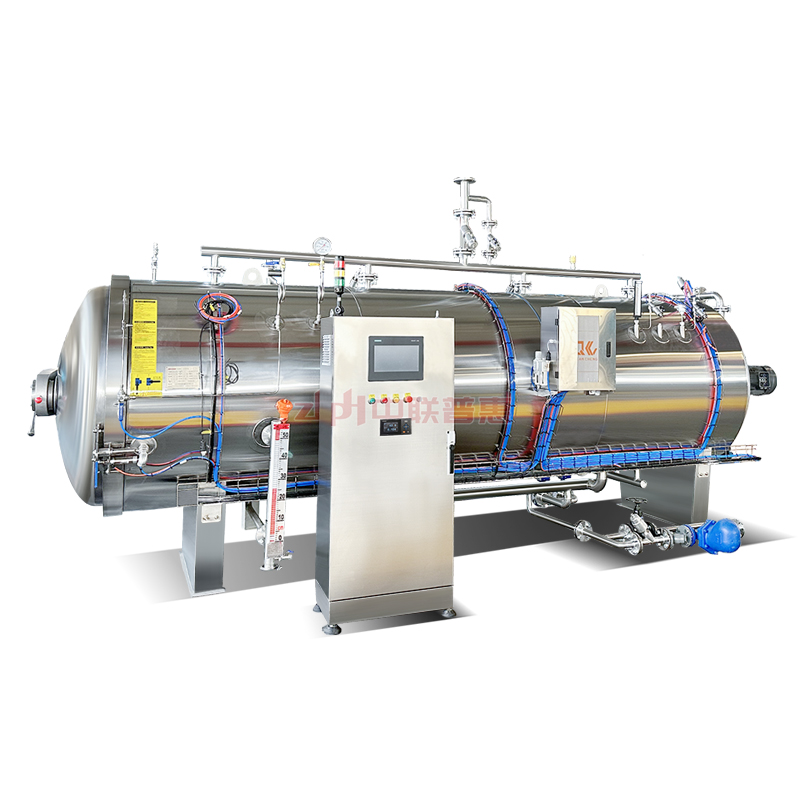
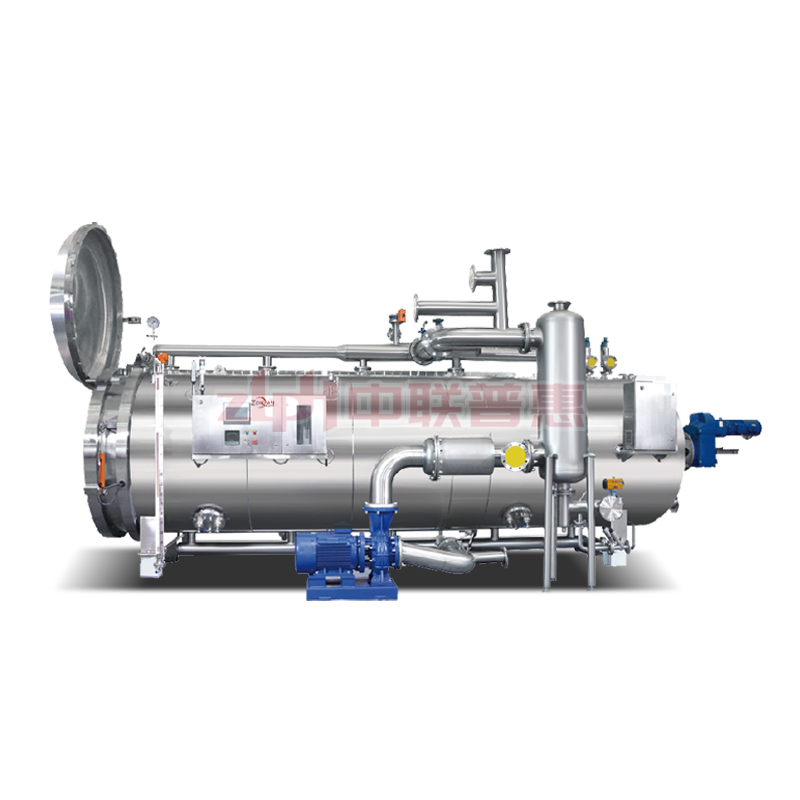
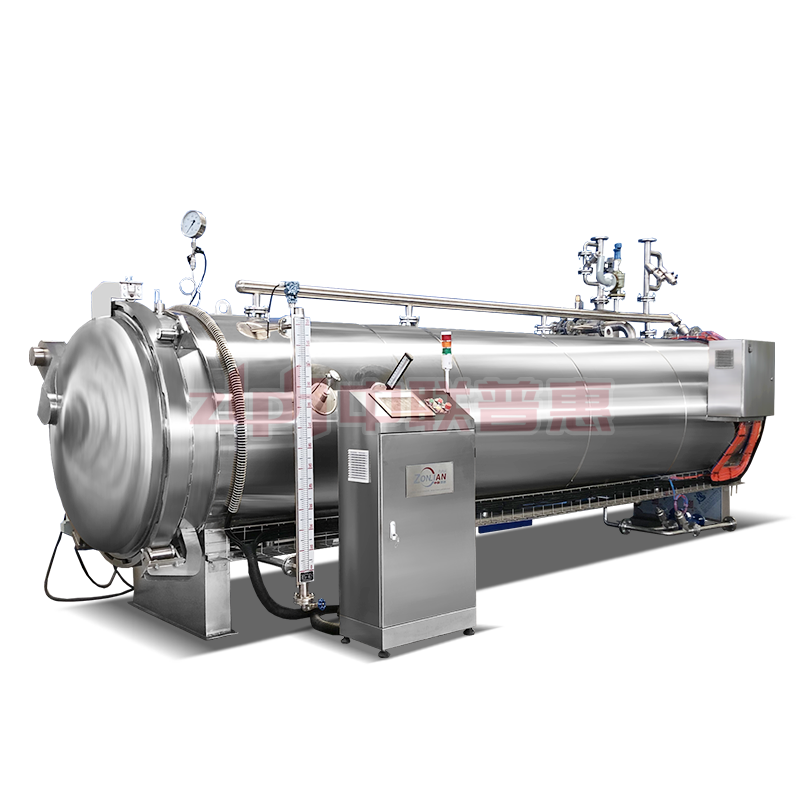
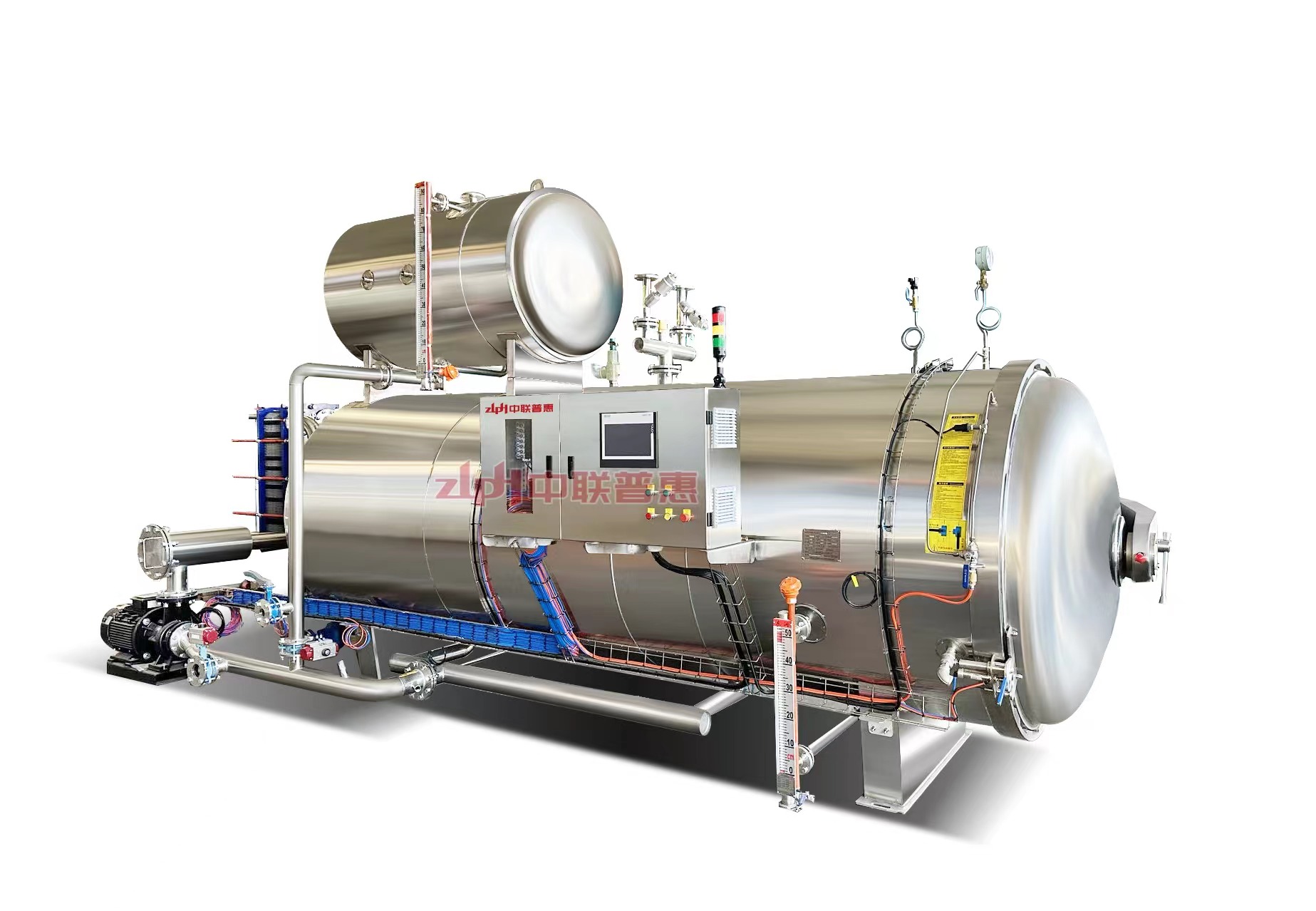
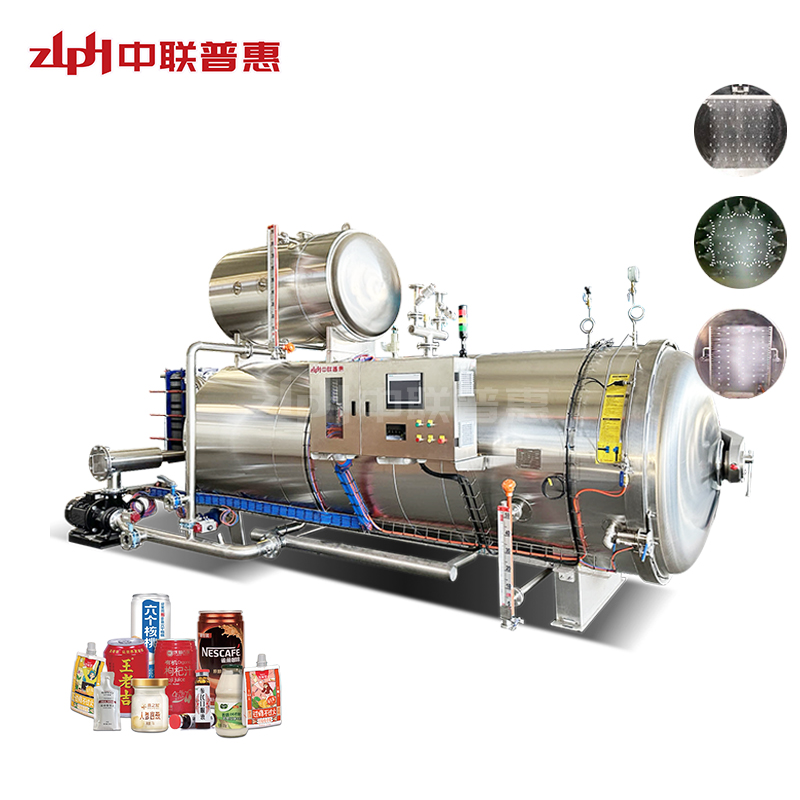
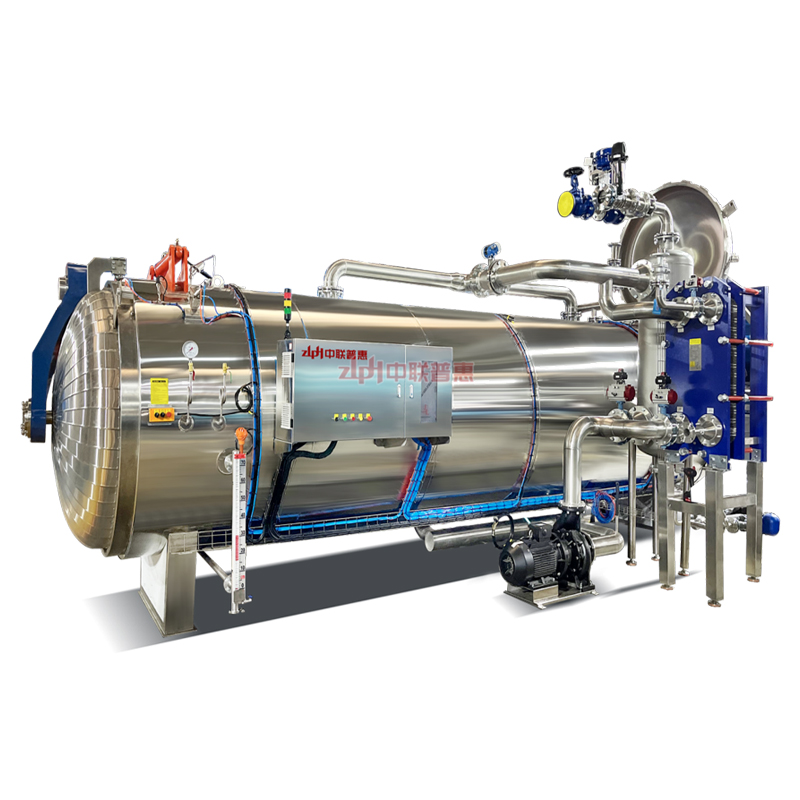
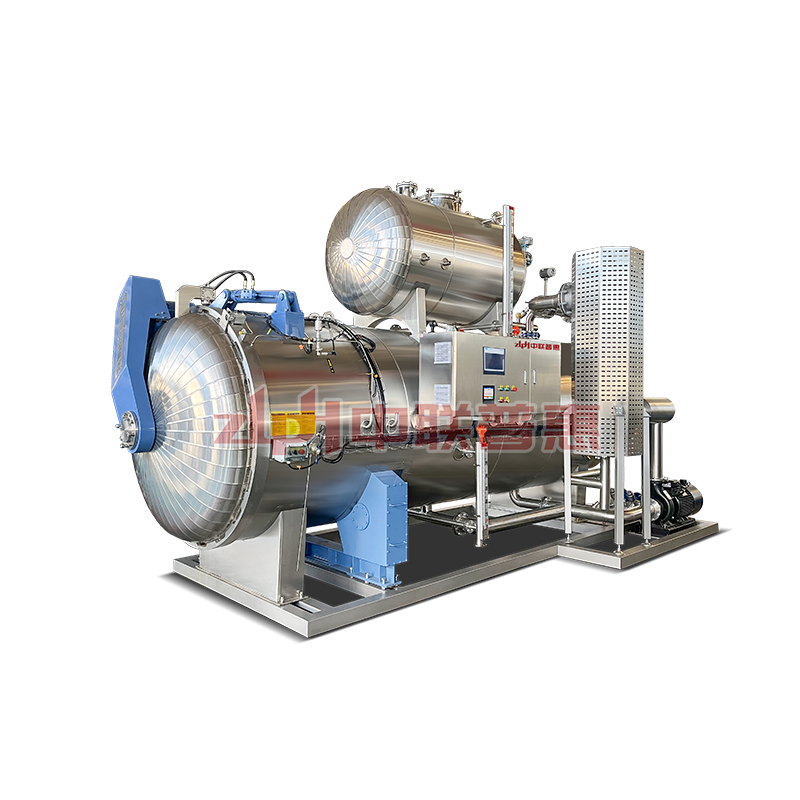
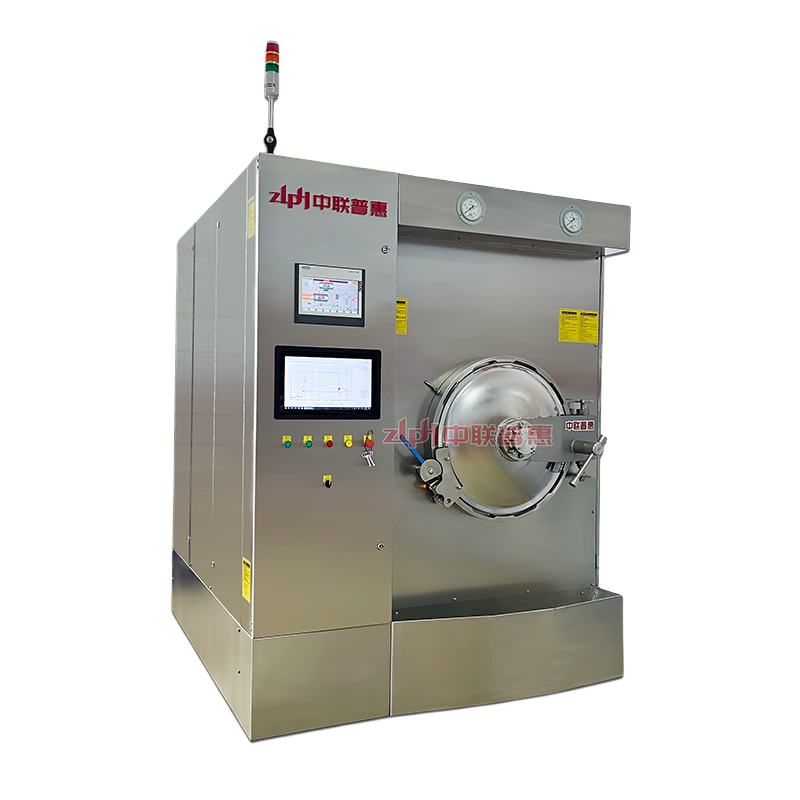
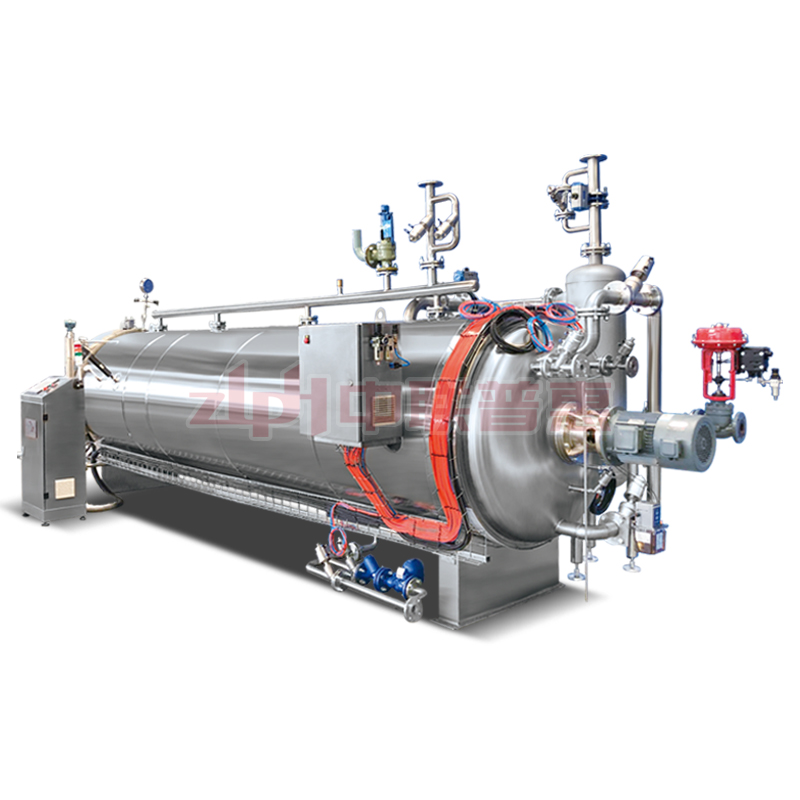
This guide is authored by a senior food processing automation engineer with over 10 years of industry experience from ZLPH MACHINERY TECHNOLOGY CO., LTD., a leading provider of advanced sterilization solutions. It addresses a critical challenge faced by global food producers and pet food manufacturers: selecting a reliable, high-performance rotary retort autoclave that ensures product safety, operational efficiency, and long-term ROI. Inconsistent sterilization, equipment downtime, and complex operation have long plagued the industry—issues often stemming from inadequate thermal uniformity, poor mechanical design, or lack of intelligent control systems. Based on more than 5,000 global installations and extensive R&D validation, we present a proven, step-by-step framework to identify and partner with truly high-quality rotary retort manufacturers. This guide covers root cause analysis, scenario-specific selection criteria, real-world performance validation, and practical tips to avoid costly procurement mistakes.

How do I ensure consistent sterilization results across large batches of canned food?
1. Scenario & Pain Point
Food processors using traditional static retorts often report inconsistent F0 values (sterilization lethality) across batches—some cans under-sterilized (safety risk), others overcooked (texture/nutrient loss). This inconsistency leads to product recalls, customer complaints, and wasted raw materials.

2. Root Cause Analysis
The core issues are: (1) uneven heat distribution due to stagnant water/steam in static vessels; (2) lack of real-time temperature monitoring at multiple points; (3) absence of precise rotation control during the sterilization cycle, which is essential for uniform heat transfer in viscous or particulate products.

3. Step-by-Step Solution
Opt for a rotary retort autoclave with continuous, variable-speed rotation (e.g., 2–10 RPM) and a multi-point temperature logging system. The rotation ensures constant agitation, eliminating cold spots. Pair this with a water-spray sterilization system that delivers uniform thermal penetration. At ZLPH, our rotary retorts integrate PLC-controlled rotation profiles synchronized with precise temperature-pressure curves, validated by third-party thermal mapping studies.

4. Pitfall Avoidance
Avoid vendors who cannot provide thermal validation reports per FDA or EN 13445 standards. Never accept “standard” rotation speeds without customization options—different products (soups vs. stews) require different agitation intensities. Always request a live demo with your actual product formulation.
5. Real-World Validation
A European vegetable canner reduced batch rejection rates from 7% to 0.3% after switching to ZLPH’s rotary retort, achieving ±0.5°C thermal uniformity across 3,000-liter loads. The system’s data-logging capability also simplified compliance audits.
How can I reduce labor costs and human error in retort loading/unloading?
1. Scenario & Pain Point
Manual handling of heavy retort baskets causes worker fatigue, safety incidents, and inconsistent basket placement—leading to steam leaks or uneven sterilization.
2. Root Cause Analysis
Reliance on forklifts or manual trolleys introduces variability in basket alignment and increases cycle time. Human operators may skip pre-cycle checks, risking seal failures.
3. Step-by-Step Solution
Integrate an automated tray loader-unloader system. ZLPH’s solution features servo-driven conveyors, vision-guided positioning, and interlocked safety gates that only allow cycle start when baskets are correctly seated. This reduces loading time by 60% and eliminates misalignment errors.
4. Pitfall Avoidance
Ensure the automation system is compatible with your existing basket dimensions and factory layout. Avoid “bolt-on” retrofits that weren’t co-engineered with the retort vessel—these often create integration gaps.
5. Real-World Validation At Petfair Asia 2023, ZLPH demonstrated a fully automated bowl-product sterilization line for pet food, where the loader-unloader system handled 120 trays/hour with zero manual intervention, impressing buyers from 15 countries.
What certifications should a rotary retort manufacturer have for EU or US markets?
1. Scenario & Pain Point
Importers face customs delays or market access denials when equipment lacks required safety and hygiene certifications.
2. Root Cause Analysis
Many Asian manufacturers claim “CE compliance” but provide self-declared certificates without notified body involvement—a red flag for EU authorities.
3. Step-by-Step Solution
Verify that the manufacturer holds genuine CE certification under Machinery Directive 2006/42/EC and Pressure Equipment Directive (PED) 2014/68/EU, issued by an EU-recognized Notified Body. For the US, look for ASME BPVC Section VIII Div. 1 stamp and UL/ETL electrical certification. ZLPH’s systems are engineered to meet all these standards, with documentation available for audit.
Industry Best Practices for Selecting Rotary Retort Suppliers
Based on 6+ years of global project deployment, we recommend this 5-step evaluation framework:
1. Validate Thermal Performance
Demand third-party thermal process validation reports showing F0 consistency across full load.
2. Assess Automation Integration
Confirm compatibility with your MES or factory control system via standard protocols (Modbus TCP, Profinet).
3. Audit Manufacturing Capability
Visit the factory—ZLPH’s 15,000m² workshop with CNC machining centers ensures precision fabrication.
4. Test After-Sales Support
Ensure 24/7 remote diagnostics and local service partners in your region.
5. Request Reference Sites
Speak directly with existing customers in your product category.
Frequently Asked Questions (FAQ)
Q: Can rotary retorts handle glass jars and metal cans in the same batch?
A: Yes, but only if the retort uses gentle, programmable rotation profiles. ZLPH’s systems offer jar-safe modes with soft-start acceleration to prevent breakage.
Q: How energy-efficient are modern rotary retorts?
A: Water-spray systems with heat recovery can cut energy use by 30% vs. steam-air retorts. ZLPH’s models feature insulated jackets and closed-loop water recycling.
Q: What’s the typical lead time for a custom rotary retort?
A: 90–120 days from order confirmation, including FAT (Factory Acceptance Test) at our Qingdao facility.
About Our Expertise
ZLPH MACHINERY TECHNOLOGY CO., LTD. is a technology-driven sterilization equipment manufacturer founded in 2018. We operate a 50-acre industrial campus with 15,000m² of production space and employ 21 mechanical/PLC engineers, 4 sterilization process experts, and 14 after-sales technicians—all with 10+ years in the field. Our rotary retorts comply with CE, PED, and ASME standards and have been deployed in over 30 countries, including at major food and pet food facilities in Europe, Russia, and Southeast Asia. We prioritize long-term partnerships over one-time sales, offering lifetime technical support and process optimization.
Custom Solution Support
Our team provides:
- On-site thermal process assessment
- Custom basket and tray design
- Integration with existing production lines
- Free sample sterilization trials at our test center
Contact Us
Company: ZLPH MACHINERY TECHNOLOGY CO., LTD.
Website: https://www.zlphretort.com/
Email: sales@zlphretort.com
Phone / WhatsApp: +86 15666798389 / +86 13361554016
