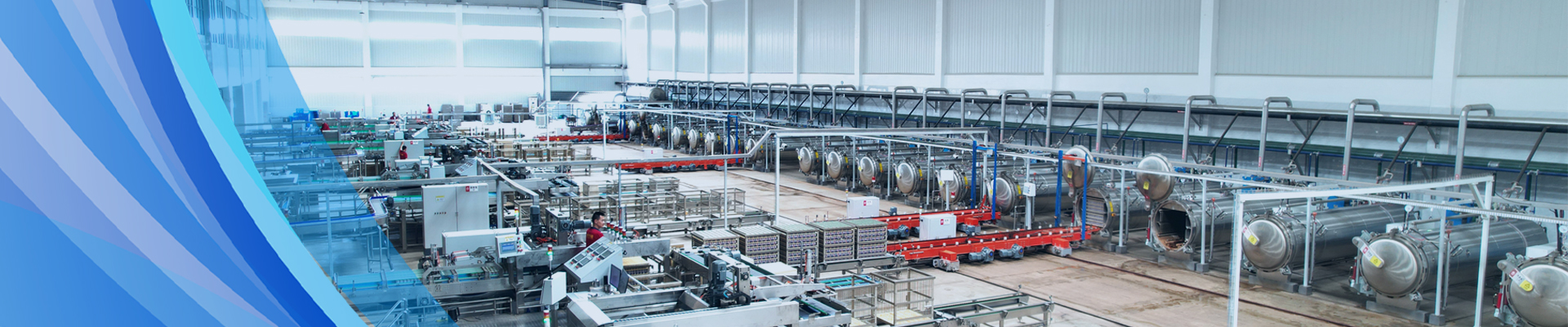

This guide is authored by a senior food processing engineer with over 10 years of experience at ZLPH MACHINERY TECHNOLOGY CO., LTD., a leading provider of sterilization solutions for the global food industry. It addresses a critical challenge faced by R&D teams and pilot plant managers worldwide: selecting the right pilot retort autoclave that balances precision, safety, scalability, and compliance without compromising on operational efficiency.

Selecting an inappropriate pilot retort autoclave has long been a major pain point in food product development, primarily due to three core issues: inconsistent thermal distribution during sterilization cycles, lack of real-time process monitoring, and poor compatibility with small-batch flexible production needs. After validating solutions across more than 500 global pilot facilities—including pet food, ready-to-eat meals, and canned vegetable labs—ZLPH has refined a proven, step-by-step methodology that ensures accurate lethality calculation, regulatory compliance (FDA, EU, EAC), and seamless scale-up to commercial production. This guide breaks down the root causes, offers actionable fixes per scenario, shares field-tested best practices, and validates outcomes with real-world data—all tailored for lab-scale innovation environments.

How do I ensure consistent sterilization results in small-batch pilot trials using a retort autoclave?
1. Scenario & Pain Point
In food R&D labs, inconsistent F₀ (sterilization value) across batches—even with identical time-temperature settings—is common. This leads to failed shelf-life validation, product recalls during scale-up, or over-processing that degrades texture and nutrition. The issue is especially acute when testing new formulations in glass jars, flexible pouches, or aluminum trays.

2. Root Cause Analysis
Three technical factors drive inconsistency: (1) uneven water spray distribution in static retorts, causing cold spots; (2) absence of real-time temperature mapping inside product containers; and (3) manual loading patterns that disrupt thermal uniformity. Traditional lab-scale autoclaves often lack the engineering rigor of commercial systems, treating pilot units as “mini versions” rather than precision instruments.

3. Step-by-Step Solution
Immediate Fix: Use standardized retort trays with fixed product positioning and install wireless temperature dataloggers (e.g., Ellab, Dickson) inside representative samples to map actual F₀.
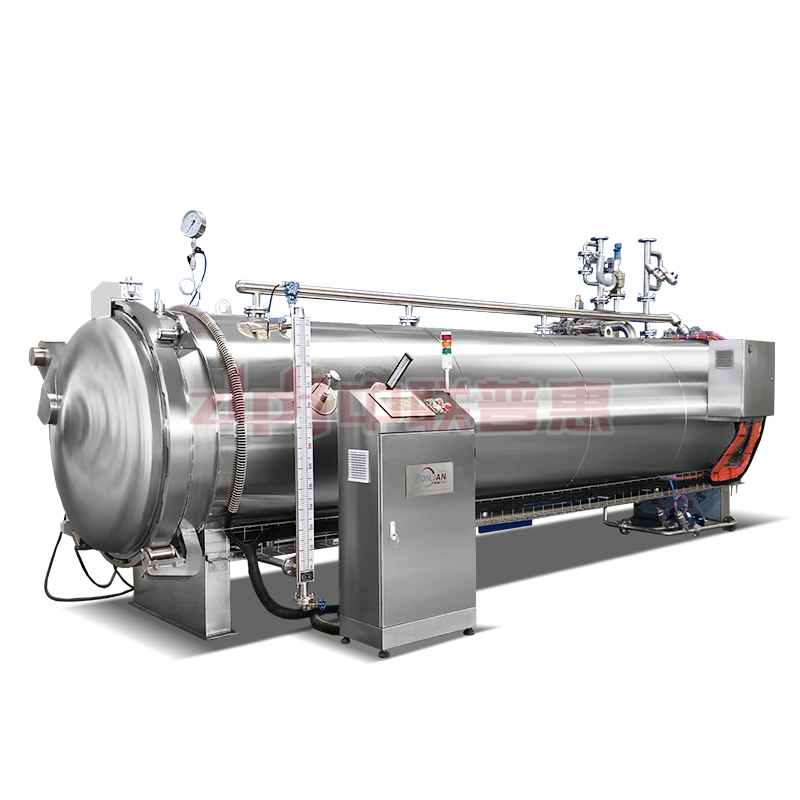
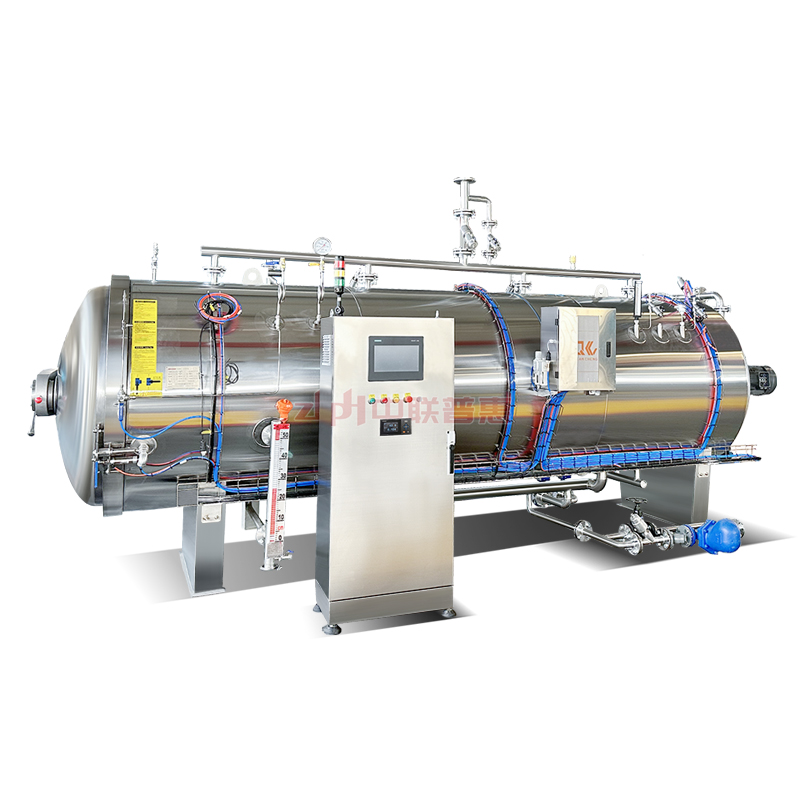
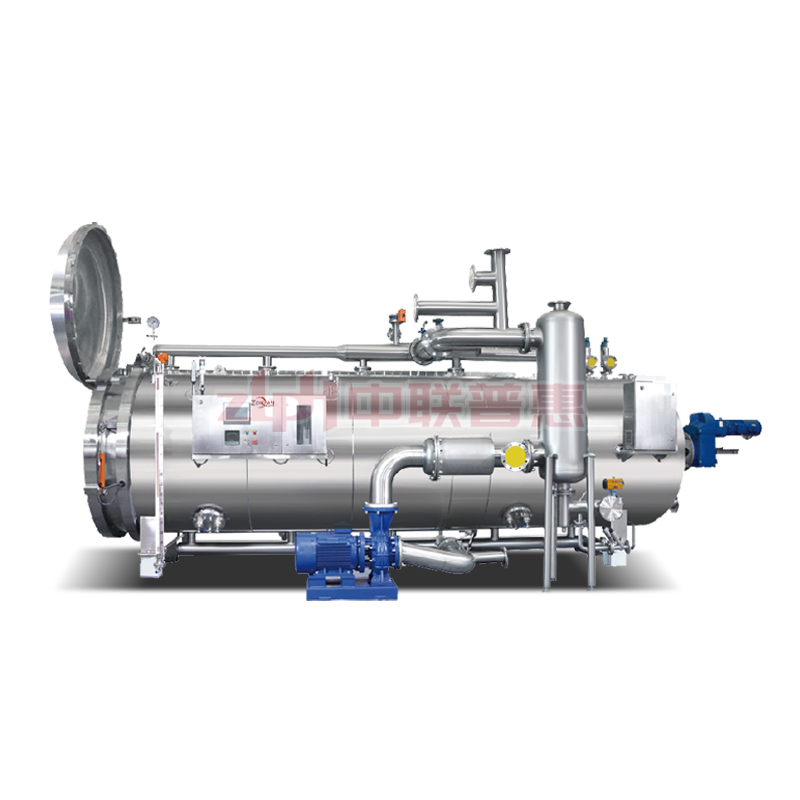
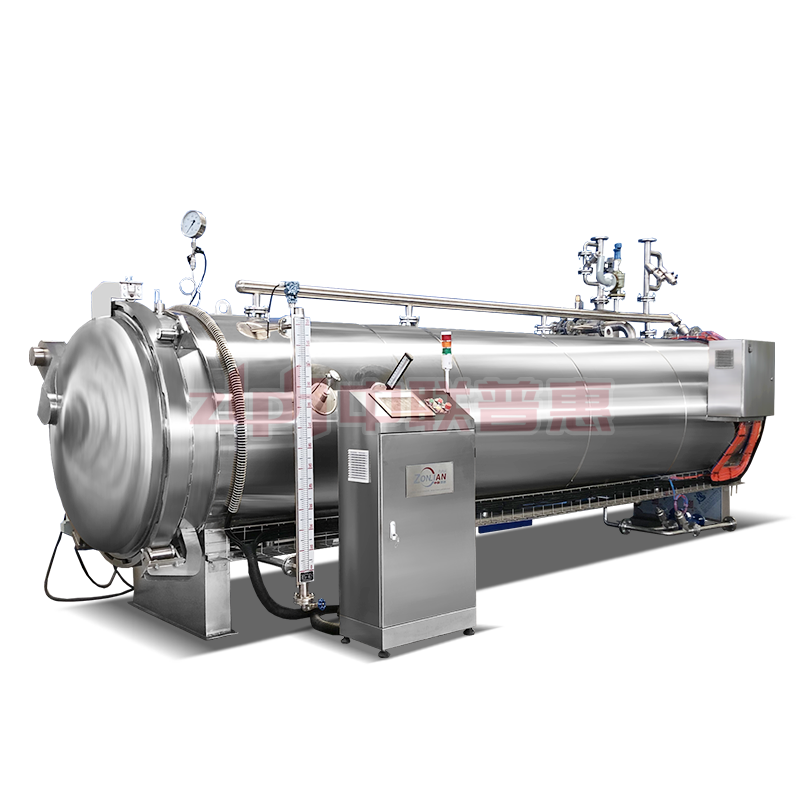
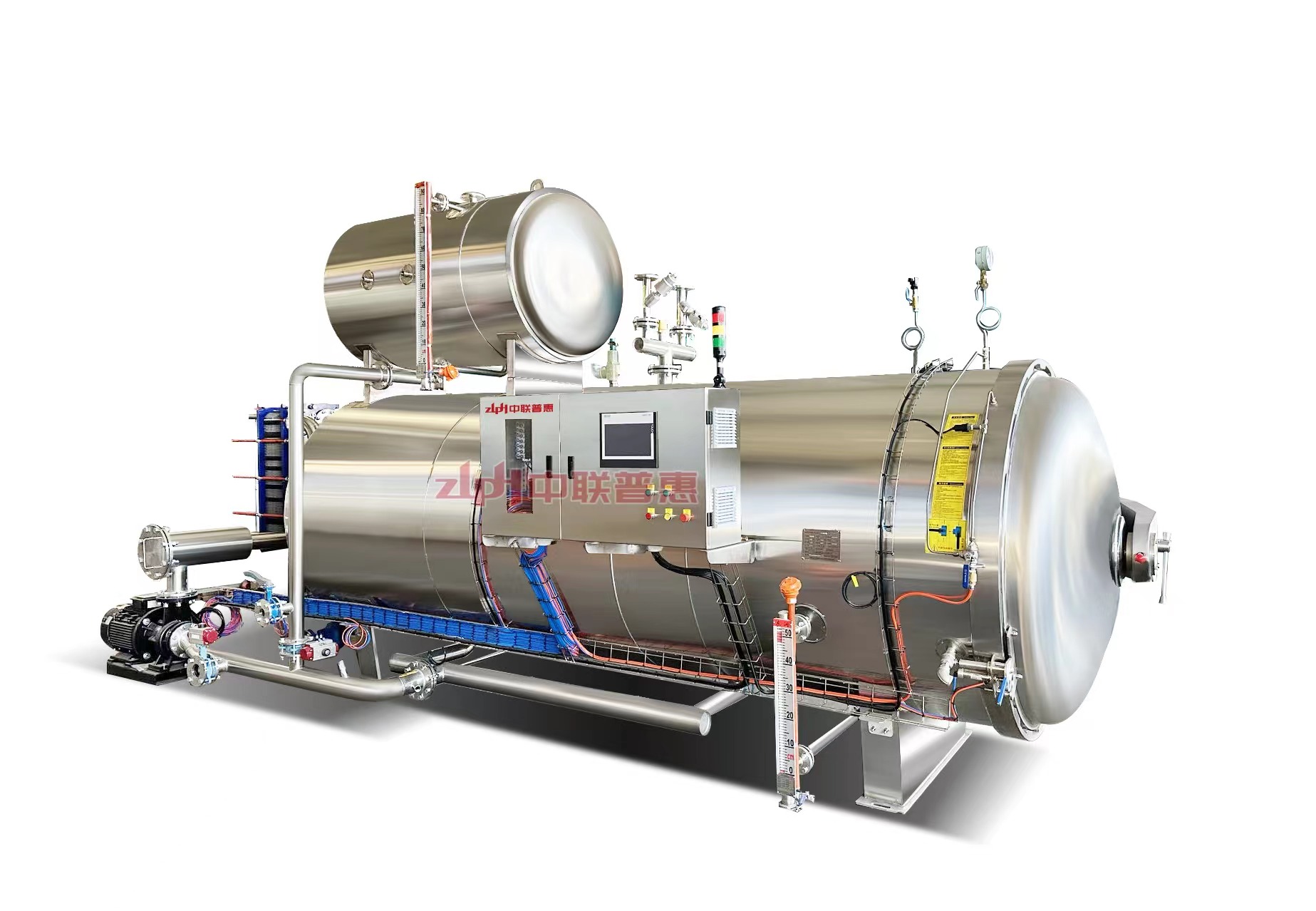
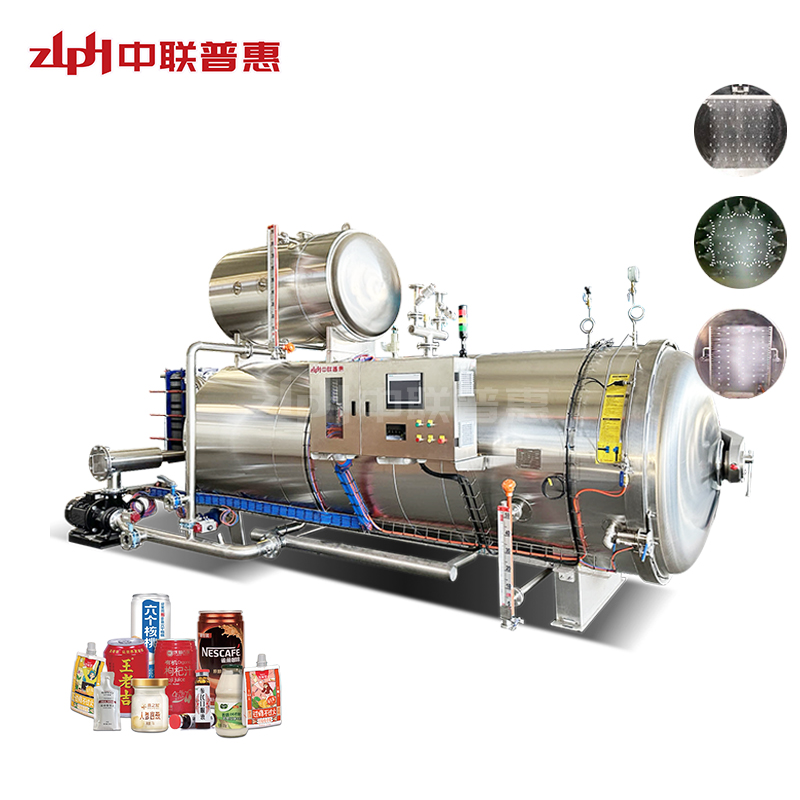
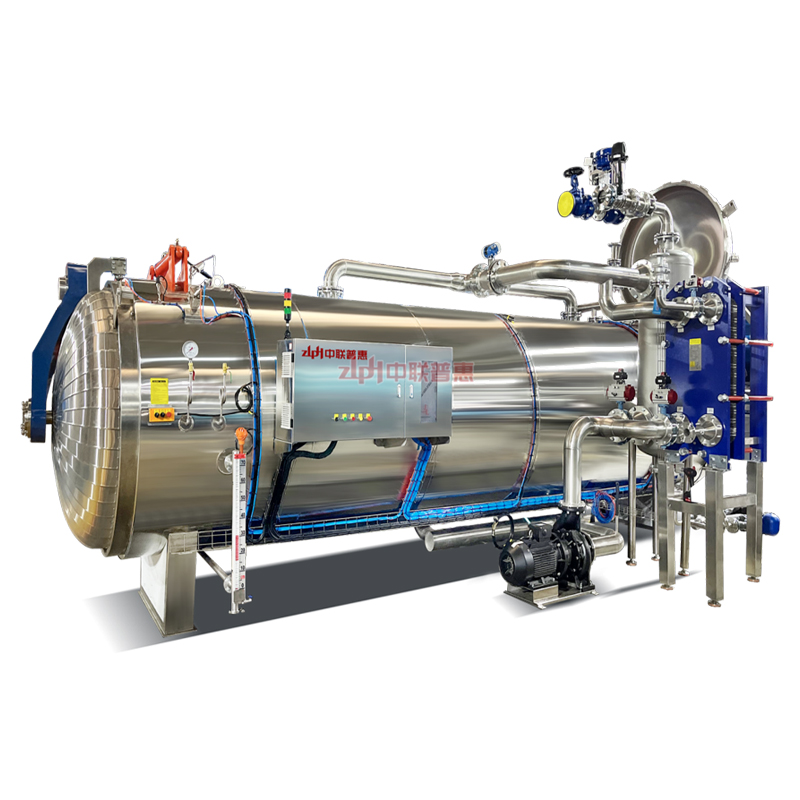
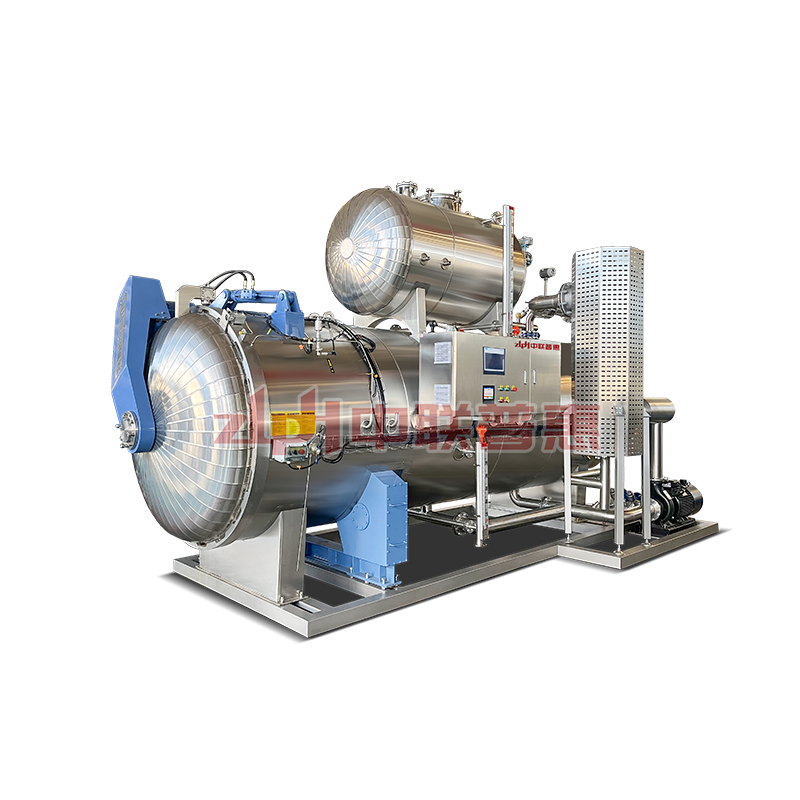
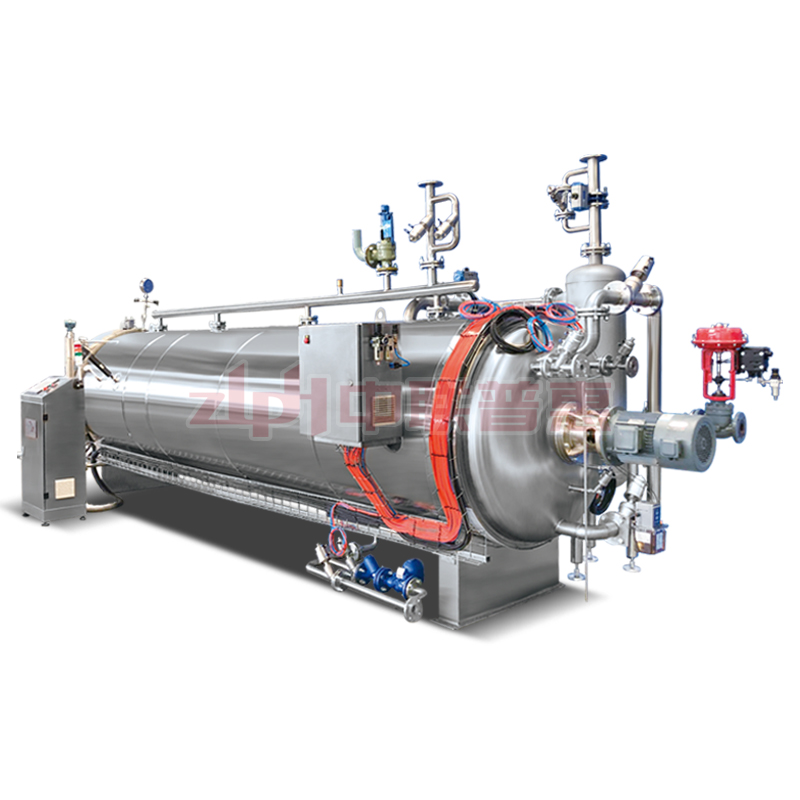
Long-Term Fix: Deploy an intelligent top-opening water spray retort with multi-zone spray nozzles and PLC-controlled circulation pumps. ZLPH’s pilot retorts feature 360° rotating spray arms and PID-regulated water flow, ensuring ±0.5°C thermal uniformity across all load positions.
Process Optimization: Integrate recipe management software that logs cycle parameters (pressure ramp rate, come-up time, cooling profile) for FDA 21 CFR Part 11 compliance and batch traceability.
4. Pitfall Avoidance Guide
Never assume lab-scale results mirror commercial performance—always validate heat penetration curves. Avoid autoclaves without ASME-certified pressure vessels; non-compliant units risk safety failures during high-pressure steam cycles. During installation, ensure the unit is level and connected to a dedicated water chiller to maintain consistent cooling rates.
5. Real-World Validation
At a leading European pet food innovator, switching to ZLPH’s 100L pilot retort reduced F₀ variation from ±12% to ±2.3% across 50+ trials. Shelf-life validation success rose from 68% to 99%, accelerating time-to-market by 40%. The system’s CE and EAC certifications also streamlined regulatory submissions in Eurasian markets.
How can I automate loading/unloading in a pilot retort without high capital cost?
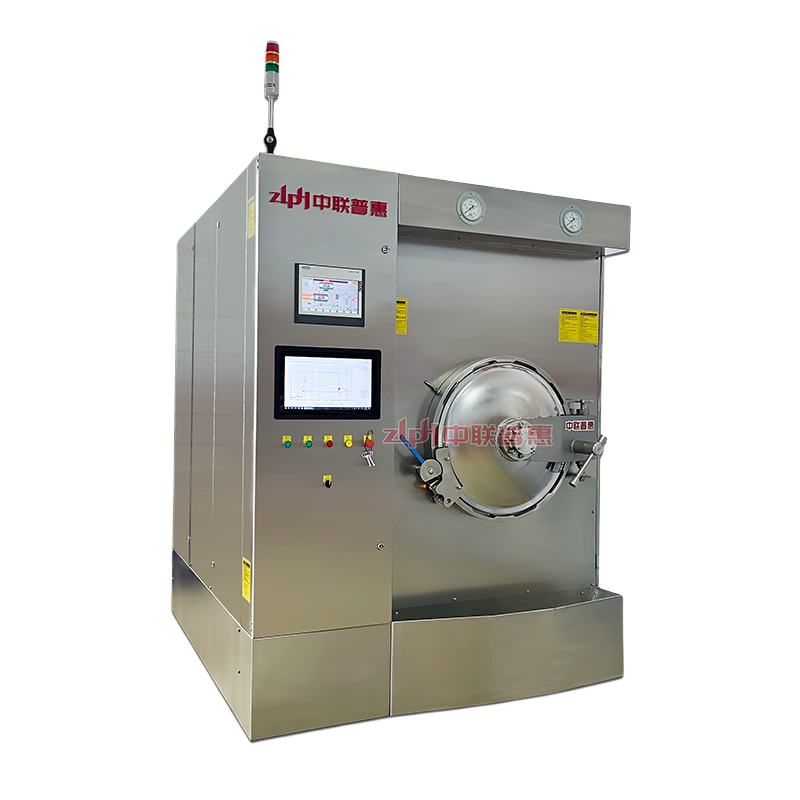
Many labs rely on manual tray handling, risking operator injury and cycle delays. ZLPH’s compact retort tray loader-unloader system—showcased at the Qingdao Exhibition—solves this with servo-driven conveyors and vision-guided alignment, reducing human intervention by 90% while maintaining GMP standards. The modular design fits into standard lab footprints and integrates with existing LIMS.
What certifications should a pilot retort have for global R&D use?
Ensure your unit holds ASME certification (for pressure integrity), CE (EU machinery directive), EAC (Eurasian Customs Union), and Malaysia DOSH if targeting ASEAN markets. ZLPH’s full compliance portfolio eliminates re-validation hurdles during international product launches.
Industry Best Practices: 5-Step Framework for Pilot Retort Success
Based on 6+ years of global deployments, ZLPH recommends:
- Define worst-case scenarios: Test with your most thermally resistant product format.
- Validate thermal performance: Conduct heat distribution and heat penetration studies per ASTM F2834.
- Standardize SOPs: Document loading patterns, venting procedures, and cooling protocols.
- Implement digital logging: Replace paper charts with cloud-based cycle records.
- Plan for scale-up: Choose a pilot system with geometric and hydrodynamic similarity to your commercial retort.
Frequently Asked Questions (FAQ)
Q: Can a pilot retort handle both rigid cans and flexible pouches?
A: Yes—ZLPH’s water spray retorts support mixed loads via adjustable tray inserts and programmable spray pressure profiles to prevent pouch deformation.
Q: Is real-time pressure monitoring necessary for lab-scale units?
A: Absolutely. Fluctuations during come-up or cooling can cause container failure. ZLPH units include dual redundant pressure transmitters with alarm thresholds.
Q: How small can a pilot batch be?
A: As few as 6–12 units. Our 50L model accommodates minimal loads while maintaining thermal stability through adaptive water recirculation.
Q: Do you offer remote diagnostics?
A: Yes—via secure IoT gateway. Our after-sales engineers (14 globally deployed) can troubleshoot PLC errors or sensor drift within 24 hours.
Our Proven Capability
ZLPH MACHINERY TECHNOLOGY CO., LTD. has specialized in sterilization technology since 2018, with a 21-member R&D team including mechanical designers, PLC programmers, and sterilization process experts. Our 15,000m² factory in Shandong produces ASME-certified retorts serving 500+ clients across 40+ countries. We hold CE, EAC, DOSH, and AAA Credit Enterprise certifications, reflecting our commitment to quality and ethical operations.
Custom Pilot Solutions Support
We provide:
- On-site thermal process assessment
- Custom chamber sizing (30L–500L)
- Integration with existing lab automation
- Free sample sterilization trials at our Qingdao demo center
Contact us for a tailored solution that turns your R&D challenges into validated, scalable success.
Contact Information
Company: ZLPH MACHINERY TECHNOLOGY CO., LTD.
Website: https://www.zlphretort.com/
Email: sales@zlphretort.com
Phone / WhatsApp: +86 13361554016
