

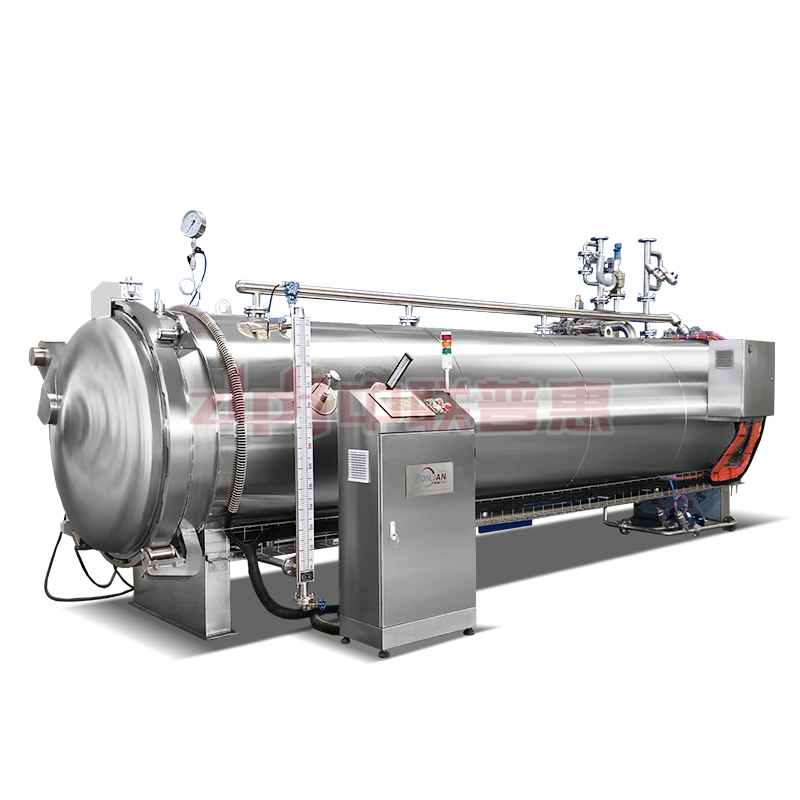
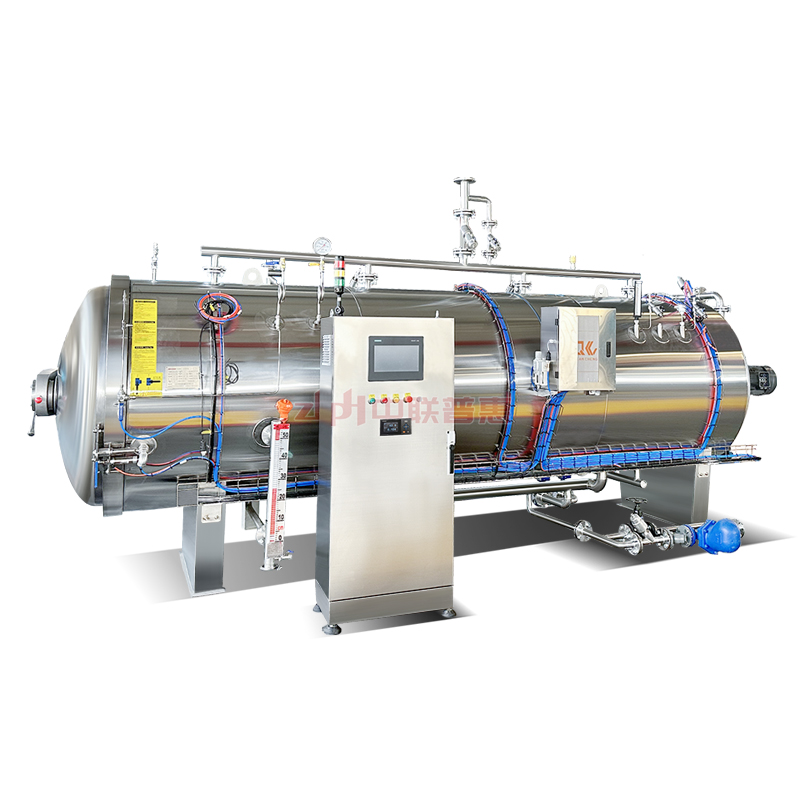
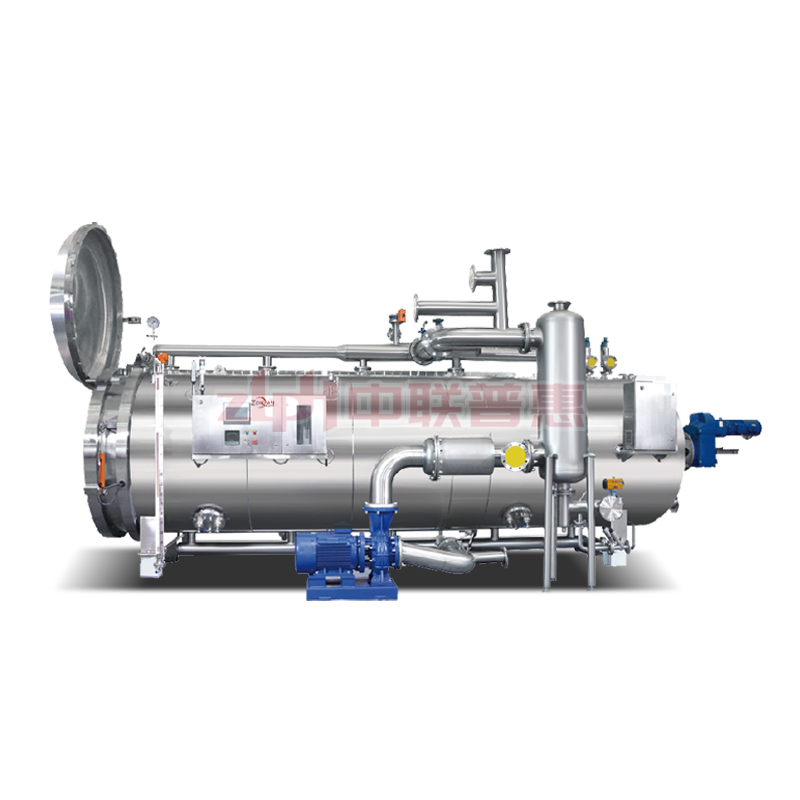
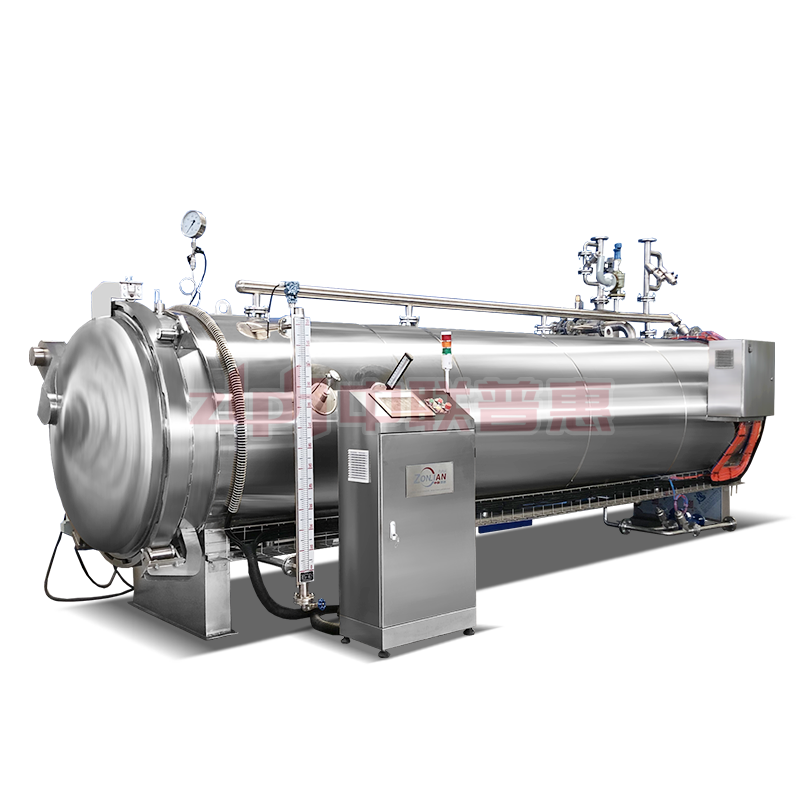
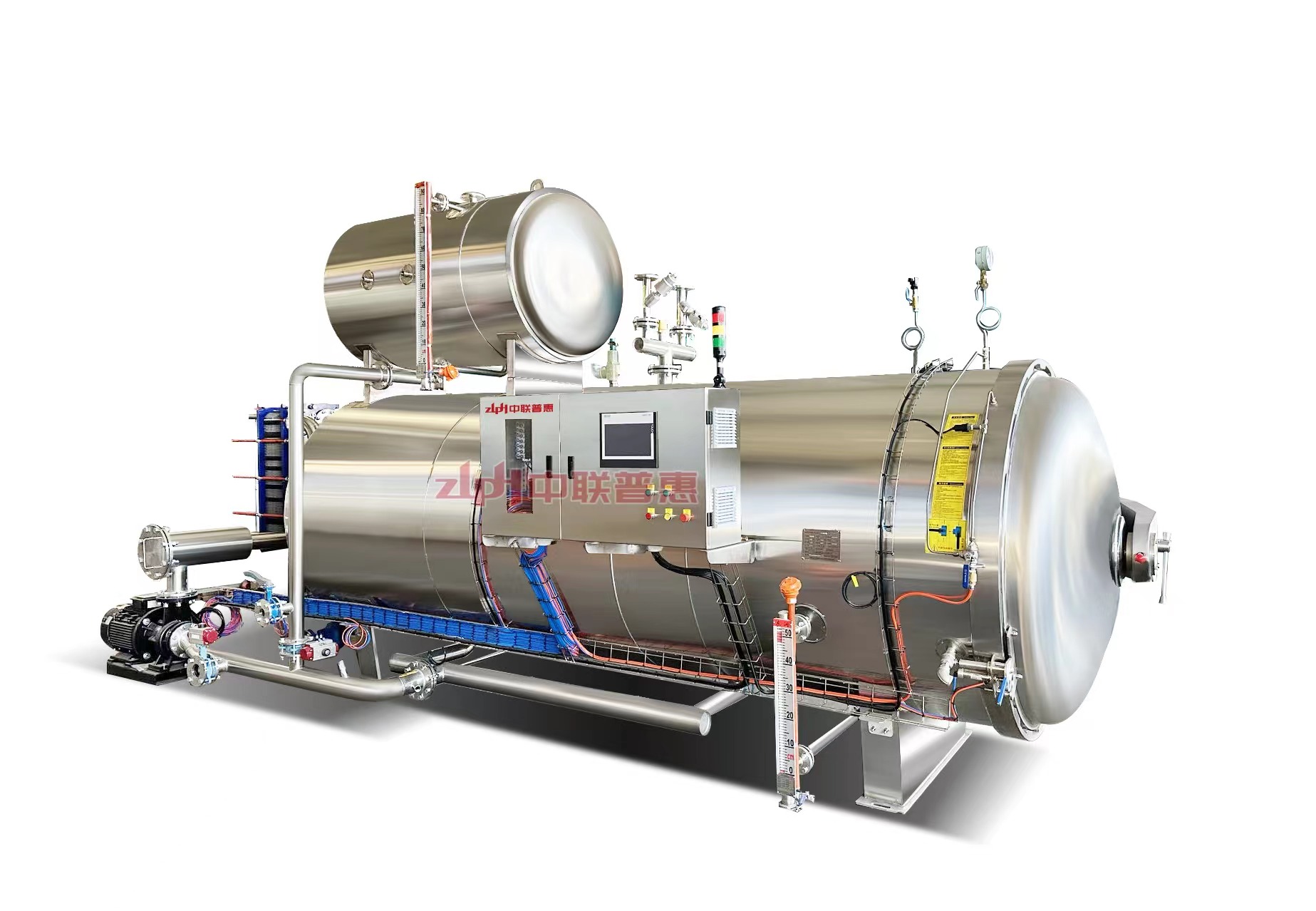
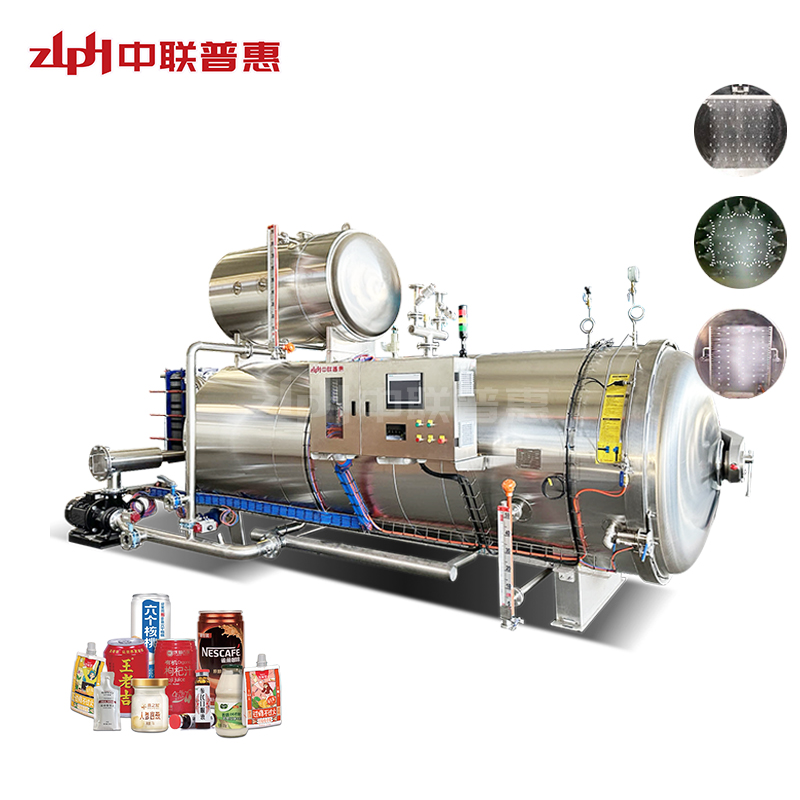
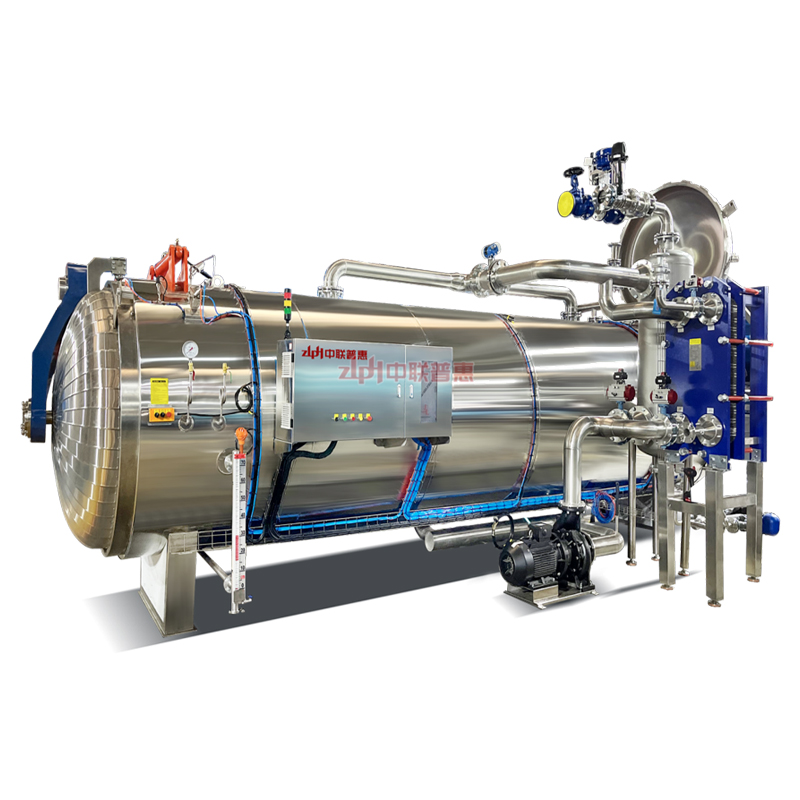
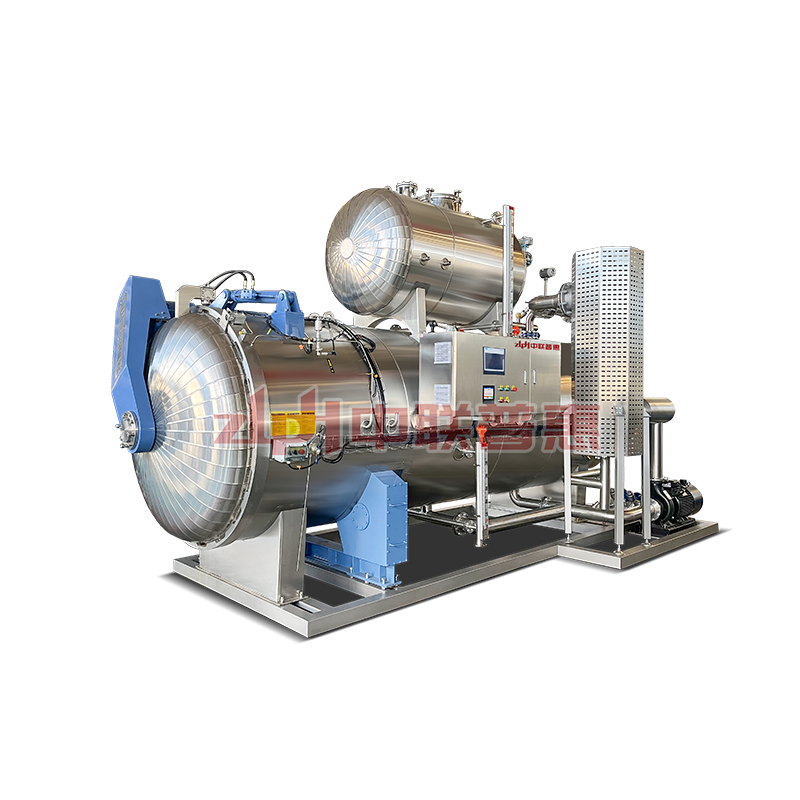
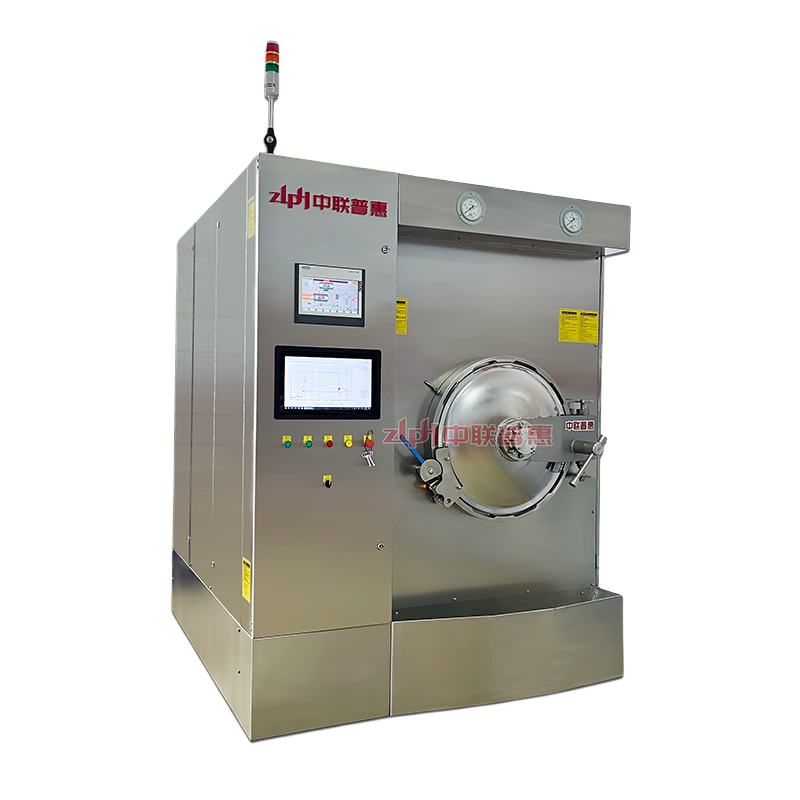
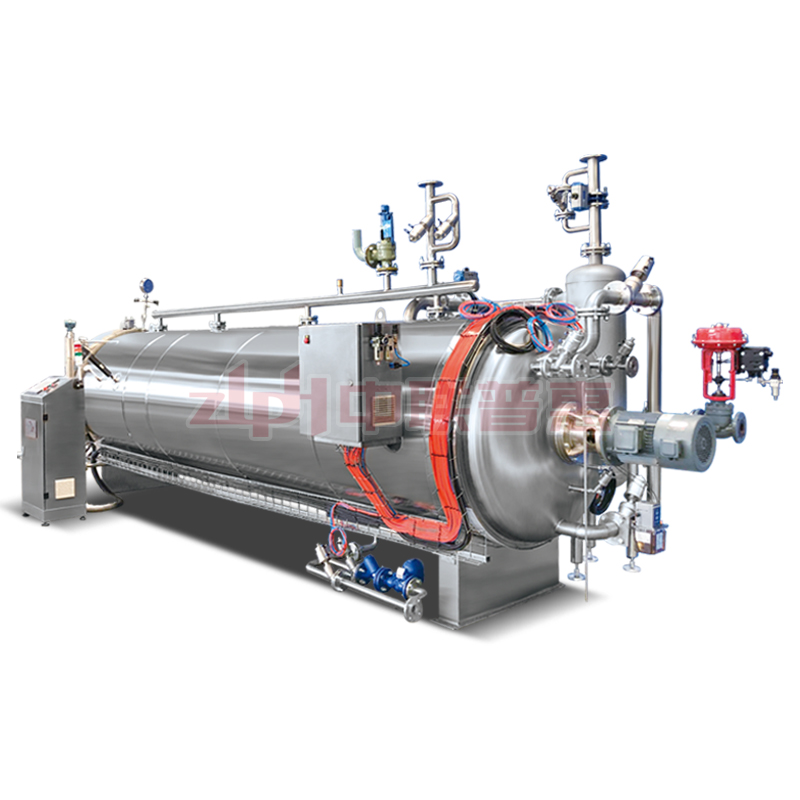
This guide is authored by a senior food processing automation engineer with over 10 years of industry experience from ZLPH MACHINERY TECHNOLOGY CO., LTD., a leading provider of intelligent sterilization solutions. It addresses a critical challenge faced by global food and pet food manufacturers: identifying reliable, high-performance steam retort autoclave suppliers capable of delivering consistent product safety, operational efficiency, and regulatory compliance.

Selecting an inadequate retort system often leads to inconsistent sterilization, product recalls, excessive downtime, and energy waste—issues primarily caused by outdated thermal design, poor pressure control, lack of automation integration, and insufficient supplier technical support. Based on more than 5,000 global installations and extensive field validation across meat, seafood, ready-to-eat meals, and pet food sectors, we’ve developed a proven, step-by-step framework to help you evaluate and partner with truly high-quality steam retort suppliers. This guide breaks down real-world scenarios, root causes, actionable solutions, and verification benchmarks to ensure your sterilization process is safe, efficient, and future-ready.

How do I ensure consistent sterilization results across large-batch production runs?
1. Scenario & Pain Point
In high-volume canned food facilities, operators frequently report uneven heat distribution during retort cycles—leading to under-sterilized units at the bottom or overcooked products at the top. This inconsistency risks microbial survival (e.g., Clostridium botulinum) and compromises shelf-life stability, especially in viscous or solid-packed products.

2. Root Cause Analysis
The core issues stem from: (1) inadequate water spray coverage due to poorly designed nozzle arrays; (2) absence of real-time temperature mapping inside the chamber; and (3) manual loading causing uneven tray stacking that blocks thermal circulation.

3. Step-by-Step Solution
Implement a water spray sterilization retort with multi-zone spray bars and precision nozzles calibrated for uniform flow distribution. Integrate real-time temperature monitoring via wireless dataloggers placed at cold-spot locations. Pair this with an automated tray loader/unloader system to ensure consistent product arrangement and eliminate human-induced stacking errors.
4. Pitfall Avoidance Guide
Avoid retrofitting old batch retorts with basic spray systems—they lack hydraulic balance. Always validate thermal uniformity using FDA-recognized protocols (e.g., ASTM F2751). Never skip cold-spot identification during validation trials.
5. Verified Performance
ZLPH’s intelligent water spray retort systems have achieved ±0.5°C thermal uniformity across 3,000+ L chambers in client facilities producing tuna, baby food, and pet stew. Post-implementation, clients reported zero thermal deviation-related rejections over 18 months of continuous operation.
How can I reduce labor costs and human error in retort loading/unloading?
1. Scenario & Pain Point
Manual handling of heavy retort trays in hot, humid environments leads to slow cycle turnover, worker fatigue, and misaligned tray placement—causing steam channeling and incomplete sterilization.
2. Root Cause Analysis
Reliance on manual labor without mechanical assistance creates bottlenecks. Inconsistent tray positioning disrupts internal airflow and water distribution during sterilization.
3. Step-by-Step Solution
Deploy an integrated retort trays loader/unloader system featuring servo-driven conveyors, vision-guided alignment, and synchronized chamber door operation. This ensures precise, repeatable tray insertion and extraction without operator intervention.
4. Pitfall Avoidance Guide
Ensure the automation system is rated for high-humidity, high-temperature washdown environments (IP67 minimum). Verify compatibility with existing tray dimensions and retort chamber geometry before procurement.
5. Verified Performance
At a major pet food plant in Southeast Asia, ZLPH’s automated loading system reduced cycle time by 22% and eliminated tray misalignment incidents, contributing to a 30% increase in daily throughput.
What features should I look for to ensure food safety compliance in international markets?
1. Scenario & Pain Point
Export-oriented manufacturers struggle to meet EU, USDA, or Russian GOST standards due to retorts lacking validated thermal processes, traceable control logs, or fail-safe pressure interlocks.
2. Root Cause Analysis
Many low-cost retorts omit critical compliance elements: no electronic batch records, uncalibrated sensors, or non-redundant safety valves.
3. Step-by-Step Solution
Choose retorts with PLC-based intelligent control systems that log temperature, pressure, and time per cycle, support audit trails, and include dual safety relief valves. Ensure the system complies with ASME BPVC Section VIII and offers CE certification.
4. Pitfall Avoidance Guide
Request third-party validation reports. Confirm that the control system supports data export in formats accepted by regulatory bodies (e.g., CSV with timestamped events).
5. Verified Performance
ZLPH’s retorts have passed rigorous audits by EU food safety inspectors and are deployed in facilities exporting to Germany, France, and Russia, with full digital traceability meeting BRCGS v9 requirements.
Industry Best Practices: 5-Step Supplier Evaluation Framework
Based on 7 years of global project execution, we recommend this framework to assess steam retort suppliers:
1. Validate Core Technology
Confirm use of water spray (not steam-air) for superior heat transfer, especially for conductive products.
2. Assess Automation Integration
Prioritize suppliers offering end-to-end solutions—from loading to cooling—not just standalone retorts.
3. Verify Global Compliance
Check for CE, ISO 9001, and region-specific certifications relevant to your target markets.
4. Evaluate After-Sales Support
Ensure 24/7 remote diagnostics and local service engineers in your region.
5. Demand Real-World References
Request case studies from clients in your exact product category (e.g., pet pâté vs. canned vegetables).
Frequently Asked Questions (FAQ)
Q: Can a standard steam retort handle both glass jars and metal cans?
A: Only if equipped with programmable pressure ramping and gentle handling. ZLPH’s systems feature adaptive pressure curves to prevent jar breakage while ensuring metal can integrity.
Q: How important is the upper door design in a retort?
A: Critical for ergonomics and sealing reliability. ZLPH’s intelligent top-opening design reduces operator strain and ensures faster, leak-proof closure compared to side-hinged models.
Q: Do I need separate systems for pet food and human food?
A: Not necessarily—ZLPH’s stainless steel 316L retorts meet both FDA and pet food hygiene standards, enabling dual-use with proper cleaning validation.
Q: What’s the typical ROI for an automated retort line?
A: Most clients achieve ROI within 14–18 months through labor savings, yield improvement, and reduced waste.
About Our Expertise & Support
ZLPH MACHINERY TECHNOLOGY CO., LTD. is a trusted global provider of advanced sterilization systems since 2018. Our team includes 21 mechanical and PLC engineers, 4 sterilization process researchers, and 14 after-sales specialists—all with 10+ years in retort and automation industries. We operate a 15,000 m² manufacturing facility with precision machining capabilities and hold multiple international quality certifications.
Our solutions serve clients across Asia, Europe, and the Americas, including leaders in pet food and ready-meal production. We offer customized support including: on-site process assessment, free sample sterilization trials, tailored automation integration, and 24-hour technical response.
Contact Us
Company: ZLPH MACHINERY TECHNOLOGY CO., LTD.
Website: https://www.zlphretort.com/
Email: sales@zlphretort.com
Phone / WhatsApp: +86 15666798389 / +86 13361554016
