
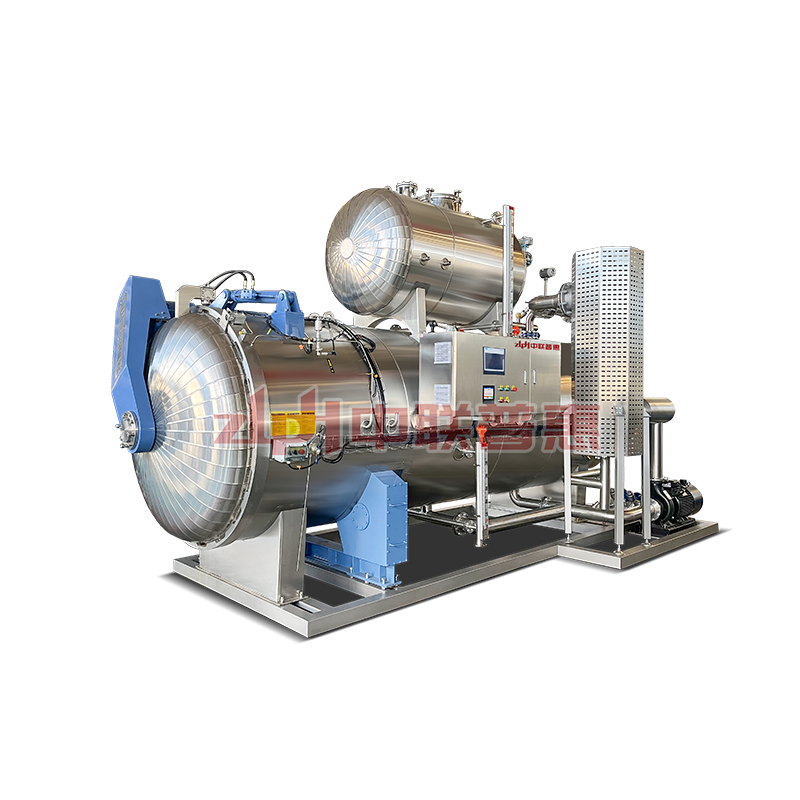
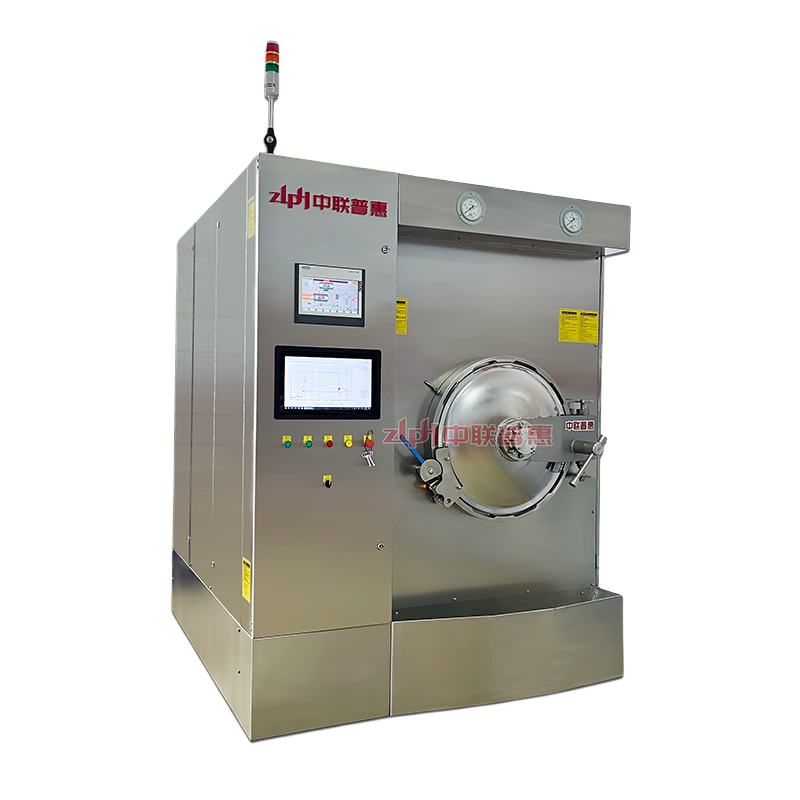
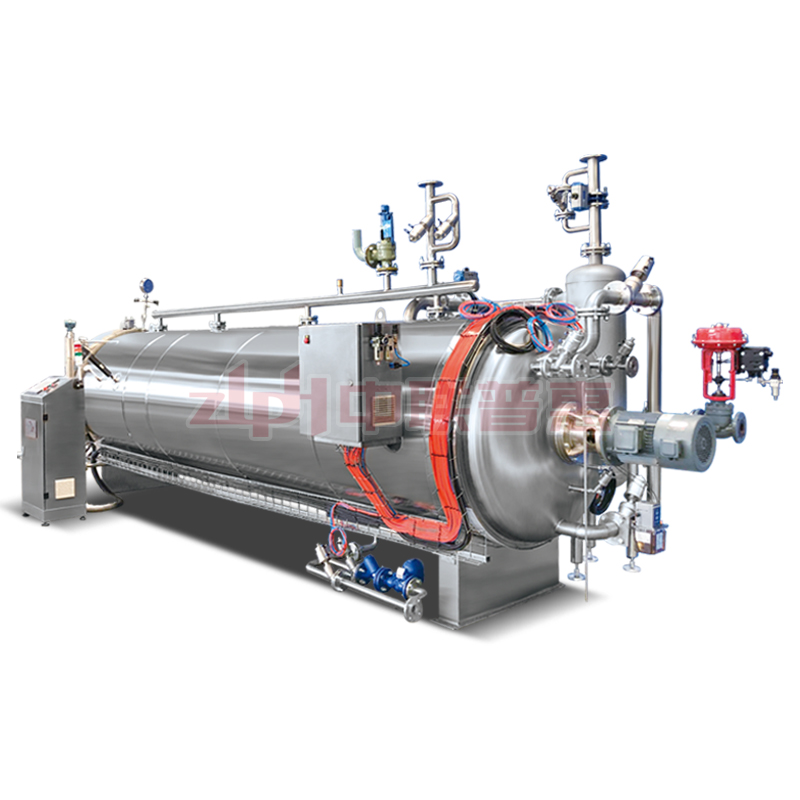
This guide is authored by a senior food processing automation engineer with over 10 years of field experience from ZLPH MACHINERY TECHNOLOGY CO., LTD., a globally recognized provider of advanced sterilization solutions. It addresses a critical challenge faced by food manufacturers, pet food producers, and industrial procurement teams worldwide: identifying trustworthy and technically capable food retort autoclave suppliers who can deliver consistent, compliant, and efficient sterilization systems.

Selecting the wrong retort supplier often leads to production bottlenecks, inconsistent sterilization results, safety compliance risks, and costly downtime—issues primarily caused by inadequate technical expertise, poor equipment design, and lack of post-sales support. Based on more than 5,000 global client deployments and extensive R&D validation, we’ve developed a proven, step-by-step framework to help you evaluate and partner with suppliers who truly understand your operational needs. In this guide, we’ll break down real-world scenarios, root causes of common failures, actionable selection criteria, and verified performance benchmarks—all grounded in actual project data and international food safety standards.

How do I verify if a retort autoclave supplier has genuine technical expertise and manufacturing capability?
1. Scenario & Pain Point
Many buyers, especially new entrants in canned food or pet meal production, struggle to distinguish between trading companies and true manufacturers. They receive glossy brochures but later discover the supplier lacks in-house R&D, relies on outsourced assembly, and cannot customize sterilization cycles for specific products—leading to under-processing (safety risk) or over-processing (quality degradation).

2. Root Cause Analysis
This issue stems from three key gaps: (1) absence of an integrated mechanical + PLC + process engineering team; (2) no dedicated sterilization process researchers to validate thermal profiles; and (3) reliance on generic, non-adaptive control systems that cannot handle varying product loads or container types.

3. Step-by-Step Solution
- Request proof of in-house R&D: Ask for team composition—e.g., number of mechanical designers, PLC engineers, and sterilization process specialists.
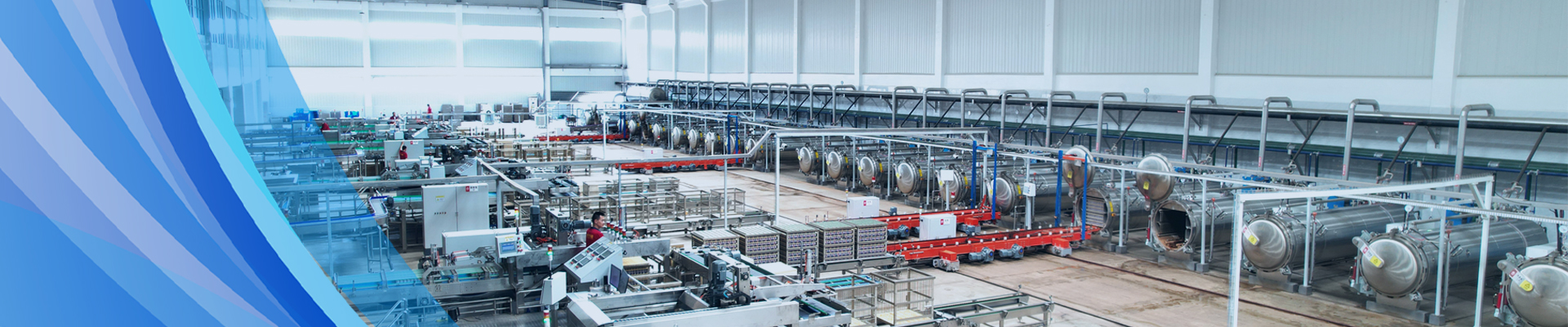
- Verify factory scale: A credible manufacturer operates a modern facility with precision machining capabilities. For instance, ZLPH maintains a 15,000 m² production workshop on a 50-acre campus equipped with advanced CNC and welding systems to ensure structural integrity and pressure vessel compliance.
- Demand process validation data: Legitimate suppliers provide F₀ (sterilization value) reports tailored to your product type, container size, and fill ratio.
4. Pitfall Avoidance Guide
Avoid suppliers who only showcase finished units without revealing their engineering workflow. Insist on a virtual or physical factory audit. Check if they hold ISO 9001 certification and pressure equipment licenses. Never accept “one-size-fits-all” sterilization programs—they indicate a lack of process science understanding.
5. Verified Performance
ZLPH’s integrated team of 21 mechanical/PLC engineers and 4 sterilization process researchers has enabled over 500 clients across Asia, Europe, and North America to achieve consistent lethality (F₀ ≥ 3.0 for low-acid foods) while preserving texture and color. Their systems are validated against ASME BPVC Section VIII and EN 285 standards.
How can I ensure the retort system supports high-efficiency loading/unloading for large-scale production?
1. Scenario & Pain Point
In high-volume facilities (e.g., producing 10,000+ cans/hour), manual tray handling creates labor bottlenecks and ergonomic injuries. Buyers need automated loader/unloader systems but find few suppliers offering seamless integration with retort chambers.
2. Root Cause Analysis
Most retort vendors treat automation as an afterthought. Without co-engineered mechanical interfaces and synchronized control logic, automation add-ons cause misalignment, cycle delays, or safety interlock failures.
3. Step-by-Step Solution
- Prioritize suppliers who design the retort and automation as a unified system.
- Confirm compatibility with your container types (cans, bowls, pouches).
- Require real-time monitoring of tray position, door status, and sterilization phase via a centralized HMI.
4. Pitfall Avoidance Guide
Test the full cycle during pre-shipment inspection. Ensure emergency stop functions halt both retort and automation simultaneously. Verify IP rating of motors and sensors for washdown environments.
5. Verified Performance
At the Qingdao Exhibition, ZLPH demonstrated a fully integrated retort trays loader-unloader system that reduced manual handling by 90% and increased throughput by 35%. Customers praised its reliability in continuous 24/7 operations.
What makes a water spray retort superior for delicate products like pet food in bowls?
1. Scenario & Pain Point
Pet food manufacturers using bowl packaging face product deformation, sauce separation, or seal failure when using steam-only retorts due to rapid pressure changes and uneven heat distribution.
2. Root Cause Analysis
Steam retorts create thermal shock during come-up and cool-down phases. Without precise pressure balancing and uniform water spray, fragile containers collapse or leak.
3. Step-by-Step Solution
- Choose an intelligent top-opening water spray retort with independent pressure and temperature control.
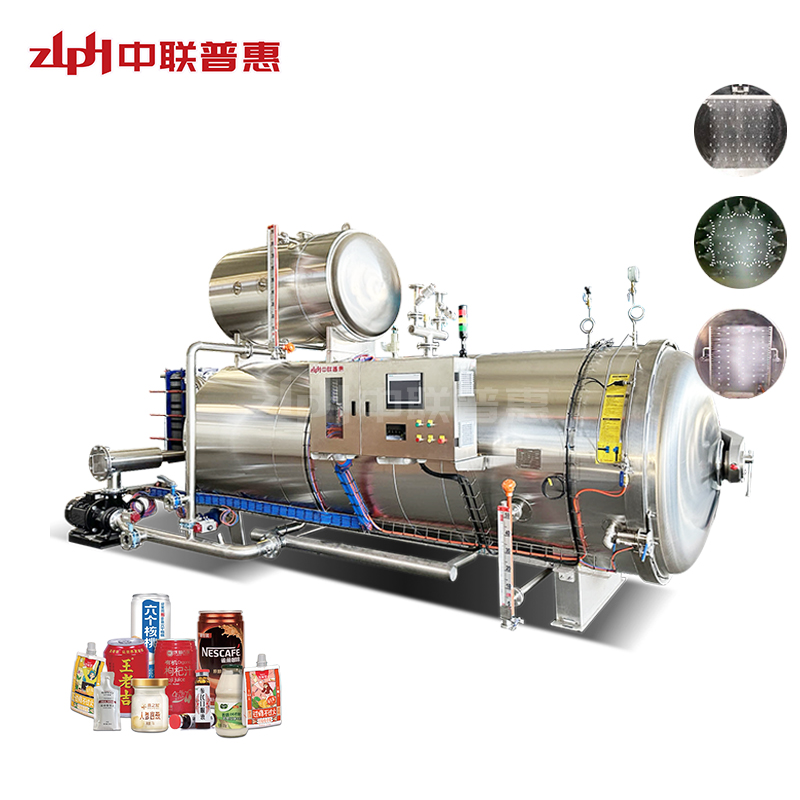
- Ensure the spray system uses multi-zone nozzles for even water distribution.
- Implement real-time PID control to maintain ΔP (pressure differential) within ±0.5 psi during cooling.
4. Pitfall Avoidance Guide
Avoid systems that use single-point temperature sensors—opt for multi-probe arrays. Confirm the control system logs full cycle data for FDA/EFSA compliance.
5. Verified Performance
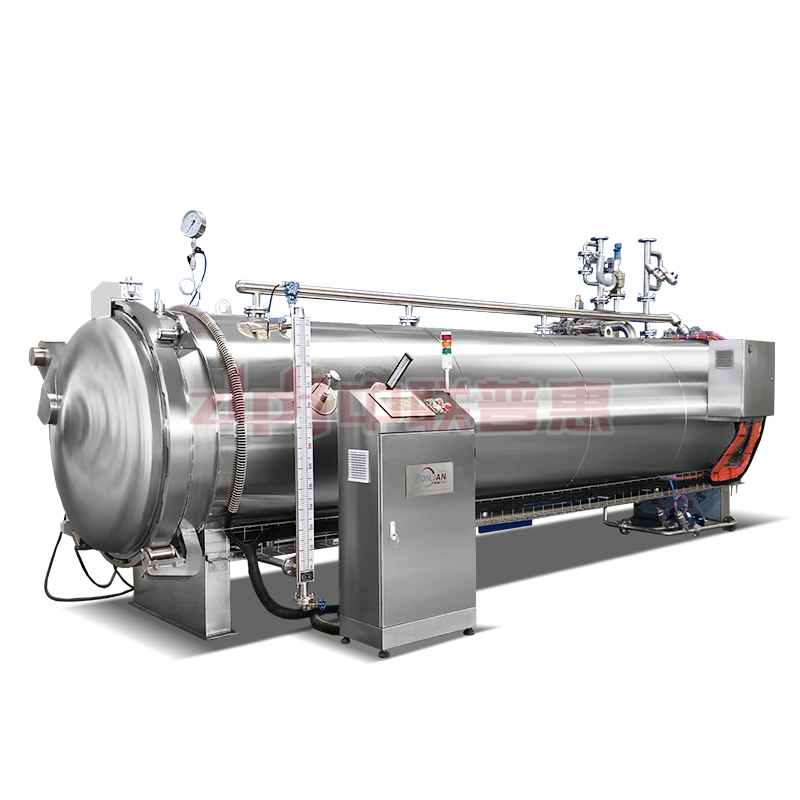
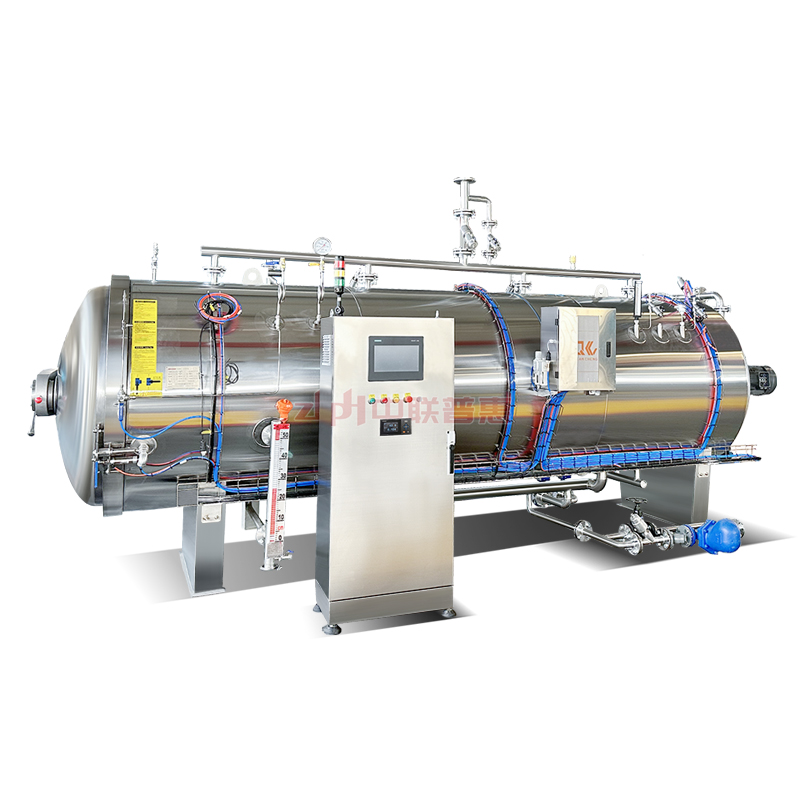
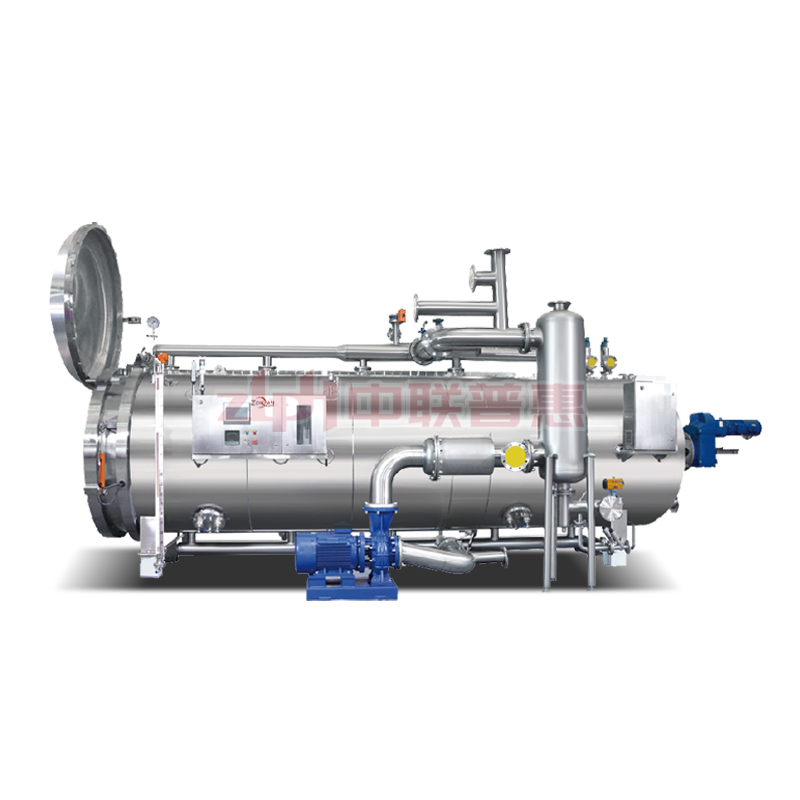
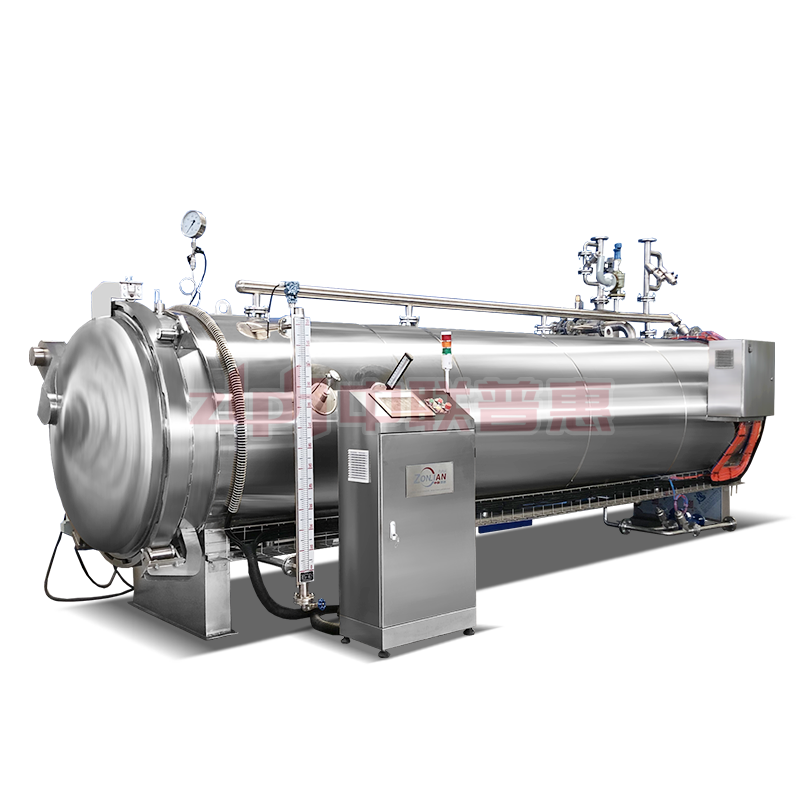
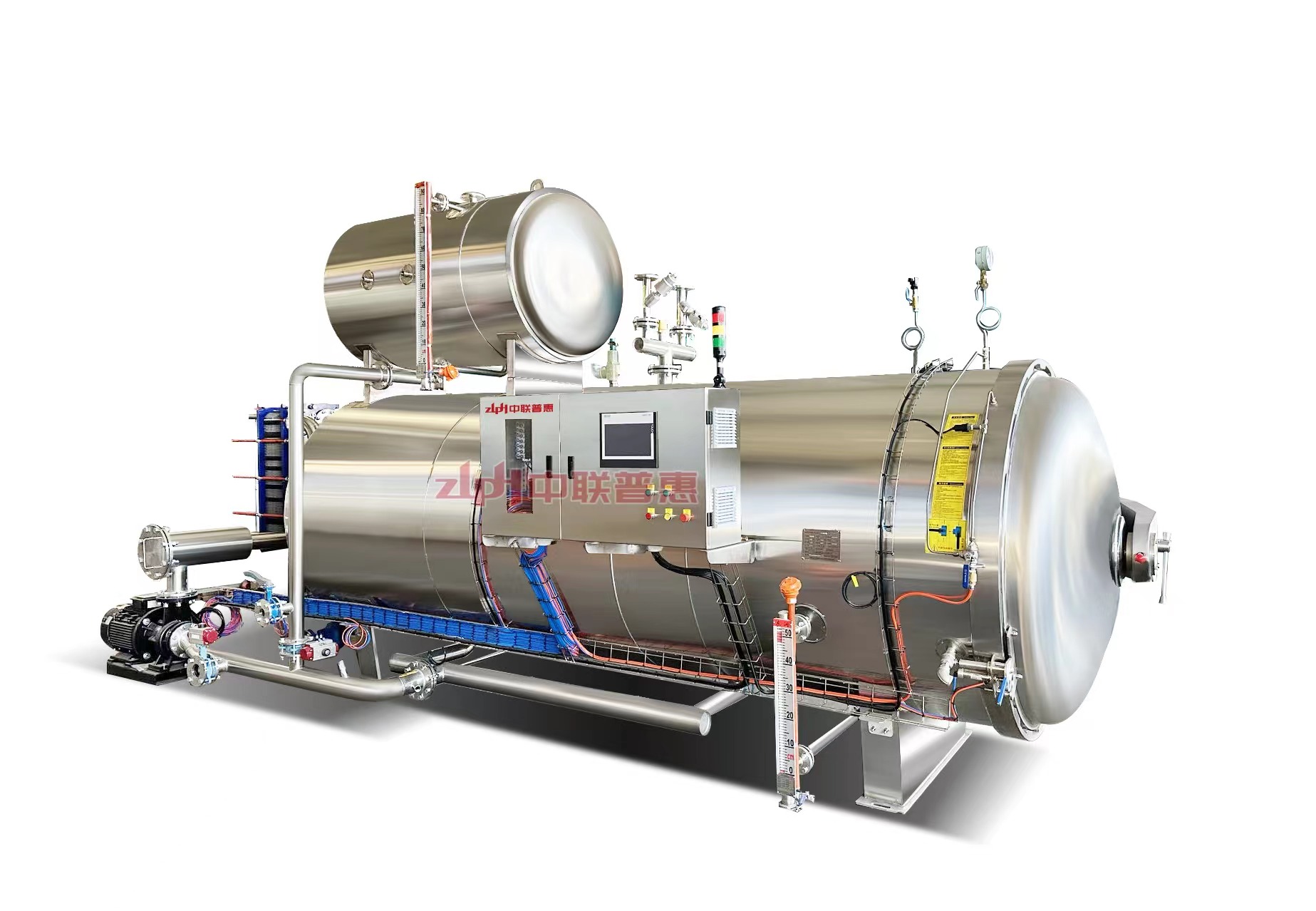
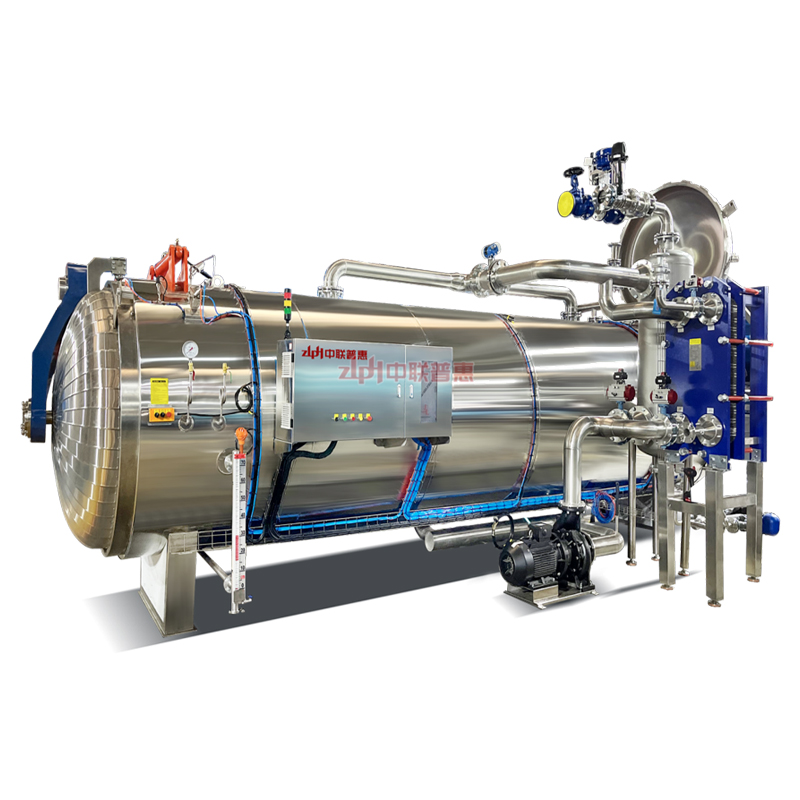
ZLPH’s intelligent top-opening water spray retort, showcased at AGROPRODASH 2023 in Moscow and Petfair Asia 2023 in Shanghai, delivers uniform lethality while preserving bowl integrity. The system’s real-time monitoring ensures optimal temp/pressure balance, winning strong interest from global pet food brands.
Industry Best Practices for Selecting Retort Suppliers
Based on 7+ years of global deployments, we recommend this 5-step evaluation framework:
1. Define Your Product & Process Requirements
Specify container type, fill volume, target F₀, and production rate. Don’t let the supplier dictate your process.
2. Audit Technical Depth
Verify in-house R&D, process validation capability, and control system architecture (preferably Siemens or Allen-Bradley based).
3. Validate Manufacturing Integrity
Confirm workshop size, welding certifications (e.g., ASME U-stamp), and quality control protocols.
4. Test Automation Integration
If needed, ensure loader/unloader is co-designed—not retrofitted.
5. Assess Global Support
Check availability of local service engineers, spare parts inventory, and remote diagnostics.
Frequently Asked Questions (FAQ)
Q: Can a standard steam retort be used for pet food in plastic bowls?
A: Not recommended. Plastic bowls require gentle pressure ramping and uniform cooling—only water spray or water immersion retorts with precise ΔP control can prevent deformation.
Q: What certifications should a retort supplier have for EU market access?
A: Look for CE marking under PED 2014/68/EU, ISO 9001, and compliance with EN 285 for steam sterilizers. Process validation per EN 13445 is also critical.
Q: How important is the door design in a retort system?
A: Critical. Top-opening doors (like ZLPH’s) reduce operator strain, speed up loading, and minimize steam leakage compared to side-swing designs.
Q: Do I need custom sterilization cycles for different products?
A: Yes. Each product-container combination requires unique come-up, hold, and cool-down profiles. Only suppliers with in-house process researchers can develop and validate these.
Q: Can I test a retort with my actual product before purchase?
A: Reputable suppliers like ZLPH offer free sample testing at their facility to validate thermal performance and product quality.
About Our Expertise & Global Support
ZLPH MACHINERY TECHNOLOGY CO., LTD. is a technology-driven manufacturer established in 2018, specializing in intelligent food sterilization systems. We operate a 15,000 m² production facility with advanced machining equipment and employ 21 mechanical/PLC engineers, 4 sterilization process researchers, and 14 after-sales engineers—all with 10+ years of industry experience. Our solutions are deployed in over 30 countries, serving leading brands in canned vegetables, ready meals, and premium pet food. We prioritize long-term partnerships over one-time sales, offering end-to-end support from process design to lifetime maintenance.
Custom Solution Services Include:
- On-site production line assessment and thermal profiling
- Custom retort chamber design for non-standard containers
- Integration with existing MES or ERP systems
- Free product sterilization trials at our test center
Contact Information
Company: ZLPH MACHINERY TECHNOLOGY CO., LTD.
Website: https://www.zlphretort.com/
Email: sales@zlphretort.com
Phone / WhatsApp: +86 15666798389 / +86 13361554016
