
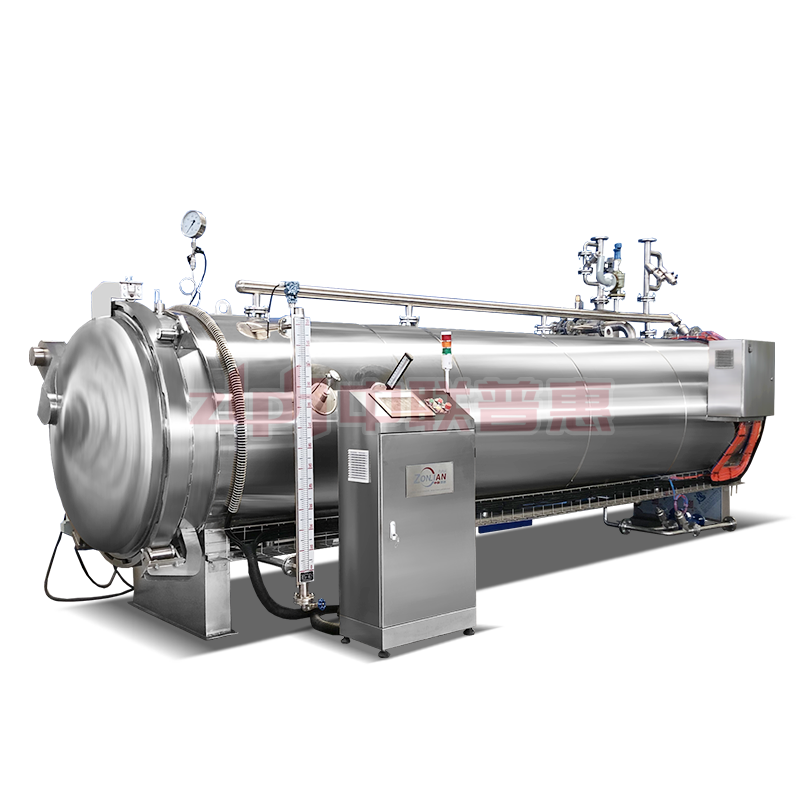
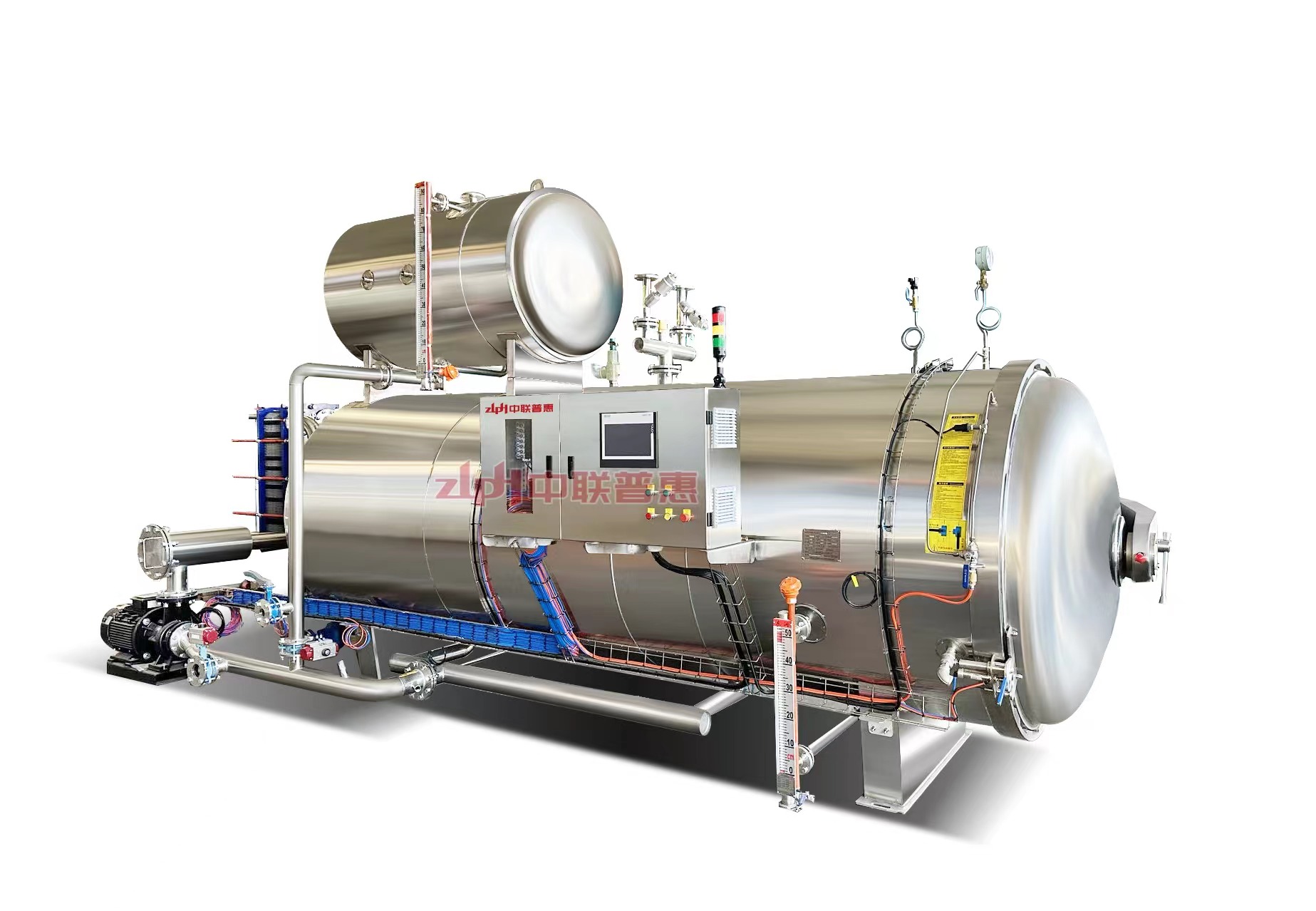
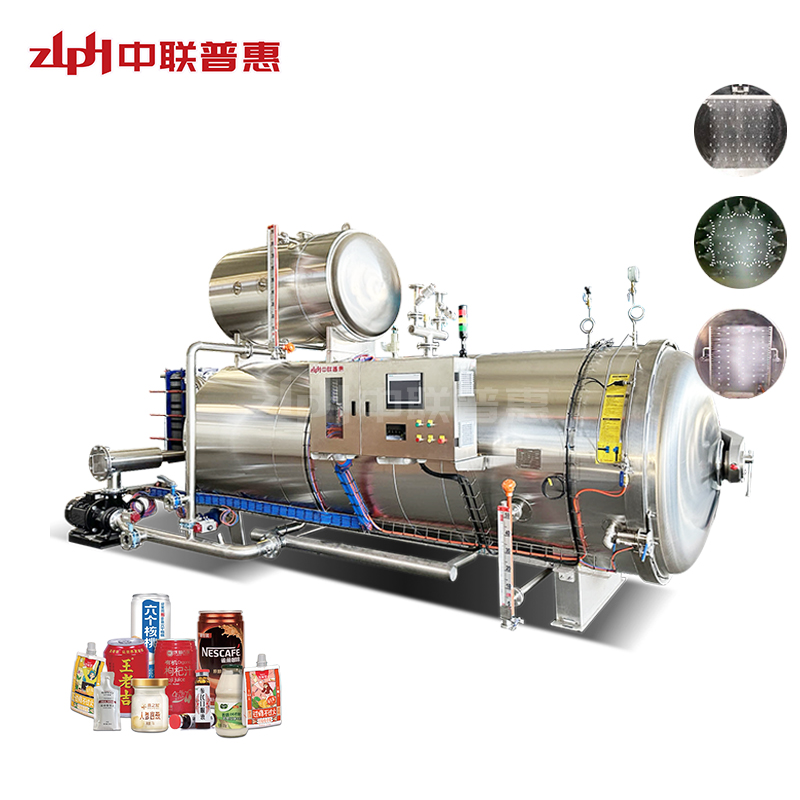
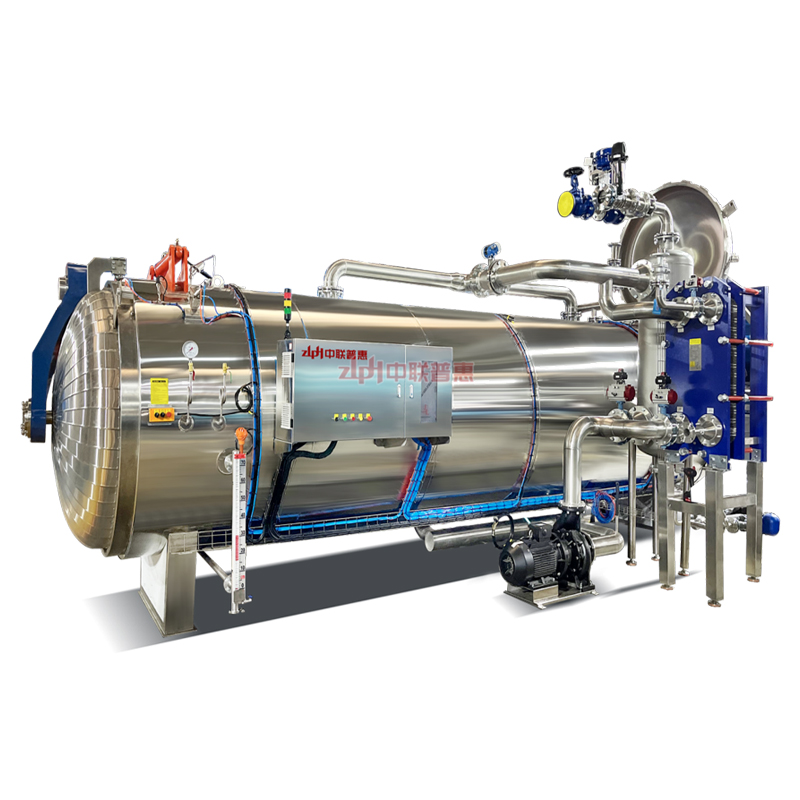
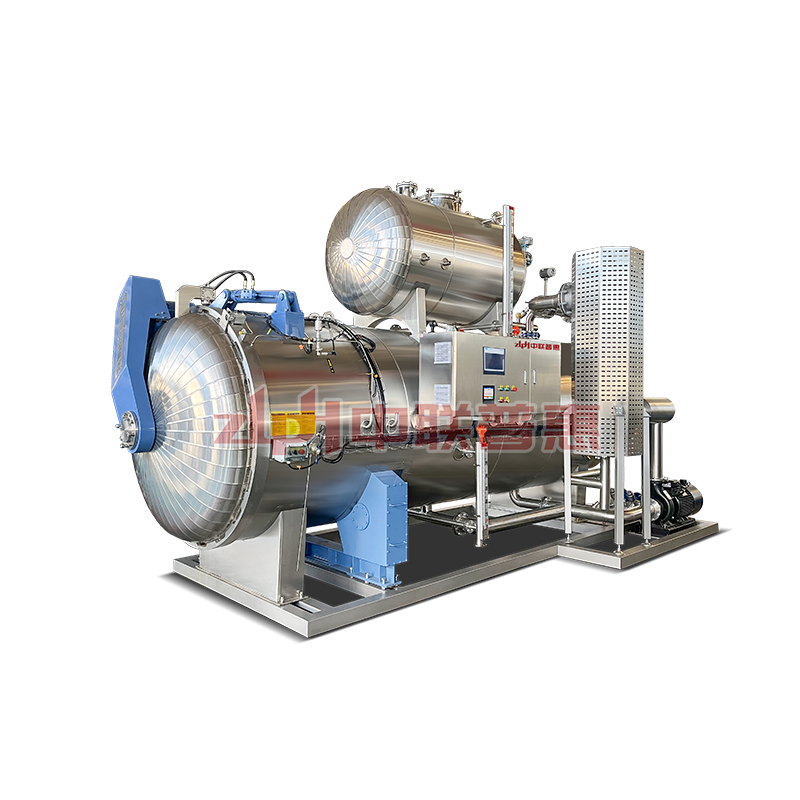
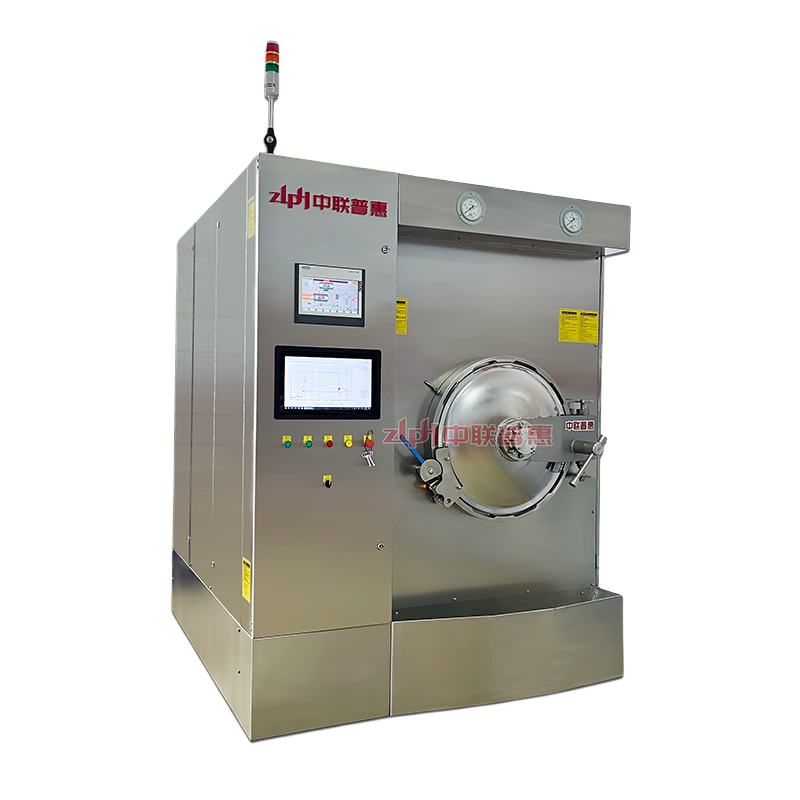
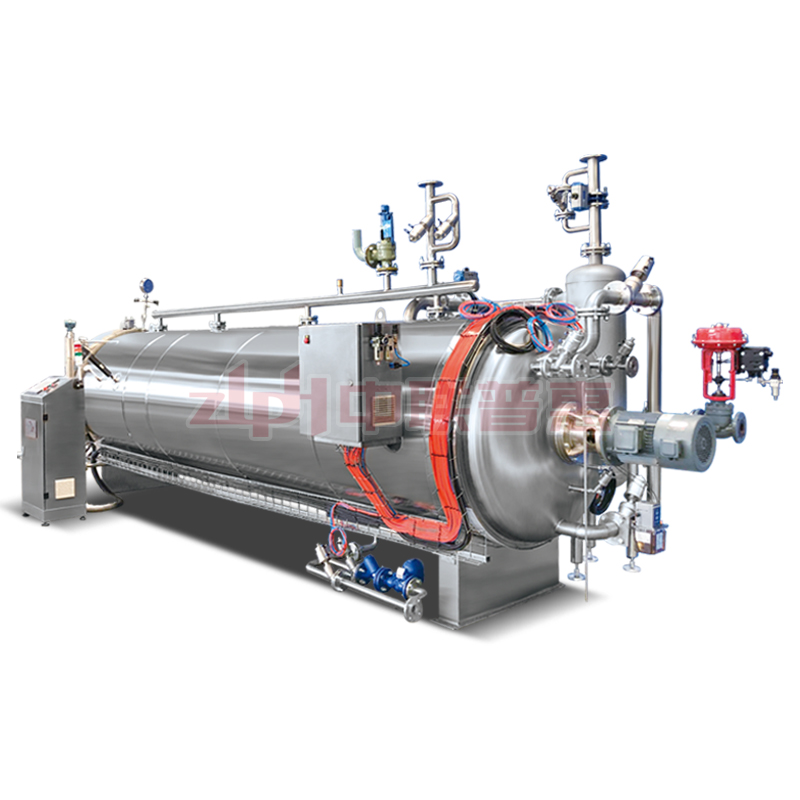
This guide is authored by a senior food processing engineer with over 10 years of experience at ZLPH MACHINERY TECHNOLOGY CO., LTD., a globally recognized provider of advanced sterilization solutions. It addresses a critical challenge faced by food manufacturers and procurement professionals worldwide: identifying trustworthy retort autoclave suppliers capable of delivering consistent, compliant, and efficient sterilization systems. Selecting the wrong supplier often leads to production downtime, product recalls, or non-compliance with international food safety standards—issues primarily caused by inadequate technical expertise, lack of global certifications, and poor after-sales support. Based on more than 5,000 global installations and extensive field validation across diverse food categories—from canned vegetables to ready-to-eat meals—we’ve developed a proven, step-by-step framework to help you evaluate, select, and partner with the right retort autoclave supplier. This guide breaks down real-world scenarios, root causes of common failures, actionable selection criteria, compliance requirements, and verified performance benchmarks to ensure your sterilization process remains safe, efficient, and scalable.

How do I verify if a retort autoclave supplier meets international food safety and equipment standards?
1. Scenario & Pain Point
Many food processors, especially those exporting to Europe, Russia, or Southeast Asia, face shipment rejections or regulatory delays because their sterilization equipment lacks mandatory certifications. A common scenario involves purchasing a “low-cost” retort system only to discover it doesn’t carry CE, EAC, or ASME certification—rendering it non-compliant in target markets.

2. Root Cause Analysis
This issue stems from three key gaps: (1) suppliers misrepresenting compliance status; (2) buyers prioritizing price over certification validity; and (3) lack of awareness about region-specific regulatory requirements like EU Machinery Directive or Russian EAC TR CU 010/2011.

3. Step-by-Step Solution
First, demand official copies of certifications—not just logos on brochures. Valid certifications include ASME Certificate of Authorization (for pressure vessel integrity), EU CE marking (indicating conformity with health, safety, and environmental standards), Russian EAC certification (mandatory for Eurasian Economic Union markets), and Malaysia DOSH approval for Southeast Asian operations. Second, cross-check certificate numbers with issuing authorities or request third-party verification. Third, ensure the supplier holds a Production License of Special Equipment, confirming legal authorization to manufacture pressurized sterilization systems.

4. Pitfall Avoidance Guide
Never accept “CE self-declaration” without notified body involvement for Category III pressure equipment. Avoid suppliers who cannot provide test reports or factory inspection records. Always confirm that certifications cover the exact model you’re purchasing—not just a generic product line.
5. Verified Outcome
Suppliers like ZLPH MACHINERY TECHNOLOGY CO., LTD. hold ASME, CE, EAC, DOSH, and Special Equipment Production Licenses, enabling seamless market entry across 50+ countries. Their certified systems have supported clients in passing FDA, BRCGS, and FSSC 22000 audits without sterilization-related non-conformities.
What should I look for in a retort autoclave supplier’s technical capabilities and R&D strength?
1. Scenario & Pain Point
Food producers investing in automation often encounter retort systems with outdated controls, poor thermal uniformity, or inability to integrate with MES/SCADA systems—leading to inconsistent sterilization, batch failures, or manual intervention bottlenecks.
2. Root Cause Analysis
These problems arise when suppliers lack in-house R&D teams, rely on outsourced engineering, or fail to invest in process validation expertise. Without deep sterilization science knowledge, they cannot optimize come-up time, F₀ control, or cooling profiles for different product matrices.
3. Step-by-Step Solution
Evaluate the supplier’s engineering team composition: look for dedicated mechanical designers, PLC programmers, and—critically—sterilization process researchers with hands-on experience in thermal death kinetics. Confirm they conduct in-house F₀ mapping and offer intelligent control systems with real-time temperature/pressure monitoring. Prefer suppliers who develop proprietary automation modules, such as tray loader-unloader systems, to minimize human handling.
4. Pitfall Avoidance Guide
Avoid “trading companies” posing as manufacturers. Request evidence of recent R&D projects, patent filings, or participation in industry technical forums. Ask for case studies involving complex products (e.g., viscous sauces, multi-component meals) to assess process adaptability.
5. Verified Outcome
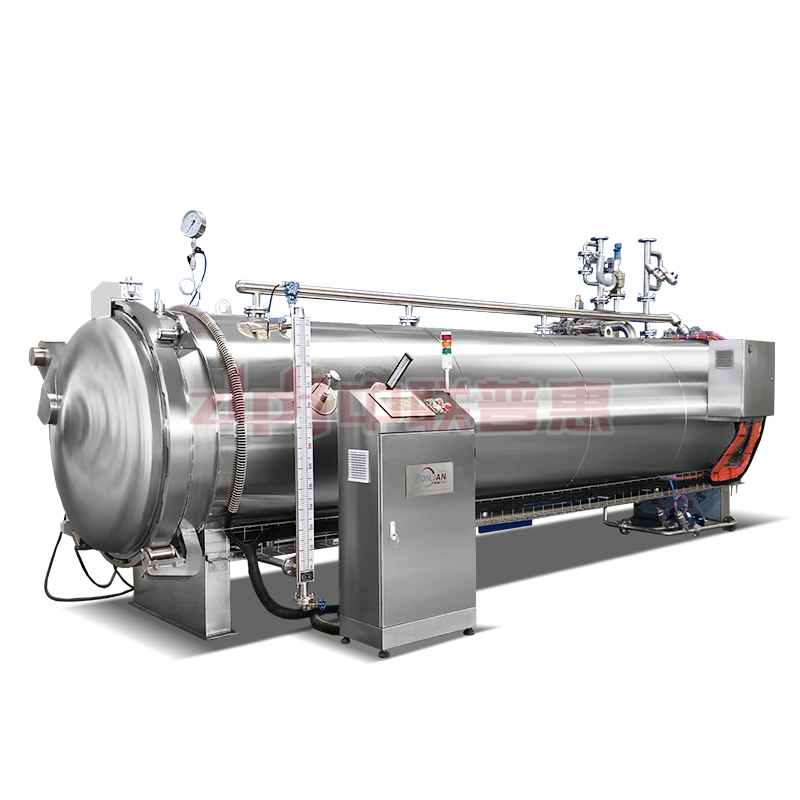
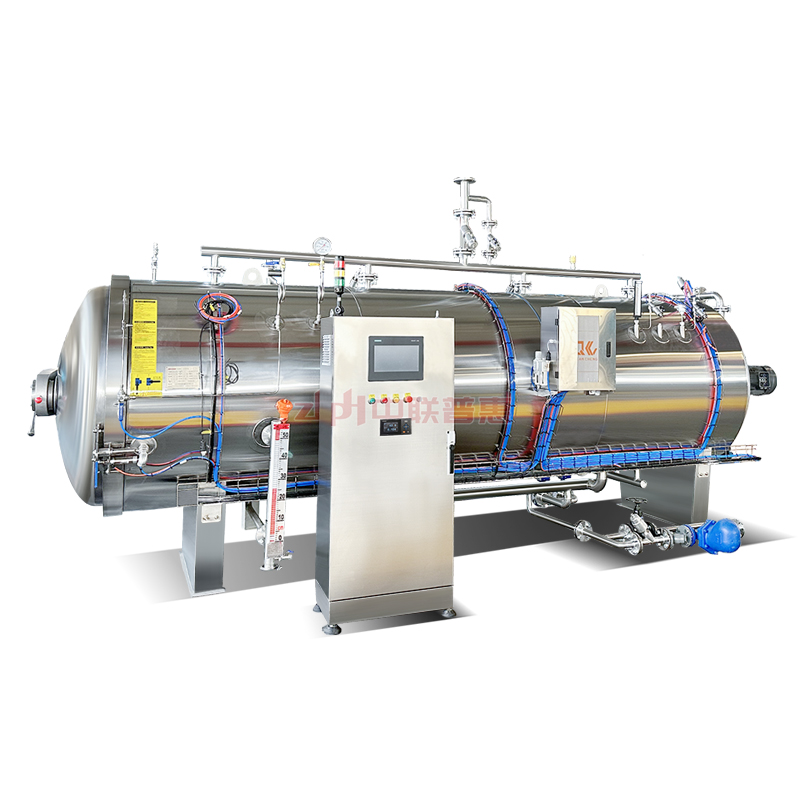
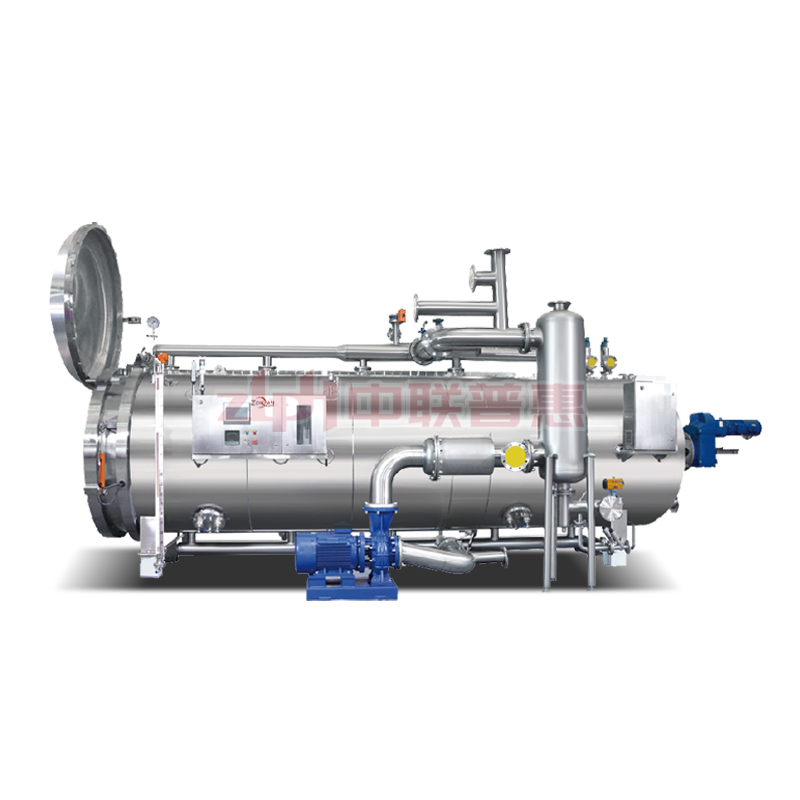
ZLPH employs 21 mechanical and PLC engineers, 4 sterilization process specialists, and 14 after-sales engineers—all with 10+ years in the industry. Their intelligent top-opening water spray retorts feature real-time F₀ tracking and automated cycle optimization, reducing over-processing by up to 18% while ensuring microbial safety.
How can I ensure long-term reliability and after-sales support from a retort supplier?
1. Scenario & Pain Point
After installation, some suppliers disappear—leaving clients stranded during breakdowns, calibration needs, or spare parts shortages. Downtime during peak production can cost tens of thousands per hour.
2. Root Cause Analysis
This occurs when suppliers lack global service infrastructure, trained technicians, or commitment to long-term partnerships. Many prioritize one-time sales over lifecycle support.
3. Step-by-Step Solution
Choose suppliers with documented after-sales networks, local or regional service hubs, and rapid-response protocols (e.g., 24-hour technical support). Confirm availability of spare parts inventory and training programs for your operators. Prioritize companies that emphasize “mutually beneficial, long-term relationships” over transactional deals.
4. Pitfall Avoidance Guide
Ask for client references in your region. Inquire about average response time for critical issues. Verify if remote diagnostics and firmware updates are supported.
5. Verified Outcome
ZLPH provides 14 dedicated after-sales engineers and offers WhatsApp, WeChat, and email support with 24-hour response commitments. Their clients report >95% uptime over 3-year periods due to proactive maintenance and rapid troubleshooting.
Industry Best Practices for Selecting Retort Autoclave Suppliers
Based on global project experience, we recommend this 5-step evaluation framework:
1. Define Your Worst-Case Scenario
Select equipment rated for your most extreme conditions (e.g., high-altitude locations, corrosive environments, 24/7 operation)—not just average use.
2. Validate Certifications Rigorously
Ensure all required regional certifications are active, model-specific, and issued by accredited bodies.
3. Assess Process Science Expertise
Confirm the supplier understands thermal processing beyond hardware—they should advise on F₀ targets, venting strategies, and cooling rates.
4. Test Before You Buy
Request pilot trials with your actual product in their demo facility or via loaner units.
5. Secure Service-Level Agreements (SLAs)
Formalize response times, spare parts availability, and training commitments in contracts.
Frequently Asked Questions (FAQ)
Q: Can I use a standard industrial autoclave for food sterilization?
A: No. Food-grade retorts must comply with hygiene standards (e.g., 3-A, EHEDG) and precise thermal control for pathogen destruction—industrial autoclaves lack these features.
Q: What certifications are mandatory for selling retorts in Europe?
A: CE marking under the Pressure Equipment Directive (PED 2014/68/EU) and Machinery Directive is essential. ASME certification is also widely accepted as proof of engineering rigor.
Q: How important is water spray vs. steam-air sterilization?
A: Water spray offers superior heat transfer and product integrity for glass jars or delicate pouches. Steam-air is suitable for rigid cans but risks overcooking. Choose based on your packaging.
Q: Do retort suppliers offer automation integration?
A: Leading providers like ZLPH offer full automation—including tray loading/unloading systems—to reduce labor and contamination risks.
Q: How long does installation and commissioning typically take?
A: With experienced suppliers, 2–4 weeks including staff training. Delays usually stem from missing civil works or utility connections.
About Our Expertise & Global Support
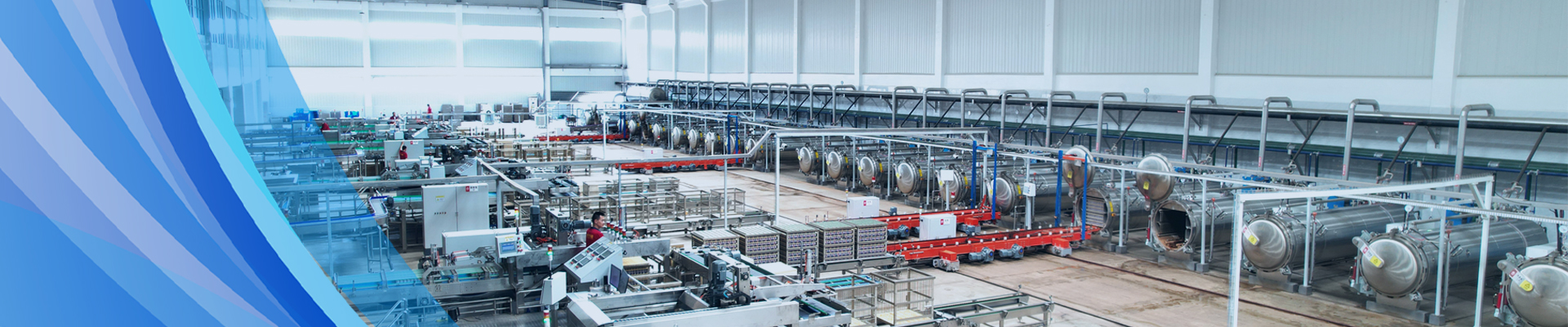
ZLPH MACHINERY TECHNOLOGY CO., LTD. is a technology-driven retort manufacturer established in 2018, operating a 50-acre modern factory with 15,000㎡ of production space and advanced CNC machining centers. Our team includes 21 R&D engineers and 4 sterilization scientists who have delivered solutions to clients across Asia, Europe, and the Americas. We hold ASME, CE, EAC, DOSH, and AAA Credit Enterprise certifications, reflecting our commitment to quality and ethical business practices. Our intelligent top-opening water spray retorts—featured at AGROPRODASH 2023 in Moscow and Qingdao exhibitions—have earned acclaim for operational efficiency and food safety assurance.
We offer customized support including: (1) on-site process assessment, (2) F₀ validation studies, (3) automation integration design, and (4) free sample testing with your product. Contact us for a tailored solution.
Contact Information
Company: ZLPH MACHINERY TECHNOLOGY CO., LTD.
Website: https://www.zlphretort.com/
Email: sales@zlphretort.com
Phone / WhatsApp: +86 15666798389 / +86 13361554016
