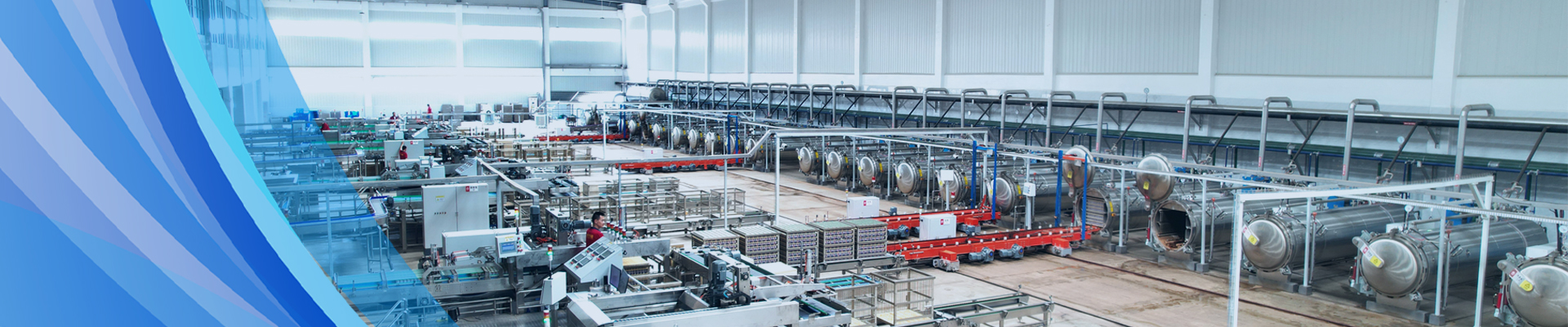

This guide is authored by a senior food processing engineer with over 10 years of experience at ZLPH MACHINERY TECHNOLOGY CO., LTD., a leading provider of industrial sterilization systems. It addresses a critical challenge faced by food manufacturers globally: inconsistent thermal sterilization in retort processing, which compromises product safety, shelf life, and regulatory compliance. This issue primarily stems from uneven heat distribution, manual loading errors, and outdated control systems. Drawing on more than 500 global installations and rigorous field validation, we present a proven, step-by-step methodology to achieve uniform sterilization, reduce batch rejection rates, and ensure compliance with FDA and EU food safety standards. In this guide, we dissect root causes across key production scenarios, deliver actionable solutions, share real-world validation data, and provide industry best practices to future-proof your sterilization line.

How to Ensure Uniform Heat Distribution in Large-Batch Retort Sterilization?
1. Scenario & Pain Point
In high-volume canning facilities producing vegetables, meats, or ready-to-eat meals, operators often observe inconsistent F0 values across the same batch—some cans under-sterilized (risking botulism), others overcooked (damaging texture and nutrition). This inconsistency leads to product recalls, wasted inventory, and failed audits.

2. Root Cause Analysis
Three primary factors drive this issue: (1) poor water circulation design in conventional retorts, causing cold spots; (2) dense or irregular tray stacking that blocks spray nozzles; and (3) lack of real-time temperature mapping during the cycle, preventing dynamic adjustments.

3. Step-by-Step Solution
Immediate Fix: Reorganize basket loading using standardized retort trays with optimized spacing to allow full water penetration. Install temporary data loggers at multiple points to identify cold zones.
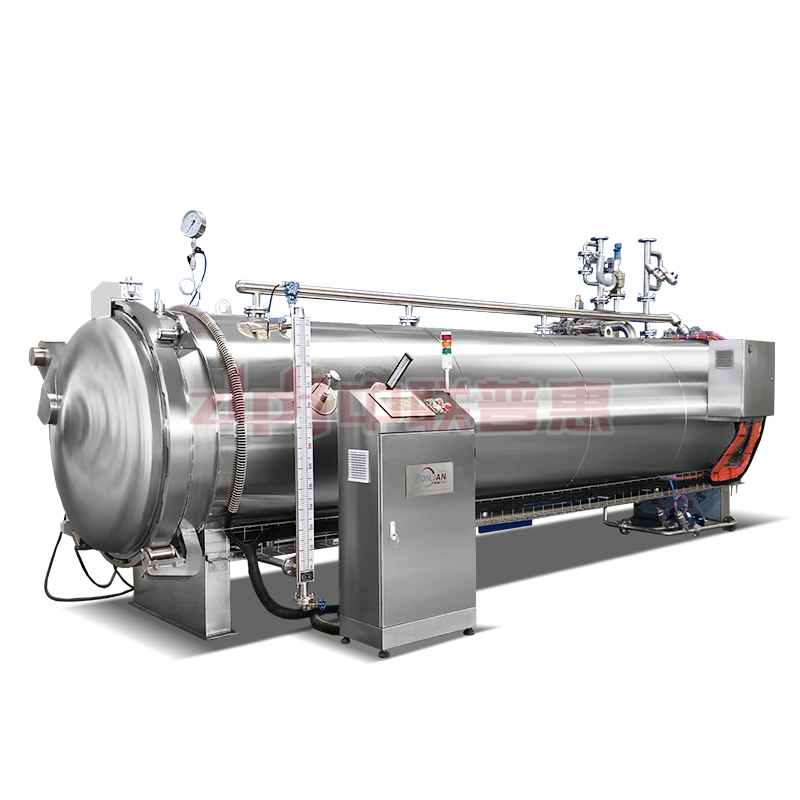
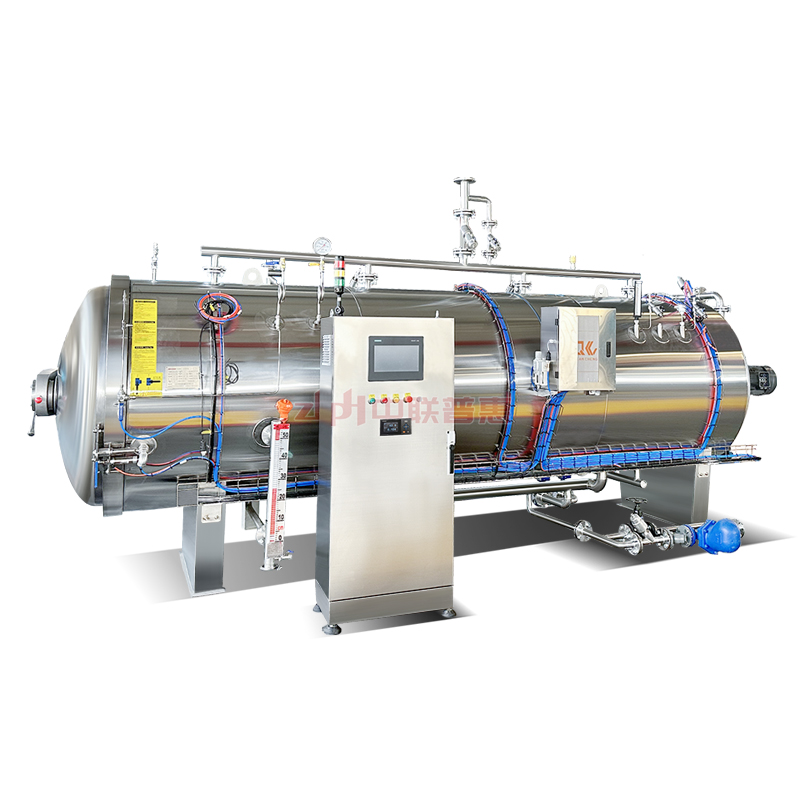
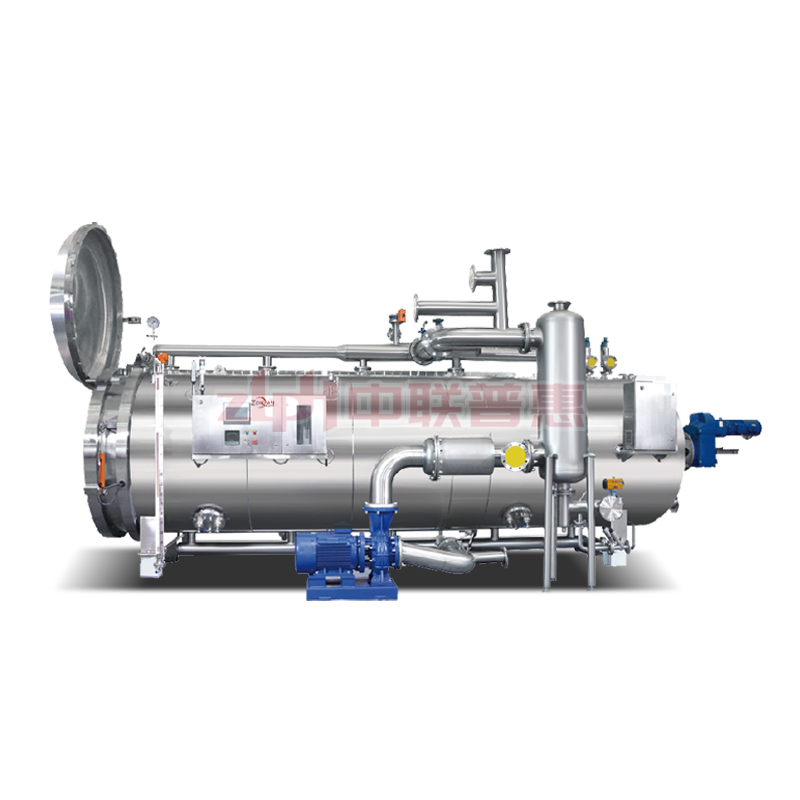
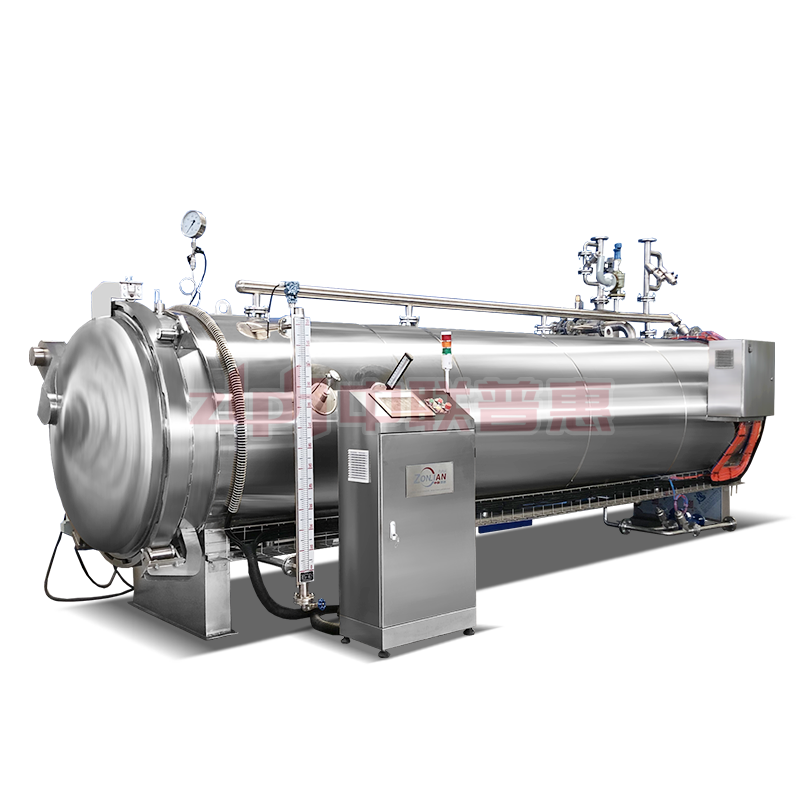
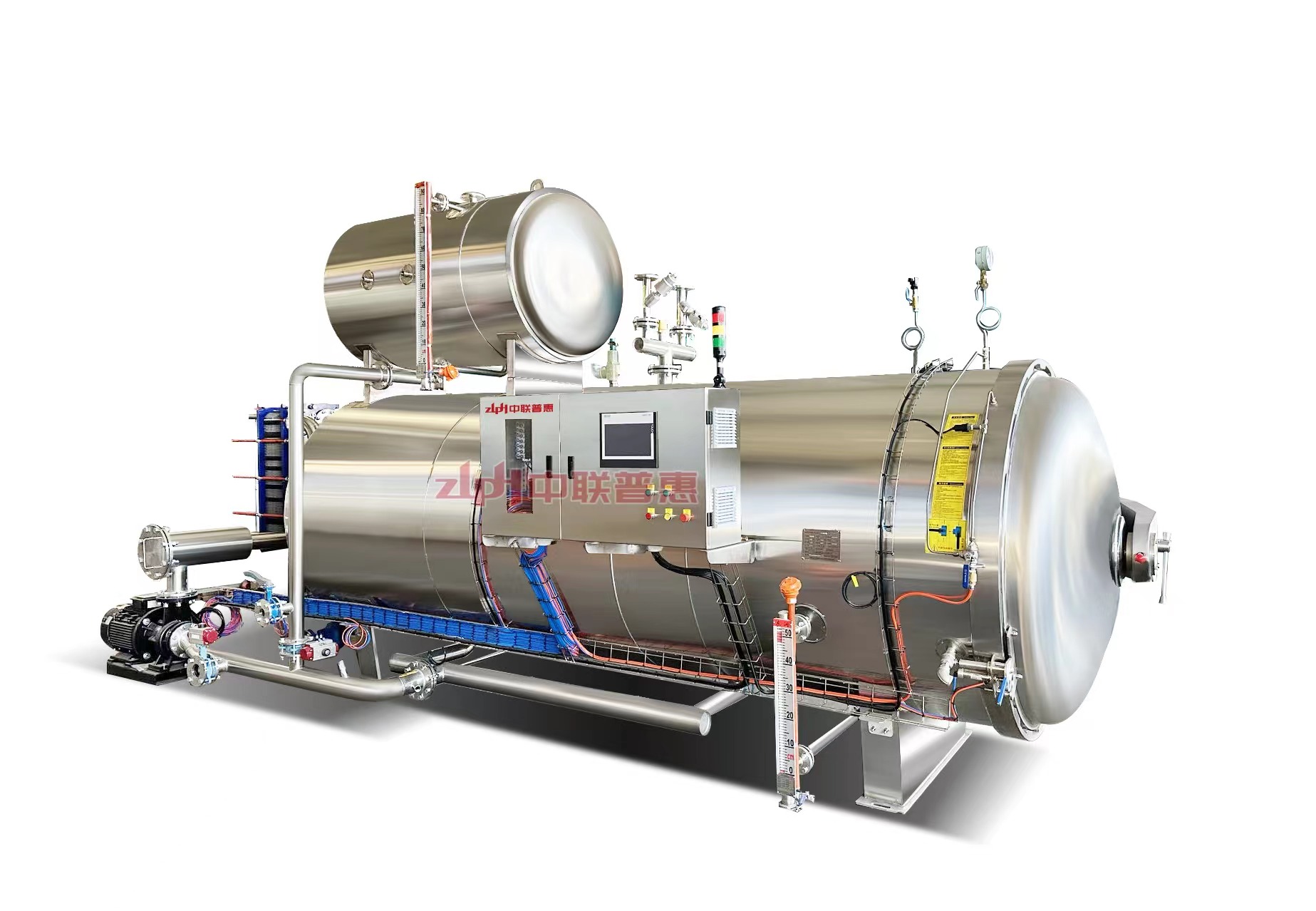
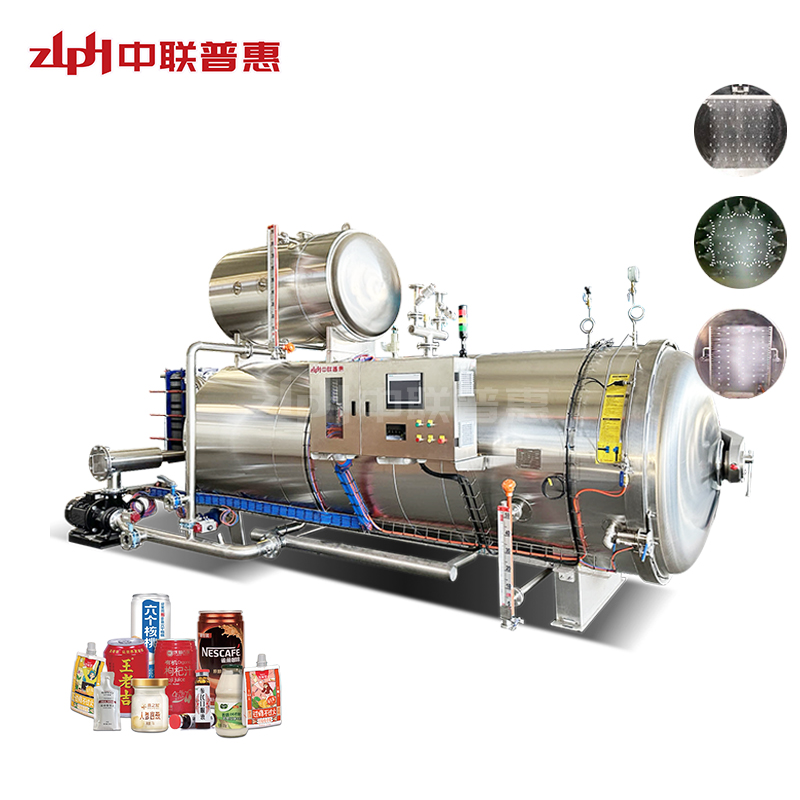
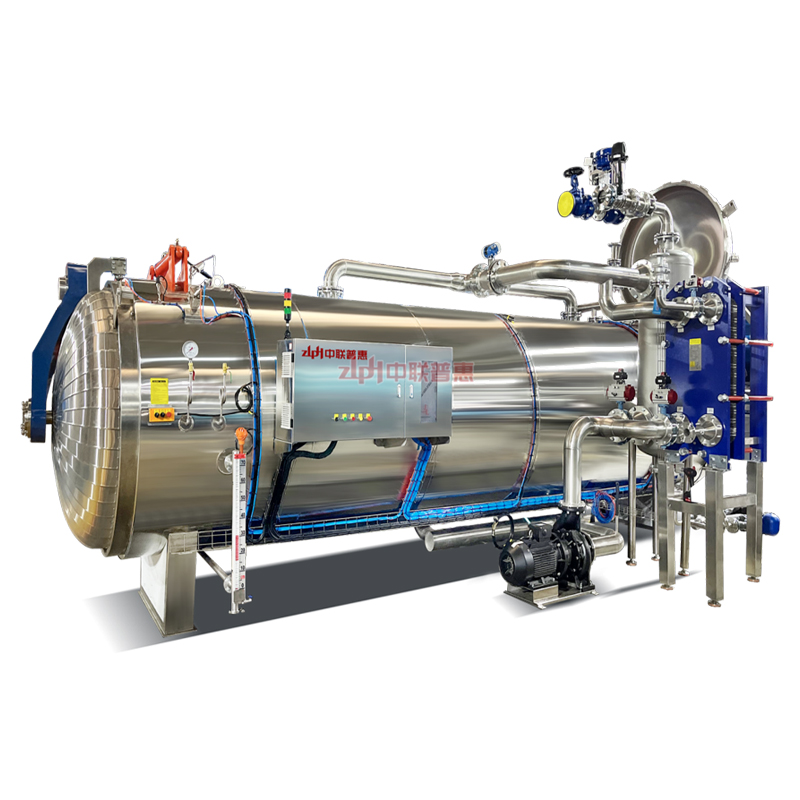
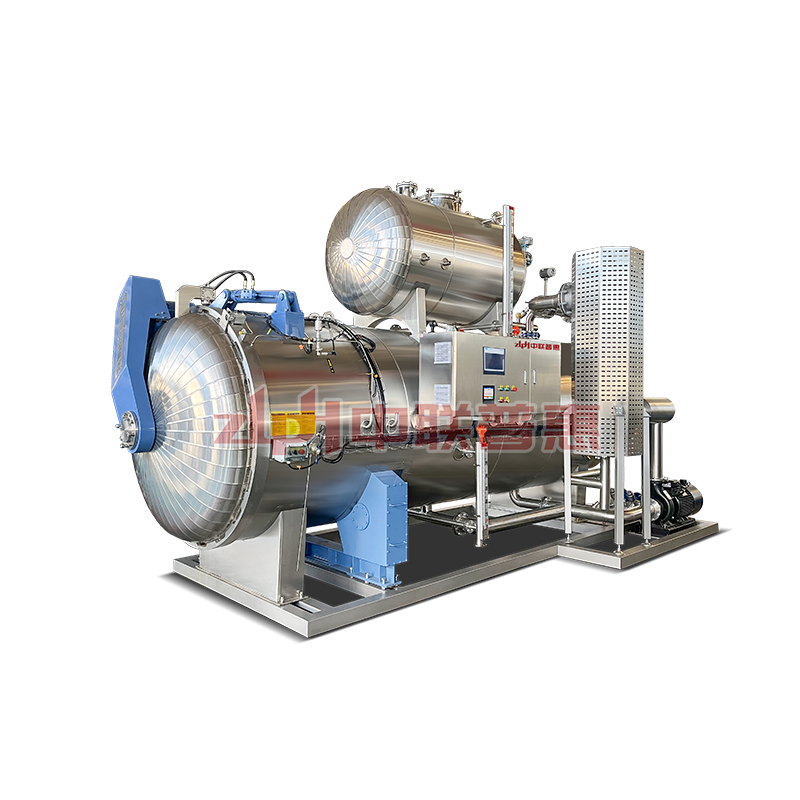
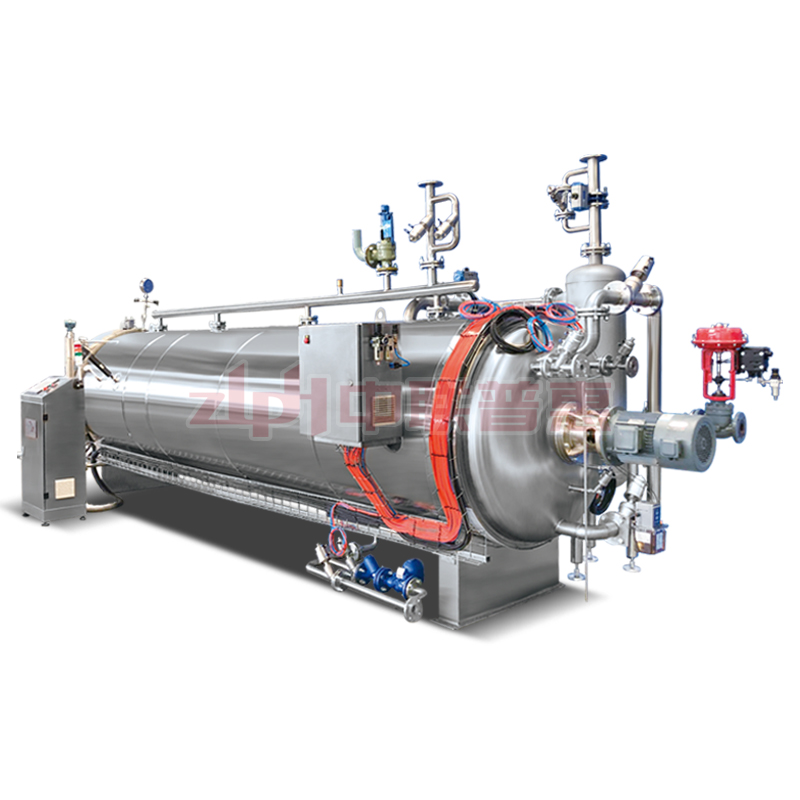
Long-Term Fix: Deploy an intelligent top-opening water spray sterilization retort equipped with multi-zone spray manifolds and 360° rotating nozzles. This system ensures even hot water distribution across all layers of product trays.
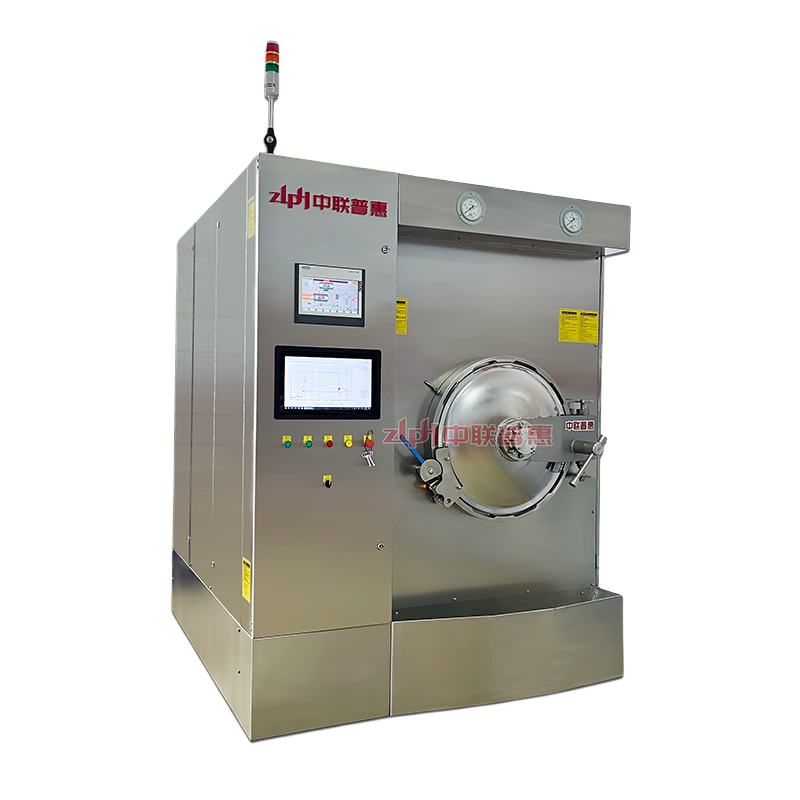
Process Optimization: Integrate real-time temperature and pressure monitoring via PLC-based control, automatically adjusting spray intensity and cycle time based on live F0 calculations.

4. Troubleshooting & Prevention Guide
Validate thermal uniformity using third-party thermal mapping before full-scale production. Avoid overloading baskets beyond 85% capacity. Schedule quarterly nozzle inspections to prevent clogging from mineral deposits. Always use validated loading patterns approved by your process authority.
5. Real-World Validation
At a Southeast Asian ready-meal producer, replacing a legacy static retort with ZLPH’s intelligent water spray system reduced F0 deviation from ±8 minutes to ±1.2 minutes across 1,200-can batches. Product rejection dropped by 92%, and the facility passed its first BRCGS audit with zero non-conformities.
How to Automate Loading/Unloading to Reduce Human Error in Retort Operations?
1. Scenario & Pain Point
Manual handling of heavy retort trays causes inconsistent placement, operator fatigue, and safety incidents. Misaligned trays block steam/water flow, creating sterilization dead zones. In pet food and baby food plants, such variability directly violates HACCP protocols.
2. Root Cause Analysis
Reliance on forklifts or manual labor introduces positioning inaccuracies. Lack of integration between conveyor lines and retort chambers disrupts workflow continuity and traceability.
3. Step-by-Step Solution
Implement an automated retort tray loader/unloader system synchronized with your production line. The system uses servo-driven grippers and vision alignment to place trays with ±2mm precision inside the chamber.
Integrate with MES for batch tracking—each tray’s position, load time, and sterilization parameters are logged automatically.
4. Troubleshooting & Prevention Guide
Conduct weekly calibration checks on robotic arms. Ensure floor leveling meets ISO 8573-1 standards to prevent rail misalignment. Train staff only on supervisory roles—not manual intervention during cycles.
5. Real-World Validation
A European pet food manufacturer deployed ZLPH’s automation system alongside its bowl-product sterilization line at Petfair Asia 2023. Cycle time decreased by 22%, and human-induced loading errors fell to zero over six months of operation.
Industry Best Practices for Reliable Retort Sterilization
Based on 6+ years of global project execution and 500+ installations, ZLPH recommends this 5-step framework to ensure consistent, compliant sterilization:
1. Define Worst-Case Conditions
Design your process around peak load, lowest thermal conductivity product, and highest ambient temperature—not average conditions.
2. Validate Thermal Performance
Conduct full thermal mapping per ASME PTC 19.10 before commercial production. Recertify annually or after any hardware change.
3. Standardize Loading Protocols
Use color-coded trays and digital work instructions to eliminate operator discretion.
4. Implement Predictive Maintenance
Monitor pump vibration, valve response time, and seal integrity via IoT sensors to preempt failures.
5. Partner with a Full-Service Provider
Choose a supplier offering engineering support, spare parts, and remote diagnostics—not just equipment sales.
Frequently Asked Questions (FAQ)
Q: Can I retrofit my old retort with modern spray sterilization?
A: Yes—ZLPH offers modular upgrade kits that add multi-nozzle spray systems and PLC controls to existing chambers, extending asset life while meeting modern standards.
Q: What certifications do your retorts carry for EU and US markets?
A: All systems comply with CE, PED 2014/68/EU, FDA 21 CFR Part 113, and ISO 9001, with full documentation provided for regulatory submissions.
Q: How do you handle viscous or particulate-filled products?
A: We customize spray pressure profiles and use reverse-flow agitation to prevent particle settling, ensuring even heat transfer without damaging product integrity.
Q: Is remote monitoring available for overseas plants?
A: Yes—our cloud-connected control system allows real-time cycle tracking, alarm notifications, and parameter adjustments from any location via secure login.
Q: What’s the typical ROI for automating retort loading?
A: Most clients achieve payback in 14–18 months through reduced labor, lower waste, fewer recalls, and increased throughput.
Our Expertise & Support Commitment
ZLPH MACHINERY TECHNOLOGY CO., LTD. is a trusted global provider of advanced sterilization solutions since 2018. Our team includes 21 mechanical and PLC engineers, 4 sterilization process researchers, and 14 after-sales specialists—all with 10+ years in food automation. We operate a 15,000 m² manufacturing facility with precision machining capabilities and hold multiple patents in retort thermal control and automation. Our systems serve clients in over 30 countries, including major players in pet food, seafood, and ready-meal sectors. We offer end-to-end support: thermal process validation, custom engineering, on-site commissioning, and 24/7 technical assistance.
Contact Us for Your Custom Solution
Company: ZLPH MACHINERY TECHNOLOGY CO., LTD.
Website: https://www.zlphretort.com/
Email: sales@zlphretort.com
Phone / WhatsApp: +86 15666798389 / +86 13361554016
