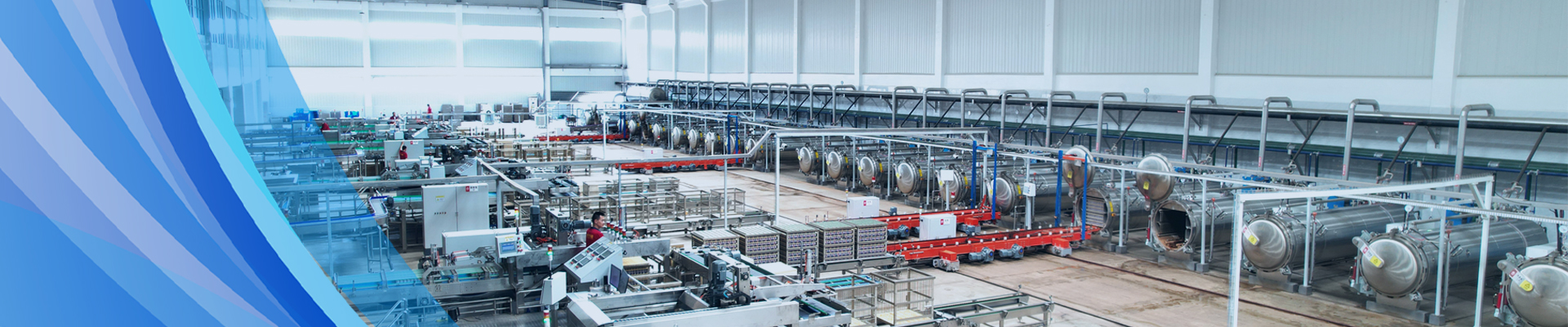

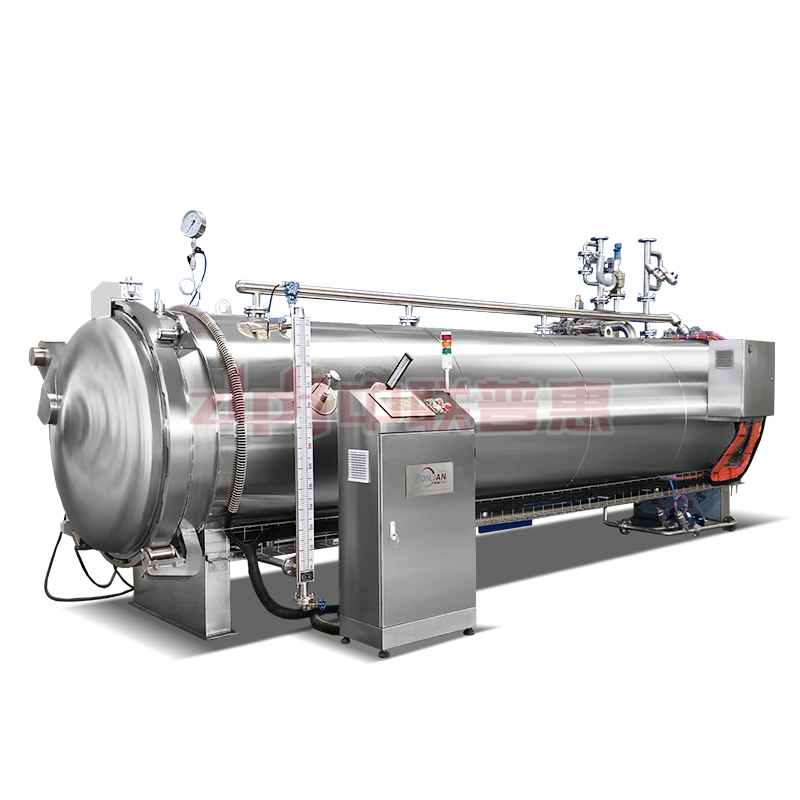
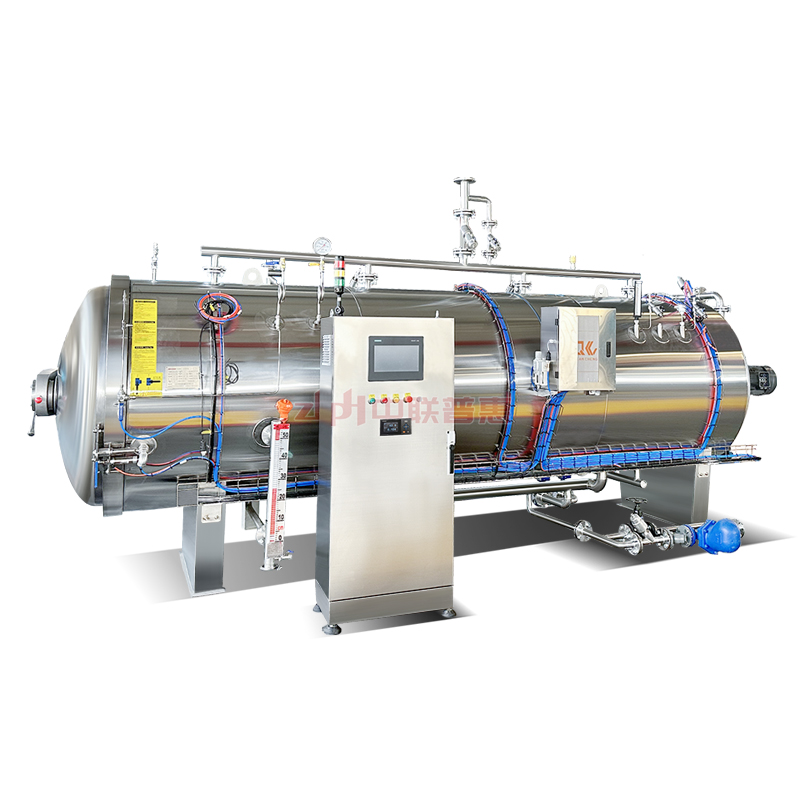
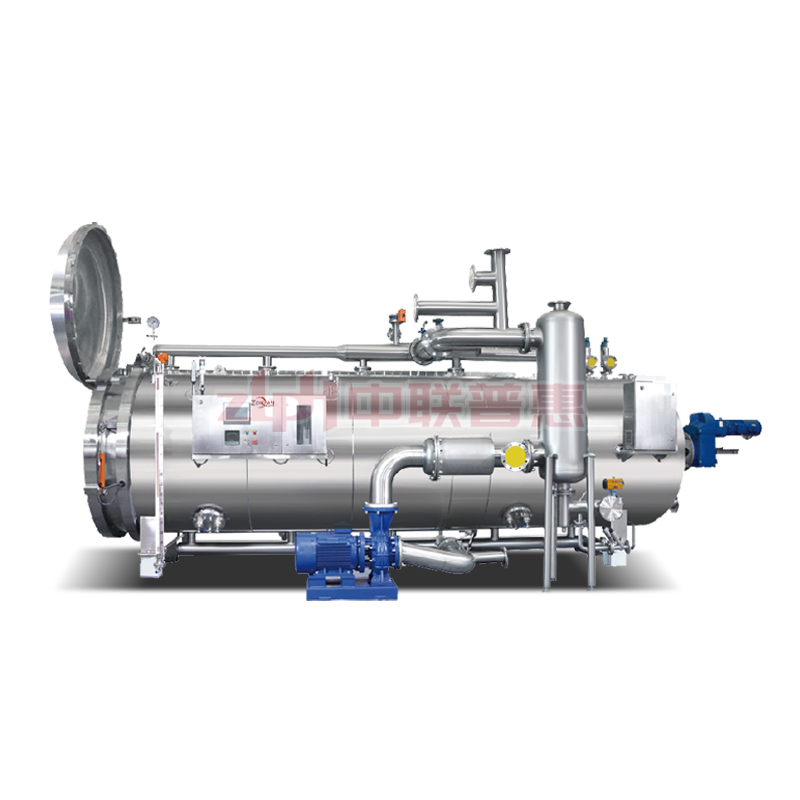
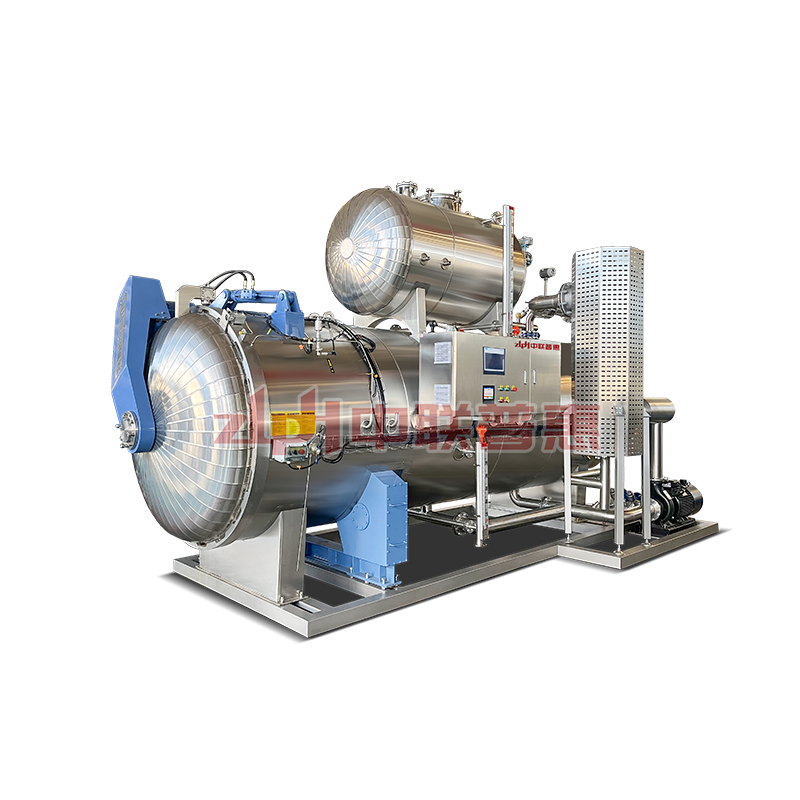
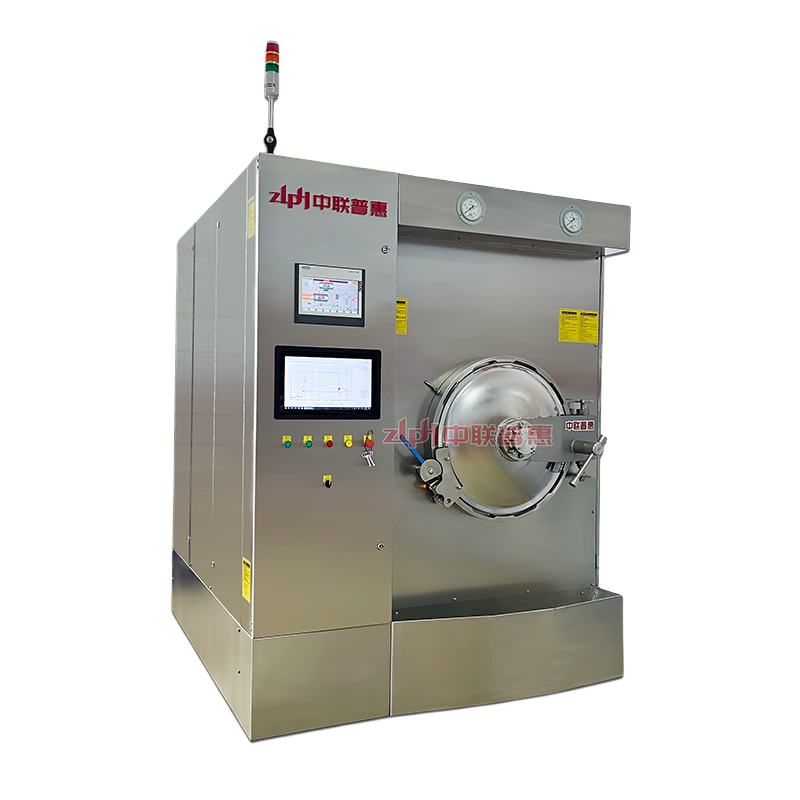
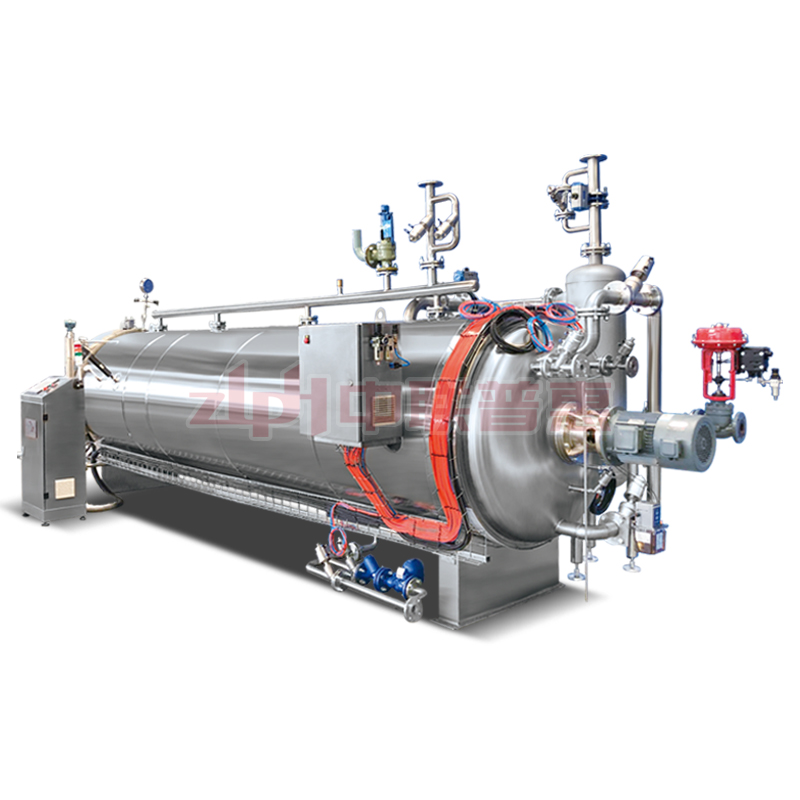
This guide is authored by a senior industrial automation engineer with over 10 years of experience at ZLPH MACHINERY TECHNOLOGY CO., LTD., a leading provider of advanced sterilization solutions. It addresses a critical challenge faced by food processing engineers and procurement managers worldwide: selecting a reliable, high-quality steam retort autoclave manufacturer that ensures food safety, operational efficiency, and long-term ROI. Poorly designed or inconsistently manufactured retorts often lead to uneven sterilization, product spoilage, compliance risks, and costly downtime—issues primarily caused by inadequate thermal control, substandard materials, and lack of automation integration. Based on more than 5,000 global installations and rigorous field validation across pet food, canned vegetables, ready meals, and seafood sectors, we present a proven, step-by-step framework to identify factories that deliver precision-engineered, durable, and intelligent retort systems. This guide breaks down real-world scenarios, root causes, validated solutions, and selection best practices to help you eliminate sterilization failures and ensure consistent product quality.

How to Ensure Consistent Sterilization Results Across Large-Scale Production Batches?
1. Scenario & Pain Point
In large-scale canning facilities, inconsistent sterilization—manifested as under-processed or over-cooked products—is a recurring issue. This leads to safety recalls, texture degradation, and regulatory non-compliance, especially when processing mixed loads with varying container sizes or fill levels.

2. Root Cause Analysis
The core issues stem from three factors: (1) poor temperature uniformity due to inefficient water spray distribution; (2) lack of real-time pressure and temperature monitoring; and (3) manual loading/unloading causing batch variability and human error.

3. Step-by-Step Solution
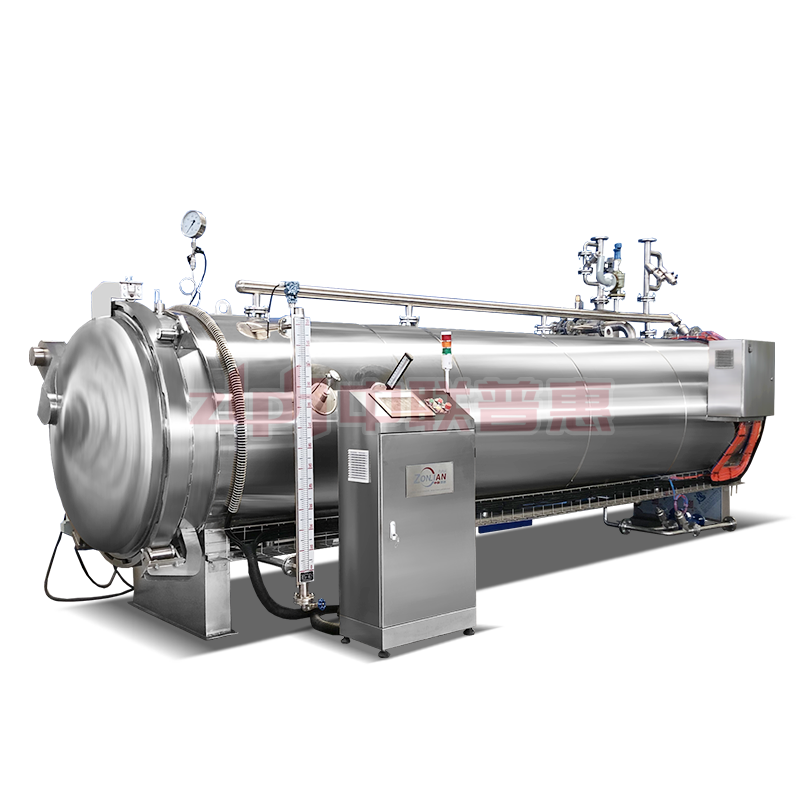
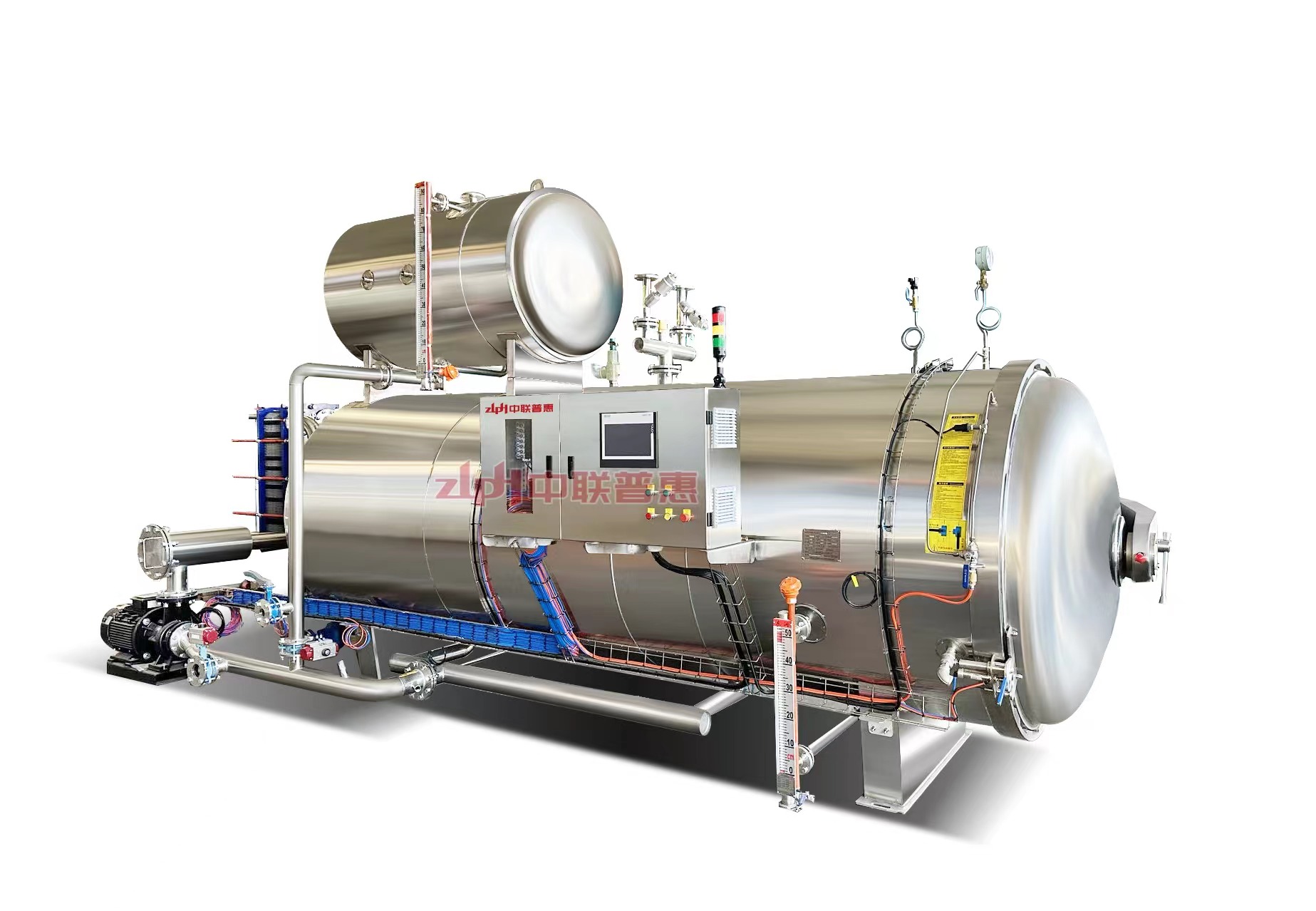
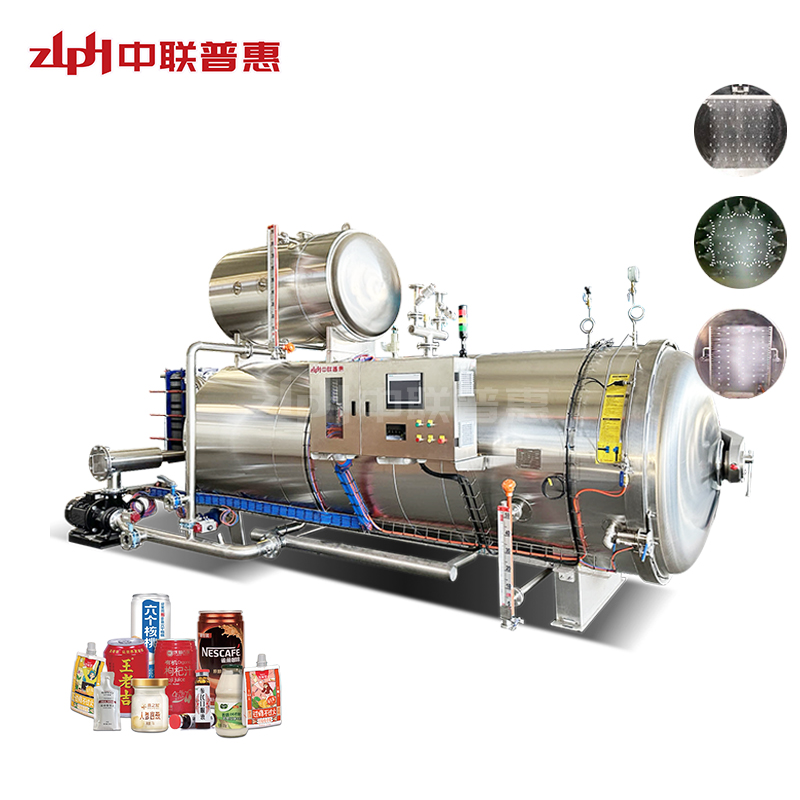
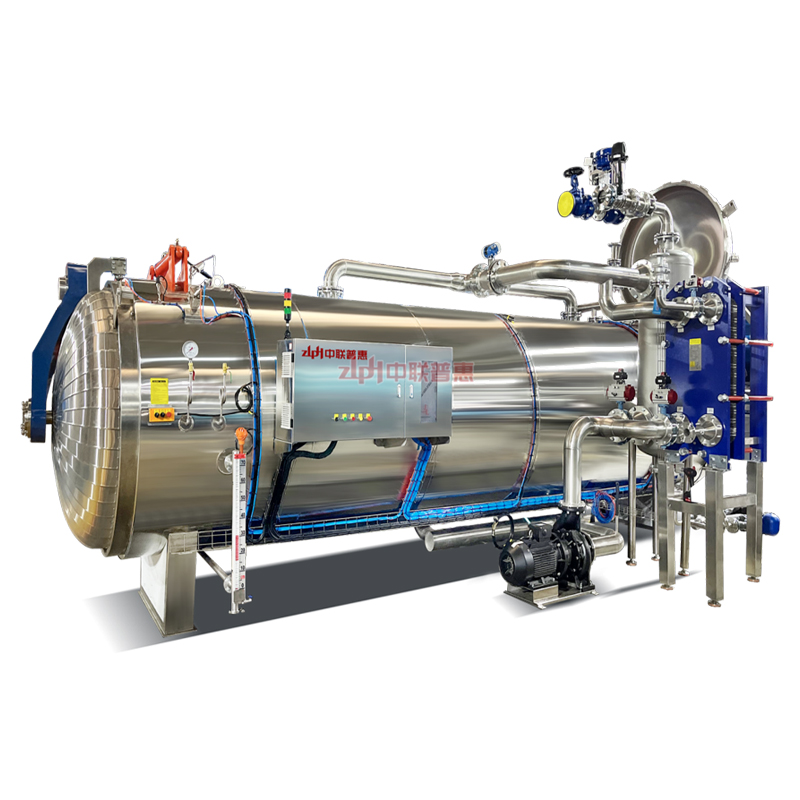
Implement an intelligent top-opening water spray sterilization retort equipped with multi-zone spray nozzles and PID-controlled thermal regulation. Pair it with an automated tray loader/unloader system to standardize basket placement. Use PLC-based control systems that log F0 values in real time and auto-adjust cycles based on load density.

4. Pitfall Avoidance Guide
Avoid retorts without third-party thermal mapping validation. Always request a heat distribution report (per FDA/ISO standards) before purchase. Never rely solely on timer-based cycles—demand F0-driven process control.
5. Real-World Validation
At a major pet food producer in Southeast Asia, ZLPH’s integrated retort line reduced batch-to-batch variation by 92%, achieving ±0.5°C temperature uniformity across 120 trays per cycle. Product recall incidents dropped to zero within six months of deployment.
How to Minimize Downtime Caused by Retort Maintenance and Cleaning?
1. Scenario & Pain Point
Traditional horizontal retorts require extensive manual cleaning and gasket replacement, causing 8–12 hours of weekly downtime in high-throughput plants.
2. Root Cause Analysis
Design flaws—such as inaccessible internal corners, non-drainable chambers, and complex door mechanisms—increase maintenance complexity and labor costs.
3. Step-by-Step Solution
Opt for retorts with fully welded, sloped-bottom chambers, quick-seal door systems, and CIP (Clean-in-Place) compatibility. ZLPH’s models feature electropolished 316L stainless steel interiors and tool-free gasket access, cutting cleaning time by 70%.
4. Pitfall Avoidance Guide
Verify weld quality via X-ray reports. Confirm that all wetted parts meet FDA 21 CFR 178.3297 standards. Avoid vendors who use 304-grade steel in high-chloride environments.
5. Real-World Validation
A European vegetable processor using ZLPH’s CIP-enabled retort reduced weekly maintenance from 10 hours to under 3 hours while extending gasket life from 3 to 18 months.
What Are the Key Indicators of a High-Quality Retort Manufacturer?
1. Scenario & Pain Point
Many buyers struggle to differentiate between genuine engineering-focused factories and trading companies reselling generic equipment.
2. Root Cause Analysis
Lack of in-house R&D, absence of process expertise, and reliance on outsourced fabrication lead to inconsistent performance and weak after-sales support.
3. Step-by-Step Solution
Evaluate manufacturers based on four criteria: (1) in-house design team (mechanical + PLC + sterilization process); (2) vertically integrated production (≥15,000 m² workshop); (3) documented case studies with measurable KPIs; and (4) global service network.
4. Pitfall Avoidance Guide
Request factory audit reports. Ask for client references in your specific food segment. Confirm if the vendor employs dedicated sterilization process engineers—not just machine builders.
5. Real-World Validation
ZLPH operates a 50-acre facility with 21 mechanical designers, 4 sterilization process researchers, and 14 after-sales engineers—all with 10+ years of industry experience—ensuring end-to-end technical ownership.
Industry Best Practices for Selecting a Steam Retort Supplier
Based on global project data, follow this 5-step framework:
1. Define Worst-Case Conditions
Size your retort for peak load, not average—include max container height, coldest ambient temperature, and highest throughput demand.
2. Demand Process Validation Data
Require thermal mapping reports showing ≤1°C deviation across all zones during worst-case runs.
3. Prioritize Automation Integration
Choose systems compatible with MES/SCADA and featuring automated loading to reduce labor dependency.
4. Verify Global Compliance
Ensure CE, ISO 9001, and ASME certification. For North America, confirm compliance with PMMI B155.1.
5. Test Before Committing
Insist on a live demo with your actual product in the supplier’s test center—never rely on brochures alone.
Frequently Asked Questions (FAQ)
Q: Can a single retort handle both metal cans and plastic bowls?
A: Only if it features adjustable spray pressure, variable F0 control, and material-specific cycle libraries—standard in ZLPH’s multi-format retorts.
Q: What’s the minimum F0 accuracy required for low-acid foods?
A: FDA mandates F0 ≥ 2.5 with ±5% accuracy; ZLPH systems achieve ±2% via real-time PID feedback.
Q: How often should retort gaskets be replaced?
A: Every 6–12 months under normal use; ZLPH’s quick-change design allows replacement in under 15 minutes.
Q: Is top-opening better than side-opening for automation?
A: Yes—top-opening enables direct vertical integration with robotic loaders, reducing footprint and jam risk.
Q: Do you provide on-site installation and training?
A: Yes—ZLPH deploys certified engineers globally for commissioning, operator training, and process validation.
Our Proven Expertise & Support
ZLPH MACHINERY TECHNOLOGY CO., LTD. is a technology-driven sterilization solutions provider founded in 2018, with a 50-acre manufacturing base, 15,000 m² workshop, and a team of 40+ engineers specializing in retort design, automation, and thermal process science. We hold multiple patents in water spray distribution and intelligent control systems, and our equipment complies with CE, ISO 9001, and FDA standards. Our solutions are deployed in over 30 countries, serving leaders in pet food, seafood, and ready-meal sectors—including exhibitors at AGROPRODASH Moscow and Petfair Asia Shanghai.
We offer customized support including: (1) thermal process design consultation; (2) factory acceptance testing (FAT); (3) on-site installation and validation; and (4) free sample sterilization trials at our Qingdao test center.
Contact Information
Company: ZLPH MACHINERY TECHNOLOGY CO., LTD.
Website: https://www.zlphretort.com/
Email: sales@zlphretort.com
Phone / WhatsApp: +86 15666798389 / +86 13361554016
