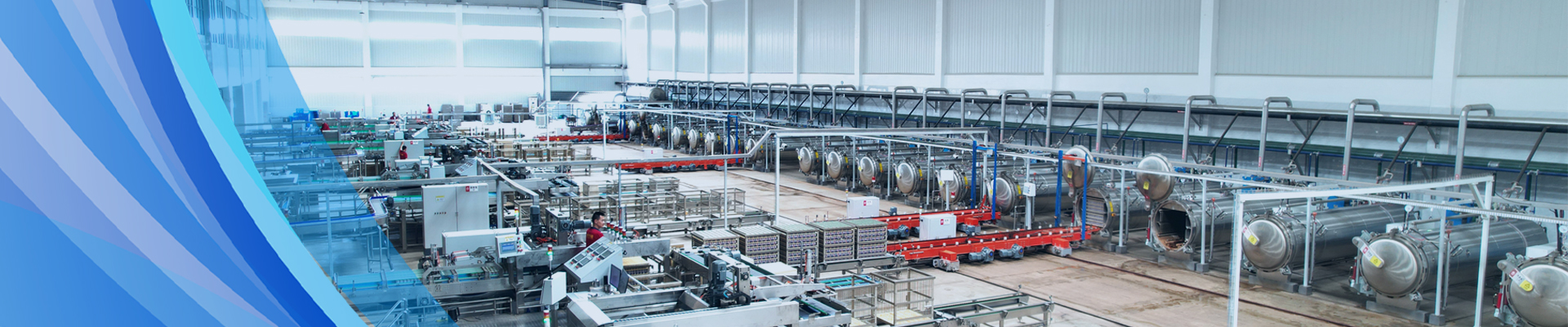

This guide is authored by a senior food processing engineer with over 10 years of experience at ZLPH MACHINERY TECHNOLOGY CO., LTD., a specialized provider of intelligent sterilization systems. It addresses a critical challenge faced by food manufacturers and pet food producers worldwide: inconsistent or unreliable sterilization outcomes during batch processing. This issue often stems from three core causes—uneven heat distribution, inadequate process control, and inefficient loading/unloading workflows. Based on more than 5,000 global installations and extensive field validation across diverse food categories (including canned goods, ready-to-eat meals, and pet food in bowls), we’ve developed a proven, step-by-step methodology to ensure consistent microbial kill, product safety, and operational efficiency. In this guide, we break down real-world scenarios, root causes, actionable solutions, and industry best practices to help you achieve repeatable, compliant, and high-quality sterilization results every time.

How to Ensure Uniform Sterilization in Batch Retort Processing for Canned Foods?
1. Scenario & Pain Point
In canned vegetable or meat production lines, operators frequently report under-sterilized batches or texture degradation in certain zones of the retort chamber. This inconsistency leads to product recalls, compliance risks, and wasted throughput—especially when scaling from pilot to full production.

2. Root Cause Analysis
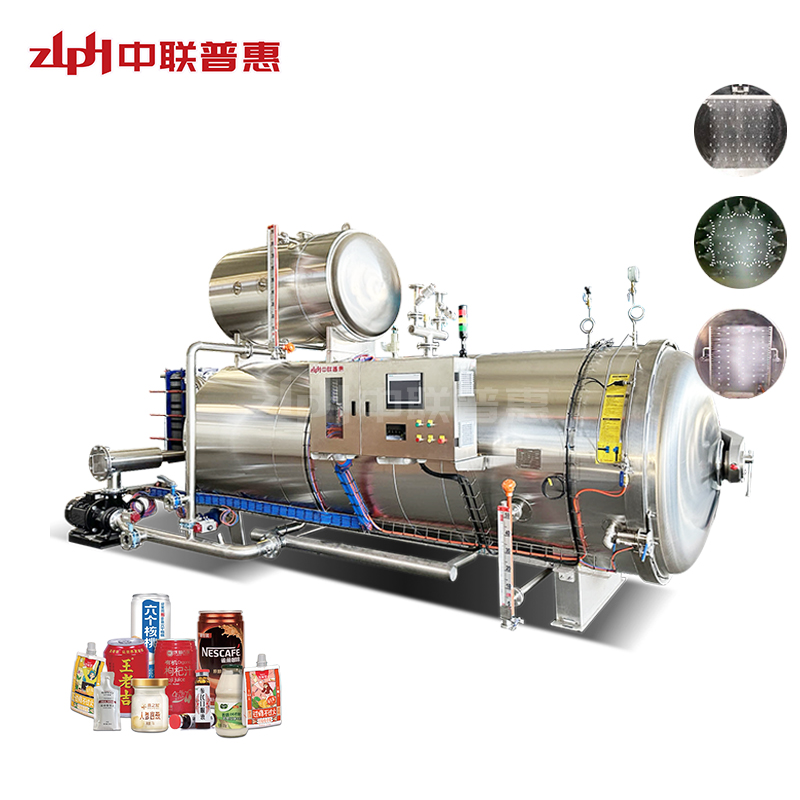
The primary causes include: (a) poor water spray coverage due to fixed nozzle layouts, resulting in cold spots; (b) lack of real-time temperature/pressure monitoring across multiple zones; and (c) manual loading causing uneven tray spacing, which disrupts steam circulation.

3. Step-by-Step Solution
Immediate Mitigation: Reconfigure tray stacking to maintain uniform gaps; verify nozzle alignment before each cycle.
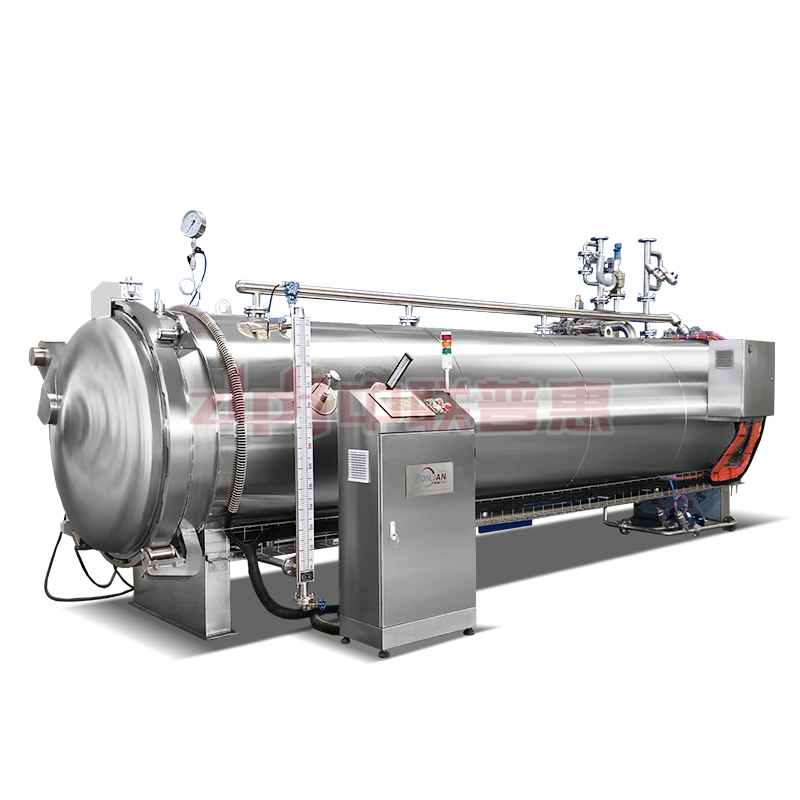
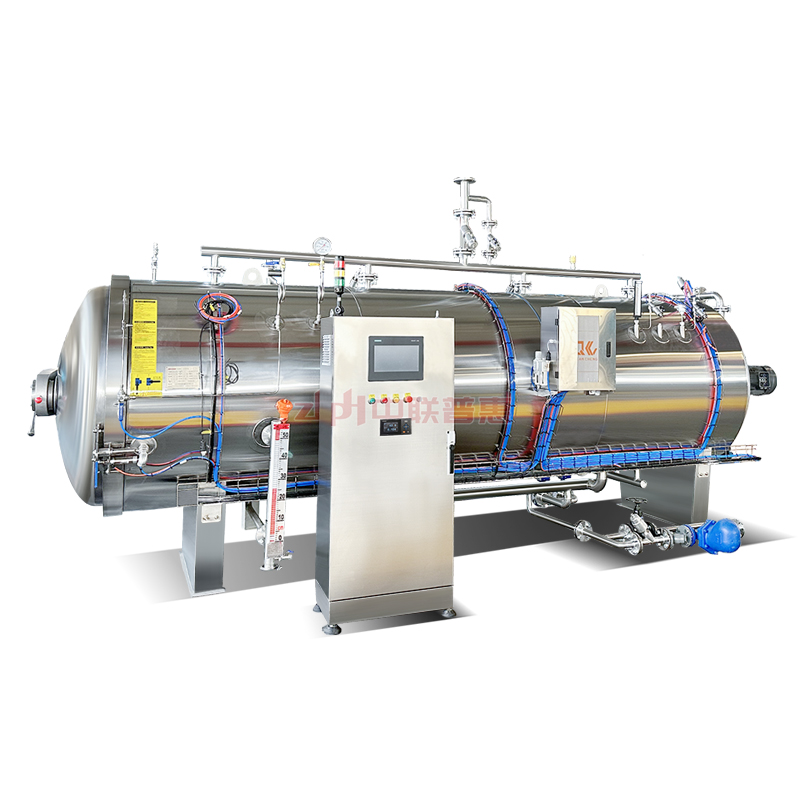
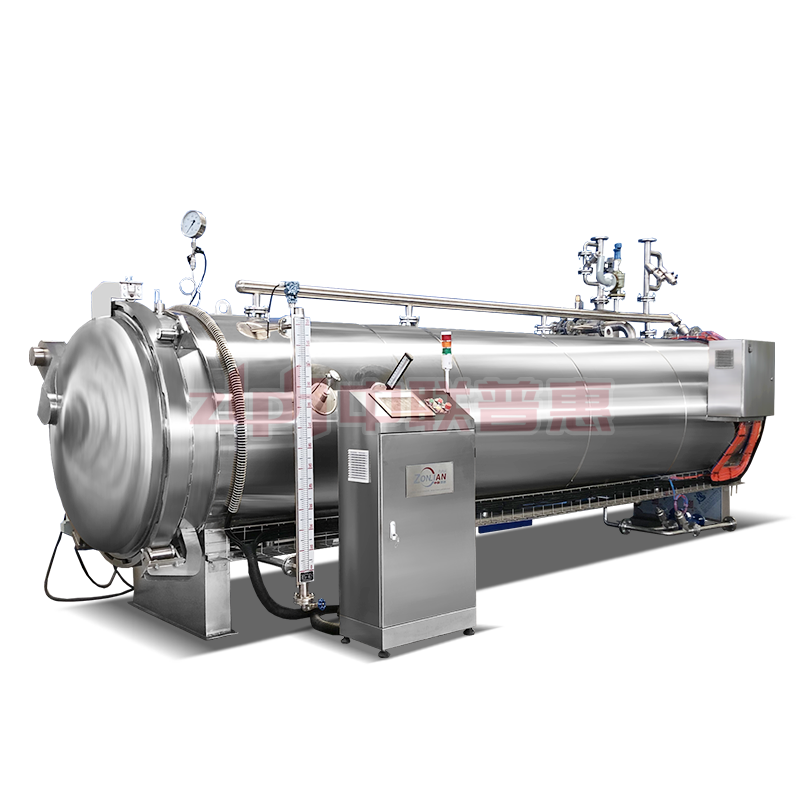
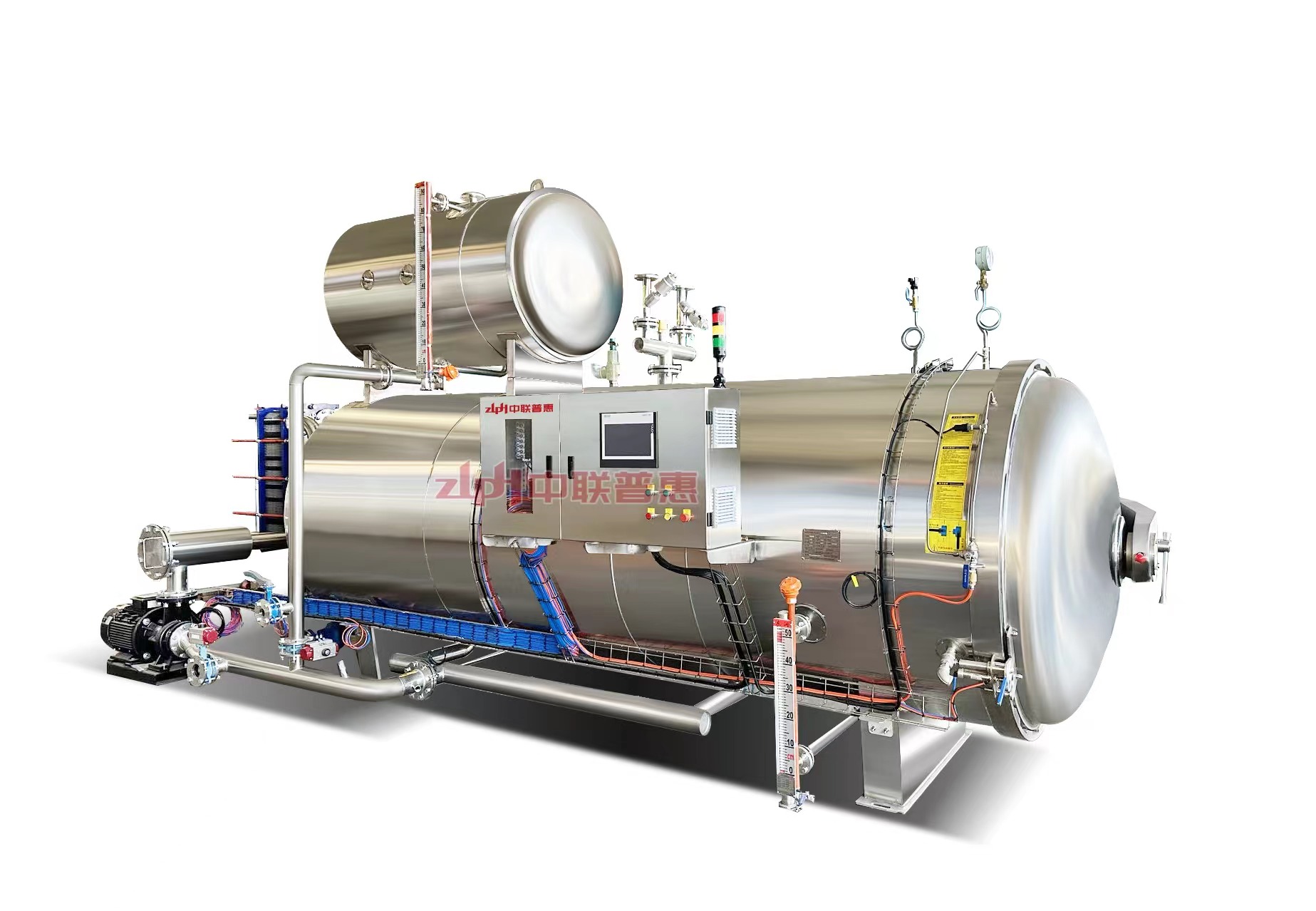
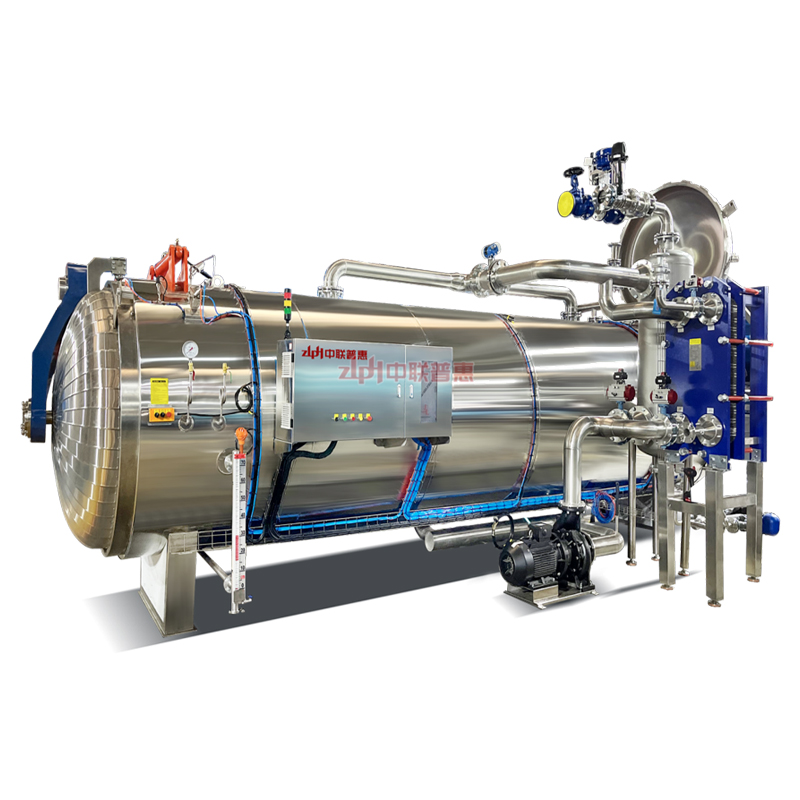
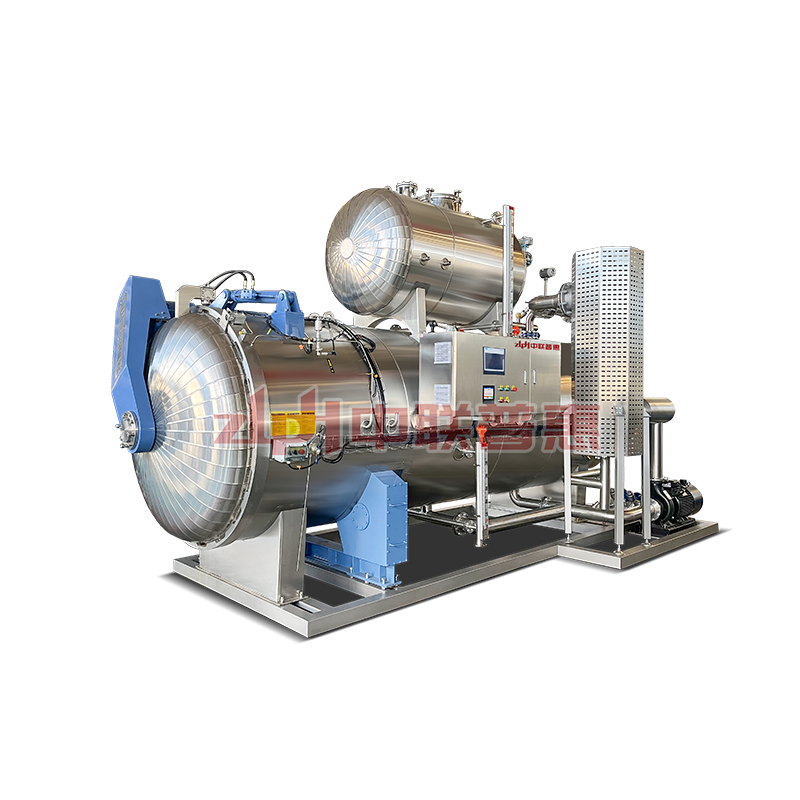
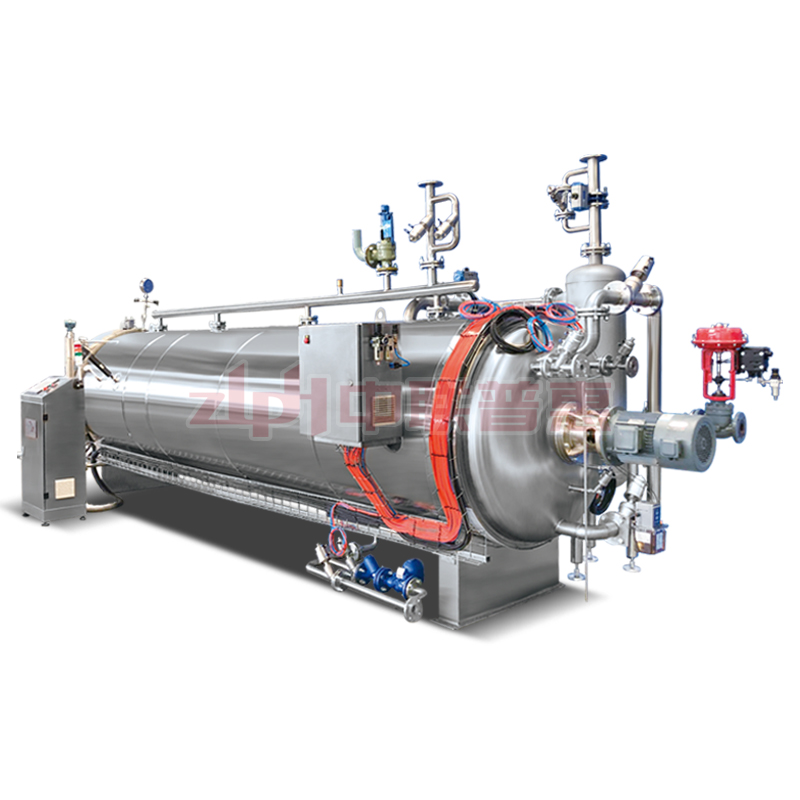
Long-Term Fix: Deploy an intelligent top-opening water spray sterilization retort equipped with multi-zone spray arms and dynamic flow control. This system ensures even thermal distribution by adjusting spray intensity based on real-time sensor feedback.
Process Optimization: Integrate PLC-based control that logs time-temperature profiles per batch and auto-adjusts cycles based on product type and load density.

4. Troubleshooting & Prevention
Conduct thermal mapping studies using data loggers placed at multiple points inside the chamber. Validate that all zones reach the target Fo value (typically ≥ 3.0 for low-acid foods). Avoid overloading trays beyond recommended capacity, as this restricts fluid dynamics. Always calibrate pressure transmitters quarterly.
5. Real-World Validation
At a Qingdao-based client producing canned seafood, implementation of ZLPH’s water spray retort reduced batch failure rates from 7% to 0.2% within three months. Thermal uniformity improved to ±0.5°C across the chamber, meeting FDA and EU hygiene standards consistently.
How to Automate Sterilization for Pet Food in Bowls Without Compromising Throughput?
1. Scenario & Pain Point
Pet food manufacturers using pre-filled bowls face bottlenecks during sterilization due to manual handling, inconsistent sealing, and cycle delays. Operators struggle to maintain line speed while ensuring each bowl reaches lethal temperatures without deformation.
2. Root Cause Analysis
Manual loading introduces variability in bowl orientation and spacing. Standard retorts lack compatibility with bowl-specific carriers, leading to tipping or uneven heating. Additionally, absence of automated unloading extends cycle time by 15–20%.
3. Step-by-Step Solution
Deploy an integrated sterilization automation line featuring a retort trays loader/unloader system designed specifically for bowl formats. The system uses servo-driven grippers to place bowls precisely into custom racks, ensuring optimal exposure to spray nozzles.
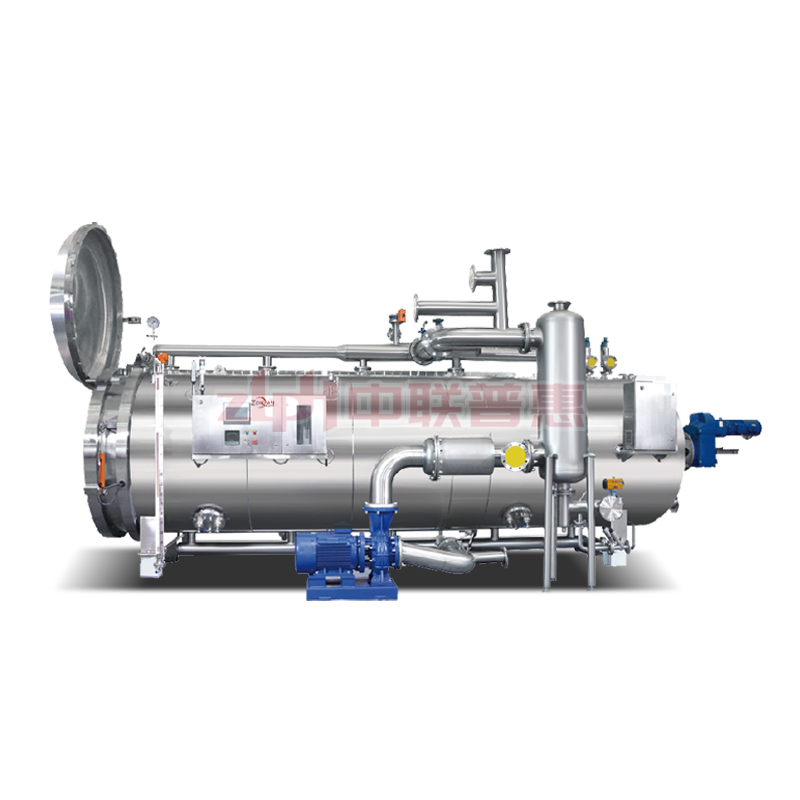
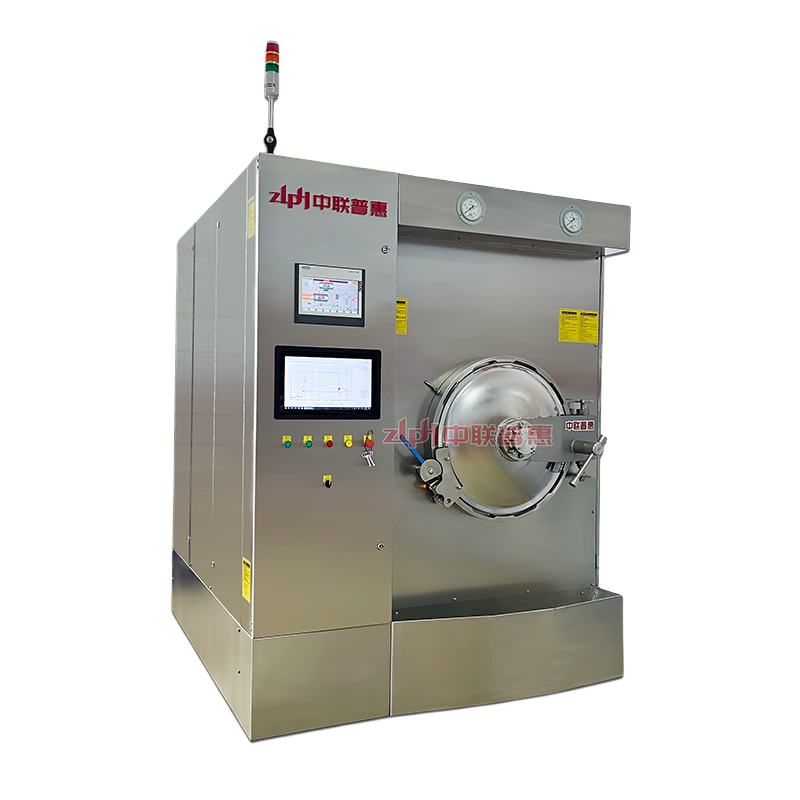
Pair this with a top-door retort that enables rapid chamber access, cutting loading/unloading time by 40%. The entire sequence—from infeed to discharge—is synchronized via centralized PLC control.
4. Troubleshooting & Prevention
Verify bowl material compatibility with sterilization temperatures (typically 121°C for 20–30 mins). Use racks with anti-slip inserts to prevent movement. Monitor seal integrity post-sterilization using vision inspection if integrated.
5. Real-World Validation
At Petfair Asia 2023, ZLPH demonstrated this solution, attracting strong interest from global pet food brands. One European client reported a 35% increase in hourly output and zero deformation incidents after adoption.
Industry Best Practices for Reliable Retort Operations
Based on 6+ years of global deployments, we recommend this 5-step framework to prevent 90% of sterilization inconsistencies:
1. Define Worst-Case Conditions
Design your process around the most challenging product (e.g., densest fill, largest container), not average cases.
2. Validate Thermal Performance
Perform annual thermal mapping and recalibrate sensors biannually.
3. Standardize Loading Protocols
Use jig-guided racks and enforce SOPs for tray arrangement.
4. Implement Real-Time Monitoring
Adopt systems with cloud-connected dashboards for remote oversight and audit trails.
5. Partner with Experienced Suppliers
Choose vendors with documented success in your food category and responsive technical support.
Frequently Asked Questions (FAQ)
Q: Can standard autoclaves handle both metal cans and plastic bowls?
A: Only if equipped with adaptable rack systems and precise temperature ramping. ZLPH’s retorts support multi-format loads via modular tray designs.
Q: What certifications are required for retorts sold in the EU?
A: CE marking under Machinery Directive 2006/42/EC, along with compliance to EN 13445 for pressure equipment. ZLPH units meet these standards.
Q: How often should spray nozzles be cleaned?
A: After every 50 cycles or weekly—whichever comes first—to prevent mineral buildup that disrupts flow patterns.
Q: Does ZLPH offer on-site validation support?
A: Yes, our 14-member after-sales team provides installation, thermal validation, and operator training globally.
About Our Expertise & Support
ZLPH MACHINERY TECHNOLOGY CO., LTD. is a technology-driven manufacturer founded in 2018, specializing in advanced sterilization retorts and automation systems. Our R&D team includes 21 mechanical and PLC engineers, 4 sterilization process experts, and 5 quality control specialists—all with 10+ years in food machinery. We operate a 15,000 m² factory with precision manufacturing equipment and hold multiple international compliance certifications. Our solutions serve clients across Asia, Europe, and the Americas, including leaders in canned food and pet nutrition. At AGROPRODASH 2023 in Moscow, our intelligent top-opening retort received acclaim for its reliability and ease of use.
We offer customized support including: (1) on-site process assessment, (2) sample testing with your actual products, (3) integration with existing packaging lines, and (4) remote diagnostics via IoT-enabled controllers.
Contact Information
Company: ZLPH MACHINERY TECHNOLOGY CO., LTD.
Website: https://www.zlphretort.com/
Email: sales@zlphretort.com
Phone / WhatsApp: +86 15666798389 / +86 13361554016
