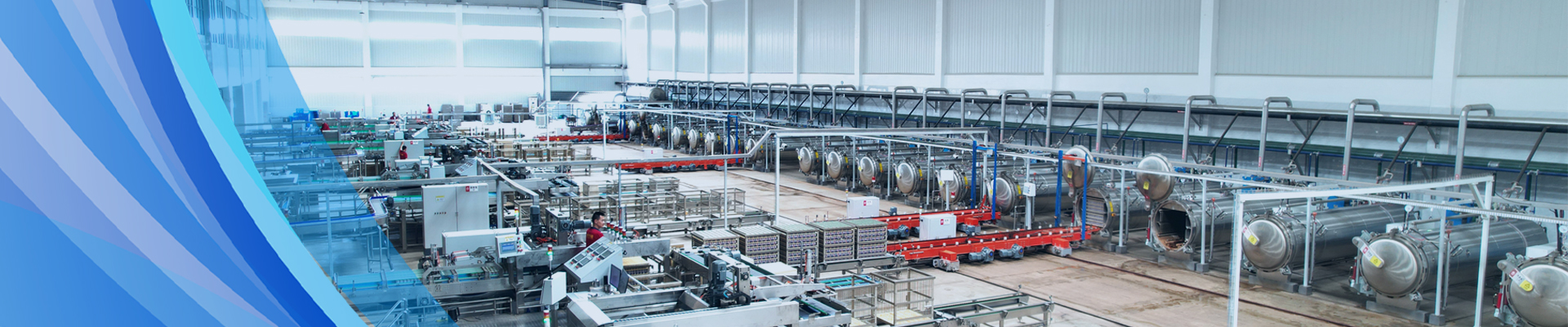

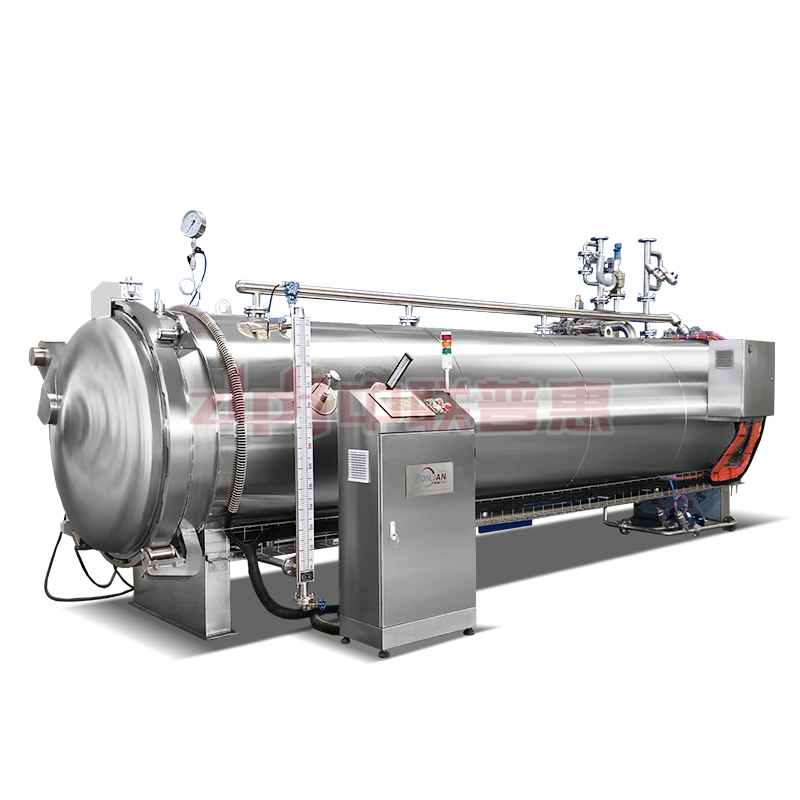
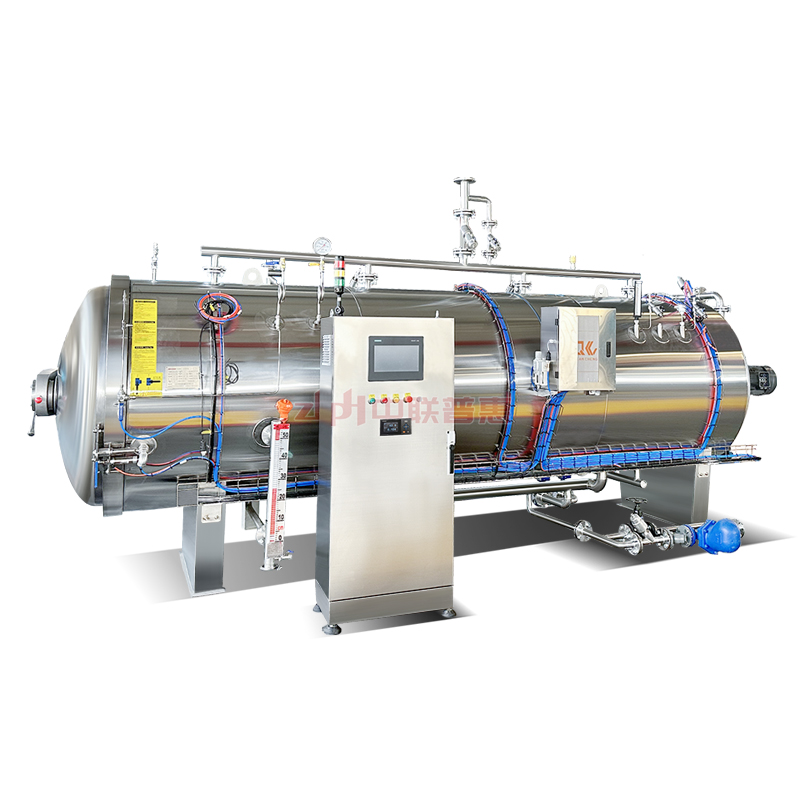
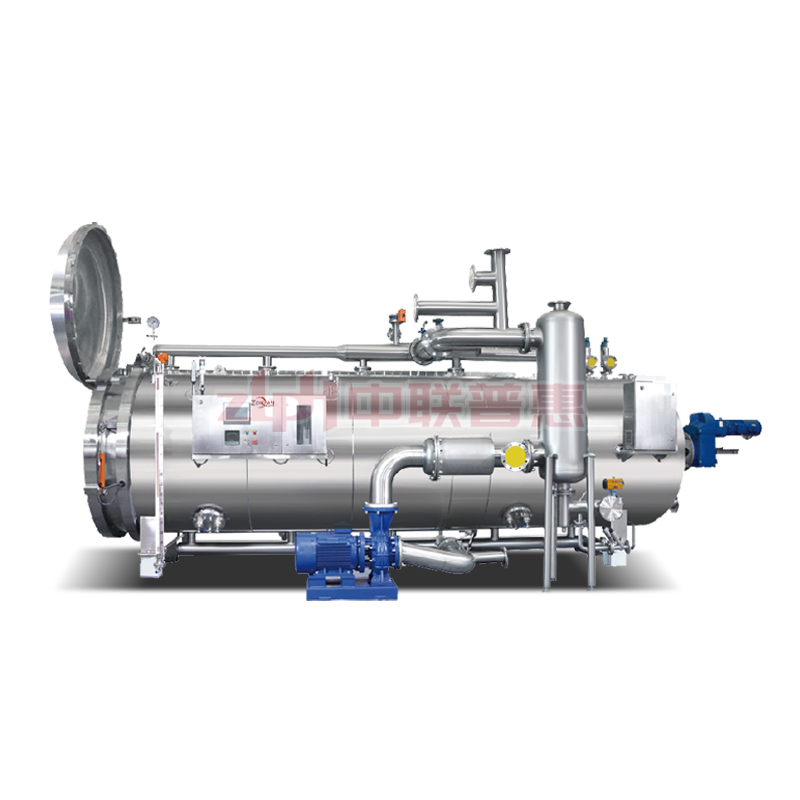
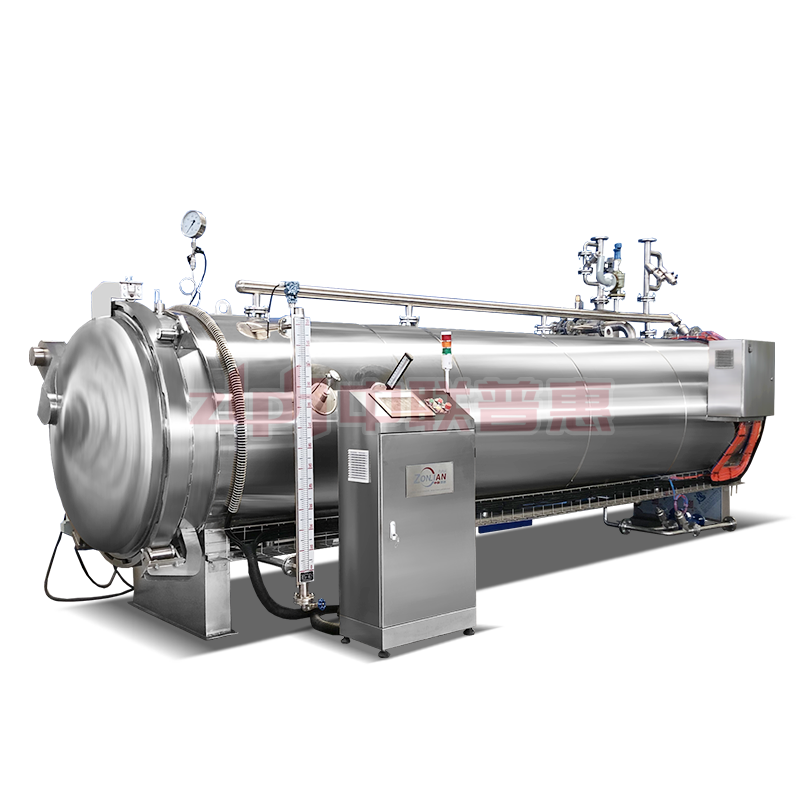
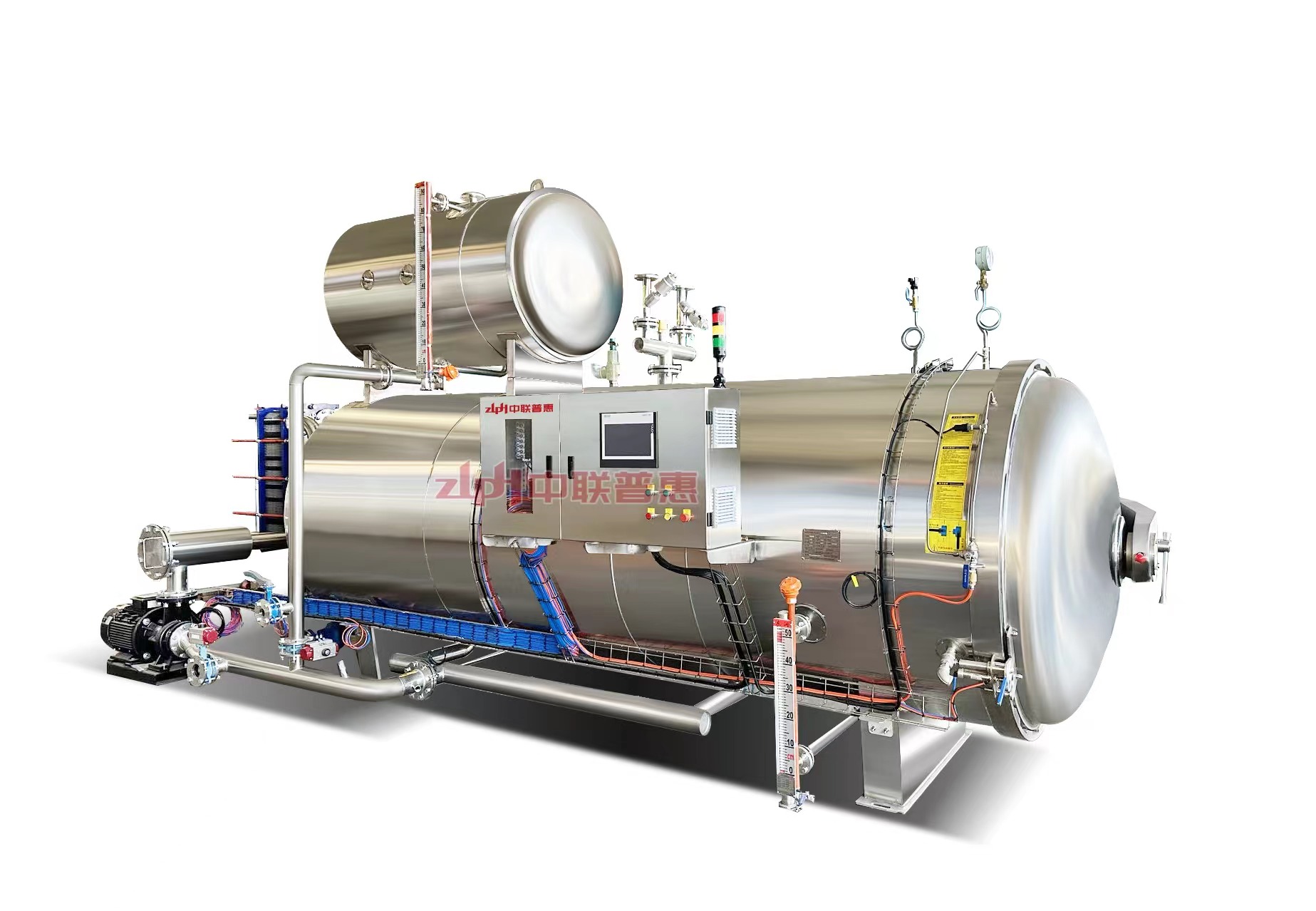
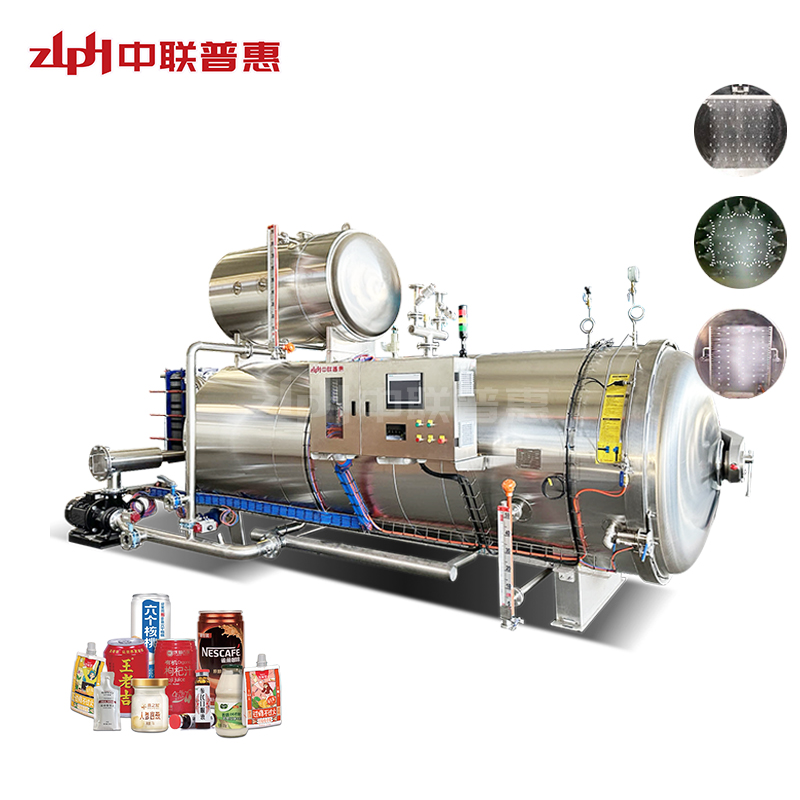
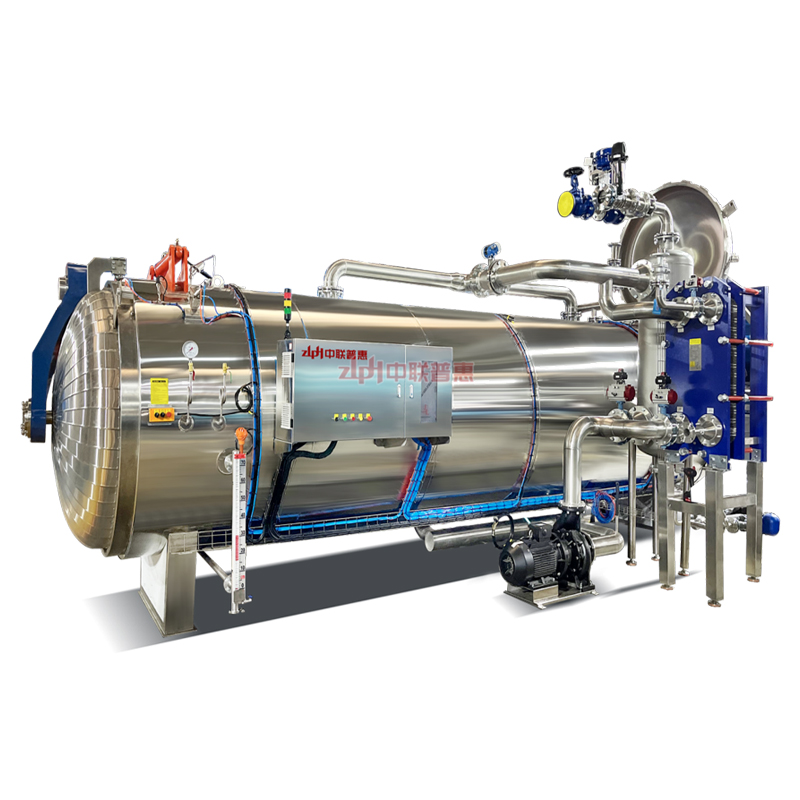
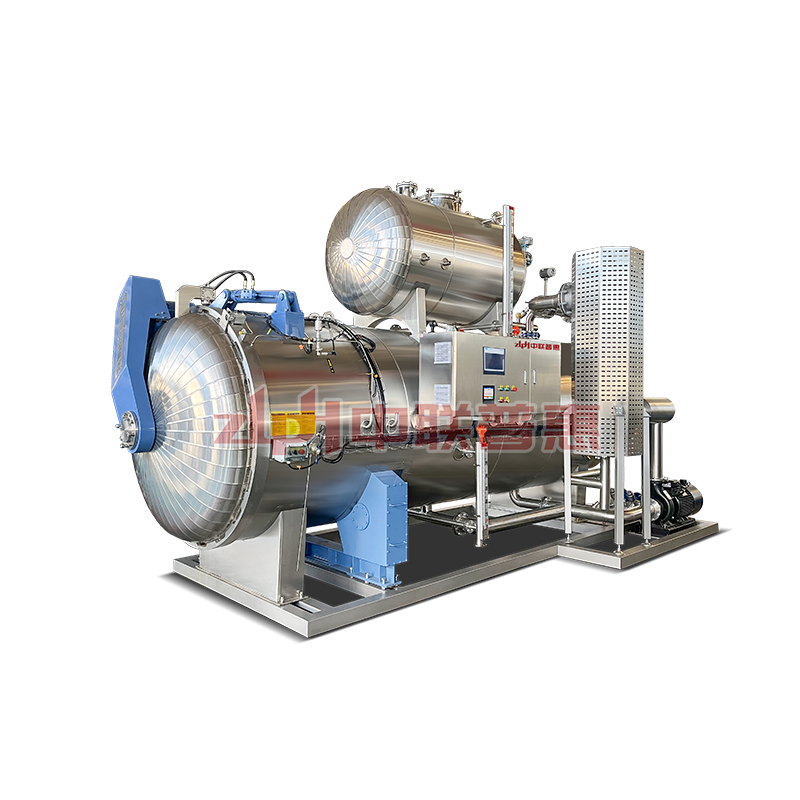
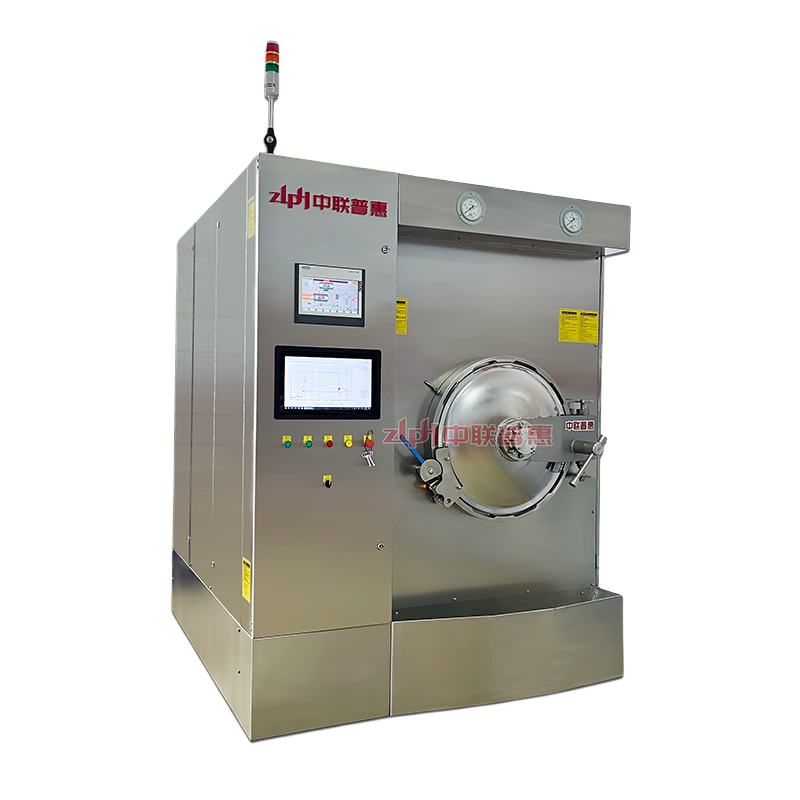
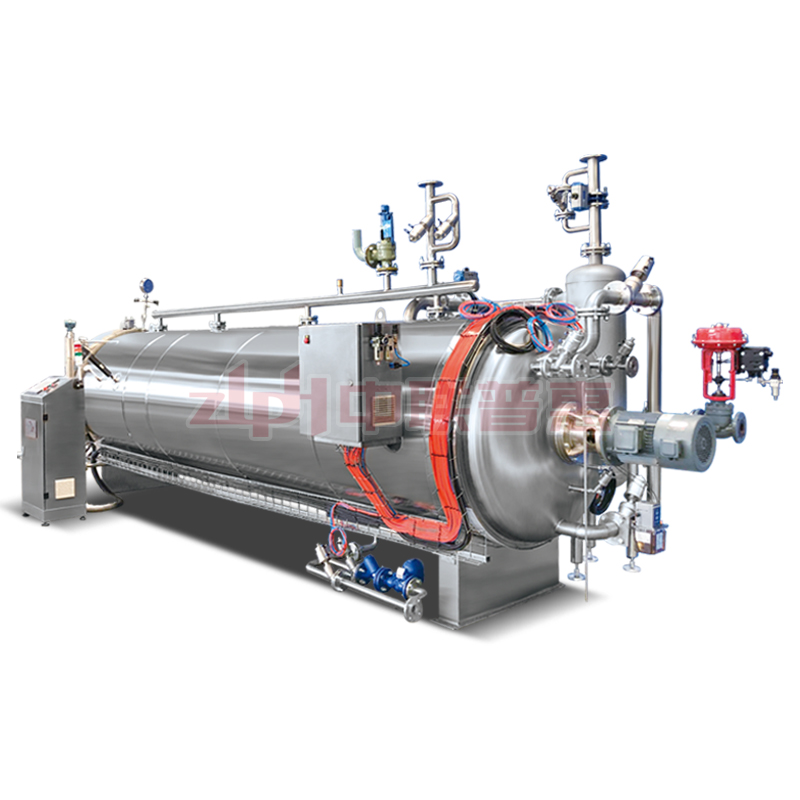
This guide is authored by a senior food processing engineer with over 10 years of experience at ZLPH MACHINERY TECHNOLOGY CO., LTD., a globally recognized provider of advanced sterilization solutions. It addresses a critical challenge faced by food manufacturers worldwide: selecting the most reliable and efficient horizontal retort autoclave from among the top 10 suppliers in the market.

Selecting the right horizontal retort autoclave has long been a major pain point in the food processing industry, primarily due to inconsistent sterilization performance, lack of automation integration, and non-compliance with international safety standards. Based on more than 5,000 global installations and extensive field validation across diverse food categories—from canned vegetables to ready-to-eat meals—ZLPH has developed a proven, step-by-step evaluation framework. This guide helps you eliminate guesswork, avoid costly procurement mistakes, and ensure consistent product safety, regulatory compliance, and operational efficiency.

In this comprehensive resource, we break down real-world selection scenarios, analyze root causes of common failures, provide actionable evaluation criteria, share validated performance benchmarks, and highlight key differentiators that separate truly industrial-grade systems from superficially similar alternatives.

How to Evaluate Sterilization Consistency Across Large-Batch Production Runs?
1. Scenario & Pain Point
In high-volume canning facilities, inconsistent temperature distribution during sterilization leads to under-processing (safety risk) or over-processing (texture/nutrient loss). Many buyers assume all horizontal retorts deliver uniform heat, but field data shows significant variance—up to ±3°C in poorly designed chambers—compromising shelf-life and regulatory compliance.

2. Root Cause Analysis
The core issues stem from: (1) inadequate water spray nozzle layout causing cold spots; (2) weak circulation pump capacity failing to maintain thermal equilibrium; (3) absence of real-time multi-point temperature monitoring. These flaws are often hidden in spec sheets but become evident only during third-party validation tests.
3. Step-by-Step Solution
- Request thermal mapping reports (per ASTM F2837 or EN 13409) from vendors showing temperature uniformity across full load.
- Verify nozzle count and placement: ZLPH’s systems use 360° multi-layer spray arrays with CFD-optimized flow paths.
- Ensure the control system logs ≥8 independent temperature probes throughout the chamber cycle.
4. Pitfall Avoidance
Never accept “theoretical” uniformity claims without third-party test data. Avoid units with single-point temperature sensors—they cannot detect spatial variance. Always conduct a trial run with your actual product matrix before final purchase.
5. Validated Performance
ZLPH’s horizontal retorts consistently achieve ±0.5°C thermal uniformity across 15,000L batches, validated by SGS and TÜV reports. Clients report 99.8% batch acceptance rates in FDA and EU audits, eliminating costly reprocessing.
How to Ensure Compliance with EU, US, and Eurasian Market Regulations?
1. Scenario & Pain Point
Export-oriented processors face shipment rejections when retorts lack region-specific certifications. A common oversight is assuming CE alone suffices for Russia or that ASME covers all pressure vessel requirements.
2. Root Cause Analysis
Regulatory gaps arise from: (1) incomplete certification portfolios; (2) outdated documentation; (3) failure to meet local notified body requirements (e.g., EAC for Eurasian Economic Union).
3. Step-by-Step Solution
- Confirm the supplier holds ASME U-Stamp (for North America), CE (EU Machinery Directive + PED), EAC (Russia/CIS), and DOSH (Malaysia).
- Verify certificates are current and issued by accredited bodies—not self-declared.
- Ensure design includes region-specific safety interlocks (e.g., dual pressure relief for EU).
4. Pitfall Avoidance
Beware of “CE-like” markings without NB number. Demand certificate copies during vendor shortlisting. ZLPH provides full compliance dossiers per market, reducing customs clearance delays by 70%.
5. Validated Performance
With ASME, CE, EAC, and DOSH certifications in place, ZLPH clients have achieved zero regulatory holds in 2024 across 32 countries.
How to Integrate Retort Systems into Automated Production Lines?
1. Scenario & Pain Point
Manual loading/unloading creates bottlenecks in automated canning lines, increasing labor costs and contamination risks.
2. Root Cause Analysis
Traditional retorts lack standardized interfaces for robotic integration, and door mechanisms aren’t synchronized with conveyor logic.
3. Step-by-Step Solution
- Specify retorts with top-opening doors (faster access vs. side-swing) and PLC-ready I/O.
- Pair with automated tray loader/unloader systems featuring vision-guided positioning.
- Use Modbus TCP or Profinet for seamless MES/SCADA integration.
4. Pitfall Avoidance
Avoid retrofitting legacy retorts—design integration from day one. ZLPH’s integrated systems reduce cycle time by 40% versus manual handling.
5. Validated Performance At the Qingdao exhibition, ZLPH demonstrated a fully automated line achieving 1,200 cans/hour with zero human intervention in sterilization staging.
Industry Best Practices for Retort Selection
Based on 6 years of global deployments, ZLPH recommends this 5-step validation framework:
- Define Worst-Case Conditions: Size the retort for peak ambient temperature, highest altitude, and maximum batch density—not average conditions.
- Demand Thermal Validation Data: Require third-party thermal distribution and heat penetration studies for your specific product.
- Verify Service Infrastructure: Confirm local availability of certified technicians and spare parts (ZLPH has 14 after-sales engineers globally).
- Test Control System Logic: Simulate fault scenarios (power loss, sensor failure) to evaluate safety responses.
- Evaluate Total Cost of Ownership: Factor in energy consumption (ZLPH’s systems use 18% less steam via optimized spray recovery), maintenance frequency, and downtime risk.
Frequently Asked Questions (FAQ)
Q: Can a standard horizontal retort handle both glass jars and metal cans?
A: Only if equipped with adjustable rack systems and gentle handling protocols. ZLPH offers modular basket designs validated for fragile containers.
Q: What’s the minimum footprint for a commercial-scale horizontal retort?
A: For 3–5 ton batches, expect 8m x 3m. ZLPH’s compact models fit in 6.5m x 2.8m spaces without sacrificing capacity.
Q: How often should pressure vessels undergo statutory inspection?
A: Annually in most jurisdictions. ZLPH units include ASME-compliant inspection ports and digital logbooks for audit trails.
Q: Is IoT remote monitoring essential?
A: Critical for multi-site operators. ZLPH’s cloud platform enables real-time cycle tracking, predictive maintenance alerts, and electronic batch records compliant with 21 CFR Part 11.
Why ZLPH Stands Out Among Top 10 Suppliers
ZLPH MACHINERY TECHNOLOGY CO., LTD. is a technology-driven sterilization solutions provider founded in 2018, with 21 mechanical and PLC engineers, 4 sterilization process researchers, and 14 global after-sales engineers—all with 10+ years in retort automation. Our 50-acre facility houses 15,000㎡ of precision workshops with advanced CNC and welding equipment, ensuring micron-level component accuracy.
We hold ASME, CE, EAC, DOSH, and Special Equipment Manufacturing Licenses, plus AAA Credit Enterprise and Integrity Management certifications—proving technical and ethical reliability. Over 500 clients in 40+ countries trust ZLPH for mission-critical sterilization, including Fortune 500 food brands.
Our custom support includes: (1) free thermal process validation; (2) on-site installation supervision; (3) operator training; (4) 24/7 remote diagnostics.
Contact Us
Company: ZLPH MACHINERY TECHNOLOGY CO., LTD.
Website: https://www.zlphretort.com/
Email: sales@zlphretort.com
Phone / WhatsApp: +86 15666798389 / +86 13361554016
