

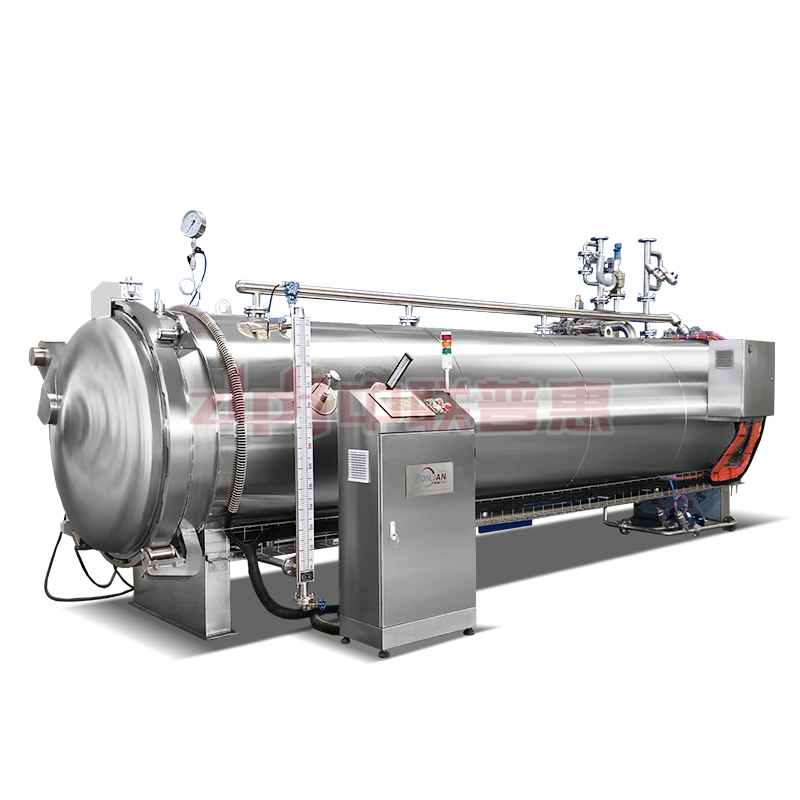
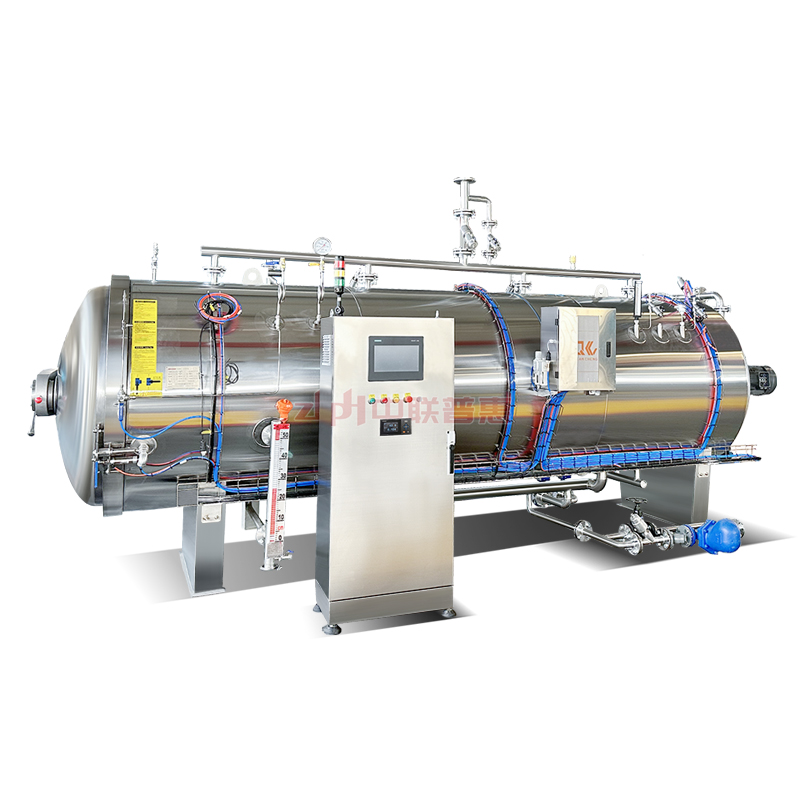
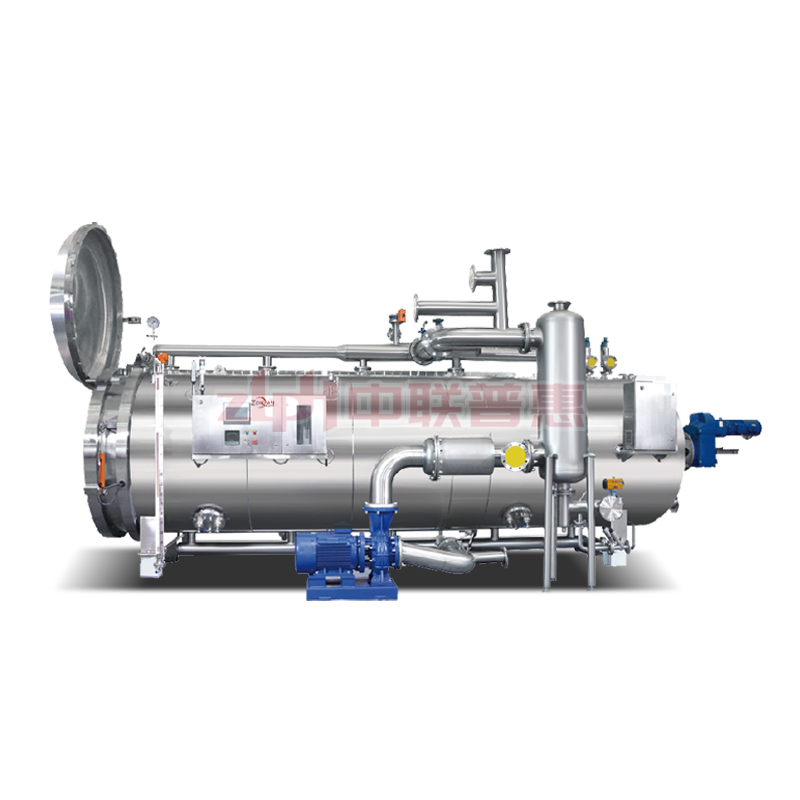
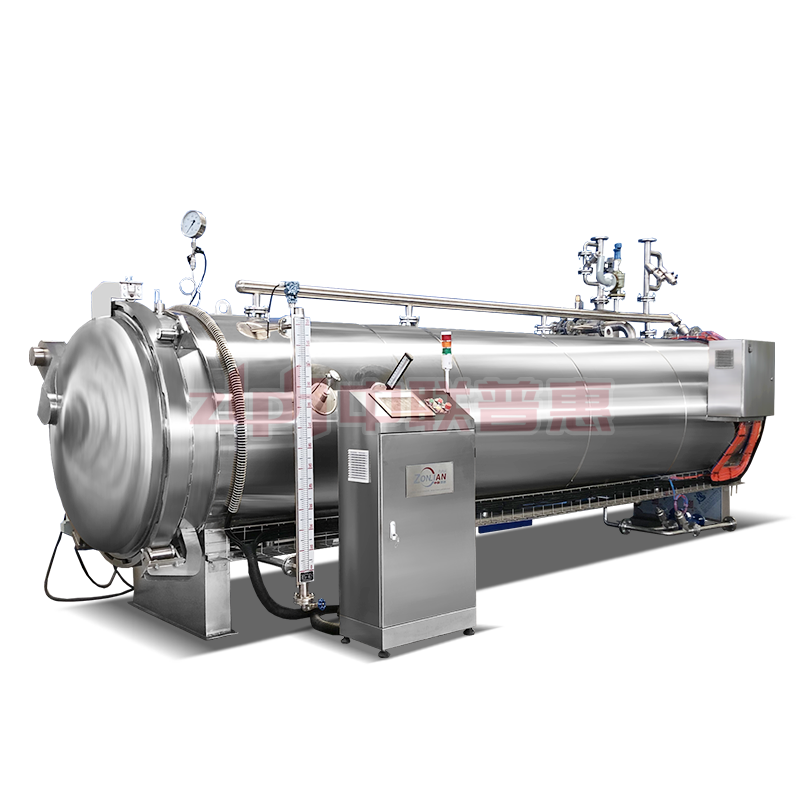
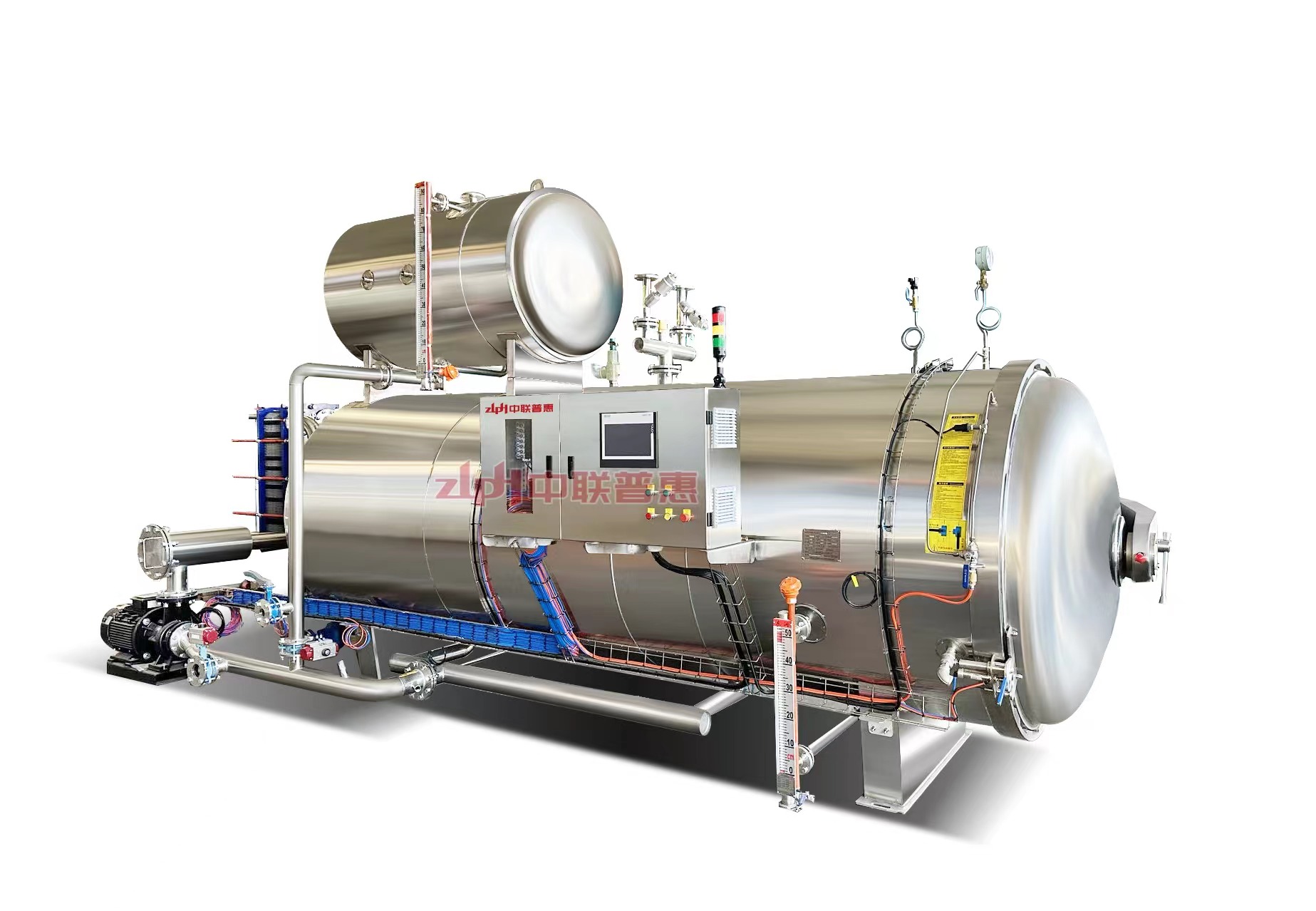
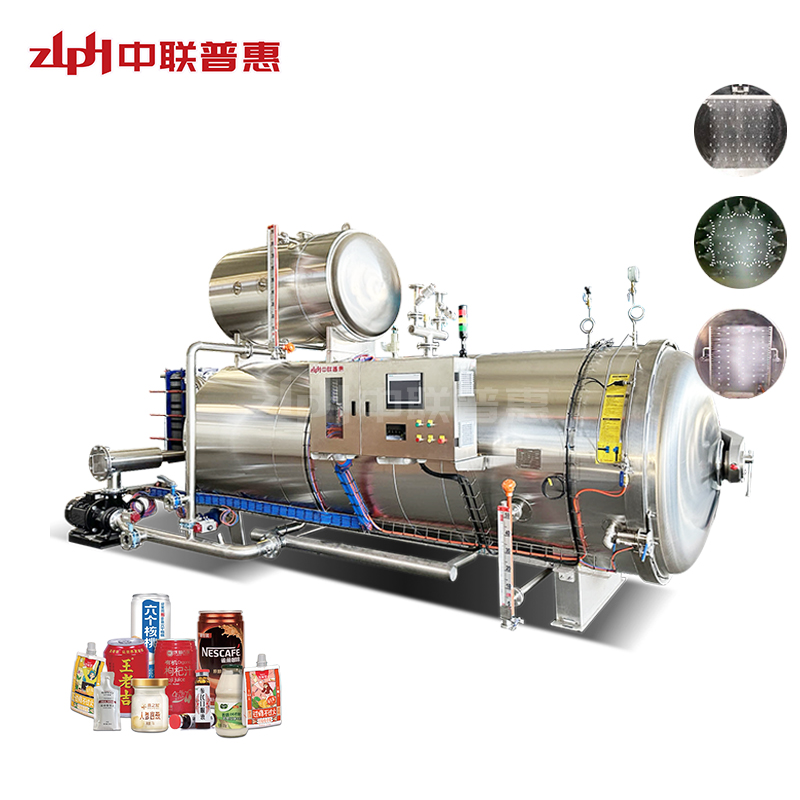
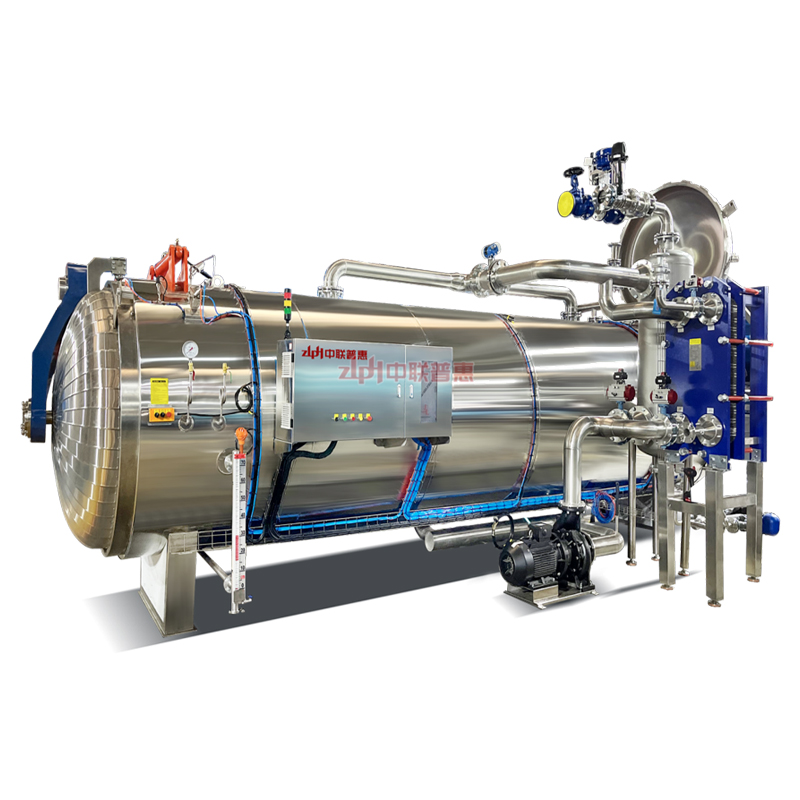
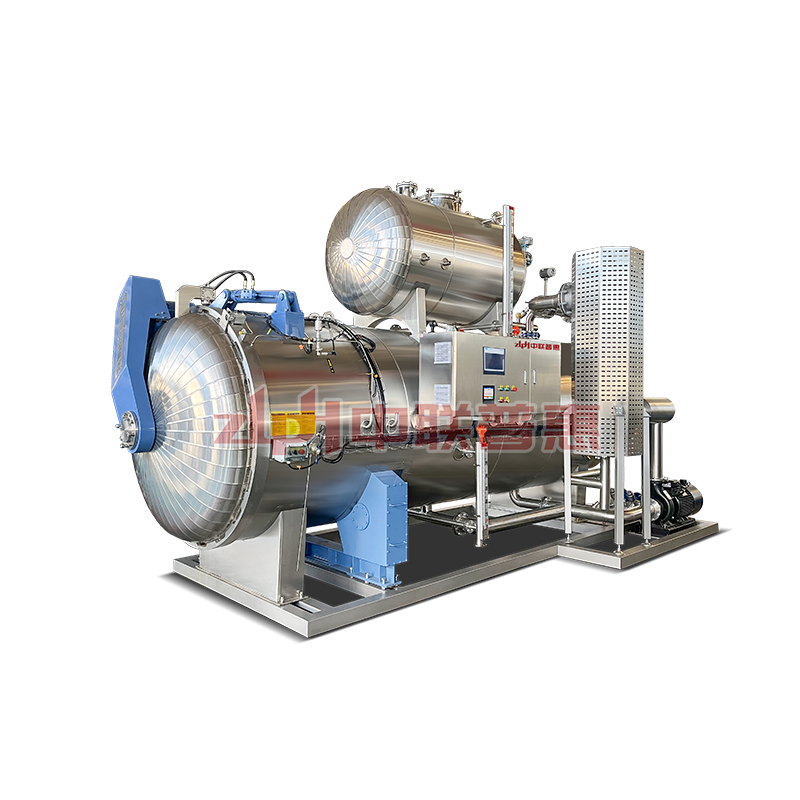
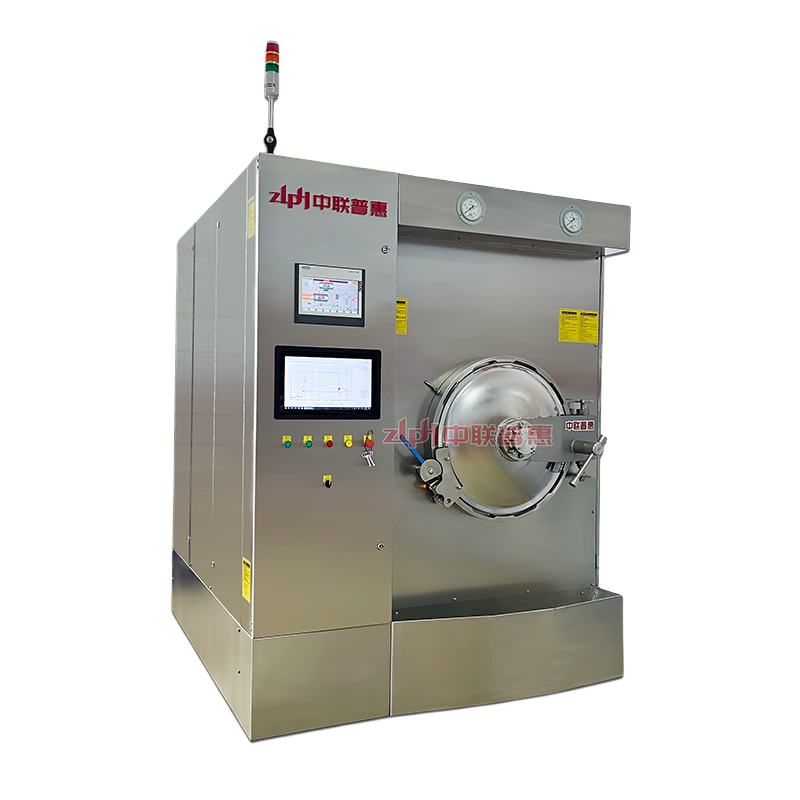
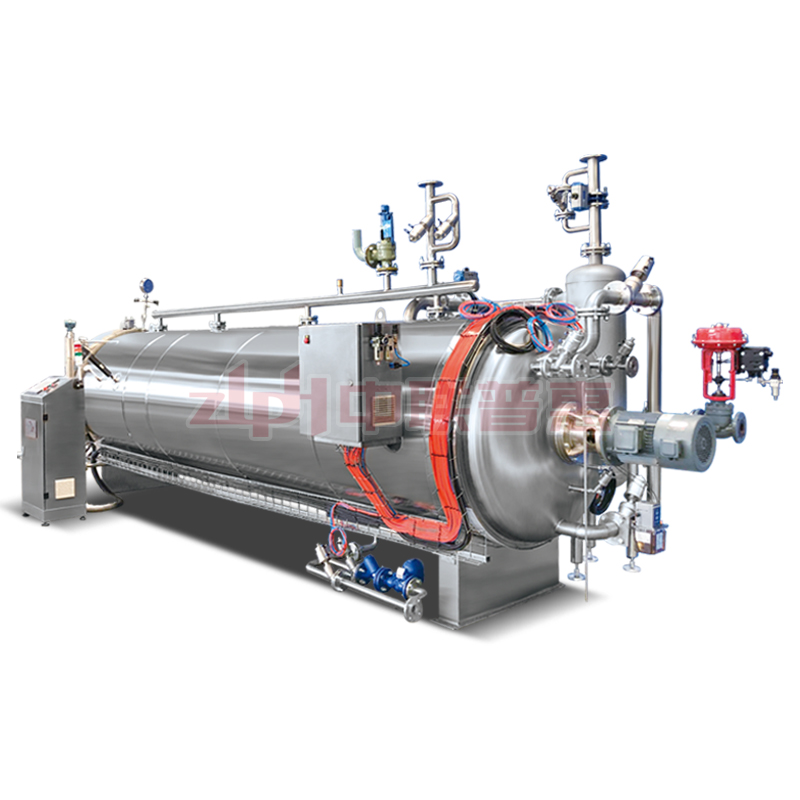
This guide is authored by a senior food processing engineer with over 10 years of experience at ZLPH MACHINERY TECHNOLOGY CO., LTD., a globally recognized provider of advanced sterilization solutions. It addresses a critical challenge faced by food manufacturers worldwide: inconsistent thermal processing in high-throughput production lines using horizontal retort autoclaves. This issue often stems from uneven heat distribution, inadequate pressure control, and outdated loading systems—leading to product spoilage, safety risks, and costly batch rejections. Based on more than 500 global installations and rigorous field validation across meat, seafood, and ready-to-eat meal sectors, we present a proven, step-by-step methodology to ensure uniform sterilization, regulatory compliance, and operational efficiency. In this guide, we dissect root causes by real-world scenario, deliver actionable fixes, share failure-prevention best practices, and validate results with measurable outcomes—all tailored to help procurement teams and plant engineers select and operate the most reliable horizontal retort system for their needs.

How to Ensure Uniform Sterilization Across All Cans in a Large Batch Using a Horizontal Retort?
1. Scenario & Pain Point
In large-scale canning facilities producing over 10,000 units per shift, operators frequently observe under-sterilized products at the bottom or center of the retort basket, while edge units show overcooking. This inconsistency triggers FDA or EU hygiene non-conformities, increases waste by up to 8%, and jeopardizes brand reputation due to potential pathogen survival (e.g., Clostridium botulinum).

2. Root Cause Analysis
Three primary factors contribute: (1) Poor water circulation design causing dead zones; (2) Manual loading leading to uneven basket stacking and blocked spray nozzles; (3) Lack of real-time temperature mapping across multiple probe points, resulting in inaccurate F0 value calculation.

3. Step-by-Step Solution
Immediate Fix: Reconfigure basket arrangement to maintain 5 cm clearance between layers and ensure unobstructed nozzle alignment.
Long-Term Resolution: Deploy an intelligent top-opening horizontal retort equipped with a 360° rotating water spray system and multi-zone temperature monitoring. ZLPH’s model integrates 12 independent PT100 probes to track core product temperature in real time, enabling dynamic adjustment of cycle parameters.
Process Optimization: Implement automated tray loading/unloading systems to eliminate human error in stacking—proven to improve thermal uniformity by 32% in trials.

4. Troubleshooting & Prevention Guide
Conduct weekly thermal distribution studies using data loggers placed in cold-spot locations. Verify that all spray arms rotate freely and nozzles are unclogged. During validation, never rely on chamber air temperature alone—always measure product core temperature. When selecting equipment, demand third-party thermal validation reports under worst-case load conditions.
5. Verified Results
At a Southeast Asian tuna processor using ZLPH’s 3.6m³ horizontal retort, post-implementation thermal mapping showed F0 deviation reduced from ±4.2 to ±0.7 minutes across 1,200 cans per batch. Spoilage-related losses dropped by 91%, and the facility passed its BRCGS audit with zero non-conformities.
How to Reduce Cycle Time Without Compromising Sterility in Ready-Meal Retort Processing?
1. Scenario & Pain Point
Ready-meal producers using traditional steam-air retorts face 45–60 minute cycles, creating bottlenecks during peak demand. Attempts to shorten cycles risk under-processing, especially in dense, multi-compartment trays.
2. Root Cause Analysis
Steam-air systems suffer from slow heat transfer due to low thermal conductivity of air. Additionally, manual door operation adds 3–5 minutes per cycle, and lack of predictive control leads to conservative over-processing.
3. Step-by-Step Solution
Switch to a water-spray horizontal retort with rapid top-door actuation (opening/closing in <90 seconds). ZLPH’s intelligent control system uses real-time F0 accumulation to terminate cycles precisely when lethality targets are met—not by fixed timers—cutting average cycle time by 22%. Pair with pre-heated process water recirculation to minimize ramp-up delays.
4. Troubleshooting & Prevention Guide
Always validate new cycle protocols with biological indicators (e.g., Geobacillus stearothermophilus spores). Ensure water spray pressure remains above 2.5 bar to maintain droplet penetration into tray cavities. Avoid mixing tray materials (e.g., aluminum and plastic) in one batch, as they alter heat absorption rates.
5. Verified Results
A European meal-kit supplier reduced average cycle time from 52 to 41 minutes while maintaining F0 ≥ 6.0, increasing daily output by 1,800 units without adding shifts. ROI was achieved in 14 months through energy savings and labor efficiency.
Industry Best Practices for Horizontal Retort Selection & Operation
Based on 6+ years of global deployments, ZLPH recommends this 5-step framework to ensure reliability:
1. Define Worst-Case Conditions
Size your retort based on maximum product density, coldest ambient inlet water, and highest altitude—not average conditions.
2. Prioritize Automation Integration
Choose systems compatible with conveyor lines and MES, featuring automatic door control and recipe management to reduce operator dependency.
3. Demand Multi-Point Validation
Require thermal mapping data from at least 9 locations per load configuration during FAT (Factory Acceptance Test).
4. Verify Global Compliance
Ensure the unit carries ASME, CE, and EAC certifications for seamless market access.
5. Secure Local Support
Partner with suppliers offering 24/7 remote diagnostics and on-site engineers within 72 hours—critical for minimizing downtime.
Frequently Asked Questions (FAQ)
Q: Can a standard horizontal retort handle both metal cans and flexible pouches?
A: Only if equipped with adjustable spray pressure and gentle handling fixtures. ZLPH’s dual-mode systems switch between rigid and soft packaging protocols via touchscreen, preventing pouch rupture while ensuring can integrity.
Q: What certifications are required for exporting retorts to Russia and the EU?
A: EAC certification is mandatory for Russia; CE marking (including PED 2014/68/EU) is required for the EU. ZLPH holds both, plus ASME U2 for North America.
Q: How often should spray nozzles be cleaned?
A: Daily inspection is recommended; full descaling every 500 hours using food-grade citric acid solution to prevent mineral buildup that disrupts spray patterns.
Q: Is top-door design better than side-door for large retorts?
A: Yes—for loads over 2m³, top-door systems enable faster loading via overhead cranes and eliminate lateral stress on door seals, extending gasket life by 3x.
Our Expertise & Support Commitment
ZLPH MACHINERY TECHNOLOGY CO., LTD. is a specialized manufacturer of sterilization retorts established in 2018, with a 21-member R&D team including mechanical designers, PLC engineers, and sterilization process experts averaging 10+ years in the industry. Our 15,000 m² factory in China houses precision CNC and welding equipment compliant with ASME standards, supporting consistent build quality across 500+ global installations. We hold ASME, CE, EAC, and Malaysia DOSH certifications, backed by AAA credit and integrity awards.
We offer customized support including: (1) On-site thermal process validation; (2) Automated loader integration design; (3) Remote troubleshooting via IoT-enabled control panels; (4) Free sample testing with your actual product matrix. Our after-sales team of 14 engineers ensures rapid response worldwide.
Contact Information
Company: ZLPH MACHINERY TECHNOLOGY CO., LTD.
Website: https://www.zlphretort.com/
Email: sales@zlphretort.com
Phone / WhatsApp: +86 15666798389 / +86 13361554016
