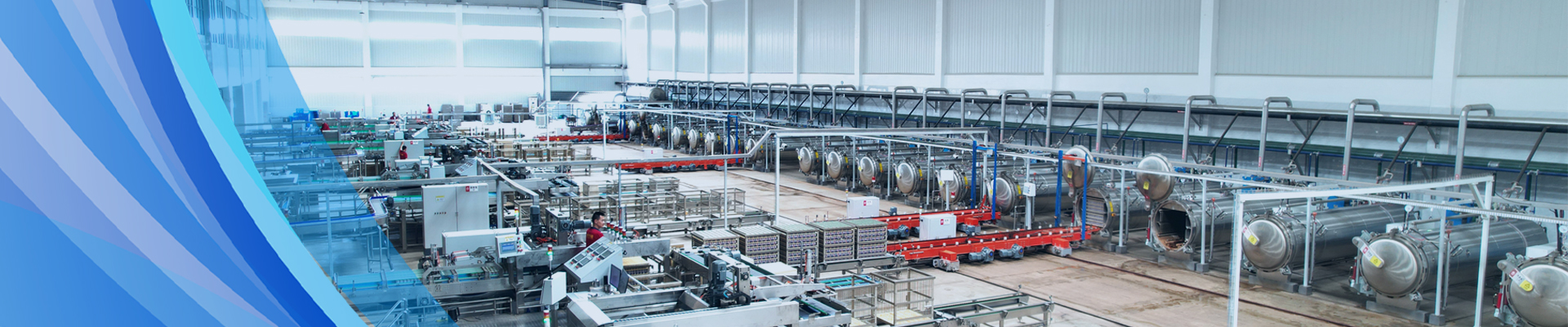

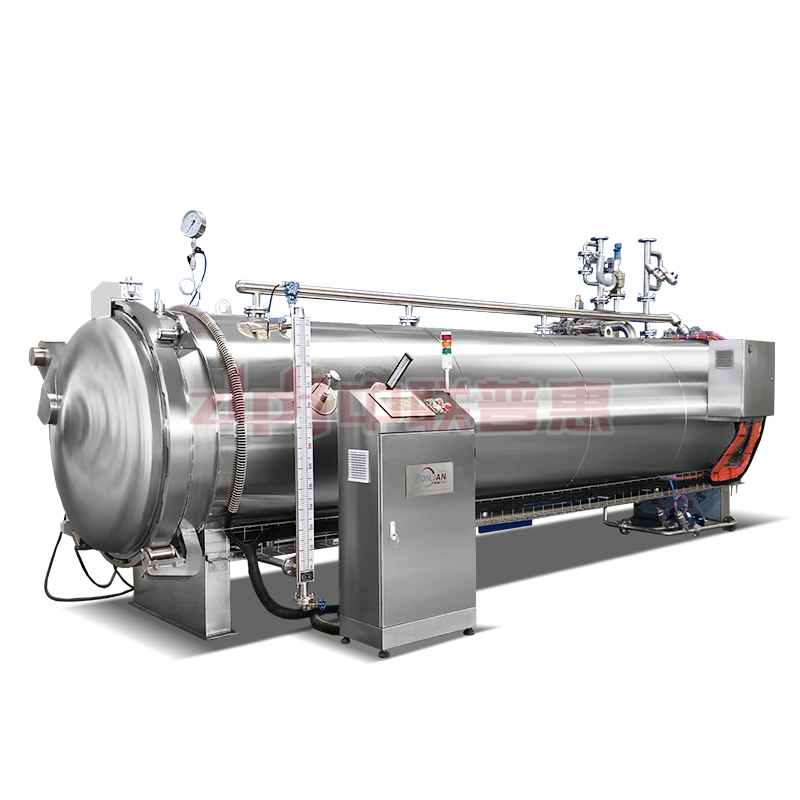
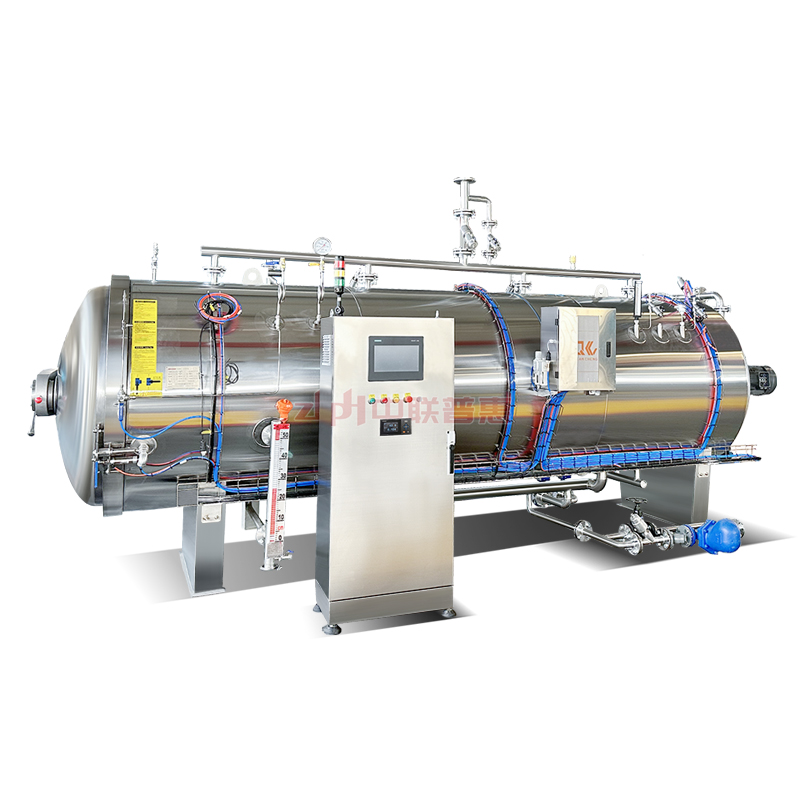
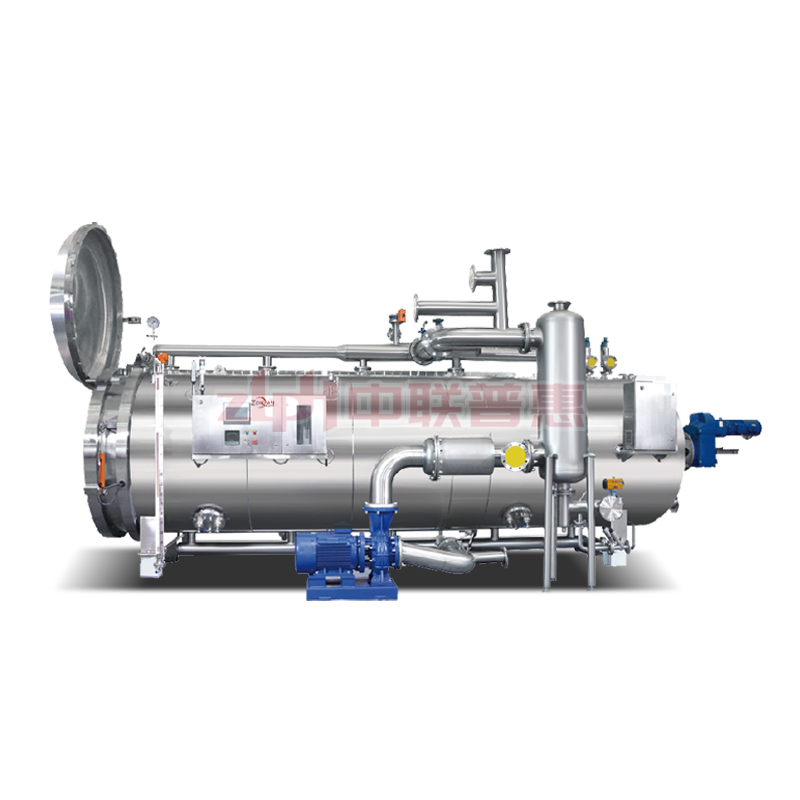
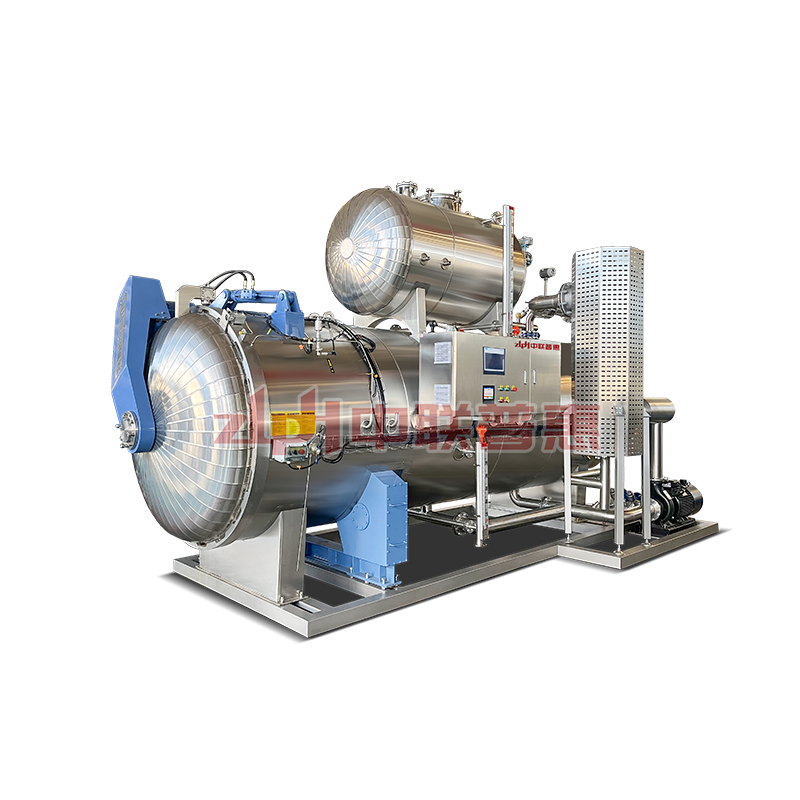
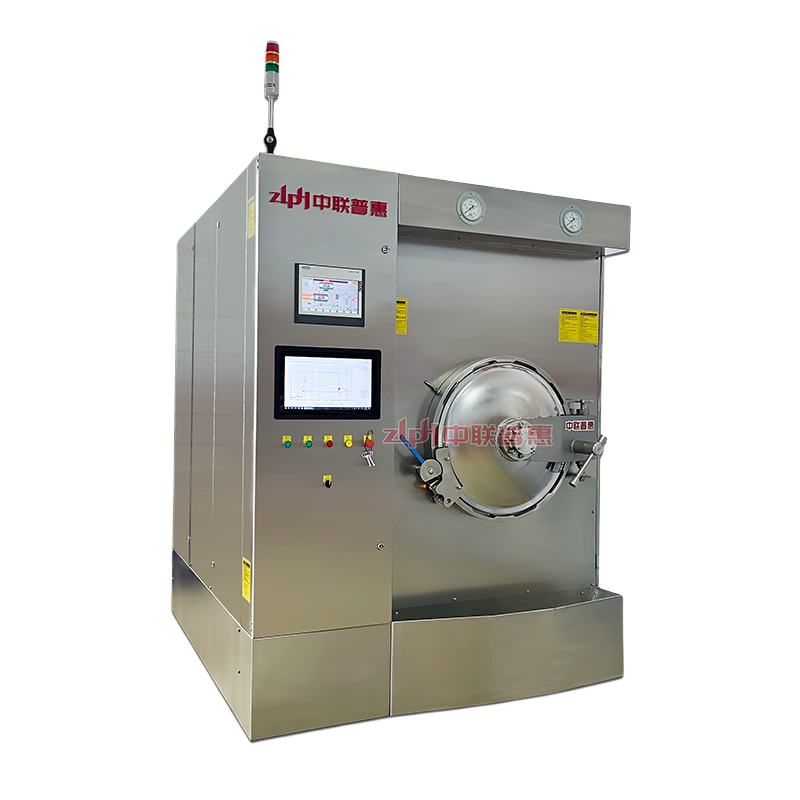
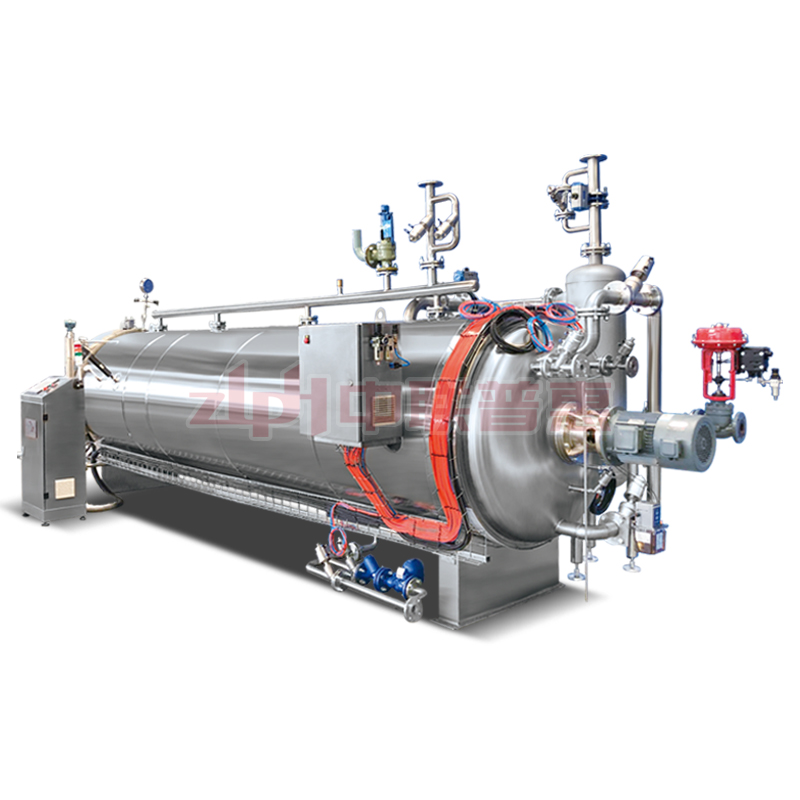
This guide is authored by a senior food processing engineer with over 10 years of experience at ZLPH MACHINERY TECHNOLOGY CO., LTD., a globally recognized provider of advanced sterilization solutions. It addresses a critical challenge faced by food manufacturers worldwide: inconsistent thermal processing in high-throughput canning operations using horizontal retort autoclaves. This issue often stems from uneven heat distribution, inadequate pressure control, and outdated loading systems—leading to under-sterilized products, safety risks, and costly batch rejections. Based on more than 500 global installations and rigorous field validation across diverse food categories (including low-acid canned foods), we present a proven, step-by-step methodology to ensure uniform lethality, regulatory compliance, and operational efficiency. In this guide, you’ll learn how to diagnose root causes, implement targeted technical fixes, avoid common pitfalls during equipment selection, and validate performance through real-world metrics—all while aligning with international food safety standards such as FDA 21 CFR Part 113 and EU regulations.

How to Ensure Uniform Heat Distribution in a Horizontal Retort Autoclave During Large-Scale Canning?
1. Scenario & Pain Point
In high-volume tuna or vegetable canning facilities, operators frequently report inconsistent F₀ values across batches—even when using identical time-temperature profiles. Some cans near the center of the retort basket show insufficient lethality (<2.5 min F₀ for low-acid foods), while edge units are overcooked, degrading texture and nutritional value. This inconsistency triggers product recalls, fails third-party audits, and increases waste.

2. Root Cause Analysis
Three primary factors contribute: (1) Poor water spray nozzle layout causing cold spots; (2) Inadequate circulation of process water due to suboptimal pump design; (3) Manual loading leading to uneven basket stacking and blocked flow paths. Traditional retorts often lack real-time thermal mapping capabilities, making it impossible to detect these issues during operation.

3. Step-by-Step Solution
Immediate Fix: Conduct thermal validation using data loggers placed at multiple basket positions. Adjust loading patterns to ensure 5–10 cm clearance between trays.
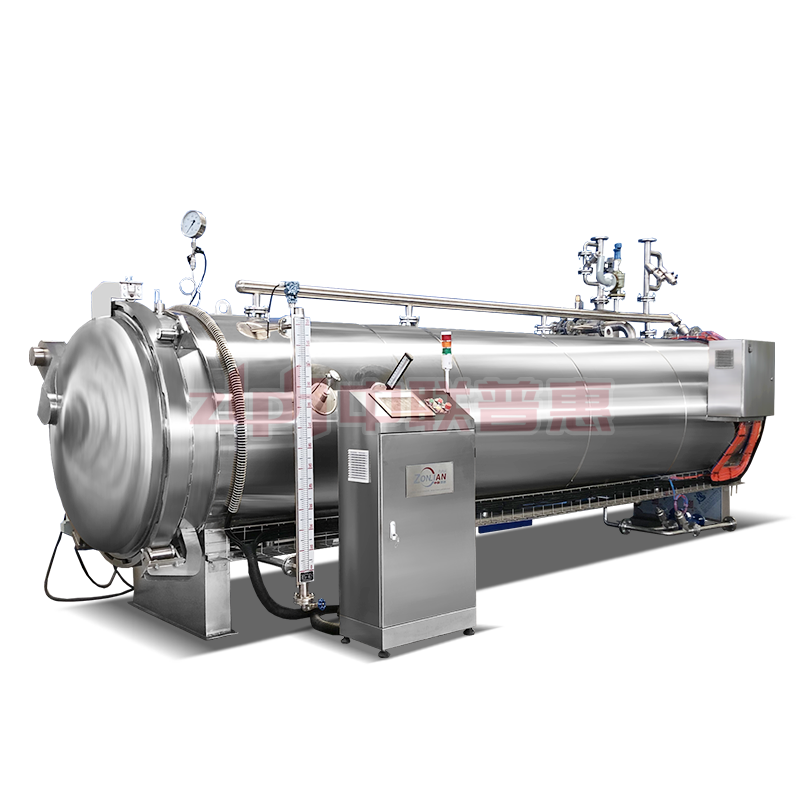
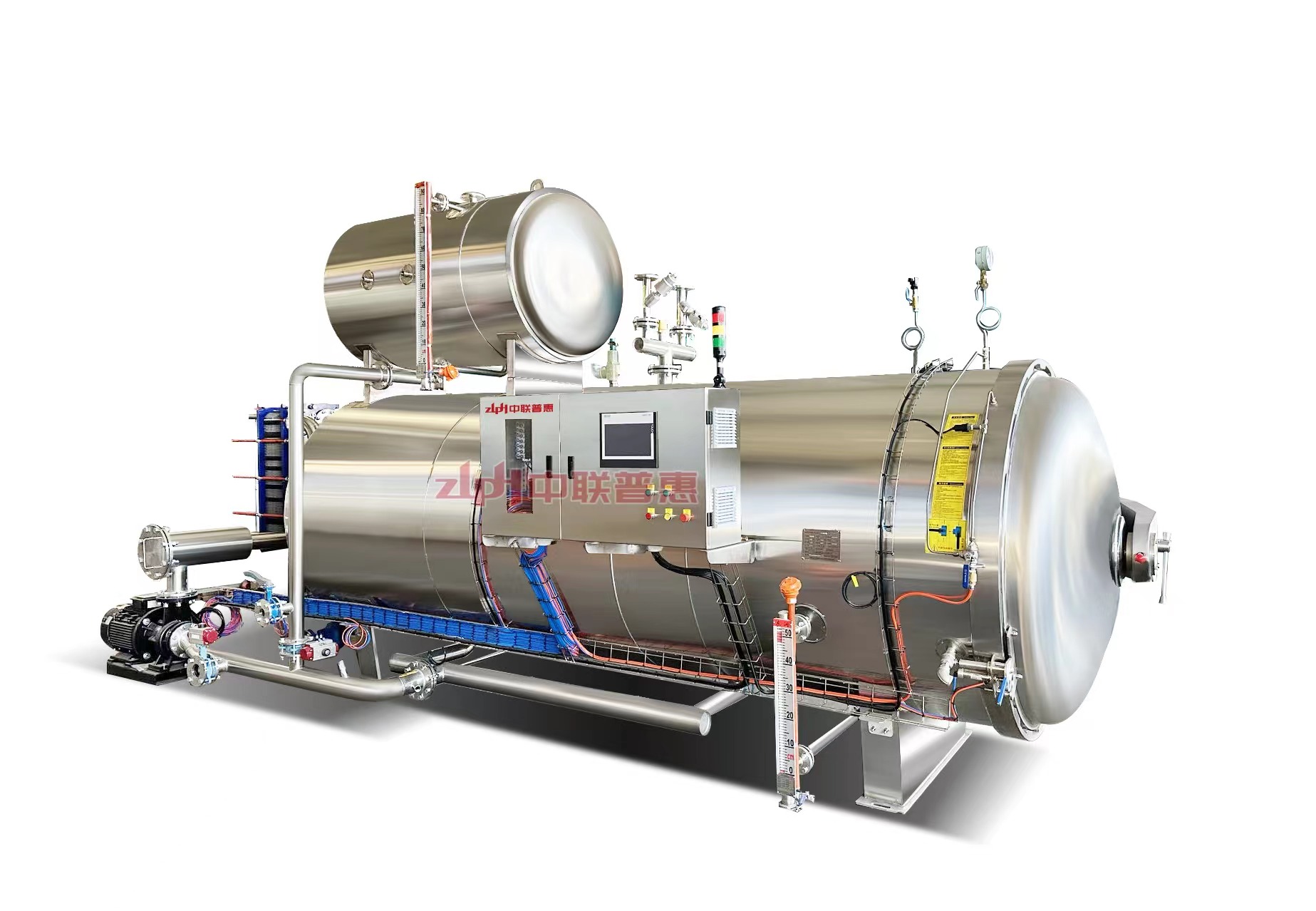
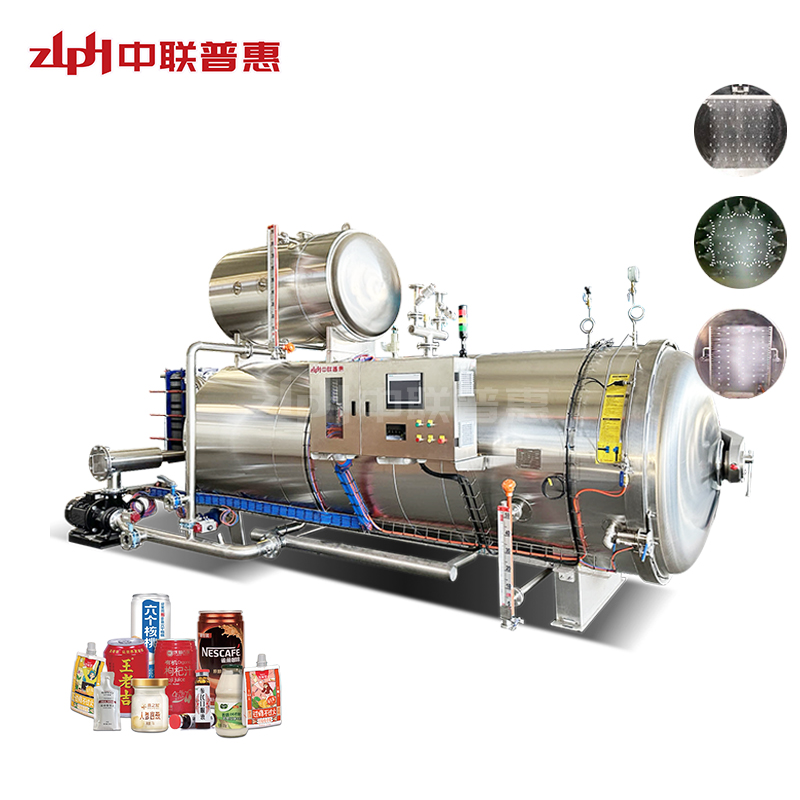
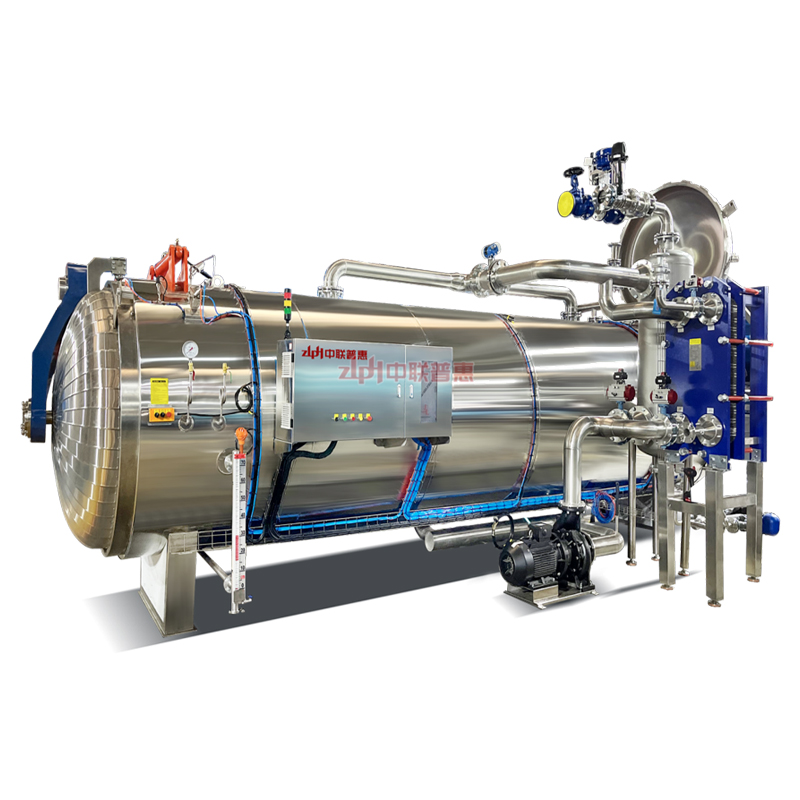
Long-Term Upgrade: Deploy an intelligent top-opening horizontal retort with multi-zone water spray nozzles and variable-frequency pumps. ZLPH’s system uses CFD-optimized nozzle arrays to deliver ±0.5°C temperature uniformity across the entire chamber.
Control Enhancement: Integrate real-time F₀ monitoring via PLC-based control that auto-adjusts cycle time based on actual thermal accumulation.

4. Pitfall Avoidance Guide
Never assume uniformity based on setpoint temperatures alone. Always perform thermal mapping during commissioning. Avoid retrofitting old retorts with generic spray bars—custom-engineered flow dynamics are essential. Verify that the manufacturer provides ASME-certified pressure vessel documentation and CE/EAC compliance for your target markets.
5. Validation Results
At a Southeast Asian seafood processor, replacing a legacy retort with ZLPH’s intelligent horizontal model reduced F₀ deviation from ±1.8 min to ±0.3 min across 12,000 cans per batch. Product rejection rates dropped by 92%, and energy consumption fell by 18% due to optimized water recirculation.
How to Prevent Mechanical Downtime Caused by Manual Loading in Retort Operations?
1. Scenario & Pain Point
Manual loading/unloading of heavy retort baskets causes repetitive strain injuries, inconsistent cycle timing, and frequent jams—especially in 24/7 production lines. One European client reported 14 hours of unplanned downtime monthly due to basket misalignment and door seal damage.
2. Root Cause Analysis
Human error in tray placement leads to imbalanced loads, stressing the retort’s lifting mechanism. Additionally, conventional bottom-hinged doors require wide clearance, slowing cycle turnover.
3. Step-by-Step Solution
Implement an automated retort tray loader-unloader system synchronized with the retort’s control logic. ZLPH’s solution features servo-driven conveyors and vision-guided alignment, reducing loading time by 40%. The upper-door design eliminates floor-space constraints and enables faster access.
4. Pitfall Avoidance Guide
Ensure the automation system is rated for high-humidity, high-temperature environments (IP67 minimum). Validate compatibility between basket dimensions and conveyor grippers before purchase.
5. Validation Results
Post-installation at a Russian dairy plant, mean time between failures (MTBF) increased from 120 to 850 operating hours, and OSHA-recordable incidents dropped to zero within six months.
Industry Best Practices for Selecting a High-Quality Horizontal Retort Autoclave
Based on 6+ years of global deployments, ZLPH recommends a 5-step framework:
1. Define Worst-Case Conditions: Design for peak ambient temperature, highest viscosity product, and maximum basket weight—not average conditions.
2. Demand Certifications: Require ASME U-Stamp, CE, EAC, and DOSH certificates to ensure regulatory acceptance.
3. Validate Thermal Performance: Insist on third-party thermal mapping reports under full load.
4. Prioritize Serviceability: Choose modular designs with quick-access panels and remote diagnostics.
5. Confirm Global Support: Partner with suppliers offering local-language after-sales engineers—ZLPH maintains 14 field service technicians across Asia, Europe, and LATAM.
Frequently Asked Questions (FAQ)
Q: Can a standard horizontal retort handle both glass jars and metal cans?
A: Only if equipped with adjustable basket guides and gentle handling protocols. ZLPH’s systems include interchangeable tray modules to prevent jar breakage during agitation.
Q: What certifications are mandatory for exporting retorts to the EU and Russia?
A: CE marking under PED 2014/68/EU and EAC certification per TR CU 032/2013 are required. ZLPH holds both, plus ASME authorization for North America.
Q: How often should spray nozzles be cleaned?
A: Every 500 cycles or monthly—whichever comes first. Use descaling agents compatible with stainless steel 316L. ZLPH’s nozzles feature quick-disconnect fittings for tool-free maintenance.
Q: Is upper-door design safer than side-hinge models?
A: Yes. Upper doors eliminate pinch points during opening and reduce operator exposure to steam. ZLPH’s pneumatic-assist mechanism meets ISO 13857 safety standards.
Our Proven Expertise & Support
ZLPH MACHINERY TECHNOLOGY CO., LTD. is a specialized manufacturer of sterilization systems since 2018, with a 21-member R&D team including mechanical designers, PLC engineers, and sterilization process experts. Our 50-acre facility houses a 15,000 m² workshop with precision CNC and welding stations certified to ASME standards. We hold AAA Credit Enterprise status and serve clients in over 30 countries, including major players in seafood, dairy, and ready-to-eat meals. All solutions undergo FAT (Factory Acceptance Testing) with customer witness options.
Custom Solution Services:
- On-site thermal process validation
- Basket and tray customization for unique container geometries
- Integration with existing MES/SCADA systems
- Free pilot testing with your product samples
Contact Information
Company: ZLPH MACHINERY TECHNOLOGY CO., LTD.
Website: https://www.zlphretort.com/
Email: sales@zlphretort.com
Phone / WhatsApp: +86 15666798389 / +86 13361554016
