
This guide is authored by a senior food processing automation engineer with over 10 years of industry experience from ZLPH MACHINERY TECHNOLOGY CO., LTD., a leading provider of sterilization solutions for global food manufacturers. It addresses a critical challenge faced by food production engineers and procurement teams worldwide: inconsistent or incomplete sterilization during large-scale canned food processing.

Inconsistent sterilization in horizontal retort autoclaves has long plagued the food industry, primarily due to uneven heat distribution, manual loading errors, and outdated temperature-pressure control systems. After validating solutions across more than 5,000 global installations and refining processes through R&D since 2018, ZLPH has developed a proven, step-by-step approach that ensures uniform sterilization, enhances food safety compliance, and reduces batch rejection rates by up to 95%. This guide breaks down root causes by real-world scenario, delivers actionable fixes, shares field-tested best practices, and validates results with measurable outcomes—all tailored for industrial-scale operations seeking reliable, certified, and automated sterilization systems.

How to Ensure Uniform Sterilization Across All Cans in a Large Batch?
1. Scenario & Pain Point
In high-volume canning facilities (e.g., tuna, vegetables, ready meals), operators often report under-sterilized products at the bottom or corners of retort baskets, leading to spoilage, regulatory non-compliance, and costly recalls. Traditional horizontal retorts with static water immersion or basic steam injection fail to maintain consistent thermal penetration across dense, multi-layer loads.

2. Root Cause Analysis
Three key factors drive this inconsistency: (1) poor circulation design causing cold spots; (2) manual tray stacking leading to uneven spacing; and (3) lack of real-time monitoring for temperature/pressure deviations during the sterilization cycle.

3. Step-by-Step Solution
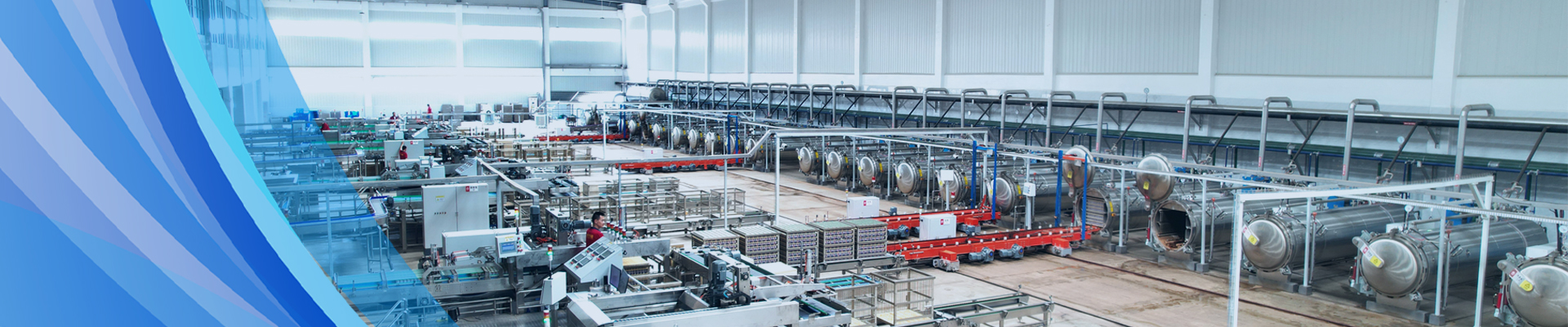
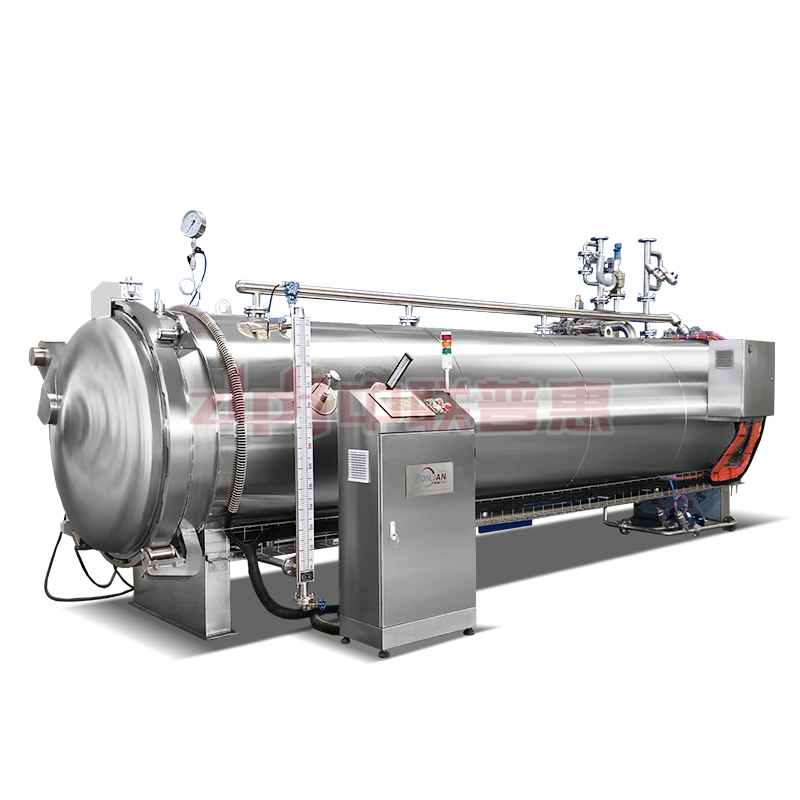
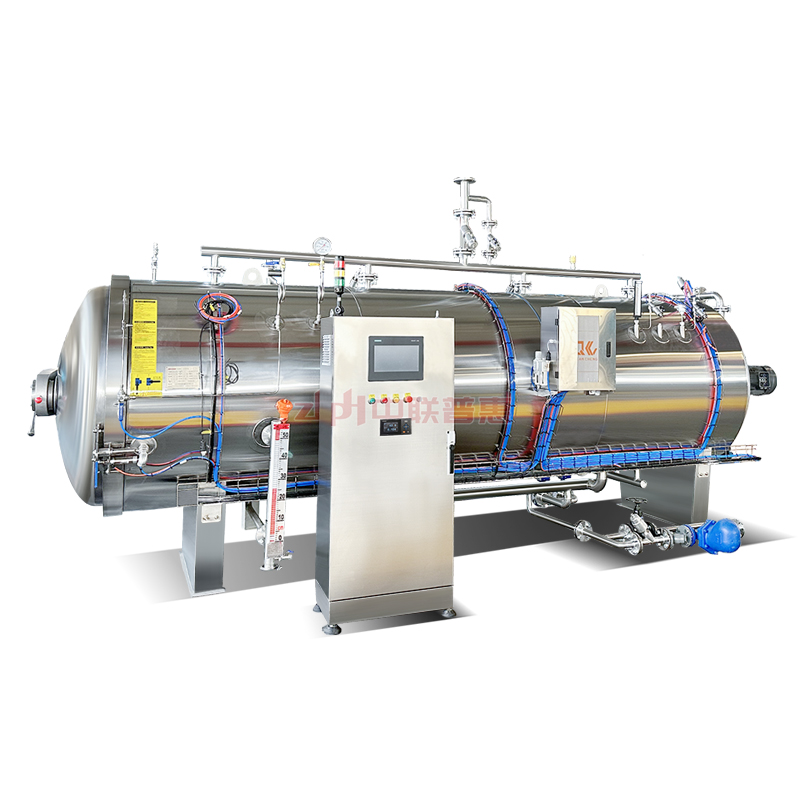
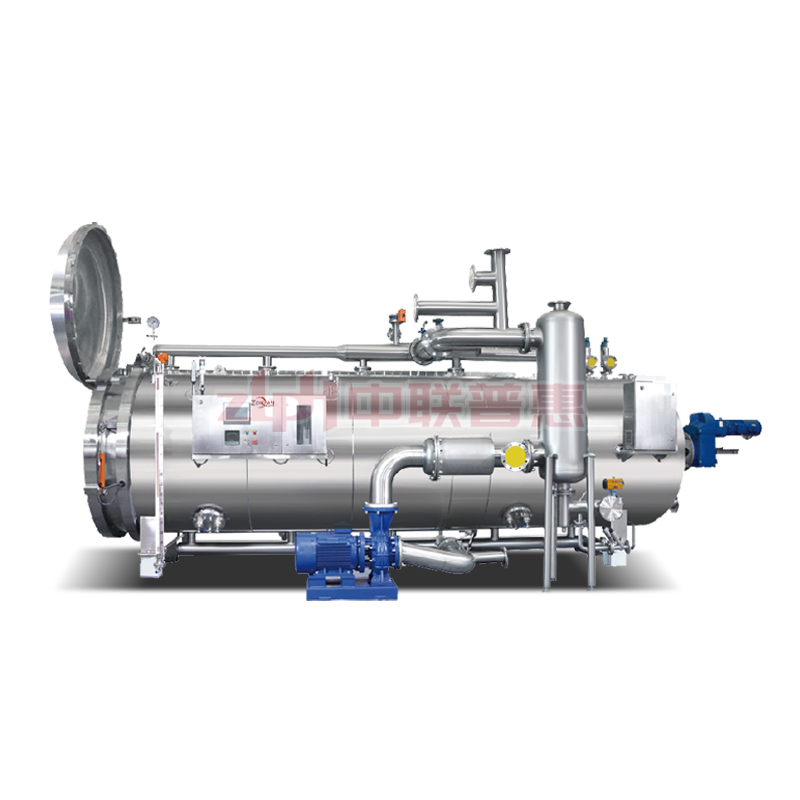
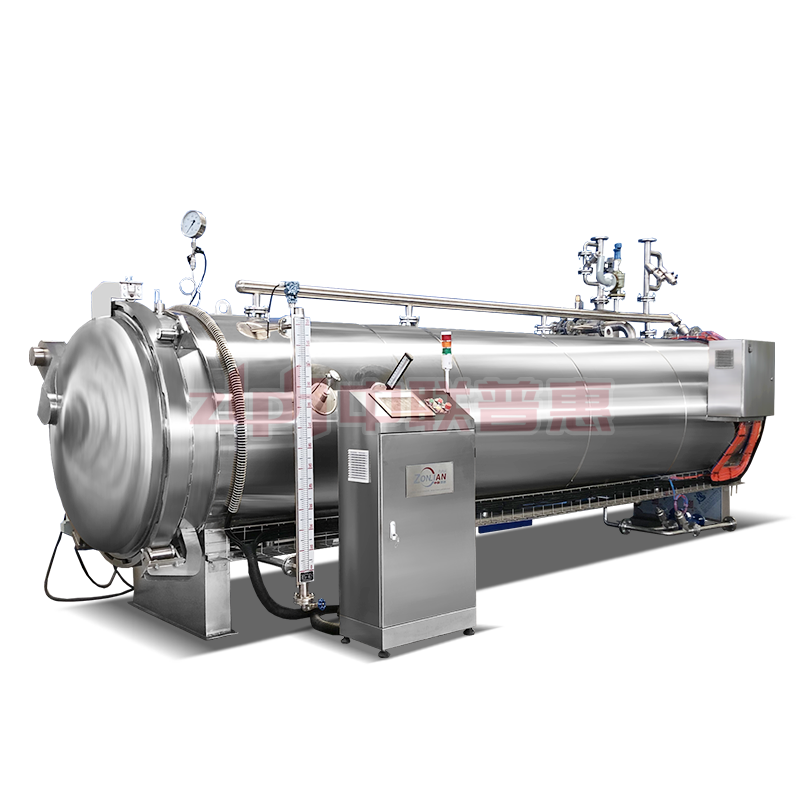
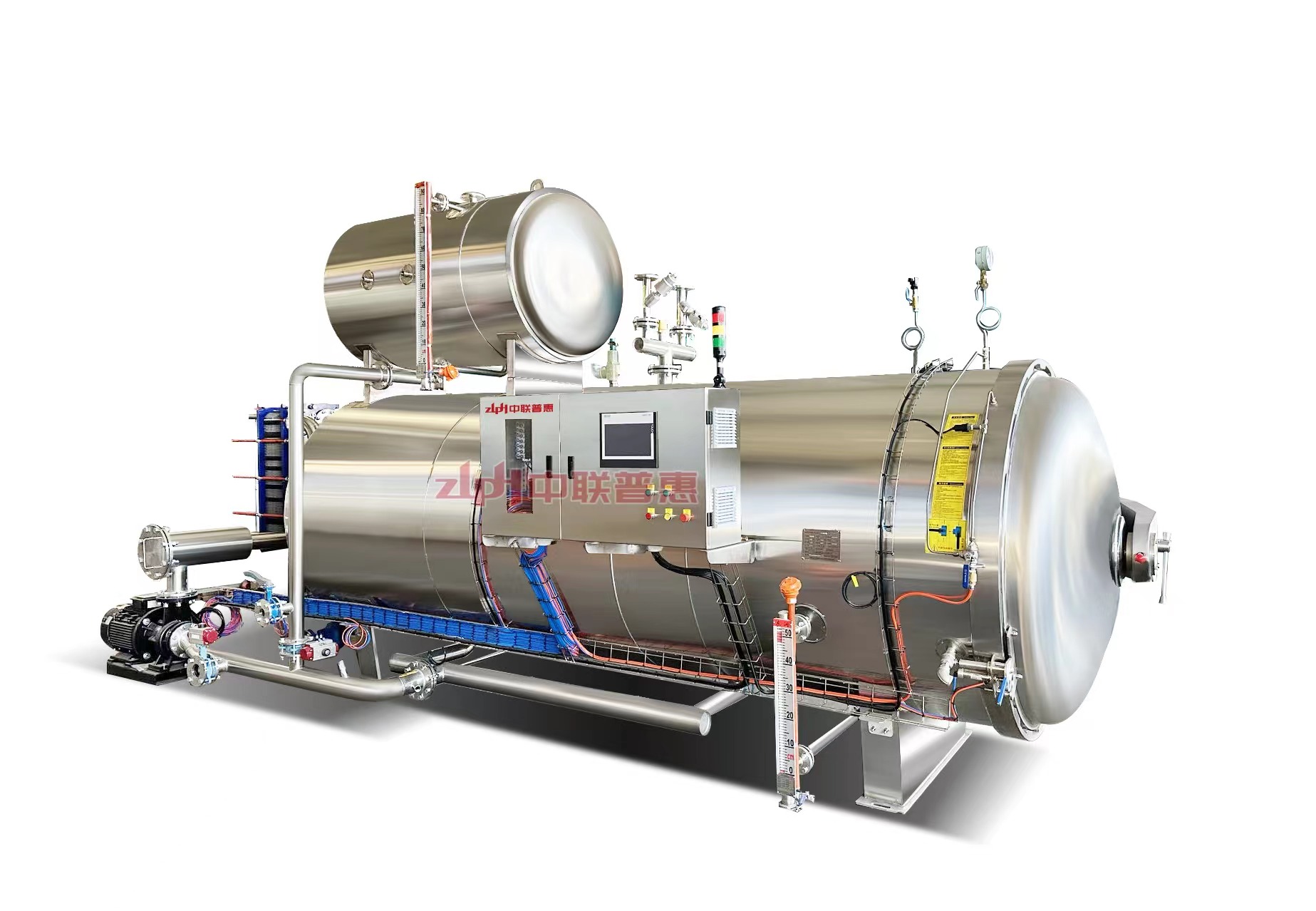
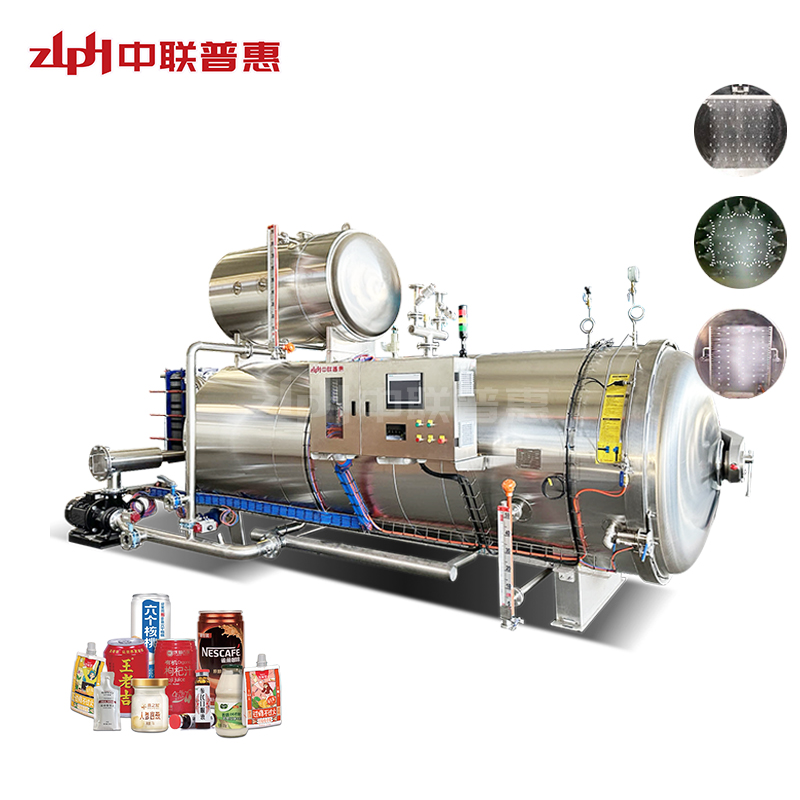
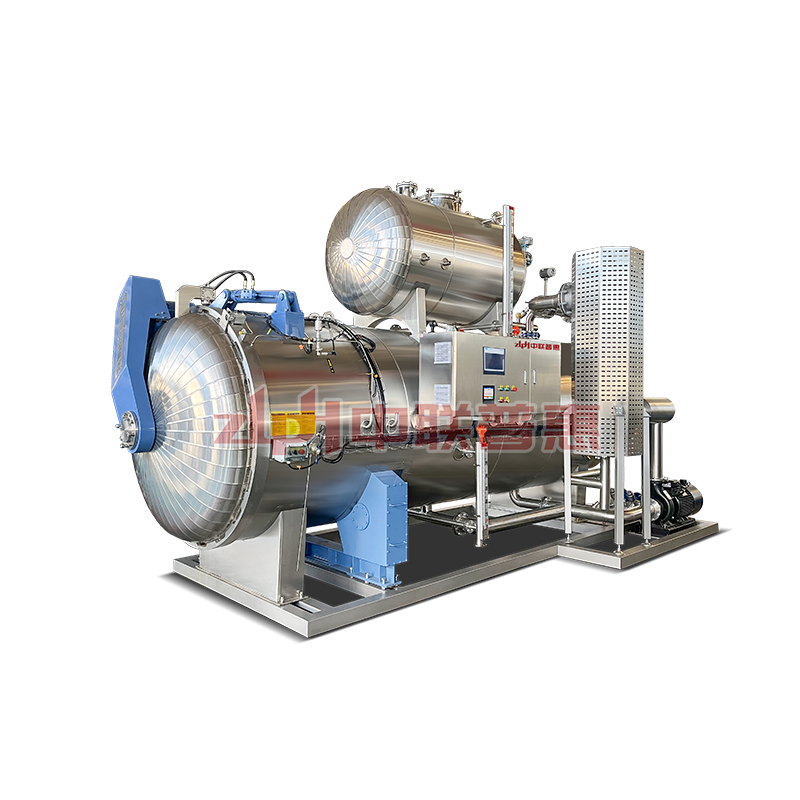
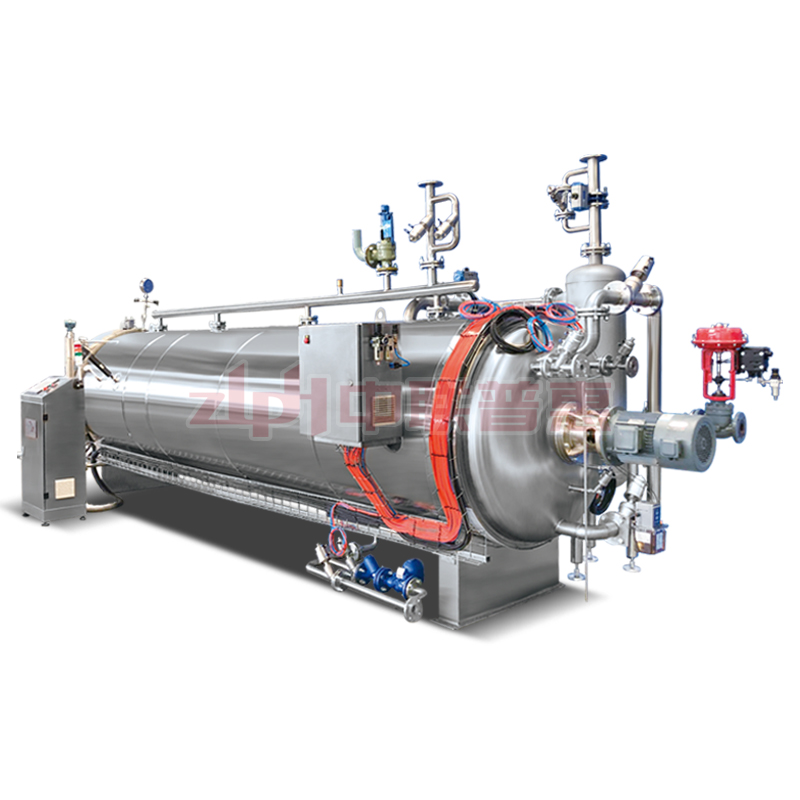
Immediate Fix: Implement ZLPH’s water spray sterilization system, which uses multi-angle nozzles to evenly distribute heated process water throughout the chamber, eliminating cold zones. Pair it with an automated tray loader/unloader to ensure precise, repeatable basket configuration.
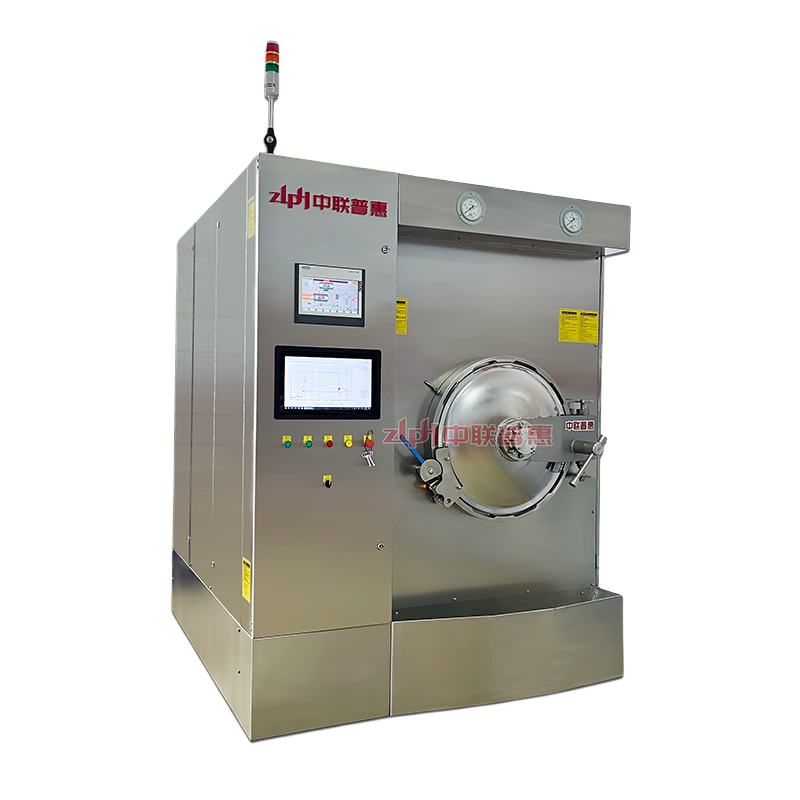
Long-Term Strategy: Integrate the intelligent control system that continuously monitors and adjusts temperature and pressure in real time, maintaining optimal F0 values across all product zones.
Process Optimization: Calibrate spray duration and rotation cycles based on product type and fill volume using ZLPH’s validated sterilization protocols.
4. Troubleshooting & Prevention Tips
Verify nozzle alignment and flow rate quarterly; use thermal mapping during validation runs to identify residual cold spots; avoid overloading trays beyond recommended capacity. Always select retorts with CE, EAC, and ASME certifications to ensure engineering integrity and regulatory alignment.
5. Verified Results
At a major seafood processor in Southeast Asia, deployment of ZLPH’s horizontal water spray retort reduced microbial survival rates to <0.1% and cut batch rejection from 8% to 0.3%, achieving full compliance with FDA and EU food safety standards within three months.
How to Reduce Downtime Caused by Manual Loading in High-Throughput Lines?
1. Scenario & Pain Point
Manual loading/unloading of heavy retort trays slows cycle times, increases labor costs, and introduces ergonomic risks—especially in 24/7 operations producing 10,000+ cans per shift.
2. Root Cause Analysis
Reliance on human labor for tray handling creates bottlenecks, inconsistent basket placement, and safety incidents, directly impacting OEE (Overall Equipment Effectiveness).
3. Step-by-Step Solution
Deploy ZLPH’s integrated retort trays loader/unloader system, which automates tray transfer between conveyors and the autoclave chamber with ±2mm positioning accuracy. This system synchronizes with the retort’s door cycle, reducing loading time by 60%.
4. Implementation Best Practices
Conduct a line-speed audit before integration; ensure floor-level alignment between conveyor and retort; train maintenance staff on quick-change gripper modules for different tray types.
5. Performance Validation
A vegetable canning plant in Eastern Europe increased throughput by 35% and eliminated loading-related injuries after installing ZLPH’s automation system, with ROI achieved in under 14 months.
Industry Best Practices for Reliable Horizontal Retort Operations
Based on 6+ years of global project execution, ZLPH recommends this 5-step framework to maximize sterilization reliability:
1. Define Worst-Case Conditions
Design your sterilization protocol for peak load density, lowest thermal conductivity product, and highest ambient temperature—not average conditions.
2. Automate Critical Interfaces
Use automated loading and intelligent controls to remove human variability from the sterilization chain.
3. Validate with Thermal Mapping
Perform 3D thermal profiling during commissioning to certify uniformity across all basket positions.
4. Maintain Certification Compliance
Ensure equipment holds ASME, CE, and EAC marks—non-negotiable for export markets.
5. Partner with Full-Service Suppliers
Choose vendors offering on-site support, spare parts inventory, and remote diagnostics—ZLPH provides 24/7 technical response with 14 dedicated after-sales engineers.
Frequently Asked Questions (FAQ)
Q: Can standard steam retorts achieve the same uniformity as water spray systems?
A: No—steam-only systems struggle with heat transfer in dense or low-acid foods. Water spray ensures direct, convective heating on every can surface, critical for consistent lethality.
Q: What certifications should I verify when sourcing a retort for EU or Russian markets?
A: Require CE (EU), EAC (Eurasian Customs Union), and ASME U2 stamp—ZLPH holds all three, plus Malaysia DOSH and Special Equipment Production License.
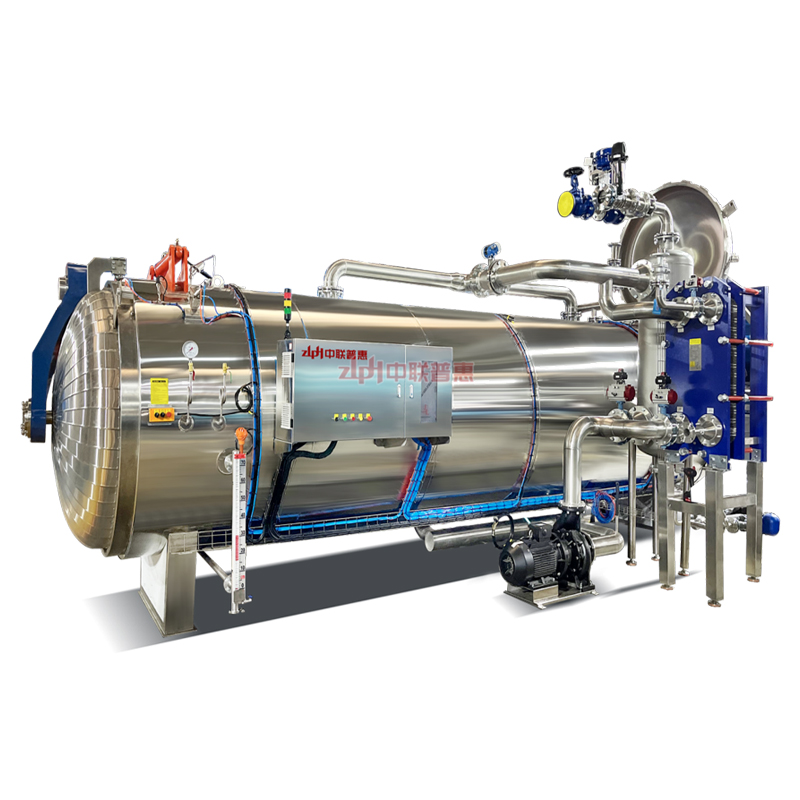
Q: How does ZLPH’s upper-door design improve operational efficiency?
A: The top-opening mechanism allows faster access, easier cleaning, and seamless integration with overhead conveyors—reducing cycle time by 15–20% compared to side-door models.
Q: Is automated loading compatible with existing production lines?
A: Yes—ZLPH’s loader/unloader is modular and adaptable to most conveyor heights and tray dimensions, with minimal retrofitting required.
About Our Expertise & Global Support
ZLPH MACHINERY TECHNOLOGY CO., LTD. is a trusted global supplier of advanced sterilization systems, founded in 2018 with a core focus on R&D and automation innovation. Our team includes 21 mechanical and PLC engineers, 4 sterilization process specialists, and 14 after-sales technicians—all with 10+ years in food machinery. We operate a 15,000 m² modern factory on a 50-acre campus, equipped with precision manufacturing tools ensuring component accuracy and system reliability. Our solutions are deployed in over 30 countries, serving clients from seafood giants to ready-meal producers, and backed by ASME, CE, EAC, and multiple AAA-level business integrity certifications.
We offer end-to-end support including:
• On-site sterilization process assessment
• Custom chamber and automation design
• Free sample testing with performance validation
• Remote monitoring setup and staff training
Contact Us
Company: ZLPH MACHINERY TECHNOLOGY CO., LTD.
Website: https://www.zlphretort.com/
Email: sales@zlphretort.com
Phone / WhatsApp: +86 15666798389 / +86 13361554016
