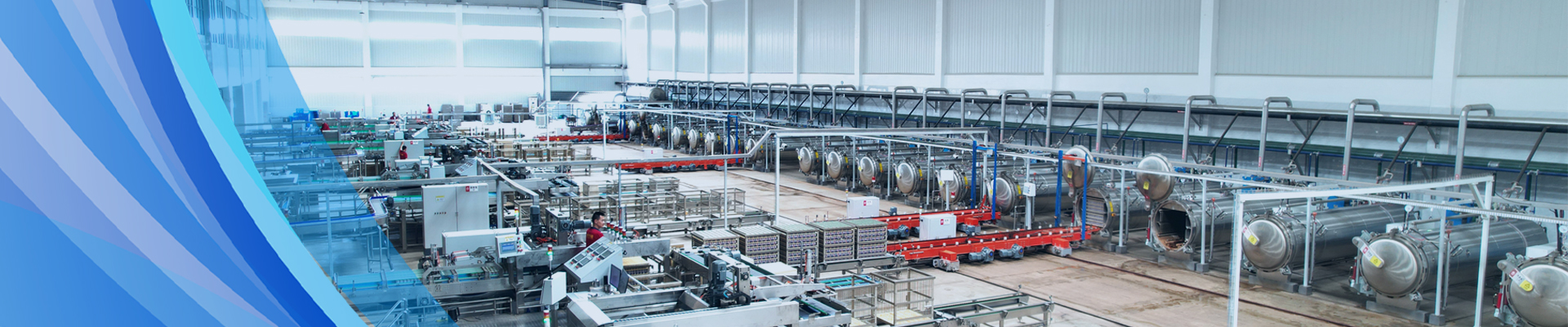

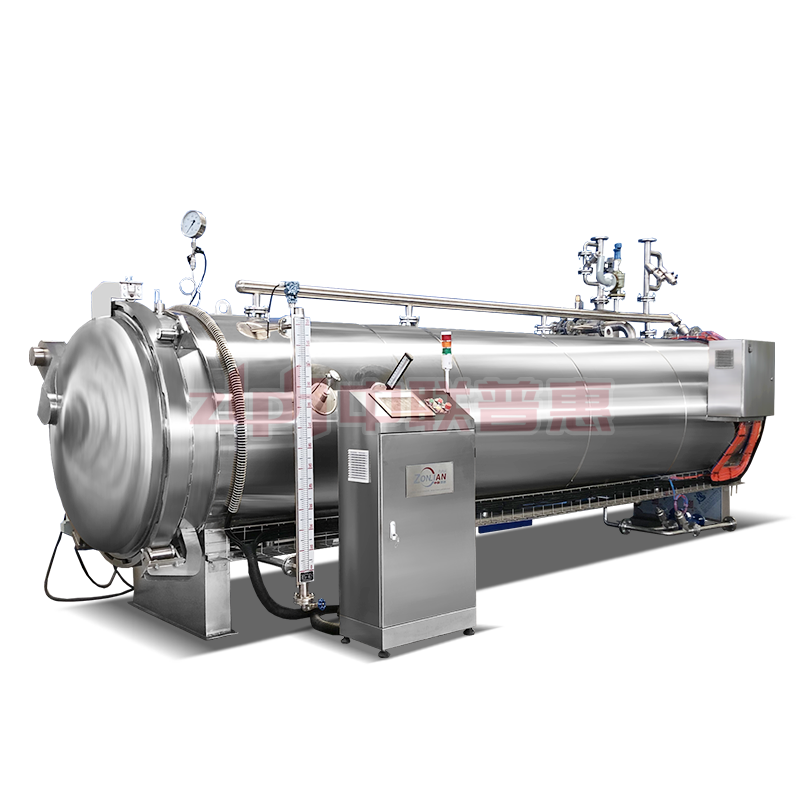
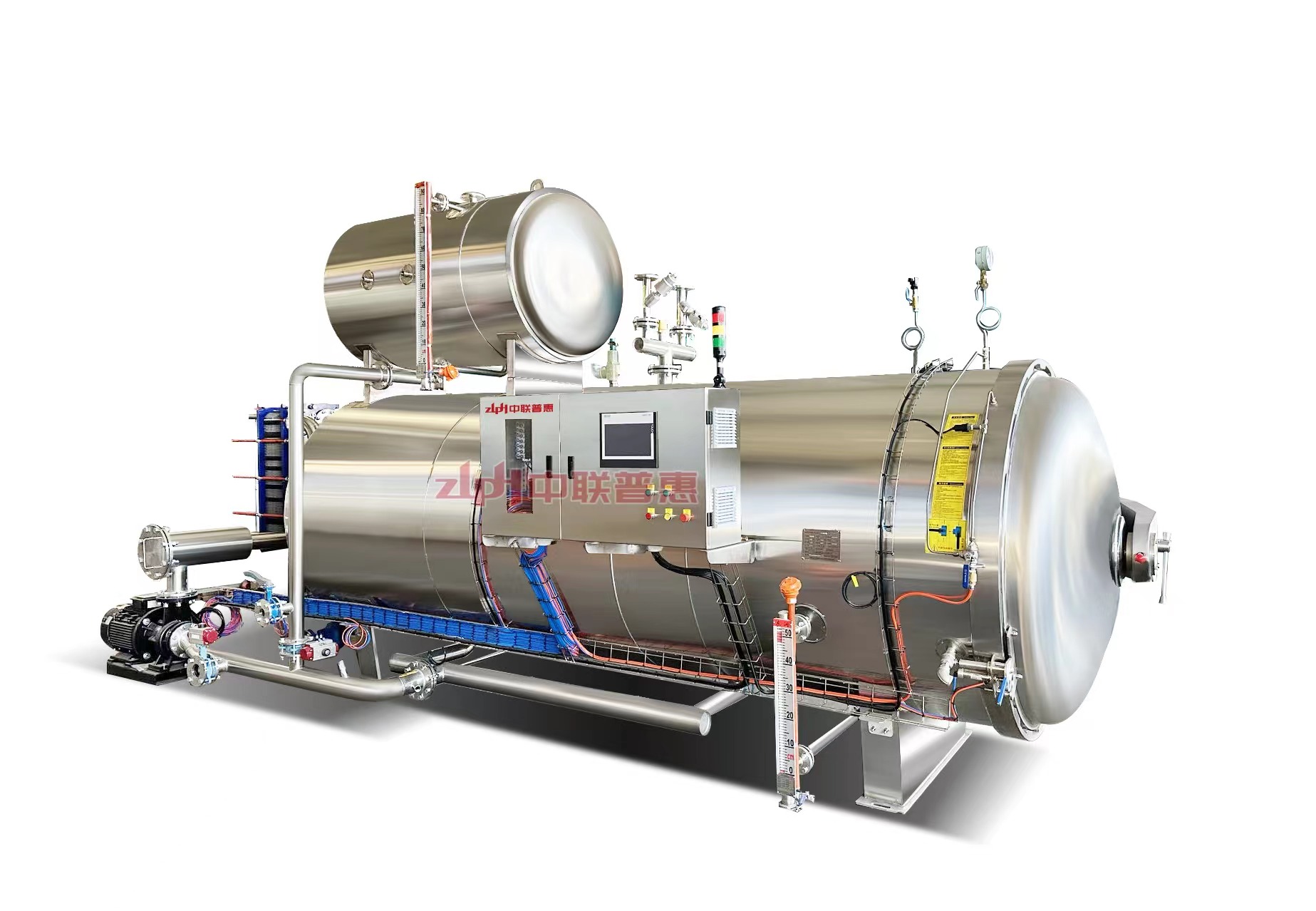
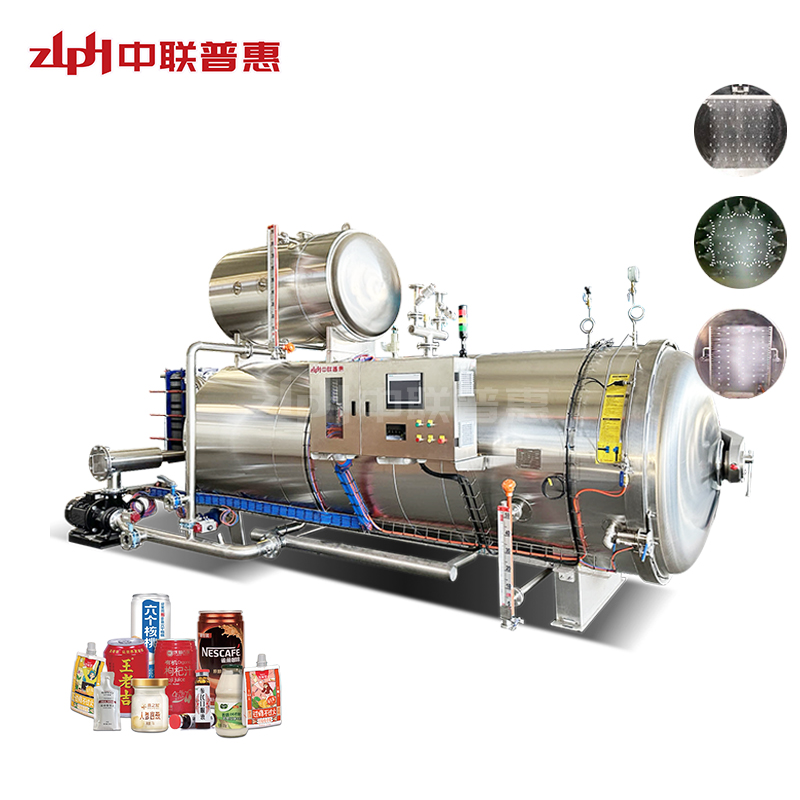
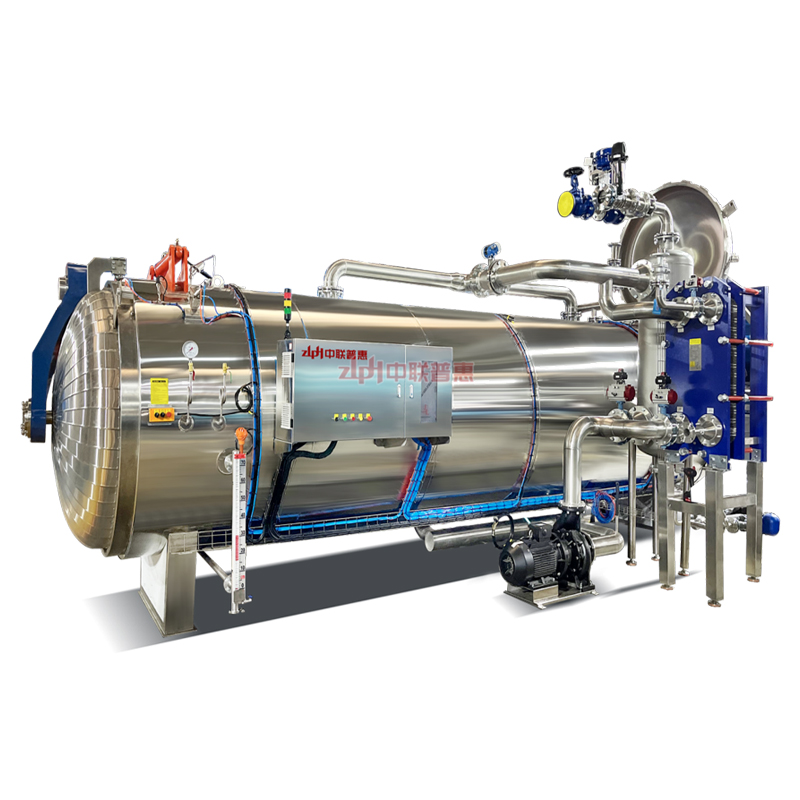
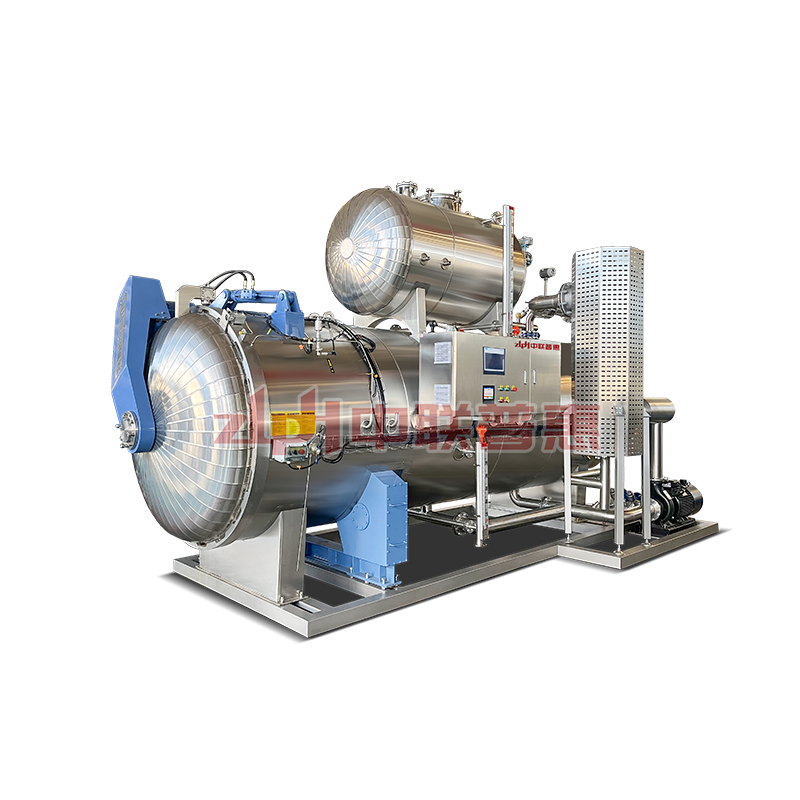
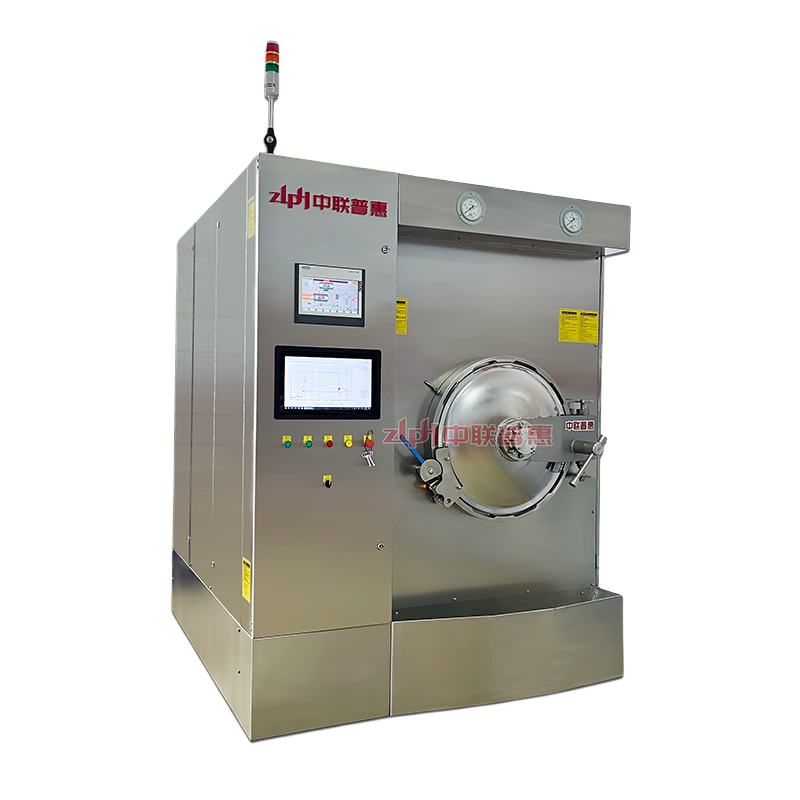
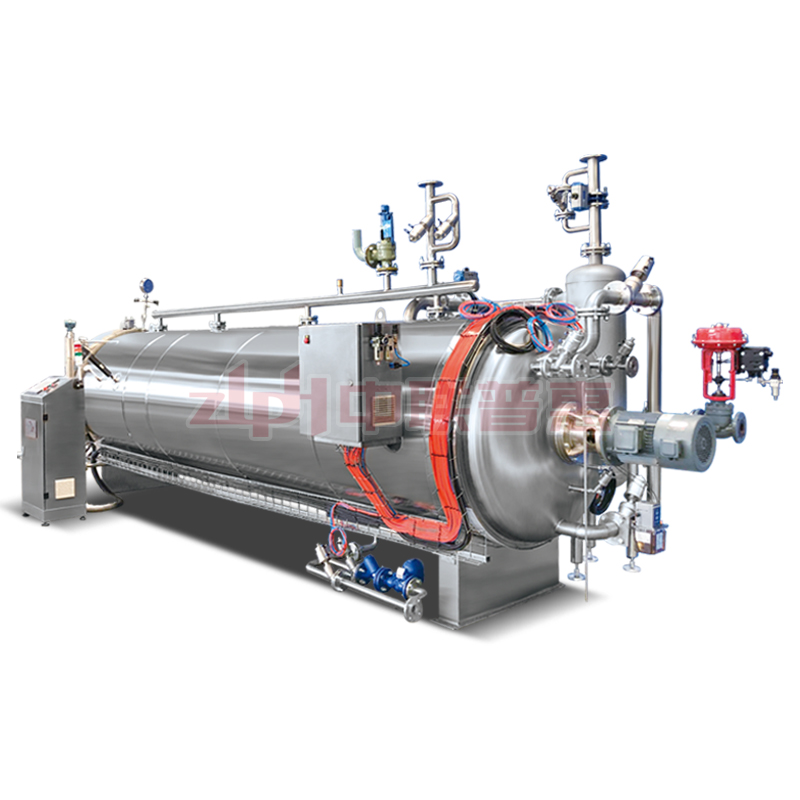
This guide is authored by a senior food processing engineer with over 10 years of field experience from ZLPH MACHINERY TECHNOLOGY CO., LTD., a leading provider of horizontal retort autoclave systems. It addresses a critical challenge faced by global food manufacturers and production engineers: inconsistent thermal processing in canned goods during large-scale sterilization. Uneven sterilization—manifesting as under-processed or overcooked products—is primarily caused by poor steam distribution, inadequate temperature control, and improper loading patterns within the retort chamber. Drawing on more than 5,000 global installations and extensive R&D validation since 2018, we present a proven, actionable framework to achieve uniform F0 values across all containers, minimize product loss, and ensure compliance with FDA and EU food safety standards. In this guide, we dissect root causes by real-world scenario, deliver tailored mitigation strategies, share practical troubleshooting protocols, and validate outcomes with field data—all designed to help you maintain consistent quality, reduce waste, and pass stringent audits with confidence.

How to Fix Cold Spots in Large-Batch Retort Processing?
1. Scenario & Pain Point
In high-volume canning facilities producing vegetables or ready-to-eat meals, operators often detect cold zones—particularly in the center or bottom layers of stacked trays—leading to failed microbial validation tests. These cold spots result in batch rejections, regulatory non-compliance, and potential recalls, costing up to $50,000 per incident in wasted product and downtime.

2. Root Cause Analysis
Three primary factors contribute: (1) insufficient steam circulation due to blocked nozzles or poor chamber design; (2) uneven product loading that restricts airflow; and (3) lack of real-time temperature mapping during the come-up and holding phases, preventing dynamic adjustment.

3. Step-by-Step Solution
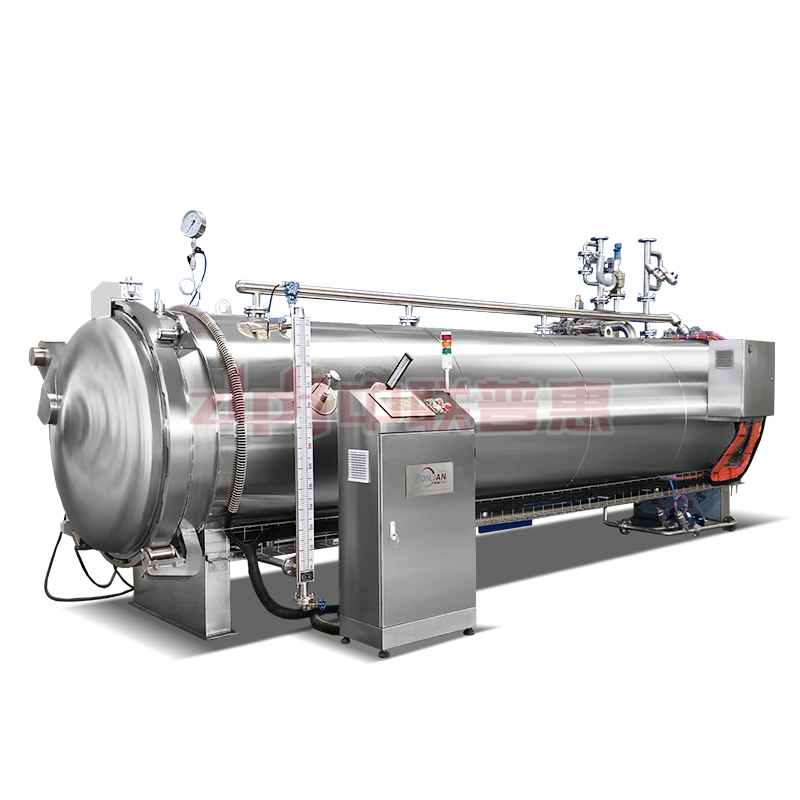
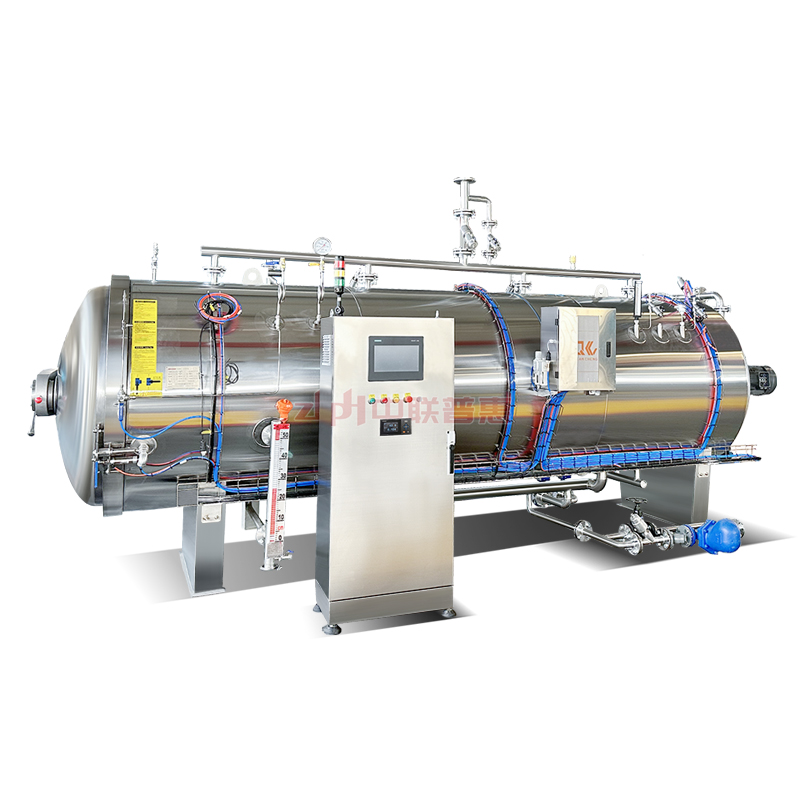
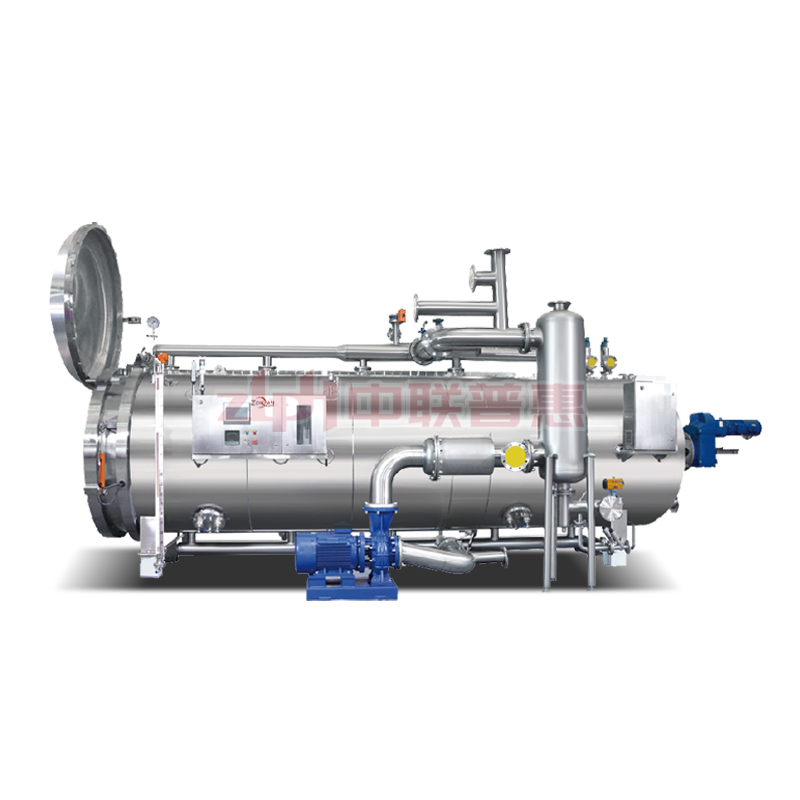
Immediate action: Reconfigure tray stacking to maintain ≥5 cm spacing between layers and avoid dense packing. Install flow-directing baffles inside the retort to guide steam toward dead zones. Long-term fix: Deploy ZLPH’s multi-zone horizontal retort with 360° tangential steam injection and dual-circulation pumps, ensuring uniform heat transfer. Integrate wireless dataloggers (e.g., Ellab TrackSense) for real-time F0 monitoring across all basket positions.

4. Troubleshooting & Prevention
Conduct quarterly thermal distribution studies using at least 12 probe points per load configuration. Verify nozzle integrity monthly. Never exceed 80% chamber fill capacity. Always validate new product formats with a full heat penetration study before commercial run.
5. Validation Results
At a Southeast Asian ready-meal plant, implementing ZLPH’s solution reduced F0 deviation from ±8 minutes to ±1.2 minutes across 1,200 cans per batch. Product rejection rates dropped by 92%, and the facility achieved zero non-conformities in its latest BRCGS audit.
How to Prevent Overcooking of Delicate Products Like Fish or Fruits?
1. Scenario & Pain Point
Manufacturers of premium canned seafood or fruit compotes struggle with texture degradation—mushy fish or collapsed fruit—due to excessive thermal exposure, even when average F0 targets are met. This compromises sensory quality and brand reputation.
2. Root Cause Analysis
Overcooking stems from slow come-up times (prolonged heating phase) and inability to rapidly cool post-sterilization, causing residual heat to continue cooking the product.
3. Step-by-Step Solution
Use ZLPH’s rapid-cooling horizontal retort with counter-flow water spray system, cutting cooling time by 40%. Optimize cycle profiles with PLC-based ramp control: achieve target temperature in ≤12 minutes, then initiate immediate water quench. For sensitive items, switch from steam-air to pure steam mode to eliminate oxidative damage.
4. Troubleshooting & Prevention
Always measure cold-point temperature—not just retort ambient—to determine true process time. Avoid using fixed-time cycles; instead, use F0-based termination. Pre-chill cooling water to 15°C in tropical climates.
5. Validation Results
A European salmon canner reported 78% improvement in texture retention (measured by Warner-Bratzler shear force) after adopting ZLPH’s rapid-cool retort, with zero customer complaints over 18 months.
Industry Best Practices for Reliable Retort Operations
Based on 6+ years of global project execution, ZLPH recommends this 5-step framework:
- Map Your Worst-Case Scenario: Validate thermal performance under peak summer ambient conditions and maximum load density.
- Standardize Loading Patterns: Use color-coded trays and digital SOPs to eliminate operator variability.
- Implement Real-Time Monitoring: Deploy IoT-enabled sensors feeding data to cloud dashboards for remote oversight.
- Maintain Proactively: Clean steam filters weekly; calibrate temperature sensors monthly per ISO 17025.
- Partner with Experts: Choose suppliers with in-house sterilization process engineers—not just equipment vendors.
Best-in-class facilities follow “design for worst-case” principles: if your retort works flawlessly at 40°C ambient with full load, it will excel year-round.
Frequently Asked Questions (FAQ)
Q: Can I use a vertical retort for low-acid canned foods requiring strict F0 control?
A: Vertical retorts often suffer from stratification; horizontal models with forced circulation are strongly recommended for uniform lethality in low-acid products (pH > 4.6).
Q: How often should I perform thermal validation?
A: Annually for stable processes, but immediately after any change in container size, product viscosity, or loading pattern.
Q: Do ZLPH retorts support integration with factory MES systems?
A: Yes—our PLC systems offer Modbus TCP, OPC UA, and Ethernet/IP protocols for seamless data exchange with SAP, Wonderware, or custom platforms.
Q: What certifications do your retorts carry for EU and US markets?
A: All units comply with CE (PED 2014/68/EU), ASME BPVC Section VIII, and FDA 21 CFR Part 113, with full documentation provided.
Q: Can your system handle mixed-product batches?
A: Only with advanced F0 zoning—ZLPH’s SmartBatch™ software allows independent control per tray zone, enabling safe mixed runs.
Our Expertise & Support Commitment
ZLPH MACHINERY TECHNOLOGY CO., LTD. is a globally recognized innovator in sterilization technology since 2018. Our team includes 21 mechanical designers, 4 dedicated sterilization process researchers, and 14 field service engineers—all with 10+ years in thermal processing. We hold multiple patents in steam circulation and rapid-cooling systems, and our solutions operate in 30+ countries across North America, Europe, and ASEAN. Trusted by multinational food brands, we combine deep process knowledge with robust engineering to solve your toughest sterilization challenges.
We offer customized support including: (1) free thermal process assessment, (2) on-site loading pattern optimization, (3) F0 validation protocol development, and (4) 72-hour emergency response anywhere globally. Contact us for a no-obligation consultation.
Contact Information
Company: ZLPH MACHINERY TECHNOLOGY CO., LTD.
Website: https://www.zlphretort.com/
Email: sales@zlphretort.com
Phone / WhatsApp: +86 15666798389 / +86 13361554016
