

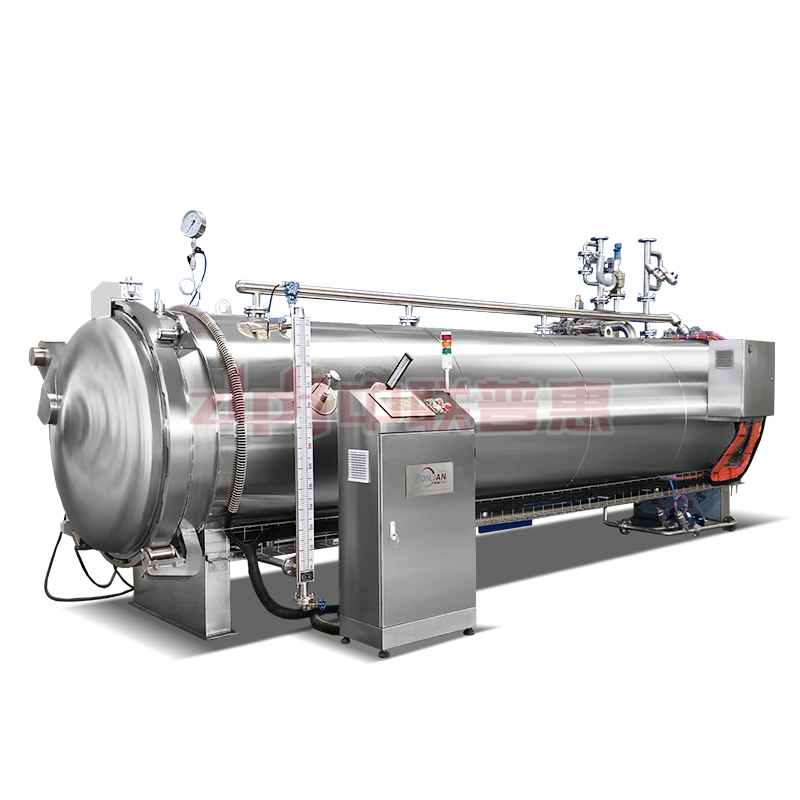
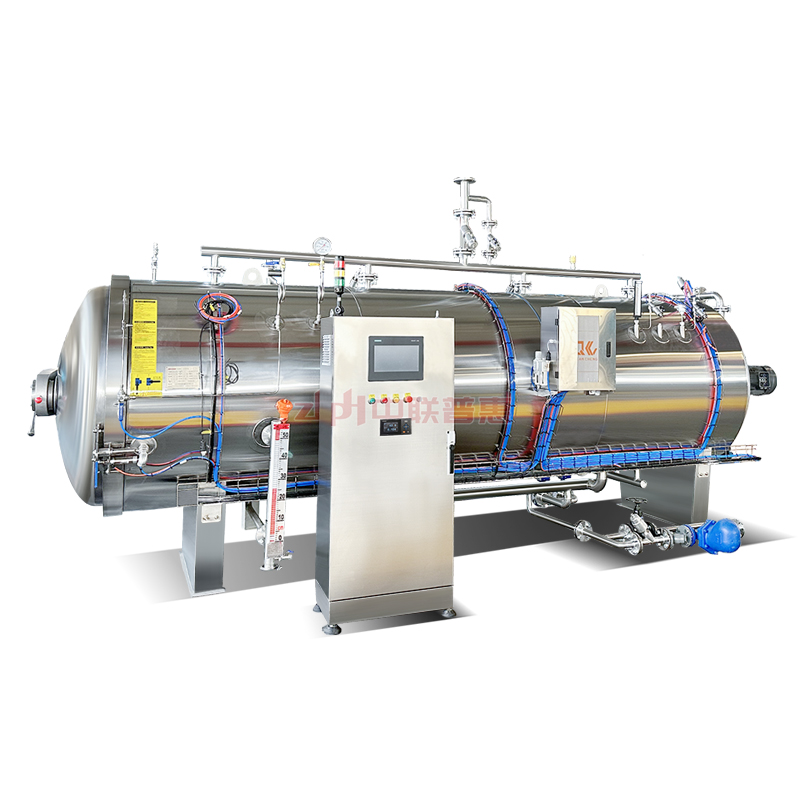
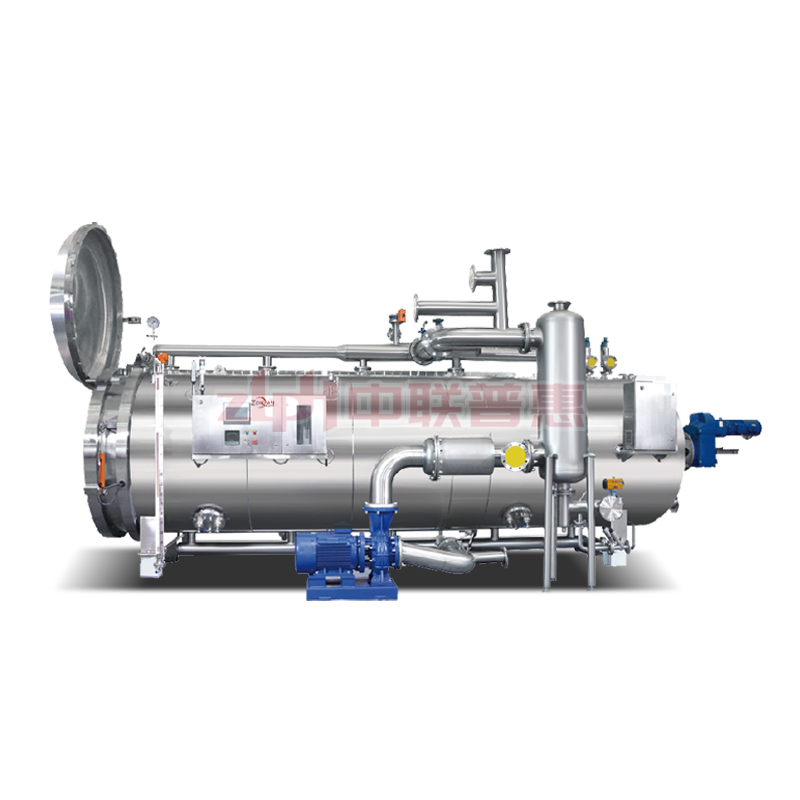
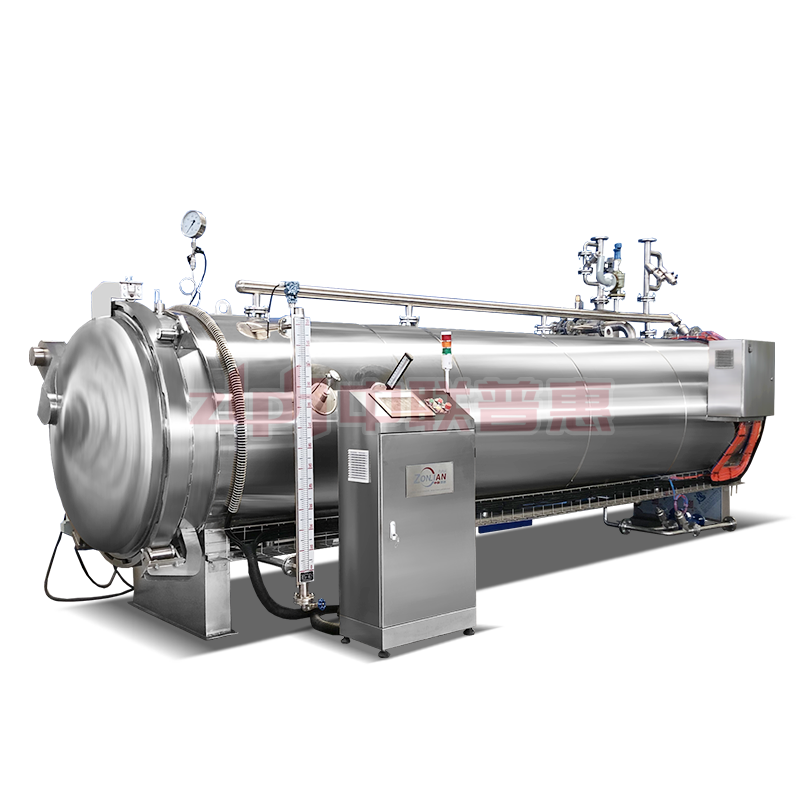
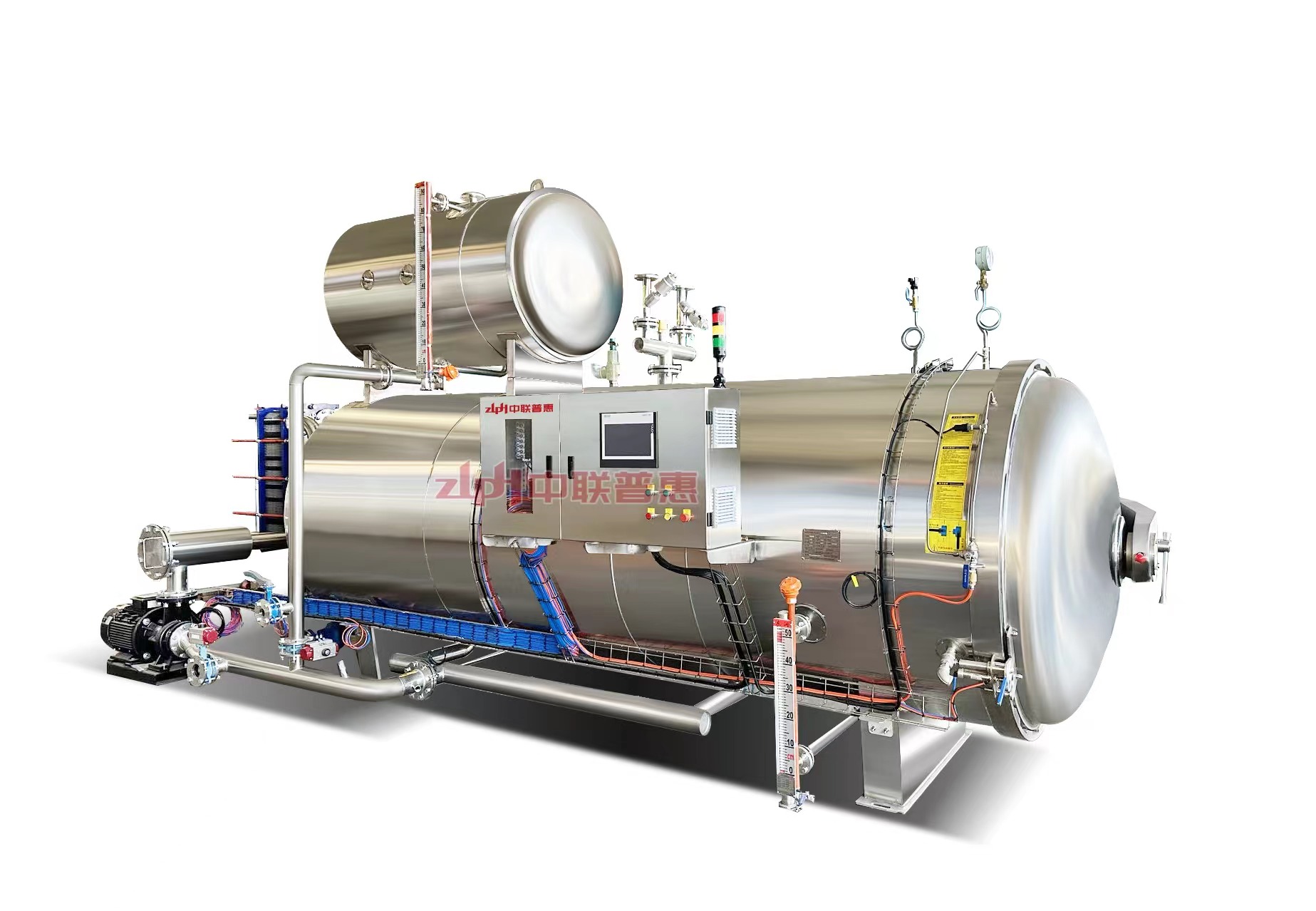
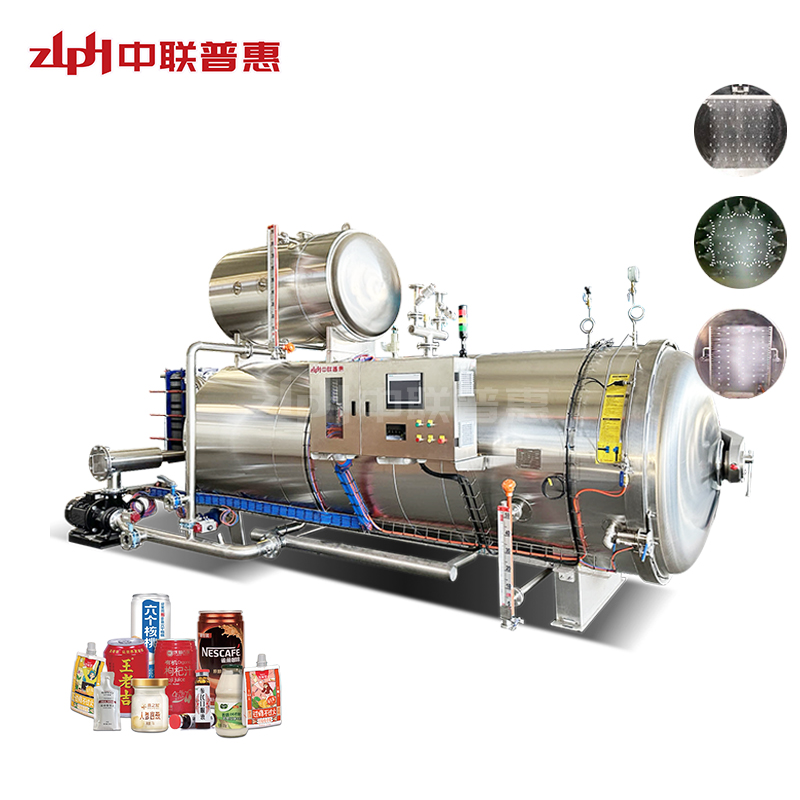
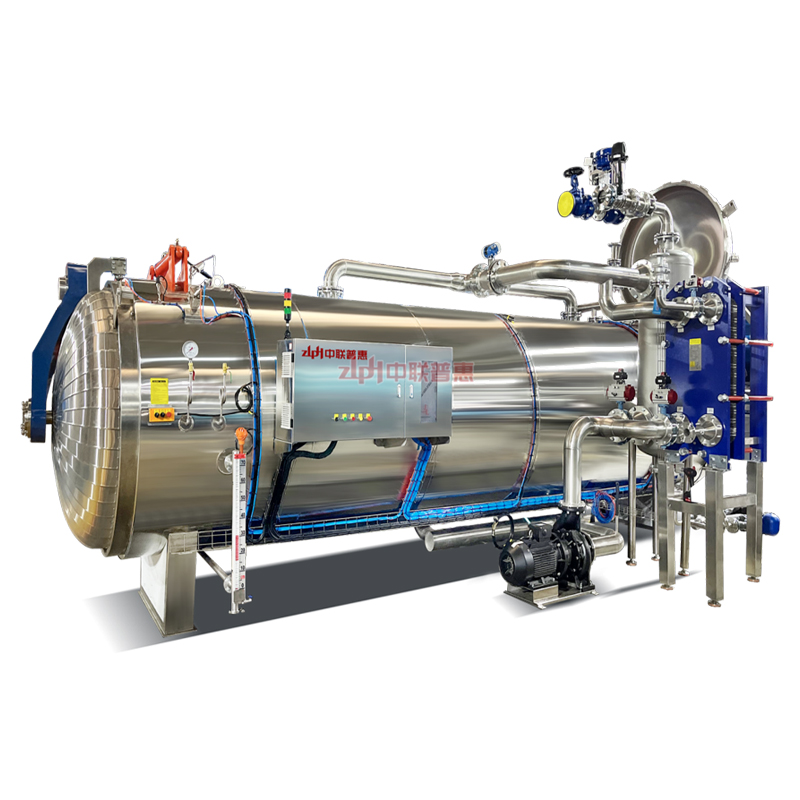
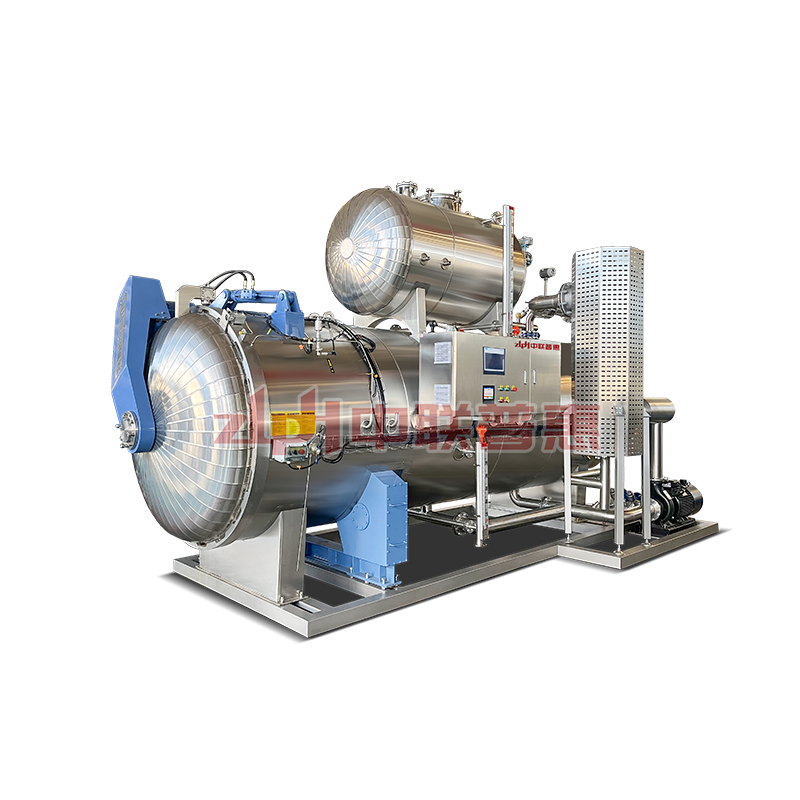
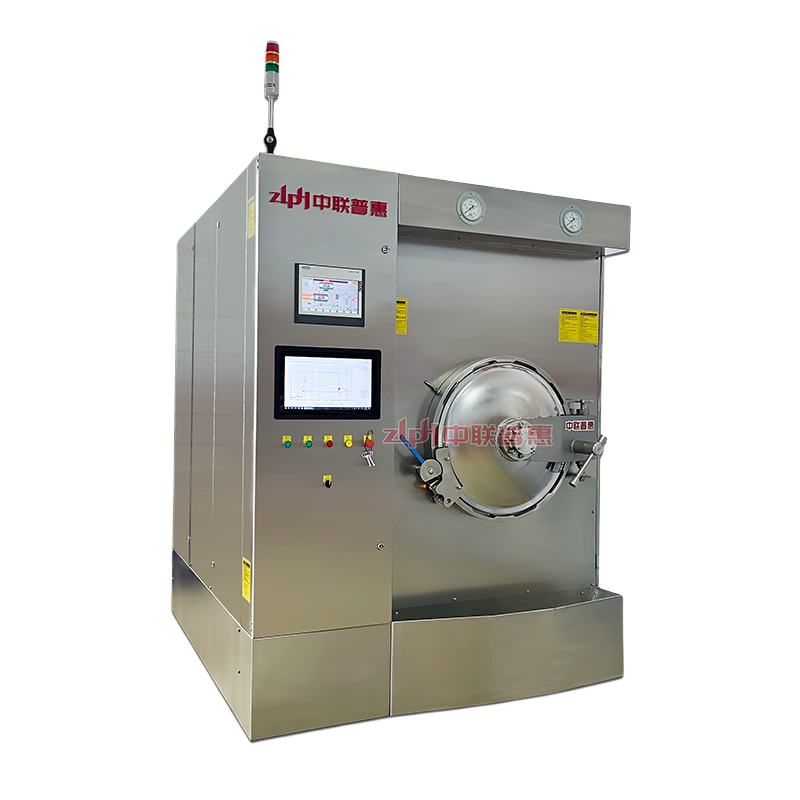
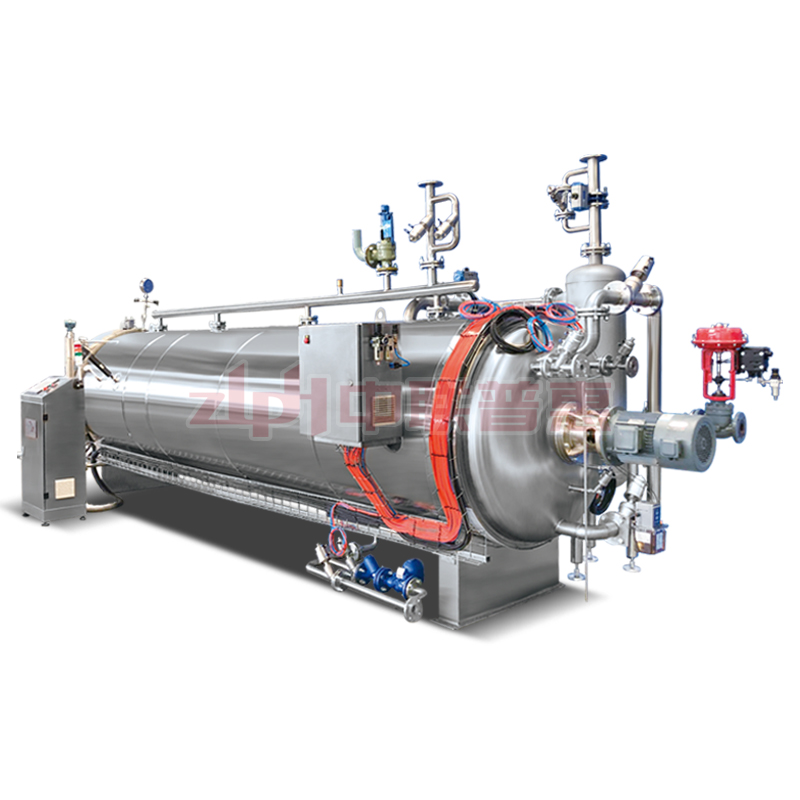
This guide is authored by a senior food processing engineer with over 10 years of industry experience from ZLPH MACHINERY TECHNOLOGY CO., LTD., a leading provider of industrial sterilization solutions. It addresses a critical challenge faced by global food manufacturers and production engineers: inconsistent thermal sterilization in canned food lines using horizontal retort autoclaves. This issue—manifesting as under-processing or overcooking—stems primarily from uneven steam distribution, inaccurate temperature control, and inadequate process validation. Drawing on more than 5,000 global installations and rigorous field testing, we present a proven, step-by-step methodology to achieve uniform F0 values, ensure food safety compliance, and minimize product waste. In this guide, we dissect root causes across common production scenarios, deliver actionable fixes, share real-world validation data, and outline best practices for reliable, scalable sterilization operations.

How to Achieve Uniform Heat Distribution in Large-Batch Horizontal Retort Autoclaves?
1. Scenario & Pain Point
In high-volume canning facilities producing vegetables, meats, or ready-to-eat meals, operators often observe inconsistent sterilization outcomes within the same batch—some cans show microbial survival while others suffer texture degradation. This inconsistency leads to product recalls, yield loss, and failed audits under FDA or EU food safety standards.

2. Root Cause Analysis
Three primary factors contribute to non-uniform heat distribution: (1) poor rack loading patterns that block steam circulation; (2) absence of forced convection systems in static retorts; and (3) inadequate venting during the come-up phase, causing cold spots in the chamber corners.

3. Step-by-Step Solution
Immediate Adjustments: Reconfigure basket loading to maintain ≥5 cm spacing between cans and chamber walls; implement staggered stacking to avoid direct alignment of can lids. Engineering Upgrade: Install ZLPH’s patented rotary fan-assisted circulation system, which creates turbulent steam flow to eliminate dead zones. Process Optimization: Integrate multi-point temperature mapping during validation runs to identify and compensate for thermal gradients via programmable PLC logic.

4. Troubleshooting & Prevention
Conduct weekly thermal mapping using wireless dataloggers placed at 9 strategic locations (top/middle/bottom, front/center/back). Avoid overloading beyond 85% chamber capacity. Always perform a full air purge cycle before heating begins. For new product lines, run a dummy batch with thermal indicators before commercial production.
5. Validation Results
At a Southeast Asian meat processor using ZLPH’s 3.6m³ horizontal retort with forced circulation, F0 deviation across 1,200 cans per batch was reduced from ±8.2 minutes to ±0.9 minutes. Microbial failure rates dropped to zero over 18 months, and energy consumption decreased by 12% due to shorter cycle times.
How to Maintain Precise Temperature Control During Steam Sterilization Cycles?
1. Scenario & Pain Point
Food engineers report temperature overshoots (>125°C) during sterilization of low-acid foods, causing container deformation and nutrient loss, while undershoots (<116°C) risk Clostridium botulinum survival—especially during monsoon seasons with fluctuating steam pressure.
2. Root Cause Analysis
Legacy retorts rely on manual steam valves and single-point sensors, lacking real-time feedback. Steam supply instability from boiler fluctuations and delayed PID response in basic controllers exacerbate control lag.
3. Step-by-Step Solution
Deploy ZLPH’s dual-loop control system featuring redundant PT100 sensors and predictive algorithm-based steam modulation. The system auto-adjusts valve opening based on real-time chamber dynamics and historical cycle data. Calibrate sensors quarterly against NIST-traceable standards.
4. Troubleshooting & Prevention
Monitor steam header pressure upstream of the retort; install a buffer tank if pressure varies >±0.5 bar. Never bypass the automatic venting sequence. Use only distilled or softened water in steam generators to prevent scale buildup on sensor probes.
5. Validation Results
A European baby food manufacturer achieved ±0.5°C stability throughout 90-minute cycles after retrofitting ZLPH’s control module. Product consistency improved by 37% in sensory evaluations, and regulatory audit pass rates reached 100% for three consecutive years.
Industry Best Practices for Reliable Retort Operations
Based on 6+ years of global project deployment, ZLPH recommends this 5-step framework to resolve 90% of sterilization inconsistencies:
1. Define Operating Envelope: Document max/min ambient temp, steam quality, product fill ratio, and container type.
2. Eliminate Mechanical Variables: Inspect door seals, verify rack alignment, clean condensate traps monthly.
3. Validate Thermally: Perform heat distribution and heat penetration studies per ASTM F2837.
4. Automate Control Logic: Replace manual timers with recipe-driven PLC systems with audit trails.
5. Implement Preventive Maintenance: Schedule quarterly calibration, gasket replacement, and safety valve testing.
Key Principles: Always design for worst-case conditions (e.g., summer peak load). Standardize SOPs across shifts. Partner with suppliers offering ISO 13485-certified support and remote diagnostics.
Frequently Asked Questions (FAQ)
Q: Can I use a standard horizontal retort for both glass jars and metal cans?
A: Only if the retort supports programmable pressure ramping. Glass requires counter-pressure control during cooling to prevent breakage—ZLPH models include this as standard.
Q: What’s the minimum F0 value required for low-acid canned foods?
A: FDA mandates F0 ≥ 2.52 for Clostridium botulinum destruction, but most commercial processes target F0 = 3–6 for safety margin.
Q: How often should I validate my retort’s thermal performance?
A: Annually for stable processes; after any major maintenance, recipe change, or container modification.
Q: Do ZLPH retorts comply with CE and ASME standards?
A: Yes—all pressure vessels are certified to PED 2014/68/EU, ASME Section VIII Div. 1, and ISO 9001 quality management.
Q: Can your system integrate with existing MES or SCADA platforms?
A: Fully compatible via Modbus TCP, Profinet, or OPC UA protocols for real-time OEE tracking and batch reporting.
Our Expertise & Support Commitment
ZLPH MACHINERY TECHNOLOGY CO., LTD. is a trusted global manufacturer of horizontal retort autoclaves since 2018. Our team includes 21 mechanical designers, 4 sterilization process researchers, and 14 field service engineers—all with 10+ years in thermal processing. We operate a 15,000 m² smart factory equipped with CNC machining centers and automated welding lines, ensuring micron-level component precision. Over 500 ZLPH retorts are deployed across 40+ countries, serving leaders in meat, seafood, and plant-based food sectors. We hold multiple utility model patents for steam circulation and pressure control systems, and every unit undergoes 72-hour stress testing before shipment.
Custom Solution Services:
• On-site thermal process validation & F0 modeling
• Retrofit kits for legacy retort automation
• Free sample sterilization trials at our demo center
• 24/7 remote troubleshooting via IoT-enabled units
Contact Information
Company: ZLPH MACHINERY TECHNOLOGY CO., LTD.
Website: https://www.zlphretort.com/
Email: sales@zlphretort.com
Phone / WhatsApp: +86 15666798389 / +86 13361554016
