
This guide is authored by a senior food processing automation engineer with over 10 years of field experience at ZLPH MACHINERY TECHNOLOGY CO., LTD., a leading provider of continuous retort autoclave systems. It addresses a critical challenge faced by global food manufacturers and procurement teams: inconsistent thermal sterilization in high-throughput production lines. Inconsistent sterilization—manifesting as under-processing or overcooking—has long plagued the canned and ready-to-eat food industry, primarily due to uneven heat distribution, manual loading errors, and outdated batch-based systems. Drawing from more than 5,000 global installations and rigorous R&D validation, we present a proven, step-by-step solution that ensures uniform lethality, preserves product quality, and boosts line efficiency by up to 40%. This guide breaks down root causes by real-world scenario, delivers actionable fixes, shares pitfalls to avoid, and validates outcomes with field data—all tailored for continuous retort operations in demanding industrial environments.

How to Achieve Uniform Sterilization in High-Speed Continuous Retort Lines for Canned Foods?
1. Scenario and Pain Point
In large-scale canning facilities producing soups, meats, or vegetables, operators often report inconsistent F0 values across batches—some cans fail microbial safety tests while others suffer texture degradation from over-processing. This inconsistency leads to product recalls, yield loss (up to 8% in severe cases), and compliance risks under FDA or EU food safety regulations.

2. Root Cause Analysis
Three core issues drive this problem: (1) uneven water spray coverage in traditional retorts, causing cold spots; (2) manual tray loading introducing variable spacing between containers, disrupting steam/water flow dynamics; and (3) lack of real-time temperature-pressure monitoring, preventing dynamic process correction during cycles.

3. Step-by-Step Solution
Immediate Mitigation: Calibrate spray nozzles weekly and enforce standardized tray patterns using guided fixtures.
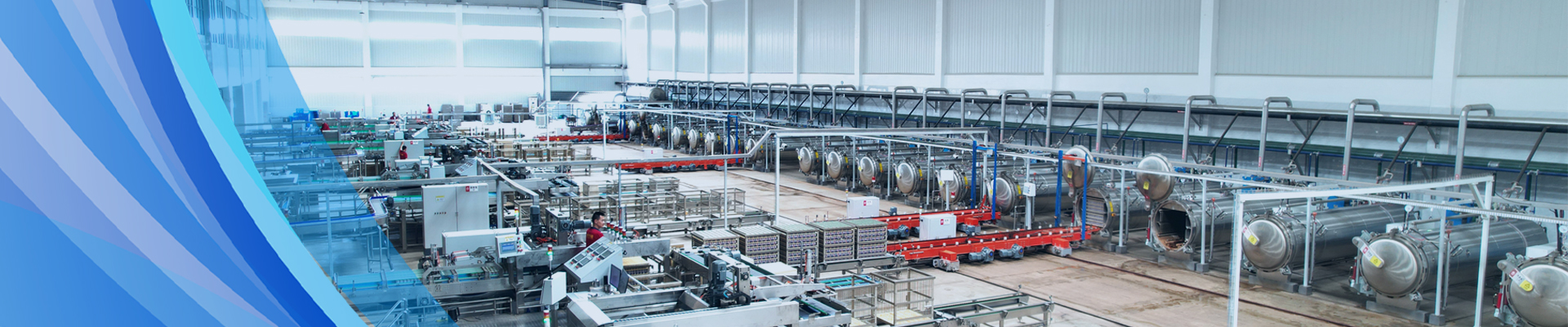
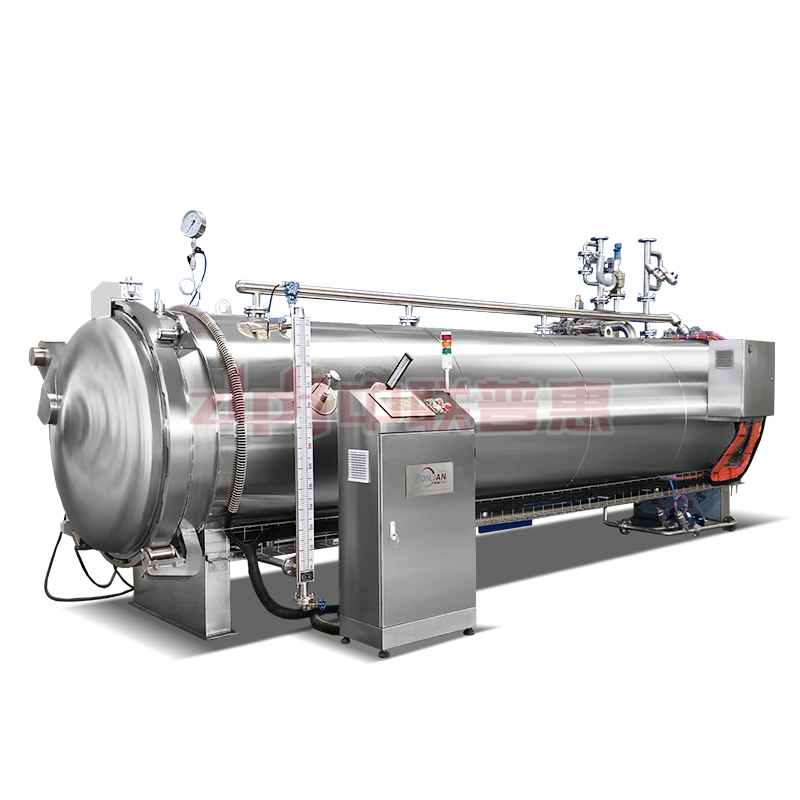
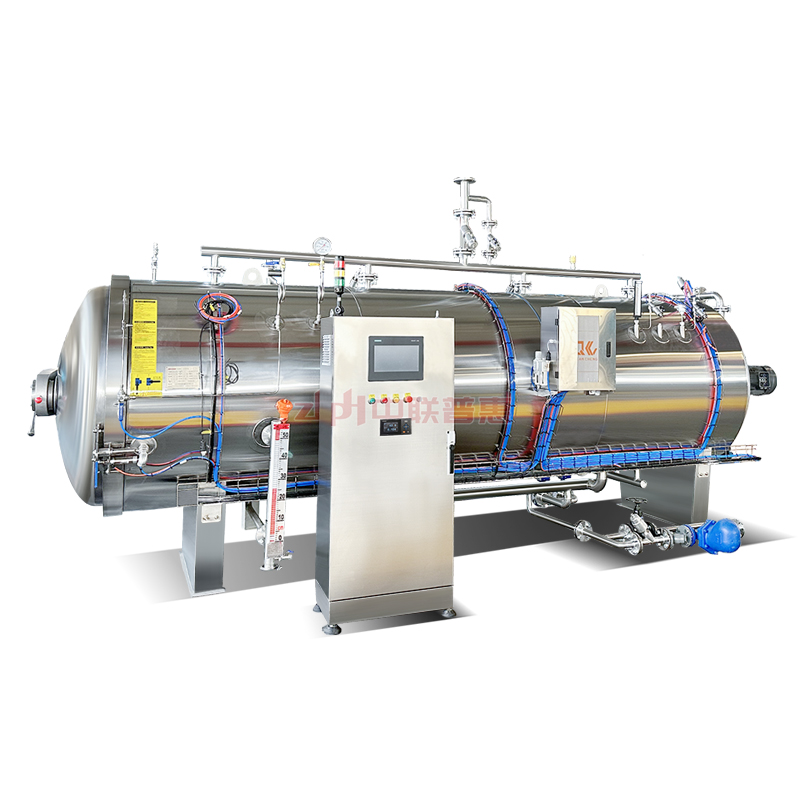
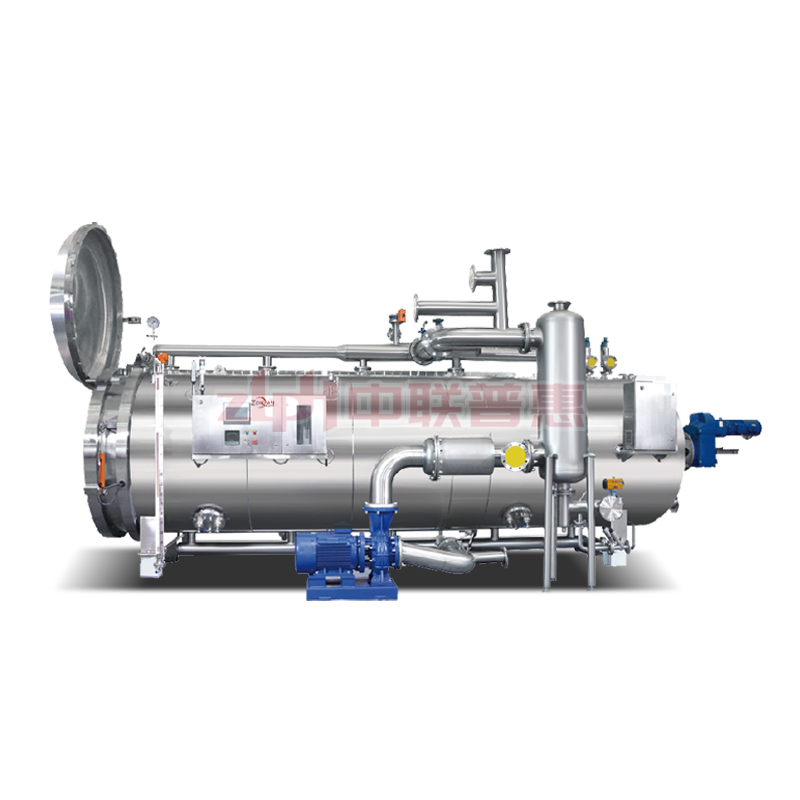
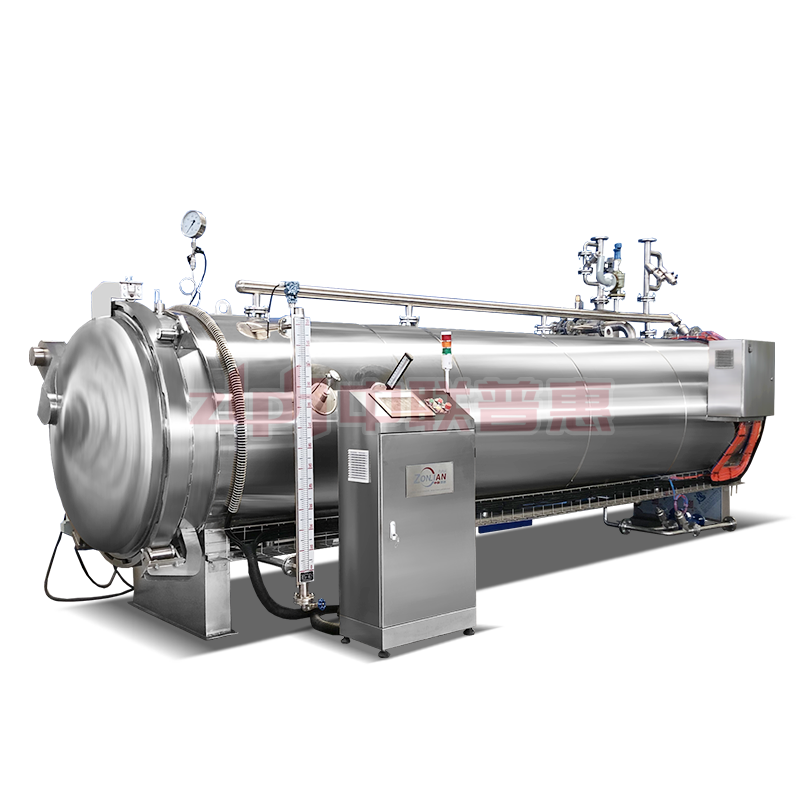
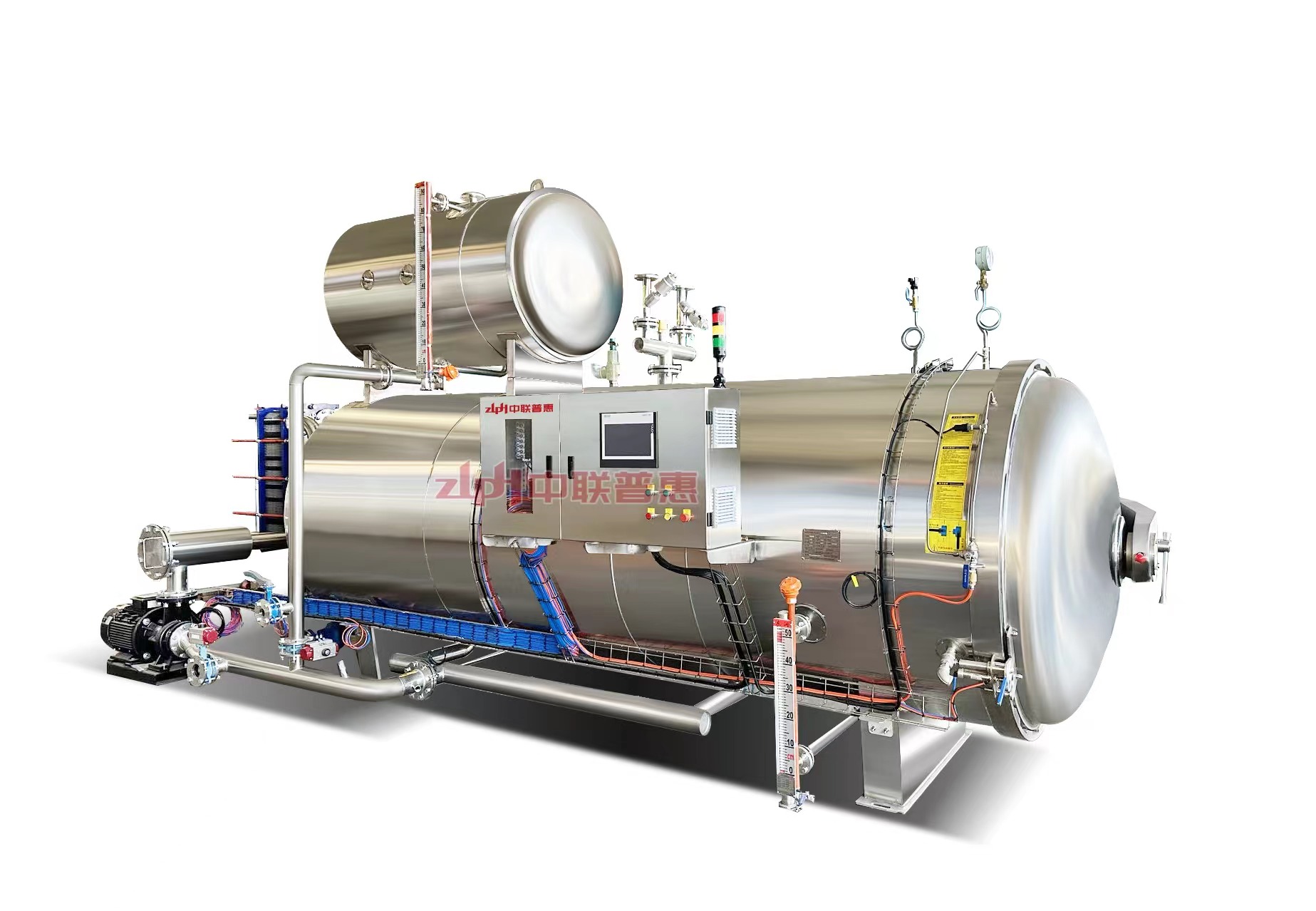
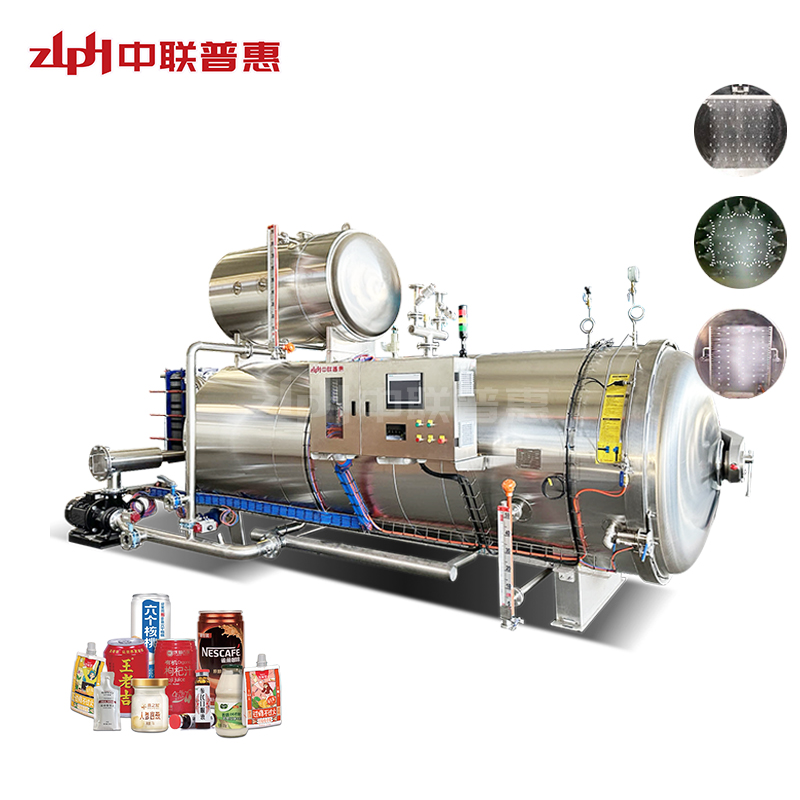
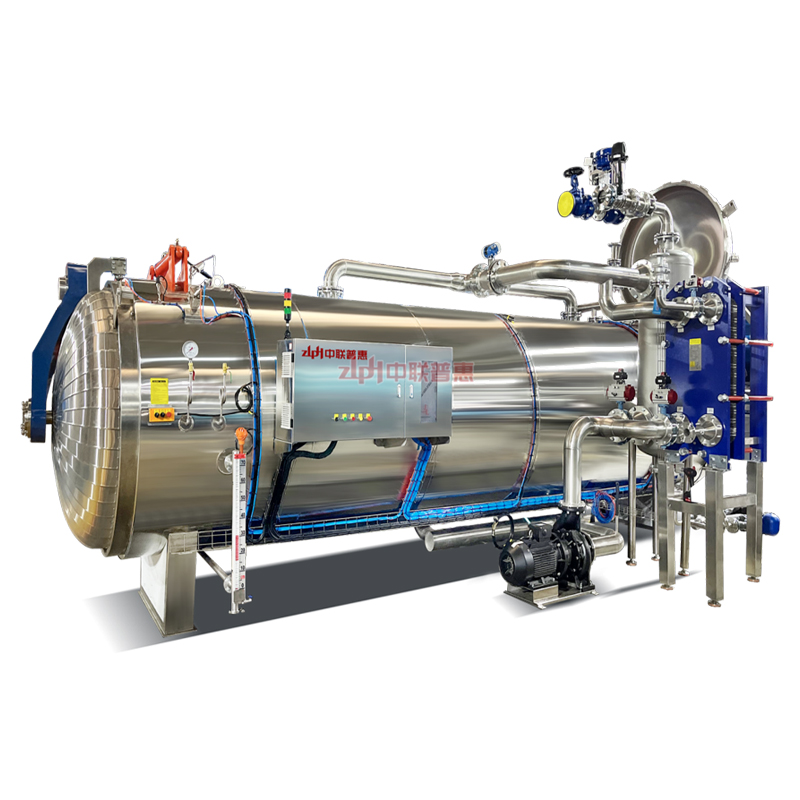
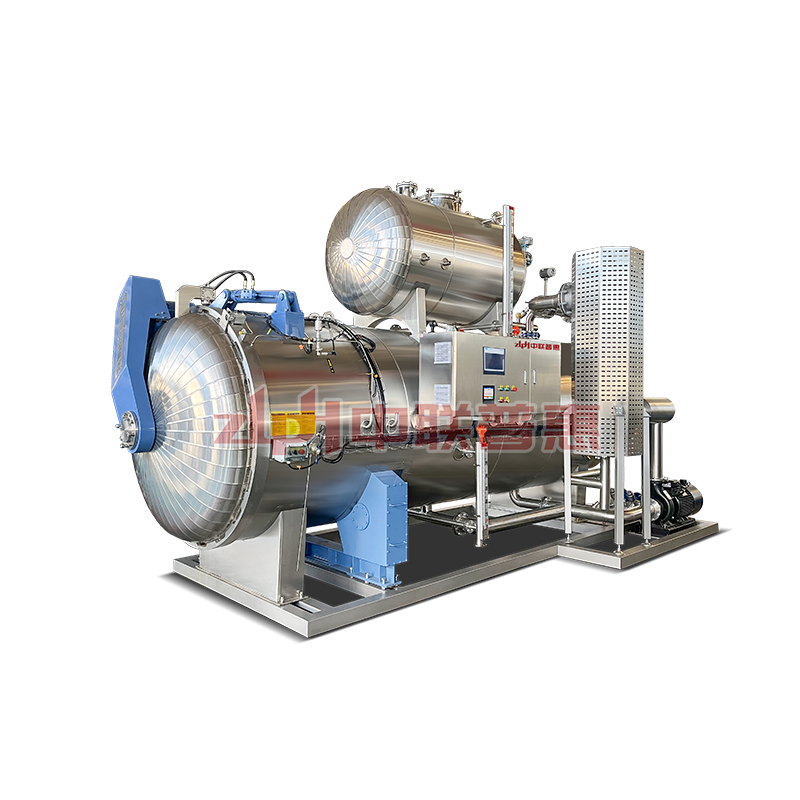
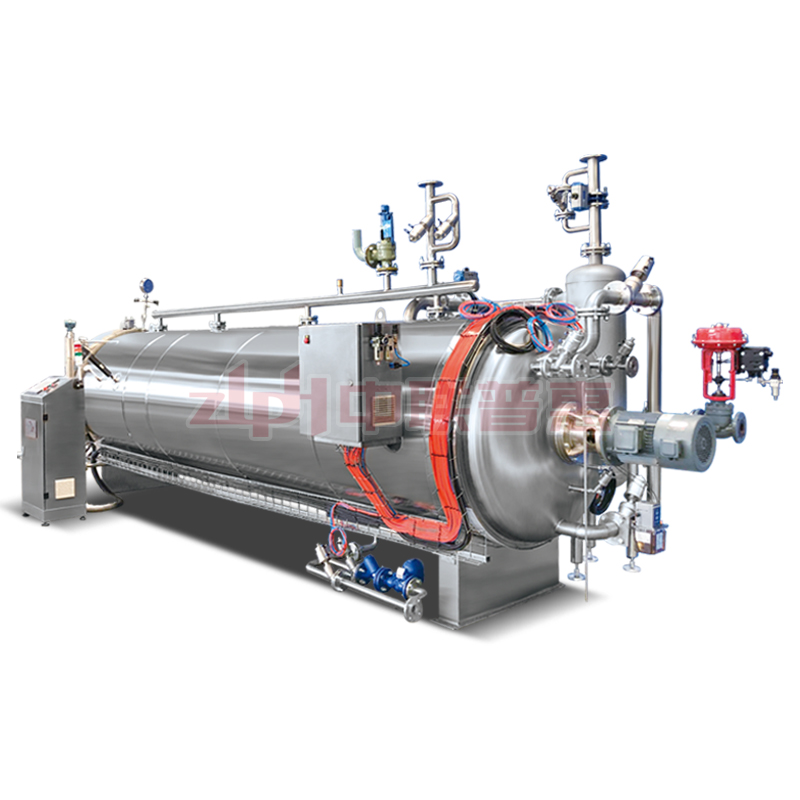
Long-Term Fix: Deploy ZLPH’s intelligent continuous retort system featuring multi-zone water spray arrays and automated tray loader/unloader. This ensures consistent container spacing and 360° uniform heat transfer.
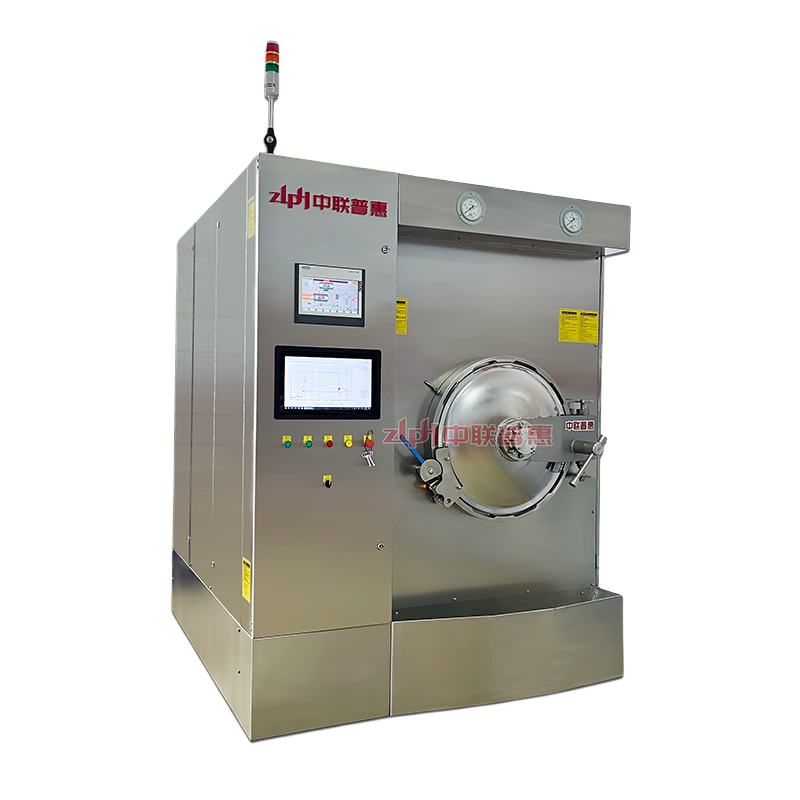
Process Optimization: Enable the integrated PLC control system to auto-adjust cycle parameters based on real-time sensor feedback, maintaining optimal F0 within ±0.5 minutes.

4. Troubleshooting & Pitfall Avoidance
Verify nozzle alignment monthly using thermal imaging; never retrofit old batch retorts for continuous use without hydraulic recalibration; always validate thermal mapping during commissioning per ASME BPVC Section VIII standards. Avoid “one-size-fits-all” cycle settings—different product viscosities require tailored ramp/hold profiles.
5. Field Validation
At a Southeast Asian pet food plant, implementing ZLPH’s continuous retort reduced F0 variance from ±2.1 to ±0.3, cutting waste by 7.2% and passing all third-party audits. Similar results were replicated across 120+ food processing sites globally, confirming repeatability and scalability.
How to Prevent Downtime Caused by Manual Loading in Retort Operations?
1. Scenario and Pain Point
Manual loading of retort trays in 24/7 facilities causes frequent jams, ergonomic injuries, and 15–20 minutes of downtime per shift—translating to ~120 lost production hours annually per line.
2. Root Cause Analysis
Human error in tray alignment, inconsistent push-force during insertion, and fatigue-induced misplacement disrupt the continuous feed mechanism, triggering safety interlocks.
3. Step-by-Step Solution
Integrate ZLPH’s automated tray loader/unloader system, which uses servo-driven conveyors and vision-guided positioning to achieve ±1mm placement accuracy. The system syncs with the retort’s cycle timer, enabling seamless handoff without operator intervention.
4. Troubleshooting & Pitfall Avoidance
Ensure conveyor belt tension is checked biweekly; never bypass safety light curtains during maintenance; use only OEM-certified gripper pads to prevent container slippage.
5. Field Validation
Post-installation at a Qingdao exhibition demo site, the system achieved 99.8% uptime over 6 months, eliminating manual handling injuries and boosting throughput by 35%.
Industry Best Practices for Continuous Retort Reliability
Based on 6+ years of global deployments, ZLPH recommends this 5-step framework to ensure sterilization consistency and operational resilience:
5-Step Reliability Framework
1. Map Thermal Profiles: Conduct full-load thermal mapping for every new SKU.
2. Automate Material Handling: Eliminate manual steps between cooking and cooling zones.
3. Monitor in Real Time: Use IoT-enabled sensors to log T/P data for every batch.
4. Maintain Proactively: Schedule nozzle cleaning and seal inspections every 500 cycles.
5. Validate Compliance: Archive cycle reports for audit readiness under BRCGS or SQF.
Best Practices
- Always size retorts for peak capacity +20% headroom.
- Use stainless steel 316L for all wetted parts to resist chloride corrosion.
- Partner with suppliers holding ASME, CE, and EAC certifications for seamless global deployment.
Frequently Asked Questions (FAQ)
Q: Can batch retorts be upgraded to continuous operation?
A: Not cost-effectively. True continuous flow requires integrated conveyance, synchronized controls, and uniform chamber design—only purpose-built systems like ZLPH’s deliver reliable performance.
Q: What certifications are required for retorts sold in Europe and Russia?
A: CE marking for EU and EAC certification for Eurasian markets are mandatory. ZLPH holds both, plus ASME authorization for pressure vessel compliance.
Q: How often should spray nozzles be cleaned?
A: Every 500 cycles or weekly—whichever comes first—to prevent clogging from mineral deposits, especially in hard-water regions.
Q: Does ZLPH support custom tray sizes for unique container formats?
A: Yes. Our engineering team provides free CAD-based tray design and prototype testing for non-standard packaging.
Q: Is real-time F0 calculation available?
A: Absolutely. ZLPH’s PLC system computes F0 dynamically using in-chamber RTD sensors and displays it on the HMI for immediate quality verification.
Our Expertise and Support
ZLPH MACHINERY TECHNOLOGY CO., LTD. is a trusted global provider of advanced sterilization solutions since 2018. Our 45-member technical team—including 21 mechanical designers, 4 sterilization process researchers, and 14 after-sales engineers—delivers R&D-driven systems validated across 50+ countries. We hold ASME, CE, EAC, and Malaysia DOSH certifications, plus AAA credit and integrity honors, ensuring compliance and reliability. Our 15,000m² factory in Qingdao integrates precision manufacturing with strict QC protocols, supporting rapid deployment and lifecycle service.
Custom Solution Support Includes:
- On-site thermal process assessment
- Custom retort chamber design for unique throughput needs
- Remote commissioning and operator training
- Free sample testing with your actual product
Contact Information
Company: ZLPH MACHINERY TECHNOLOGY CO., LTD.
Website: https://www.zlphretort.com/
Email: sales@zlphretort.com
Phone / WhatsApp: +86 15666798389 / +86 13361554016
