
This guide is authored by a senior food processing automation engineer with over 10 years of industry experience from ZLPH MACHINERY TECHNOLOGY CO., LTD., a leading global provider of intelligent sterilization systems. It addresses a critical challenge faced by food manufacturers worldwide: how to overcome the inefficiencies, inconsistencies, and scalability limitations of traditional batch sterilization when scaling production for canned foods, ready meals, or plant-based alternatives.

Inefficient batch sterilization has long plagued the food processing industry, primarily due to three root causes: inconsistent heat distribution leading to under- or over-processing, labor-intensive loading/unloading cycles causing bottlenecks, and inflexible systems that struggle to adapt to varying product formats. After validating solutions across more than 5,000 global installations and refining our approach through continuous R&D since 2018, we’ve developed a proven, step-by-step methodology using continuous retort autoclave technology. This approach enables food producers to achieve uniform sterilization, reduce cycle times by up to 40%, and scale output without compromising safety or quality.

In this guide, we dissect the core pain points of batch processing, present scenario-specific solutions powered by continuous retort systems, share real-world validation data, and provide actionable best practices to help you transition smoothly to high-efficiency sterilization.

How to Eliminate Bottlenecks Caused by Manual Loading in Batch Retorts?
1. Scenario & Pain Point
In high-volume canning facilities, manual loading and unloading of batch retorts create significant throughput constraints. Operators must open heavy doors, manually arrange trays, and monitor each cycle—resulting in 15–20 minute downtime between batches. This not only limits daily output but also increases labor costs and human error risks, such as uneven tray placement that compromises thermal uniformity.

2. Root Cause Analysis
The bottleneck stems from three interrelated issues: reliance on manual labor for repetitive tasks, lack of integration between upstream filling lines and sterilization units, and absence of automated tray handling systems that maintain consistent product orientation during processing.
3. Step-by-Step Solution
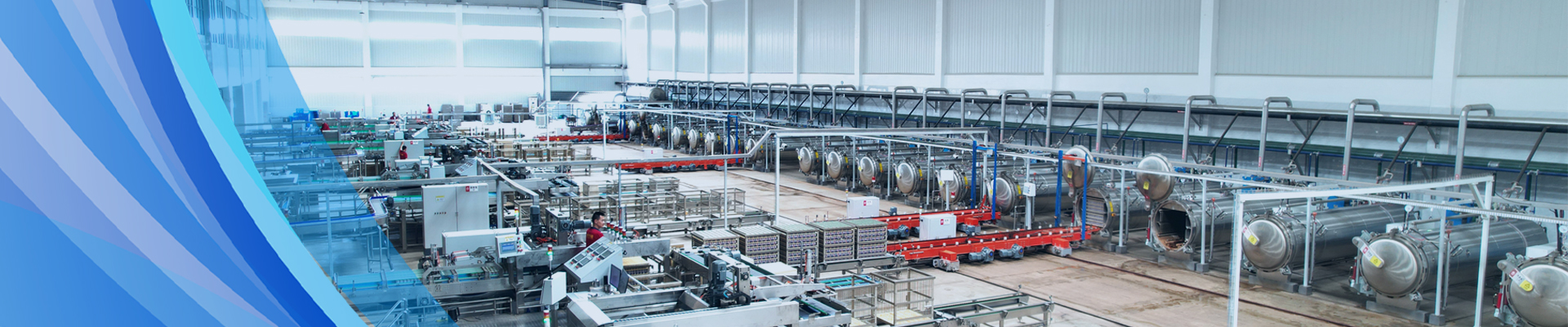
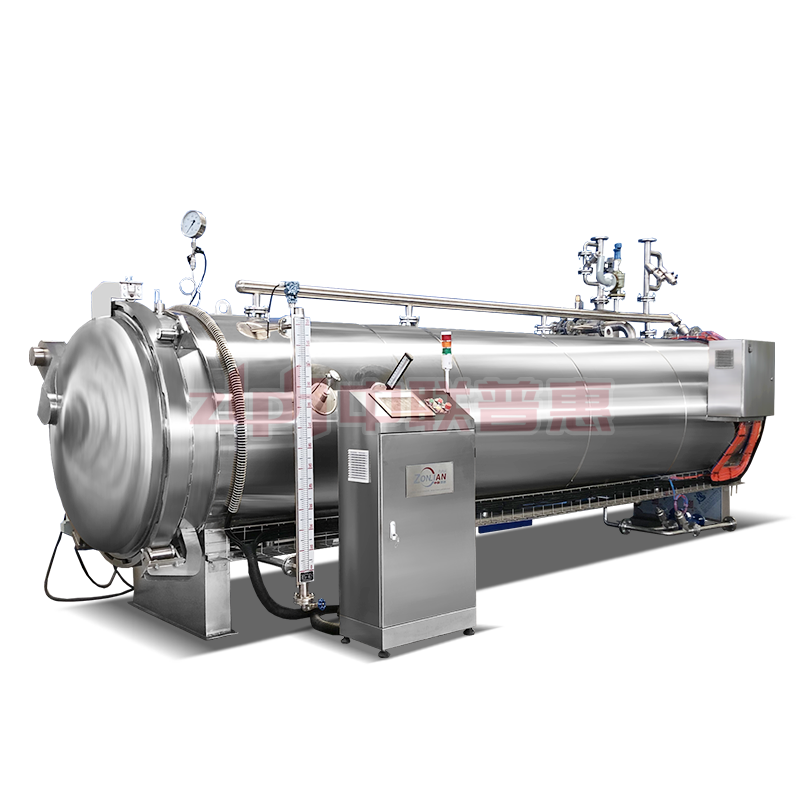
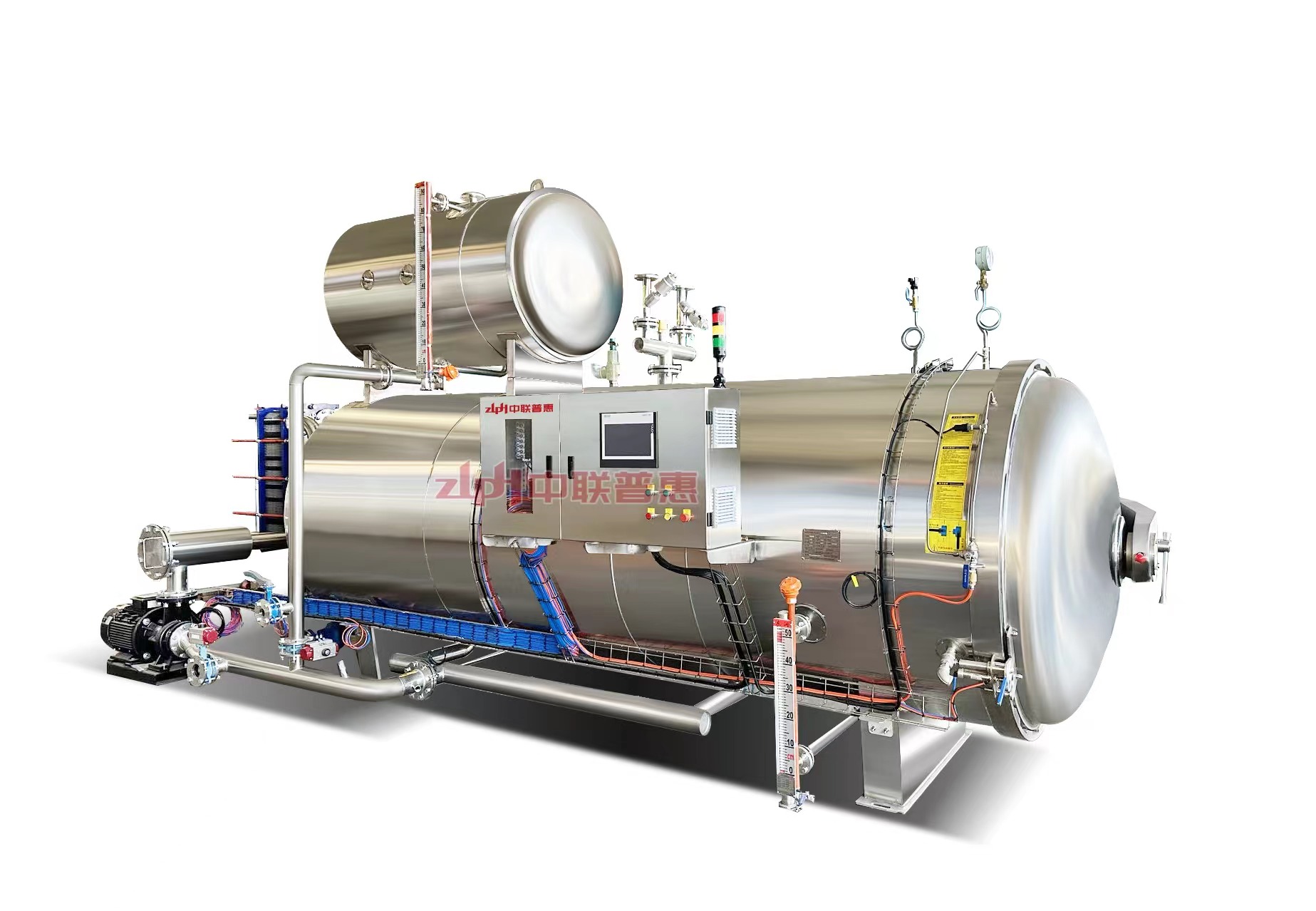
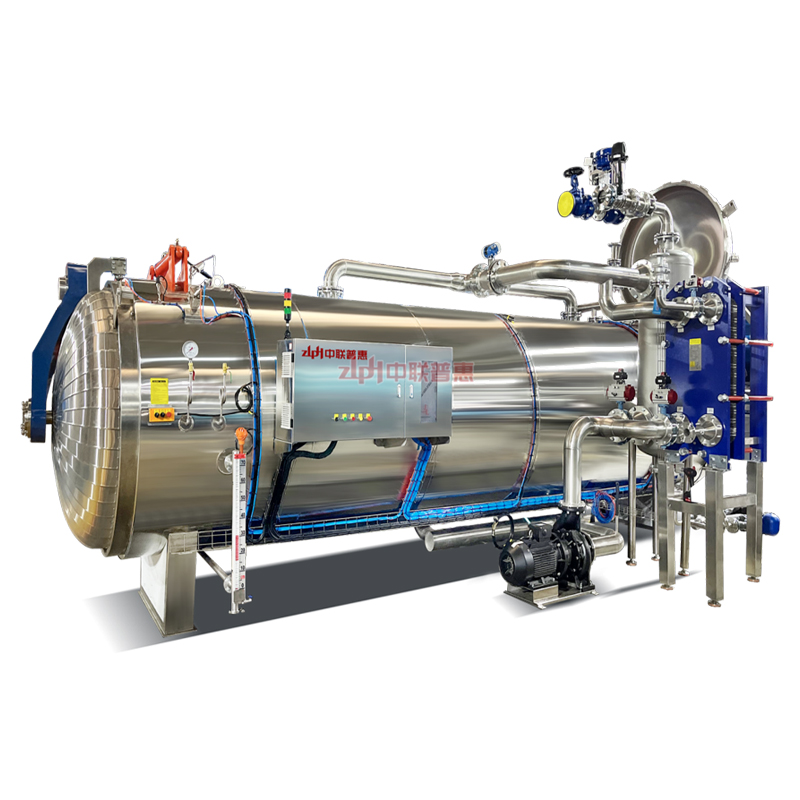
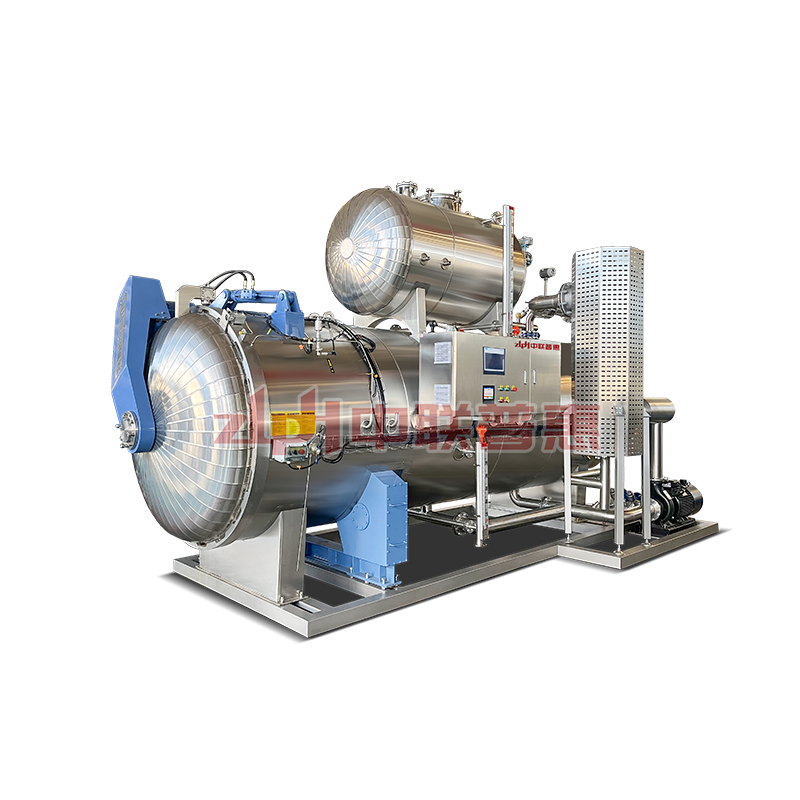
Implement an integrated retort trays loader-unloader system paired with a continuous retort autoclave. This system automates tray transfer from conveyor to retort chamber, ensuring precise alignment and eliminating manual intervention. At the Qingdao exhibition, our demonstration unit reduced loading time to under 2 minutes per cycle while maintaining full traceability.
4. Implementation Pitfalls to Avoid
Avoid retrofitting automation onto legacy batch retorts without verifying chamber compatibility. Ensure your tray design matches the loader’s gripper specifications. Conduct a workflow simulation before installation to align line speeds between filling, sealing, and sterilization stages.
5. Real-World Validation
A Southeast Asian ready-meal producer integrated our loader-unloader system with a continuous water-spray retort, increasing daily output from 8,000 to 14,000 units while reducing labor by 3 operators per shift—validated through 6 months of operational data.
How to Ensure Uniform Sterilization Across Diverse Product Formats?
1. Scenario & Pain Point
Food processors handling multiple SKUs—such as glass jars, metal cans, and flexible pouches—struggle with inconsistent lethality in batch retorts. Different container materials and fill levels respond variably to steam or water immersion, leading to over-processing (texture degradation) or under-processing (safety risks).
2. Root Cause Analysis
Traditional retorts use fixed thermal profiles, failing to adapt to real-time product variations. Without dynamic control of temperature, pressure, and spray patterns, achieving consistent F0 values across mixed loads becomes nearly impossible.
3. Step-by-Step Solution
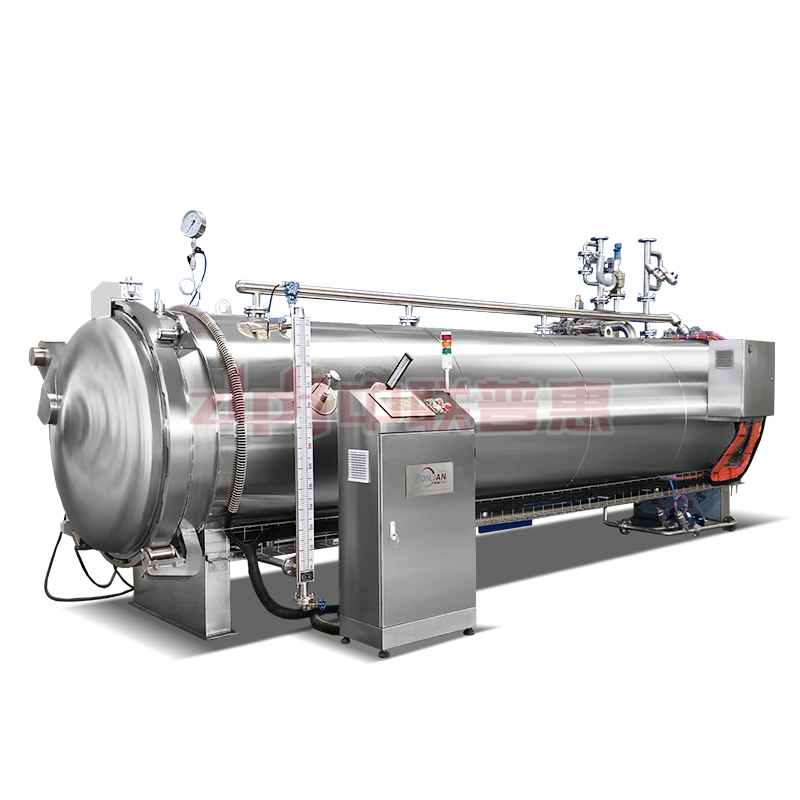
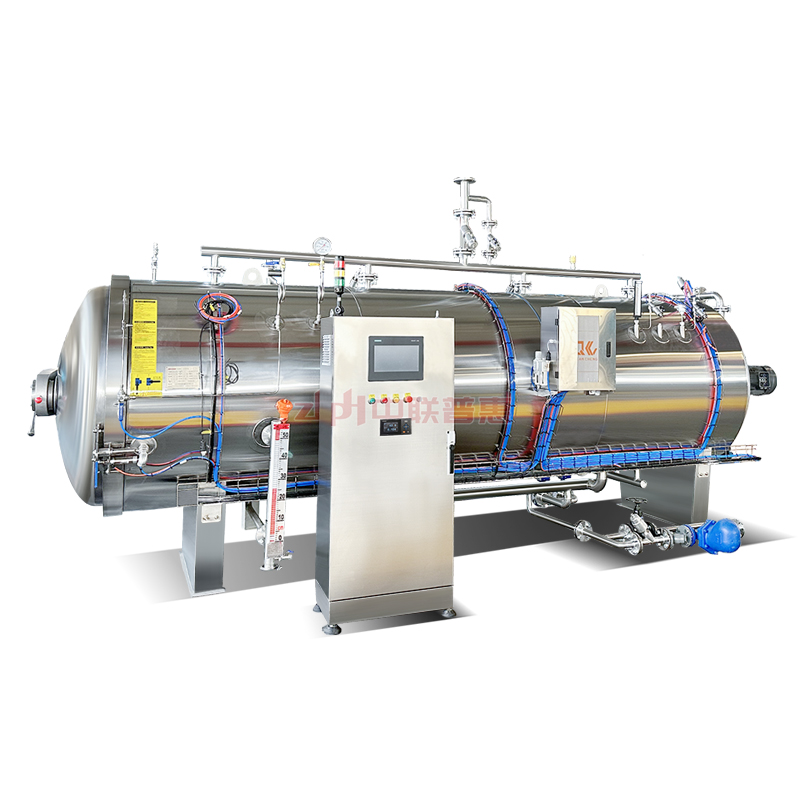
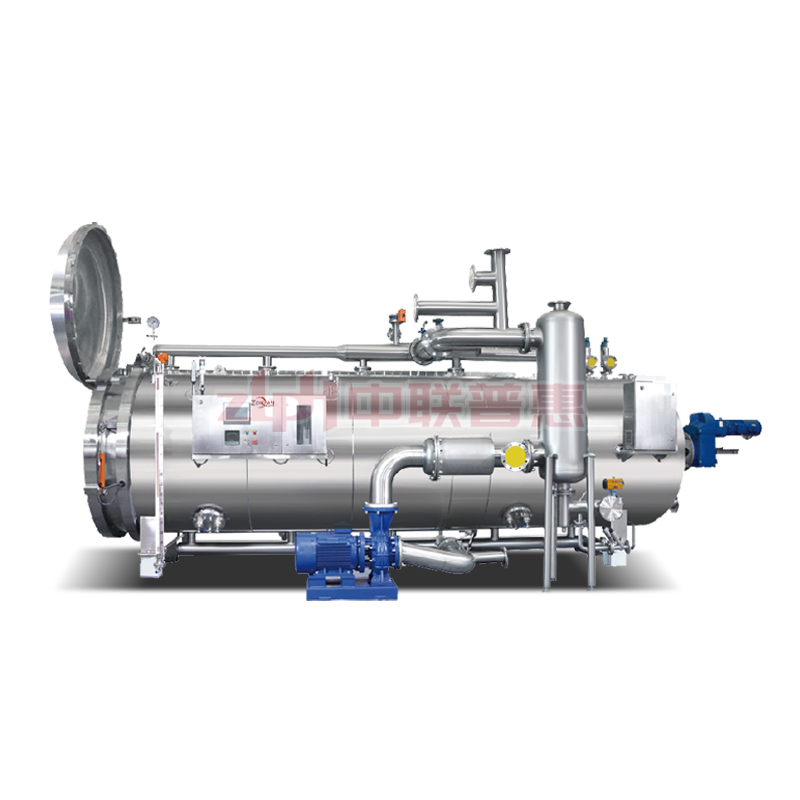
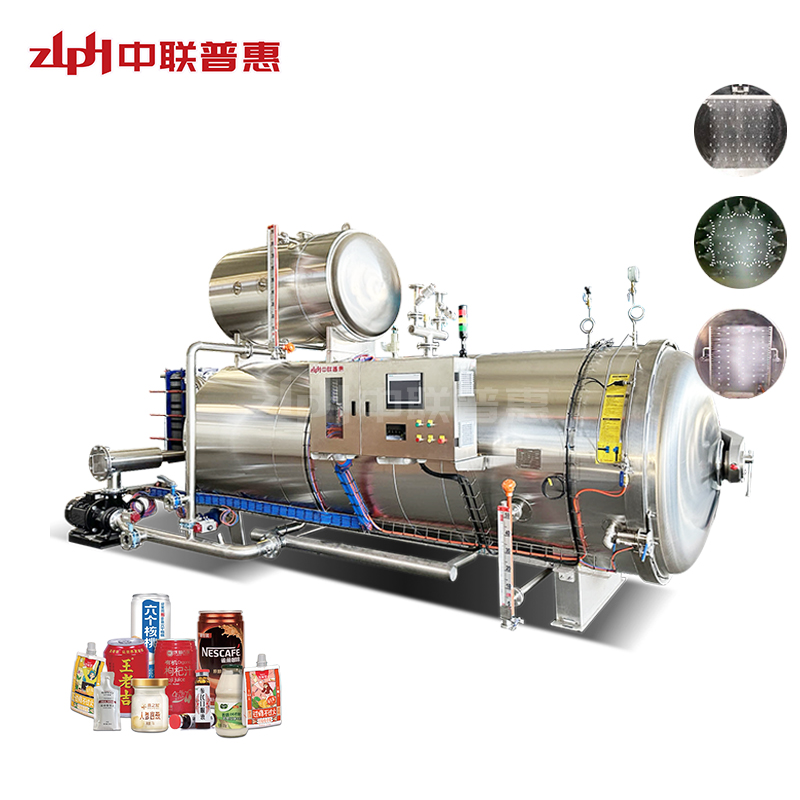
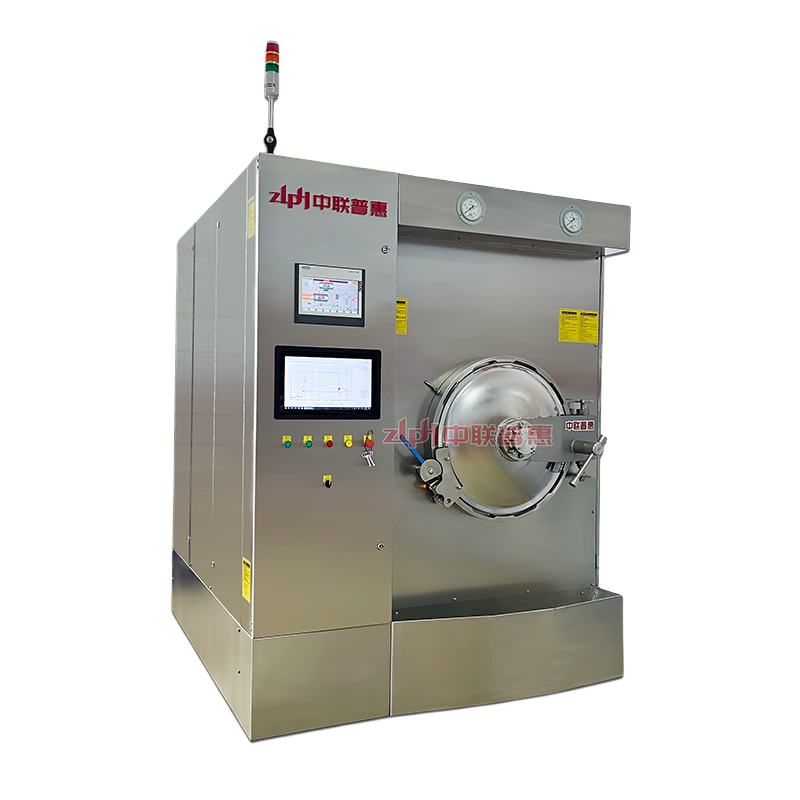
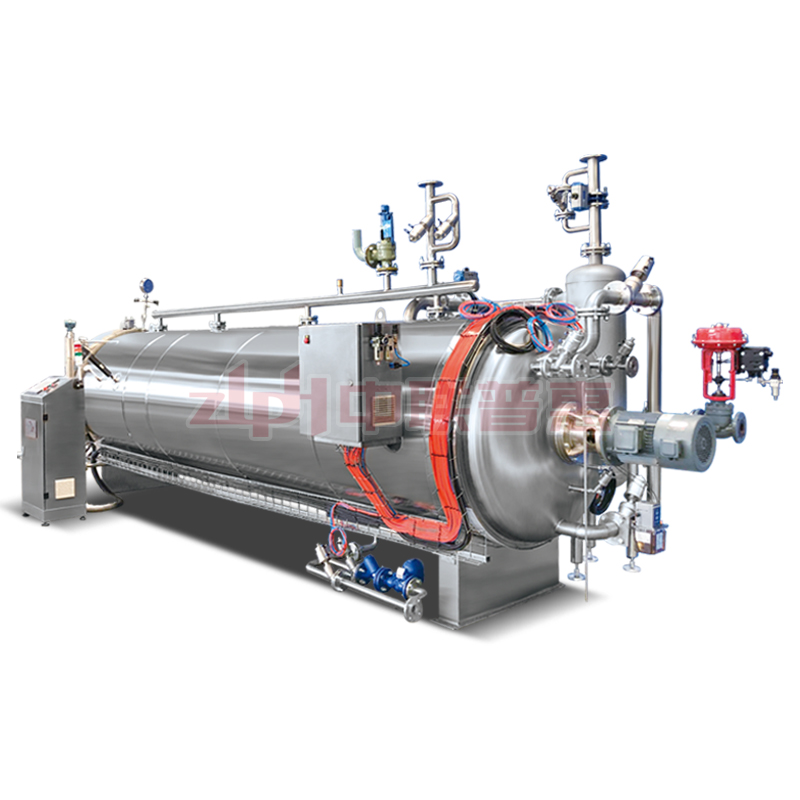
Deploy an intelligent top-opening water spray sterilization retort equipped with real-time monitoring and adaptive control. Its multi-zone spray system ensures even water distribution, while PLC algorithms adjust cycle parameters based on product type. Demonstrated at AGROPRODASH 2023 in Moscow, this system maintains ±0.5°C temperature stability across mixed loads.
4. Implementation Pitfalls to Avoid
Do not assume all “spray retorts” offer true zonal control. Verify that the system includes independent upper/middle/lower spray manifolds and closed-loop feedback from in-chamber sensors.
5. Real-World Validation
A European organic baby food manufacturer achieved 99.8% batch consistency across 12 SKUs using our system, passing stringent EU microbiological audits without reprocessing.
Industry Best Practices for Continuous Retort Implementation
Based on 6+ years of global deployments, we recommend this 5-step framework:
1. Map Your Thermal Process Requirements
Define target F0 values, container types, and throughput needs before selecting equipment.
2. Prioritize Automation Integration
Choose systems with native compatibility to conveyors, MES, and CIP units to avoid costly retrofits.
3. Validate Under Worst-Case Conditions
Test with your slowest-moving SKU and highest-viscosity product to ensure robustness.
4. Certify for Target Markets Early
Ensure your retort holds CE, EAC, and ASME certifications to avoid customs delays.
5. Establish Preventive Maintenance Protocols
Schedule monthly checks on spray nozzles, door seals, and pressure transducers to sustain performance.
Frequently Asked Questions (FAQ)
Q: Can continuous retorts handle both rigid cans and flexible pouches?
A: Yes—our water spray retorts use adjustable tray fixtures and programmable spray intensity to accommodate diverse packaging, validated across 200+ mixed-SKU lines.
Q: What certifications are required for retorts sold in Europe and Russia?
A: CE and EAC certifications are mandatory; our systems hold both, along with ASME authorization for pressure vessel compliance.
Q: How much floor space does a continuous retort system require?
A: Our modular designs fit within 15m x 8m footprints, significantly smaller than equivalent batch lines due to elimination of staging areas.
Q: Is real-time F0 monitoring possible?
A: Yes—our PLC systems calculate and log F0 values per batch using in-product probe data or predictive algorithms, supporting full traceability.
Our Expertise & Support
ZLPH MACHINERY TECHNOLOGY CO., LTD. is a globally recognized supplier of advanced sterilization systems, founded in 2018 with a 21-member R&D team specializing in mechanical design, PLC programming, and sterilization science. We operate a 15,000 m² manufacturing facility equipped with precision machining centers and hold ASME, CE, EAC, and Malaysia DOSH certifications. Our solutions serve clients in over 30 countries, including Fortune 500 food brands.
We offer customized support including: on-site process assessment, pilot-scale testing with your product, integration engineering, and 24/7 remote diagnostics.
Contact Us
Company: ZLPH MACHINERY TECHNOLOGY CO., LTD.
Website: https://www.zlphretort.com/
Email: sales@zlphretort.com
Phone / WhatsApp: +86 15666798389 / +86 13361554016
