
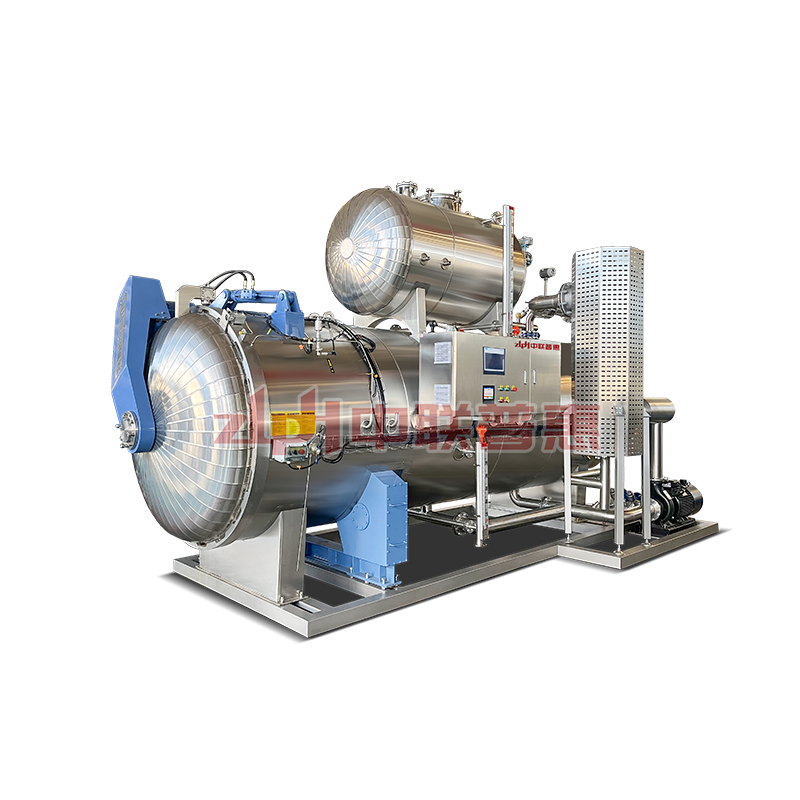
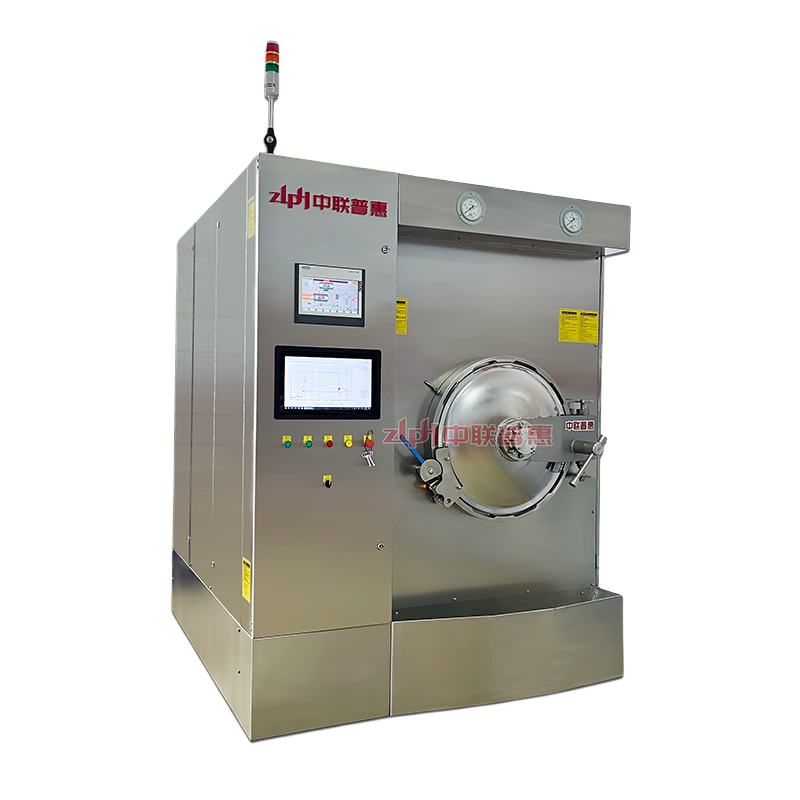
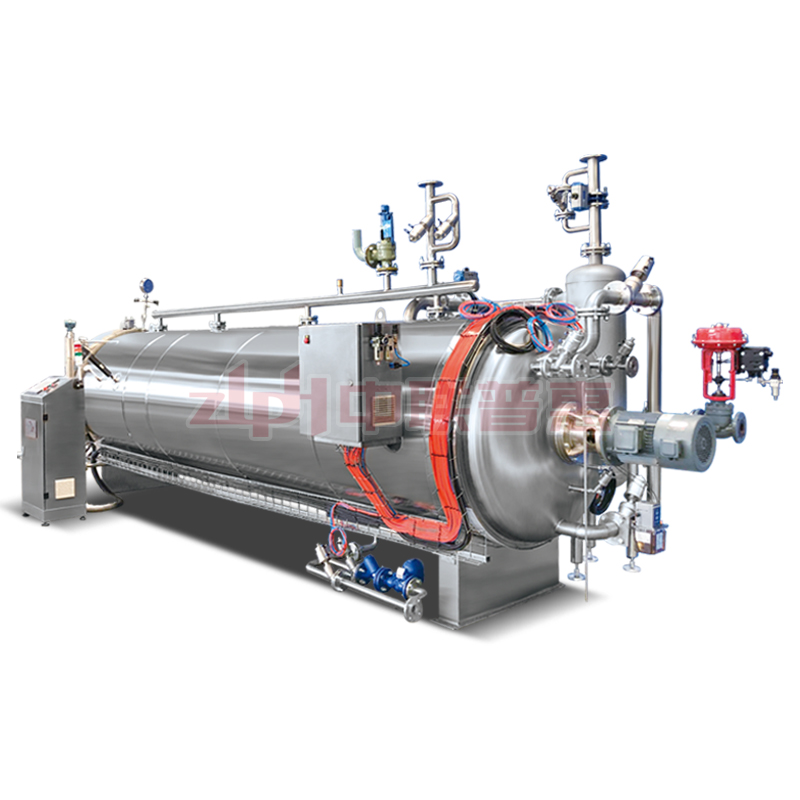
This guide is authored by a senior food processing automation engineer with over 10 years of industry experience from ZLPH MACHINERY TECHNOLOGY CO., LTD., a leading provider of continuous retort autoclave systems. It addresses a critical challenge faced by global food manufacturers and procurement teams: inconsistent sterilization results during high-throughput production using continuous retort systems. This issue has long plagued the canned and ready-to-eat food industry, primarily due to uneven heat distribution, inadequate process control, and suboptimal equipment design. Based on more than 5,000 global installations and field validations across diverse food categories—including pet food, vegetables, meats, and seafood—ZLPH has developed a proven, step-by-step methodology that ensures uniform sterilization, regulatory compliance, and operational efficiency. In this guide, we dissect the root causes behind sterilization inconsistencies, provide scenario-specific solutions, share practical troubleshooting tips, and validate outcomes with real-world performance data—all tailored for continuous retort autoclave users seeking reliability at scale.

How to Ensure Uniform Sterilization in Continuous Retort Systems for Pet Food Bowls?
1. Scenario & Pain Point
In automated pet food production lines using bowl packaging, manufacturers often observe inconsistent F0 values (sterilization lethality) across batches. Some units fail microbial safety tests despite identical time-temperature settings, leading to product recalls, wasted output, and compliance risks—especially under high-speed continuous operation.

2. Root Cause Analysis
Three primary factors contribute to this inconsistency: (1) poor water spray coverage due to fixed nozzle layouts that fail to adapt to varying bowl geometries; (2) lack of real-time temperature and pressure monitoring inside the retort chamber; and (3) insufficient thermal equilibrium time before sterilization begins, causing cold spots in dense product loads.

3. Step-by-Step Solution
Immediate Mitigation: Adjust conveyor speed to allow minimum 3-minute pre-heating phase; verify nozzle alignment weekly.
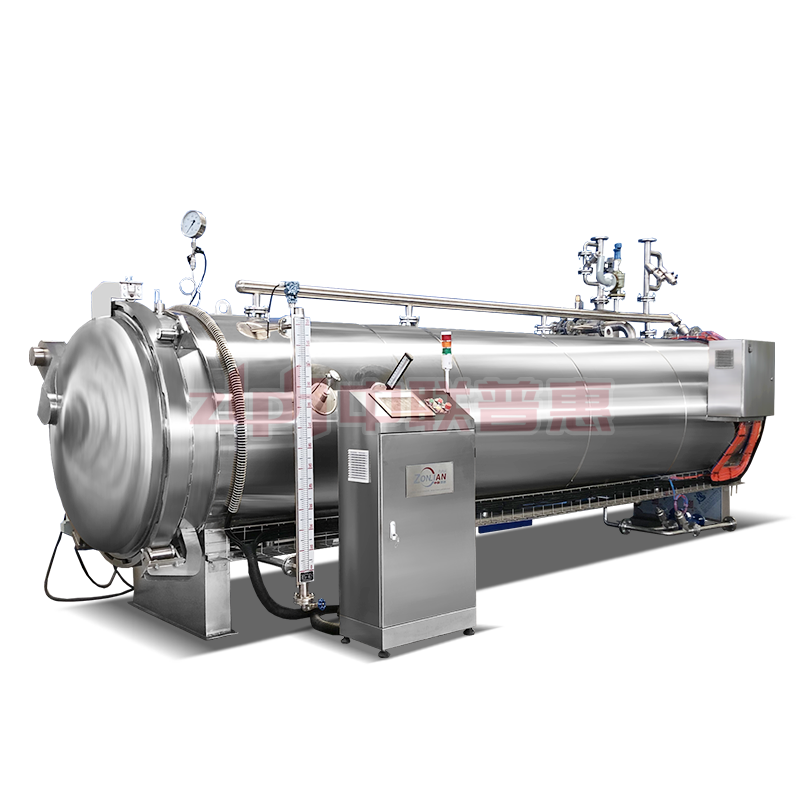
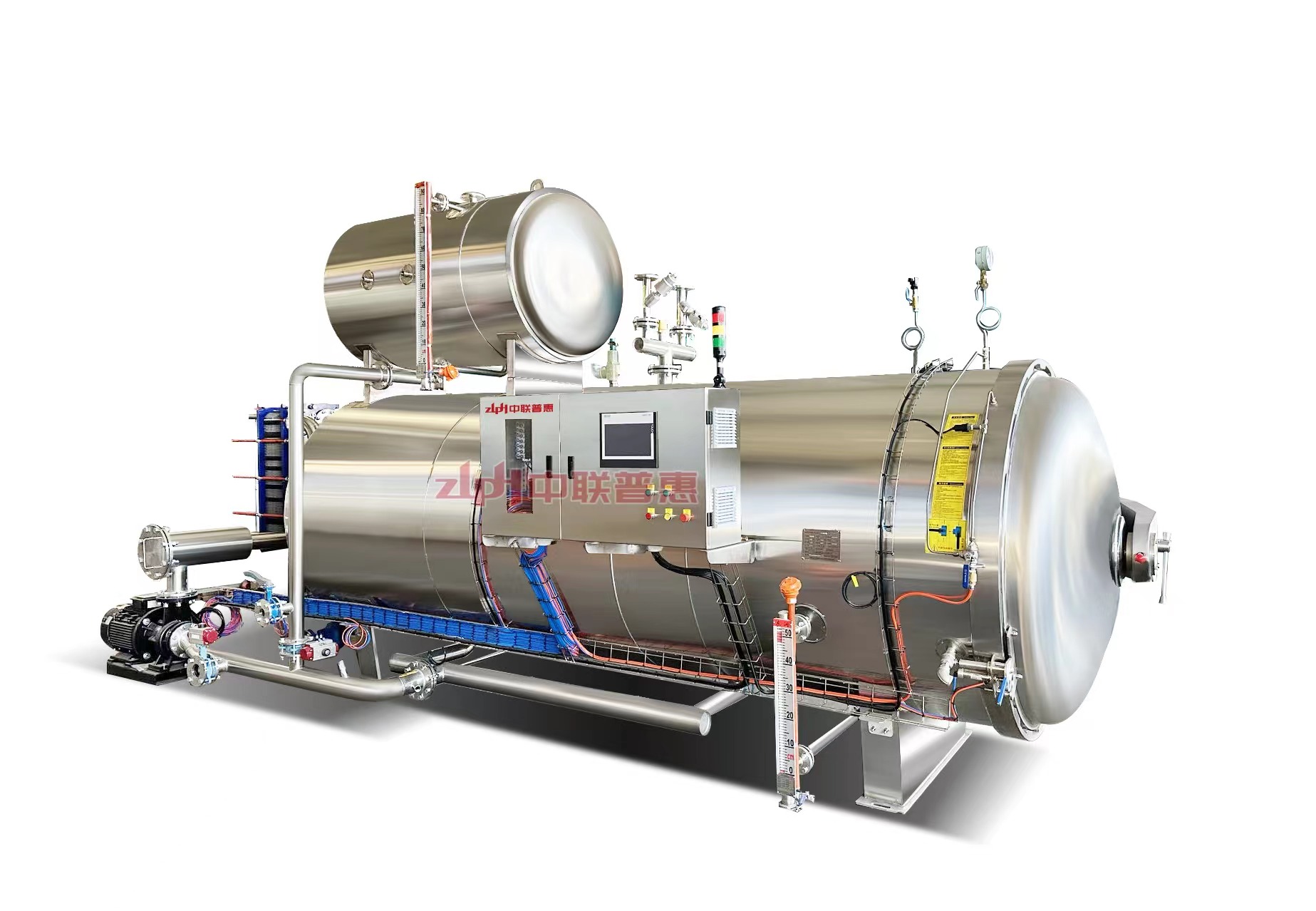
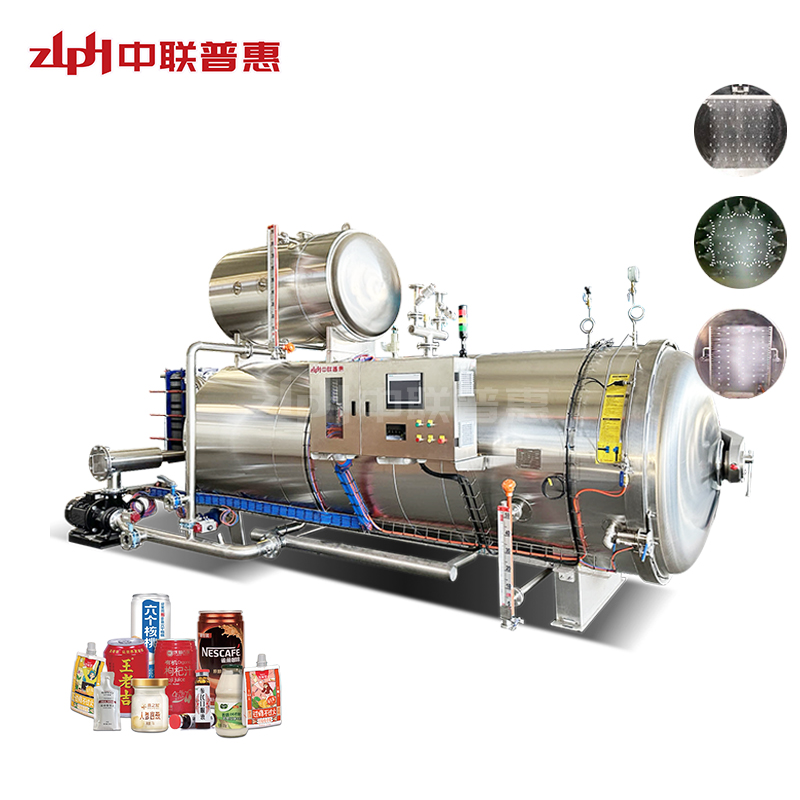
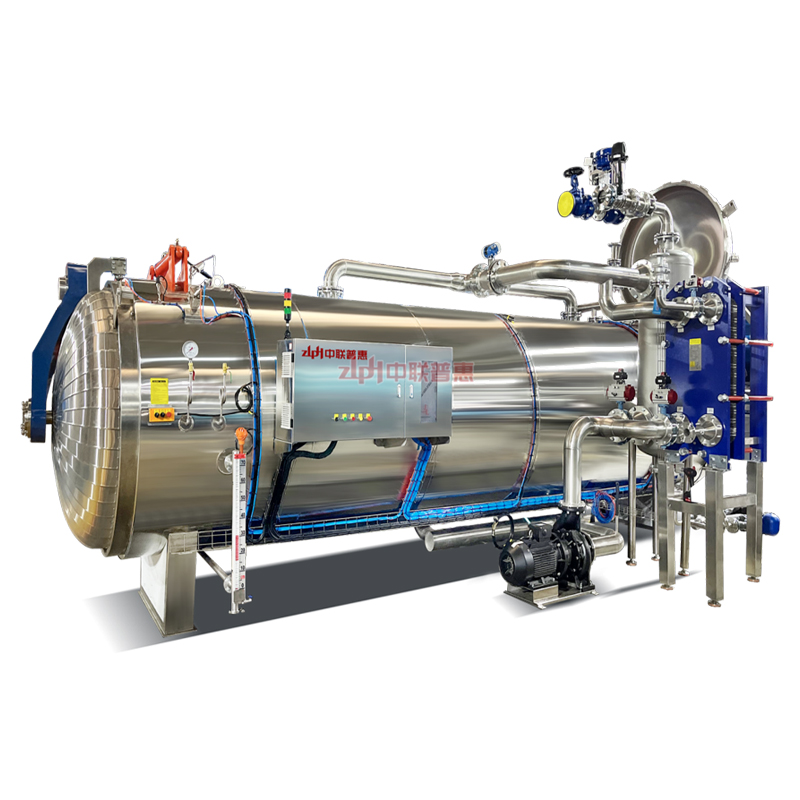
Long-Term Fix: Deploy ZLPH’s intelligent continuous retort with dynamic water spray arrays and multi-zone temperature sensors. The system auto-adjusts spray intensity based on real-time thermal feedback, ensuring even heat penetration.
Process Optimization: Integrate PLC-based sterilization profiles that log F0 values per batch, enabling traceability and automatic rejection of sub-lethal cycles.

4. Troubleshooting & Prevention
Validate spray pattern uniformity using thermal paper tests monthly. Avoid stacking bowls beyond recommended height (typically ≤15 cm). Always calibrate temperature probes before production runs. During new product trials, conduct pilot runs with biological indicators (e.g., Geobacillus stearothermophilus spores) to confirm lethality.
5. Real-World Validation
At a major Asian pet food facility using ZLPH’s automated bowl sterilization line, F0 variation dropped from ±1.8 to ±0.2 after implementation. Microbial failure rates fell by 96%, and throughput increased by 22% due to reduced reprocessing needs.
How to Maintain Sterilization Consistency Across Different Product Types in One Continuous Line?
1. Scenario & Pain Point
Food processors running mixed SKUs (e.g., soups, sauces, and solid meals) on a single continuous retort face challenges in maintaining validated sterilization parameters without manual reconfiguration—leading to over-processing (texture loss) or under-processing (safety risk).
2. Root Cause Analysis
Traditional continuous retorts use fixed thermal profiles. Without adaptive control, products with differing thermal masses receive identical treatment, violating FDA and EU sterilization guidelines that require product-specific lethality validation.
3. Step-by-Step Solution
Implement ZLPH’s recipe-driven control system: operators select product type via HMI, triggering pre-loaded sterilization curves (time, temperature, pressure ramp rates). The system auto-adjusts water flow, steam injection, and cooling phases accordingly.
4. Troubleshooting & Prevention
Always validate new recipes with thermal mapping studies. Never bypass recipe selection—even for similar products. Use barcode scanning at line entry to auto-load correct profile, minimizing human error.
5. Real-World Validation
A European ready-meal producer reduced cross-SKU sterilization deviations by 89% after adopting ZLPH’s intelligent continuous retort, achieving consistent texture and shelf-life across 12 product variants without line stoppages.
Industry Best Practices for Continuous Retort Operations
Based on 6+ years of global deployments, ZLPH recommends this 5-step framework to ensure sterilization reliability:
1. Define Worst-Case Conditions
Design validation around the most thermally resistant product configuration—not average cases.
2. Standardize Thermal Mapping
Conduct quarterly thermal distribution studies using calibrated data loggers placed in cold-spot locations.
3. Automate Process Control
Use PLC systems with closed-loop feedback (not open-loop timers) to maintain precise lethality.
4. Certify Equipment Compliance
Ensure retorts carry ASME, CE, and EAC certifications—critical for market access and audit readiness.
5. Partner with Experienced Vendors
Choose suppliers with documented case studies in your food category and responsive global support.
Frequently Asked Questions (FAQ)
Q: Can a standard batch retort be upgraded to continuous operation?
A: No—continuous retorts require integrated conveyance, zoning, and real-time control systems not feasible in batch designs. Retrofitting compromises safety and efficiency.
Q: What certifications should Chinese continuous retort manufacturers hold for EU exports?
A: CE marking under PED 2014/68/EU, along with ISO 9001 and ASME BPVC Section VIII certification, are essential. ZLPH holds all three plus EAC for Eurasian markets.
Q: How often should spray nozzles be cleaned in high-protein food applications?
A: Daily CIP (Clean-in-Place) cycles are mandatory. Protein residues clog nozzles within 8–12 hours, disrupting spray patterns and causing cold spots.
Q: Does ZLPH offer trial testing for new products?
A: Yes—free sample sterilization trials with full thermal validation reports are available at our 15,000㎡ Qingdao facility.
Q: What’s the minimum footprint for a continuous retort line?
A: ZLPH’s compact models start at 8m (L) × 2.5m (W), suitable for SMEs scaling from batch to continuous processing.
Our Proven Capability in Continuous Sterilization
ZLPH MACHINERY TECHNOLOGY CO., LTD. is a globally recognized manufacturer of advanced continuous retort autoclaves, established in 2018 with a 21-member R&D team specializing in mechanical design, PLC programming, and sterilization science. Our 50-acre manufacturing base houses precision CNC equipment ensuring micron-level component accuracy, directly impacting thermal uniformity. We hold ASME, CE, EAC, and Malaysia DOSH certifications, enabling seamless deployment across 40+ countries. Our systems have been validated at major exhibitions including AGROPRODASH Moscow and Petfair Asia Shanghai, where clients praised their reliability and intelligent control.
Custom Solution Support
For complex applications, ZLPH offers:
• On-site thermal process assessment
• Custom retort chamber design for unique packaging
• Integration with existing MES/SCADA systems
• Free product sterilization trials with F0 validation
Contact our engineering team for a tailored solution within 24 hours.
Contact Information
Company: ZLPH MACHINERY TECHNOLOGY CO., LTD.
Website: https://www.zlphretort.com/
Email: sales@zlphretort.com
Phone / WhatsApp: +86 15666798389 / +86 13361554016
