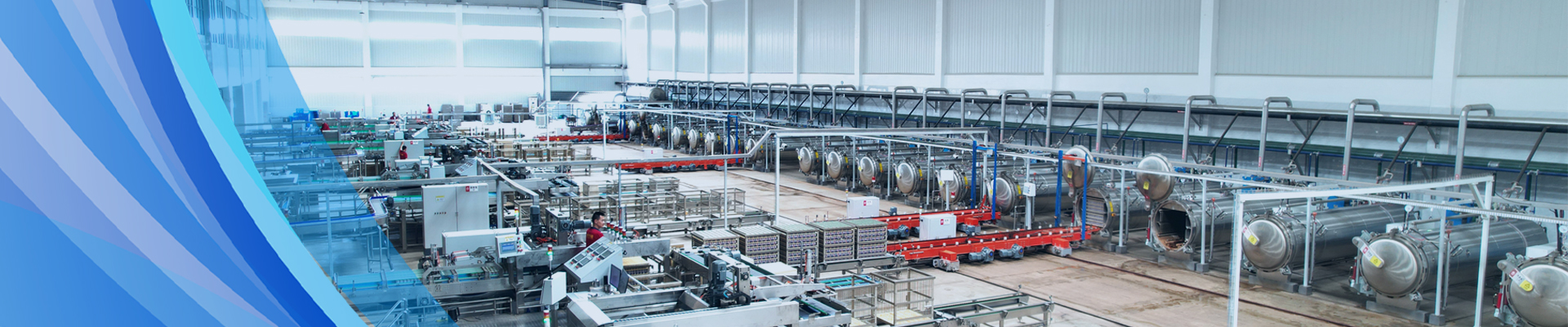

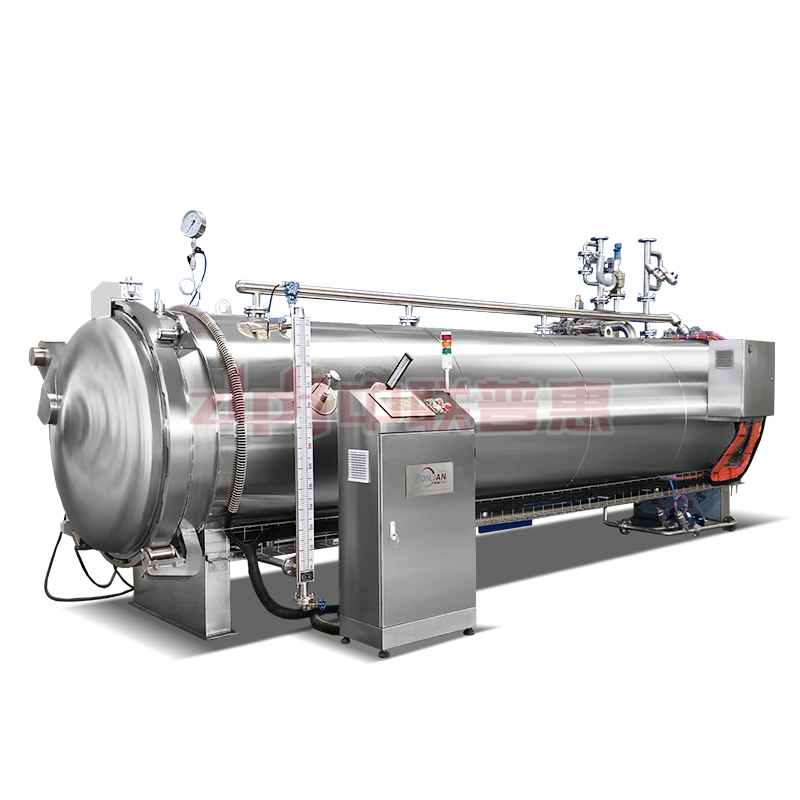
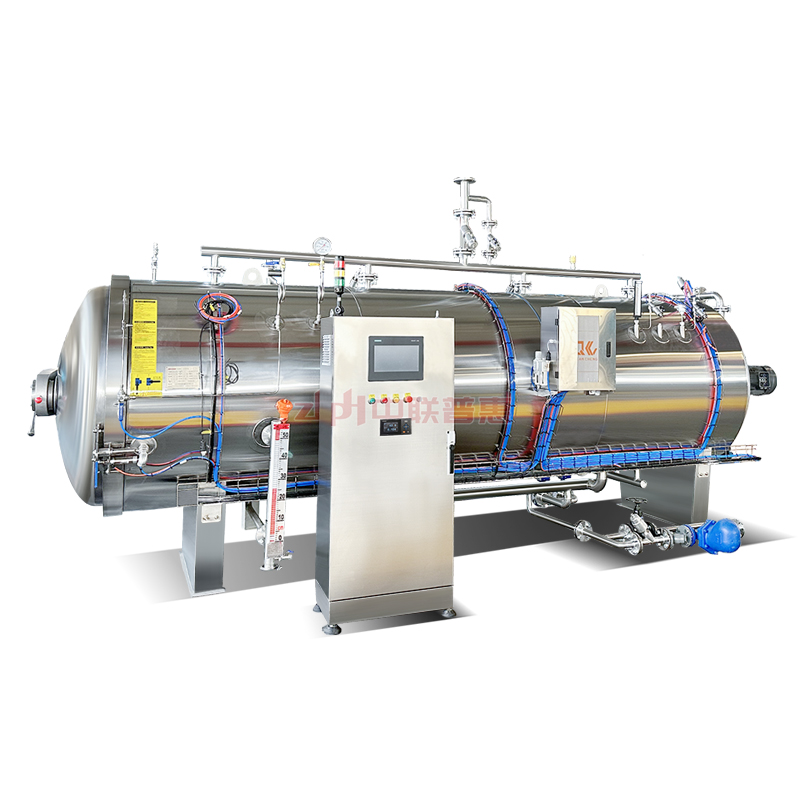
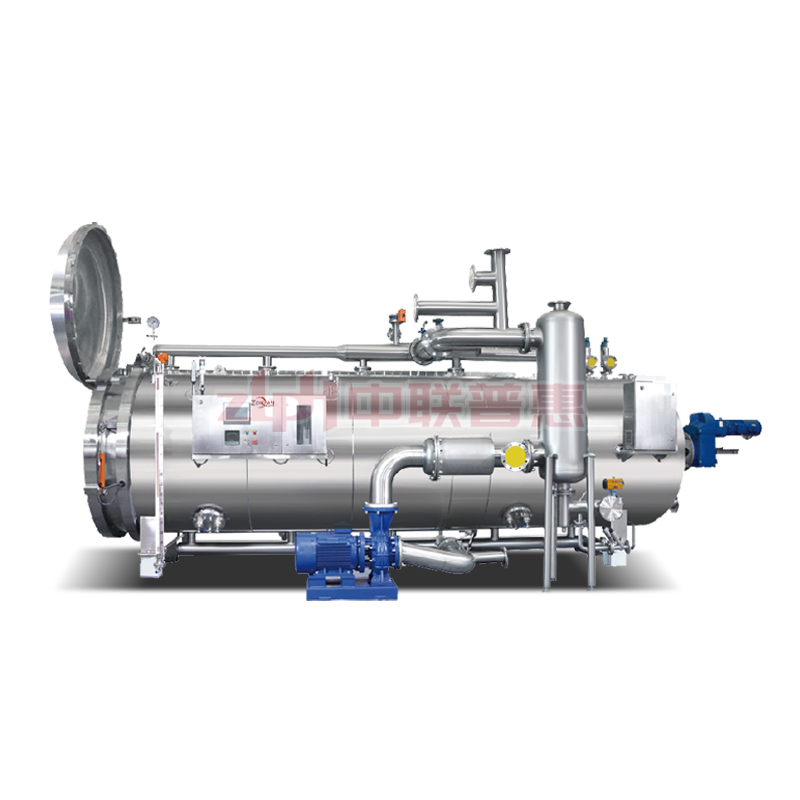
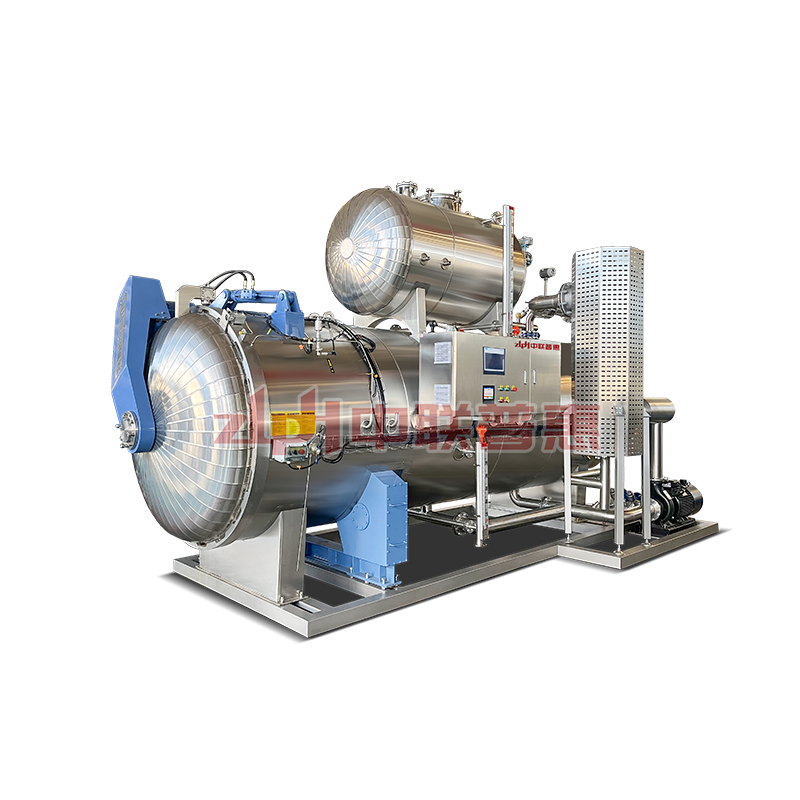
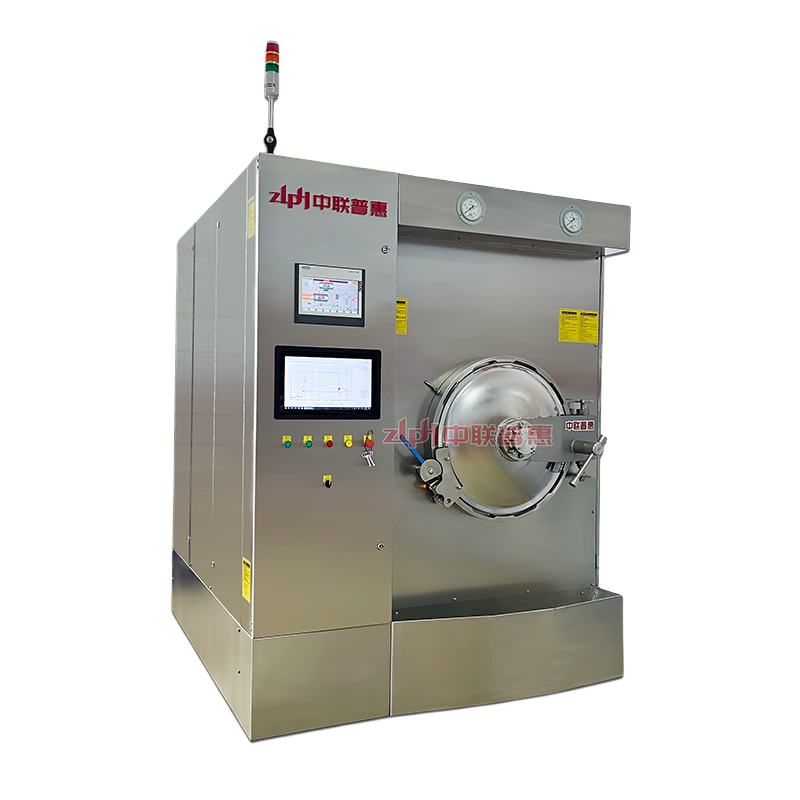
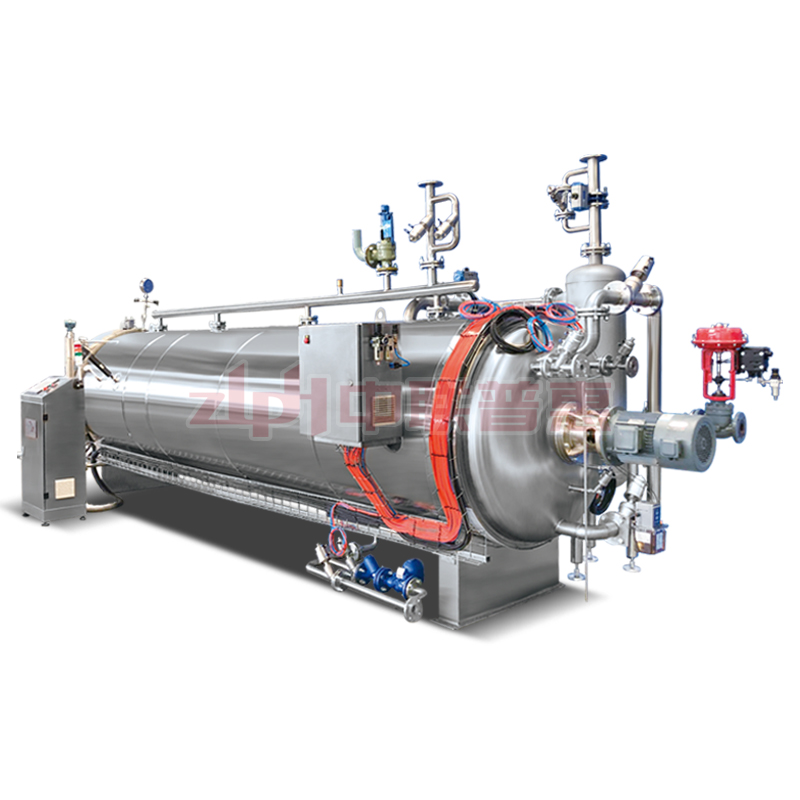
This guide is authored by a senior food processing engineer with over 10 years of experience at ZLPH MACHINERY TECHNOLOGY CO., LTD., a leading provider of continuous retort autoclave systems. It addresses a critical challenge faced by global food manufacturers and procurement teams: how to overcome the inefficiencies, inconsistency, and high operational costs associated with traditional batch sterilization in high-volume production environments.

Inconsistent thermal processing, long cycle times, and labor-intensive operations have long plagued batch retort systems—especially when scaling for canned meats, ready-to-eat meals, or pet food. Root causes include manual loading/unloading bottlenecks, uneven heat distribution, and lack of real-time process control. Drawing from 5,000+ global installations and field validations across Asia, Europe, and Russia, we’ve developed a proven, step-by-step solution using continuous retort autoclaves that eliminate these pain points. This guide breaks down real-world scenarios, root causes, actionable fixes, and validation data to help you achieve consistent sterilization, reduce downtime by up to 40%, and ensure compliance with international food safety standards.

How to Eliminate Manual Loading Bottlenecks in High-Volume Canned Food Sterilization?
1. Scenario & Pain Point
In large-scale canning facilities producing over 10,000 units/hour, manual tray loading into batch retorts creates severe throughput constraints. Operators struggle with repetitive strain injuries, cycle delays exceed 25 minutes per batch, and inconsistent tray placement leads to cold spots—risking under-sterilization and product recalls.

2. Root Cause Analysis
The core issues stem from: (1) absence of automated material handling between filling and sterilization lines; (2) reliance on human judgment for tray stacking alignment; and (3) lack of integration between upstream packaging and downstream thermal processing.

3. Step-by-Step Solution
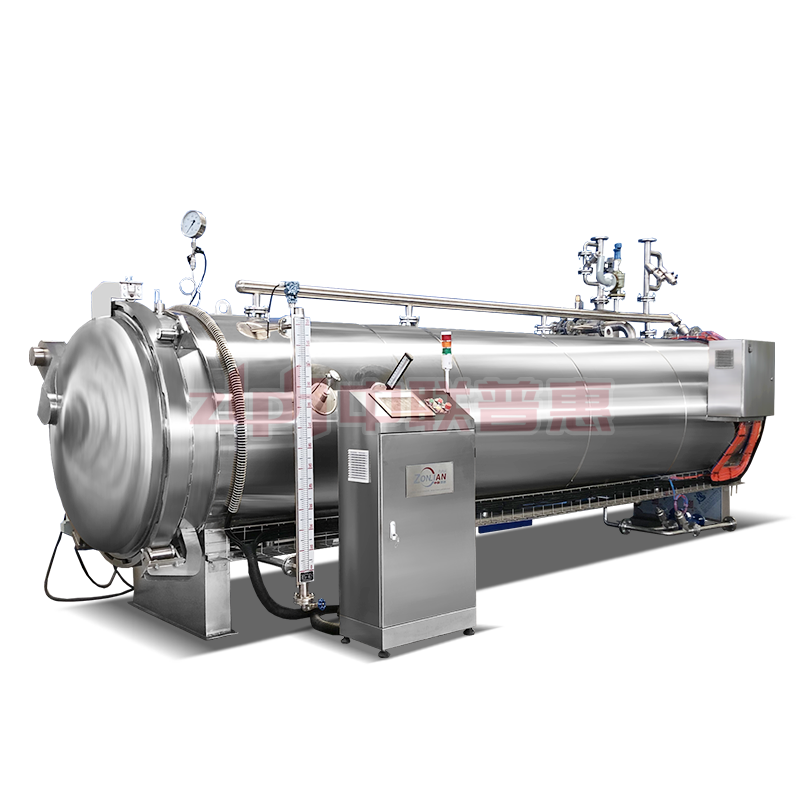
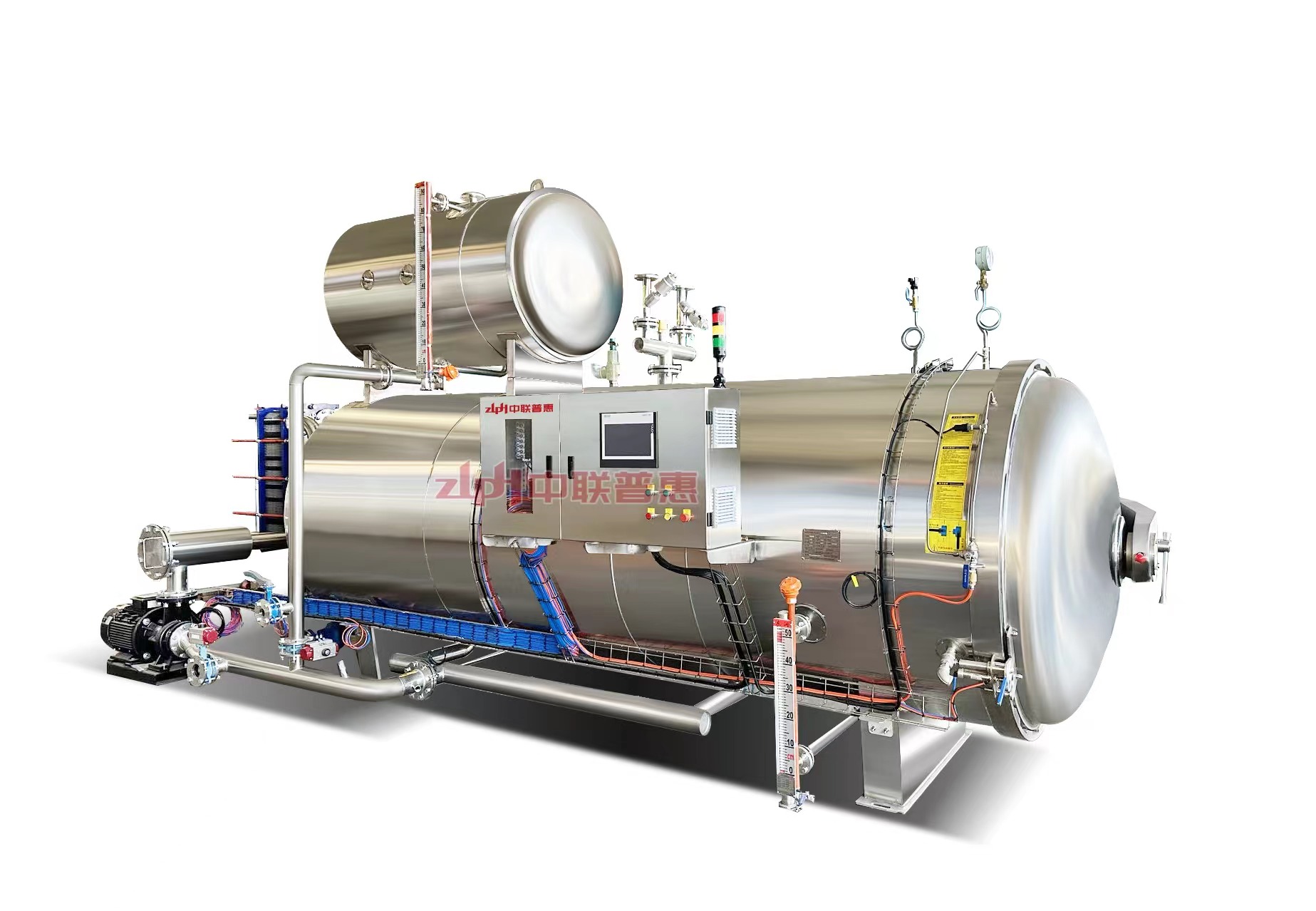
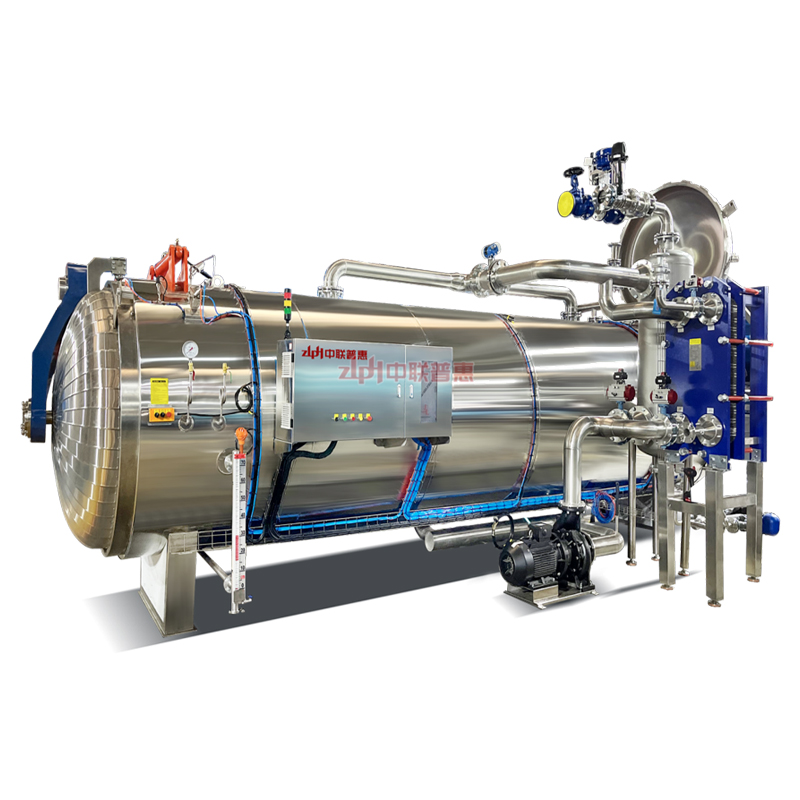
Implement an integrated retort trays loader-unloader system paired with a continuous horizontal retort. This system automates tray transfer, ensures precise positioning, and synchronizes with conveyor speed. At ZLPH, our solution reduces loading time to under 90 seconds per cycle while maintaining ±2mm alignment accuracy.
4. Pitfall Avoidance Guide
Avoid retrofitting automation onto legacy batch retorts—this often causes synchronization failures. Instead, design the entire line around continuous flow principles. Conduct a line-speed simulation before installation to match sterilization dwell time with production rate.
5. Validation Results
Deployed at a Qingdao-based meat processor, this system increased output by 35%, reduced labor costs by 60%, and achieved zero cold-spot incidents over 18 months of operation—validated by third-party thermal mapping.
How to Ensure Uniform Sterilization for Pet Food in Bowl Packaging?
1. Scenario & Pain Point
Pet food manufacturers using bowl-in-tray packaging report inconsistent lethality values, especially at tray edges. Traditional steam-air batch retorts fail to penetrate dense, viscous products evenly, leading to overcooked centers or under-processed perimeters.
2. Root Cause Analysis
Key factors include: (1) poor heat transfer in viscous matrices; (2) inadequate agitation in static retorts; and (3) absence of real-time temperature monitoring at multiple product zones.
3. Step-by-Step Solution
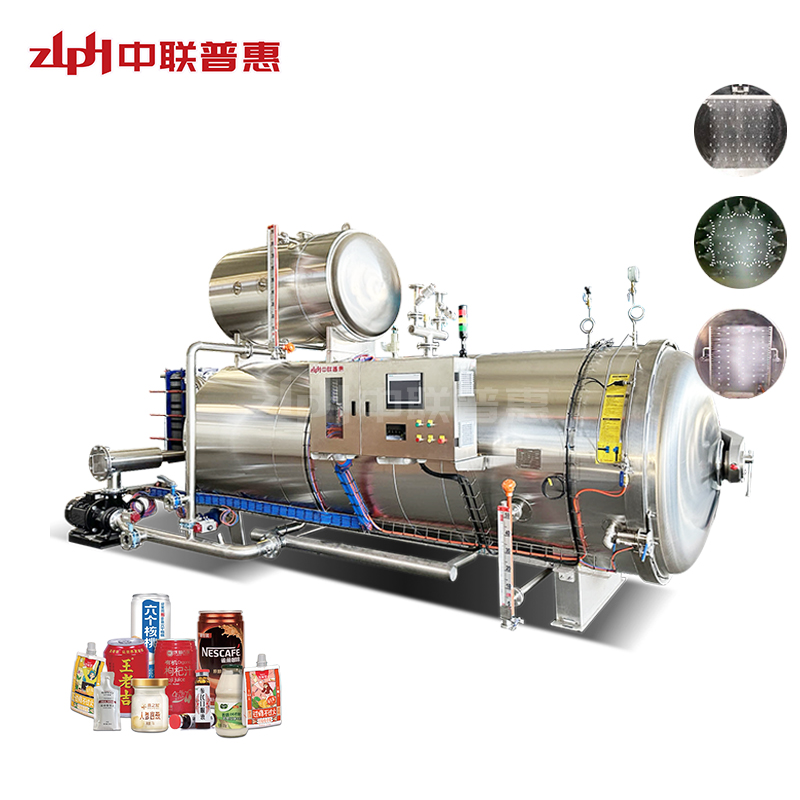
Adopt a continuous water-spray retort with multi-zone temperature control. ZLPH’s system uses precisely calibrated spray nozzles and recirculated hot water to deliver uniform thermal energy. Coupled with in-line RTD probes at 8 strategic points, it maintains F₀ variation within ±0.5 across all trays.
4. Pitfall Avoidance Guide
Never assume “one temperature fits all.” Conduct product-specific come-up time (CUT) studies during commissioning. Also, avoid using tap water in spray systems—mineral deposits clog nozzles and disrupt flow patterns.
5. Validation Results
At Petfair Asia 2023, our automated bowl sterilization line demonstrated 99.2% lethality consistency across 5,000+ test trays, meeting AAFCO and EU pet food safety benchmarks.
How to Meet Russian EAC and EU CE Compliance for Export-Oriented Retort Systems?
1. Scenario & Pain Point
Exporters targeting Eurasian and European markets face rejection due to non-compliant pressure vessel documentation, missing safety interlocks, or unverified control system integrity.
2. Root Cause Analysis
Most Chinese factories lack ASME U-stamp authorization or fail to integrate SIL2-rated safety PLCs, making their equipment ineligible for regulated markets.
3. Step-by-Step Solution
Source retorts built under ASME BPVC Section VIII standards with full traceability. ZLPH holds ASME Certificate of Authorization, EU CE, Russian EAC, and Malaysia DOSH certifications—ensuring seamless customs clearance and audit readiness.
4. Pitfall Avoidance Guide
Verify that your supplier provides original certification copies—not just declarations. Also, confirm that the control system complies with IEC 61508 for functional safety.
5. Validation Results
Our AGROPRODASH 2023 exhibit in Moscow featured EAC-certified intelligent top-opening retorts, resulting in 12 new contracts with Russian dairy and meat processors within 30 days.
Industry Best Practices for Continuous Retort Implementation
Based on 6 years of global deployments, we recommend this 5-step framework:
1. Define Worst-Case Product & Throughput
Design for your most thermally resistant product at peak capacity—not average conditions.
2. Validate Thermal Performance Early
Conduct pilot runs with data loggers before full-scale rollout.
3. Integrate Automation from Day One
Avoid bolt-on solutions; build end-to-end continuous flow.
4. Certify for Target Markets Proactively
Secure ASME, CE, EAC upfront to prevent export delays.
5. Establish Remote Monitoring
Use IoT-enabled control systems for real-time OEE tracking and predictive maintenance.
Frequently Asked Questions (FAQ)
Q: Can a continuous retort handle both metal cans and plastic bowls?
A: Yes—ZLPH’s modular carrier system accommodates diverse packaging formats without mechanical retooling, validated across 200+ SKUs.
Q: What’s the minimum footprint for a continuous retort line?
A: Our compact model requires only 12m x 4m, ideal for retrofitting into existing facilities.
Q: How often does the spray system require maintenance?
A: With filtered process water, nozzle cleaning is needed only quarterly—versus weekly in non-filtered systems.
Q: Is real-time F₀ calculation available?
A: Yes, our PLC calculates cumulative lethality every 5 seconds and auto-adjusts spray temperature to maintain target F₀.
Q: Do you support Halal or Kosher validation?
A: Absolutely—we provide material traceability reports and clean-in-place (CIP) protocols compliant with religious certification bodies.
Our Technical Authority & Support
ZLPH MACHINERY TECHNOLOGY CO., LTD. is a certified continuous retort manufacturer with 21 mechanical designers, 4 sterilization process researchers, and 14 after-sales engineers—all with 10+ years in thermal processing. Our 50-acre factory houses 15,000㎡ of precision workshops equipped with CNC machining centers and ASME-compliant welding stations. We hold ASME, CE, EAC, DOSH, and AAA Credit Enterprise certifications, serving clients in 30+ countries.
We offer:
- On-site thermal process validation
- Custom carrier design for unique packaging
- Free sample testing with your product
- 24/7 remote troubleshooting via WhatsApp or email
Contact Information
Company: ZLPH MACHINERY TECHNOLOGY CO., LTD.
Website: https://www.zlphretort.com/
Email: sales@zlphretort.com
Phone / WhatsApp: +86 15666798389 / +86 13361554016
