
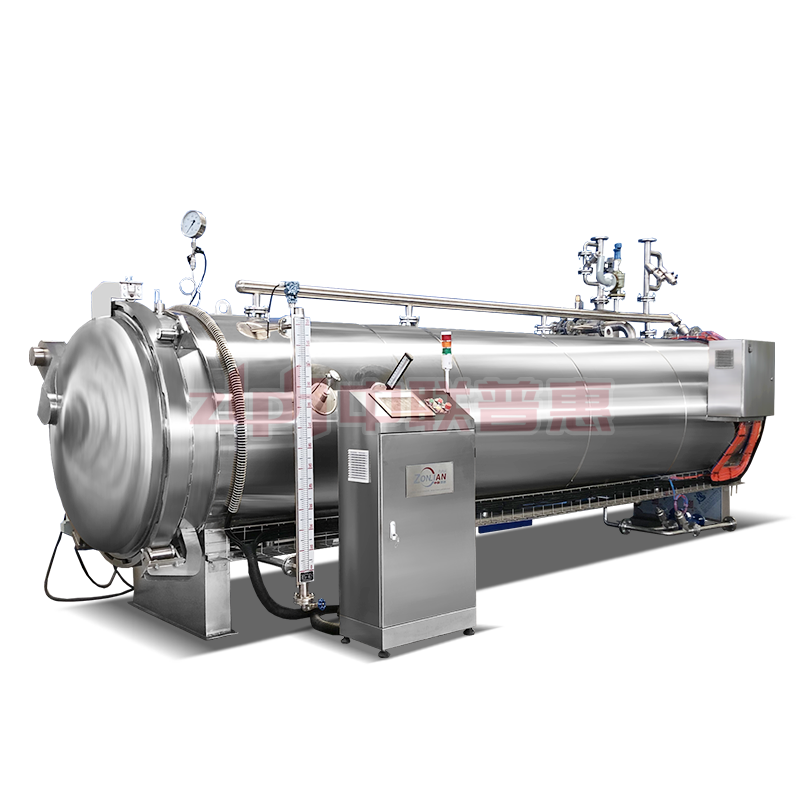
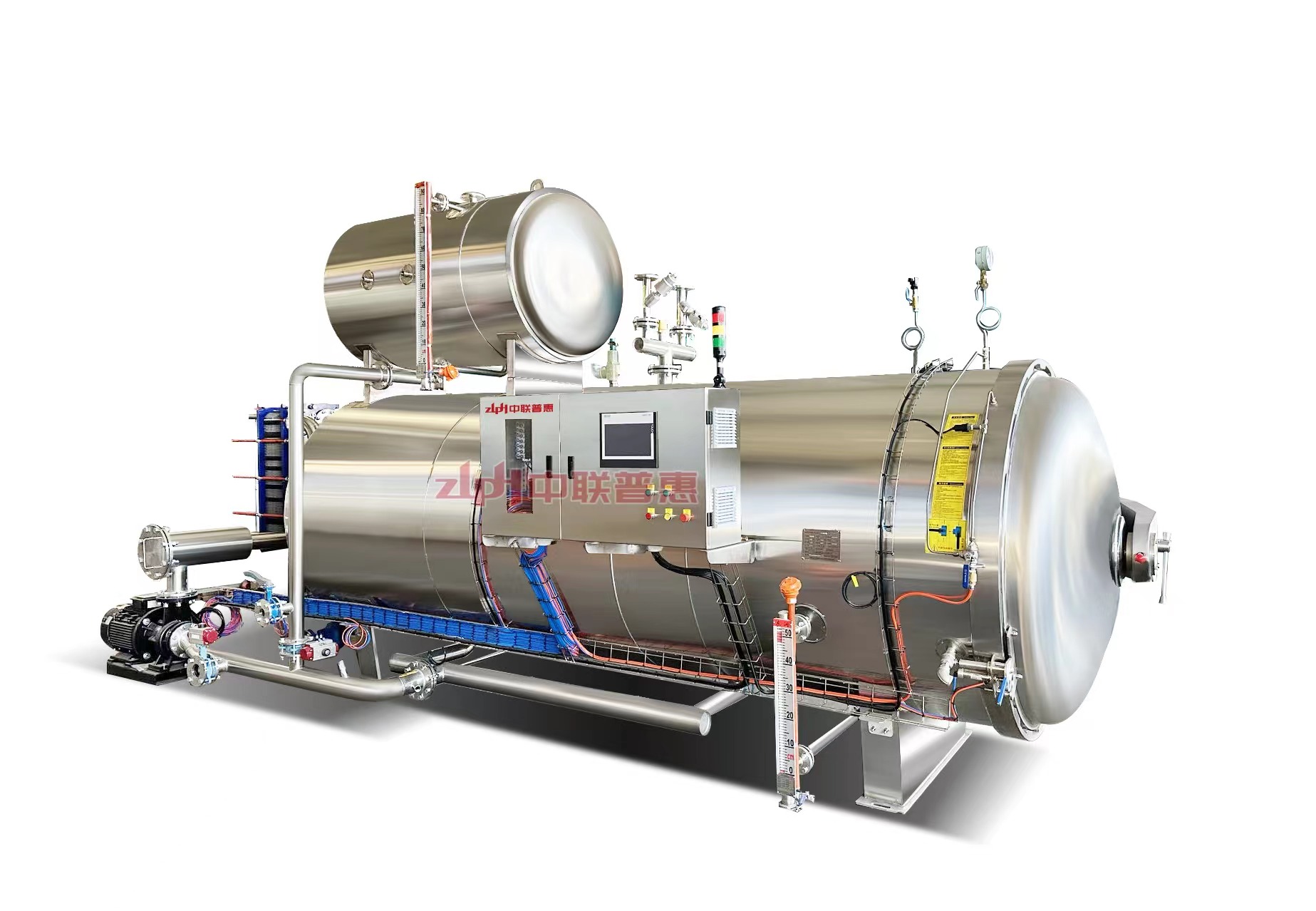
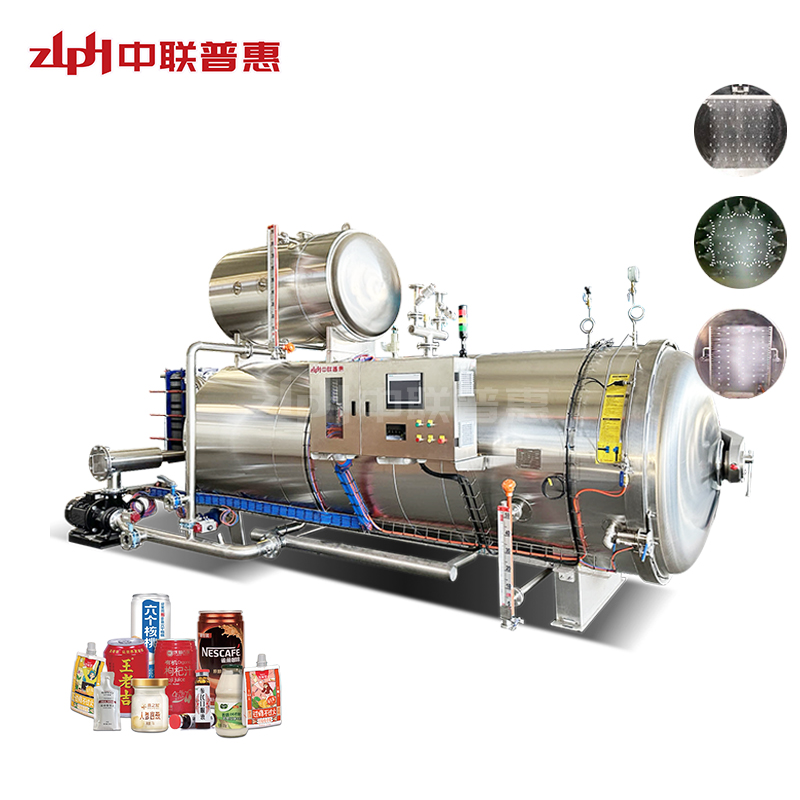
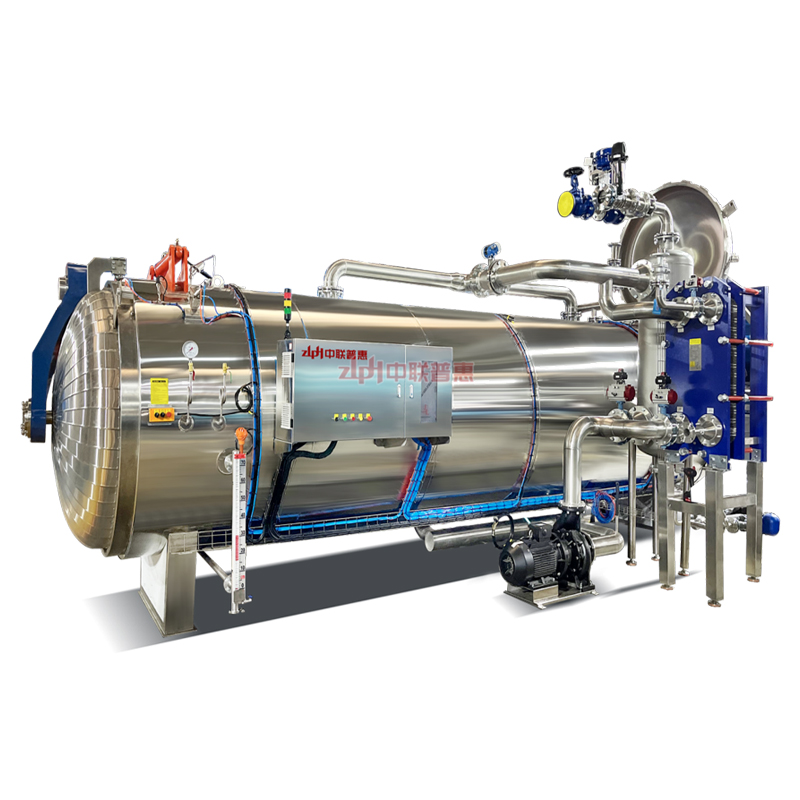
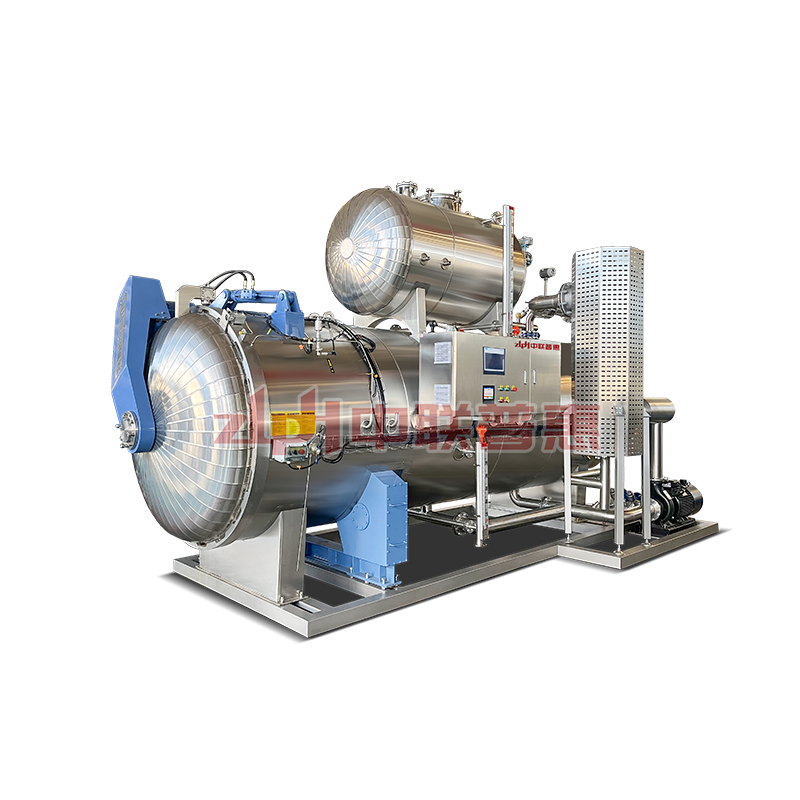
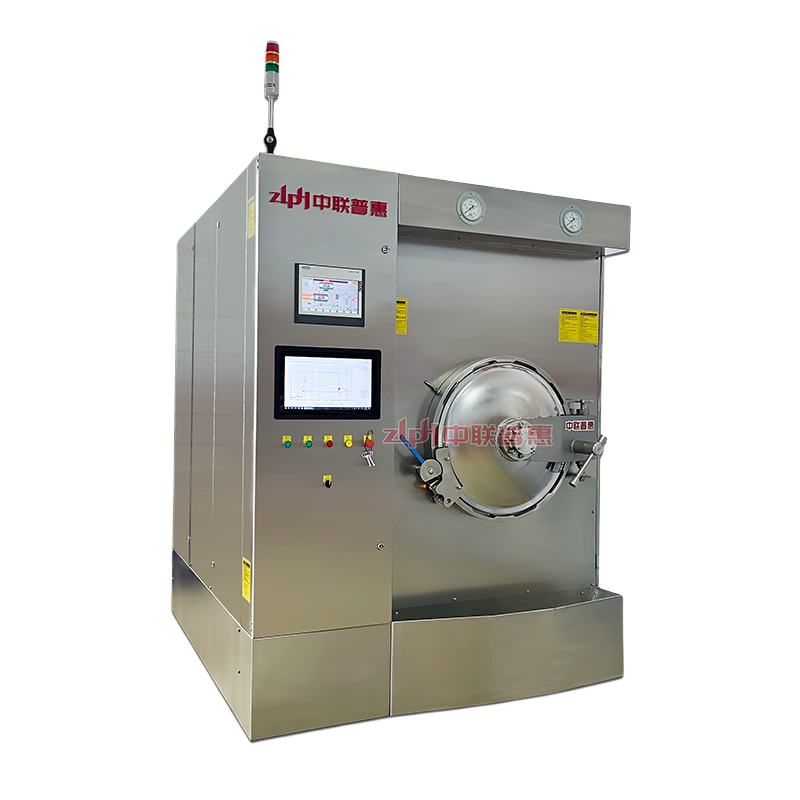
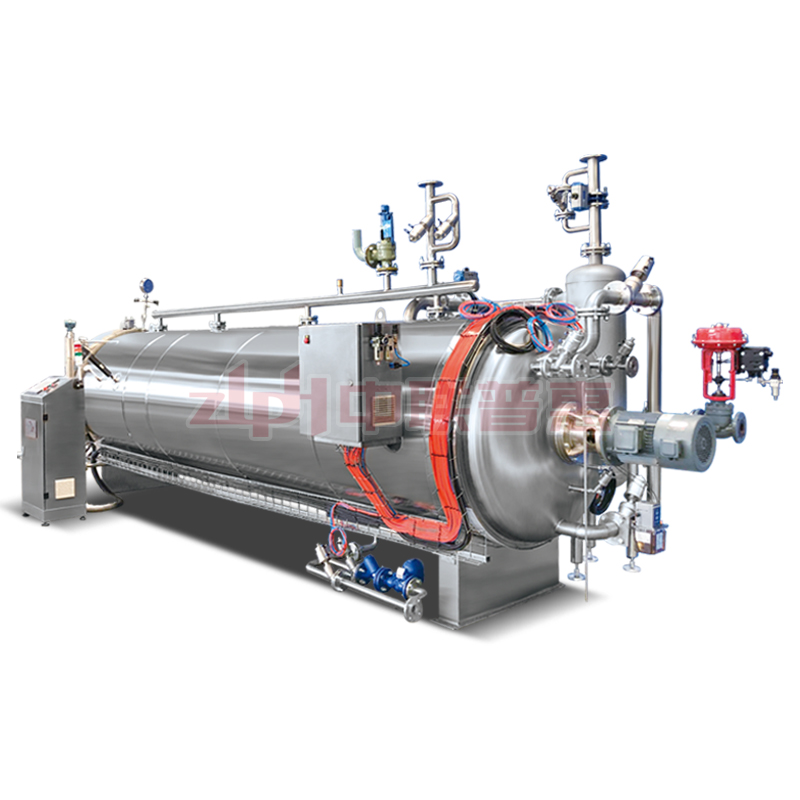
This guide is authored by senior food sterilization engineers from ZLPH MACHINERY TECHNOLOGY CO., LTD.—a globally recognized provider of advanced retort sterilization systems with over 6 years of R&D experience and 5,000+ industrial deployments worldwide. It addresses a critical challenge faced by food manufacturers, procurement teams, and plant engineers: identifying a reliable, high-performance horizontal retort autoclave factory that delivers consistent sterilization, regulatory compliance, and long-term operational efficiency.

Selecting the wrong retort supplier often leads to inconsistent sterilization results, frequent downtime, non-compliance with international food safety standards (such as FDA, EU, or EAC), and costly production delays. Through extensive field validation across meat, seafood, ready-to-eat meals, and canned vegetable processing lines, we’ve identified three root causes: inadequate thermal uniformity control, poor equipment build quality, and lack of localized after-sales support. Our proven framework helps you evaluate factories based on engineering rigor, certification validity, real-world performance, and service responsiveness—ensuring your sterilization process meets both safety and productivity goals.

How do I verify if a horizontal retort factory has genuine engineering capabilities and not just assembly operations?
Pain Point & Scenario: Many buyers discover too late that their “manufacturer” outsources core components like pressure vessels, control systems, or spray nozzles—leading to integration failures, calibration drift, and voided warranties during audits.

Root Cause Analysis: True retort engineering requires in-house expertise in pressure vessel design (ASME Section VIII), PLC-based sterilization cycle programming, and thermal validation (F₀ calculation). Factories lacking certified mechanical designers or process researchers often rely on generic templates, resulting in suboptimal heat distribution and batch inconsistencies.

Step-by-Step Solution: 1. Request proof of ASME Certificate of Authorization—this confirms the factory designs and welds pressure vessels under certified quality control. 2. Verify the R&D team structure: ZLPH employs 21 mechanical/PLC engineers and 4 dedicated sterilization process researchers with 10+ years’ experience. 3. Ask for thermal mapping reports from third-party labs showing temperature uniformity (±0.5°C) across the chamber during water-spray cycles.
Avoidance Tips: Avoid suppliers who cannot provide stamped engineering drawings or refuse on-site factory audits. Prioritize those with vertically integrated workshops covering machining, welding, and control system integration.
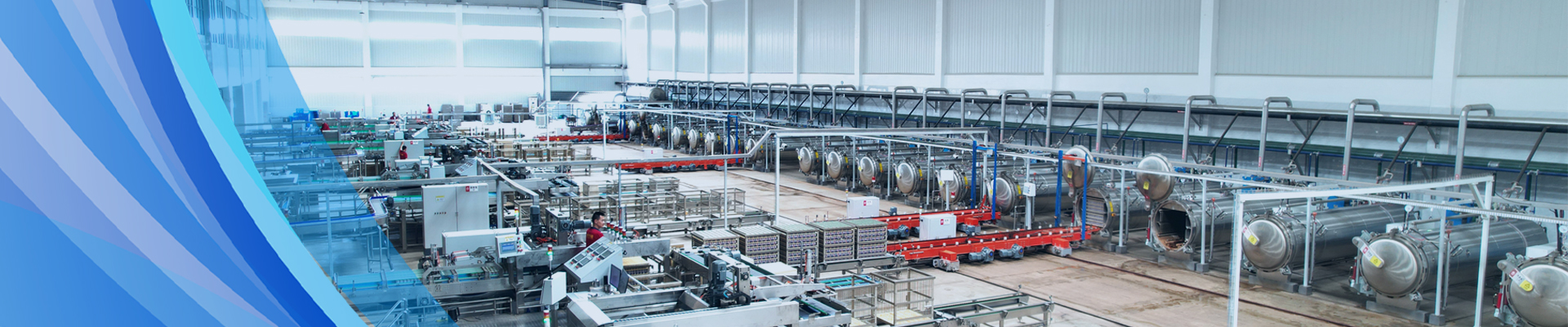
Validation Evidence: ZLPH’s 15,000m² facility houses CNC lathes, robotic welding arms, and in-house PLC testing rigs—ensuring every retort undergoes full-cycle simulation before shipment.
How can I ensure the retort meets international food safety and machinery directives?
Pain Point & Scenario: Export-oriented food processors face shipment rejections when retorts lack CE (EU), EAC (Russia/CIS), or DOSH (Malaysia) certifications—delaying market entry and incurring penalties.
Root Cause Analysis: Compliance isn’t just about affixing a label; it requires design adherence to Machinery Directive 2006/42/EC, PED 2014/68/EU, and local electrical/safety codes. Many factories claim “CE compliance” without notified body involvement.
Step-by-Step Solution: 1. Demand copies of valid certificates issued by accredited bodies—not self-declarations. ZLPH holds ASME, CE, EAC, and Malaysia DOSH certifications. 2. Confirm the control system uses CE-marked components (e.g., Siemens PLCs, ABB drives). 3. Require documentation of risk assessments per ISO 12100.
Avoidance Tips: Cross-check certificate numbers on official EU NANDO or EAC registries. Reject vague claims like “meets CE standards.”
Validation Evidence: ZLPH’s retorts cleared Russian customs within 48 hours at AGROPRODASH 2023 due to pre-validated EAC documentation.
What differentiates a high-efficiency horizontal retort in real production environments?
Pain Point & Scenario: Standard retorts consume excessive water/steam, extend cycle times, and cause product overcooking—reducing yield and energy ROI.
Root Cause Analysis: Inefficient heat transfer stems from poor spray nozzle layout, slow door mechanisms, and non-adaptive temperature control.
Step-by-Step Solution: 1. Opt for top-opening doors with hydraulic assist—cuts loading/unloading time by 40% vs. side-swing models. 2. Select multi-zone water-spray systems with PID-controlled pumps ensuring ±1°C thermal precision. 3. Integrate IoT-enabled monitoring for real-time F₀ tracking and remote diagnostics.
Avoidance Tips: Test cycle time claims with your actual product load. Beware of “theoretical” efficiency data without field validation.
Validation Evidence: At Qingdao Exhibition, ZLPH’s automated loader-unloader system reduced labor by 60% while maintaining 99.8% sterilization success rate across 200+ batches.
Industry Best Practices for Retort Supplier Evaluation
Based on global deployments, we recommend this 5-step vetting protocol:
- Verify Certifications: Confirm ASME, CE, EAC are active and scope-matched.
- Audit Facility Scale: Minimum 10,000m² workshop with CNC and welding capabilities ensures build consistency.
- Test After-Sales Reach: Ensure 24/7 support in your timezone—ZLPH’s 14-engineer team covers APAC, EU, and Americas.
- Request Client References: Contact 2–3 existing users in your sector.
- Conduct Sample Trial: Run your product through a demo unit under real conditions.
Frequently Asked Questions (FAQ)
Q: Can a standard horizontal retort handle both glass jars and metal cans?
A: Only if equipped with adjustable basket guides and gentle spray pressure control—ZLPH’s modular trays accommodate both without retooling.
Q: What’s the minimum order quantity for custom retort dimensions?
A: ZLPH offers single-unit customization with no MOQ, supported by in-house CAD/CAM rapid prototyping.
Q: How often does the retort require maintenance?
A: With ZLPH’s stainless-steel 304/316 construction and sealed bearings, scheduled maintenance is needed only every 6 months under 2-shift operation.
Q: Is remote troubleshooting available?
A: Yes—our PLC systems support encrypted remote access for real-time diagnostics and parameter tuning.
About Our Capabilities & Support
ZLPH MACHINERY TECHNOLOGY CO., LTD. is a technology-driven retort manufacturer founded in 2018, featuring a 21-member R&D team, ASME-certified pressure vessel fabrication, and 15,000m² intelligent factory. Our solutions serve clients in 50+ countries, validated at exhibitions like AGROPRODASH Moscow and Qingdao FoodTech Expo. We hold AAA Credit Enterprise status and multiple integrity certifications, reflecting our commitment to ethical partnerships.
Custom Solution Support Includes:
- On-site thermal process validation
- Integration with existing conveyor lines
- Localized training for operators
- Free sample testing with your product
Contact Us
Company: ZLPH MACHINERY TECHNOLOGY CO., LTD.
Website: https://www.zlphretort.com/
Email: sales@zlphretort.com
Phone / WhatsApp: +86 15666798389 / +86 13361554016
