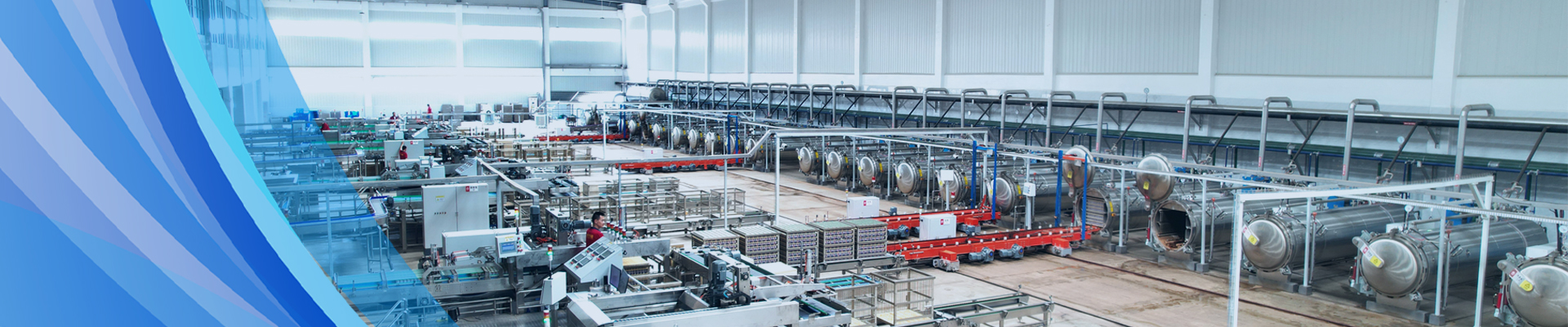

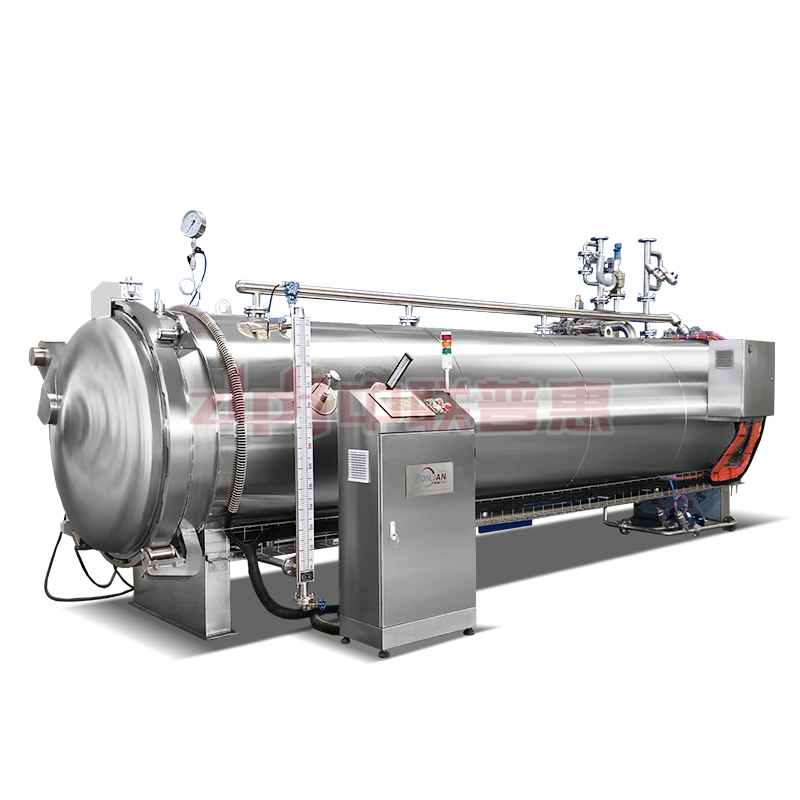
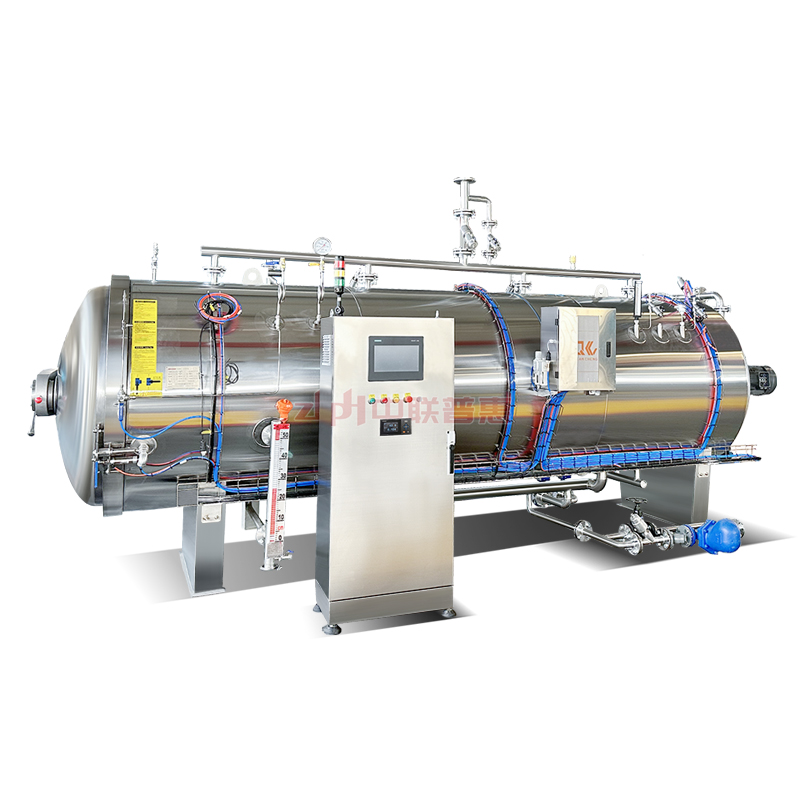
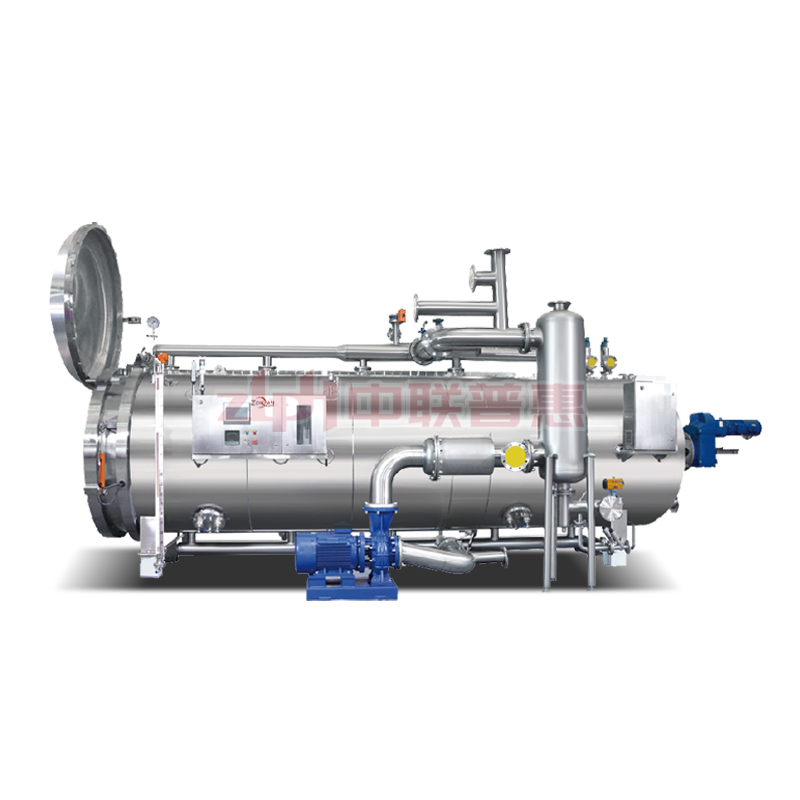
This guide is authored by a senior food processing engineer with over 10 years of experience at ZLPH MACHINERY TECHNOLOGY CO., LTD., a leading provider of advanced sterilization solutions. It addresses a critical challenge faced by global food manufacturers and procurement teams: inconsistent thermal processing in horizontal retort autoclaves, which compromises product safety, shelf life, and regulatory compliance. This issue commonly stems from uneven heat distribution, inadequate process control, and suboptimal loading practices. Drawing on more than 5,000 global installations and extensive R&D validation, we present a proven, actionable framework to achieve uniform sterilization, reduce batch rejection rates, and ensure consistent product quality. In this guide, we break down the root causes across key production scenarios, deliver step-by-step corrective measures, share real-world validation data, and provide industry best practices to help you optimize your retort operations—whether you’re processing canned vegetables, ready meals, or pet food.

How to Ensure Uniform Heat Distribution in Large-Batch Horizontal Retort Autoclaves?
In high-volume food canning facilities, operators often observe inconsistent sterilization outcomes—some cans pass microbial tests while others in the same batch fail. This inconsistency typically occurs during large-batch runs in horizontal retorts, leading to product recalls, wasted inventory, and compliance risks with FDA or EU food safety regulations.

The root causes are threefold: (1) poor water spray coverage due to outdated nozzle design, resulting in cold spots; (2) unbalanced loading of retort trays that obstructs circulation; and (3) lack of real-time temperature monitoring across multiple zones within the chamber.

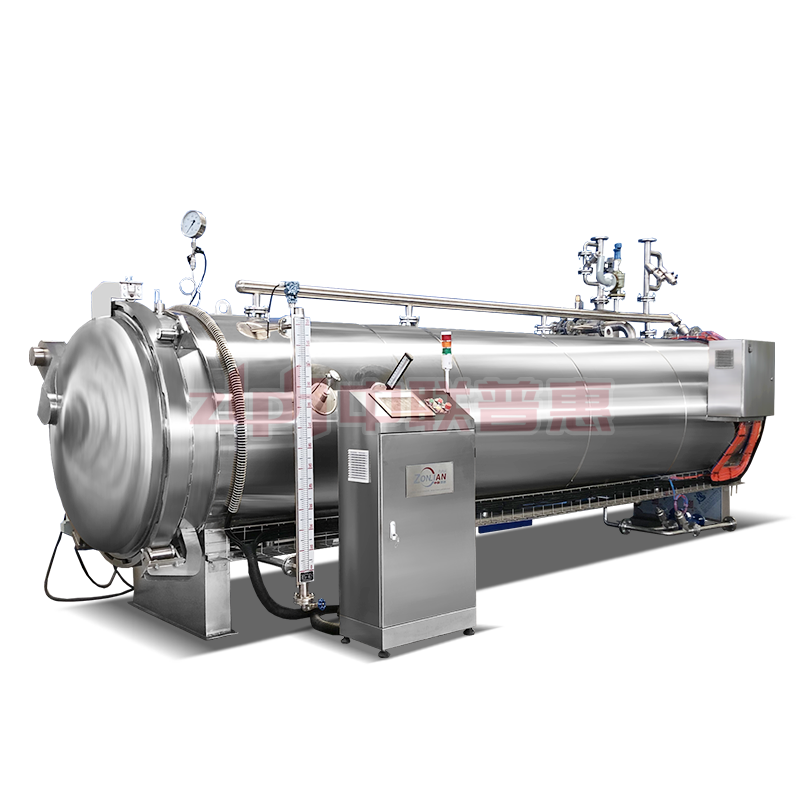
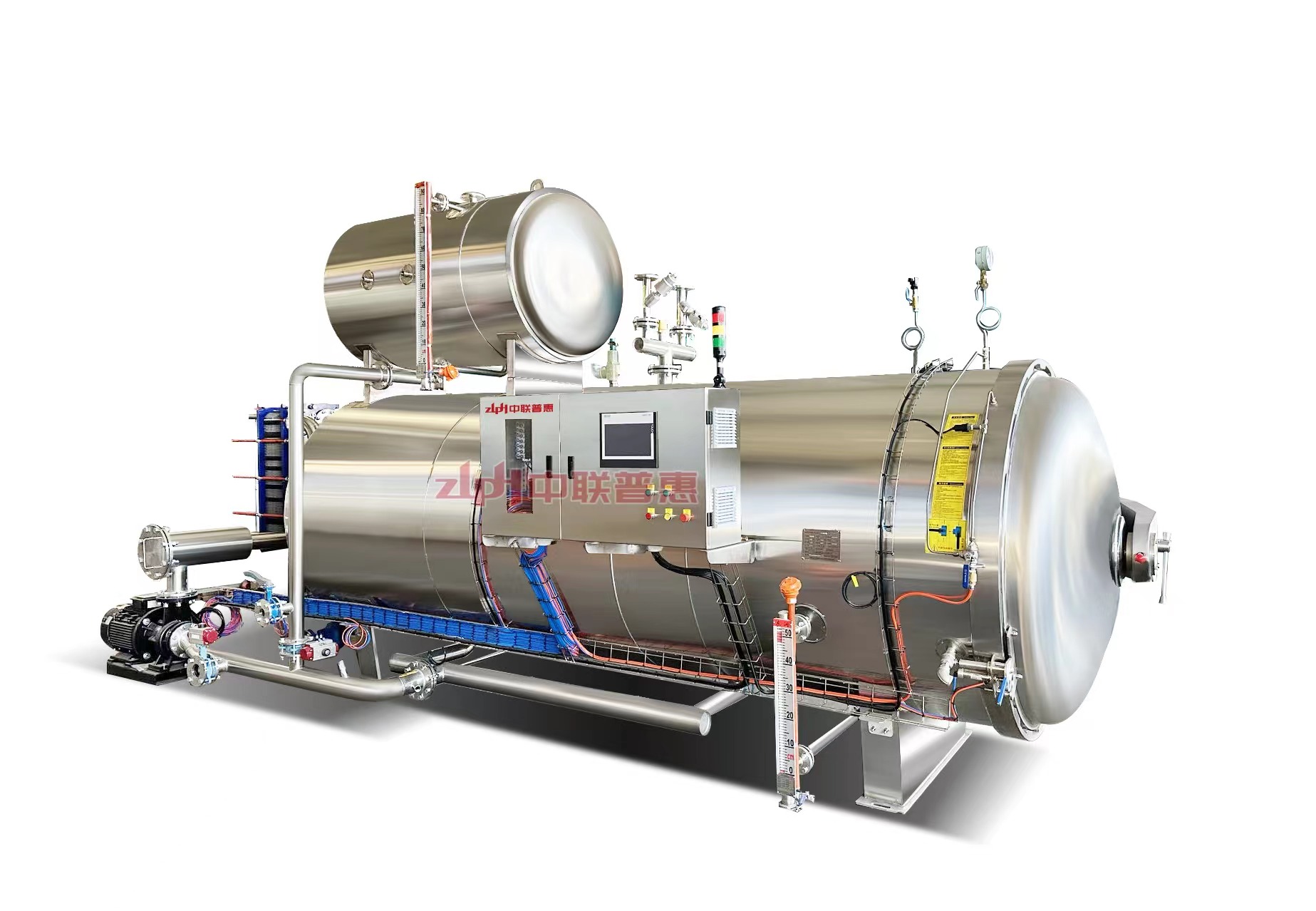
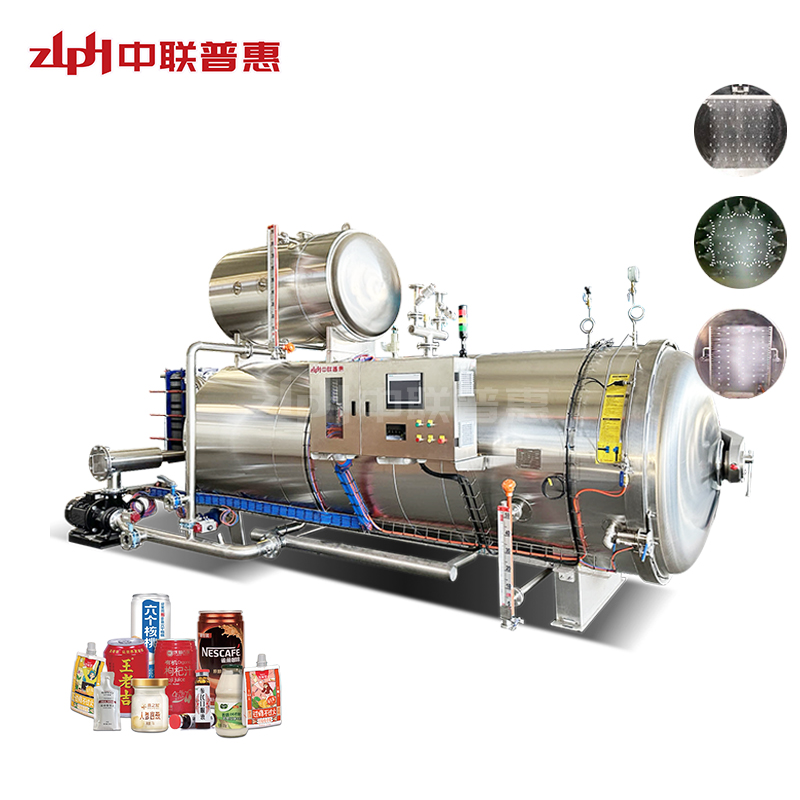
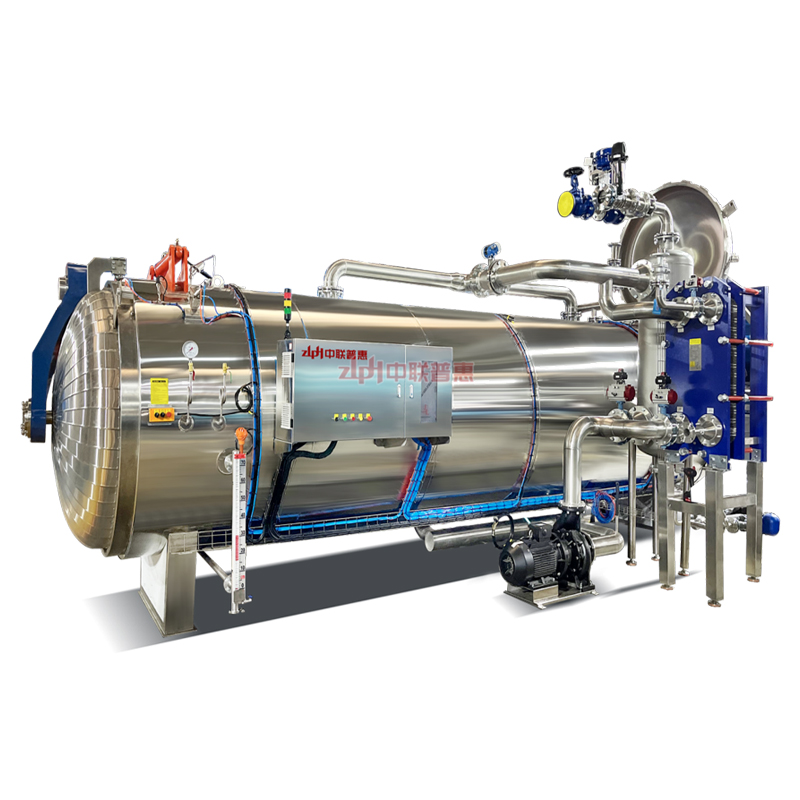
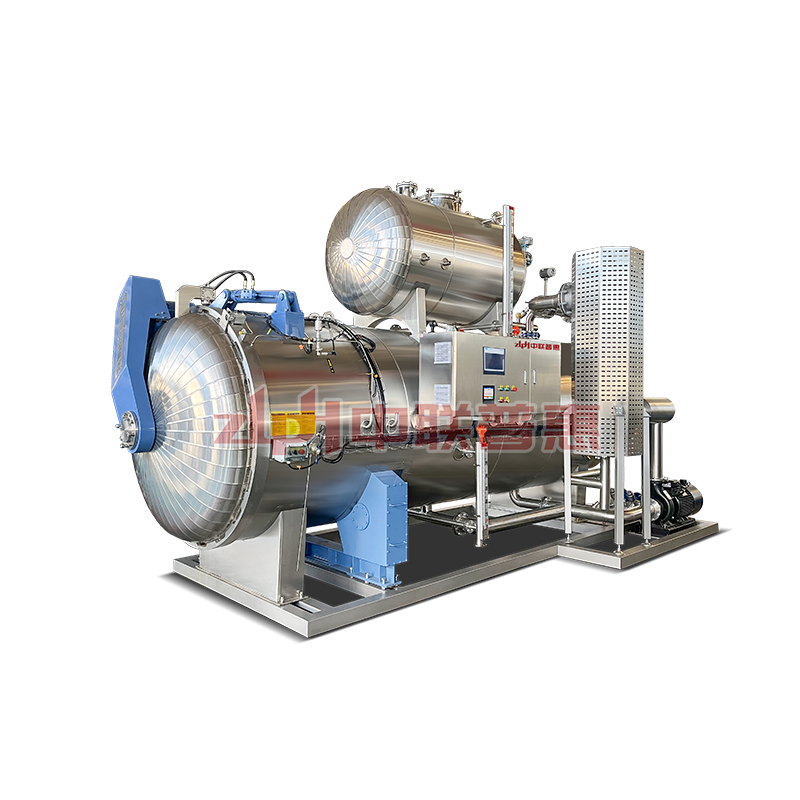
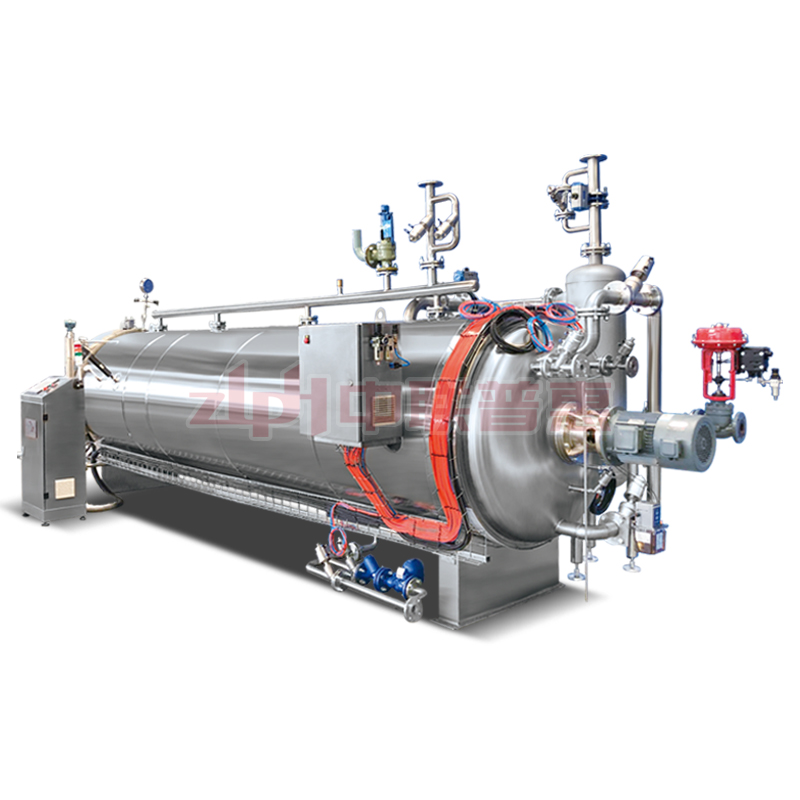
To resolve this, first implement immediate operational adjustments: standardize tray loading patterns using ZLPH’s automated loader-unloader system to ensure even spacing; verify nozzle alignment and clean clogged spray heads weekly. For long-term reliability, upgrade to an intelligent top-opening water spray retort equipped with multi-zone temperature sensors and dynamic flow control. These systems use PLC-driven algorithms to adjust spray pressure and water distribution in real time, eliminating thermal gradients.

Avoid common pitfalls by conducting thermal mapping studies during validation—place data loggers at 15+ strategic points per batch to identify cold zones. Never assume uniformity based on chamber average temperature alone. During the Qingdao exhibition, clients confirmed that ZLPH’s retorts maintained ±0.5°C temperature variance across full loads, far exceeding industry standards.
Real-world validation shows that after deploying ZLPH’s water spray retort with intelligent control, a major European ready-meal producer reduced sterilization failures by 92% and achieved 100% compliance in third-party audits over 18 months.
How to Prevent Overcooking While Ensuring Full Sterilization in Sensitive Products?
Manufacturers of delicate products like infant formula or seafood often face a dilemma: under-processing risks pathogen survival, while over-processing degrades texture and nutrition. Traditional retorts apply fixed time-temperature profiles, causing excessive F0 values in outer layers while inner zones barely meet minimum lethality.
This stems from static control logic and absence of adaptive feedback. Without real-time core temperature tracking of actual product (not just chamber), the system cannot modulate heating dynamically.
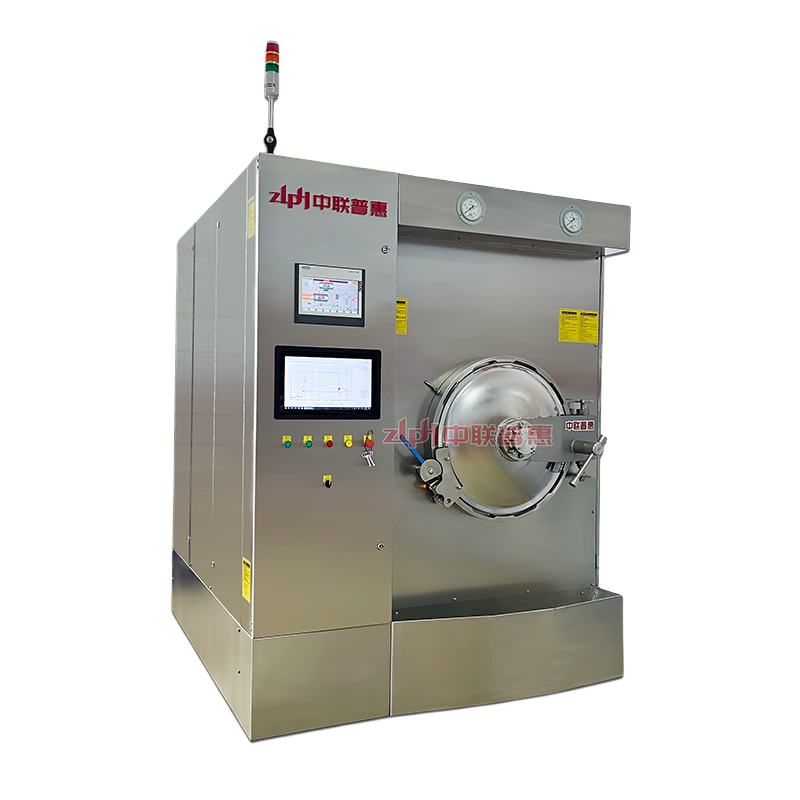
The solution involves integrating smart process control: use retorts with real-time F0 monitoring and variable-rate heating. ZLPH’s systems employ PLC programmers and sterilization researchers to calibrate product-specific profiles, adjusting steam injection and cooling phases based on live sensor data from representative cans.
During commissioning, conduct product penetration tests to establish accurate come-up times. Avoid using generic settings from equipment manuals—each recipe requires unique validation. At AGROPRODASH 2023, ZLPH demonstrated how its intelligent retort preserved 98% of omega-3 content in canned fish while achieving commercial sterility.
A Southeast Asian seafood exporter reported a 30% reduction in texture complaints and zero recalls after adopting this adaptive approach, with ROI achieved in under 14 months.
What Certifications Should a Horizontal Retort Autoclave Have for Global Markets?
Export-oriented food processors frequently encounter customs delays or market access denials due to non-compliant equipment. Key markets like the EU, Russia, and Malaysia require specific safety and quality certifications that many suppliers overlook.
ZLPH’s retorts hold ASME certification for pressure vessel integrity, CE marking for EU machinery directives, EAC for Eurasian Economic Union compliance, and Malaysia DOSH approval—ensuring seamless import clearance and audit readiness. Additionally, our ISO-aligned quality management system and AAA credit enterprise status reinforce trust with international buyers.
Always verify that your supplier provides original certification documents—not just declarations. ZLPH includes full compliance dossiers with every export shipment, reducing client-side validation efforts by over 70%.
Industry Best Practices for Reliable Retort Operations
Based on 6 years of global deployments and 5,000+ installations, ZLPH recommends a 5-step framework for robust retort performance:
1. Validate with Real Product Loads: Conduct thermal validation using actual packaging and fill levels—not empty chambers.
2. Automate Loading: Use mechanical loaders to eliminate human error in tray arrangement.
3. Monitor Multi-Zone Temperatures: Install at least 12 sensors per chamber for accurate F0 calculation.
4. Schedule Preventive Maintenance: Inspect door seals, pressure valves, and spray nozzles monthly.
5. Partner with Certified Suppliers: Choose vendors with ASME, CE, and local market certifications.
Frequently Asked Questions (FAQ)
Q: Can I retrofit my old retort with ZLPH’s intelligent control system?
A: Yes—ZLPH offers PLC and sensor upgrade kits compatible with most horizontal autoclaves, enabling real-time monitoring without full replacement.
Q: How often should I recalibrate temperature sensors?
A: Every 6 months under normal use; every 3 months in high-cycle or corrosive environments.
Q: Does ZLPH support remote troubleshooting?
A: Yes—our 14-member after-sales team provides 24/7 remote diagnostics via secure cloud connections.
Q: Are your retorts suitable for acidic foods like tomatoes?
A: Absolutely—chambers are constructed with SS316L or higher-grade stainless steel, resistant to pH as low as 3.0.
Our Expertise and Support
ZLPH MACHINERY TECHNOLOGY CO., LTD. has specialized in sterilization technology since 2018, with a 21-member R&D team including mechanical designers, PLC engineers, and sterilization process experts—each with 10+ years of industry experience. Our 50-acre facility houses 15,000 m² of advanced manufacturing space equipped with precision machining tools ensuring component accuracy within ±0.02mm. We hold ASME, CE, EAC, and DOSH certifications, and our solutions serve clients across 40+ countries.
We offer customized support including: on-site process assessment, recipe-specific validation, free sample testing, and turnkey installation. Our success is tied to yours—every system is backed by lifelong technical partnership.
Contact Us
Company: ZLPH MACHINERY TECHNOLOGY CO., LTD.
Website: https://www.zlphretort.com/
Email: sales@zlphretort.com
Phone / WhatsApp: +86 15666798389 / +86 13361554016
