

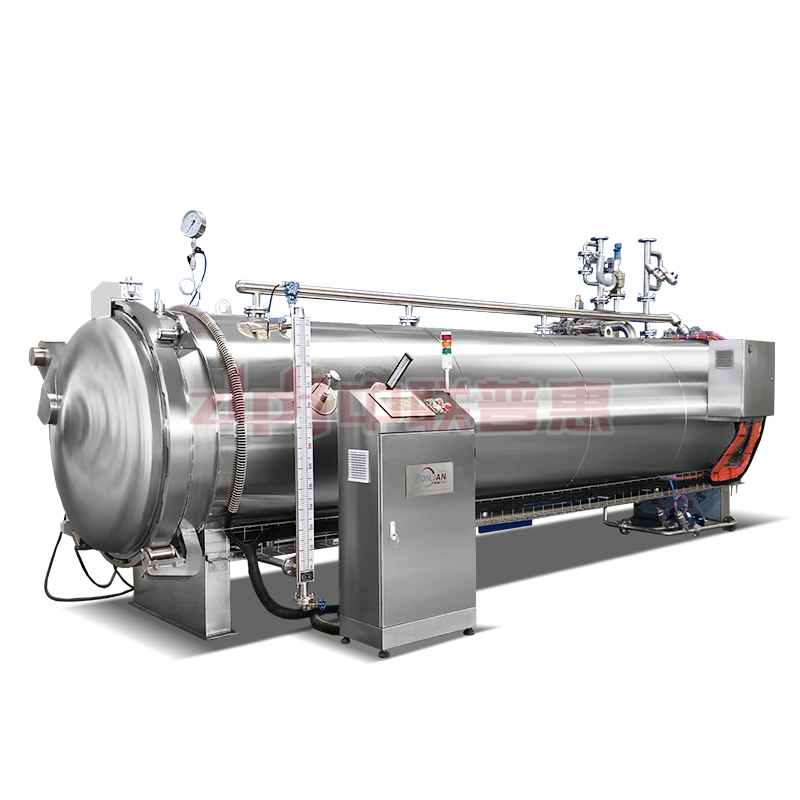
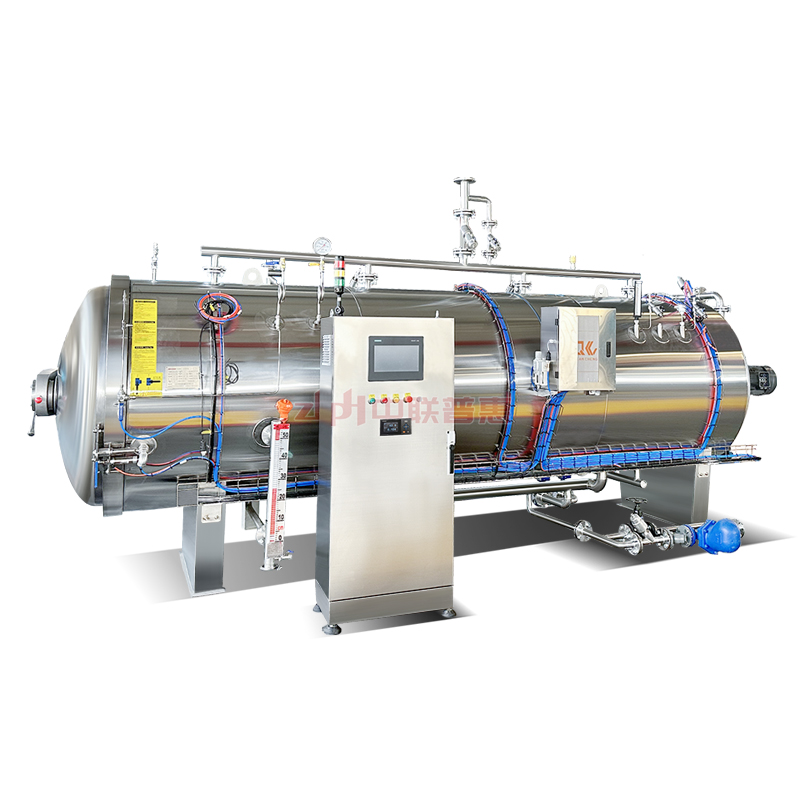
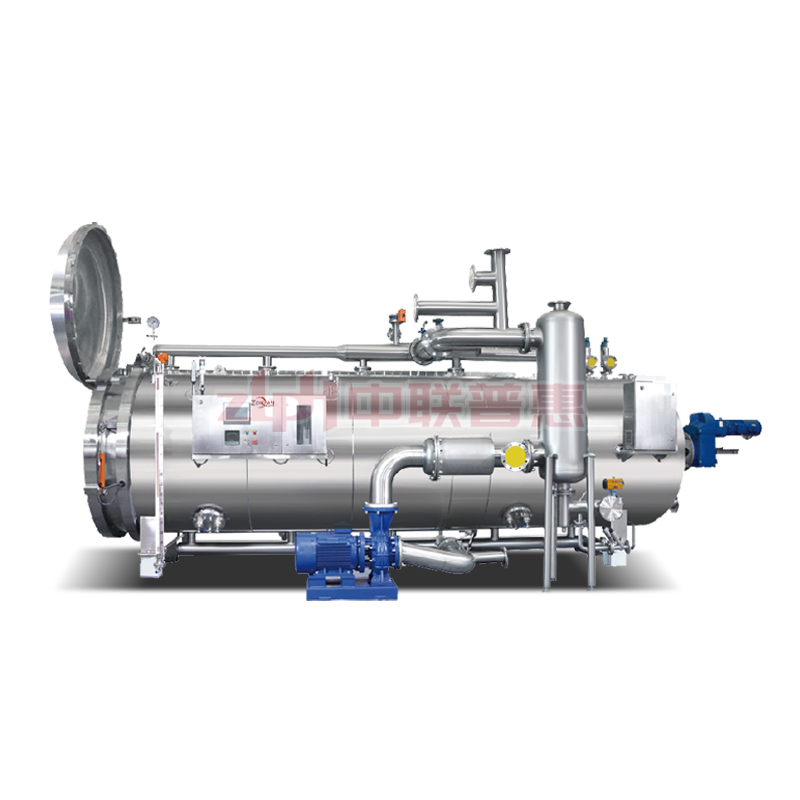
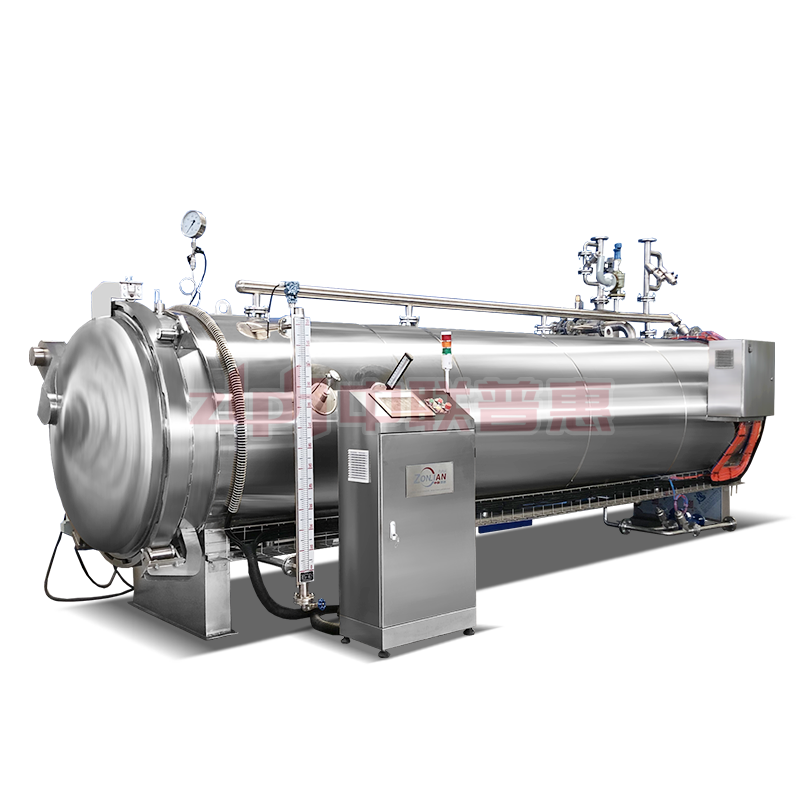
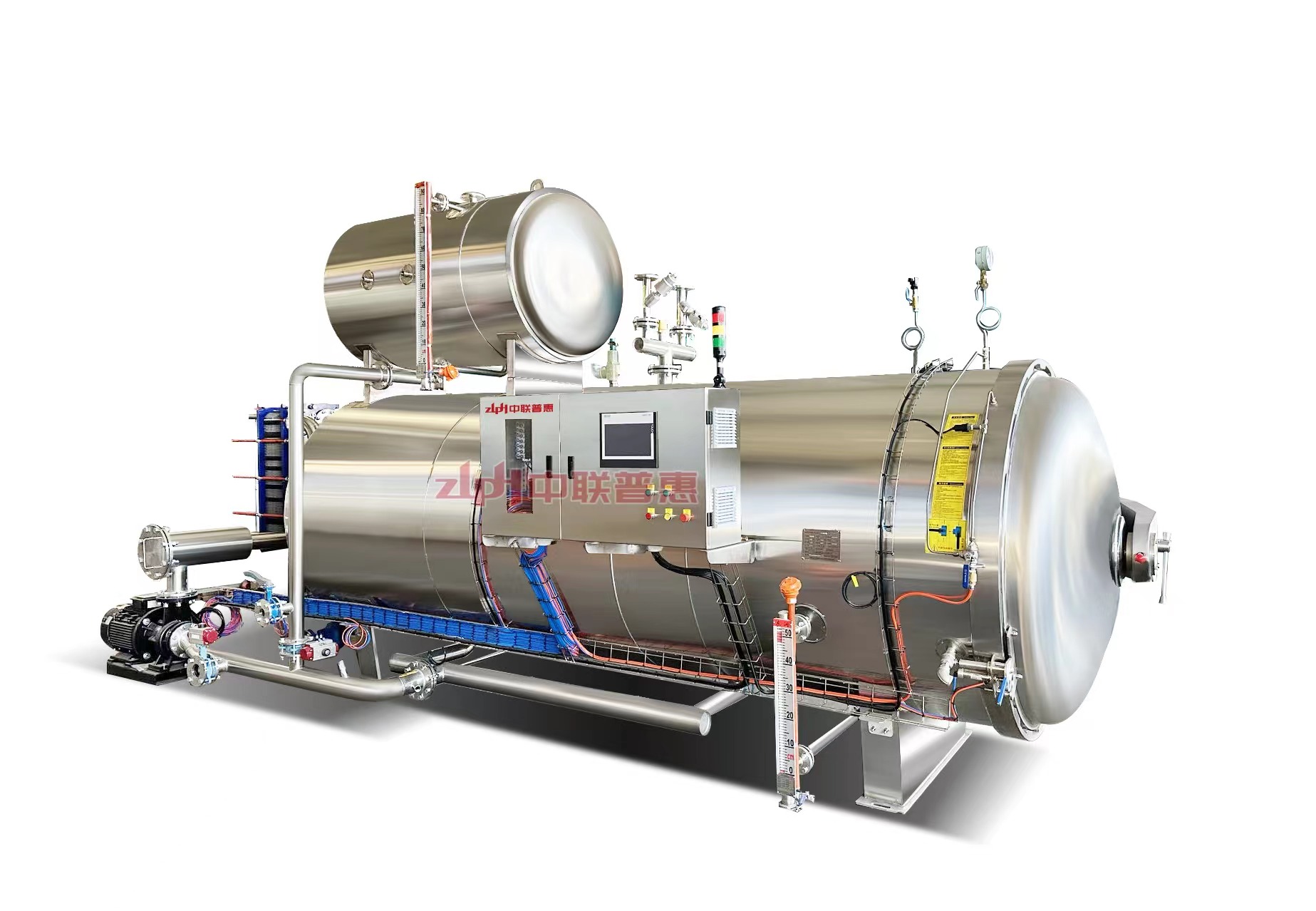
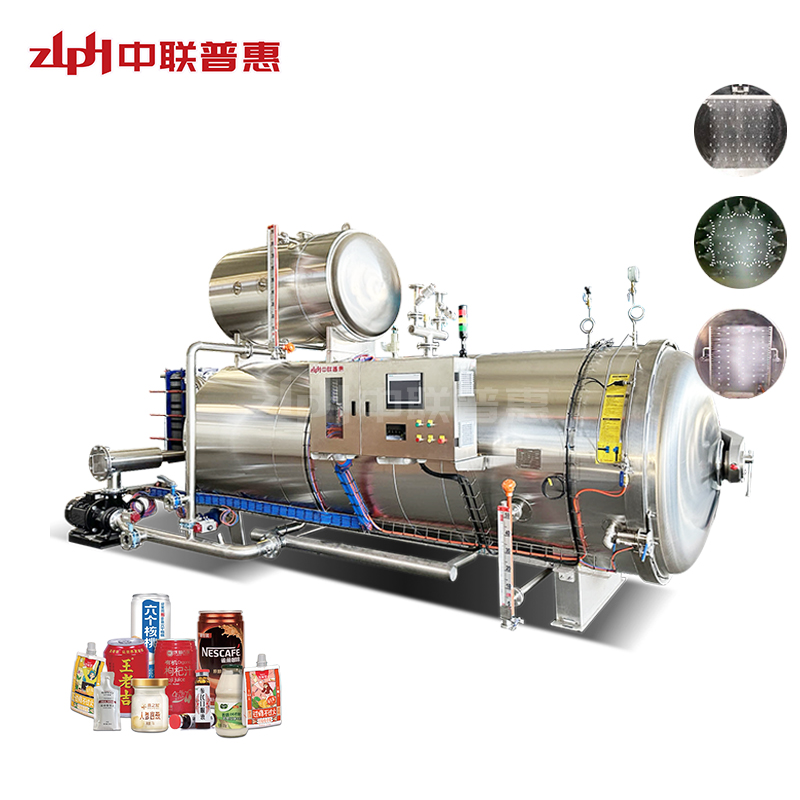
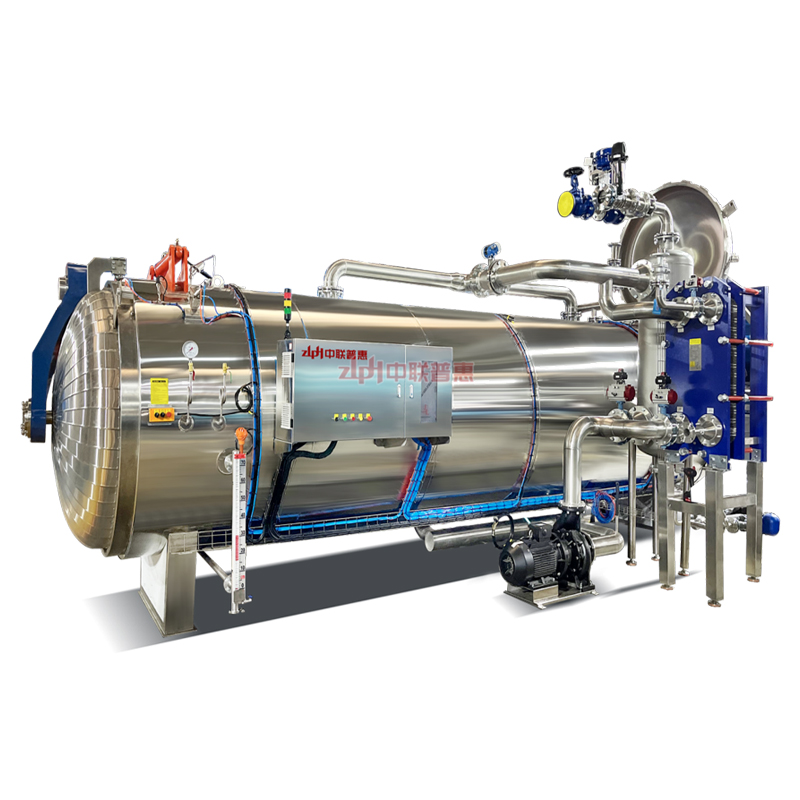
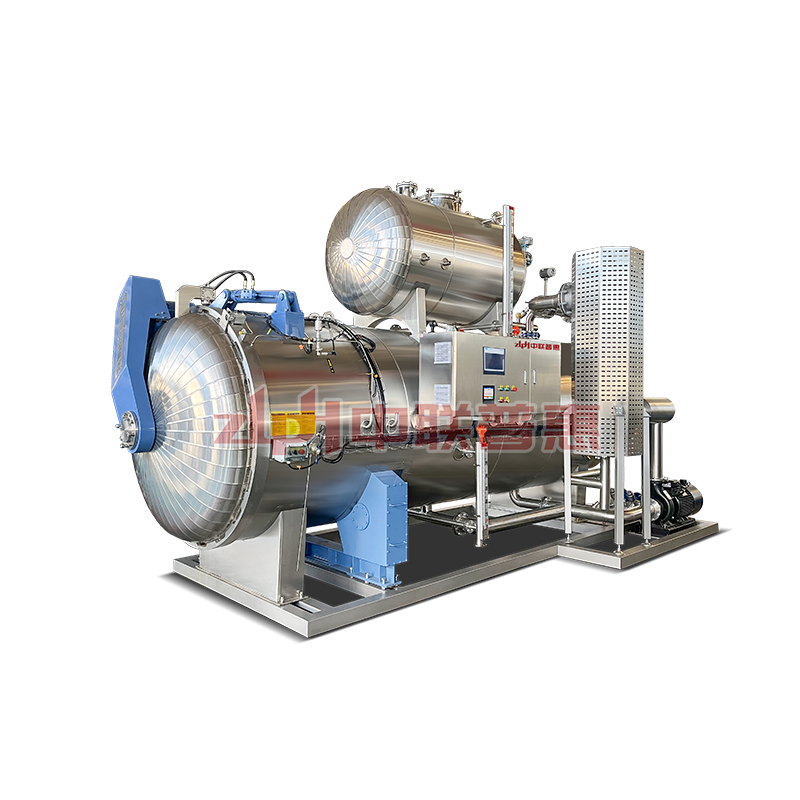
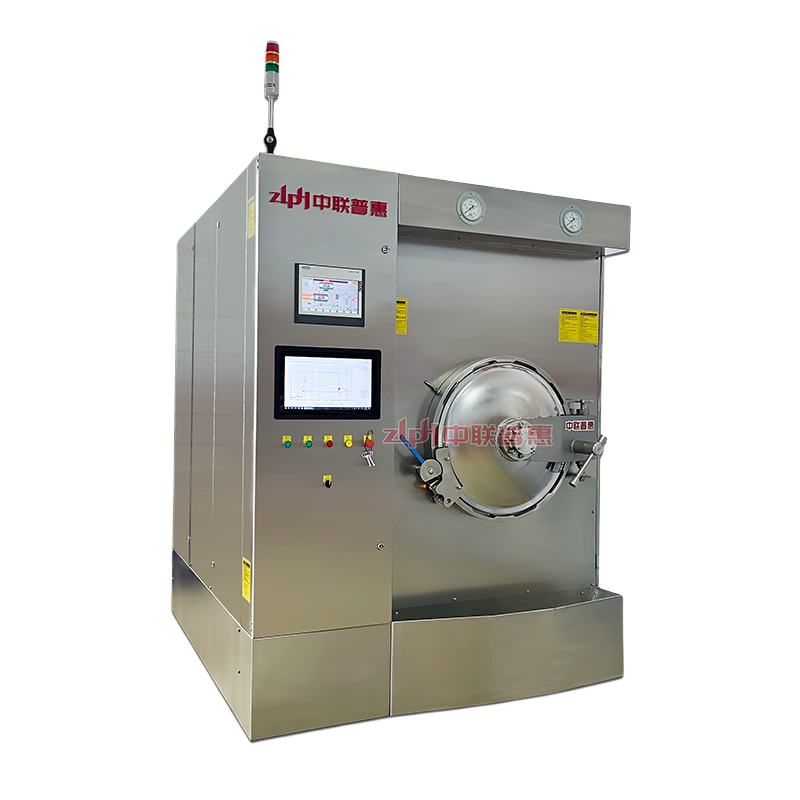
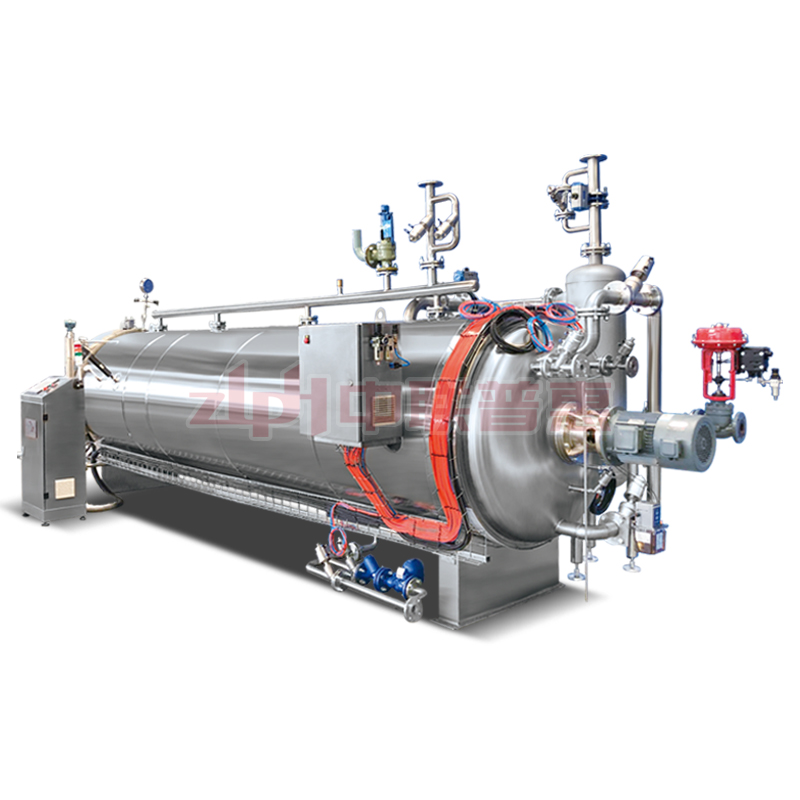
This guide is authored by a senior food processing engineer with over 10 years of experience at ZLPH MACHINERY TECHNOLOGY CO., LTD., a globally recognized provider of advanced sterilization solutions. It addresses a critical challenge faced by food manufacturers worldwide: inconsistent thermal processing outcomes in canned food production using horizontal retort autoclaves. This issue—manifesting as under-sterilization, texture degradation, or batch-to-batch variability—is primarily caused by uneven heat distribution, inadequate process control, and suboptimal equipment design. Drawing from more than 5,000 global installations and rigorous field validation across diverse food categories (from low-acid vegetables to protein-rich meats), we present a proven, step-by-step methodology to eliminate these inconsistencies. The solution centers on selecting a supplier that integrates precision engineering, intelligent control systems, and validated thermal performance—ensuring microbial safety, product quality retention, and operational efficiency. In this guide, we dissect root causes by real-world scenario, deliver actionable fixes, share failure-prevention best practices, and validate results through documented case studies—all aligned with international food safety standards.

How to Ensure Uniform Heat Distribution in Large-Batch Canned Vegetable Sterilization?
1. Scenario & Pain Point
In high-volume canning facilities producing green beans or corn, operators often observe inconsistent softening—some cans are overcooked while others remain under-processed—even when using the same time-temperature profile. This leads to product rejection, shelf-life reduction, and compliance risks under FDA or EU regulations.
2. Root Cause Analysis
The core issues stem from: (a) poor water spray nozzle layout causing cold spots in the retort chamber; (b) lack of real-time temperature mapping across multiple zones; and (c) manual loading patterns that block circulation paths.
3. Step-by-Step Solution
Immediate fix: Implement standardized tray loading with uniform spacing and use baffles to redirect flow. Long-term resolution: Deploy a horizontal retort with multi-zone water spray nozzles and CFD-optimized circulation, paired with an intelligent control system that auto-adjusts spray pressure per zone based on live thermal feedback.
4. Pitfall Avoidance Guide
Avoid retrofitting old retorts without hydraulic validation. Always conduct thermal mapping (per ASTM F2837) during commissioning. Never assume uniformity—verify with data loggers in every corner of the load.
5. Validation Evidence
ZLPH’s intelligent top-opening water spray retort reduced temperature variance from ±8°C to ±1.2°C in a 2023 Qingdao exhibition demo, achieving 6-log Clostridium botulinum kill consistently across 1,200-can batches.

How to Prevent Overcooking of Delicate Protein Products Like Fish or Poultry?
1. Scenario & Pain Point
Seafood processors report excessive protein denaturation and juice loss in canned tuna or chicken when using conventional steam-air retorts, degrading texture and yield.
2. Root Cause Analysis
Steam-based systems create thermal lag and overshoot during heating/cooling phases. Lack of precise pressure control causes can deformation and uneven heat penetration.
3. Step-by-Step Solution
Switch to a water-immersion or water-spray horizontal retort with independent temperature and pressure control loops. Use ramp-rate programming to gradually increase/decrease temperature, minimizing thermal shock.
4. Pitfall Avoidance Guide
Do not rely solely on chamber temperature—monitor product core temperature via wireless probes. Avoid rapid cooling without counter-pressure, which collapses cans.
5. Validation Evidence
A Russian client using ZLPH’s EAC-certified retort reported 18% higher yield retention in canned salmon and zero can deformation after adopting programmable cooling profiles.

What Certification and Compliance Should a Reliable Horizontal Retort Supplier Have?
1. Scenario & Pain Point
Importers in Europe, Russia, and Southeast Asia face customs delays or market access denial due to non-compliant sterilization equipment.
2. Root Cause Analysis
Many suppliers lack region-specific certifications, relying only on basic CE marks without pressure equipment directives or local regulatory alignment.
3. Step-by-Step Solution
Verify the supplier holds ASME certification for pressure vessel integrity, EU CE (including PED 2014/68/EU), Russian EAC, Malaysia DOSH, and a valid Special Equipment Manufacturing License.
4. Pitfall Avoidance Guide
Demand original certificate copies—not just logos on brochures. Confirm the certifying body is internationally accredited.
5. Validation Evidence
ZLPH maintains ASME, CE, EAC, DOSH, and Chinese Special Equipment licenses, enabling seamless deployment in 40+ countries.

Industry Best Practices for Selecting & Operating Horizontal Retort Systems
Based on 6 years of global project execution and 5,000+ installations, ZLPH recommends this 5-step framework:
1. Define Worst-Case Conditions: Design for peak load, highest altitude, and most sensitive product—not average conditions.
2. Validate Thermal Performance: Require third-party thermal mapping reports per ASTM or EN standards.
3. Prioritize Intelligent Controls: Choose systems with real-time T/P monitoring, recipe management, and audit trails.
4. Standardize Operator Protocols: Train staff on loading patterns, maintenance, and emergency shutdowns.
5. Partner with Full-Service Suppliers: Select vendors offering installation, validation support, and 24/7 technical backup.
Frequently Asked Questions (FAQ)
Q: Can I use a vertical retort for large-diameter cans?
A: No—horizontal retorts are essential for cans over 102mm diameter to ensure even rotation and heat transfer during processing.
Q: How often should I calibrate temperature sensors?
A: Every 3 months per ISO 22000; ZLPH retorts include auto-calibration alerts and NIST-traceable sensor options.
Q: Is water spray better than steam-air for low-acid foods?
A: Yes—water spray provides faster heat transfer and superior uniformity, critical for achieving commercial sterility in low-acid products.
Q: Do you support remote diagnostics?
A: Yes—ZLPH’s PLC systems enable secure remote monitoring and troubleshooting via encrypted cloud connection.
Q: What’s the typical lead time for a custom retort?
A: 90–120 days, including factory acceptance testing (FAT) with customer witness.
Why ZLPH Is Trusted for Mission-Critical Sterilization
ZLPH MACHINERY TECHNOLOGY CO., LTD. is a specialized manufacturer of horizontal retort autoclaves since 2018, backed by a 45-member engineering team—including 21 mechanical designers, 4 sterilization process experts, and 14 global after-sales engineers with decade-long industry experience. Our 50-acre facility houses 15,000㎡ of advanced workshops equipped with precision machining centers ensuring micron-level component accuracy. We hold ASME, CE, EAC, DOSH, and AAA Credit Enterprise certifications, reflecting our commitment to quality and compliance. Our solutions are deployed across Asia, Europe, and the Americas, serving leading brands in meat, seafood, and ready-meal sectors. At AGROPRODASH 2023 in Moscow, our intelligent top-opening water spray retort drew acclaim for its operational efficiency and hygiene safety.
Custom Support & Next Steps
For complex applications, ZLPH offers:
- Free thermal process consultation
- On-site load pattern simulation
- Custom chamber sizing & automation integration
- Sample machine testing at our Qingdao facility
Contact our technical team for a tailored sterilization validation plan.
Company: ZLPH MACHINERY TECHNOLOGY CO., LTD.
Website: https://www.zlphretort.com/
Email: sales@zlphretort.com
Phone / WhatsApp: +86 15666798389 / +86 13361554016
