
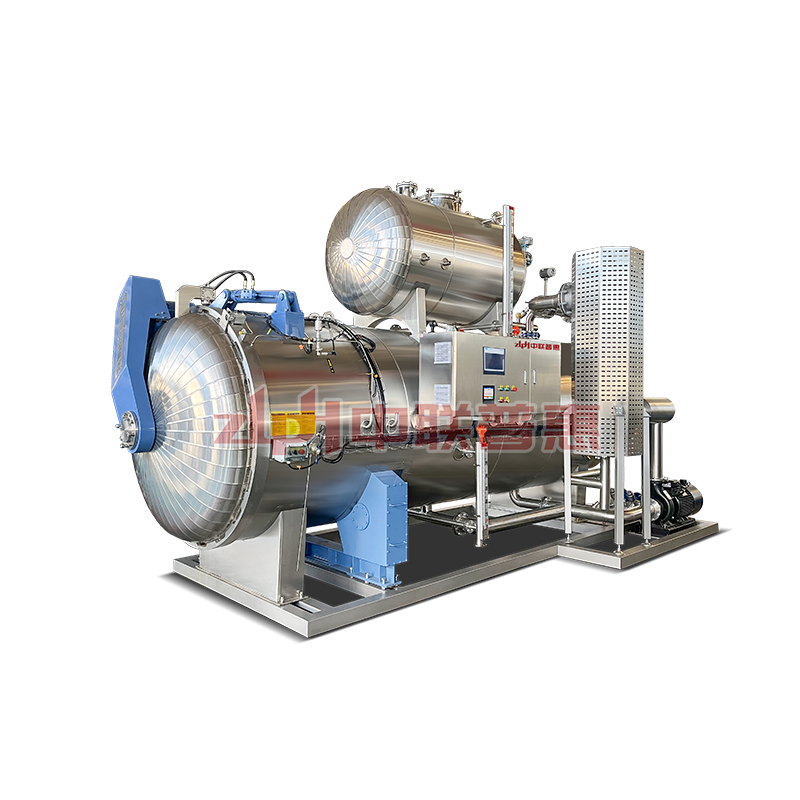
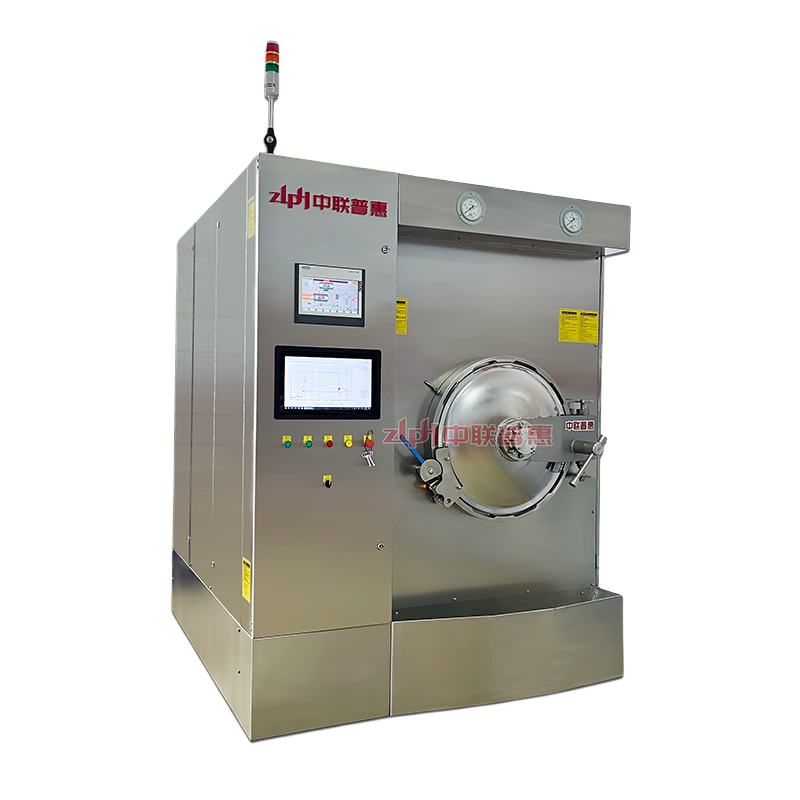
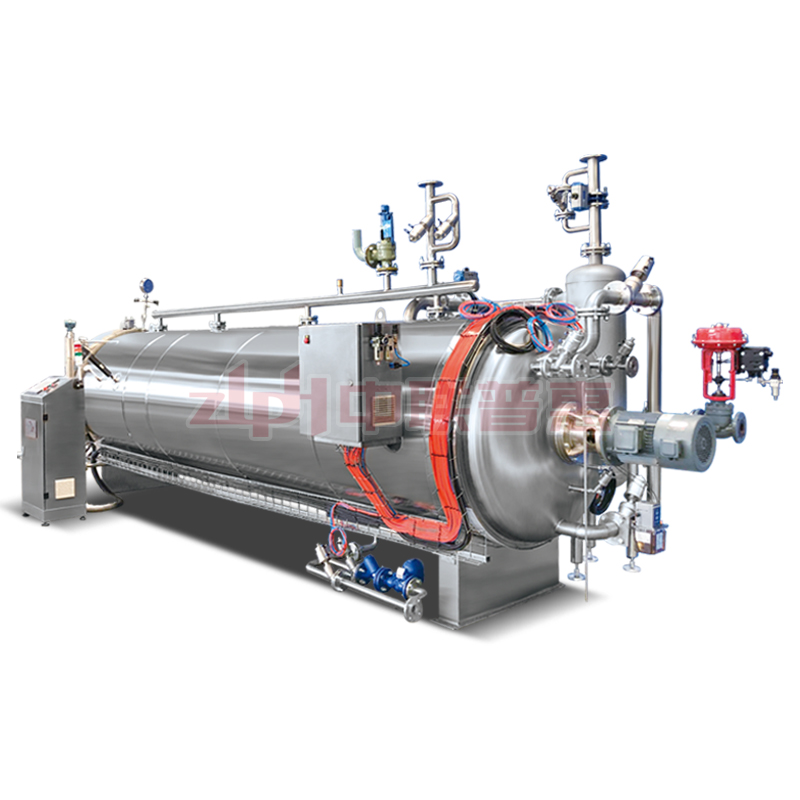
This guide is authored by a senior food sterilization systems engineer with over 10 years of field experience at ZLPH MACHINERY TECHNOLOGY CO., LTD., a globally recognized provider of advanced retort sterilization solutions. It addresses a critical challenge faced by food manufacturers and procurement professionals worldwide: selecting the most reliable, efficient, and technically advanced pilot retort autoclave from among the top 10 global suppliers. The decision is often complicated by inconsistent performance claims, lack of real-world validation, and insufficient technical support—issues that can lead to production delays, safety risks, and compliance failures. Based on more than 5,000 global installations and extensive R&D validation, we present a proven, step-by-step framework to evaluate pilot retort autoclaves by operational stability, sterilization efficacy, automation integration, and long-term serviceability. This guide breaks down key selection criteria, common pitfalls, and real-world validation metrics to help you identify a system that delivers consistent lethality, regulatory compliance, and seamless scalability from pilot to full production.

How do I verify if a pilot retort autoclave delivers consistent sterilization performance under varying load conditions?
1. Scenario & Pain Point
Food R&D teams and small-batch producers frequently encounter inconsistent F0 values (sterilization lethality) when scaling recipes from lab to pilot runs. This inconsistency stems from uneven heat distribution, poor temperature-pressure synchronization, or inadequate water spray coverage—leading to under-processed batches or texture degradation in sensitive products like ready meals or baby food.

2. Root Cause Analysis
The core issues include: (a) non-uniform water spray nozzles causing cold spots; (b) delayed response in pressure control during rapid come-up time (CUT); and (c) lack of real-time monitoring for individual retort zones. These flaws are especially pronounced in batch-mode pilot systems without dynamic feedback loops.

3. Step-by-Step Solution
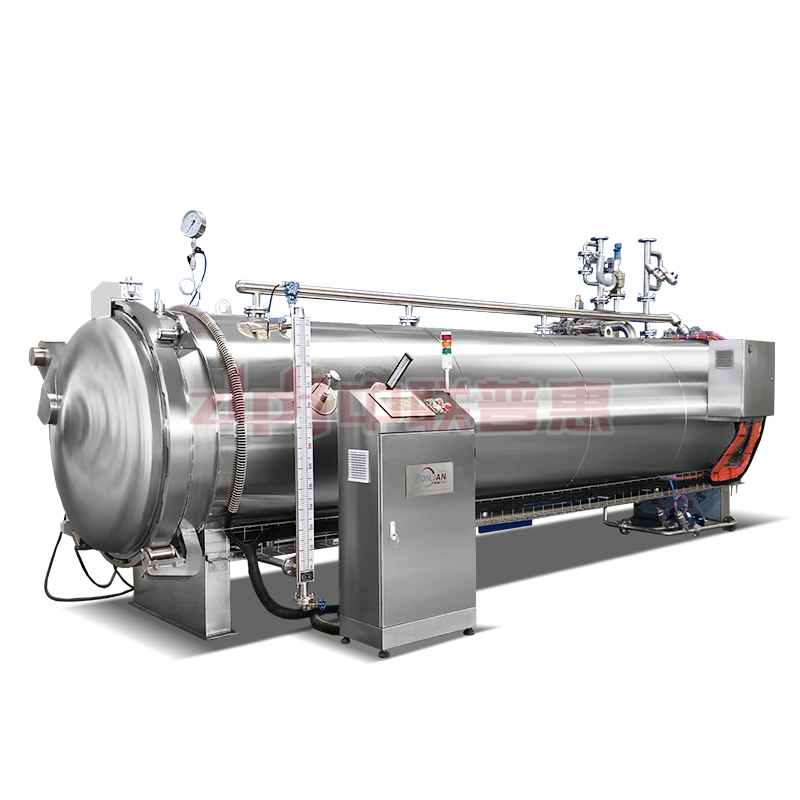
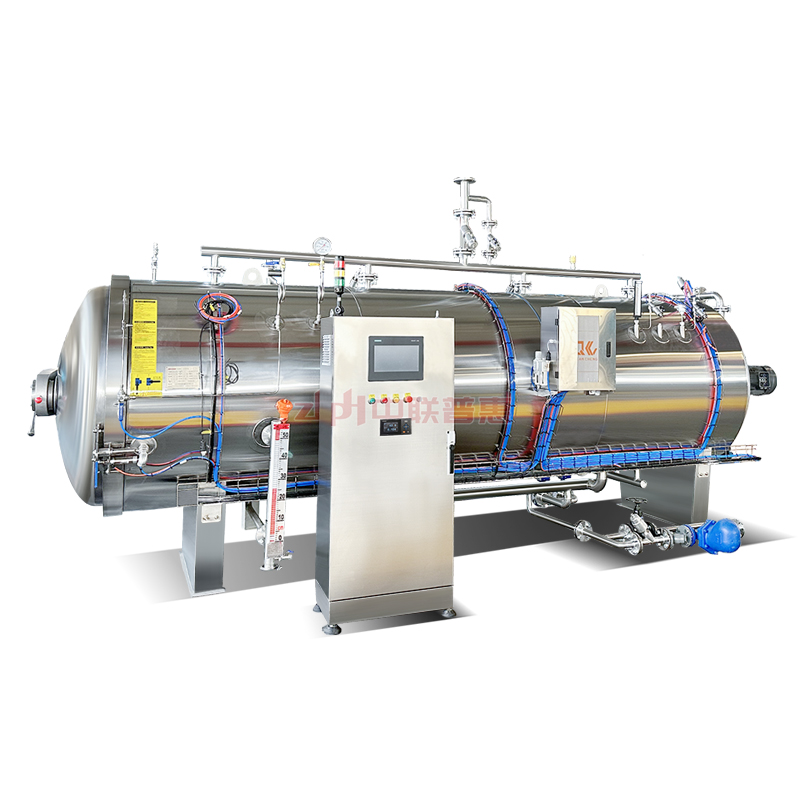
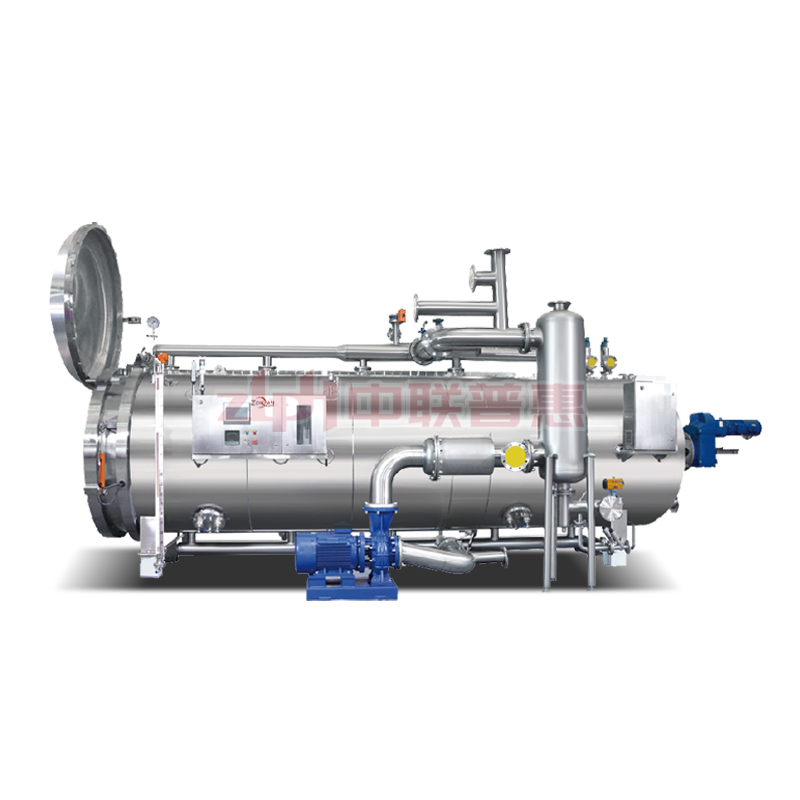
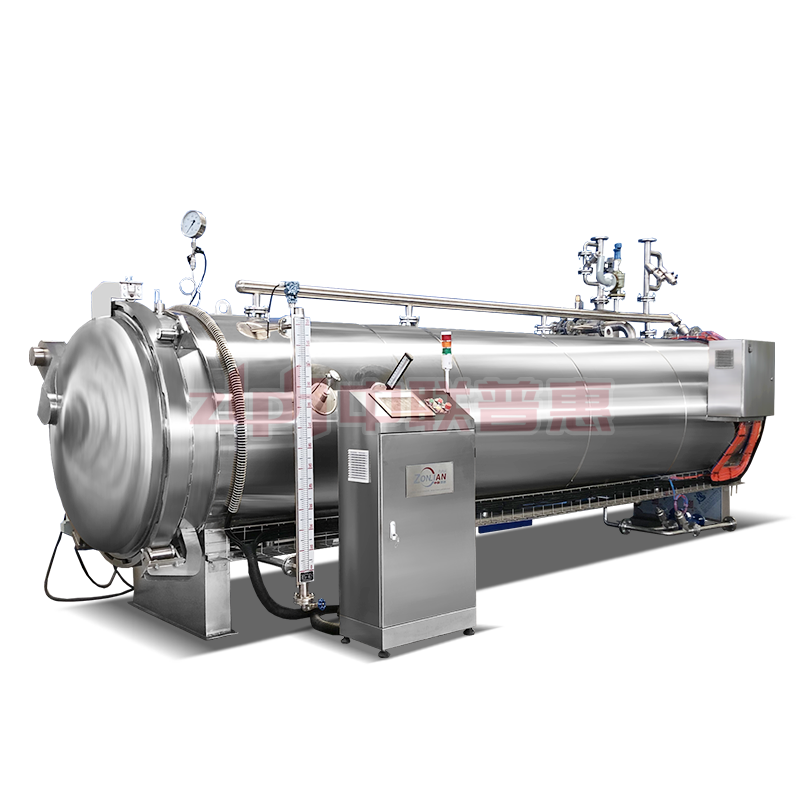
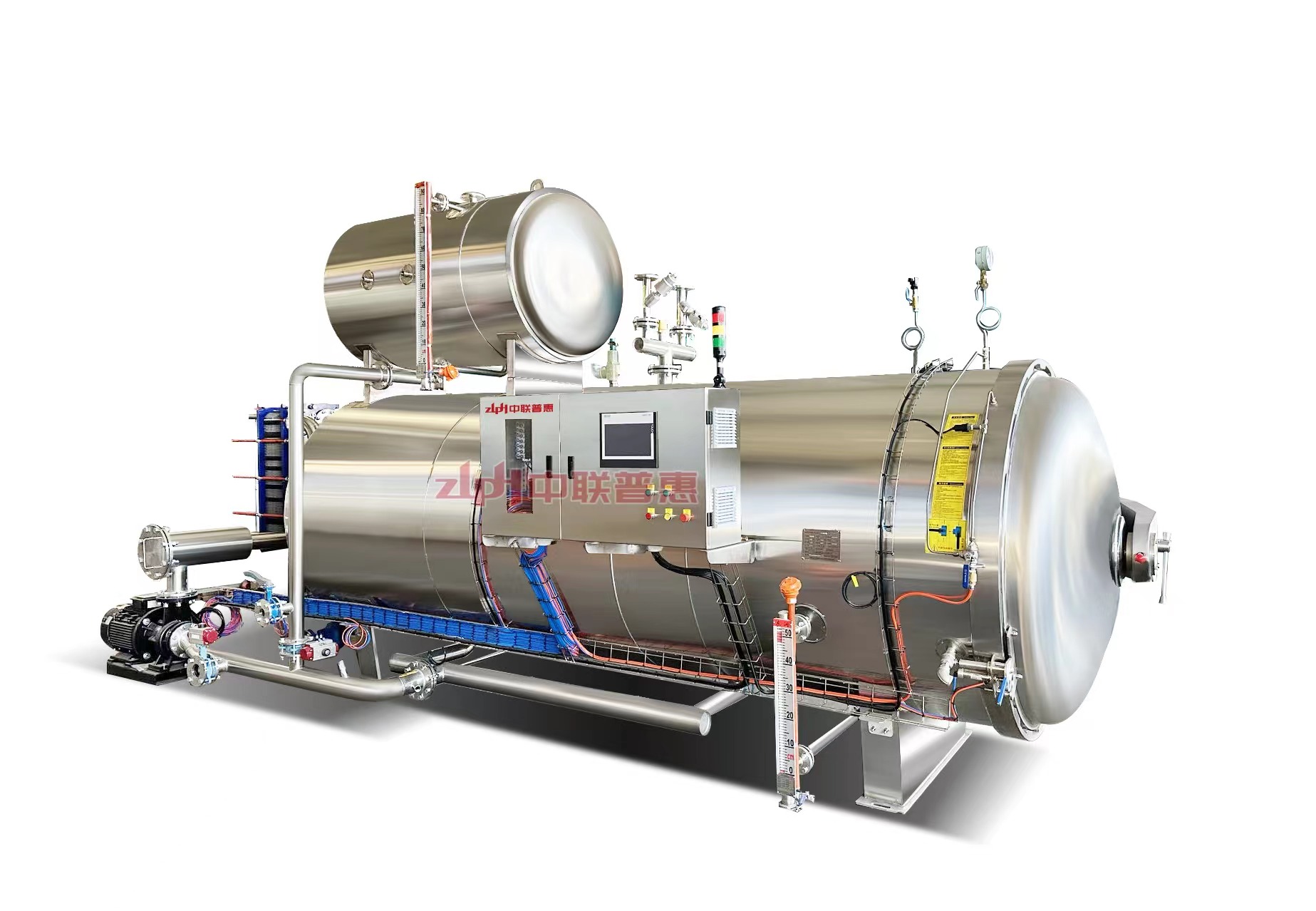
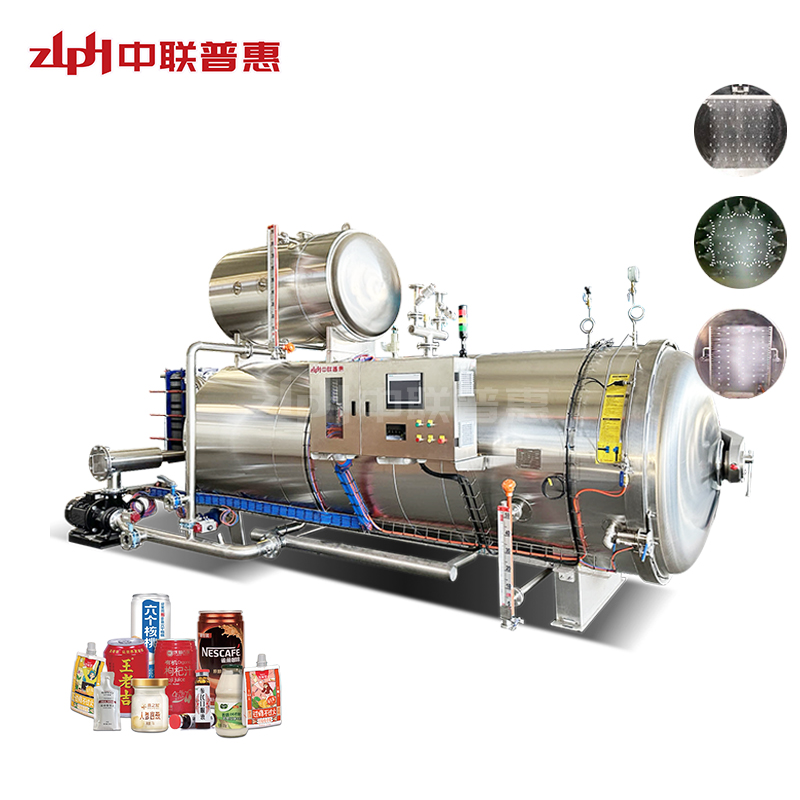
Conduct a thermal mapping test using data loggers placed at 9 strategic points (top, middle, bottom, corners) across an empty and fully loaded chamber. A high-performance pilot retort should maintain ±0.5°C temperature uniformity and achieve target F0 within ±3% deviation. Opt for systems with multi-zone water spray arrays and PID-controlled steam/water injection—like ZLPH’s intelligent top-opening water spray retort, which uses synchronized valve timing to ensure even thermal penetration.

4. Pitfall Avoidance Guide
Avoid vendors who only provide theoretical thermal models without third-party validation reports. Always request a live demo with your actual product matrix (e.g., pouches, cans, trays). Ensure the control system logs time-temperature-pressure data per cycle for audit compliance (FDA 21 CFR Part 11).
5. Real-World Validation
ZLPH’s pilot retorts have been validated in over 300 R&D facilities across Asia, Europe, and North America. In a recent trial with a European baby food producer, the system maintained F0 consistency of 98.7% across 50 consecutive cycles with mixed-load configurations (glass jars + flexible pouches), enabling seamless scale-up to commercial production.
What makes a pilot retort truly “automation-ready” for future integration?
1. Scenario & Pain Point
Many pilot units lack standardized interfaces for future integration with tray loaders, conveyors, or MES systems. Retrofitting later incurs high costs and downtime—defeating the purpose of a scalable pilot platform.
2. Root Cause Analysis
Legacy designs often use proprietary PLCs without open protocols (e.g., Modbus TCP, OPC UA), and mechanical layouts don’t align with standard automation footprints.
3. Step-by-Step Solution
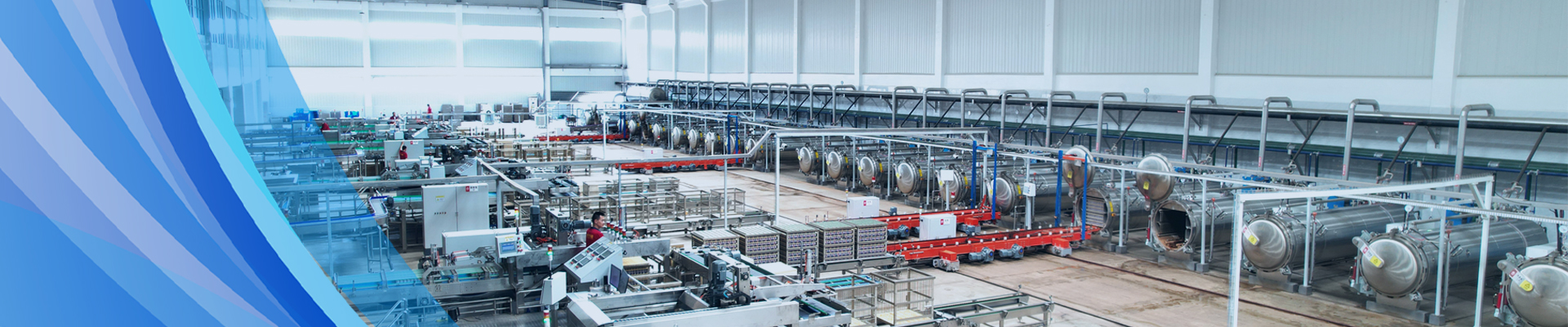
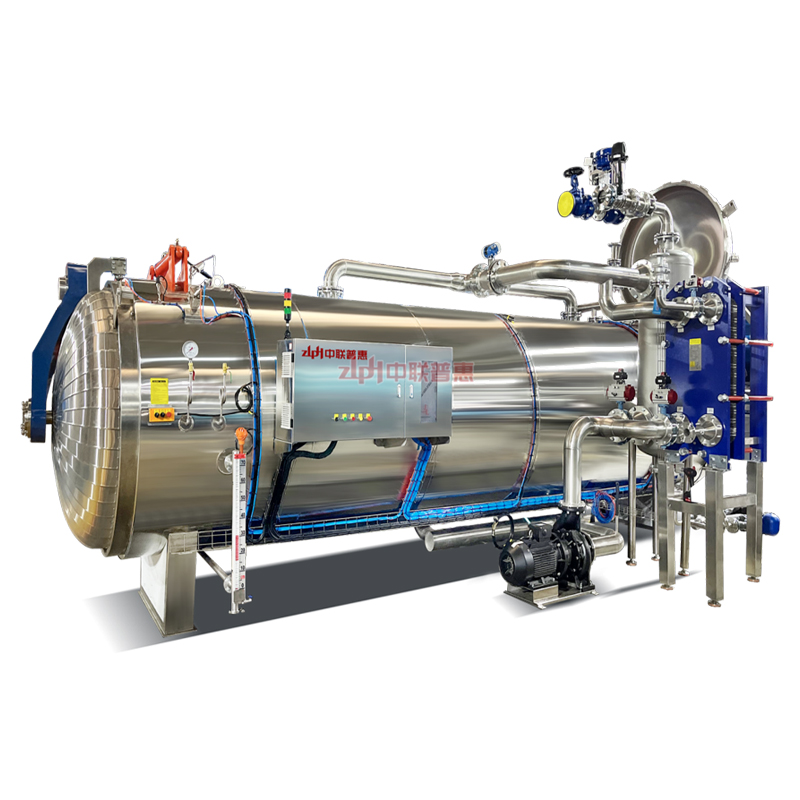
Select pilot retorts built on industrial-grade Siemens or Allen-Bradley PLCs with pre-configured I/O ports for robot coordination. ZLPH’s systems feature modular door mechanisms and standardized docking dimensions compatible with common tray loader/unloader systems—as demonstrated at the Qingdao exhibition. Verify that the HMI supports recipe management and remote diagnostics via Ethernet.
4. Pitfall Avoidance Guide
Demand a full I/O list and communication protocol documentation before purchase. Test integration with a mock conveyor during factory acceptance testing (FAT).
5. Real-World Validation
A U.S. meal-kit company integrated ZLPH’s pilot retort with a collaborative robot within 3 days—zero custom engineering required—thanks to pre-aligned mechanical and electrical interfaces.
Industry Best Practices for Pilot Retort Selection
Based on 6 years of global deployments, we recommend this 5-step evaluation framework:
- Define Worst-Case Load: Test with your most challenging product (e.g., dense solids in viscous sauce).
- Validate Thermal Performance: Require third-party thermal mapping per ASTM F2823.
- Assess Automation Readiness: Confirm open architecture and standard mechanical interfaces.
- Evaluate Service Ecosystem: Ensure local spare parts and remote troubleshooting capability.
- Review Compliance Documentation: Verify CE, ASME BPVC Section VIII, and food-contact material certifications.
Always prioritize systems designed for scalability—your pilot unit should mirror the core engineering of commercial models, not be a “miniature prototype.”
Frequently Asked Questions (FAQ)
Q: Can a pilot retort handle both rigid cans and flexible pouches?
A: Only if equipped with adjustable rack systems and variable spray pressure. ZLPH’s pilot retorts support interchangeable carriers for containers ranging from 50ml pouches to 1L cans.
Q: What’s the minimum footprint for a functional pilot retort?
A: A true pilot system requires ~8–12 m² including utilities. Beware of “desktop” units lacking proper steam generation—they compromise thermal dynamics.
Q: Is top-opening design better than side-hinged for pilot use?
A: Yes—top-opening allows faster loading/unloading and better compatibility with overhead automation, reducing operator fatigue during frequent batch changes.
Q: How critical is real-time F0 calculation?
A: Essential for process validation. Systems without in-cycle F0 monitoring cannot guarantee lethality compliance under variable loads.
Our Technical Authority & Support
ZLPH MACHINERY TECHNOLOGY CO., LTD. is a technology-driven retort manufacturer founded in 2018, with 21 mechanical and PLC engineers, 4 sterilization process researchers, and 14 after-sales specialists—all with 10+ years in thermal processing. Our 50-acre facility houses a 15,000 m² workshop with precision machining centers ensuring component tolerances within ±0.02mm. We’ve delivered over 1,200 retort systems to 40+ countries, including Fortune 500 food brands. Every pilot unit undergoes 72-hour stress testing before shipment.
We offer:
– Free thermal mapping consultation
– Custom rack design for unique packaging
– On-site FAT with your product samples
– 24/7 remote diagnostics via secure cloud portal
Contact Information
Company: ZLPH MACHINERY TECHNOLOGY CO., LTD.
Website: https://www.zlphretort.com/
Email: sales@zlphretort.com
Phone / WhatsApp: +86 15666798389 / +86 13361554016
