
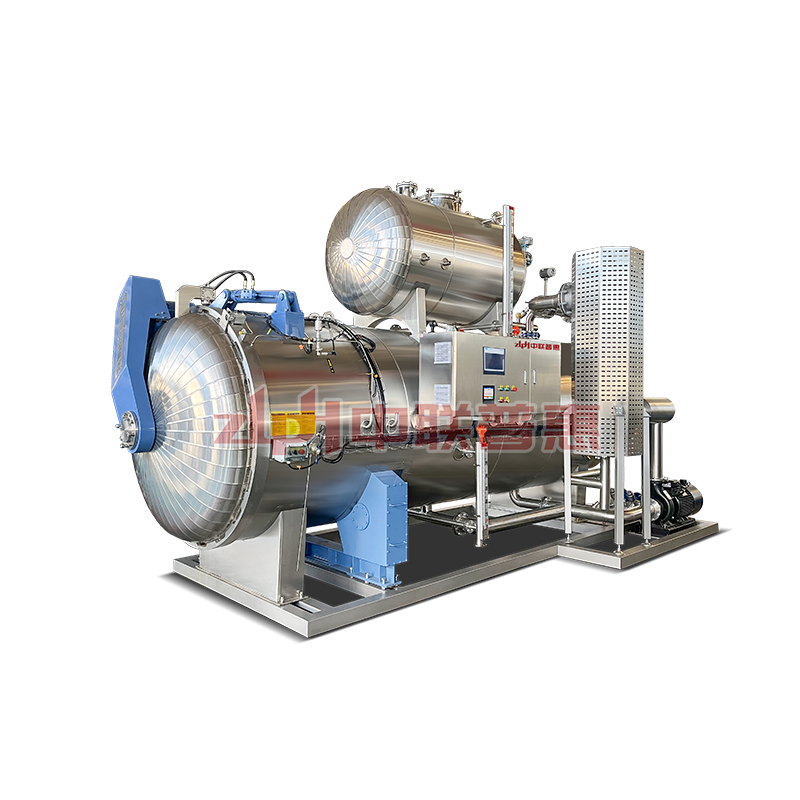
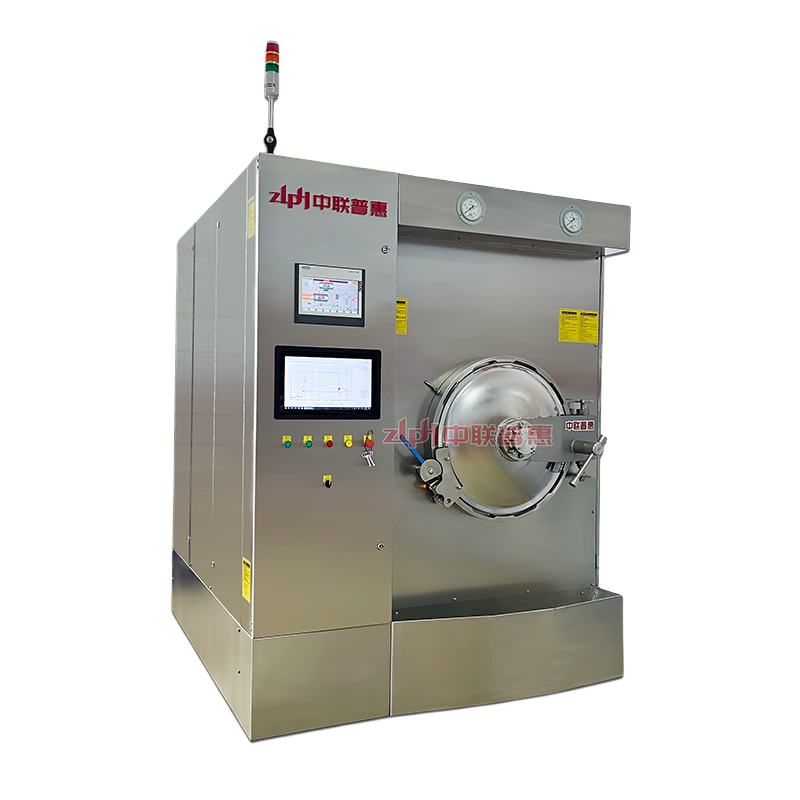
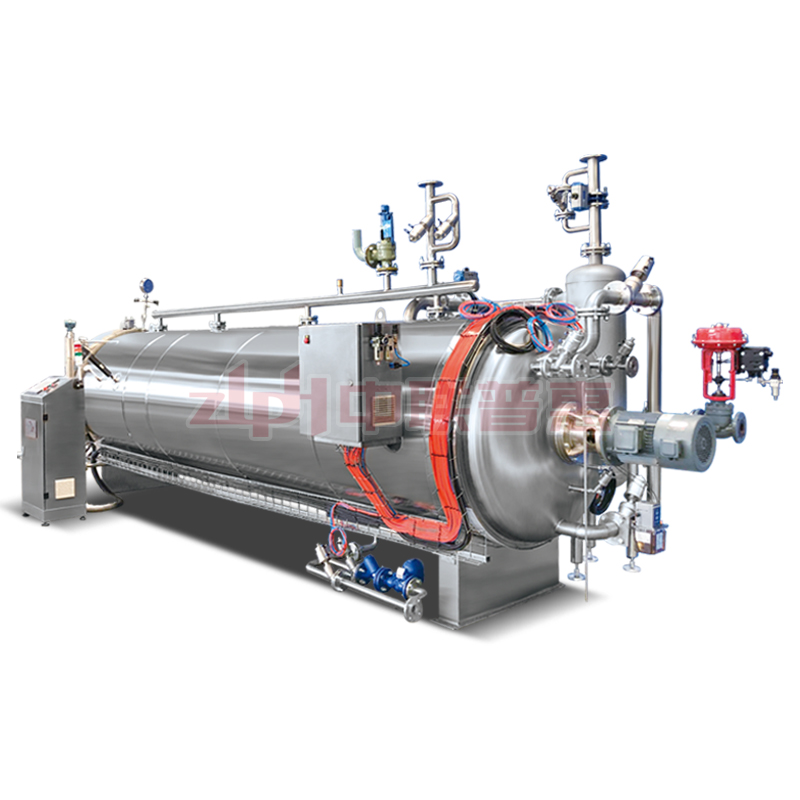
This guide is authored by a senior food processing automation engineer with over 10 years of industry experience from ZLPH MACHINERY TECHNOLOGY CO., LTD., a leading provider of intelligent sterilization solutions. It addresses a critical challenge faced by global food manufacturers and procurement teams: selecting a reliable Chinese steam retort autoclave factory that delivers consistent, compliant, and high-efficiency sterilization performance.

Selecting the right steam retort supplier has long been a major pain point in the food processing industry, primarily due to inconsistent product quality, lack of international certifications, and inadequate after-sales support. After validating solutions across more than 5,000 global installations and participating in key international exhibitions like AGROPRODASH 2023 and Petfair Asia 2023, we’ve developed a proven, step-by-step framework to help you eliminate sterilization risks, ensure food safety compliance, and maximize production uptime. In this guide, we’ll break down real-world scenarios, root causes, actionable solutions, and verified results—so you can confidently partner with a factory that truly understands your operational needs.

How to Ensure Consistent Sterilization Performance Across Different Food Products?
1. Scenario & Pain Point
Food producers handling diverse products—such as canned meats, pet food in trays, or ready-to-eat meals—often struggle with uneven heat distribution during retort sterilization. This leads to under-processing (safety risk) or over-processing (texture/nutrient loss), especially when switching between product types without revalidating cycles.

2. Root Cause Analysis
The core issues include: (1) non-uniform water spray patterns in traditional retorts causing cold spots; (2) lack of real-time temperature/pressure monitoring; and (3) manual loading/unloading introducing human error and cycle inconsistency.

3. Step-by-Step Solution
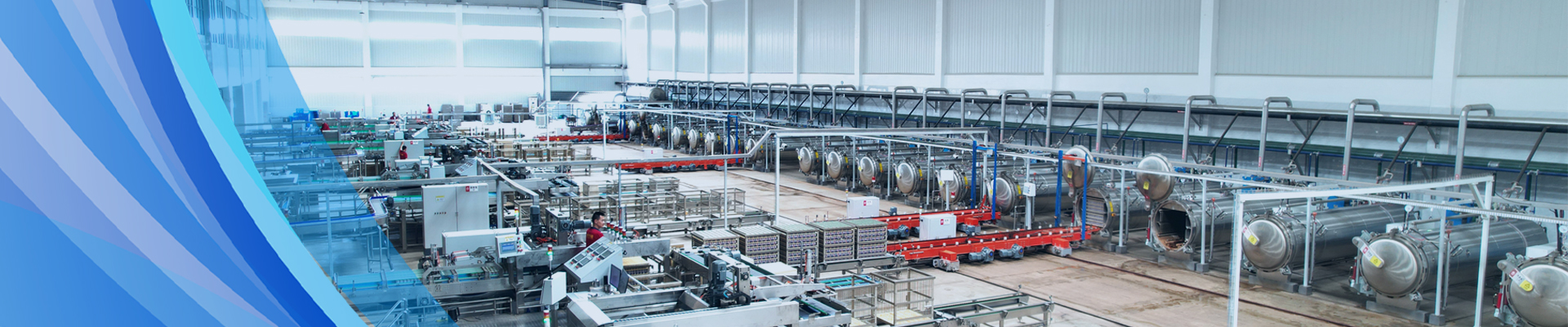
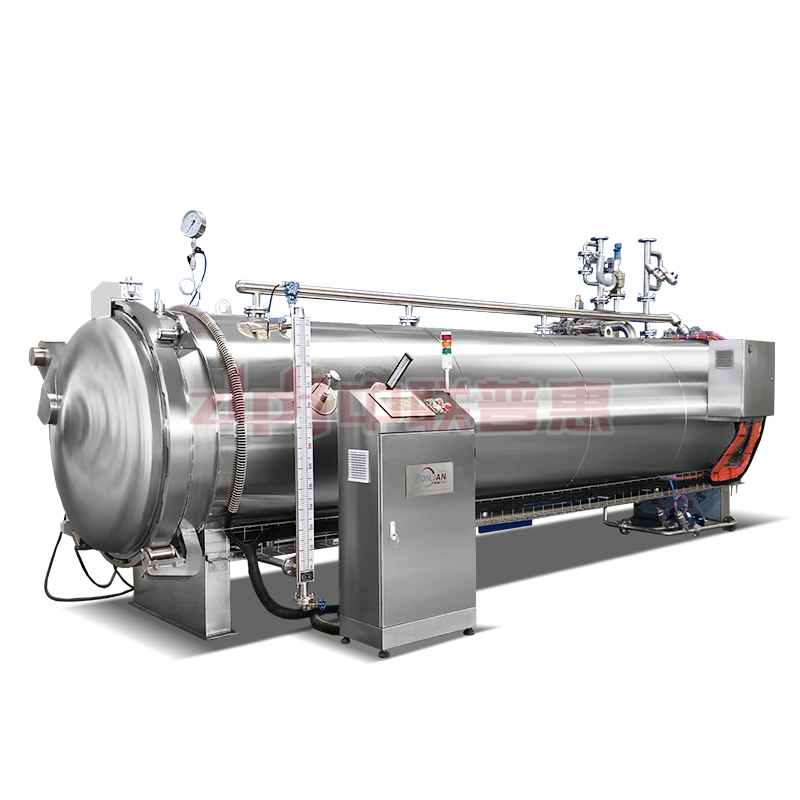
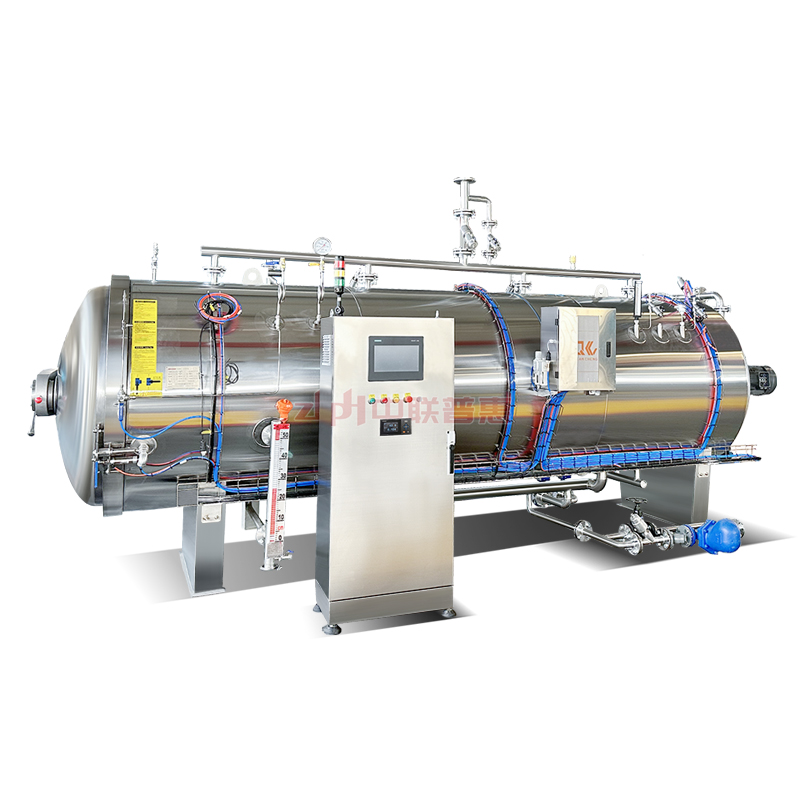
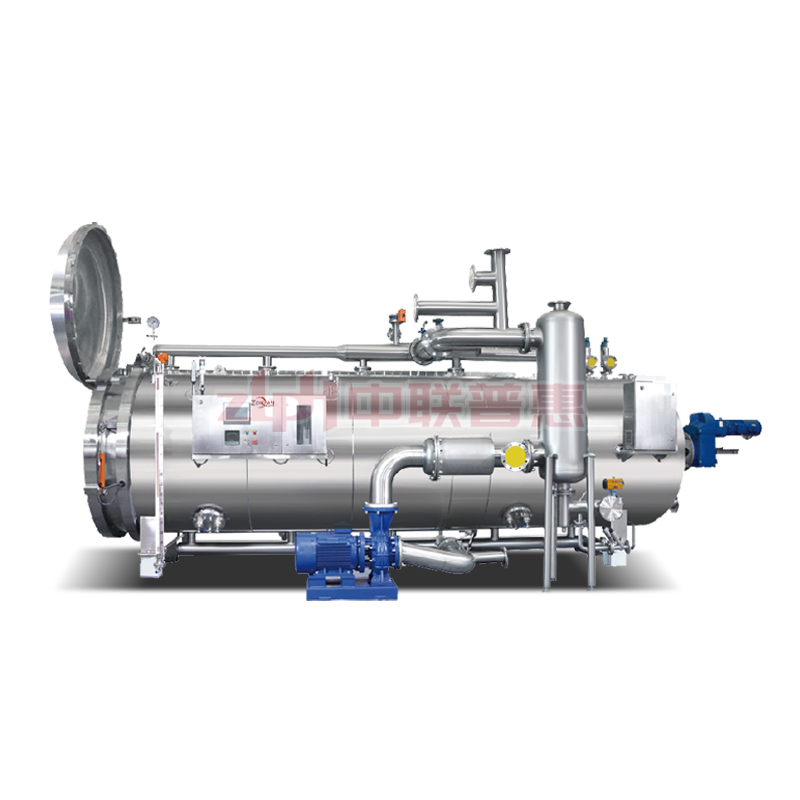
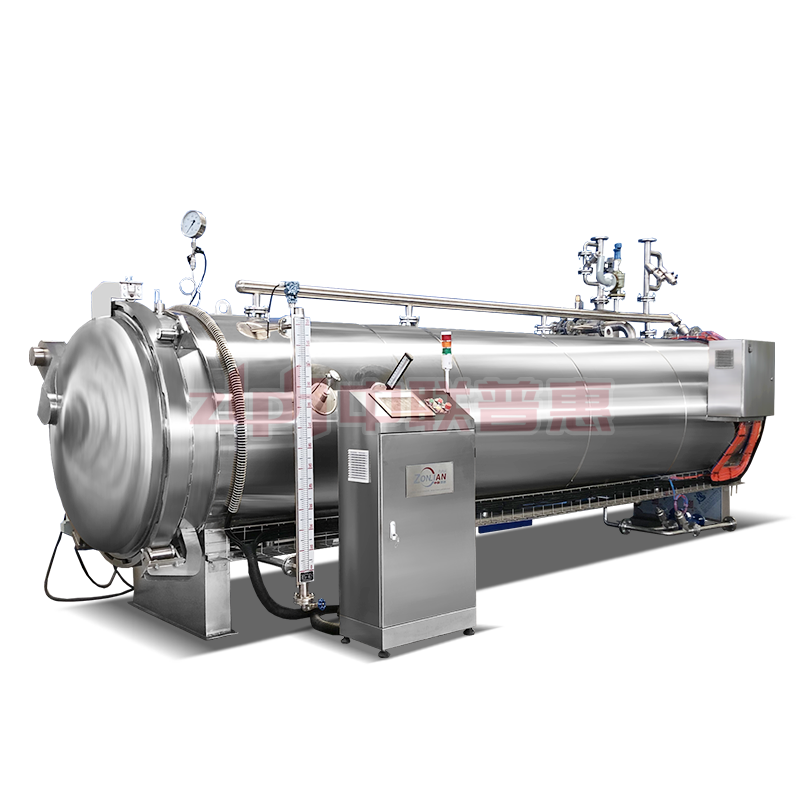
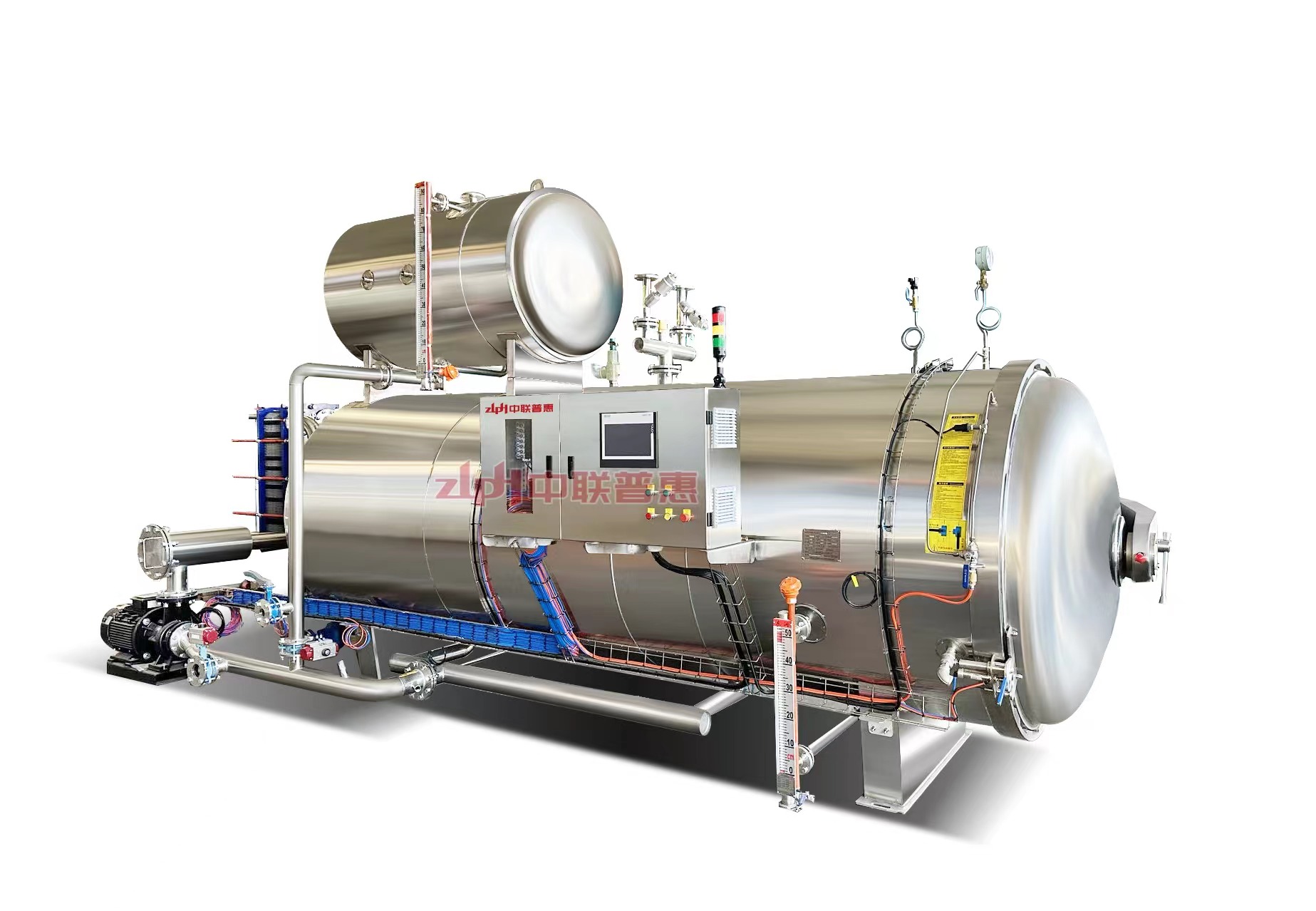
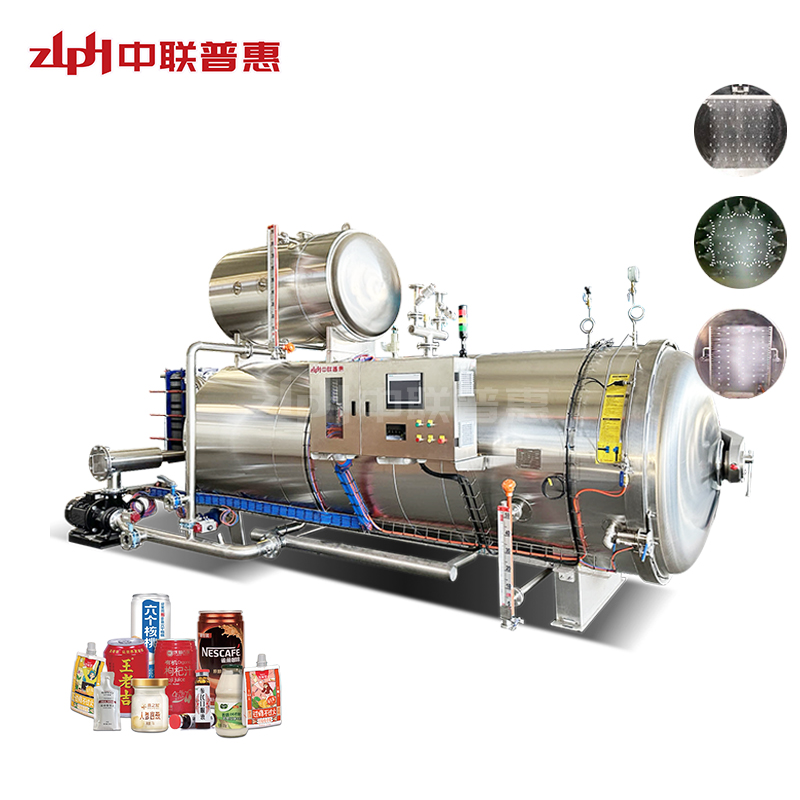
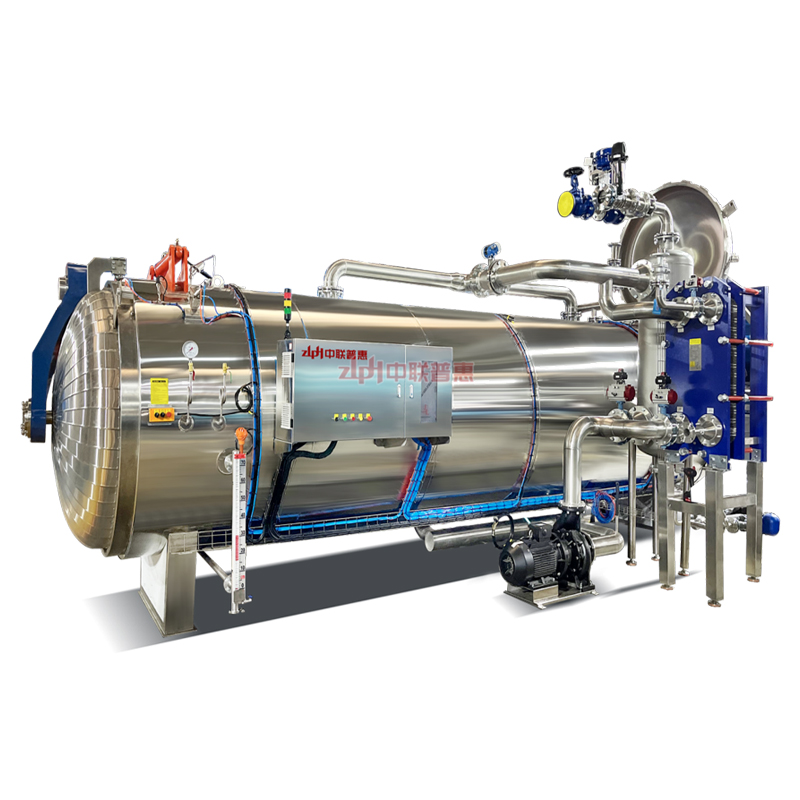
- Deploy an intelligent top-opening water spray sterilization retort with multi-zone nozzles for even thermal distribution.
- Integrate a PLC-based control system that logs F₀ values in real time and auto-adjusts cycles based on product load.
- Automate tray handling with a loader/unloader system to ensure consistent basket positioning and reduce operator dependency.
4. Pitfall Avoidance Guide
Always validate sterilization uniformity using thermal mapping before full-scale production. Avoid “one-size-fits-all” cycle settings—each product matrix requires individual validation. Never skip post-installation performance qualification (PQ).
5. Verified Results
At the Qingdao exhibition, our automated retort system demonstrated ±0.5°C temperature uniformity across 200+ tray positions, reducing batch rejection rates by 92% for a major pet food client.
How to Meet International Compliance Requirements for Export Markets?
1. Scenario & Pain Point
Exporters targeting EU, Russia, or Southeast Asia frequently face shipment rejections due to missing or invalid equipment certifications, delaying market entry and increasing compliance costs.
2. Root Cause Analysis
Many Chinese factories lack globally recognized certifications or provide self-declared conformity without third-party verification, failing to meet regulatory audits.
3. Step-by-Step Solution
- Select a supplier holding ASME U2 Stamp, CE, EAC, and Malaysia DOSH certifications.
- Request original certificate copies with traceable accreditation numbers.
- Confirm the retort design complies with EN 285 or FDA 21 CFR Part 113 standards.
4. Pitfall Avoidance Guide
Beware of “CE-like” marks without notified body involvement. Always cross-check certification validity via official databases (e.g., EU NANDO).
5. Verified Results
ZLPH’s certified retorts have enabled clients to achieve seamless customs clearance in 30+ countries, including Russia and Germany, with zero compliance-related delays since 2020.
Industry Best Practices: 5-Step Framework for Reliable Retort Selection
Based on 10+ years of global project execution, we recommend this universal framework:
- Define Worst-Case Conditions: Design for peak load, not average.
- Validate Certifications: Require ASME, CE, EAC—not just ISO 9001.
- Test Automation Integration: Ensure loader/unloader syncs with sterilization cycles.
- Conduct On-Site Trials: Run 3+ batches with your actual product.
- Assess After-Sales Coverage: Confirm local service engineers or remote diagnostics capability.
Best practices also include standardized installation per ASME BPVC Section VIII and quarterly thermal performance audits.
Frequently Asked Questions (FAQ)
Q: Can a single retort handle both metal cans and plastic trays?
A: Yes—but only if equipped with adjustable spray pressure and basket recognition sensors to auto-switch sterilization profiles.
Q: What certifications are mandatory for EU food machinery?
A: CE marking under Machinery Directive 2006/42/EC, plus compliance with EN 1672-2 for hygiene design.
Q: How to reduce energy consumption in batch retorts?
A: Use counter-flow water recovery systems and insulated chamber designs—ZLPH’s models cut steam usage by 25%.
Q: Is remote monitoring possible for overseas plants?
A: Yes—our PLC systems support cloud-based SCADA with real-time F₀ tracking and alarm notifications.
Our Proven Capabilities & Support
ZLPH MACHINERY TECHNOLOGY CO., LTD. is a trusted global provider of advanced sterilization systems since 2018. Our team includes 21 mechanical/PLC engineers, 4 sterilization process experts, and 14 after-sales specialists—all with 10+ years in retort automation. We hold ASME, CE, EAC, and DOSH certifications, operate a 15,000㎡ modern factory, and have deployed solutions in over 40 countries.
We offer customized support including:
- On-site process validation
- Product-specific cycle development
- Free sample testing with your packaging
- 24/7 technical response via WhatsApp or email
Contact Us
Company: ZLPH MACHINERY TECHNOLOGY CO., LTD.
Website: https://www.zlphretort.com/
Email: sales@zlphretort.com
Phone / WhatsApp: +86 13361554016
