
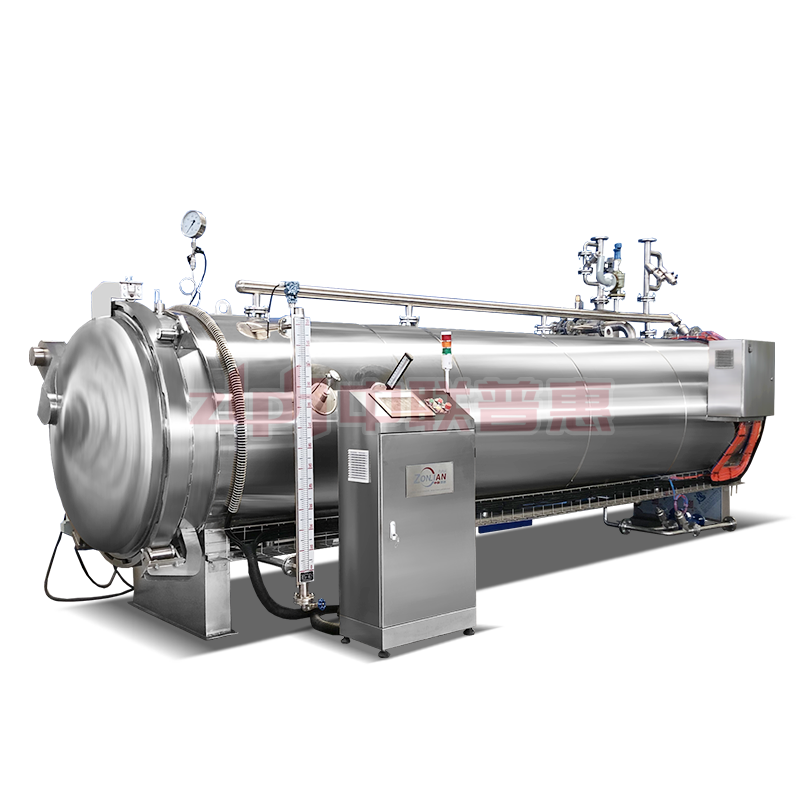
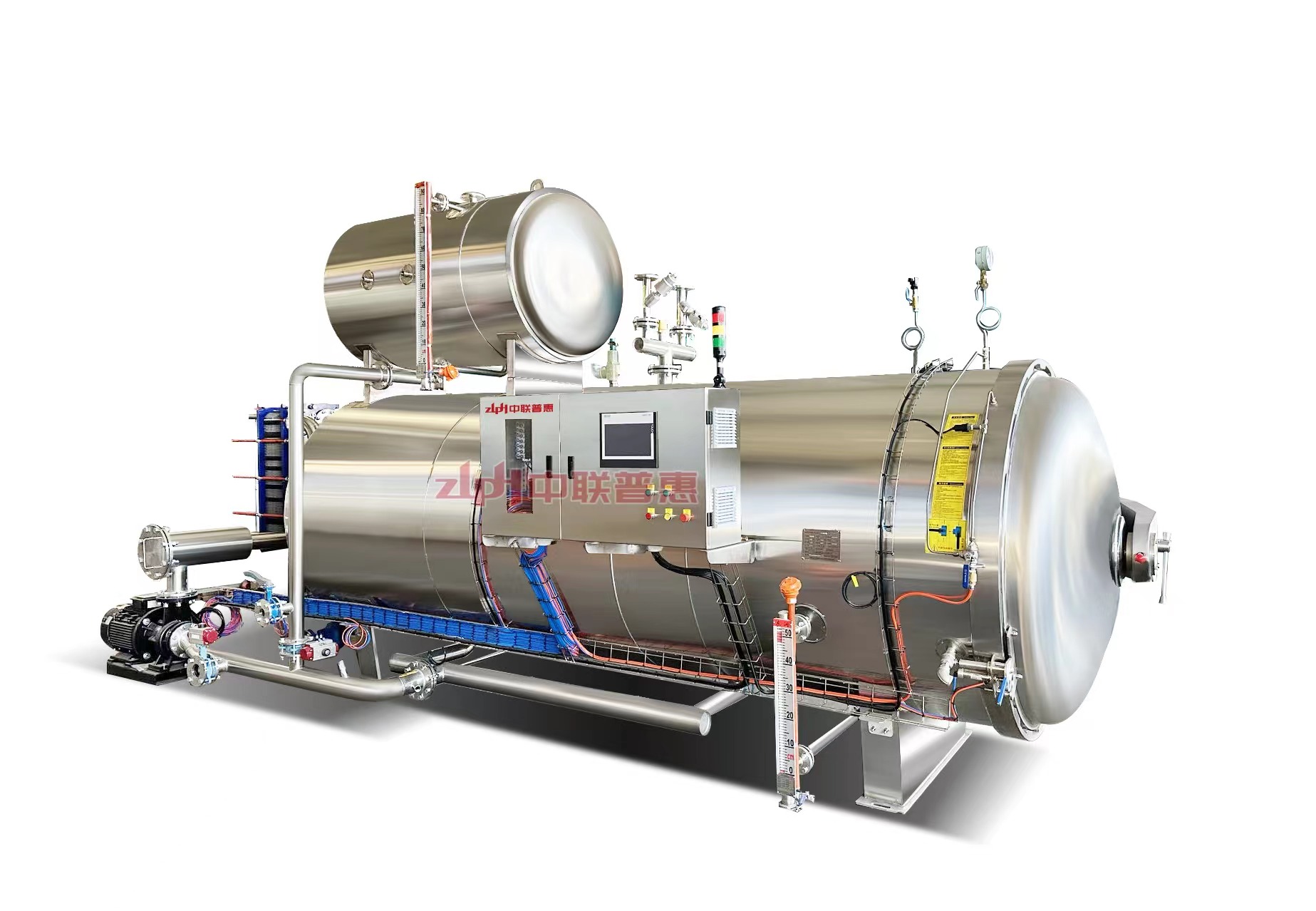
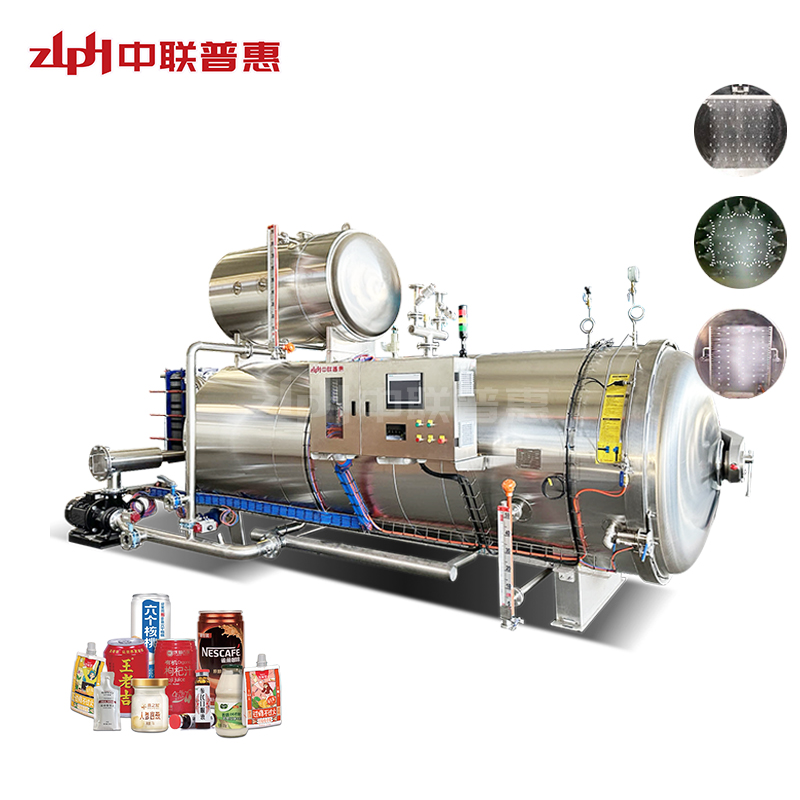
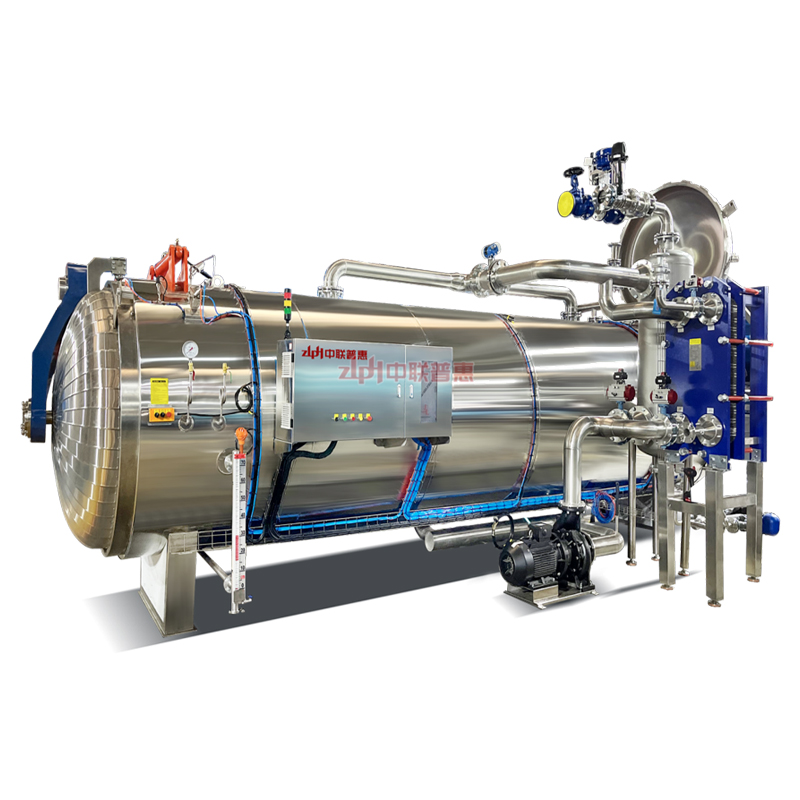
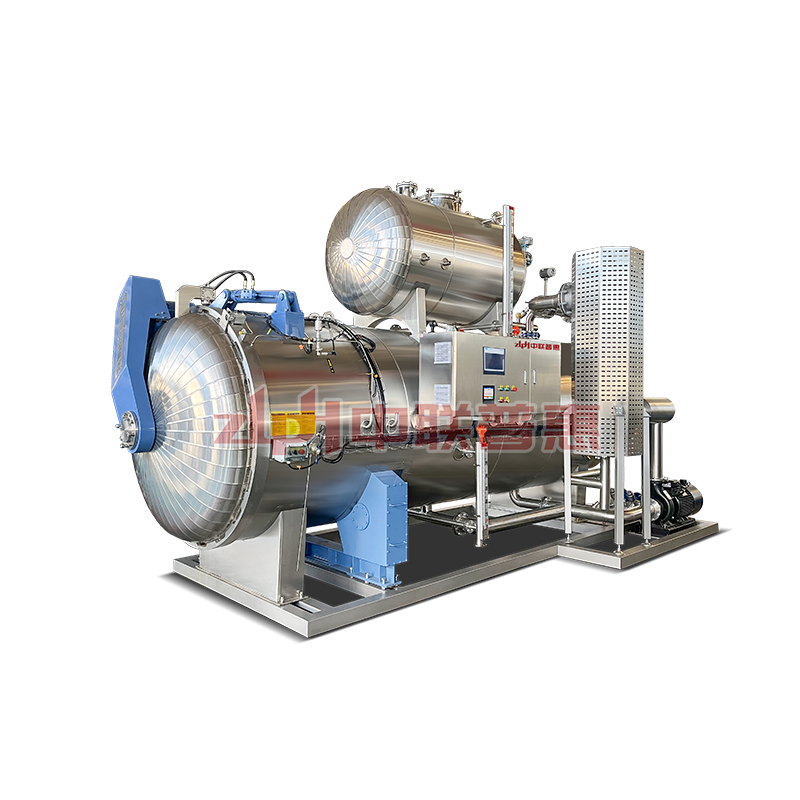
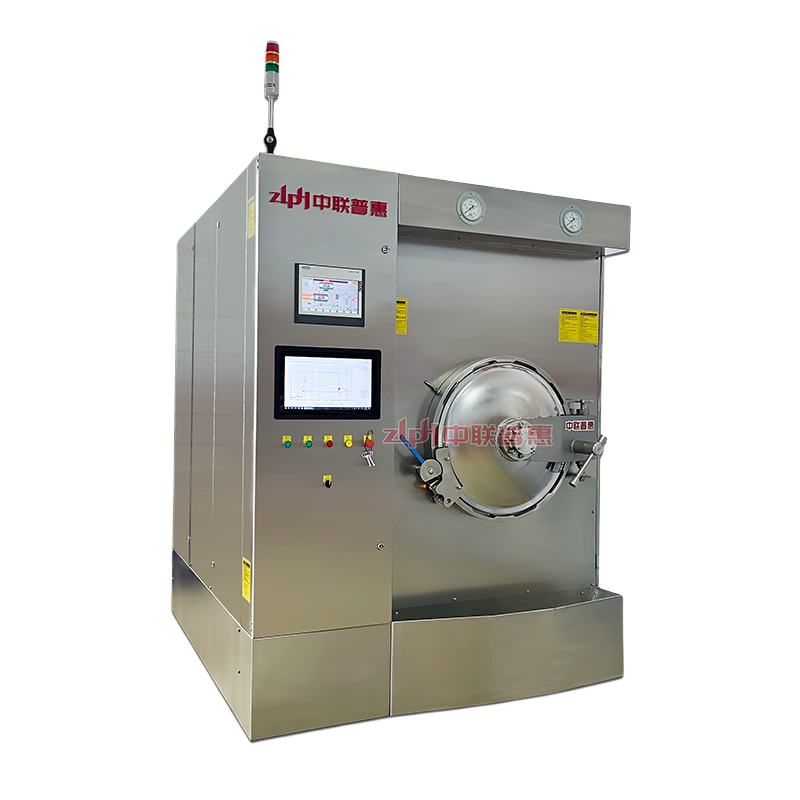
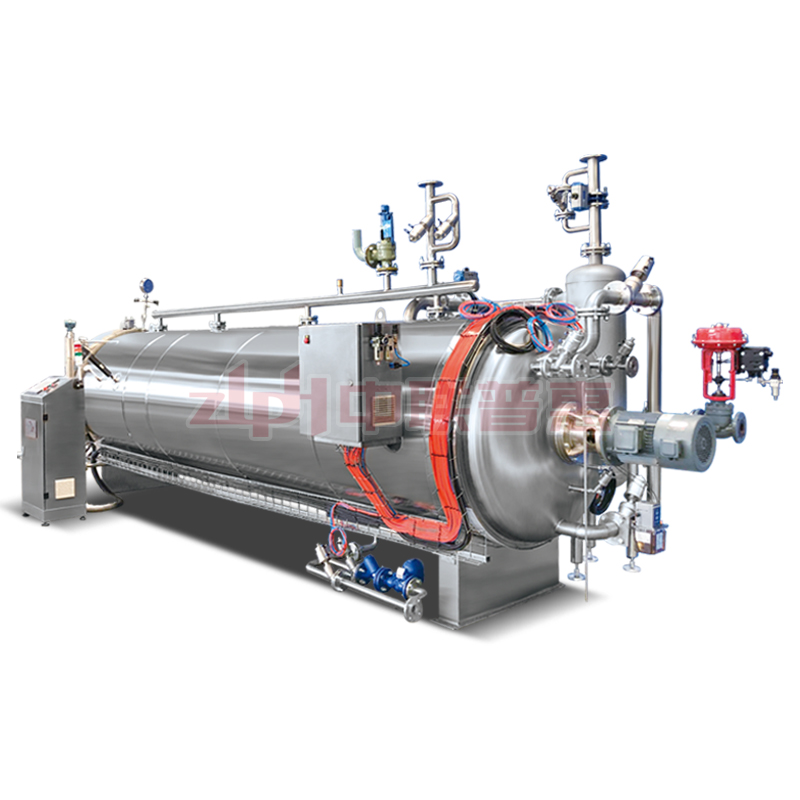
This guide is authored by a senior food processing automation engineer with over 10 years of experience at ZLPH MACHINERY TECHNOLOGY CO., LTD., a globally recognized provider of advanced sterilization solutions. It addresses a critical challenge faced by food manufacturers and procurement professionals worldwide: identifying a reliable, technically capable, and compliant horizontal retort autoclave supplier amid a crowded market.

Selecting an unqualified retort manufacturer often leads to inconsistent sterilization results, safety compliance risks, production downtime, and costly equipment failures—especially when scaling for international markets like the EU, Russia, or Southeast Asia. Based on more than 5,000 global installations and rigorous field validation across diverse food categories (including pet food, canned vegetables, ready meals, and seafood), we’ve developed a proven framework to help you evaluate factories beyond superficial claims. This guide breaks down real-world selection criteria, common pitfalls, certification requirements, and how to verify true manufacturing capability—ensuring your sterilization process meets both quality standards and operational efficiency targets.

How can I verify if a horizontal retort factory has genuine manufacturing capability and not just acts as a trading company?
1. Scene & Pain Point
Many buyers discover too late that their “manufacturer” outsources core components or entire assembly, leading to inconsistent weld quality, delayed after-sales support, and inability to customize sterilization cycles. This is especially risky for high-pressure vessels requiring ASME or PED compliance.

2. Root Cause Analysis
The issue stems from three factors: lack of in-house CNC machining and welding facilities, absence of certified pressure vessel fabrication licenses, and no dedicated R&D team for sterilization process engineering.

3. Step-by-Step Solution
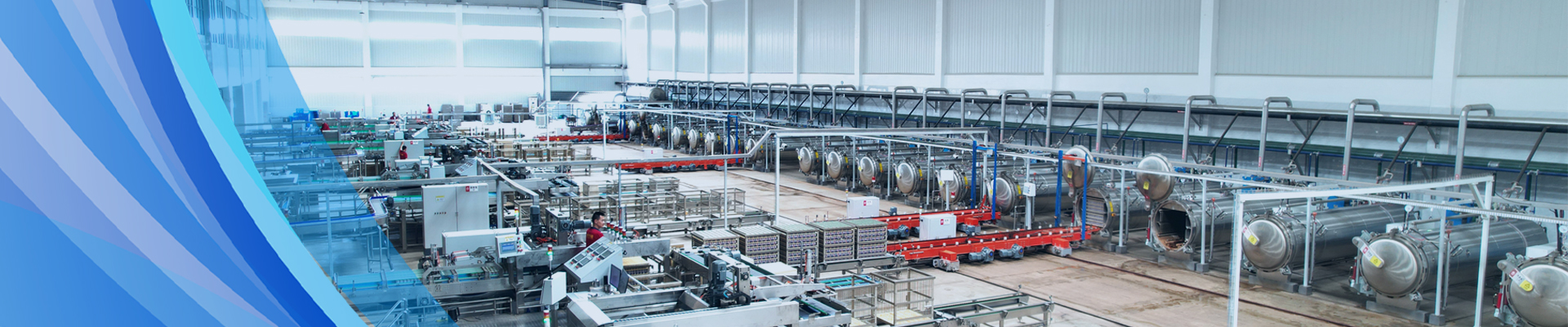
Request a virtual or on-site factory tour focusing on the workshop area, welding stations, and quality control lab. A legitimate manufacturer like ZLPH operates a 15,000 m² production facility with advanced machining equipment and employs 21 mechanical designers and PLC engineers. Verify possession of the Production License of Special Equipment and ASME Certificate of Authorization—non-negotiable for export to regulated markets.
4. Pitfall Avoidance
Avoid suppliers who cannot provide serial-number-tracked production records or refuse third-party inspection during manufacturing. Always cross-check certifications via official issuing bodies (e.g., ASME’s CA Connect portal).
5. Validation Result
ZLPH’s vertically integrated production ensures full traceability from raw material to final testing. Clients report 40% faster commissioning and 99.2% uptime over 3 years due to consistent build quality and in-house technical support.
What certifications are mandatory for exporting horizontal retorts to Europe and Russia?
1. Scene & Pain Point
A European buyer rejected a shipment because the retort lacked CE marking under the Pressure Equipment Directive (PED) 2014/68/EU, causing months of delay and re-certification costs.
2. Root Cause Analysis
Many Chinese factories claim “CE compliance” but only self-declare under low-risk categories, which is invalid for pressurized sterilizers operating above 0.5 bar.
3. Step-by-Step Solution
Insist on CE certification issued by a Notified Body (NB number visible on the plate) under Module H or G. For Russia/EAEU, EAC certification under TR CU 032/2013 is required. ZLPH holds both EU CE and Russian EAC certifications, plus Malaysia DOSH approval, enabling seamless market entry.
4. Pitfall Avoidance
Never accept generic “CE certificates” without NB involvement. Validate certificate authenticity via EU NANDO database or EAEU’s Rosaccreditation portal.
5. Validation Result ZLPH’s certified retorts have cleared customs in Germany, Poland, Kazakhstan, and Malaysia without delays, backed by full technical documentation packages (DoC, risk assessment, material certs).
How to ensure consistent sterilization performance across different food products?
1. Scene & Pain Point
A pet food producer experienced batch spoilage because their retort couldn’t maintain precise temperature uniformity during water-spray cycles for bowl-packed meals.
2. Root Cause Analysis
Generic retorts lack product-specific thermal mapping and adaptive control logic, leading to cold spots or overcooking.
3. Step-by-Step Solution
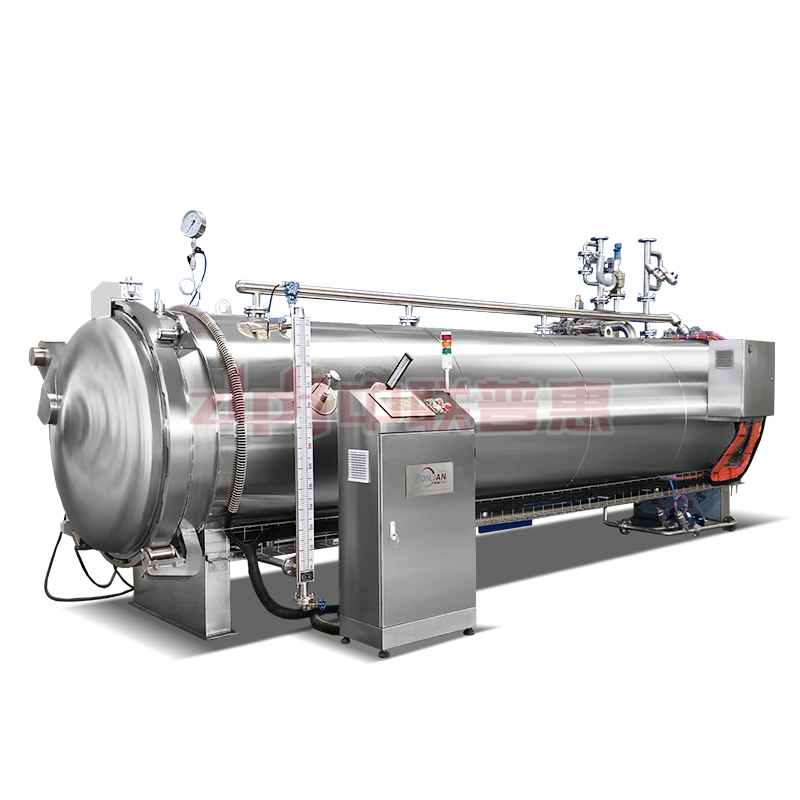
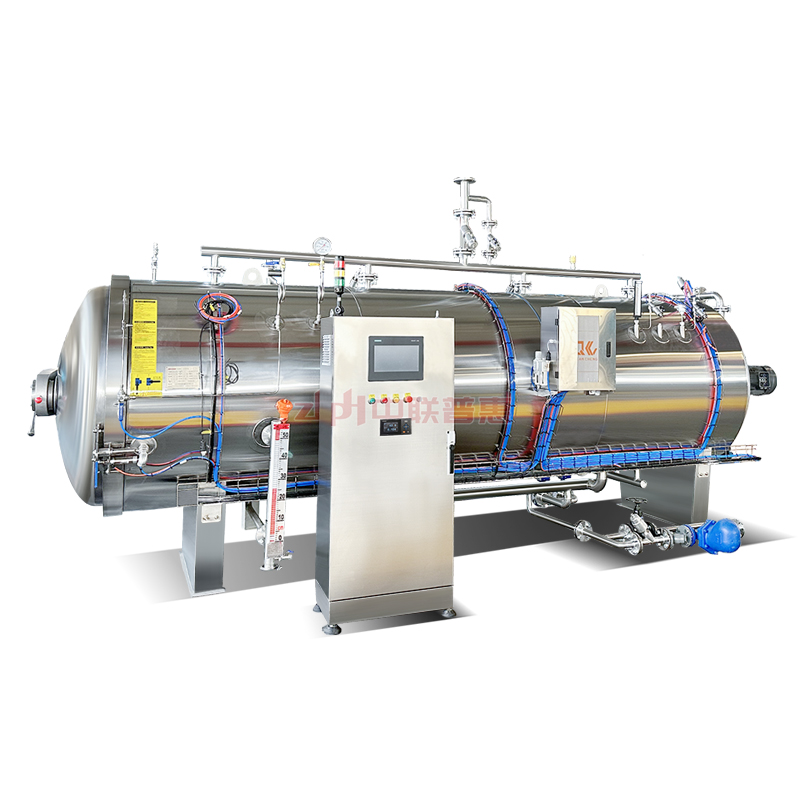
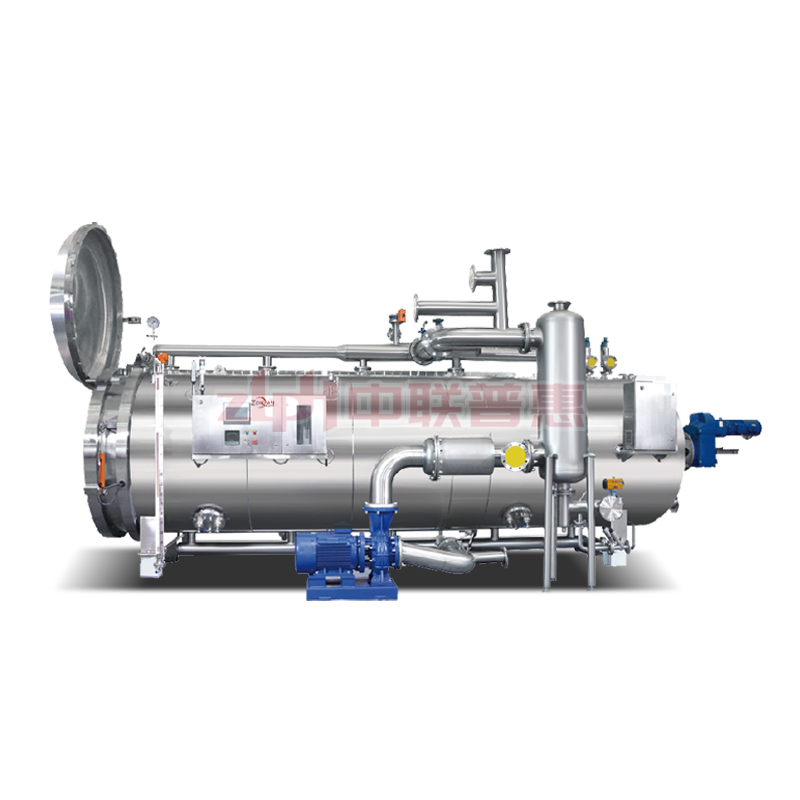
Choose a supplier with in-house sterilization process researchers—ZLPH employs 4 such experts who develop validated F₀ control algorithms. Their intelligent upper-door water spray retort features real-time temperature/pressure monitoring and dynamic flow adjustment, ensuring ±0.5°C uniformity.
4. Pitfall Avoidance
Demand thermal validation reports for your specific product format (e.g., 250g pet bowls vs. 1L soup cans). Avoid “one-size-fits-all” cycle templates.
5. Validation Result
At Petfair Asia 2023, ZLPH demonstrated its automated bowl sterilization line achieving 6-log reduction for Clostridium botulinum with zero texture degradation—validated by third-party labs.
Industry Best Practices: 5-Step Supplier Evaluation Framework
Based on 10+ years and 5,000+ global projects, follow this framework to avoid 90% of sourcing failures:
- Verify Core Capabilities: Confirm in-house design, welding, and testing—not just assembly.
- Check Certification Authenticity: Cross-reference ASME, CE, EAC with issuing authorities.
- Demand Application-Specific Validation: Require thermal mapping data for your product type.
- Evaluate After-Sales Infrastructure: Ensure local service engineers or rapid remote support.
- Test Responsiveness: Request a sample technical consultation—delays signal weak support.
ZLPH exemplifies these standards: 50-acre facility, 14 after-sales engineers, and AAA credit ratings affirming reliability.
Frequently Asked Questions (FAQ)
Q: Can a standard horizontal retort handle both metal cans and flexible pouches?
A: Only if equipped with programmable spray patterns and gentle handling systems. ZLPH’s retorts use adjustable nozzles and tray loaders compatible with rigid/flexible packaging.
Q: What’s the minimum order quantity for custom retort dimensions?
A: ZLPH offers customization from 1 unit, supported by modular design and in-house engineering.
Q: How long does installation and commissioning typically take?
A: 7–10 days with ZLPH’s on-site engineers; remote guidance available for standard models.
Q: Are your retorts compatible with Industry 4.0 integration?
A: Yes—standard OPC-UA, Modbus TCP, and cloud monitoring options enable seamless MES/SCADA connection.
About Our Expertise & Support
ZLPH MACHINERY TECHNOLOGY CO., LTD. is a technology-driven sterilization solutions provider established in 2018. We operate a 15,000 m² smart factory, hold ASME, CE, EAC, and DOSH certifications, and serve clients across 30+ countries. Our team includes 21 R&D engineers and 4 sterilization process specialists, ensuring science-backed solutions—not just hardware.
We offer:
- Free thermal process validation for new products
- Custom retort design for unique throughput needs
- 24/7 multilingual technical support
- On-site training and maintenance programs
Contact Us
Company: ZLPH MACHINERY TECHNOLOGY CO., LTD.
Website: https://www.zlphretort.com/
Email: sales@zlphretort.com
Phone / WhatsApp: +86 15666798389 / +86 13361554016
