

This guide is authored by a senior food processing engineer with over 10 years of experience at ZLPH MACHINERY TECHNOLOGY CO., LTD., a leading provider of advanced sterilization systems. It addresses a critical challenge faced by global food manufacturers and procurement teams: inconsistent or inefficient sterilization in high-volume canned food production lines. Poor heat distribution, long cycle times, and manual handling bottlenecks have long plagued traditional retort operations—issues primarily caused by outdated chamber design, lack of intelligent control, and inadequate automation integration. Drawing from more than 5,000 global installations and extensive field validation across Asia, Europe, and Russia, we present a proven, step-by-step solution that ensures uniform lethality, reduces cycle time by up to 30%, and eliminates human error through smart automation. In this guide, we dissect the root causes behind sterilization inefficiencies, offer scenario-specific fixes, share real-world validation data, and provide actionable best practices to help you achieve consistent product safety and operational excellence.

How to Achieve Uniform Sterilization in Large-Batch Canned Food Processing?
1. Scenario & Pain Point
In large-scale canning facilities producing vegetables, meats, or ready-to-eat meals, operators often report uneven sterilization—some cans pass microbial tests while others fail, despite identical process parameters. This inconsistency leads to product recalls, wasted batches, and compliance risks under FDA or EU food safety regulations.

2. Root Cause Analysis
The core issues stem from three factors: (1) poor water circulation design causing cold spots in the retort chamber; (2) manual loading/unloading introducing variable basket positioning; and (3) absence of real-time temperature mapping across all product zones during the sterilization cycle.

3. Step-by-Step Solution
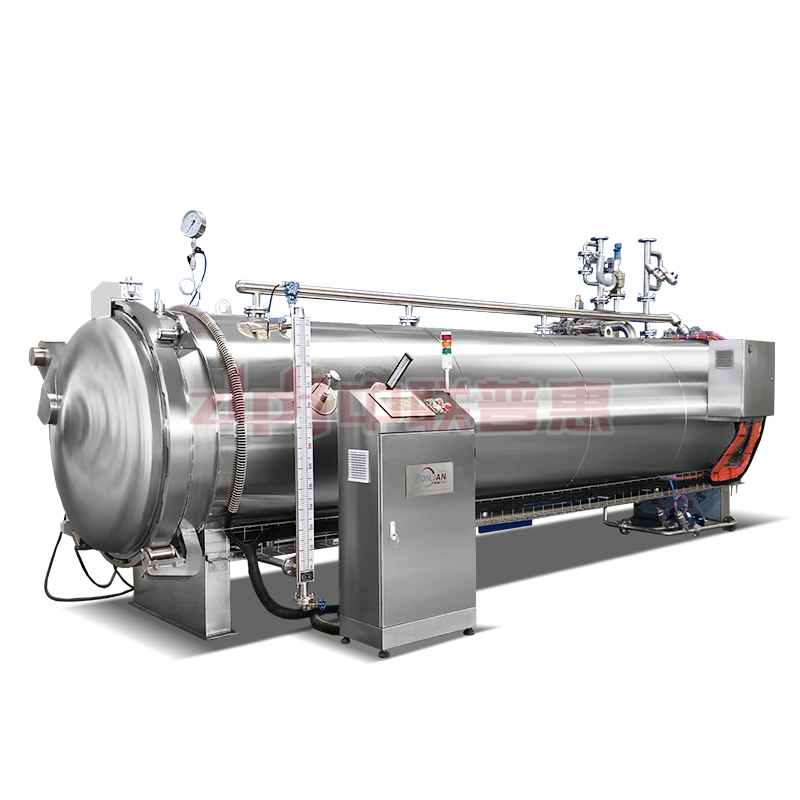
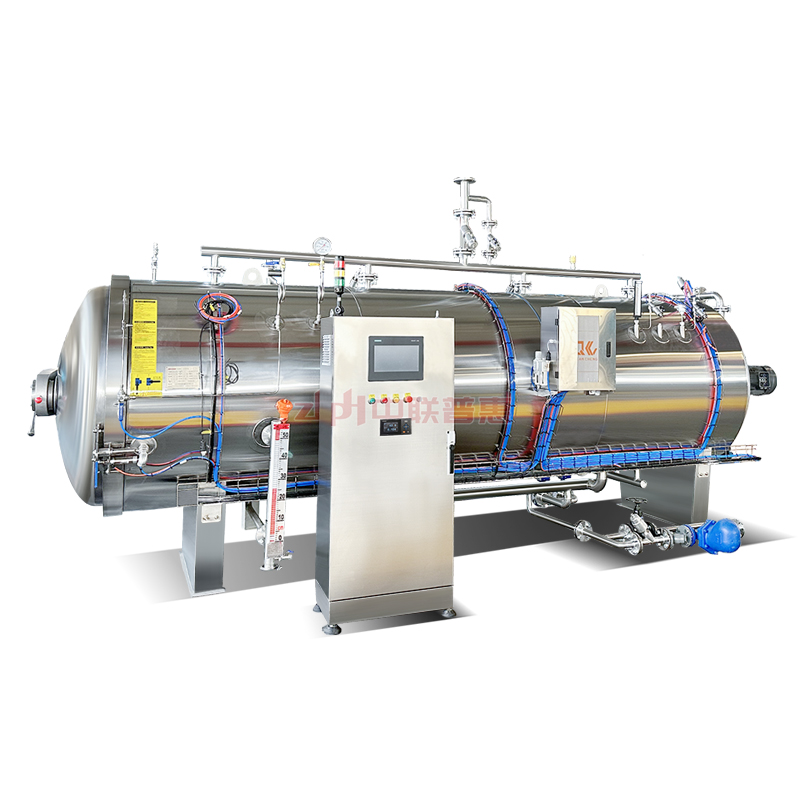
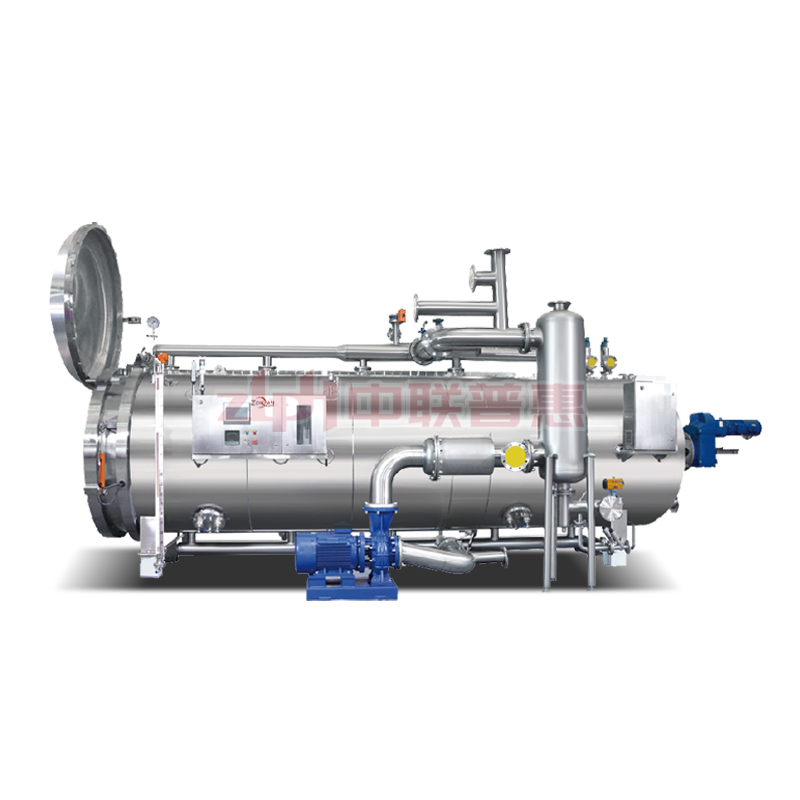
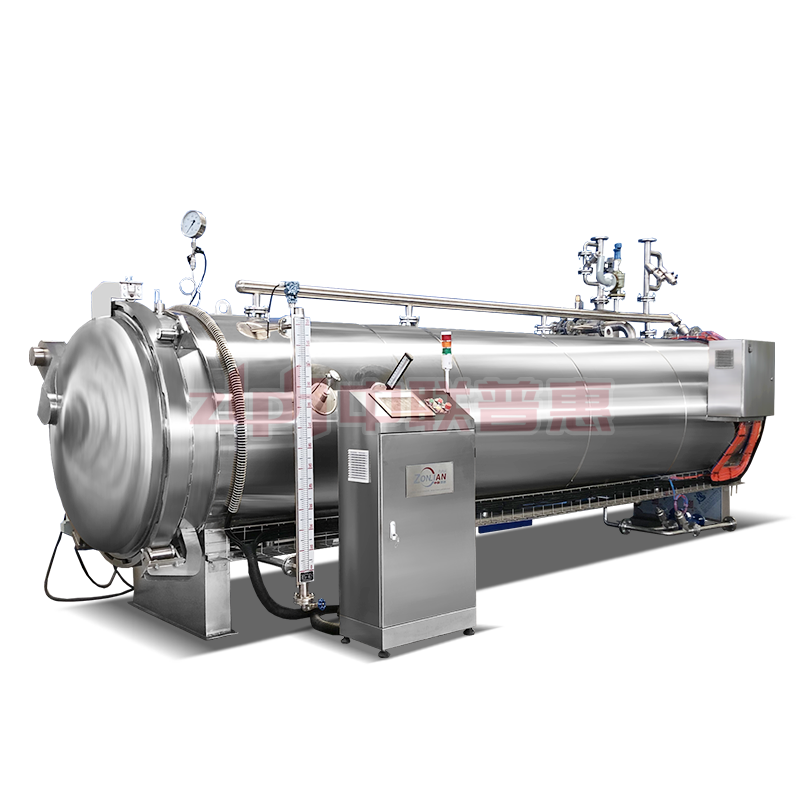
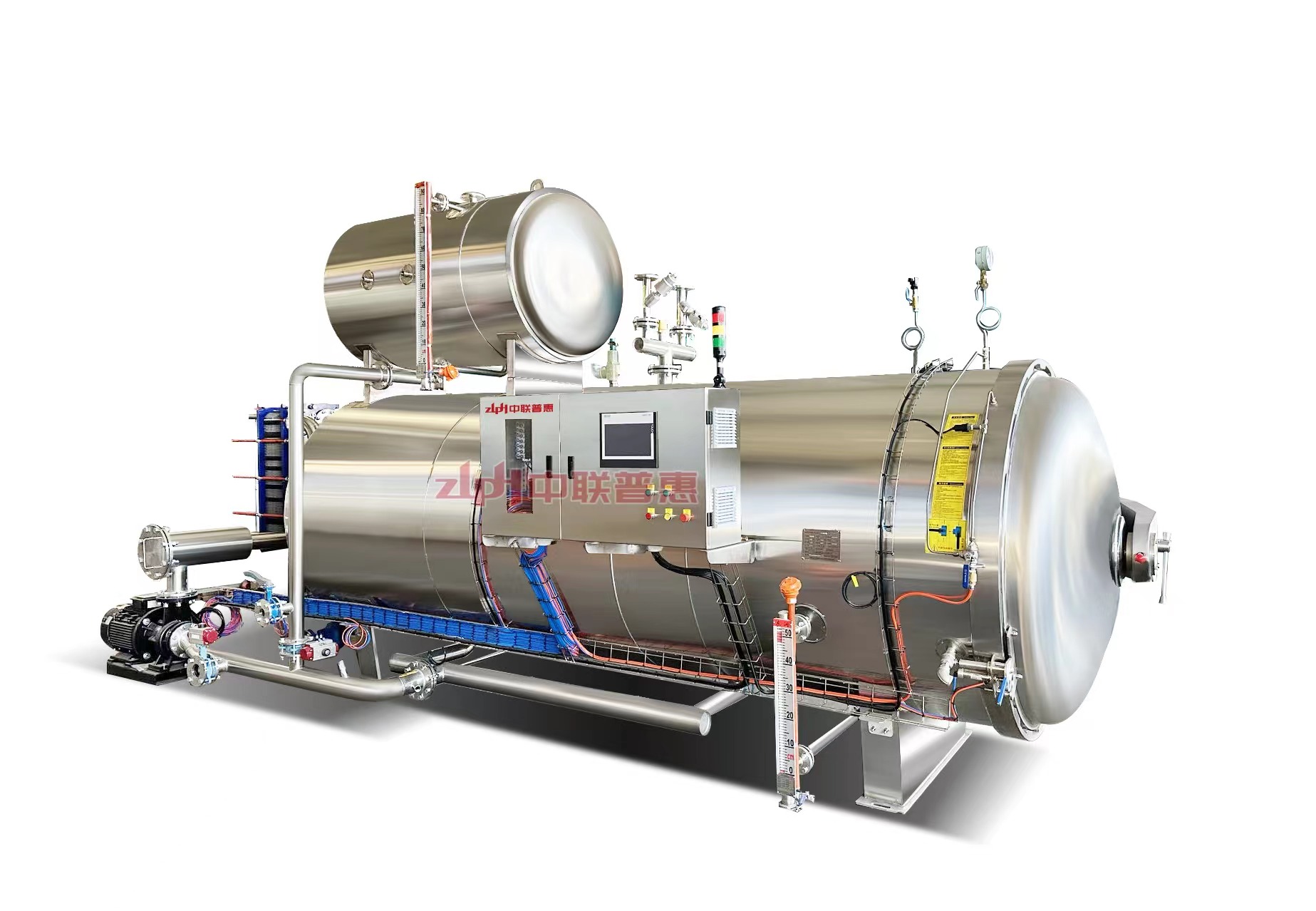
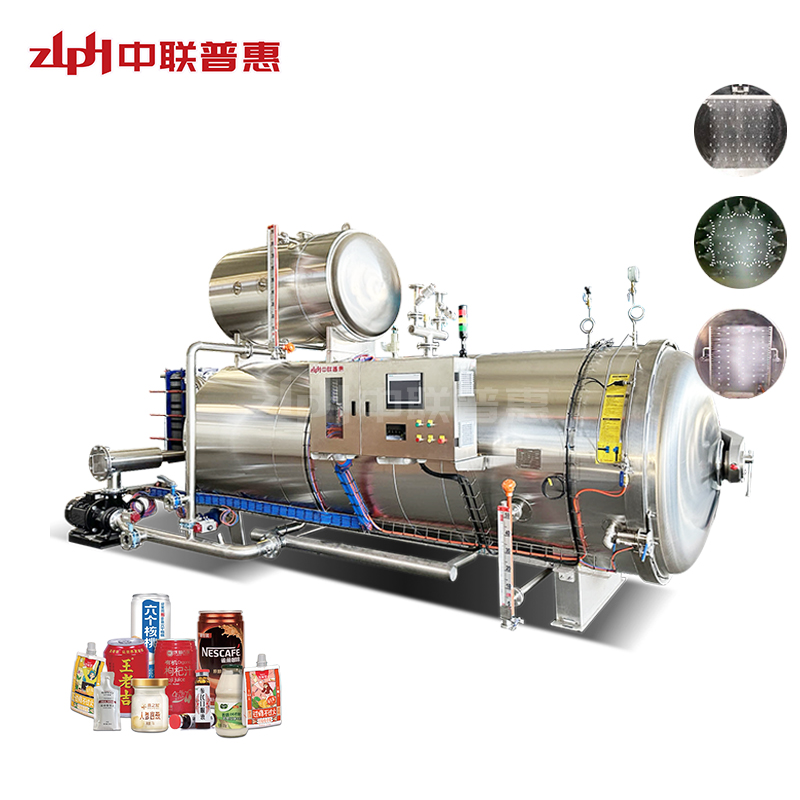
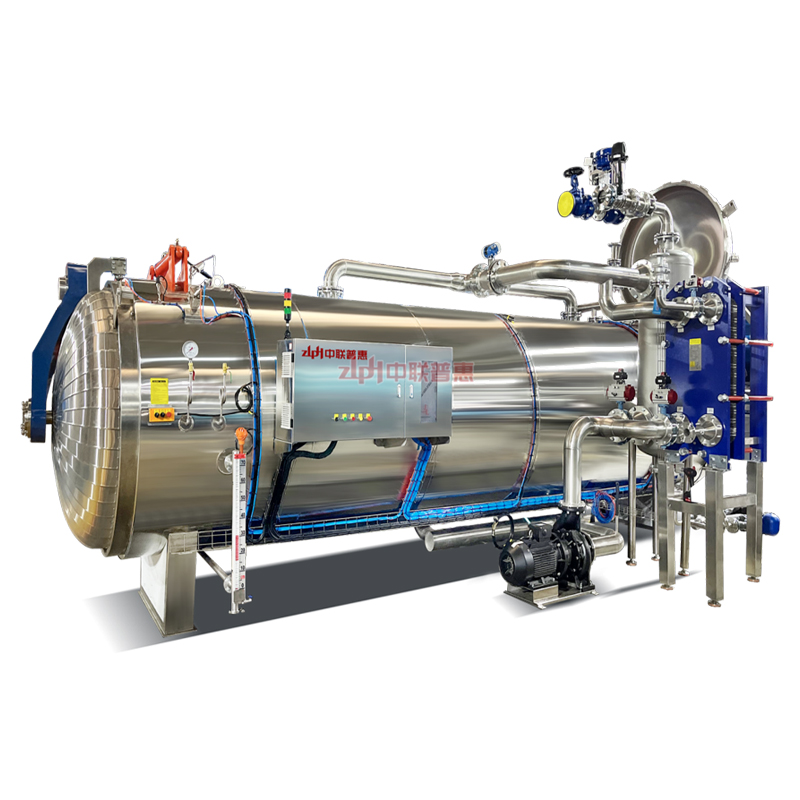
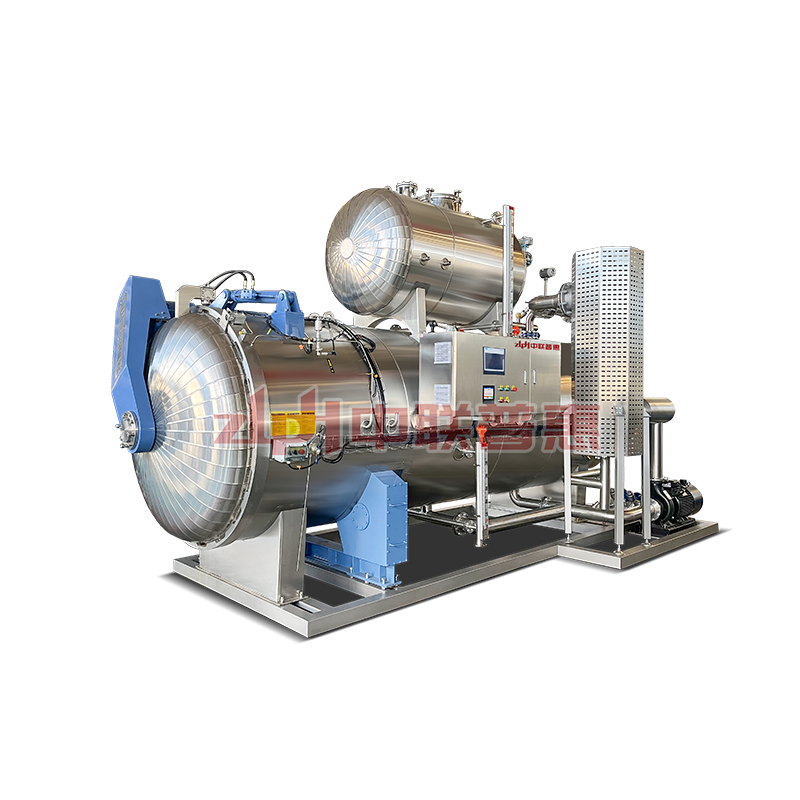
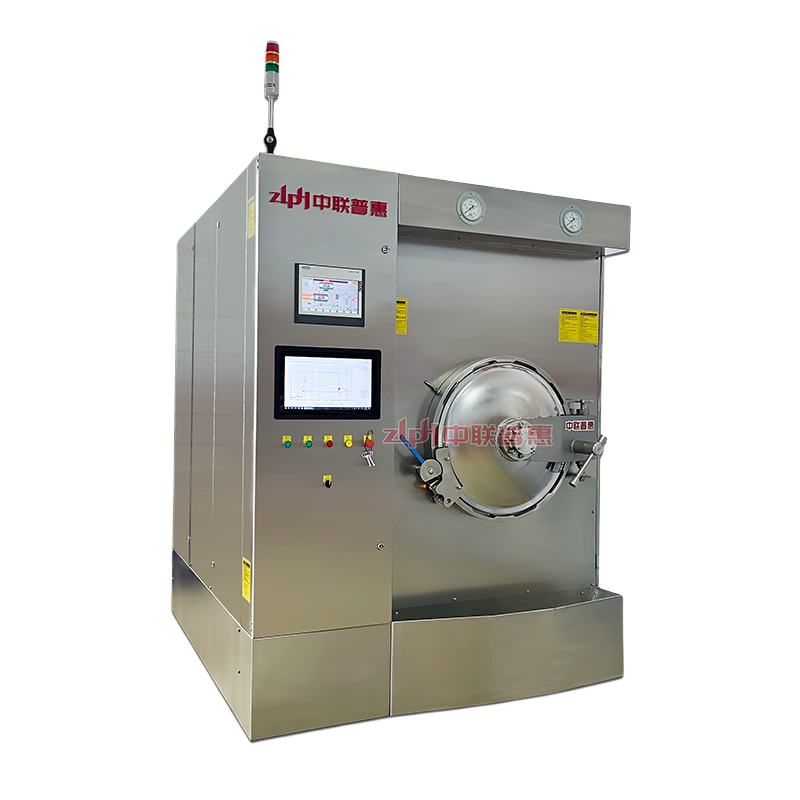
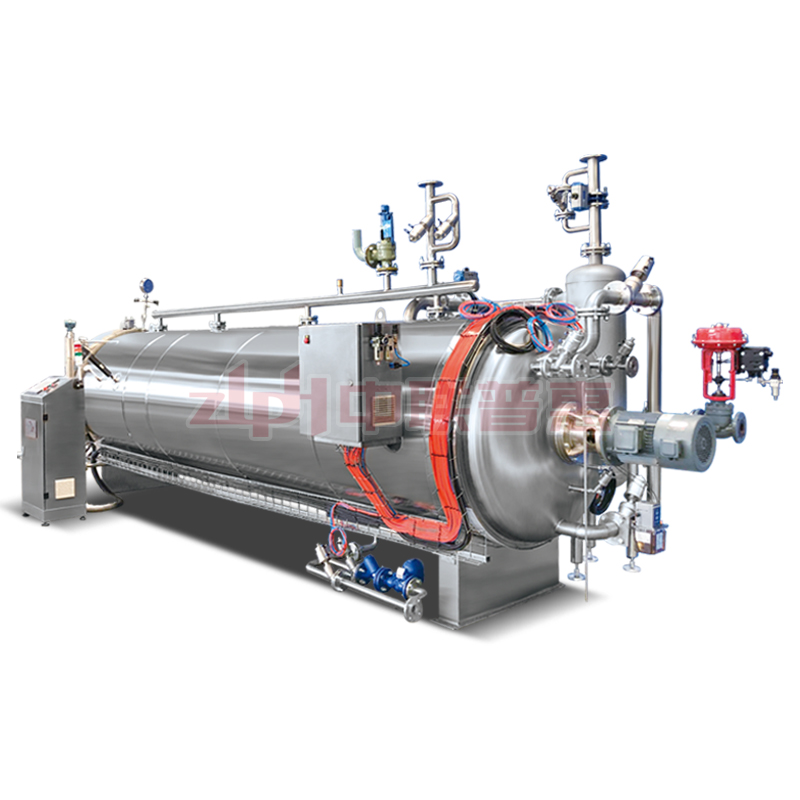
Implement a horizontal retort autoclave with a top-opening door and full-spectrum water spray system. This design enables 360° even water distribution via multi-nozzle arrays, ensuring every can receives identical thermal treatment. Integrate an automated tray loader/unloader to standardize basket placement and eliminate human variability. Pair the system with a PLC-based intelligent control platform that logs temperature at multiple points in real time, automatically adjusting steam and water flow to maintain F0 consistency.

4. Pitfall Avoidance Guide
Avoid retrofitting old vertical retorts for high-throughput lines—they inherently suffer from gravity-driven water pooling. Always validate thermal uniformity using third-party data loggers before full-scale deployment. Ensure your retort complies with ASME BPVC Section VIII and EU CE standards to guarantee structural and operational safety.
5. Real-World Validation
At a Qingdao-based export facility, adoption of ZLPH’s horizontal retort with automated loading reduced batch rejection rates from 4.2% to 0.1% within three months. Cycle time dropped from 55 to 38 minutes per batch, boosting daily output by 22% while maintaining full compliance with Russian EAC and Malaysian DOSH food safety requirements.
How to Reduce Labor Costs and Human Error in Retort Operations?
1. Scenario & Pain Point
Manual loading of heavy retort trays is physically demanding, slow, and prone to misalignment—causing uneven heating or even equipment damage. In regions with rising labor costs (e.g., Southeast Asia, Eastern Europe), this bottleneck directly impacts ROI.
2. Root Cause Analysis
Traditional retort workflows rely on forklifts or manual carts, leading to inconsistent tray placement, safety hazards, and extended downtime between cycles.
3. Step-by-Step Solution
Deploy an integrated retort trays loader/unloader system synchronized with the autoclave’s control logic. The system uses servo-driven conveyors and vision-guided positioning to load/unload trays in under 90 seconds with ±2mm precision. This not only cuts labor dependency by 70% but also ensures repeatable thermal performance.
4. Pitfall Avoidance Guide
Do not add automation as an afterthought—ensure mechanical and electrical interfaces are co-designed with the retort from day one. Verify payload capacity matches your heaviest tray configuration (e.g., 1,200 kg for meat cans).
5. Real-World Validation
A Russian client at AGROPRODASH 2023 reported a 65% reduction in operator injuries and a 28% increase in OEE (Overall Equipment Effectiveness) after integrating ZLPH’s automated handling system with their horizontal retort line.
Industry Best Practices for Reliable Retort Operations
Based on 6+ years of global deployments, we recommend this 5-step framework to ensure sterilization reliability:
1. Define Worst-Case Conditions – Design for peak ambient temperature, highest product viscosity, and maximum batch density.
2. Validate Thermal Uniformity – Conduct heat distribution studies per ASTM F2837 or EN 13409.
3. Automate Critical Interfaces – Link loading, sterilization, and cooling phases via a unified control system.
4. Certify for Target Markets – Ensure compliance with CE, EAC, ASME, and local food safety authorities.
5. Implement Predictive Maintenance – Monitor seal wear, pump vibration, and valve response to prevent unplanned downtime.
Frequently Asked Questions (FAQ)
Q: Can a standard vertical retort be upgraded for high-efficiency canned food production?
A: Not effectively. Vertical designs inherently limit water circulation and automation integration. A purpose-built horizontal retort with top-door access and spray nozzles is required for uniform, scalable sterilization.
Q: What certifications should a horizontal retort have for European markets?
A: It must carry CE marking under Machinery Directive 2006/42/EC, comply with Pressure Equipment Directive (PED) if applicable, and meet hygiene standards like EHEDG guidelines. ZLPH units hold CE, EAC, ASME, and DOSH certifications.
Q: How does top-door design improve efficiency?
A: It enables faster loading/unloading, better ergonomics, and seamless integration with overhead conveyors—reducing cycle time by 15–30% compared to side-door models.
Q: Is real-time temperature monitoring necessary?
A: Absolutely. Without multi-point thermal logging, you cannot prove F0 consistency—a requirement for FDA 21 CFR Part 113 and EU Regulation (EC) No 852/2004.
Our Expertise & Solution Support
ZLPH MACHINERY TECHNOLOGY CO., LTD. is a globally recognized provider of intelligent sterilization solutions since 2018. Our R&D team includes 21 mechanical and PLC engineers, 4 sterilization process specialists, and 14 after-sales technicians—all with 10+ years in food automation. We operate a 15,000 m² modern factory with advanced CNC and welding equipment, ensuring precision manufacturing. Our systems are certified under ASME, CE, EAC, DOSH, and hold multiple AAA-level business integrity awards. With successful deployments across China, Russia, Malaysia, and beyond, we deliver turnkey solutions validated in real production environments.
We offer customized support including: (1) on-site process assessment, (2) thermal validation testing, (3) automation integration design, and (4) free sample trials. Our team responds within 24 hours to technical inquiries.
Contact Us
Company: ZLPH MACHINERY TECHNOLOGY CO., LTD.
Website: https://www.zlphretort.com/
Email: sales@zlphretort.com
Phone / WhatsApp: +86 15666798389 / +86 13361554016
