
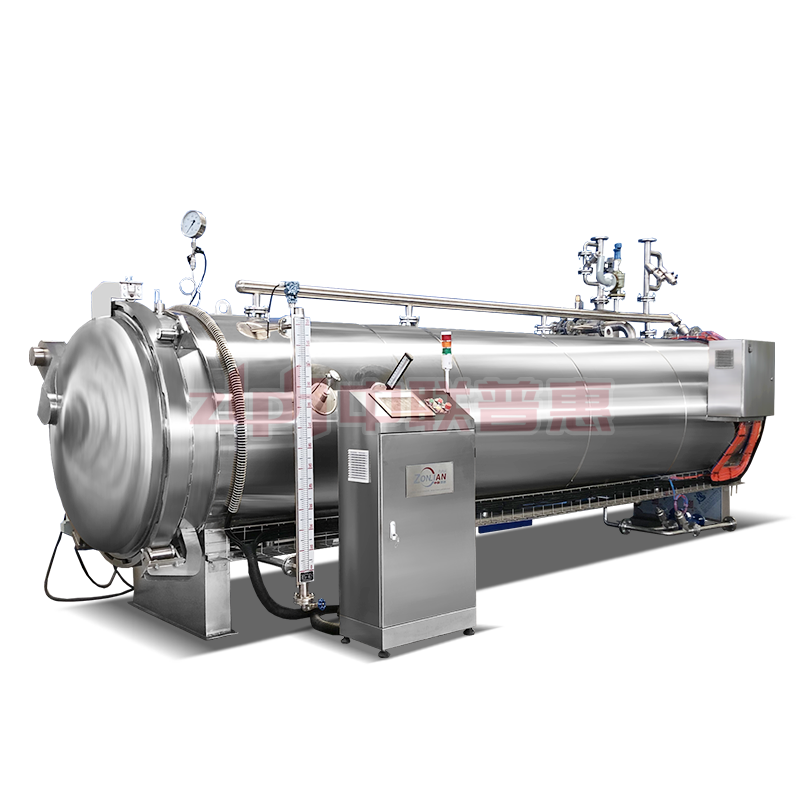
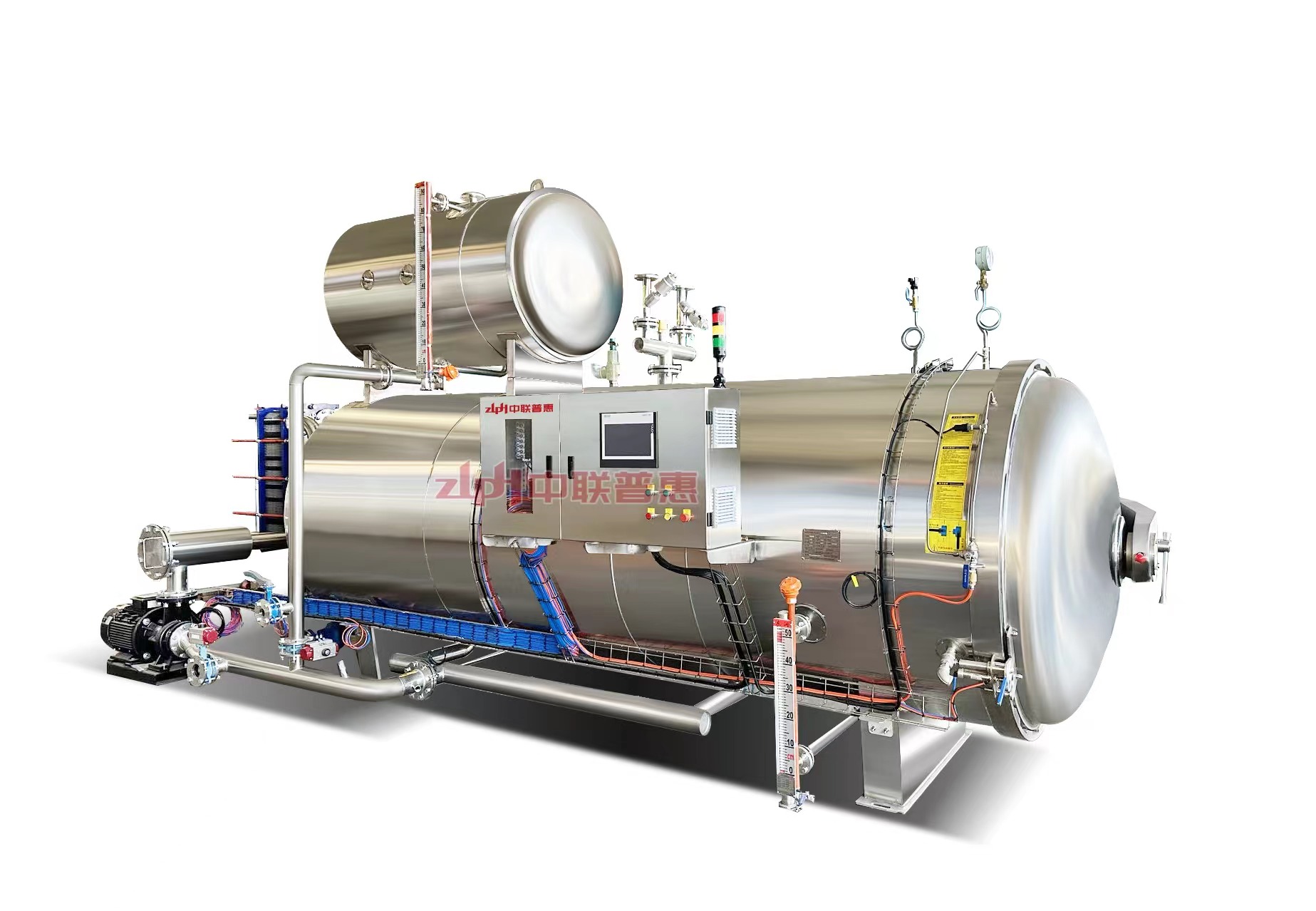
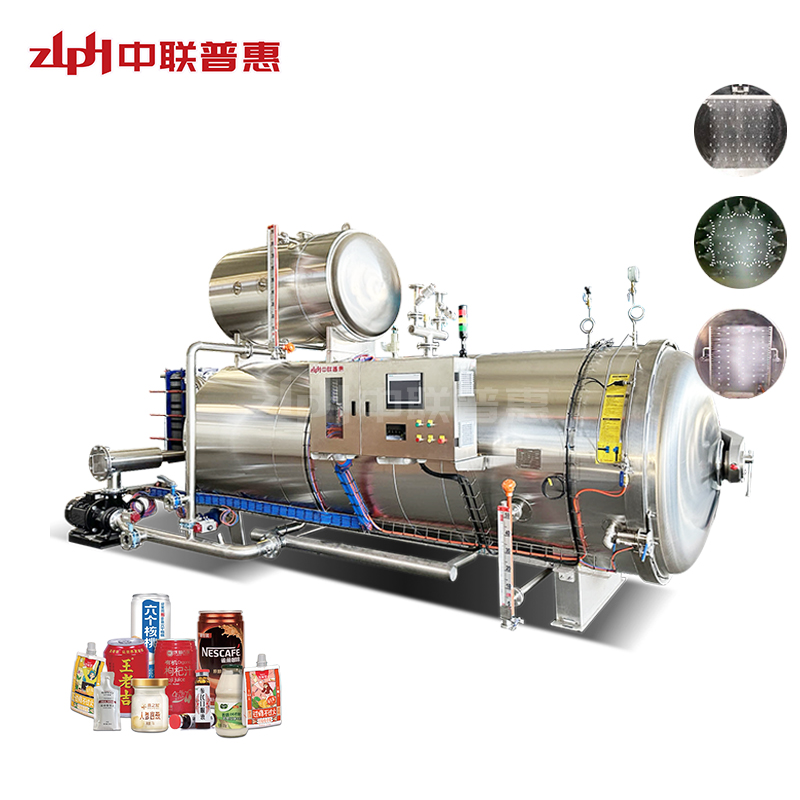
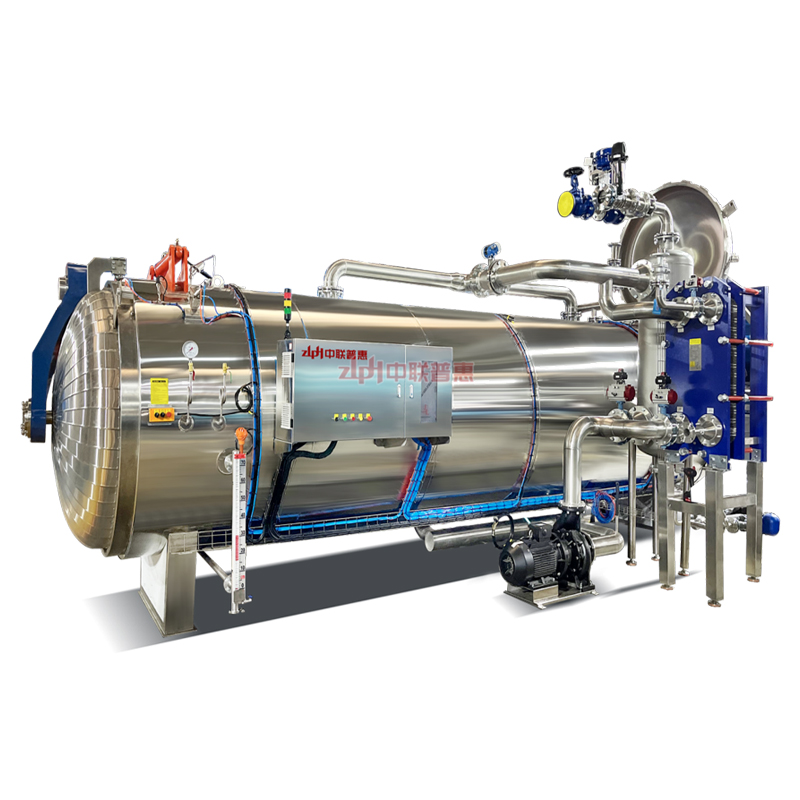
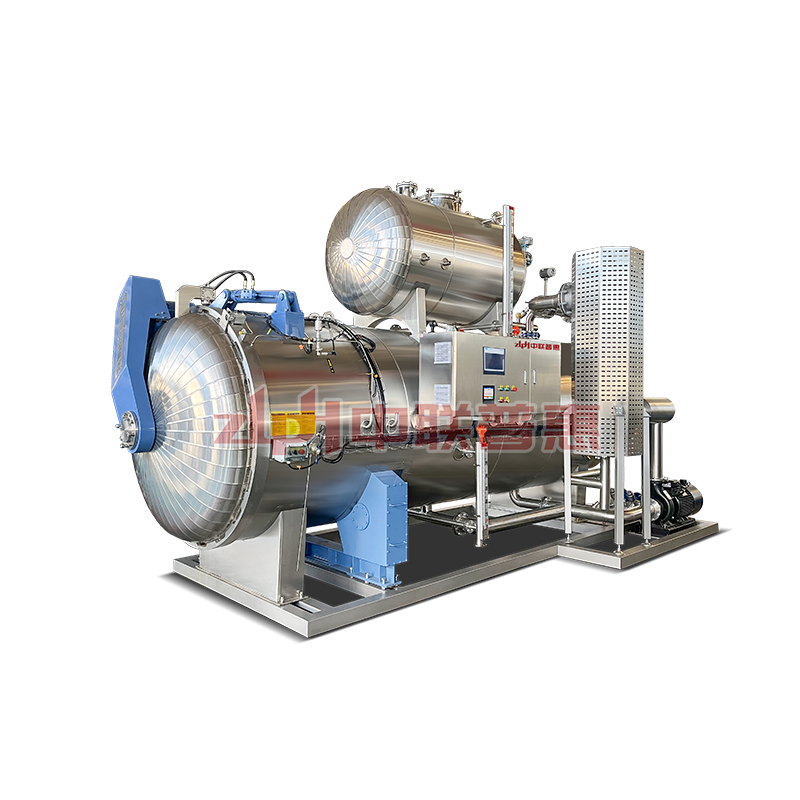
This guide is authored by a senior food processing engineer with over 10 years of experience at ZLPH MACHINERY TECHNOLOGY CO., LTD., a globally recognized provider of advanced retort sterilization systems. It addresses a critical challenge faced by food manufacturers, pet food producers, and canned goods exporters worldwide: selecting a reliable retort autoclave supplier that ensures food safety, regulatory compliance, and production efficiency.

Selecting an unqualified or inexperienced retort autoclave manufacturer often leads to inconsistent sterilization results, product recalls, extended downtime, and failed audits in key export markets like the EU, Russia, and Southeast Asia. Based on more than 5,000 global installations and field validations across diverse food categories—including ready meals, pet food in trays, and canned vegetables—ZLPH has developed a proven framework to help buyers identify technically capable, certified, and service-oriented suppliers. In this guide, we break down real-world scenarios, root causes of common failures, step-by-step selection criteria, and practical validation methods to ensure your sterilization process meets international safety standards while maximizing throughput and minimizing risk.

How do I verify if a retort autoclave supplier meets international certification requirements for food safety?
1. Scenario and Pain Point
Many food exporters discover too late that their retort equipment lacks mandatory certifications for target markets. For example, shipments to Russia were rejected because the sterilizer lacked EAC certification, while EU-bound products faced delays due to missing CE marking under Machinery Directive 2006/42/EC. This results in costly rework, storage fees, or even total loss of market access.
2. Root Cause Analysis
The core issues stem from three gaps: (1) suppliers claiming “CE compliance” without official certification from a Notified Body; (2) absence of pressure equipment certifications like ASME U Stamp for vessels operating above atmospheric pressure; and (3) lack of regional-specific approvals such as EAC for Eurasian Economic Union or DOSH for Malaysia.
3. Step-by-Step Solution
- Request official copies of ASME Certificate of Authorization, EU CE Declaration of Conformity (with NB number), and EAC CoC.
- Verify certifications via issuing bodies’ public databases where available.
- Confirm the equipment’s design pressure and temperature align with PED/ASME Section VIII requirements.
- Ensure the control system complies with electrical safety standards (e.g., IEC 60204-1).
4. Pitfall Avoidance Guide
Never accept self-declared CE marks without documentation. Always cross-check certificate validity dates and scope. Prioritize suppliers who proactively provide full compliance dossiers during quotation stage—not after contract signing.
5. Validation Evidence
ZLPH holds ASME, CE, EAC, and Malaysia DOSH certifications, enabling seamless customs clearance in over 60 countries. Clients report zero certification-related shipment rejections since 2020, with audit readiness confirmed by third-party inspectors in Germany, Russia, and Thailand.
How can I ensure consistent sterilization performance across different food products like pet food trays and canned soups?
1. Scenario and Pain Point
A pet food manufacturer using bowl-packaged meals experienced batch spoilage due to cold spots in the retort chamber. Similarly, a soup producer struggled with overcooked edges and under-sterilized centers when switching between glass jars and metal cans on the same line.
2. Root Cause Analysis
Inconsistent heat distribution arises from poor spray nozzle design, inadequate water circulation, and lack of real-time thermal mapping. Generic retorts without product-specific validation fail to account for varying thermal conductivity, fill levels, and container geometry.
3. Step-by-Step Solution
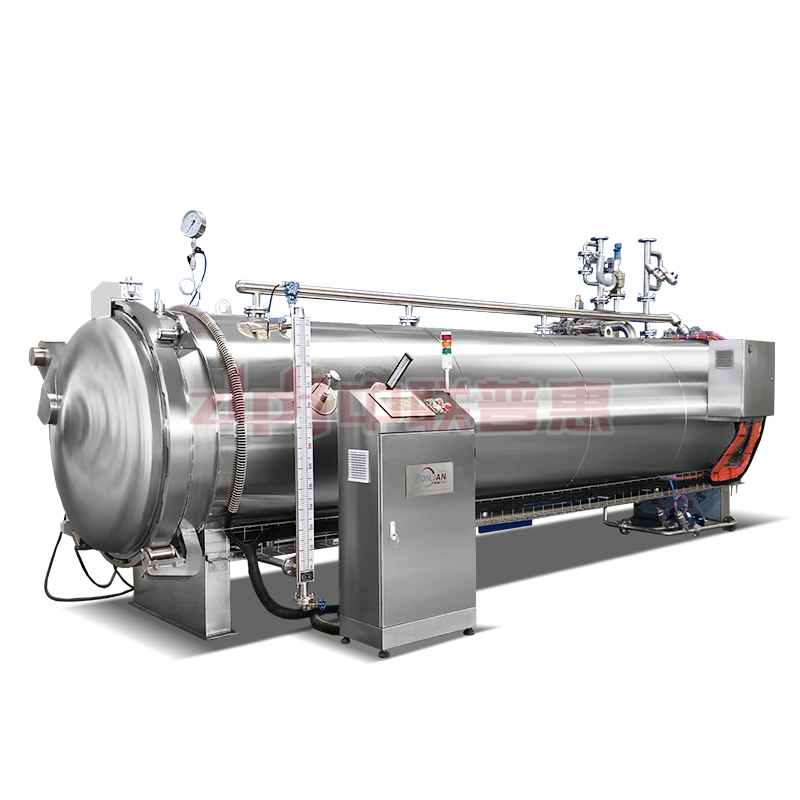
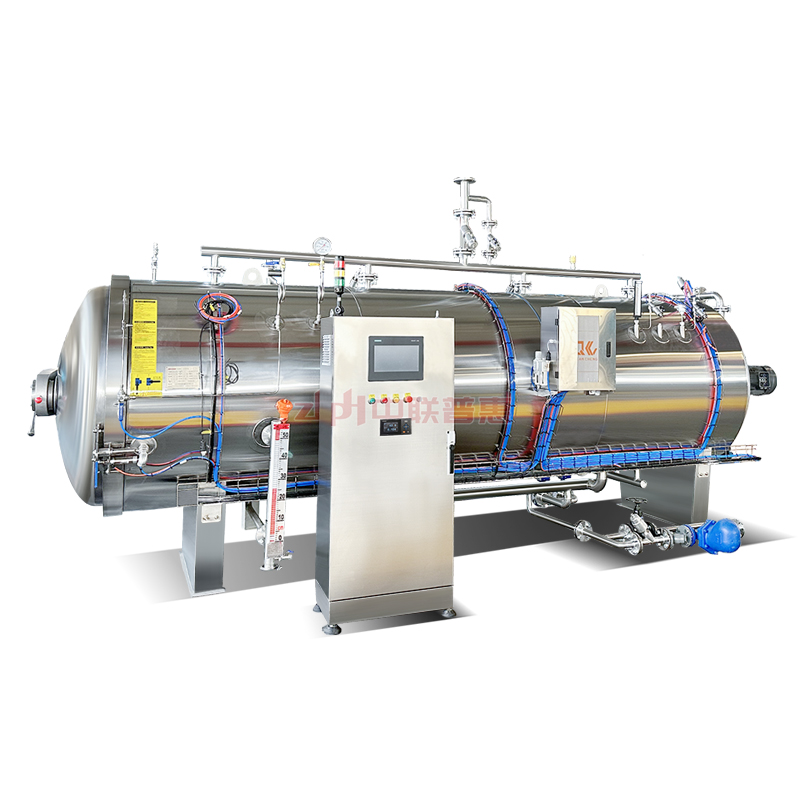
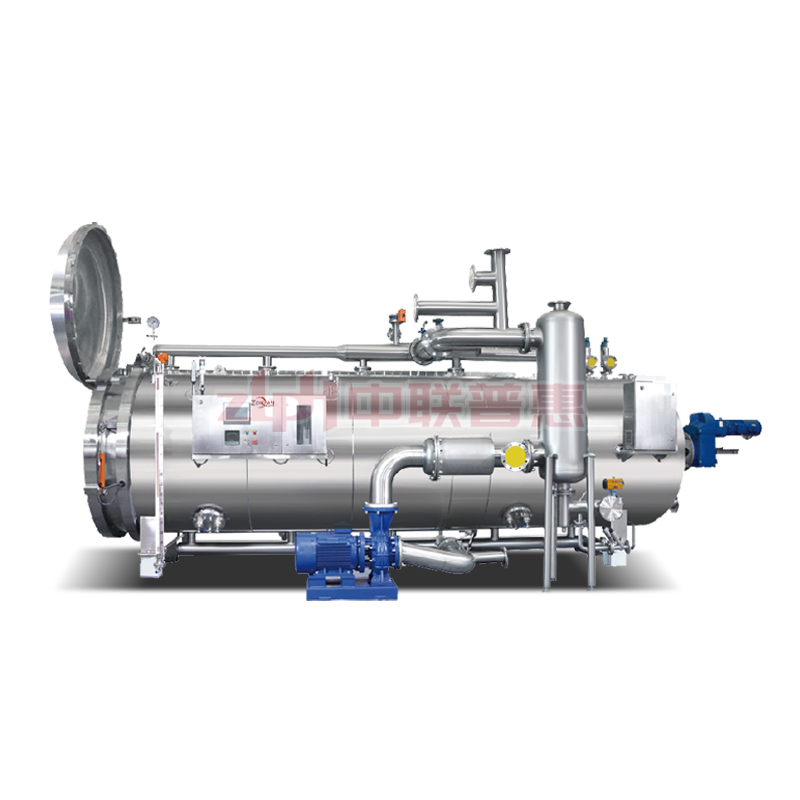
- Use retorts equipped with multi-zone water spray systems ensuring uniform coverage.
- Implement intelligent control systems that log time-temperature profiles for each basket position.
- Conduct F0 validation studies for every product-container combination.
- Integrate automated loader/unloader systems to maintain consistent basket loading patterns.
4. Pitfall Avoidance Guide
Avoid “one-size-fits-all” sterilization cycles. Always validate thermal performance with actual product loads—not empty chambers. Ensure the supplier provides thermal validation support as part of commissioning.
5. Validation Evidence At Petfair Asia 2023, ZLPH demonstrated its automated bowl sterilization line achieving ±0.5°C temperature uniformity across 120 tray positions. Clients in the U.S. and South Korea reported 100% commercial sterility compliance after switching to ZLPH’s water spray retort with real-time F0 monitoring.
What should I look for in a supplier’s technical support and after-sales capability?
1. Scenario and Pain Point
A food processor in Brazil faced 14 days of downtime when their retort’s PLC failed. The local agent couldn’t source parts or provide remote diagnostics, costing over $200,000 in lost production.
2. Root Cause Analysis
Weak after-sales networks, lack of multilingual engineers, and absence of remote monitoring capabilities delay troubleshooting. Many low-cost suppliers offer no post-installation support beyond basic manuals.
3. Step-by-Step Solution
- Confirm the supplier has dedicated after-sales engineers (ZLPH employs 14)
- Verify availability of 24/7 remote support via secure cloud platforms
- Ensure spare parts are stocked regionally or shipped within 72 hours
- Require training on operation, maintenance, and basic fault diagnosis
4. Pitfall Avoidance Guide
Test responsiveness before purchase—request a live demo of remote support. Avoid suppliers who outsource service to third parties without direct oversight.
5. Validation Evidence
ZLPH’s global support team resolved 98% of technical issues within 48 hours in 2023, with remote diagnostics reducing on-site visits by 70%. Customers in Mexico, Turkey, and Vietnam cite rapid response as a key reason for repeat orders.
Industry Best Practices for Selecting a Retort Autoclave Supplier
Based on 6 years of global project execution and 5,000+ installations, ZLPH recommends this 5-step evaluation framework:
1. Certifications First
Prioritize suppliers with ASME, CE, and target-market certifications—non-negotiable for export compliance.
2. Validate Thermal Performance
Demand F0 mapping reports for your specific product format. Never rely on generic claims.
3. Assess Automation Integration
Modern lines require compatibility with loaders, conveyors, and MES systems. Ensure open communication protocols (e.g., Modbus TCP).
4. Evaluate Factory Scale & Quality Control
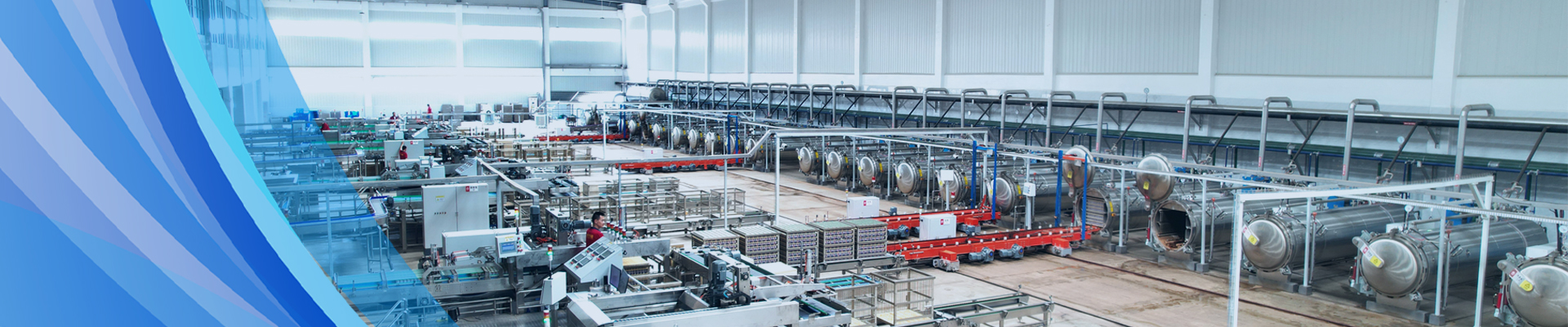
Visit or request video walkthroughs of the manufacturing facility. ZLPH operates a 15,000m² workshop with ISO-certified QC processes.
5. Test Support Responsiveness
Simulate a support request pre-purchase. Reliable partners respond within 4 business hours with actionable guidance.
Frequently Asked Questions (FAQ)
Q: Can a standard retort handle both metal cans and plastic trays?
A: Only if it features adjustable spray pressure, multi-zone temperature control, and validated cycles for each container type. ZLPH’s water spray retorts support mixed loads with product-specific recipes.
Q: Is ASME certification required for retorts sold outside the U.S.?
A: While not legally mandatory everywhere, ASME U Stamp is globally recognized as proof of pressure vessel integrity. Most multinational buyers require it to mitigate liability risks.
Q: How often should retort calibration be performed?
A: Temperature and pressure sensors should be calibrated every 6 months, or per local food safety regulations (e.g., FDA 21 CFR Part 113). ZLPH includes calibration protocols in its commissioning package.
Q: Do I need a separate validation study for each new product?
A: Yes. Thermal penetration varies by product density, fill level, and container material. Skipping validation risks under-processing—a leading cause of recalls.
Q: What’s the typical lead time for a custom retort system?
A: Standard models ship in 8–10 weeks; customized lines with automation take 12–16 weeks. ZLPH maintains partial pre-assembly to reduce delivery time by 20%.
About Our Expertise and Global Support
ZLPH MACHINERY TECHNOLOGY CO., LTD. is a leading innovator in intelligent retort sterilization systems, founded in 2018 with a 21-member R&D team specializing in mechanical design, PLC programming, and sterilization process engineering. We hold ASME, CE, EAC, and Malaysia DOSH certifications and operate a 50-acre manufacturing base with 15,000m² of production space equipped with precision machining centers. Our solutions have been deployed in over 40 countries, serving clients in ready-to-eat meals, pet food, seafood, and beverage sectors. At AGROPRODASH 2023 in Moscow and Petfair Asia 2023 in Shanghai, our intelligent top-opening water spray retorts received acclaim for reliability and ease of integration.
We offer end-to-end support including:
- On-site thermal validation and F0 mapping
- Custom automation integration (loader/unloader systems)
- Remote monitoring and predictive maintenance
- Free sample testing with client-provided products
Contact Information
Company: ZLPH MACHINERY TECHNOLOGY CO., LTD.
Website: https://www.zlphretort.com/
Email: sales@zlphretort.com
Phone / WhatsApp: +86 15666798389 / +86 13361554016
